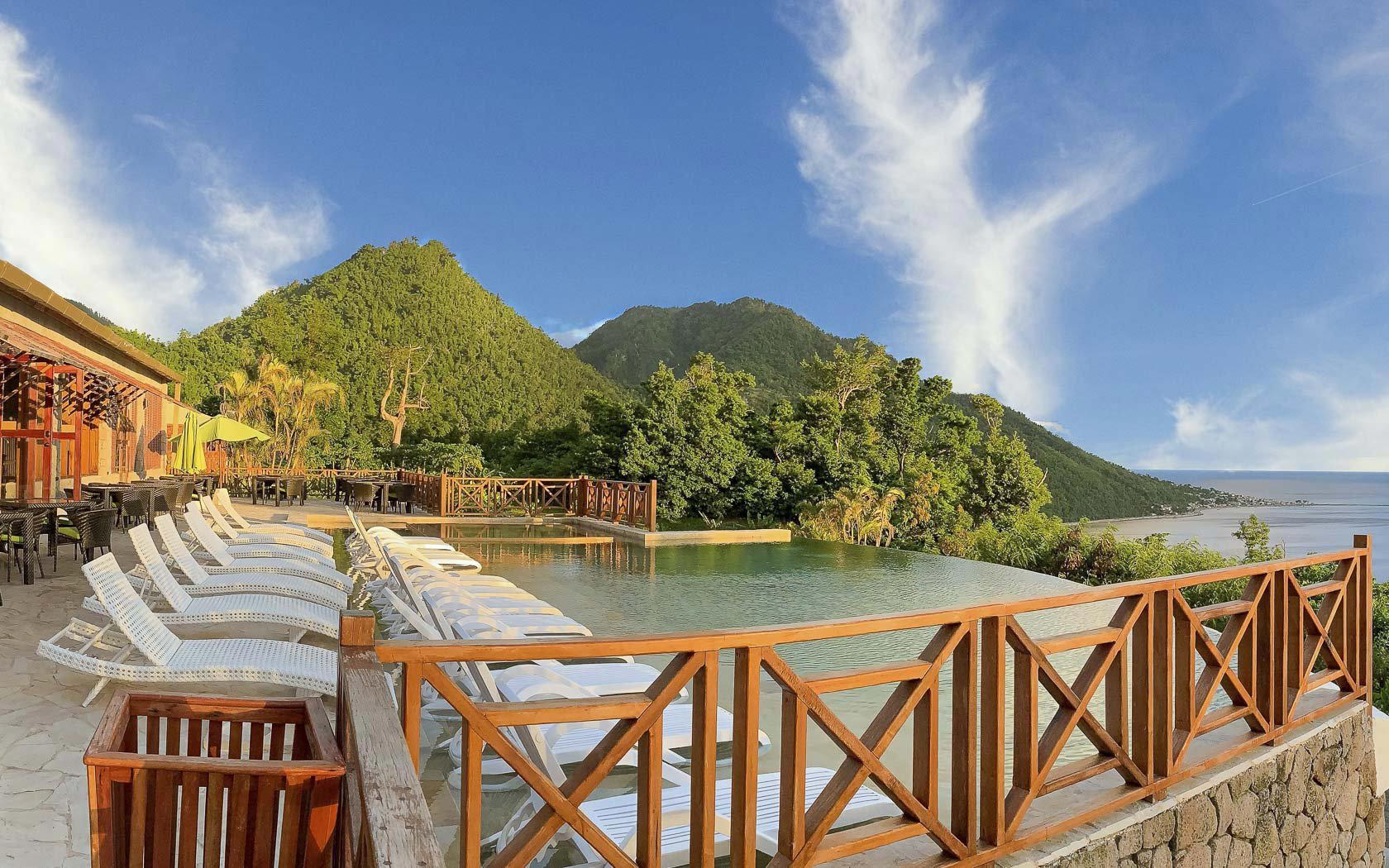
Lacou Melrose House in Roseau serves modern French-Caribbean fine dining in a historic building with courtyard seating, craft cocktails, and a leisurely pace for lunch or dinner.
Pearl is the En Primeur Club membership app — saves, bookings, and concierge access live there. Same editors, same standards.
- Address
- Roseau, Dominica
- Directions
- Get directions
 Saves & bookings on Pearl
Where the Island Grows What the Kitchen Serves
Dominica is called the Nature Isle for reasons that extend well beyond its volcanic terrain and rainforest cover. The island sustains one of the Caribbean's most intact agricultural traditions, with smallholder farmers growing dasheen, christophine, plantain, breadfruit, and a range of herbs and root vegetables that rarely make it onto export manifests. In Roseau, where the capital's dining scene remains small and largely local-facing, a handful of addresses draw on that agricultural proximity in ways that distinguish them from resort kitchens elsewhere in the region. Lacou Melrose House sits within that context, operating in a city where the distance between a dish and its source is measured in kilometres rather than supply chains.
Roseau's Dining Character: Small Scale, Local Depth
Roseau is not a dining capital in the conventional sense. The city has fewer than 15,000 residents, and its restaurant scene reflects a community-scale economy rather than a tourism-driven one. That compact scale has a practical consequence: the kitchens that endure here tend to work with what is grown or caught locally, not because it is fashionable, but because importing shelf-stable proteins and vegetables from elsewhere is both costly and logistically slow given the island's ferry and air connections. This structural reality shapes the character of eating in Roseau more than any single trend. Venues like Palisades Restaurant, The Great Old House, The LOFT art & cafe, and The Pallet each represent different positions in a scene that rewards proximity to Dominican produce. Lacou Melrose House belongs to this same local-rooted tier, where the sourcing story is not a marketing layer but an operational baseline.
The Ingredient Question in Caribbean Cooking
Across the Eastern Caribbean, the gap between what an island grows and what its restaurants serve has been a persistent tension. Many properties, particularly those affiliated with international hotel groups, import a significant portion of their kitchen stock to meet the menu expectations of international guests. Dominica has resisted this pattern more than most of its neighbours, partly because the island has never built the high-volume resort infrastructure that drives demand for standardised imported goods. The result is a food culture that remains grounded in Creole technique applied to locally available ingredients: mountain chicken (locally known as crapaud), fresh-caught fish from the Atlantic side, river crayfish, ground provisions from inland farms, and fruit that arrives at the kitchen in season rather than on a cold chain. For visitors accustomed to dining at addresses like Le Bernardin in New York City or 8 1/2 Otto e Mezzo Bombana in Hong Kong, where sourcing narratives are carefully constructed and communicated, Dominica's version of the same principle operates without the institutional apparatus, which makes it more embedded and less curated.
Lacou Melrose House in the Roseau Frame
The name Lacou references the Dominican Creole tradition of the lacou, the communal yard or gathering space that has historically served as the social centre of rural and semi-rural households. That reference places the venue within a specific cultural register: not fine dining in the European mode, not a casual beach bar, but something closer to the hosted table tradition that has defined Caribbean hospitality at its most genuine. In a city like Roseau, where the dining room and the domestic space have always been more porous than in larger capitals, that framing carries weight. Visitors exploring beyond Roseau can trace a similar sensibility at Keepin' It Real in Toucari or Islet View Restaurant & Bar in Castle Bruce, where the local-sourced, community-embedded approach manifests in different physical settings but comparable kitchen priorities.
Approaching the Table: What the Setting Implies
Roseau's architecture is a layered record of French and British colonial periods overlaid with local adaptation, and many of the city's older residential and commercial buildings carry that history in their proportions and materials: wide verandahs, louvred shutters, stone foundations, and corrugated iron rooflines. A venue drawing on the lacou tradition within this built environment operates in a space where the physical setting contributes meaning to the meal. The surrounding neighbourhood signals that this is eating within a lived context, not a purpose-built hospitality zone. That distinction matters to a growing category of traveller who finds more interest in a table that reads as authentic to its place than one that could be transplanted to another city without alteration. For those spending time elsewhere on the island, Coral Reef Bar & Restaurant in Calibishie, Sardonyx Restaurant & Bar in Mero, and Secret Bay in Tibay extend the conversation about how Dominica's physical character translates into its hospitality settings. Indian River in Portsmouth offers another register entirely, where the river ecosystem and the table are in direct dialogue.
Dominica Against a Wider Backdrop
Placing Lacou Melrose House in a global frame requires acknowledging how different the Roseau context is from the infrastructure supporting celebrated addresses like Alinea in Chicago, Atomix in New York City, or Alain Ducasse at Louis XV in Monte Carlo. Those kitchens operate inside award ecosystems, with documented sourcing partnerships, media coverage, and booking infrastructure that codify their reputations. Dominica's dining scene operates without that architecture. The value here is different: not a constructed experience delivered with precision, but a meal shaped by what the island produces and how its people have cooked it across generations. Lazy Bear in San Francisco and Emeril's in New Orleans both built reputations on a version of local and regional sourcing, but within mature media markets that reward documentation. Dominica's equivalent operates in a quieter register. That quietness is the point. See our full Roseau restaurants guide for additional context on the city's dining character.
Planning Your Visit
Because publicly available information on Lacou Melrose House, including hours, booking method, and specific menu format, is limited at the time of writing, the most reliable approach is to ask at your accommodation in Roseau, where local knowledge about opening days and access will be more current than any published source. Dominica's dining scene at this scale operates on rhythms that do not always align with online listings, and a direct enquiry on arrival or shortly before will serve better than advance assumptions. Visitors travelling from elsewhere in the region should factor in Roseau's relatively compact geography: the capital is navigable on foot, and most of the city's dining options are within a short distance of one another, which makes combining several in a single visit direct.
Fast Comparison
| Venue | Cuisine |
|---|---|
| Lacou Melrose HouseThis venue — the venue you are viewing | This venue |
Continue exploring
More in Roseau
Restaurants in Roseau
Browse all →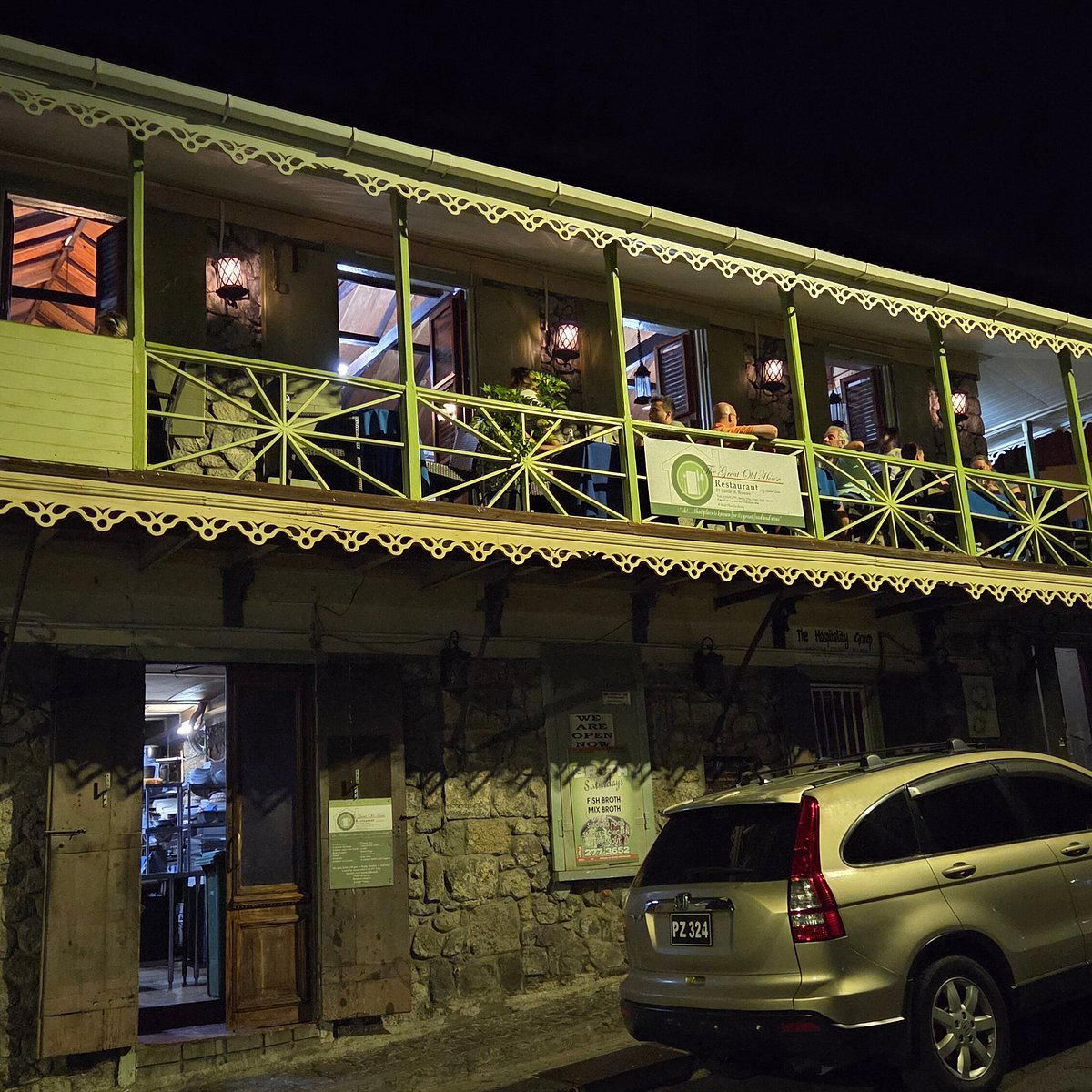
At a Glance
- Romantic
- Cozy
- Elegant
- Intimate
- Historic
- Date Night
- Special Occasion
- Courtyard
- Historic Building
- Craft Cocktails
- Local Sourcing
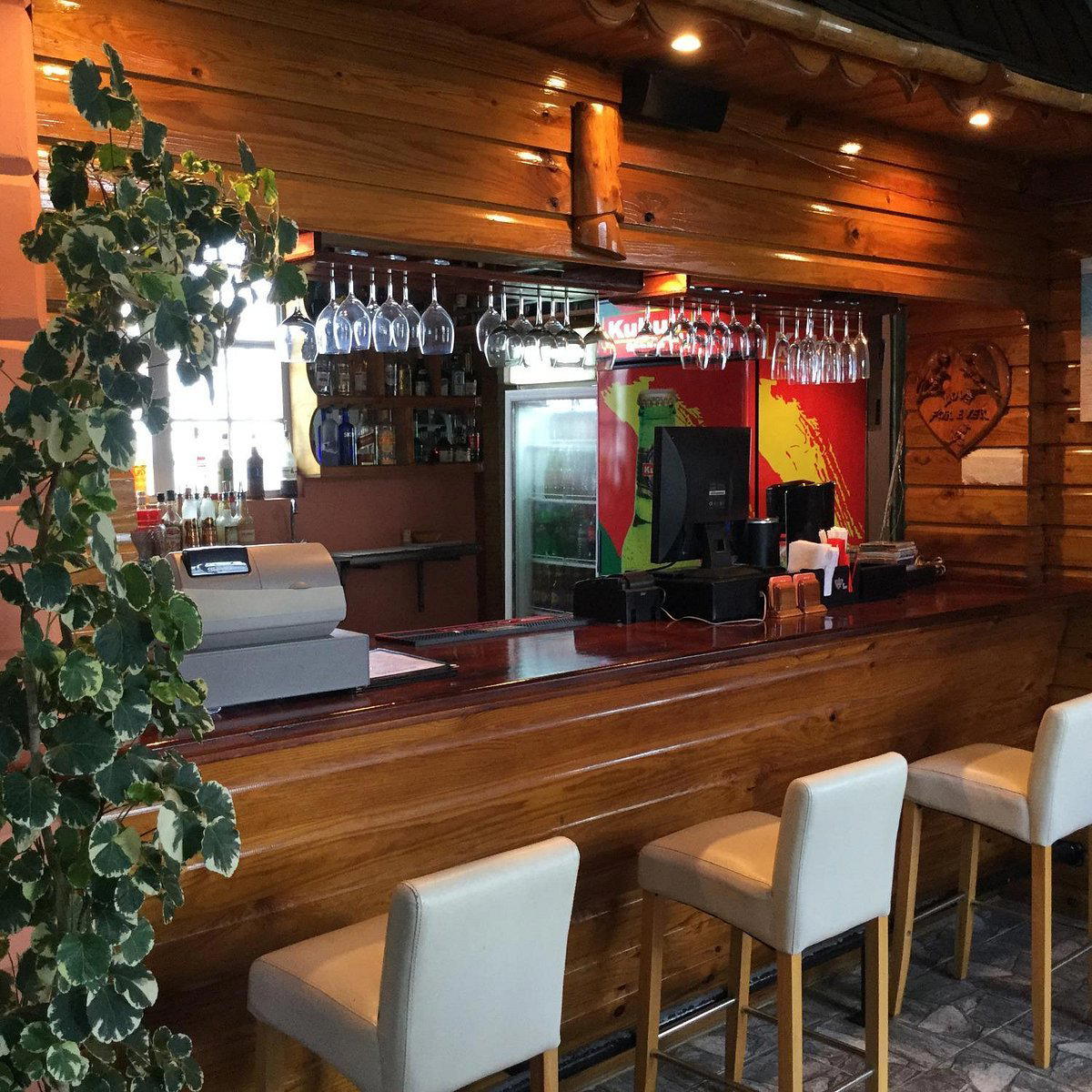
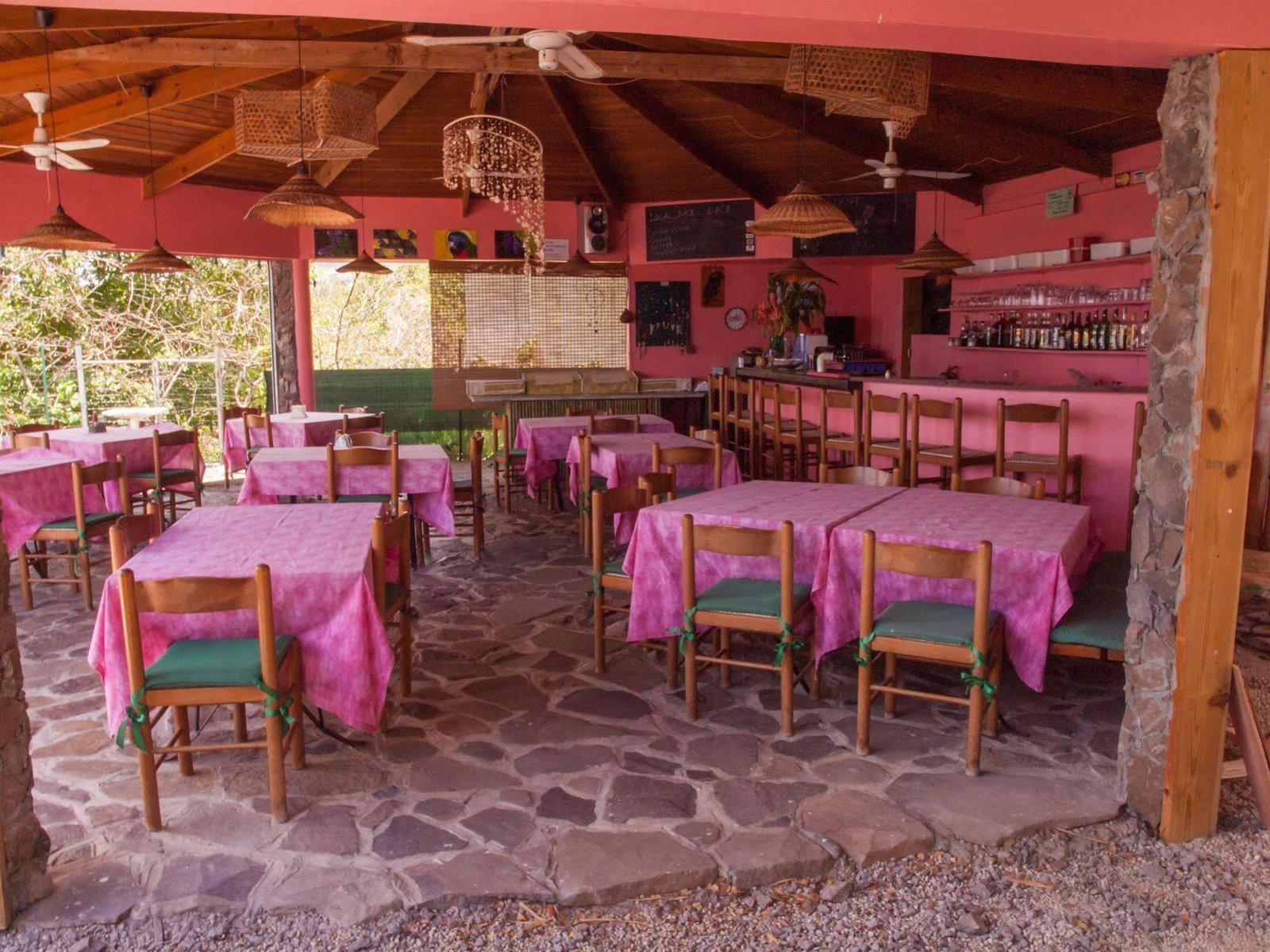
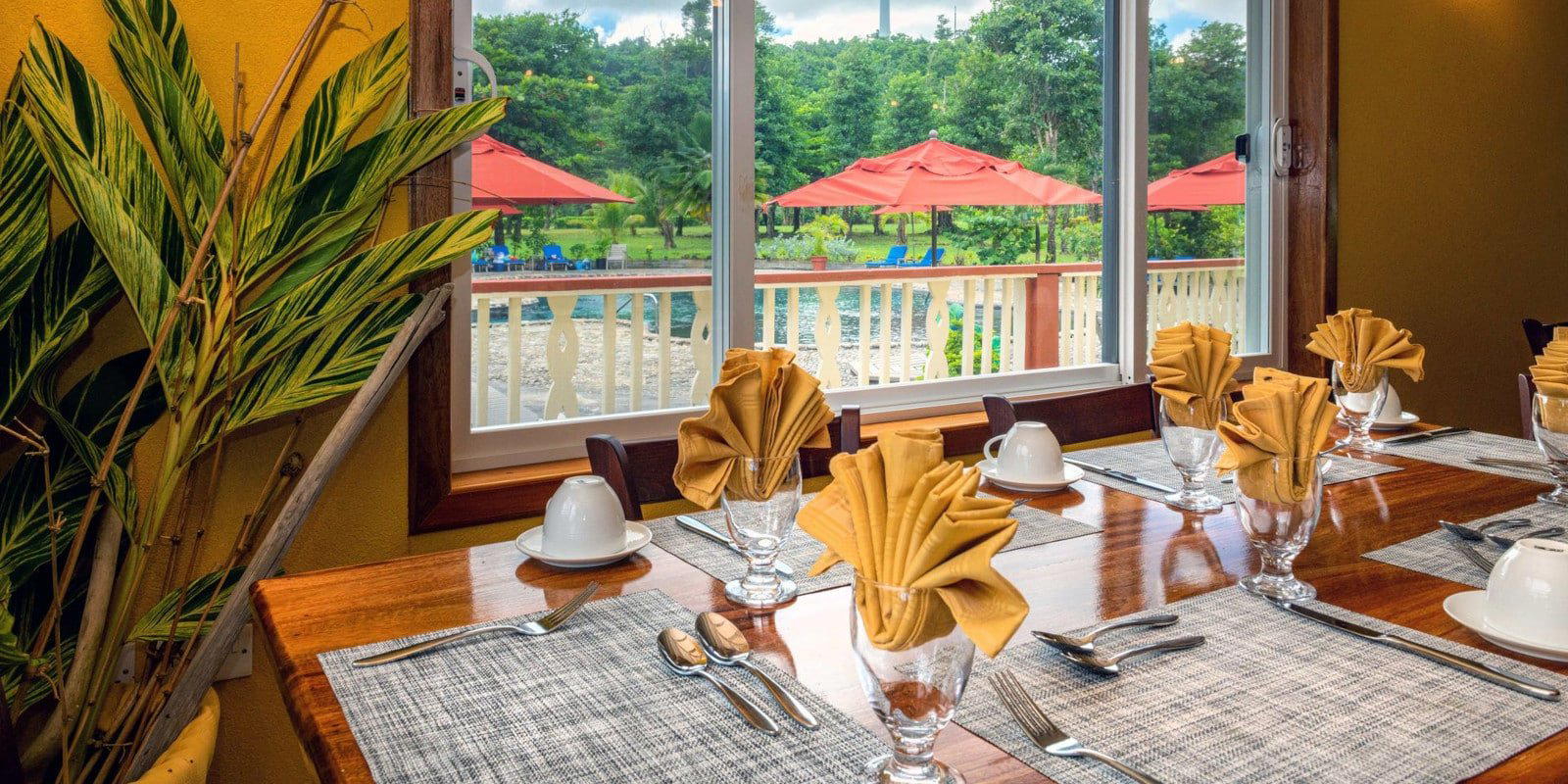
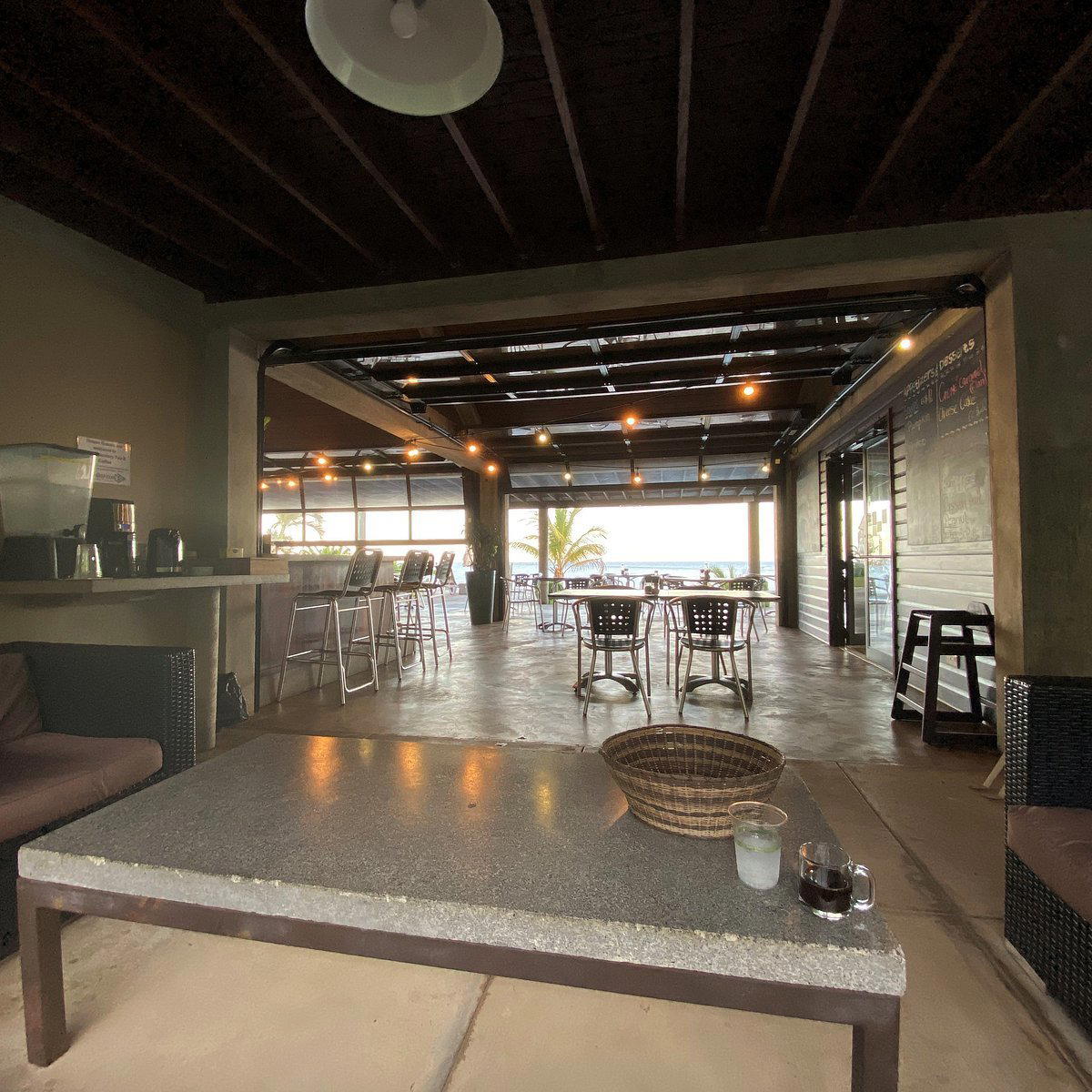
Cozy, charming, and artistic atmosphere in a historic courtyard setting with warm, intimate lighting.