The Great Old House occupies a storied address on Castle Street in Roseau, where Dominican Creole traditions meet the kind of colonial-era setting that gives the island's dining scene its most atmospheric chapter. For travellers moving through Dominica's compact capital, it represents the intersection of architectural heritage and local culinary culture that defines the city's more characterful dining options.
Pearl is the En Primeur Club membership app — saves, bookings, and concierge access live there. Same editors, same standards.
- Address
- 7JW7+MCH, Castle St, Roseau, Dominica
- Phone
- +1 767 277 3652
- Directions
- Get directions
 Saves & bookings on Pearl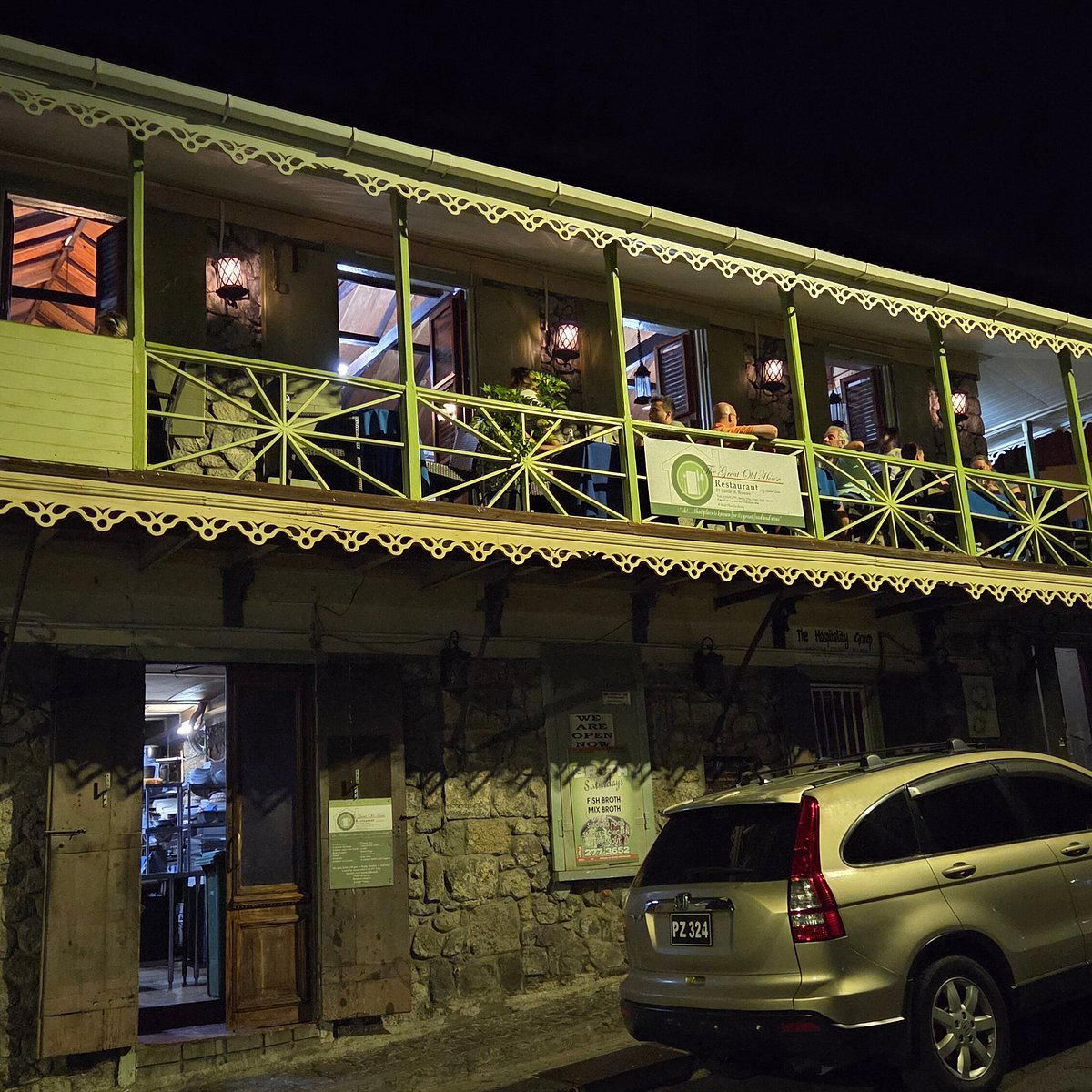
Castle Street and the Architecture of Dining in Roseau
Roseau is a small capital by any measure, but its streetscape carries the compressed history of a colonial port city that never fully modernised away its past. Castle Street sits within that older grid, where stone-and-timber buildings from the nineteenth century still define the rhythm of the block. Dining in settings like this one carries a different register than eating in a purpose-built restaurant: the physical envelope does part of the storytelling, and the cuisine arrives inside a context that most Caribbean cities have long since paved over. The Great Old House takes its identity from that address, and the name is less a marketing gesture than an accurate description of what the building is.
Across the Caribbean, the tension between heritage architecture and contemporary hospitality has produced two distinct outcomes. The first is the resort conversion, where colonial fabric is absorbed into an international brand and stripped of neighbourhood context. The second is the community-embedded institution, where the building remains part of its street, its city, and its culinary tradition. The Great Old House belongs to the second category, which places it alongside a small cohort of Caribbean addresses where atmosphere is earned through continuity rather than construction budgets.
Dominican Creole and What It Actually Means on the Plate
Dominican cuisine draws from three converging sources: the Kalinago agricultural inheritance, which centred on cassava, dasheen, and river provisions; the French and British colonial periods, which introduced braising techniques, salt cod traditions, and plantation-era spice use; and the African diaspora, which transformed those raw materials into the stewed, seasoned, and slow-cooked dishes that define the island's table today. The result is a Creole register distinct from Trinidadian, Martiniquan, or Bajan cooking, even when the ingredients overlap. Dominican Creole tends toward earthier preparations: mountain chicken (crapaud, a large frog endemic to the island), breadfruit in various forms, callaloo soups built on dasheen leaves, and freshwater fish from rivers that drain the island's volcanic interior.
This is not the kind of cuisine that travels easily or photographs for broad audiences, which is partly why Dominica's dining culture remains less documented than that of its neighbours. What that means in practice is that venues operating in this tradition are doing so without the scaffolding of international press coverage or award-circuit validation. For a traveller used to reading about restaurants through their Michelin credentials or 50 Best placements (the kind of recognition that institutions like Le Bernardin in New York City or Atomix in New York City carry into every review), Roseau requires a recalibration of the signals. Local reputation and physical longevity become the primary trust indicators here.
Where The Great Old House Sits in Roseau's Dining Conversation
Roseau's restaurant offering is concentrated and navigable. The city is small enough that its dining venues form a knowable set rather than an overwhelming grid. Within that set, a few distinct positions have emerged. Lacou Melrose House and Palisades Restaurant represent the more formally structured end of Roseau dining, while The LOFT art & cafe and The Pallet occupy a more casual, daytime-oriented register. The Great Old House, with its heritage address and institutional name, reads as a venue for which the building and its history are as much part of the proposition as the menu itself.
For a fuller picture of where each of these fits into the city's rhythms, the EP Club Roseau restaurants guide maps the options by neighbourhood character and meal type. That context matters in a city where the difference between a lunch spot, a dinner venue, and a heritage dining experience can be a single block.
Dominica Beyond the Capital
Any serious engagement with Dominican food culture extends beyond Roseau. The island's coastal communities operate their own dining traditions, often more directly tied to daily catch and seasonal provisions than city venues can sustain. Coral Reef Bar & Restaurant in Calibishie and Islet View Restaurant & Bar in Castle Bruce represent the eastern coastal register, where the Atlantic rather than the Caribbean Sea sets the fishing calendar. To the north, Indian River in Portsmouth and Keepin' It Real in Toucari anchor a different zone of the island's food culture, one shaped by Portsmouth's own history as Dominica's second city.
On the western coast, Sardonyx Restaurant & Bar in Mero and Secret Bay in Tibay operate within the more resort-adjacent stretch of the island, where international visitor expectations meet local ingredient sourcing. Each of these venues is doing something meaningfully different from a Roseau institution, and the contrast is worth seeking out across a multi-day visit. The island is compact enough that moving between these dining zones in a single day is practical, though the road quality between coastal communities demands patience.
The Heritage Dining Format in the Eastern Caribbean
Across the region, a small number of venues have built their identity around historical buildings in ways that go beyond aesthetic. In Dominica, where the tourism infrastructure remains deliberately limited compared to St. Lucia or Barbados, venues that occupy old buildings tend to do so because the building was already there and the operation grew up inside it, rather than because a developer decided heritage atmosphere was a market differentiator. That distinction matters for how the food and service read. The comparison set for The Great Old House is not the polished colonial-revival restaurants of Bridgetown or the design-led heritage hotels of Guadeloupe. It is a smaller, more specific cohort of Caribbean addresses where the building and the community around it are the primary context, and where the dining tradition is local rather than imported.
The contrast with highly engineered heritage dining environments elsewhere (think of how Dal Pescatore in Runate or Atelier Moessmer Norbert Niederkofler in Brunico use their historical settings as deliberate fine-dining signifiers) is instructive. Those venues deploy heritage with precision and press coverage to support it. In Roseau, the heritage is the baseline, not the strategy.
Planning a Visit
The venue sits on Castle Street in Roseau's central grid, reachable on foot from most points in the city centre. Given the venue's address in the older part of the city, the most reliable approach is to ask at your accommodation for current opening status, as hours at smaller heritage venues in Dominica can shift with season and local demand. For context on how this venue compares with other Roseau options across meal type and occasion, the full Roseau guide is the practical starting point.
Continue exploring
More in Roseau
Restaurants in Roseau
Browse all →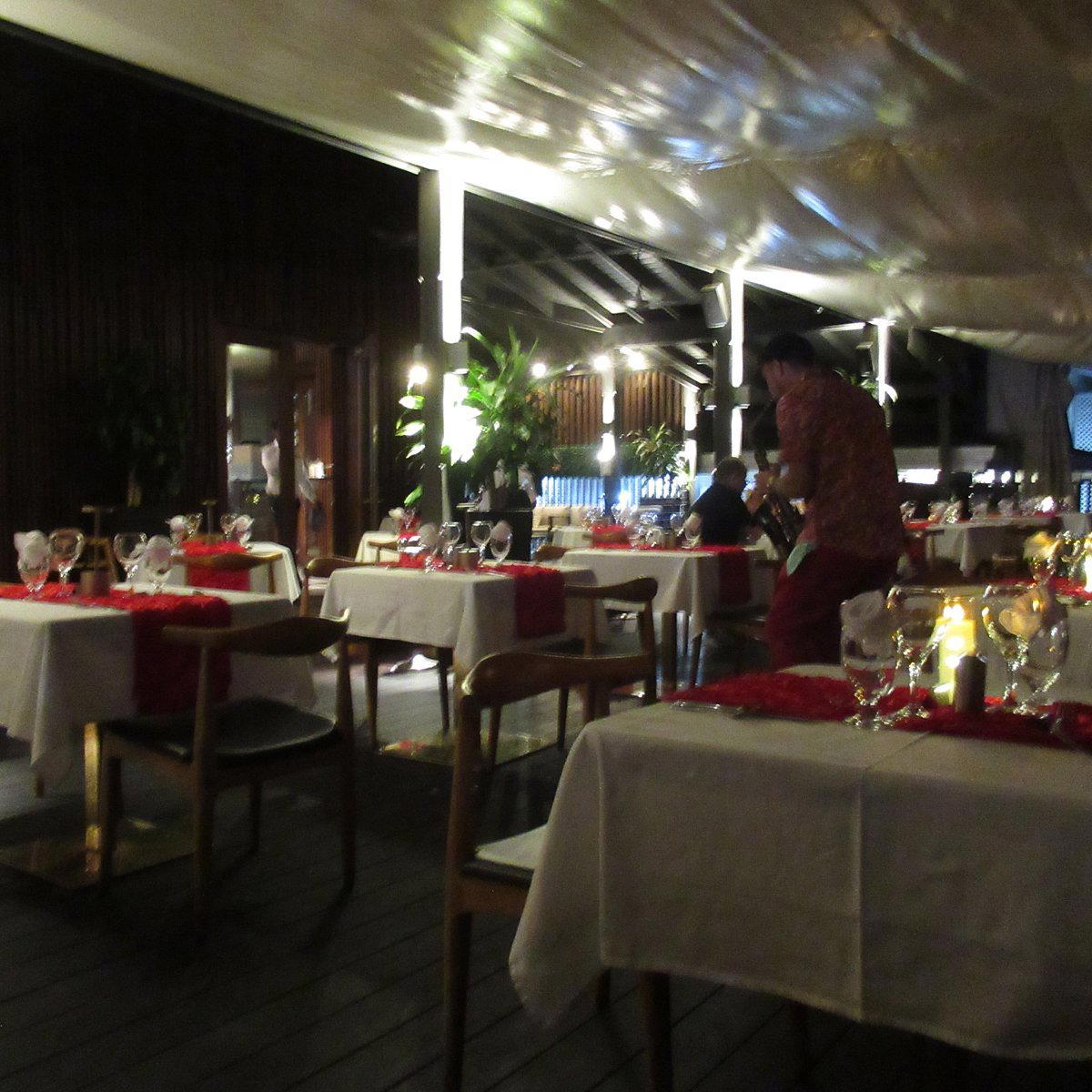
At a Glance
- Classic
- Cozy
- Elegant
- Family
- Group Dining
- Date Night
- Historic Building
- Terrace
- Local Sourcing
- Street Scene
Current opening hours
- Monday
- 5–9 PM
- Tuesday
- 5–9 PM
- Wednesday
- 5–9 PM
- Thursday
- 5–9 PM
- Friday
- 5–9 PM
- Saturday
- 5–9 PM
- Sunday
- Closed
Hours can change for holidays and private events. Last verified .
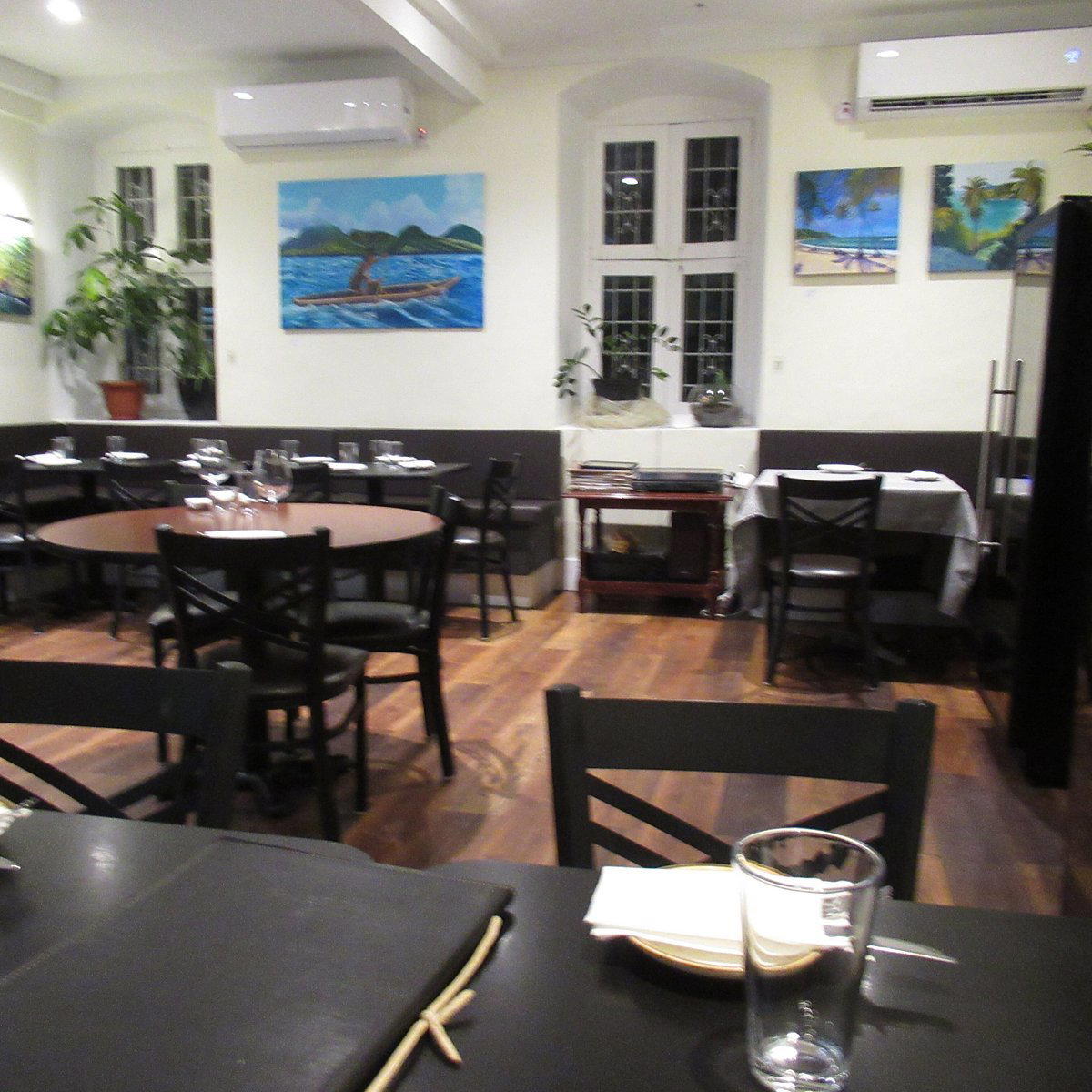
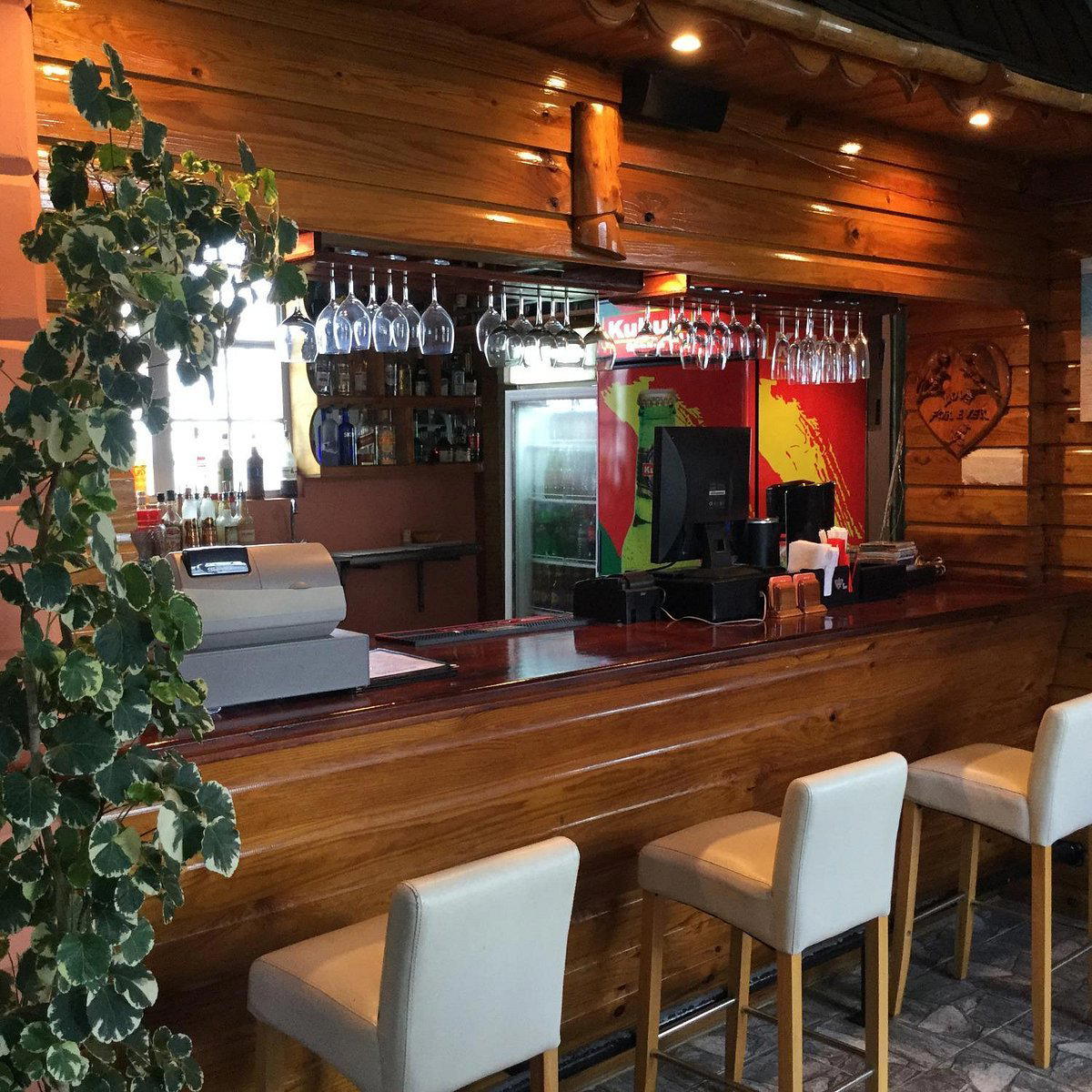
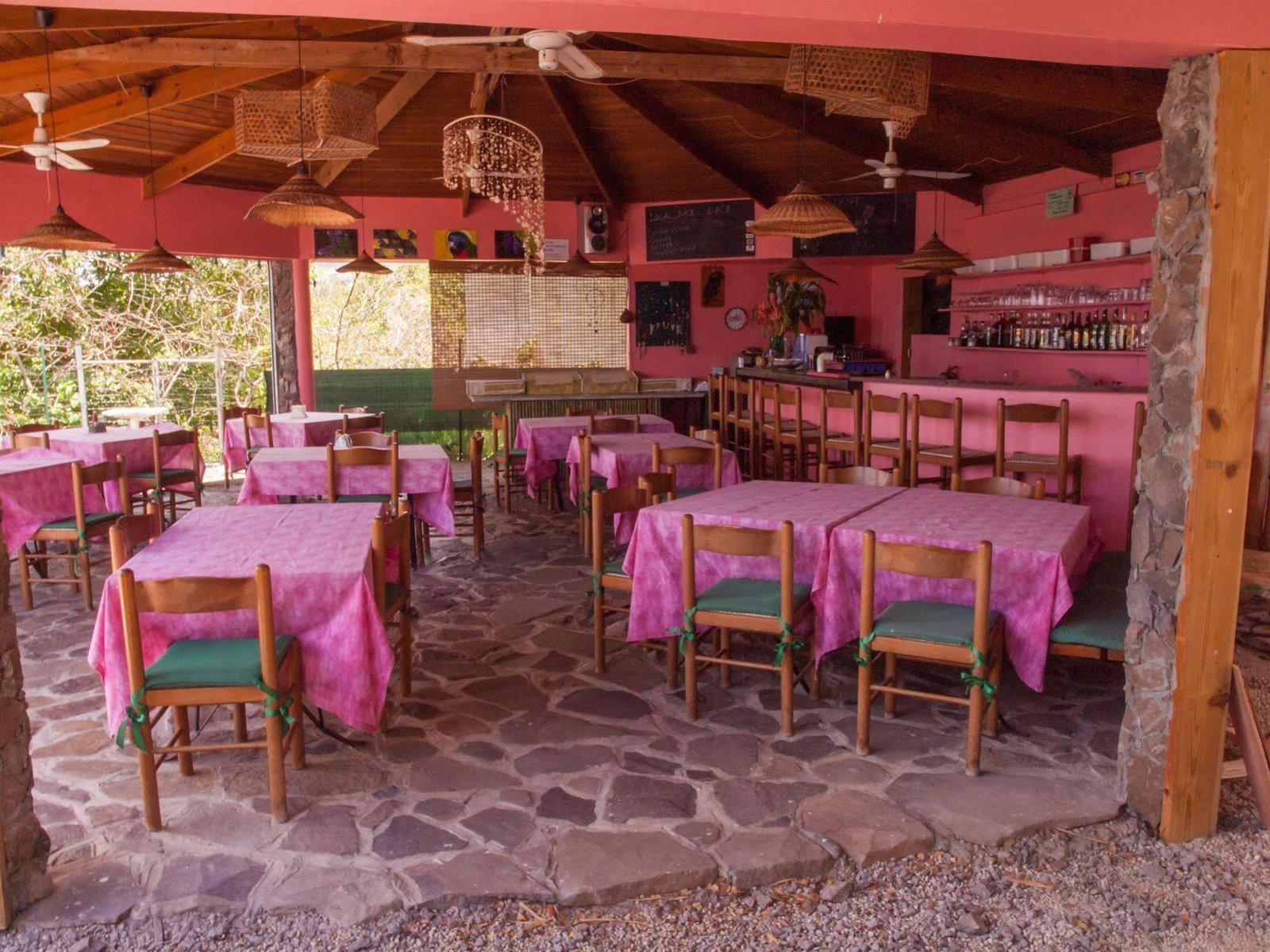
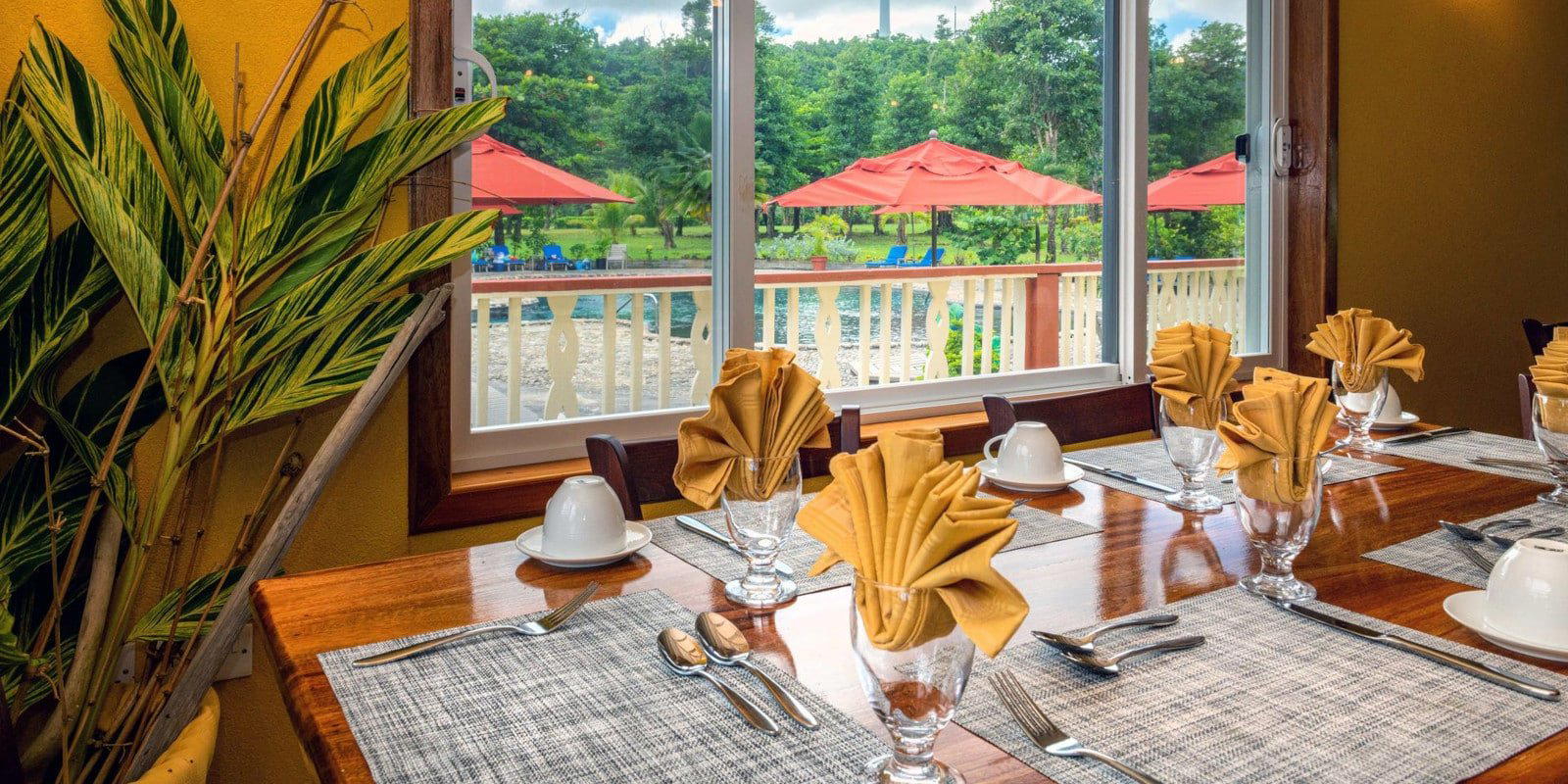
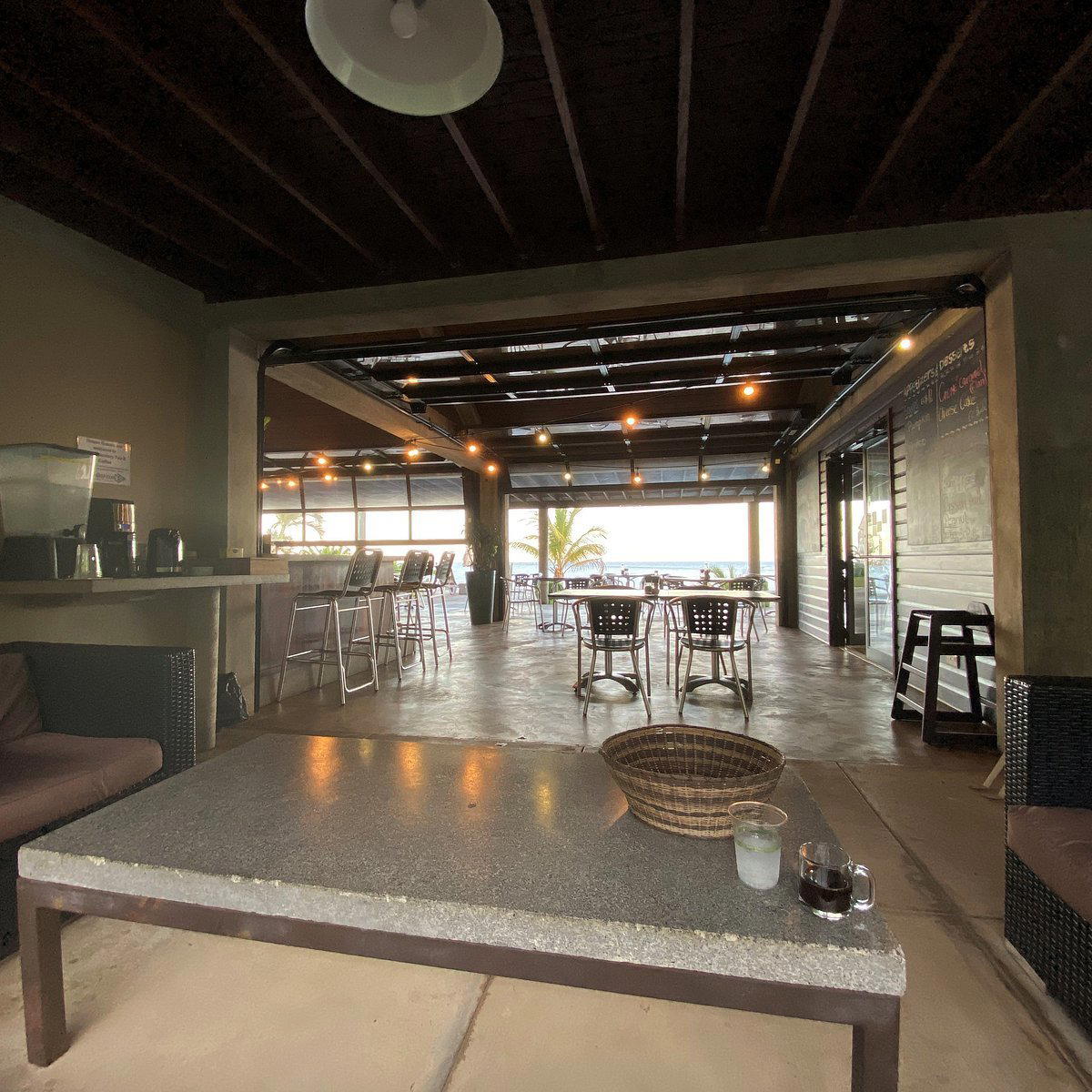
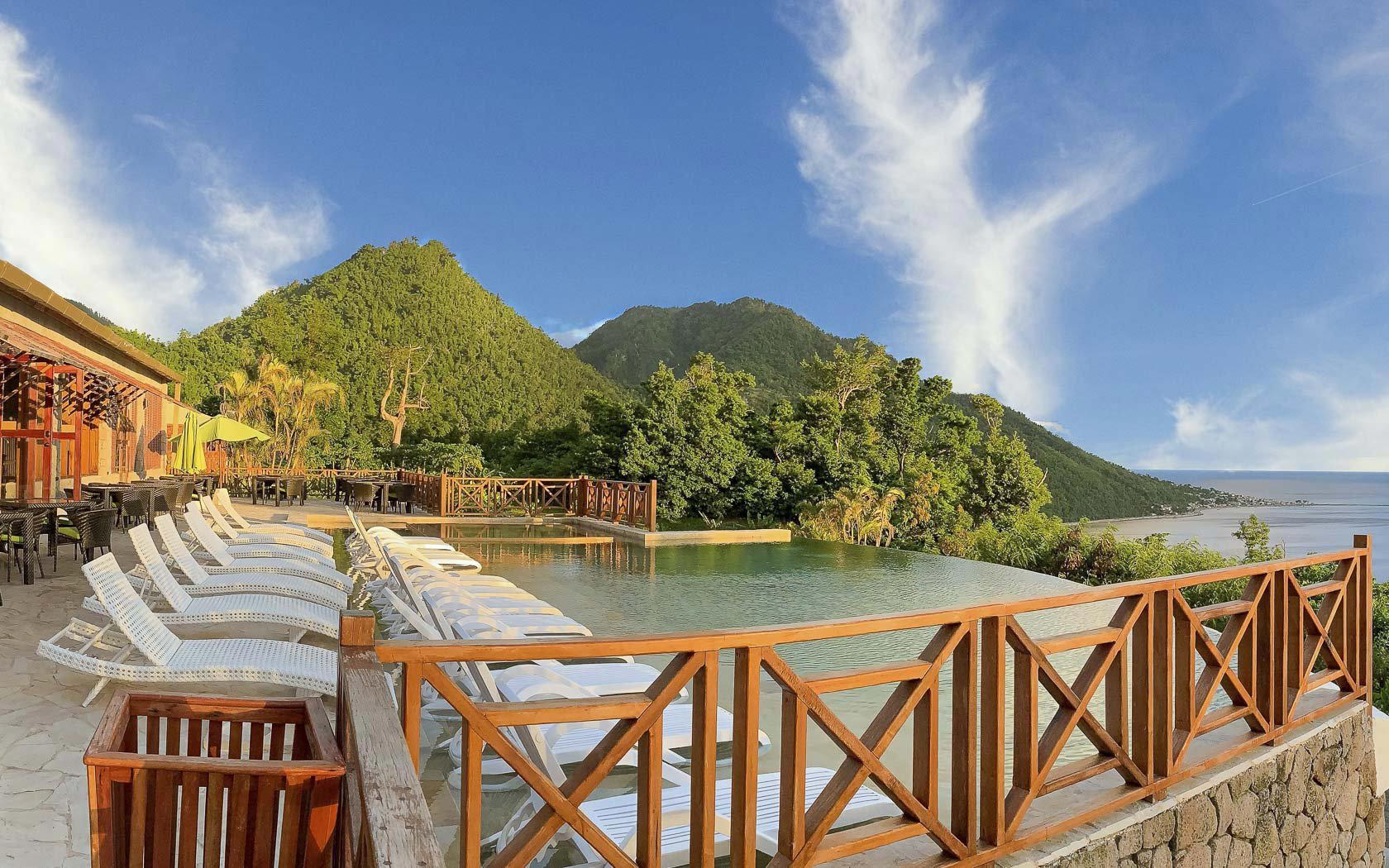
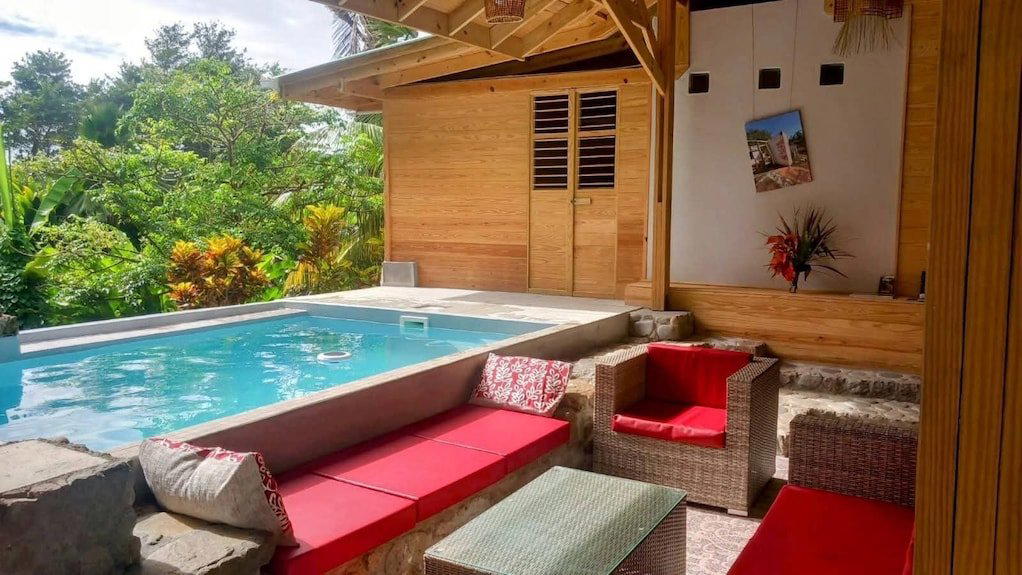
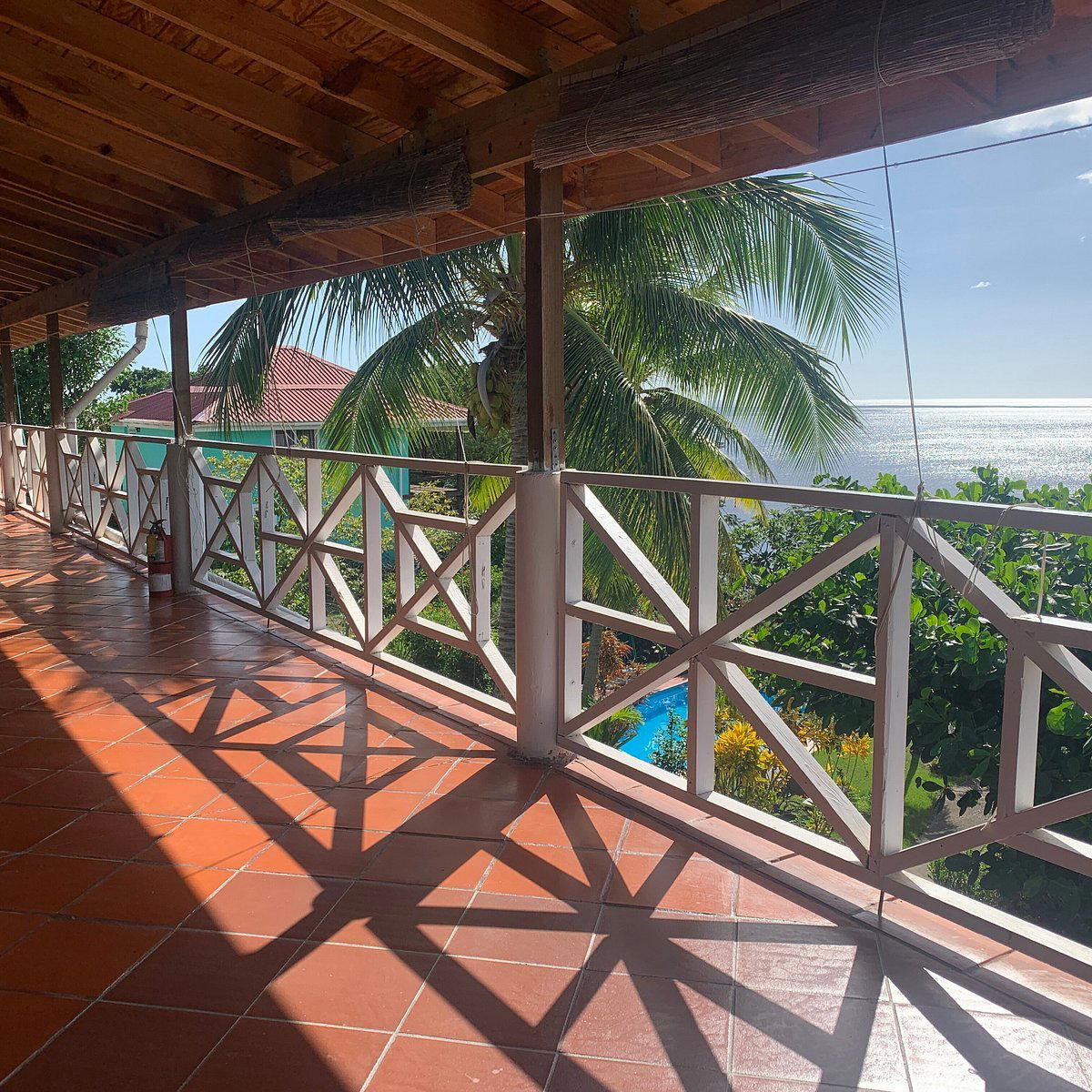
Warm, inviting, and relaxed atmosphere in a historic building with comfortable indoor dining and breezy balcony seating.
Know Before You Go
- Getting there
- 7JW7+MCH, Castle St, Roseau, Dominica