Sardonyx Restaurant and Bar sits along the Edward Oliver Leblanc Highway in Mero, on Dominica's lush west coast, where the island's volcanic soil and Atlantic-fed waters define what ends up on the plate. With limited documentation in mainstream travel channels, it represents the kind of grounded, locality-driven dining that Dominica's small-village eating scene quietly sustains. A practical first stop for anyone moving between Roseau and the northern parishes.
Pearl is the En Primeur Club membership app — saves, bookings, and concierge access live there. Same editors, same standards.
- Address
- CH9C+FPH, Edward Oliver Leblanc Hwy, Mero, Dominica
- Phone
- +1 767 449 4373
- Directions
- Get directions
 Saves & bookings on Pearl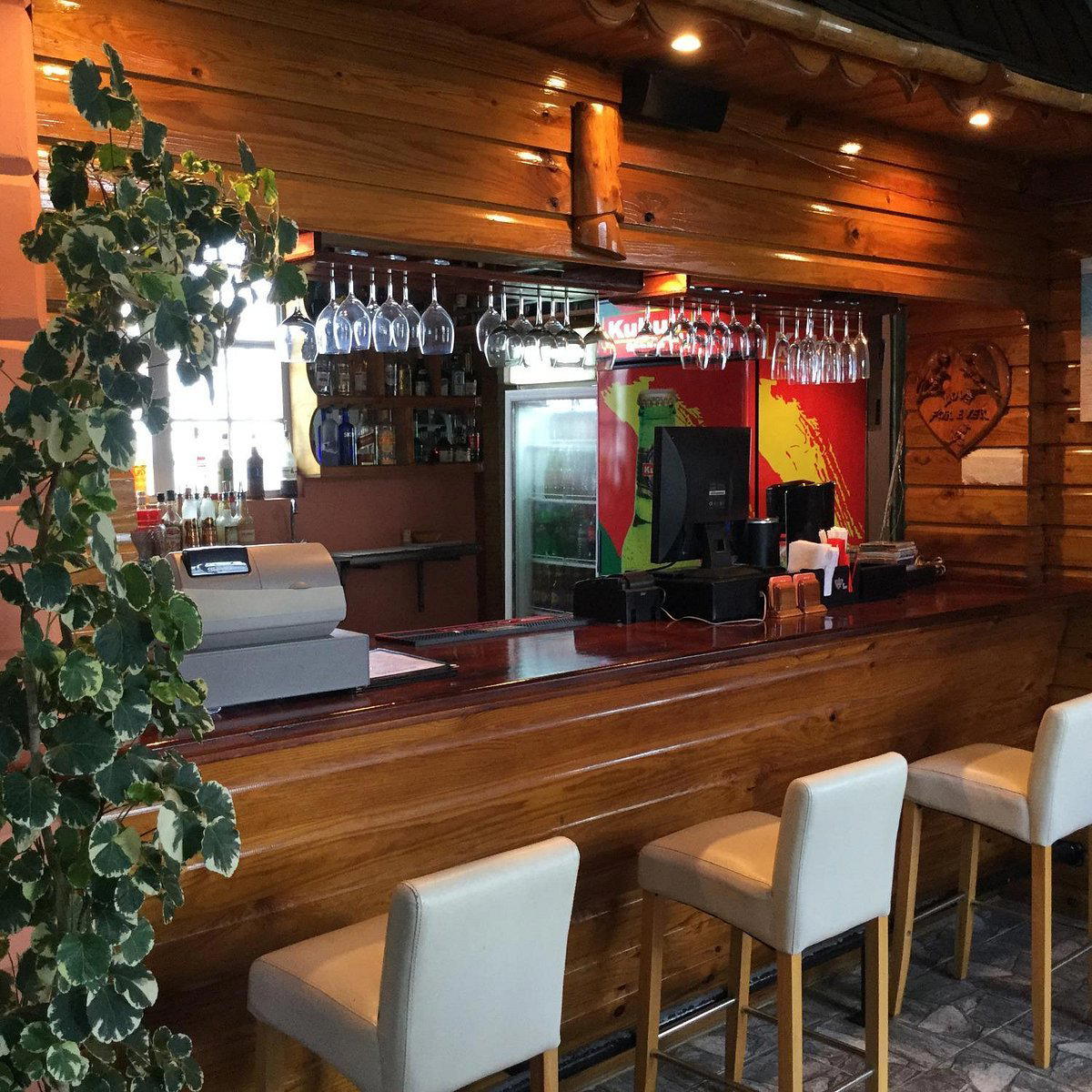
Dining on Dominica's West Coast: What the Land Puts on the Table
Dominica has never been a destination that trades on resort polish. The island's dining identity is shaped by geography before it is shaped by ambition: volcanic soil that yields dense, flavourful root vegetables; rivers cold enough to support crayfish populations that most Caribbean islands have long since lost; and a coastline where flying fish, tuna, and wahoo are landed by small-boat fishermen rather than industrial fleets. Restaurants along the Edward Oliver Leblanc Highway, which traces Dominica's west coast between Roseau and the northern parishes, sit inside that ecology rather than apart from it. Sardonyx Restaurant and Bar, positioned in Mero in the parish of Saint Andrew, is part of that corridor — a stretch where the dining proposition is defined more by what the surrounding land and sea produce than by formal culinary credentials.
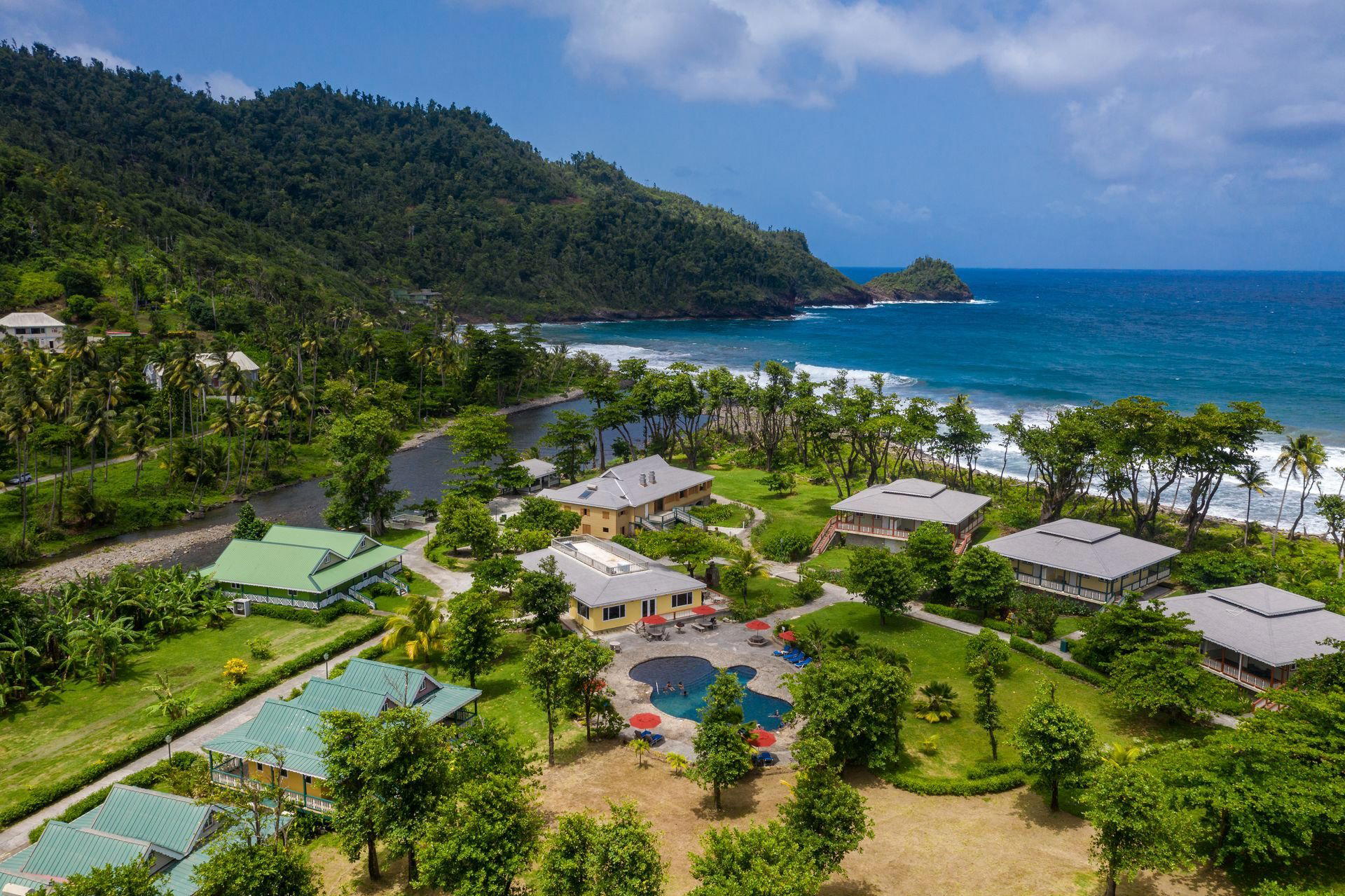
Mero itself is a small coastal community known primarily for its black-sand beach, one of the more accessible swimming spots on the west coast. The highway runs close to the water here, and the light shifts quickly in the late afternoon as the Morne Trois Pitons range catches cloud behind the village. Eating in this context is rarely ceremonial. The better village restaurants along this coast function as a form of practical hospitality: food that reflects the week's market and catch, served without elaborate staging, to a mix of locals and the small number of travellers who have moved beyond the capital.
The Sourcing Logic of a Small Caribbean Kitchen
Understanding what Dominica's village kitchens cook requires understanding where the ingredients originate. The island is one of the least agriculturally compromised in the Eastern Caribbean: a large proportion of land remains under forest or small-scale cultivation, and the farming tradition relies heavily on what is known locally as the "provision ground" — small plots producing dasheen, breadfruit, plantain, yam, and christophene. These are not heritage curiosities kept alive for tourists. They are the working agricultural backbone of Dominican home cooking and, by extension, of restaurants like Sardonyx that draw from local supply chains rather than imported commodity goods.
The sourcing geography matters because it creates a different flavour register than what travellers encounter in more developed Caribbean markets. Dasheen leaves cooked into callaloo carry an earthiness that reflects volcanic mineral content in the soil. Breadfruit, when sourced locally and cooked to order, has a density and nuttiness that the imported versions common in Barbados or Antigua rarely match. Dominica's freshwater crayfish, found in the island's river systems, have become something of a reference point for the country's culinary identity, a protein that functions as shorthand for the island's ecological difference from its neighbours. Whether Sardonyx carries this on its menu at any given visit is not confirmed in available records, but the sourcing infrastructure that makes such dishes possible is present in Mero's immediate hinterland.
For context on how Dominica's approach to provenance compares to more documented farm-to-table formats elsewhere, it is worth noting that internationally recognised restaurants like Atelier Moessmer Norbert Niederkofler in Brunico or Reale in Castel di Sangro have built entire critical reputations around regional ingredient sourcing as a philosophical commitment. In Dominica, the same principle operates without the formal apparatus: no tasting menus, no published manifesto, just the practical reality of an island where imports are expensive and the land is genuinely productive. That is a different kind of sourcing story, and arguably a more structurally honest one.
Where Sardonyx Sits in Dominica's Dining Picture
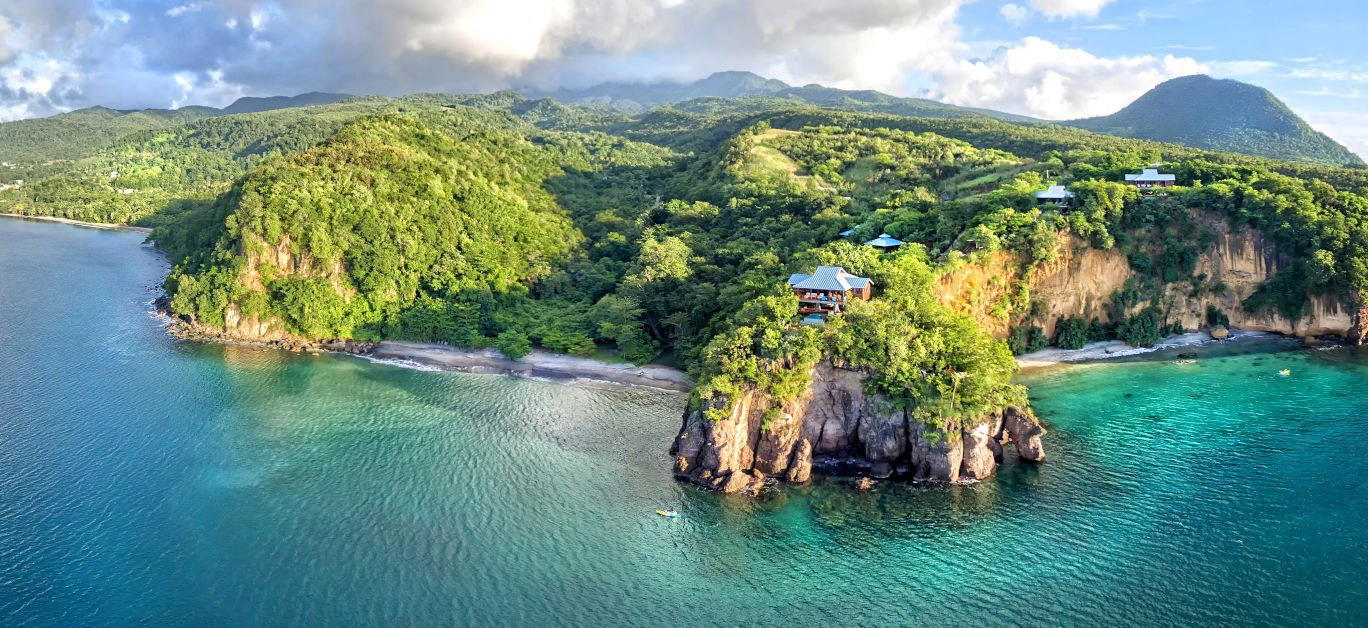
Dominica's restaurant tier spreads across a fairly wide range. At the higher end, properties like Secret Bay in Tibay operate within a luxury eco-lodge framework where the dining experience is curated and the price point reflects it. At the other end, village bars and rum shops serve food that is essentially domestic cooking scaled for a counter. Sardonyx occupies middle ground on that spectrum, a restaurant-and-bar format that suggests a more deliberate hospitality offer than a rum shop, without the resort infrastructure of the island's premium properties.
Elsewhere along the coast and into the interior, restaurants like Islet View Restaurant and Bar in Castle Bruce and Keepin' It Real in Toucari operate within a similar register: places where the view, the location, and the local sourcing do more editorial work than any formal kitchen credential. Coral Reef Bar and Restaurant in Calibishie, on the island's northeastern coast, is another comparable format, with the Atlantic-facing exposure giving it a slightly different catch profile. Indian River in Portsmouth sits further north still, where the mangrove ecosystem creates its own sourcing context.
For those approaching from Roseau, Palisades Restaurant in Roseau represents the capital's more formalised dining, a useful reference point for calibrating what changes when you move into village territory along the highway corridor. The shift is less about quality and more about format: Roseau kitchens tend toward broader menus and more consistent hours, while west-coast village restaurants often reflect whatever the day's supply looked like.
Getting There and Planning Your Visit
Mero sits on the Edward Oliver Leblanc Highway between Roseau to the south and Portsmouth to the north, making it a natural stop on any west-coast drive rather than a destination requiring a dedicated detour. The highway is the island's primary artery and the journey from Roseau runs roughly twenty minutes under normal conditions, passing through small communities where the road narrows and opens alternately. Sardonyx's address on the highway (CH9C+FPH) places it in the main village stretch, accessible by car or by one of the shared minibus routes that connect the coast.
Given the limited public information about current hours, booking procedures, and pricing, the practical approach is to visit during midday or early evening when Caribbean village restaurants are most reliably open, and to treat the visit as exploratory rather than itinerary-critical. No confirmed online booking channel or contact number is available in the public record. Travellers accustomed to the reservation infrastructure of restaurants like Le Bernardin in New York City or Atomix should adjust expectations accordingly, the hospitality mode here is walk-in and contextual, not pre-engineered. That is not a limitation so much as a different operating logic, one that is broadly consistent with how the better independent restaurants across Dominica's village network function.
For broader context on what Mero and its surroundings offer, our full Mero restaurants guide maps the area's options with more granularity.
Continue exploring
More in Mero
Restaurants in Mero
Browse all →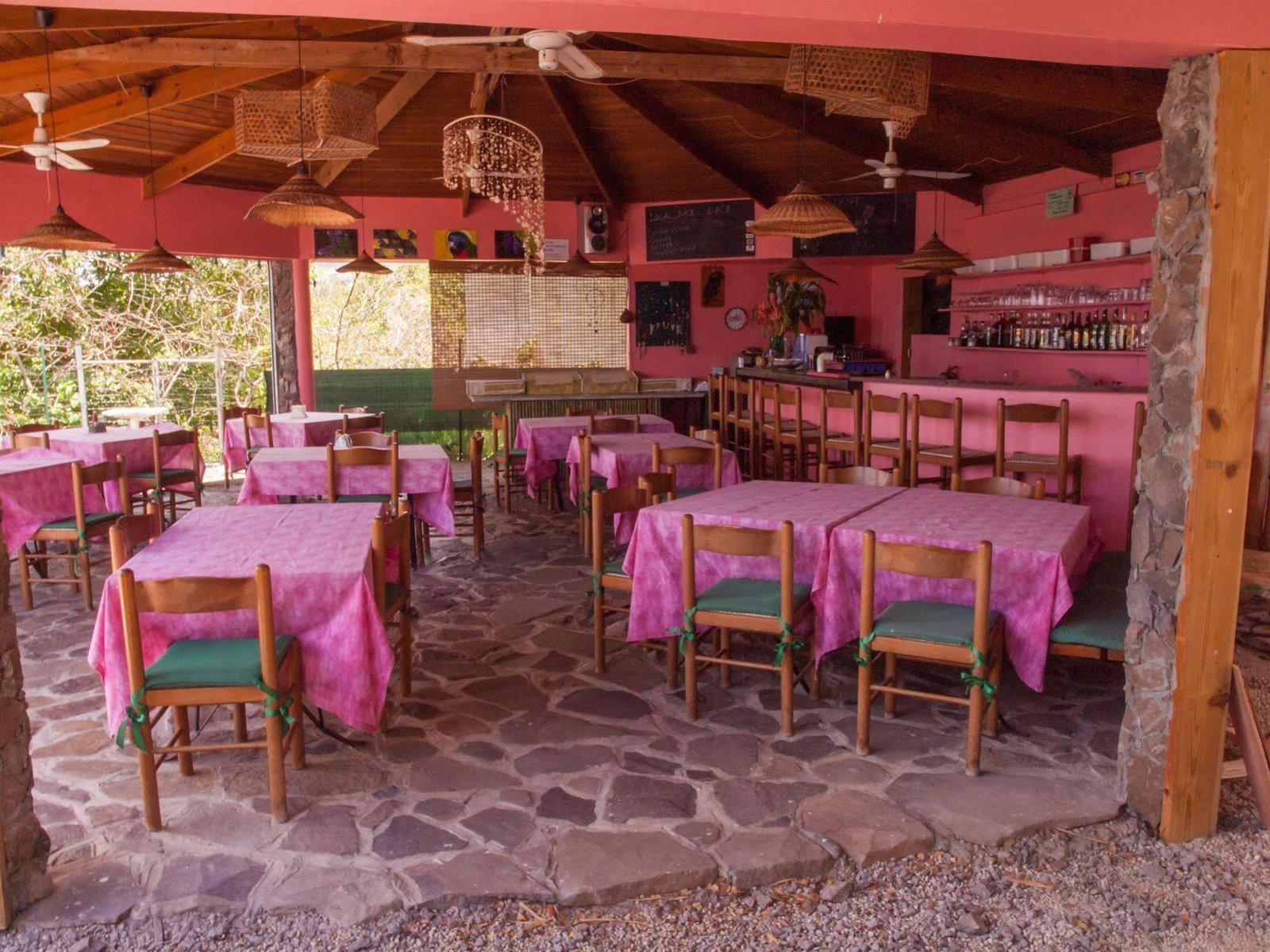
At a Glance
- Scenic
- Rustic
- Casual Hangout
- Special Occasion
- Waterfront
- Terrace
- Craft Cocktails
- Local Sourcing
- Waterfront
Current opening hours
- Monday
- 2 AM–11 PM
- Tuesday
- 2 AM–11 PM
- Wednesday
- 2 AM–11 PM
- Thursday
- 2 AM–11 PM
- Friday
- 2 AM–11 PM
- Saturday
- 2 AM–11 PM
- Sunday
- Closed
Hours can change for holidays and private events. Last verified .
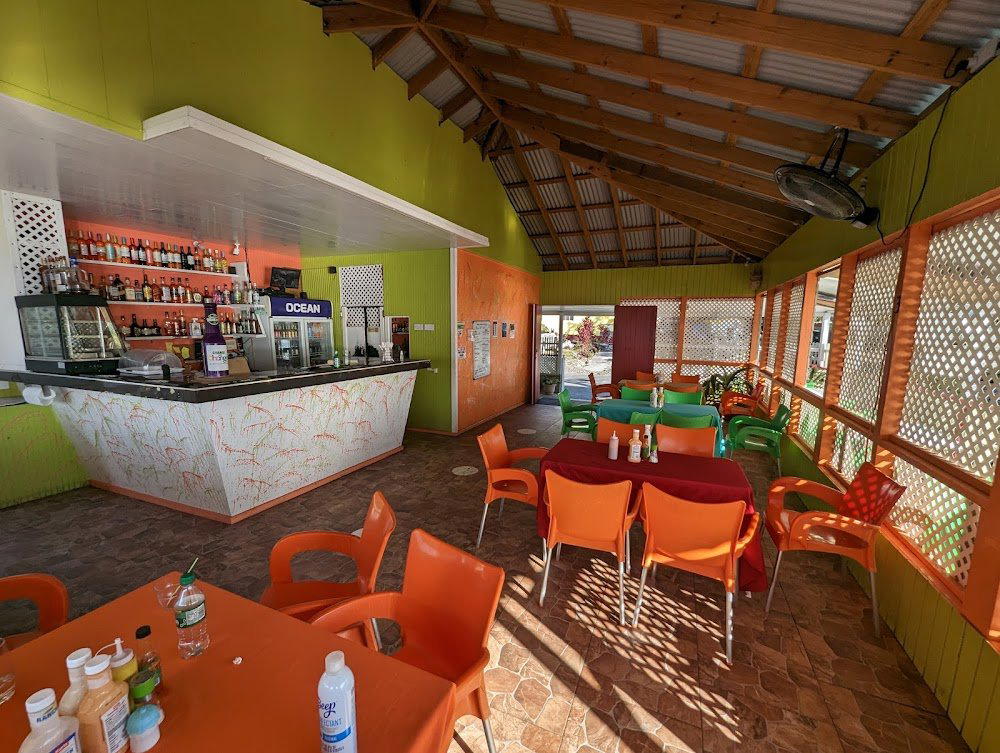
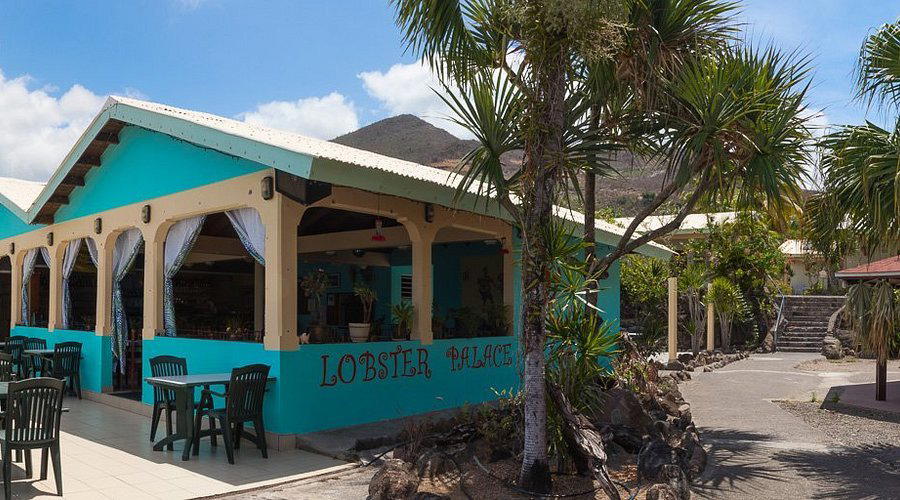
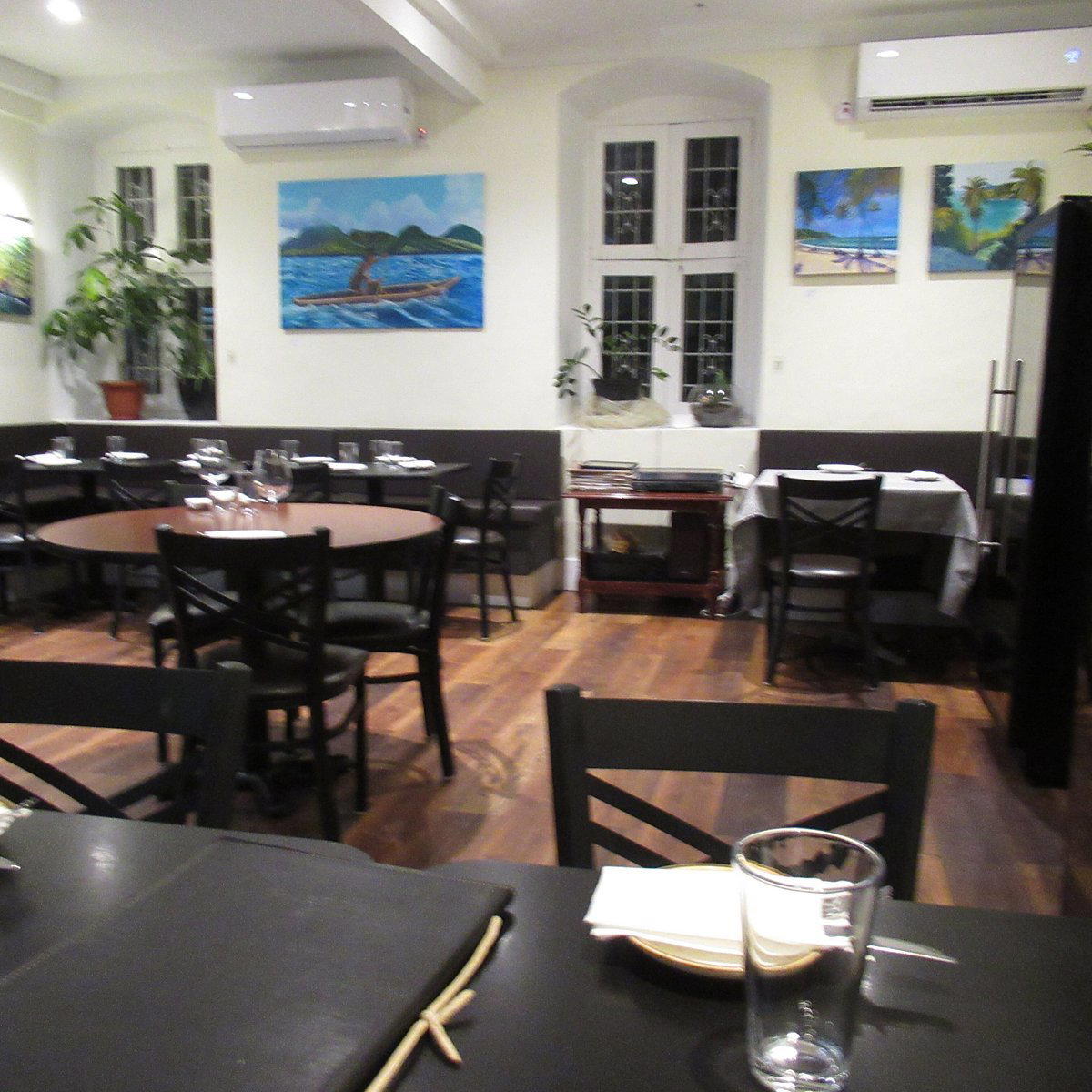
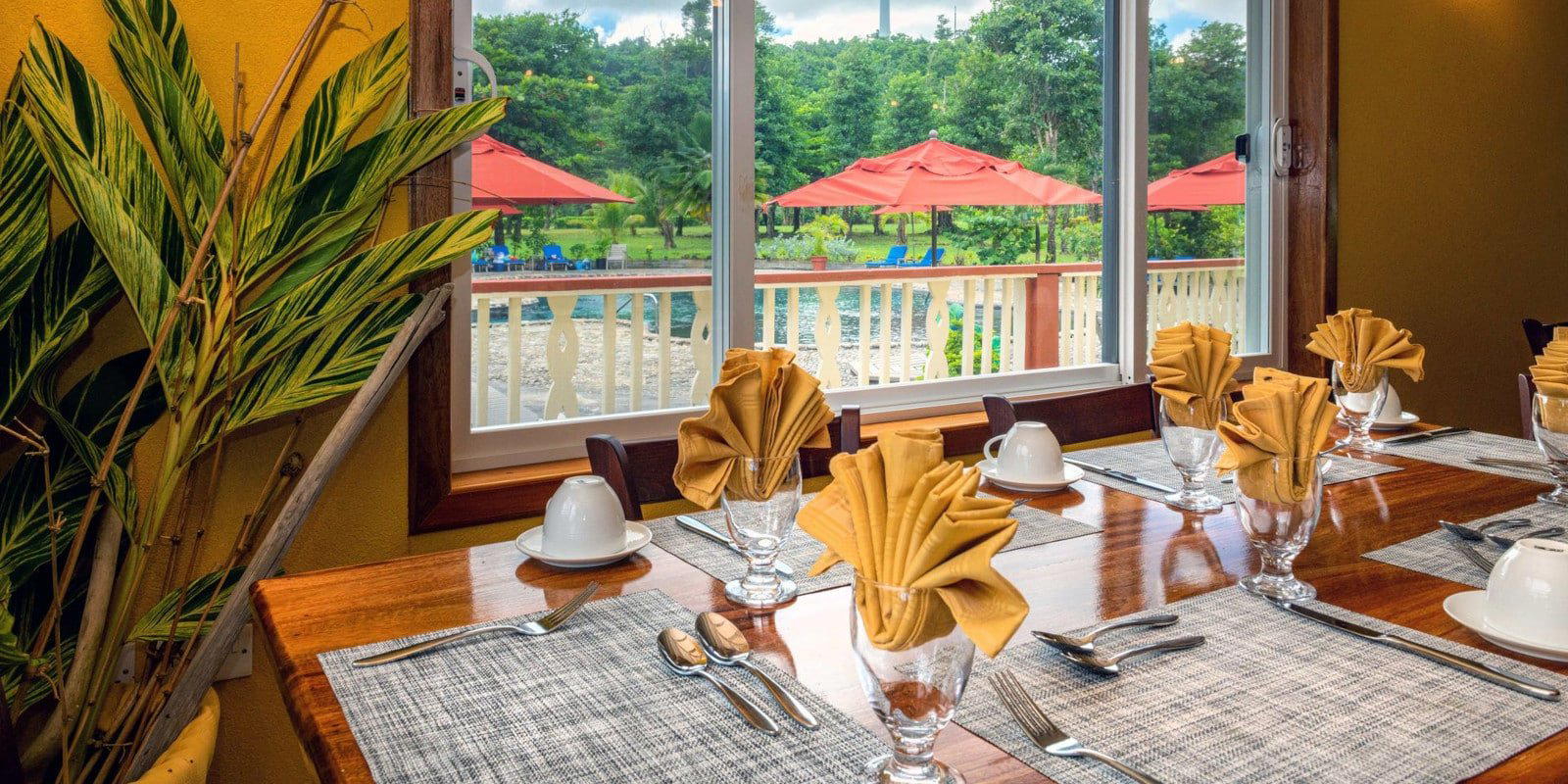
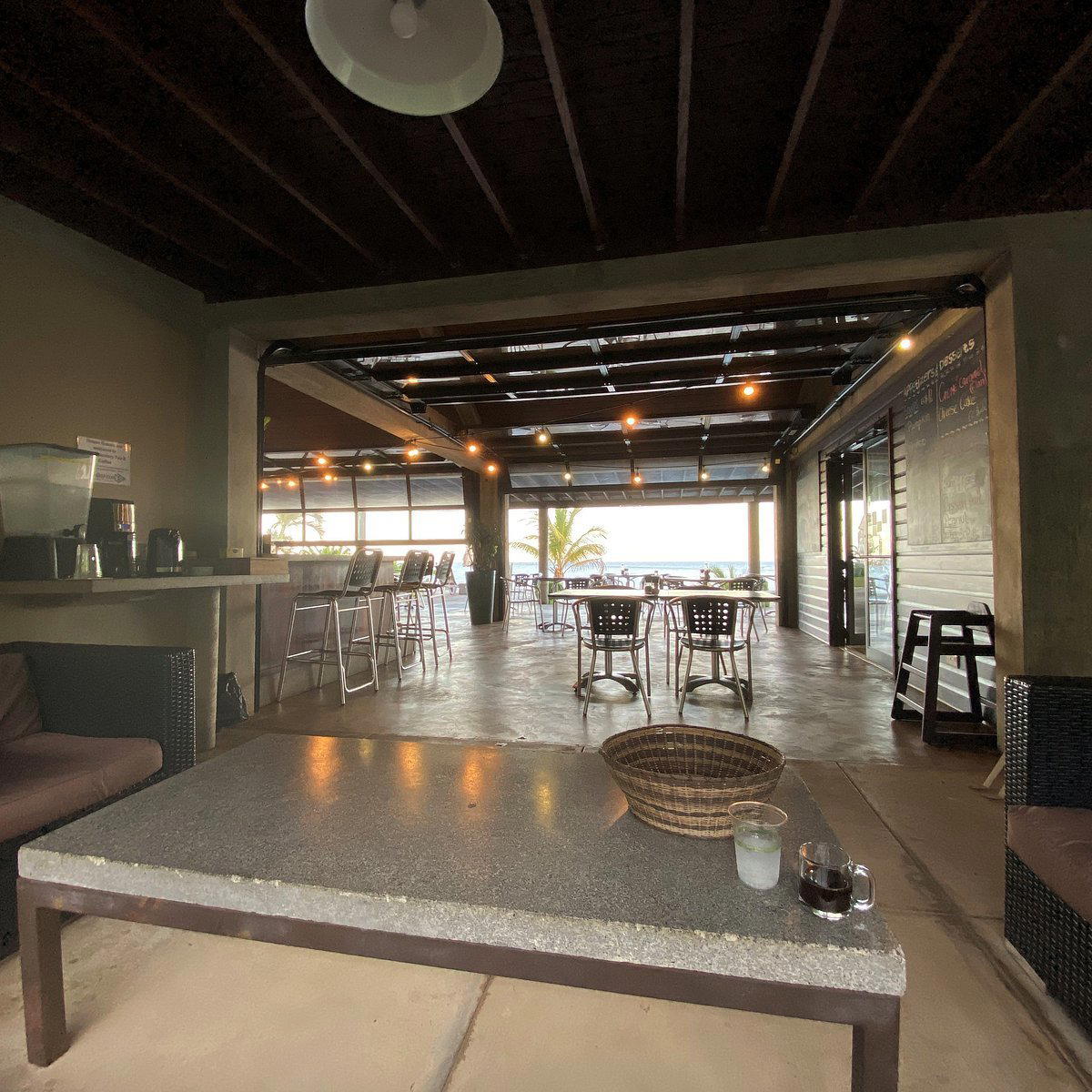
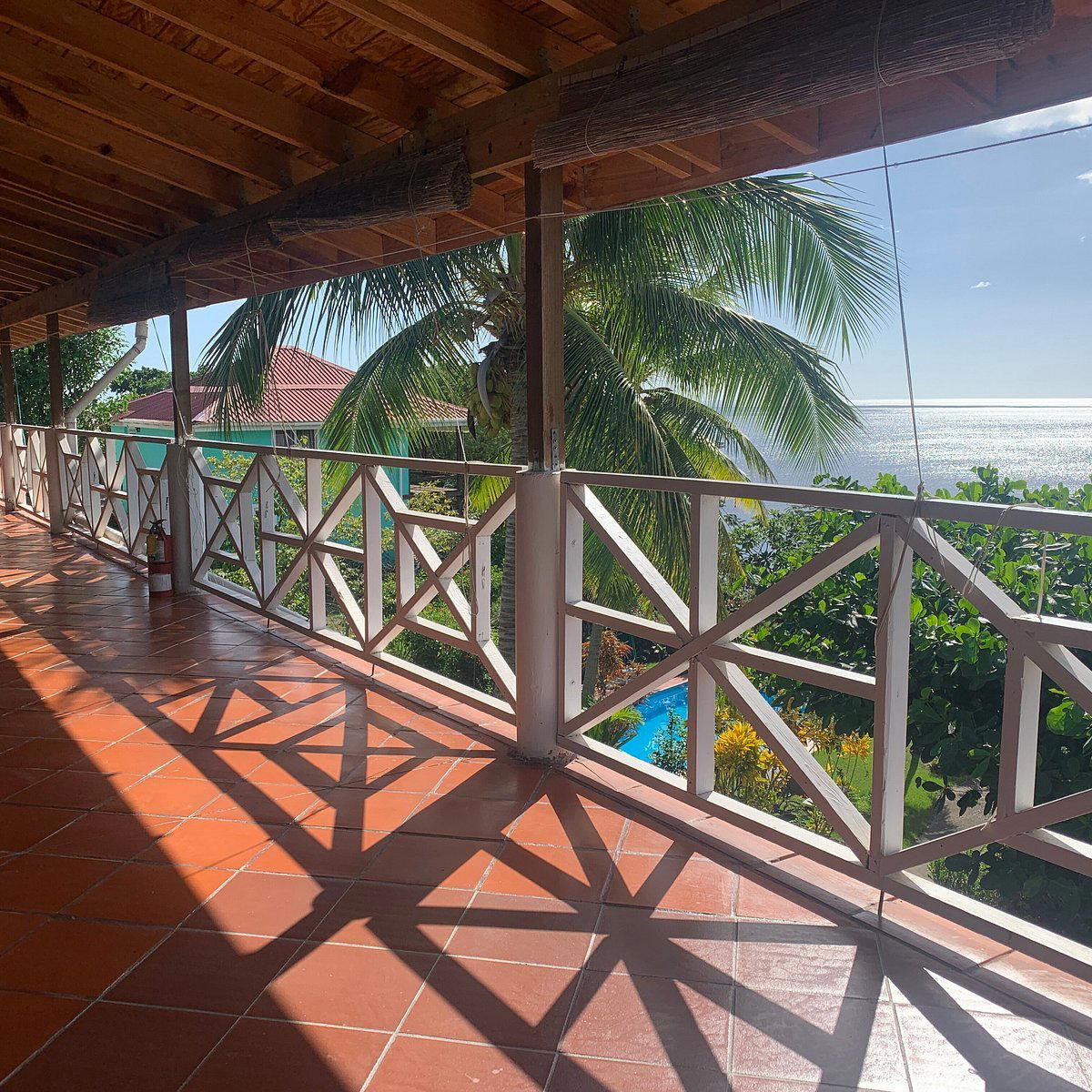
Lively atmosphere with outdoor balcony seating overlooking the beach and sea, evoking a rustic Caribbean vibe.