
Michelin Plate
Our verdict
La Table de Romain holds a Michelin Plate for both 2024 and 2025, an unusual consistency for a village restaurant in northern France's Hauts-de-France region. Priced at the accessible end of the spectrum, it represents the kind of traditional French cooking that Michelin's inspectors have recognised without reservation..

Pearl is the En Primeur Club membership app — saves, bookings, and concierge access live there. Same editors, same standards.
- Address
- 1 Rue Gaston Robbe, 59173 Renescure, France
- Phone
- +33 9 67 35 23 60
- Hours
- Mon ClosedTue–Thu 12–1:30 PMFri 12–1:30 PM, 7–9 PMSat 7–9 PMSun 12–1:30 PM
- Website
- tablederomain.kazeo.com
- Directions
- Get directions
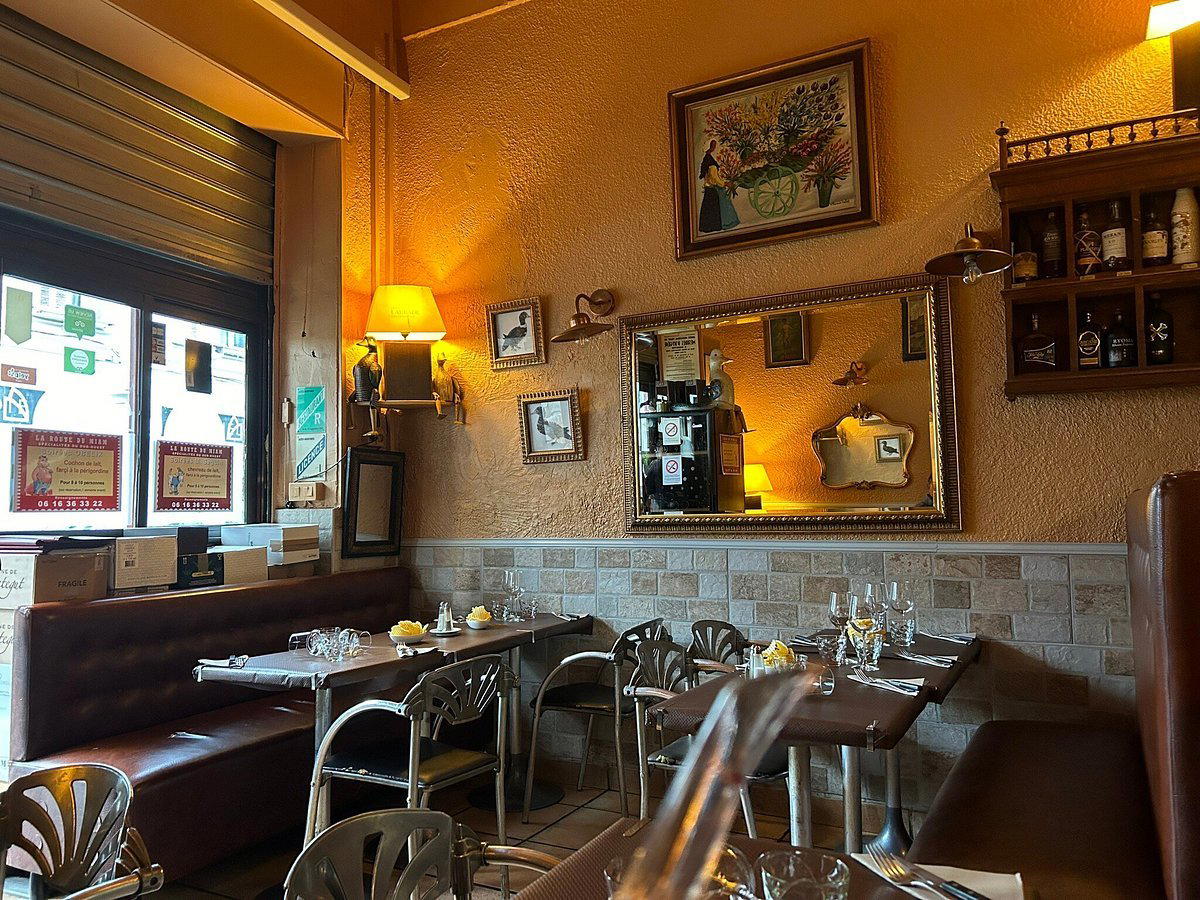
Village cooking with a clear standard
Renescure sits in the flat agricultural heartland of Hauts-de-France, a département more associated with industrial history than with dining of any particular note. The village itself — small, quiet, and a long way from the tourist circuits that link Lille to the coast — is not where most travellers would expect to find a restaurant with consecutive Michelin recognition. That contrast is partly what makes La Table de Romain worth understanding. In a region where the culinary reputation lags behind Alsace, Burgundy, or the Loire, a Michelin Plate held in both 2024 and 2025 signals that the kitchen is meeting a consistent standard, year on year, without the marketing apparatus or destination footfall that sustains similar recognition elsewhere in France.
The address, 1 Rue Gaston Robbe, places the restaurant in the fabric of the village rather than on a main road designed for passing trade. Approaching on foot or by car, the scale is domestic rather than formal: a setting that, across northern France, has historically housed the kind of cooking that feeds the community first and outside visitors second. That tradition of the table de village is a durable format in French gastronomy, producing some of the country's most honest regional food precisely because it answers to local tastes and local produce rather than to a metropolitan audience.
The sourcing logic of northern French cooking
Hauts-de-France has an agricultural character that shapes what ends up on the plate in any serious kitchen operating within it. The region produces chicory, endive, and a range of root vegetables that define the flavour register of northern French cuisine. The Flemish culinary inheritance, shared across the border with Belgium, gives local cooking a tendency toward slow-cooked preparations, grain-fed proteins, and sauces built from beer or mustard rather than the wine reductions that dominate further south. A kitchen working within the traditional cuisine classification and recognised by Michelin is, in this context, almost certainly drawing on that regional supply chain: producers within the department and the broader Nord-Pas-de-Calais agricultural belt are what make honest execution of this style of cooking possible.
This matters because traditional French cuisine at the village level is not a simplified version of haute cuisine. It is a different discipline, one that depends on the quality of a relatively small number of ingredients cooked without technical concealment. A well-sourced chicken braised in local beer, or a terrine built from pork raised within the region, will expose every weakness in both sourcing and technique. Michelin's Plate designation, awarded to restaurants that offer good cooking without reaching for star recognition, is, in this category, a meaningful signal. It tells you the kitchen is not coasting. For a broader sense of how France's traditional cuisine tables fit within the Michelin framework, the contrast with three-star houses like Alléno Paris au Pavillon Ledoyen in Paris or Mirazur in Menton is instructive: those kitchens operate with entirely different sourcing networks, staff ratios, and format ambitions. A Plate at a village table like this one belongs to a separate, and in its own way equally demanding, competitive set.
The common thread is that the kitchen's identity is determined by its geography before it is determined by any individual chef's creative programme.
Reading the review signal
At that volume, the score is no longer a reflection of a handful of enthusiastic regulars; it represents a cross-section of diners that includes both locals who eat here repeatedly and visitors who arrived with some expectation of quality. The consistency between the Michelin Plate (awarded by anonymous professional inspectors) and the crowd-sourced score suggests the kitchen performs reliably across different contexts and different types of diners. For a single-price-tier restaurant at the accessible end of the French dining market, that alignment is less common than it might appear.
The price point, a single euro sign in Michelin's own classification, also situates the restaurant clearly. This is not a tasting-menu destination or a special-occasion house in the conventional sense. It is a restaurant where traditional French cooking is priced to be eaten regularly, which in turn reinforces the sourcing argument: a kitchen at this price tier that maintains Michelin recognition is working efficiently with its supply chain, not relying on expensive imported product to hit its flavour targets.
Planning a visit
Renescure is accessible from Lille by road, sitting roughly in the direction of Saint-Omer. The village sees no significant tourist infrastructure of its own, so La Table de Romain functions primarily as a destination restaurant for those making a specific trip rather than as a walk-in option. For broader travel planning in the area, see our full Renescure restaurants guide, as well as guides to hotels, bars, wineries, and experiences in Renescure.
For context on the broader tradition of French regional cooking at this level, the range of Michelin-recognised houses across the country offers useful comparison: from Auberge de l'Ill in Illhaeusern and Au Crocodile in Strasbourg in the east, to Bras in Laguiole in the south, and Flocons de Sel in Megève in the Alps. Each operates within its own regional sourcing logic and format. La Table de Romain belongs to that same map, at the village end of the scale, in a region that has historically been underrepresented in French fine dining coverage. That underrepresentation may be one reason the restaurant does not carry a higher profile outside the area; the cooking, on the evidence available, has earned its recognition.
Frequently asked questions
Is La Table de Romain good for families?
The traditional cuisine format and village setting in Renescure suggest a relaxed, unpretentious dining room rather than a high-ceremony tasting counter. A price range of €, one of the most accessible brackets in French dining, indicates this is not a place built around occasion-dining exclusivity. Families comfortable with a sit-down French meal should find the context appropriate, though booking ahead is advisable for any group.
What kind of setting is La Table de Romain?
La Table de Romain sits at 1 Rue Gaston Robbe in Renescure, a small agricultural village in Hauts-de-France with no significant tourist infrastructure. The address and price point place this firmly in the category of neighbourhood restaurant rather than destination showpiece — a local dining room that has earned two consecutive Michelin Plate recognitions (2024 and 2025) on the strength of its cooking rather than its surroundings.
What kind of recognition has La Table de Romain received?
La Table de Romain has received recognition including: Michelin Plate (2025); Michelin Plate (2024).
What do regulars order at La Table de Romain?
The kitchen is classified as traditional French cuisine, and Hauts-de-France sets a clear regional table: the area produces chicory, endive, freshwater fish, and supports strong charcuterie traditions alongside North Sea seafood sourced through nearby coastal markets.
Comparison Snapshot
| Venue | Cuisine | Awards |
|---|---|---|
| La Table de RomainThis venue — the venue you are viewing | Seasonal French Market Cuisine | Michelin Plate |
| Alléno Paris au Pavillon Ledoyen | Creative | Michelin 3 Star |
| Kei | Contemporary French, Modern Cuisine | Michelin 3 Star |
| L'Ambroisie | French, Classic Cuisine | Michelin 3 Star |
| Le Cinq - Four Seasons Hôtel George V | French, Modern Cuisine | Michelin 3 Star |
| Plénitude | Contemporary French | Michelin 3 Star |
Recognition history
Dated appearances from independent guides and award organizations, with the underlying list record or original source where available.
Michelin Plate
Michelin
Full recognition history (3 entries)
Michelin Plate
Michelin
Michelin Plate
Michelin
Continue exploring
More in Renescure
Restaurants in Renescure
Browse all →
Hotels in Renescure
Browse all →
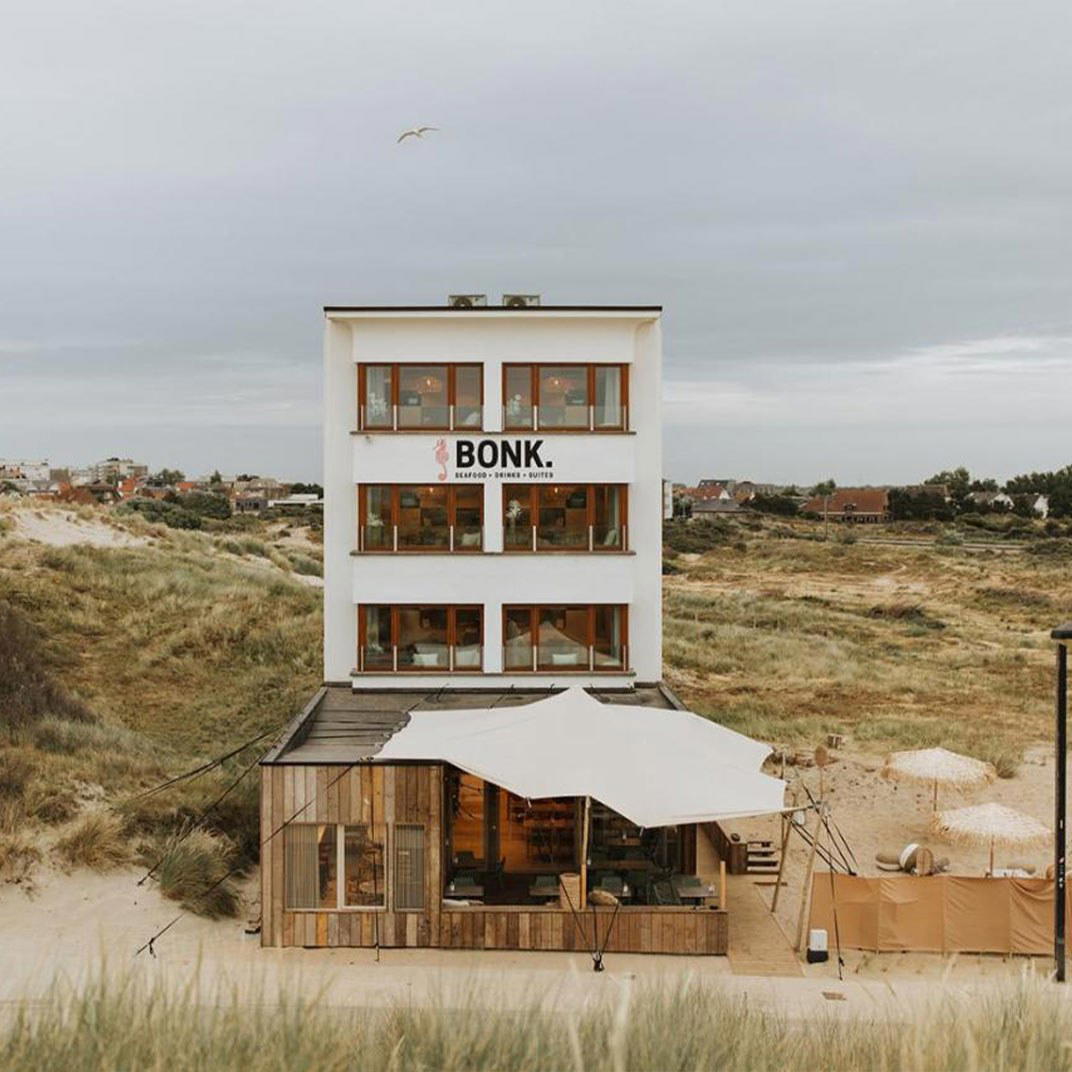
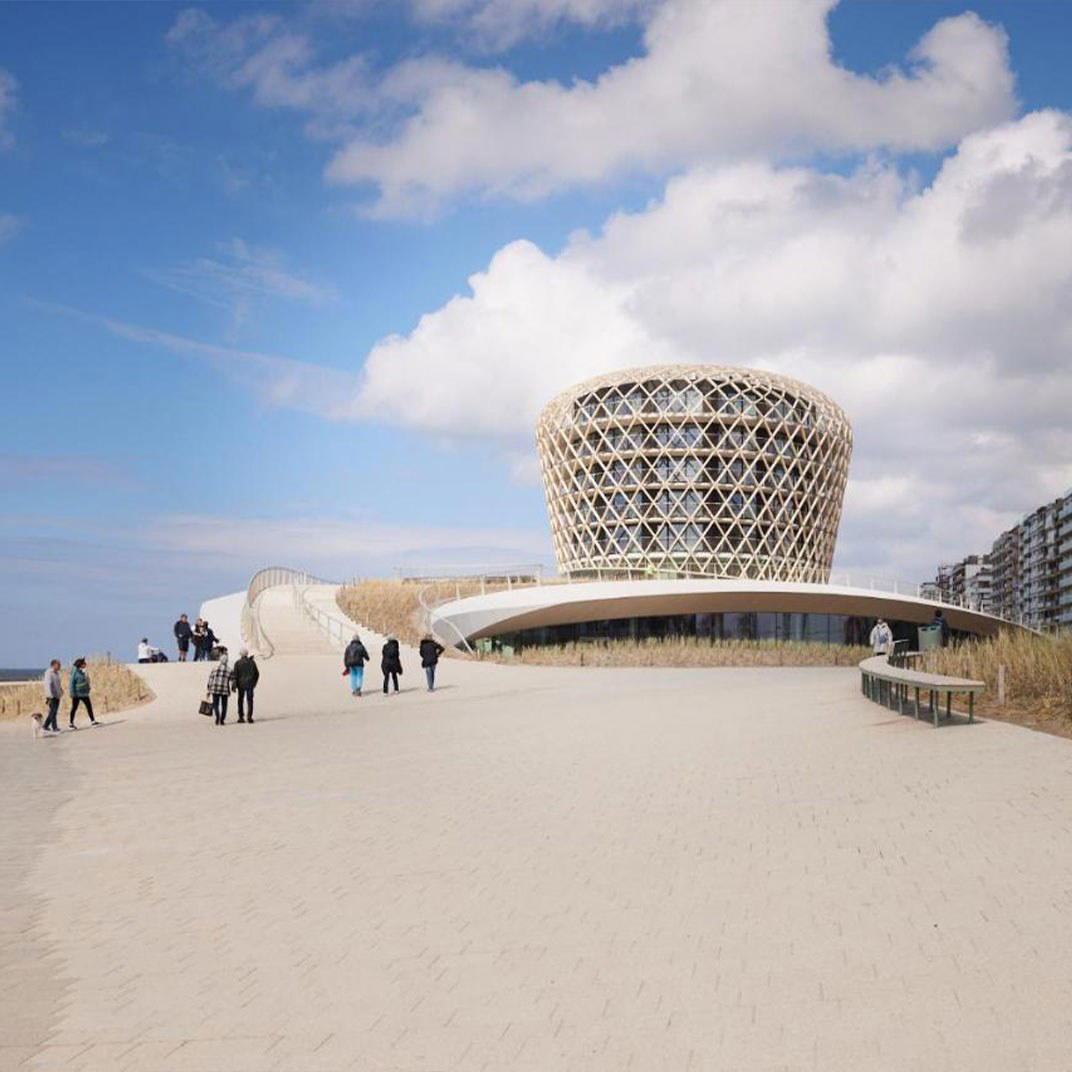
Wineries in Renescure
Browse all →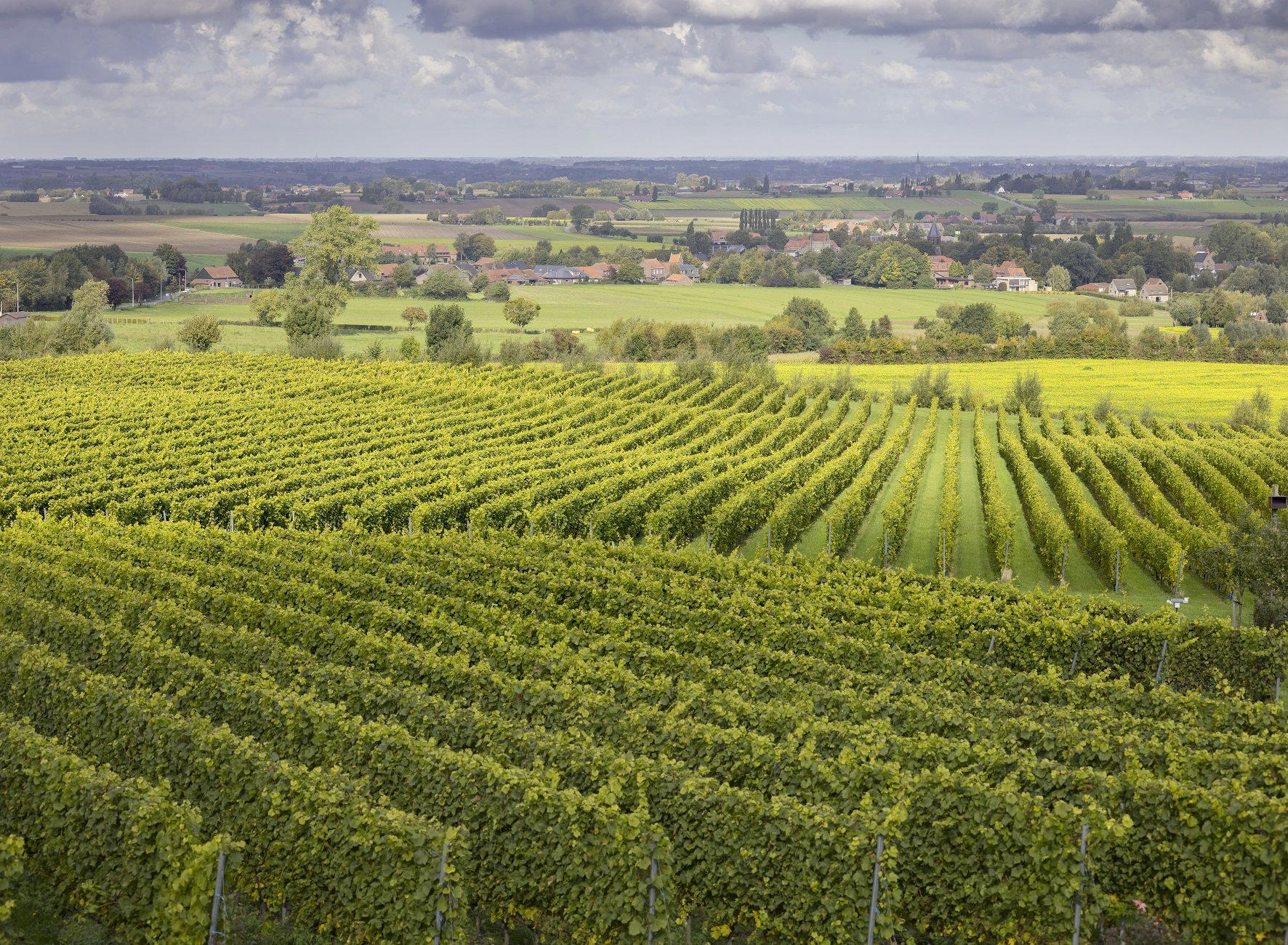
La Table de Romain
The wine
- Wine program
- Curated wine list
- Sommelier-led
Details
- Cozy
- Intimate
- Elegant
- Classic
- Special Occasion
- Date Night
- Standalone
- Sommelier Led
- Local Sourcing
- Set Menu
- Tasting Menu
Current opening hours
- Monday
- Closed
- Tuesday
- 12–1:30 PM
- Wednesday
- 12–1:30 PM
- Thursday
- 12–1:30 PM
- Friday
- 12–1:30 PM, 7–9 PM
- Saturday
- 7–9 PM
- Sunday
- 12–1:30 PM
Hours can change for holidays and private events. Last verified .
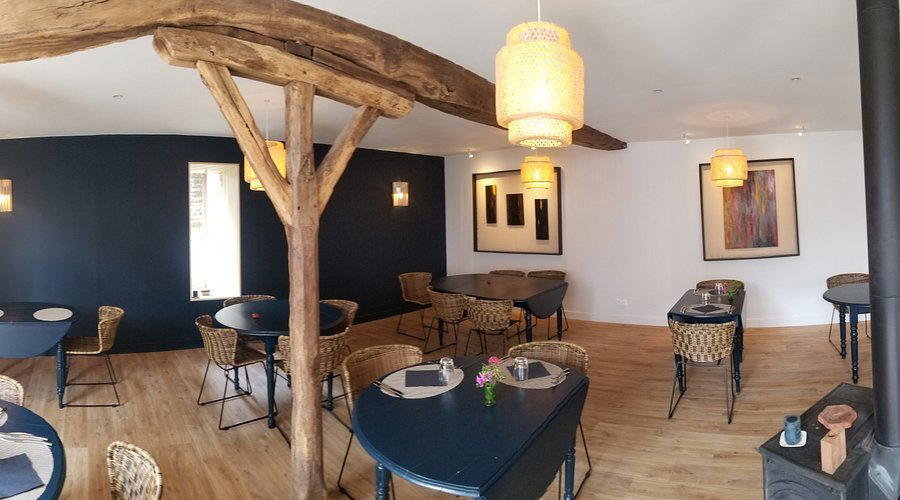
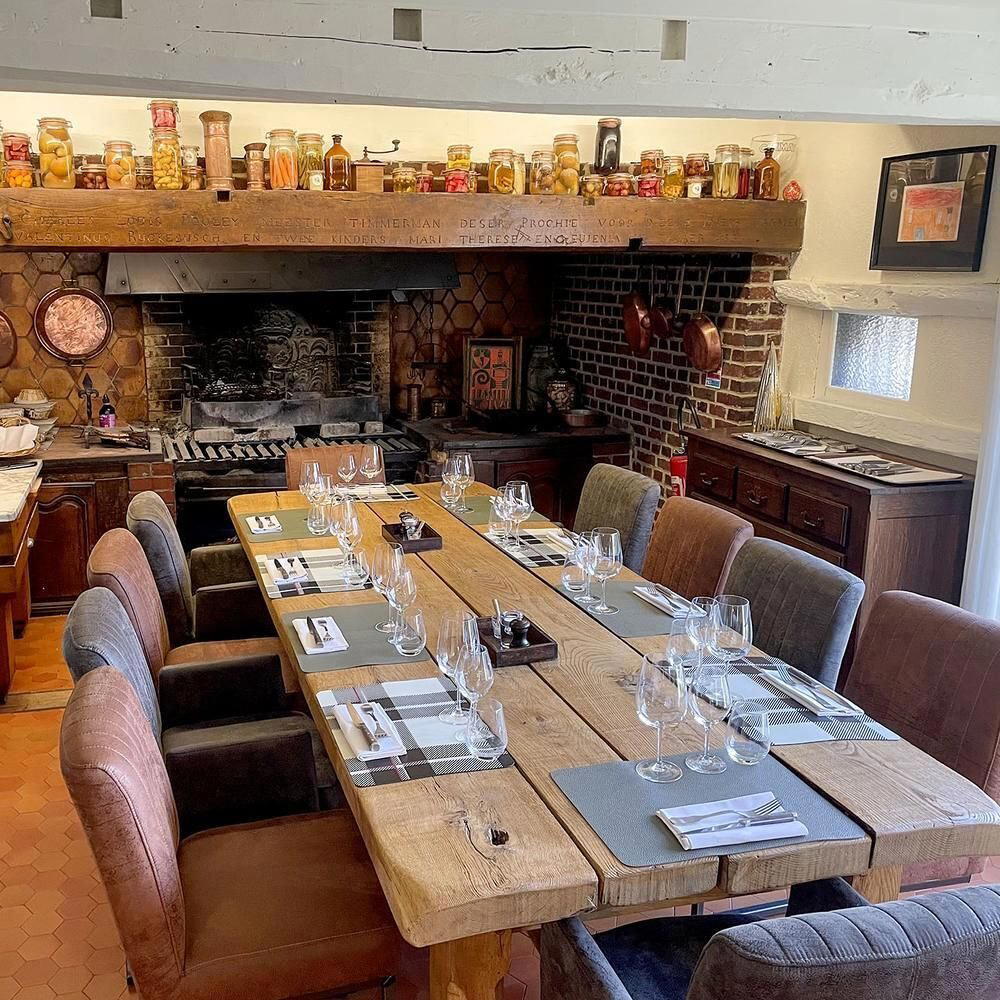
Cozy and intimate atmosphere with multiple rooms providing privacy and a hushed, feutrée feel under soft lighting.