
Michelin Plate
Our verdict
La Table de l'Europe holds a Michelin Plate recognition for 2024 and 2025, positioning it among the more consistent modern cuisine addresses in the Lot-et-Garonne. Sitting on Villeréal's central Place Jean Moulin, it serves a market town that sees few restaurants operating at this level. considered cooking at mid-range prices.

Pearl is the En Primeur Club membership app — saves, bookings, and concierge access live there. Same editors, same standards.
- Address
- 1 Pl. Jean Moulin, 47210 Villeréal, France
- Phone
- +33 5 53 36 00 35
- Website
- europe-villereal.com
- Directions
- Get directions
- Booking
- Book on TheFork
The menu
What to order
- Hazelnut praline mousse with butterscotch
- Blind tasting menu with surprise courses
- Duck breast with mushrooms
- Foie gras
A Market Square in the Périgord Noir, and What It Asks of Its Kitchens
Villeréal is a bastide town, one of the grid-planned medieval settlements that define the border country between the Dordogne and the Lot-et-Garonne. Its central square, Place Jean Moulin, follows the bastide formula: covered market arcades on two sides, a church at one end, and the open sky above a stone-flagged plaza that on market days fills with producers selling duck confit, walnuts, prunes, and the loose-leaf tobacco that survives in small plots nearby. The weekly market is not decorative. It functions as a genuine supply chain for the restaurants and households around it, and the proximity of that supply chain shapes what a kitchen in Villeréal can reasonably do. Ingredients do not travel far to reach the plate, and sourcing decisions are less about philosophy than geography. La Table de l'Europe sits directly on this square, at 1 Place Jean Moulin, and that address is more than a postcode: it places the restaurant inside a centuries-old provisioning logic that the leading rural French cooking has always depended on.
Where La Table de l'Europe Sits in the Regional Picture
Southwest France produces some of the country's most insistently local cuisine. The Périgord, the Quercy, and the Agenais have built reputations on duck fat, foie gras, prunes d'Agen, Marmande tomatoes, and walnut oil, ingredients so tied to specific soils and breeds that they resist generic sourcing. Restaurants operating at the higher end of this region tend to work within that framework rather than against it: the Michelin Plate designation, which La Table de l'Europe holds for both 2024 and 2025, signals cooking that meets a defined standard of quality and consistency without crossing into the starred tier where technique and concept must carry equal weight alongside produce.
To understand what that Plate recognition means in context, it helps to look at where France's modern cuisine ambition is concentrated. Starred addresses like Alléno Paris au Pavillon Ledoyen in Paris, Mirazur in Menton, and Flocons de Sel in Megève operate with teams, budgets, and supplier networks that are structurally different from a rural market-town kitchen. So do established regional institutions like Auberge de l'Ill in Illhaeusern, Bras in Laguiole, and Troisgros - Le Bois sans Feuilles in Ouches, all of which carry their starred status partly on the strength of decades-built supplier relationships and deep regional identity. The Michelin Plate tier is where you find kitchens doing considered, honest work at a scale that the local economy can support. In a town of around 1,500 people, that is the right ambition.
The price range sits at €€, mid-range by French standards, which places it well below the starred houses like Paul Bocuse - L'Auberge du Pont de Collonges in Collonges-au-Mont-d'Or, Assiette Champenoise in Reims, or Au Crocodile in Strasbourg, and in the same tier as the better village restaurants across the Dordogne valley. For a visitor staying locally, this is the kind of dinner that costs roughly what a meal at a Parisian brasserie would, but with direct access to regional produce that the city cannot replicate. The pairing matters: price and sourcing are connected here in ways they are not in urban dining.
The Sourcing Logic of the Périgord-Quercy Border
The Lot-et-Garonne sits at an agricultural junction. To the north, the Périgord Noir brings black truffles, walnuts, and the duck breeds associated with Périgord confit and foie gras. To the south and east, the Quercy adds lamb from the limestone causses, saffron from around Cajarc, and the melon de Quercy. To the west, the Agenais contributes the prune d'Agen, one of France's most geographically protected products, along with stone fruits that come into markets from late summer. A kitchen on Place Jean Moulin can draw on all of these without needing a logistics network. The producers show up on market days. This is the practical argument for why Michelin recognises kitchens in places like Villeréal: the raw material is genuinely there, and a competent kitchen has less distance to travel, figuratively and literally, to reach quality.
Modern cuisine, the classification La Table de l'Europe carries, can mean many things in France. At the starred level, it tends to denote technique-forward menus where regional ingredients are transformed through contemporary methods, the kind of work found at addresses like AM par Alexandre Mazzia in Marseille, Auberge du Vieux Puits in Fontjoncouse, or further afield at Frantzén in Stockholm and FZN by Björn Frantzén in Dubai. At the Plate tier in a bastide town, modern cuisine more often signals a kitchen that has moved beyond the fixed regional formulas without abandoning the produce base: duck that appears in preparations other than confit, local vegetables treated with more precision than a traditional daube would require, desserts that reference the fruit harvests of the Agenais without defaulting to tarte aux pruneaux.
Planning a Visit
Villeréal draws visitors during the summer market season, when the Thursday market on Place Jean Moulin operates at full volume and the surrounding countryside is in its most productive period from July through September. For those touring the Périgord Noir or the Dordogne Valley, Villeréal sits on a useful southern arc that passes through Monpazier and Biron, two of the better-preserved bastide towns in the region. La Table de l'Europe's position on the main square means it is as easy to find as any building in Villeréal: the arcade-fronted plaza is the centre of town by design, and the address at number 1 confirms it. The €€ price range makes it a practical dinner option for travellers who have already spent on accommodation, and the consecutive Michelin Plate recognitions in 2024 and 2025 provide enough assurance that the kitchen is operating with consistent standards.
For broader planning, see our full Villeréal restaurants guide, as well as guides to hotels in Villeréal, bars in Villeréal, wineries near Villeréal, and experiences in Villeréal for a complete picture of the area.
Frequently asked questions
Is La Table de l'Europe good for families?
What's the vibe at La Table de l'Europe?
What do people recommend at La Table de l'Europe?
| Venue | Cuisine | Price | Awards |
|---|---|---|---|
| La Table de l'EuropeThis venue — the venue you are viewing | Modern French Fine Dining | $50–100 | Michelin Plate |
| Alléno Paris au Pavillon Ledoyen | Creative | Not listed | Michelin 3 Star |
| Kei | Contemporary French, Modern Cuisine | Not listed | Michelin 3 Star |
| L'Ambroisie | French, Classic Cuisine | Not listed | Michelin 3 Star |
| Le Cinq - Four Seasons Hôtel George V | French, Modern Cuisine | Not listed | Michelin 3 Star |
| Plénitude | Contemporary French | Not listed | Michelin 3 Star |
Recognition history
Dated appearances from independent guides and award organizations, with the underlying list record or original source where available.
Michelin Plate
Michelin
Full recognition history (3 entries)
Michelin Plate
Michelin
Michelin Plate
Michelin
Continue exploring
More in Villeréal
Restaurants in Villeréal
Browse all →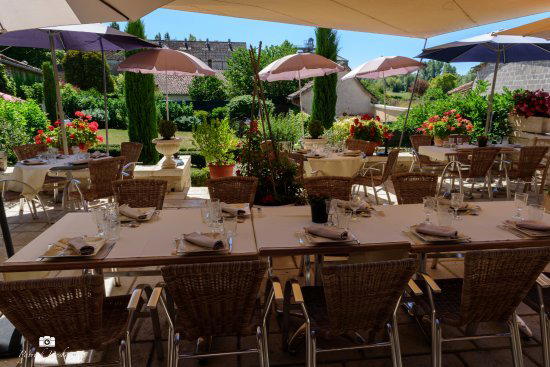
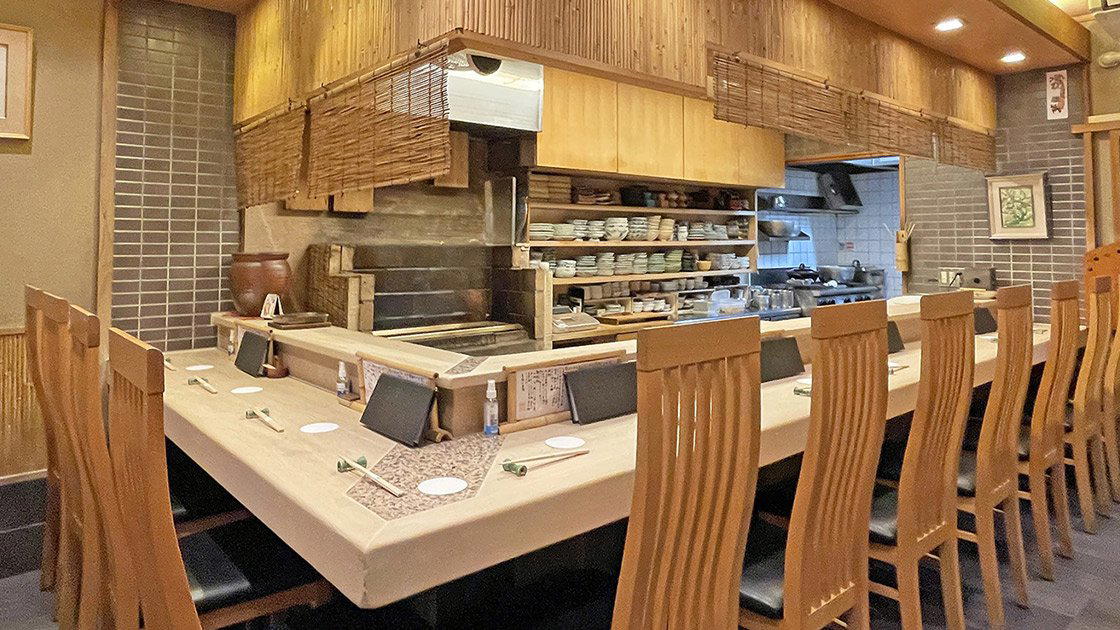
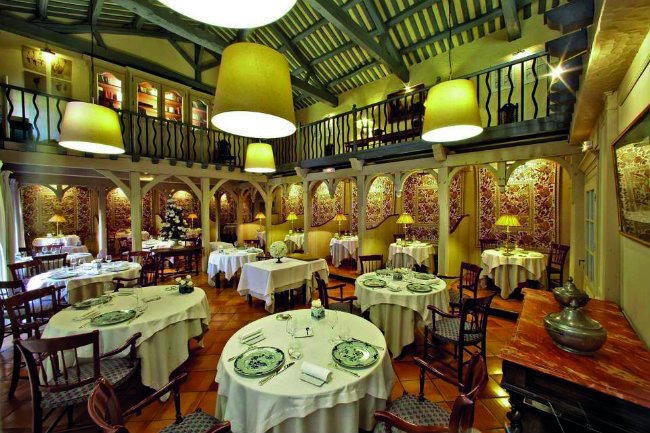
Bars in Villeréal
Browse all →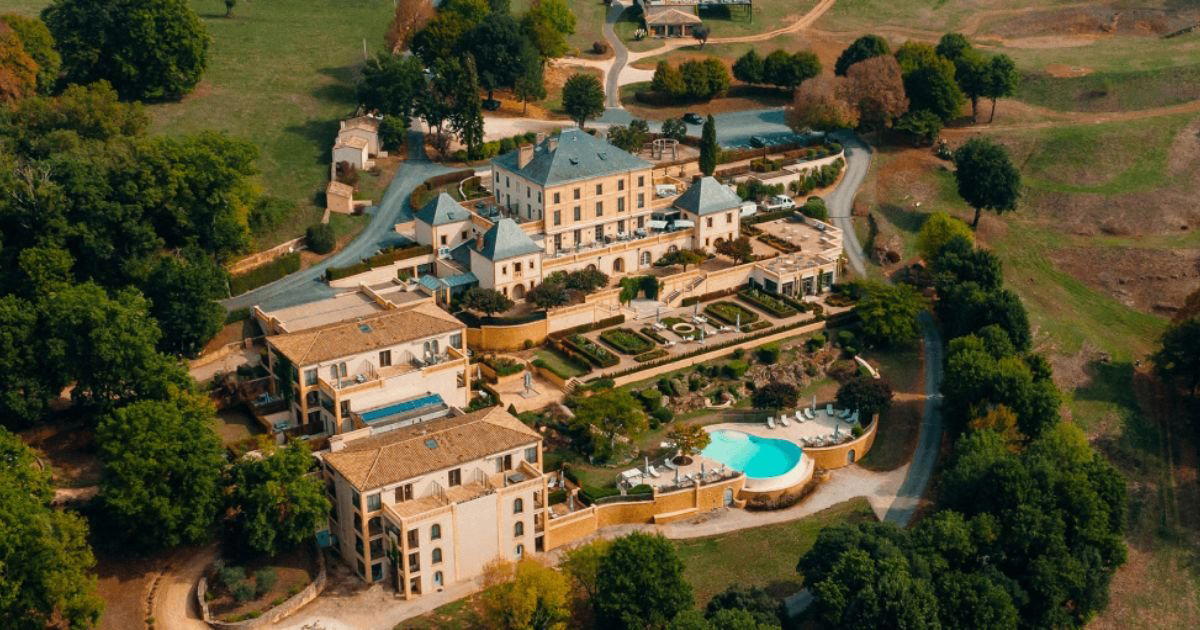
Hotels in Villeréal
Browse all →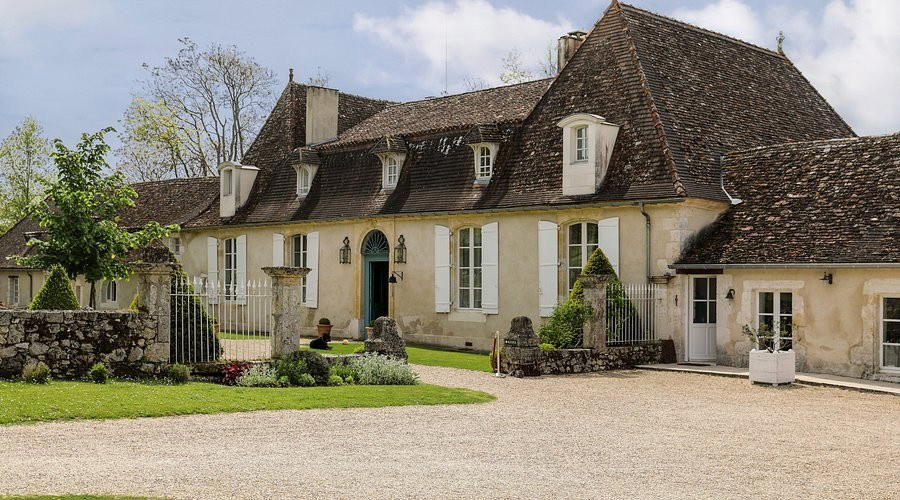

Details
- Romantic
- Elegant
- Cozy
- Sophisticated
- Intimate
- Date Night
- Special Occasion
- Celebration
- Group Dining
- Terrace
- Courtyard
- Garden
- Private Dining
- Historic Building
- Craft Cocktails
- Sommelier Led
- Farm To Table
- Local Sourcing
- Garden
- Tasting Menu
- Prix Fixe
- A La Carte
- Wine Pairings
- Craft Cocktails
- Vegetarian Friendly
- Allergy Accommodating
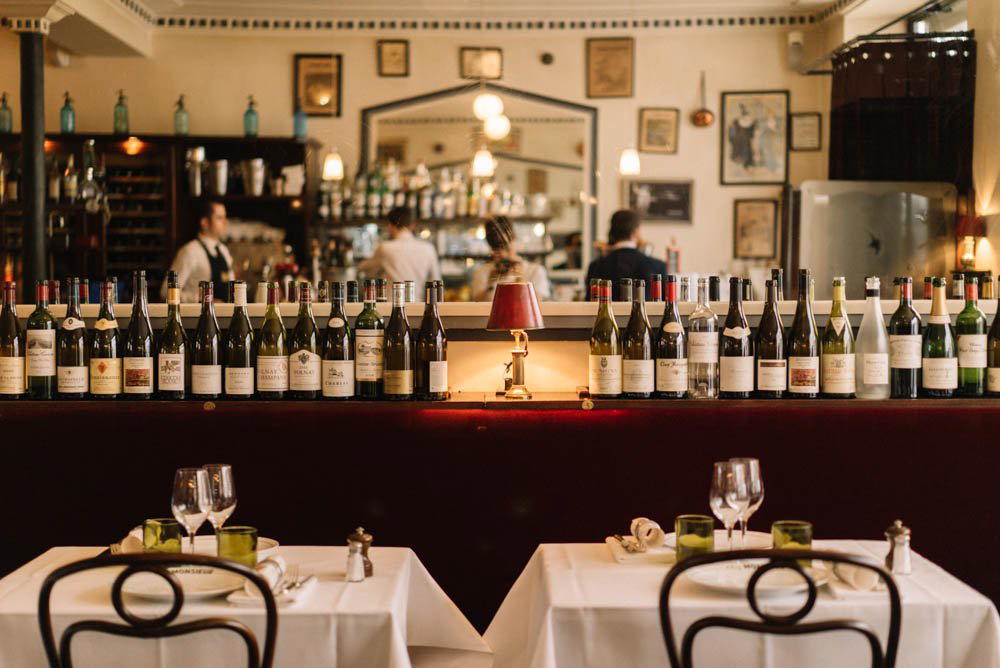
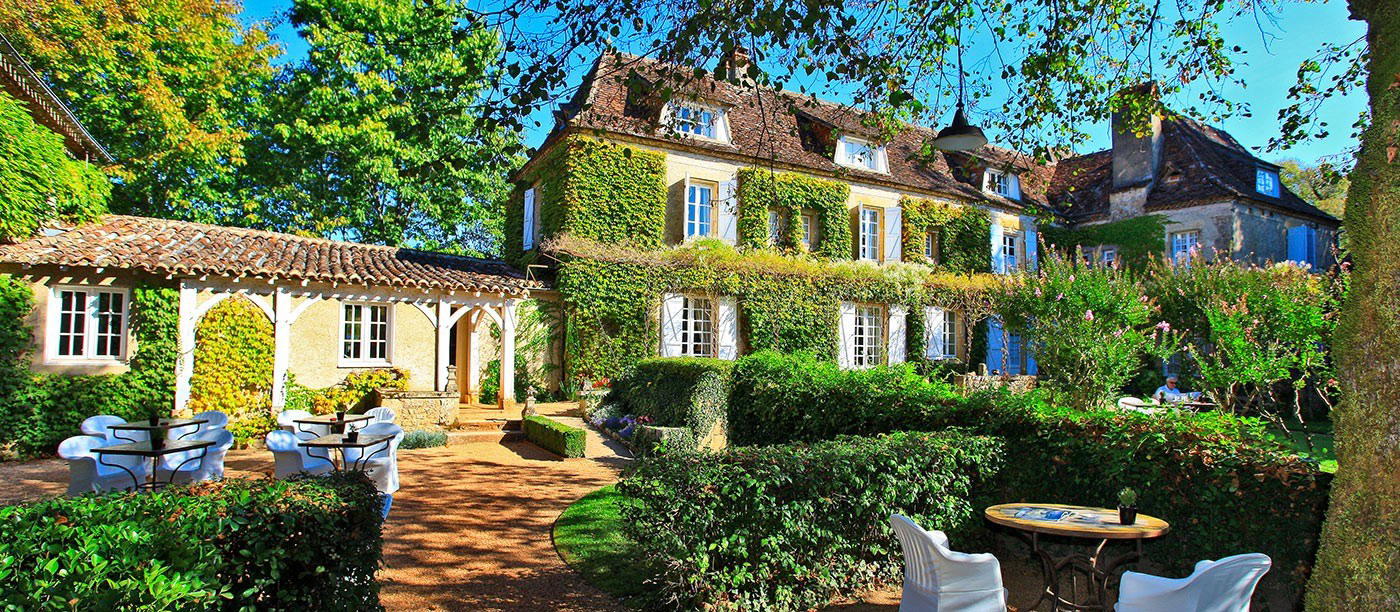
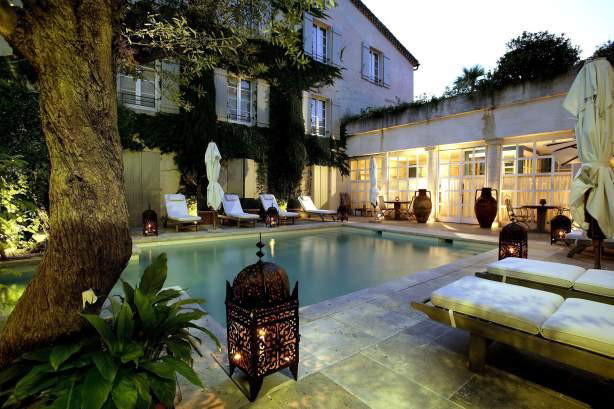
Tastefully decorated interior with art-deco chandeliers, soft draperies, and refined lounges; peaceful shaded courtyard garden with lush greenery providing a serene backdrop to intimate dining.