Our verdict
La Planche sits on the Rue de l'Hôtel de Ville in L'Épine, a small Vendée commune where the relationship between land and plate is taken seriously. The cooking draws on what the surrounding Atlantic coast and bocage countryside can reliably provide, placing it firmly within a French provincial tradition that prizes sourcing discipline over spectacle. For visitors exploring the western Loire region, it represents a grounded alternative to the destination dining circuit.

Pearl is the En Primeur Club membership app, where members save venues, book tables and use the concierge.
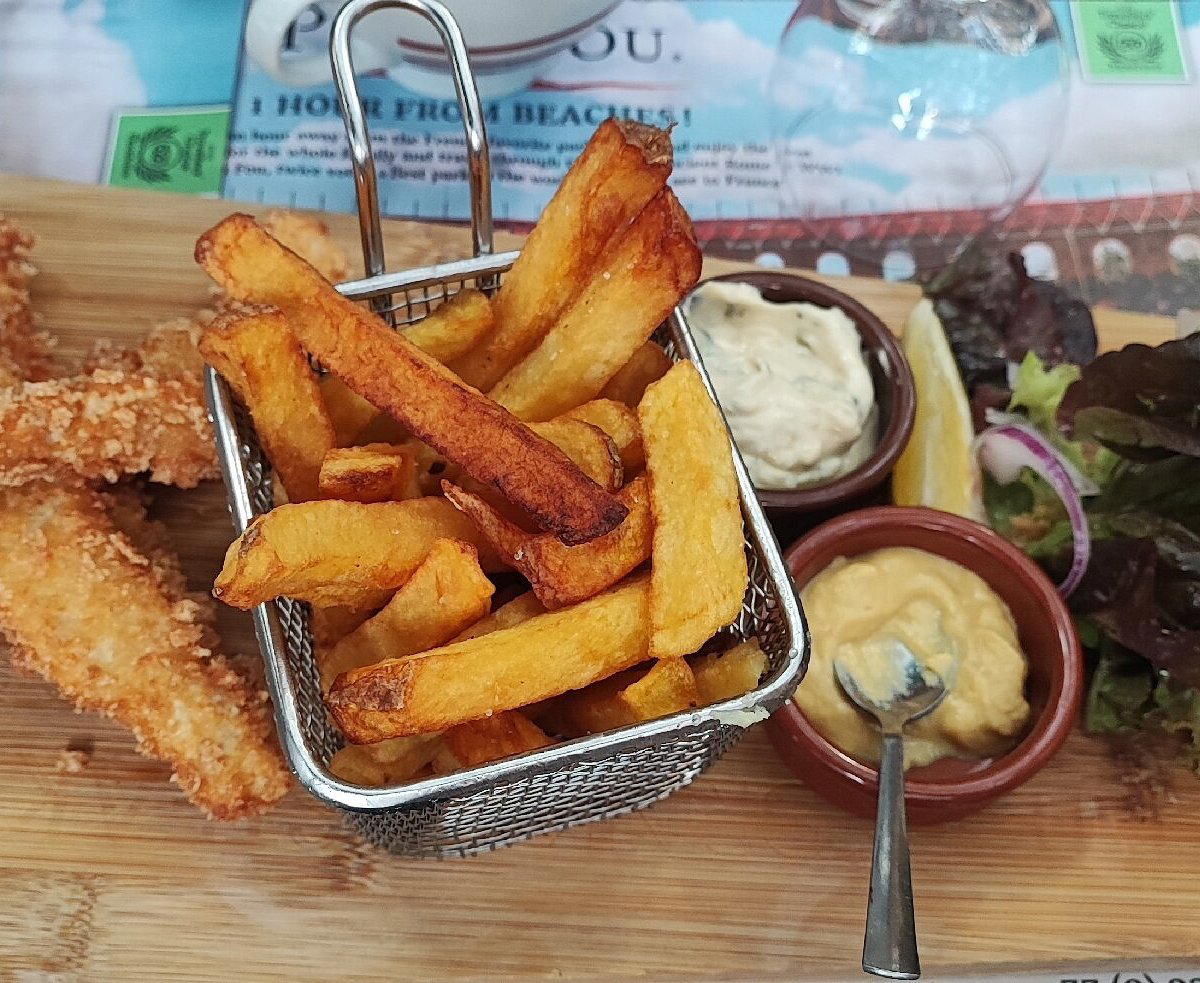
The menu
What to order
- La Fosse
- La Goujonnette
A Village Address in a Region That Earns Its Produce
L'Épine sits in the Vendée, a department whose agricultural and coastal identity is more pronounced than its reputation on the national dining circuit might suggest. The bocage interior produces well-regarded poultry and pork, while the Atlantic shoreline running from the Île de Noirmoutier southward to the Marais Poitevin delivers shellfish and flatfish that have supplied restaurant kitchens here for generations. In that context, a restaurant on the village's central administrative street is less an anomaly than a logical expression of what the land and sea around it can offer.
The address at 41 Rue de l'Hôtel de Ville places La Planche at the civic heart of a commune that operates at a pace far removed from the destination-restaurant corridors of Paris or the Côte d'Azur. This matters for how the cooking is understood. In a village of this scale, the supply chain between producer and kitchen tends to be short, not as a marketing position but as a practical reality. Farms, fishing ports, and market suppliers are close enough that sourcing decisions carry immediate consequences for what appears on the plate.
The Sourcing Argument in French Provincial Cooking
France's broader fine-dining conversation has spent the past decade oscillating between hyper-urban creativity, represented by houses like Alléno Paris au Pavillon Ledoyen and the coastal modernism of Mirazur in Menton, and a quieter provincial current that grounds itself in regional produce and established technique. The latter current runs through places like Bras in Laguiole, where the Aubrac plateau defines the pantry, or Auberge de l'Ill in Illhaeusern, where Alsatian agricultural identity is inseparable from the menu. The Vendée equivalent of that commitment draws on a different larder: Noirmoutier potatoes with their sandy, mineral character, Challans duck, salt-marsh lamb from the bocage edges, and oysters from the Bourgneuf Bay.
These ingredients carry appellation-level recognition in French culinary circles without necessarily generating the press volume of, say, Breton lobster or Périgord truffle. A kitchen in L'Épine that works with Vendée produce is operating within a tradition that rewards specificity over prestige-ingredient stacking, a more demanding brief in some respects because the cooking must be confident enough to let recognizable local flavours speak clearly rather than obscuring them beneath technique.
That is the register in which a restaurant at this address in this commune is most logically read. It sits alongside Cuvée 31 as part of a small but purposeful local dining offer that reflects the Vendée's agricultural and maritime identity rather than importing a culinary vocabulary from elsewhere.
What the Village Setting Demands
Provincial French restaurants at the village scale operate under different pressures than their urban or resort counterparts. Tablecloths come off earlier, wine lists lean on regional appellations that urban sommeliers might overlook, and the rhythm of service follows the pace of a community that eats for occasion rather than spectacle. The Pays de la Loire and Vendée tradition, traceable through market towns and auberges that long predate the Michelin era, prizes this kind of grounded hospitality. It is the same tradition that shaped the foundations of houses now in the national conversation, from Georges Blanc in Vonnas to Troisgros in Ouches, both of which began as deeply local family operations before their reputations extended further.
La Planche occupies a position earlier in that arc, or perhaps content to remain at the local register, which is not a lesser ambition. A restaurant that serves its community reliably, with produce that reflects where it is, performs a function that destination kitchens with multi-month waiting lists cannot. For a visitor arriving in L'Épine without the infrastructure of a major tourism circuit to rely on, that reliability is the relevant metric.
Placing L'Épine on the Western Loire Dining Map
The Vendée sits at the southern edge of the Pays de la Loire, a region that receives less culinary attention than its northern neighbour Brittany or the prestige wine territories of the Loire Valley proper. That relative quiet is partly a function of geography: the department lacks a major city with the critical mass to anchor a dining scene, and its coastline, though substantial, is more associated with family tourism than with gastronomic ambition. What it does have is produce of real quality and a population that has maintained serious domestic cooking traditions.
For visitors following the Atlantic coast southward from Nantes, or making their way between the Loire Valley wine country and the Charente-Maritime oyster towns near Christopher Coutanceau's territory in La Rochelle, L'Épine is a logical stop rather than a detour. The village is accessible by road from both Nantes to the north and La Rochelle to the south, with driving times that place it comfortably within a day's itinerary from either direction. Our full L'Épine restaurants guide covers the local options in more detail.
For those building a broader French regional itinerary, the Atlantic seaboard offers a distinct counterpoint to the more celebrated corridors. The cooking at places like Auberge du Vieux Puits in Fontjoncouse or L'Oustau de Baumanière in Les Baux demonstrates how strongly French regional identity can shape a kitchen's output when the sourcing relationship with the surrounding landscape is taken seriously. The western Loire version of that relationship, built on Vendée produce and Atlantic ingredients, is less documented but no less coherent.
Planning a Visit
La Planche is located at 41 Rue de l'Hôtel de Ville in L'Épine, Vendée. The commune is leading reached by car; the nearest rail connections run through Nantes or La Roche-sur-Yon, from which the village is accessible by road. Given the limited advance information available about booking procedures, contacting the restaurant directly ahead of any visit is advisable, particularly on weekends and during summer months when the Vendée coast draws considerable visitor traffic from the surrounding region. Village-scale restaurants in France at this level often operate with small covers and no online reservation system, which makes a phone call or walk-in approach the standard practice.
Frequently asked questions
Is La Planche good for families?
Village restaurants in the Vendée tend to operate within a relaxed, unpretentious register that suits multi-generational tables. La Planche sits on the main street in L'Épine, a quiet commune where the pace is unhurried. Families visiting the Vendée coast would find the setting appropriate, though checking current opening hours directly with the restaurant before planning around specific meal times is advisable.
What's the overall feel of La Planche?
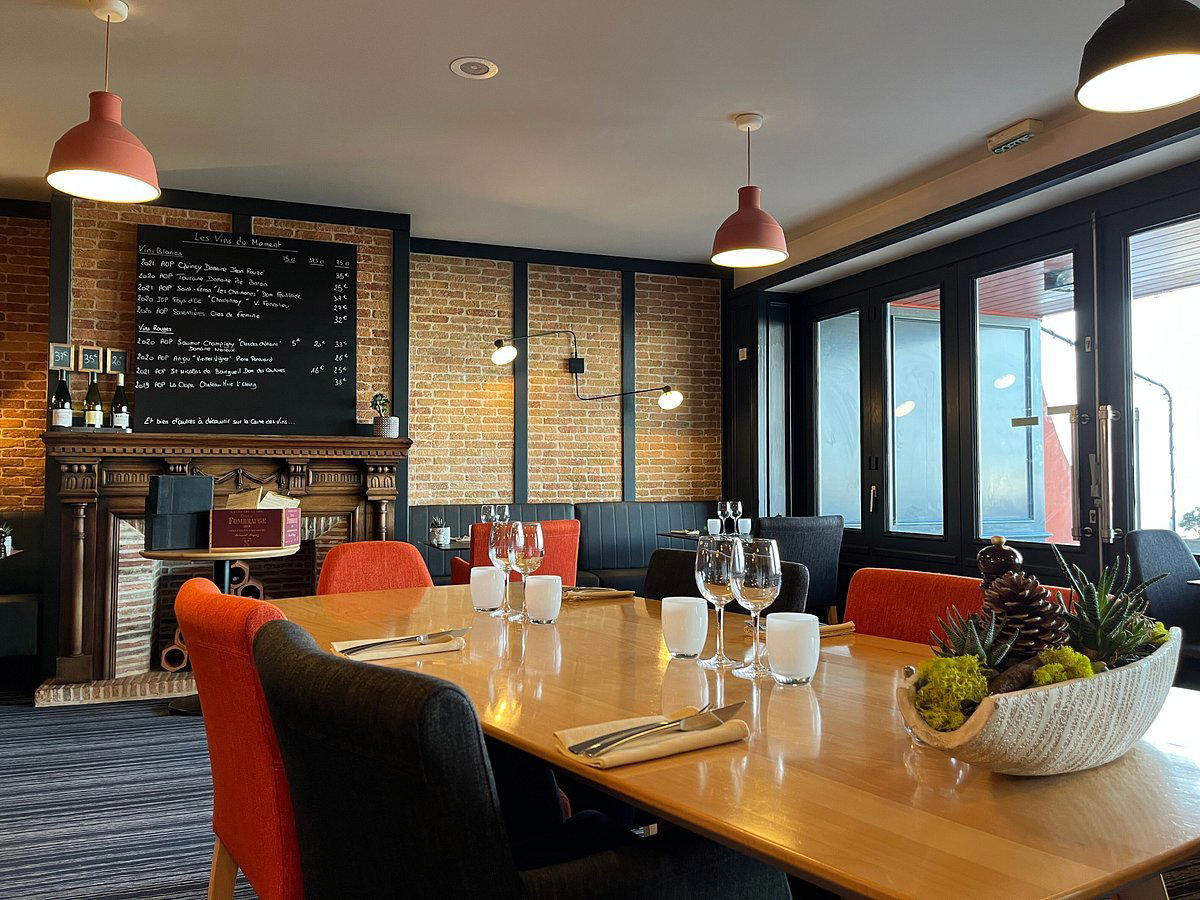
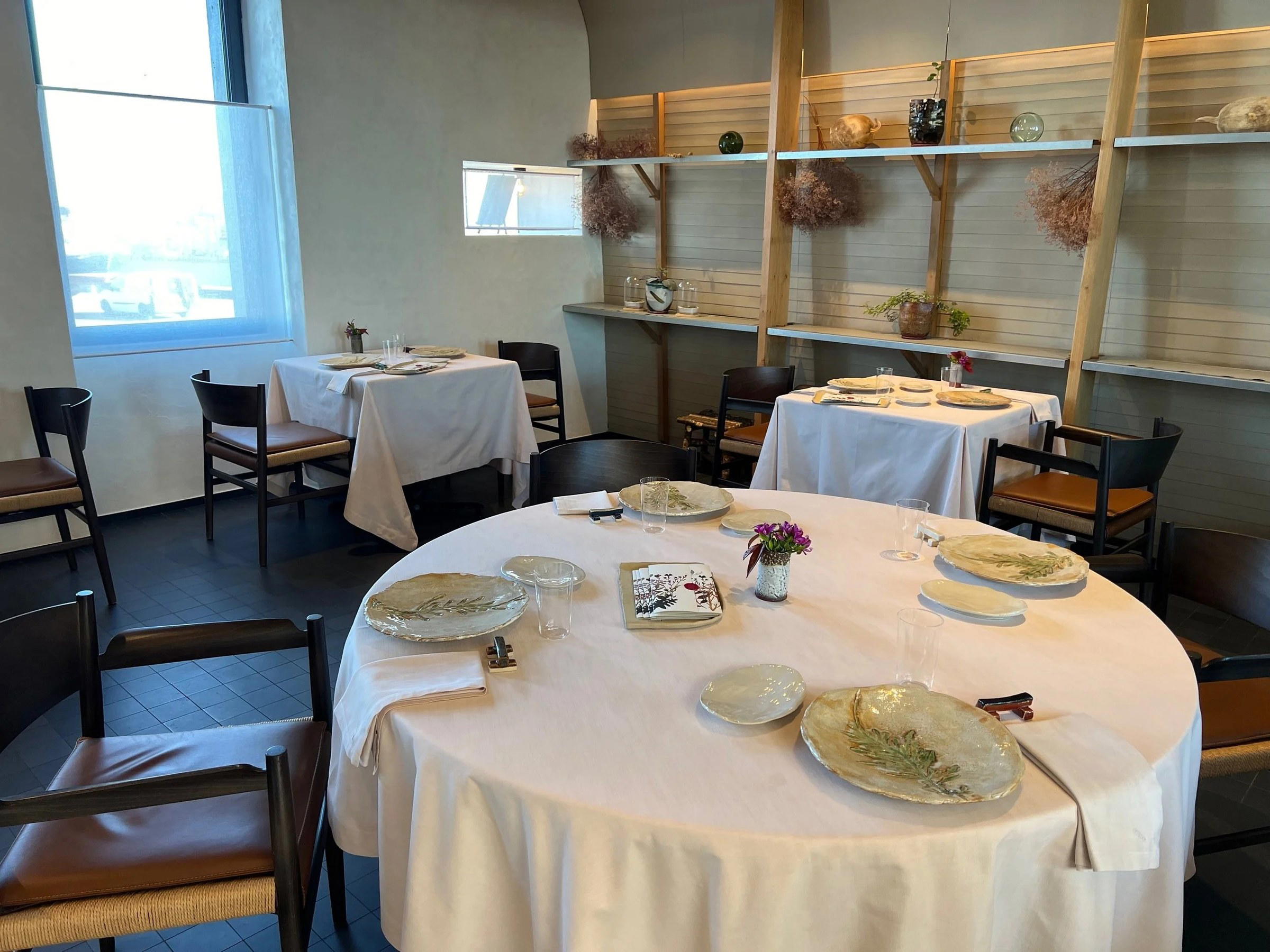
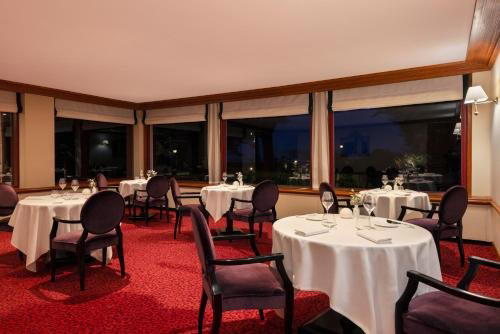
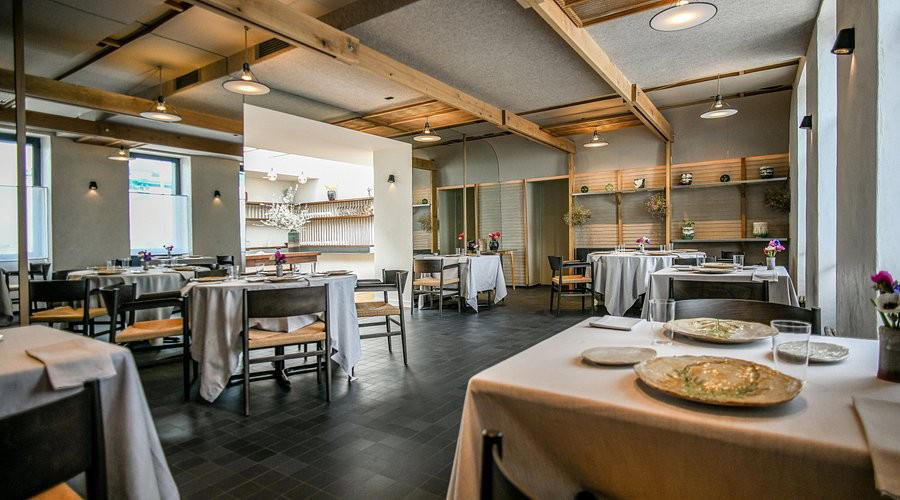
La Planche occupies a village address at 41 Rue de l'Hôtel de Ville in L'Épine, a small commune in the Vendée, and the setting shapes the atmosphere directly. Expect the cadence of provincial French dining: unhurried service, a room sized for the local community rather than passing tourist trade, and a sensibility grounded in the agricultural and coastal identity of the department rather than urban showmanship.
Is La Planche worth visiting as a day trip from the Vendée coast?
L'Épine sits inland in the Vendée, making it a practical stop for travellers based at coastal resorts in the 85 department who want to eat somewhere embedded in the local community rather than the tourist circuit. The address at 41 Rue de l'Hôtel de Ville places La Planche at the centre of the commune, reachable by car from most Vendée coastal points in under an hour. Village-scale restaurants in this part of the Pays de la Loire represent a different register of French provincial dining than the resort dining rooms along the Atlantic front.
Where do I go for La Planche?
La Planche is located at 41 Rue de L Hôtel de ville, 85740 L'Épine, France, L Epine.
What's La Planche best at?
Based on its location in the Vendée, the strongest argument for La Planche is the same one that applies to the region's most coherent provincial tables: proximity to source. The Vendée produces some of France's most closely watched poultry, and its Atlantic coastline generates shellfish and fish landed within the same day. A kitchen operating at village scale in L'Épine can work with that supply chain in ways that city restaurants structurally cannot.
A Quick Peer Check
Comparable venues nearby, for context on price, style, and recognition.
| Venue | Cuisine | Price | Notes |
|---|---|---|---|
| La PlancheThis venue (the venue you are viewing) | French Crêperie | $10–20 | Not listed |
| Cuvée 31 | Bistronomic French | $50–100 | L'Épine |
| L’aventure | French Mountain Grill | $30–50 | Oz en Oisans |
| La Pancarte - Crêperie face à la mer | Traditional French Crêperie | $20–30 | quartier des présidents |
| Le Canclaux | Seasonal French Bistro | $20–30 | Mellinet-Canclaux |
| La Passagère | French Tea House & Bistro | $20–30 | Graslin |
Continue exploring
More in L Epine
Restaurants in L Epine
All restaurants in L Epine →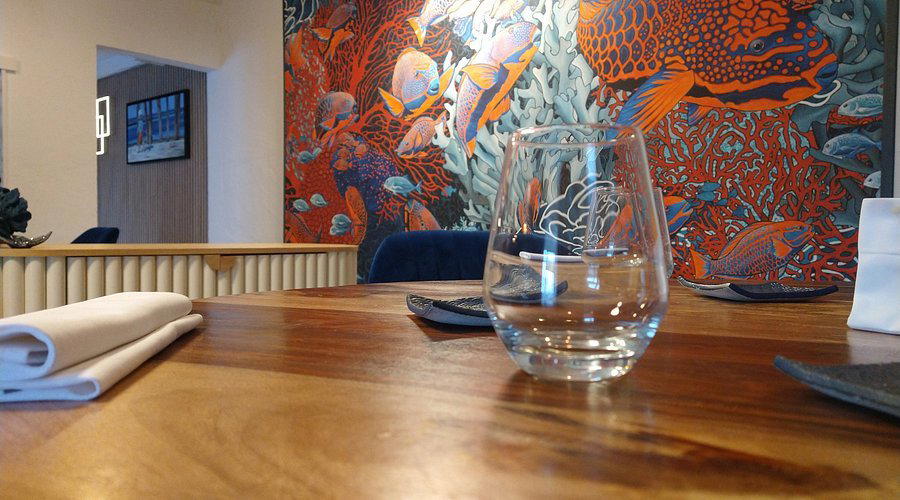
Details
- Cozy
- Rustic
- Family
- Casual Hangout
- Courtyard
- Local Sourcing
- A La Carte
Current opening hours
- Monday
- Closed
- Tuesday
- Closed
- Wednesday
- 12–1:30 PM, 7–8:30 PM
- Thursday
- 12–1:30 PM, 7–8:30 PM
- Friday
- 12–1:30 PM, 7–8:30 PM
- Saturday
- 12–1:30 PM, 7–8:30 PM
- Sunday
- 12–1:30 PM, 7–8:30 PM
Hours can change for holidays and private events. Hours as of .
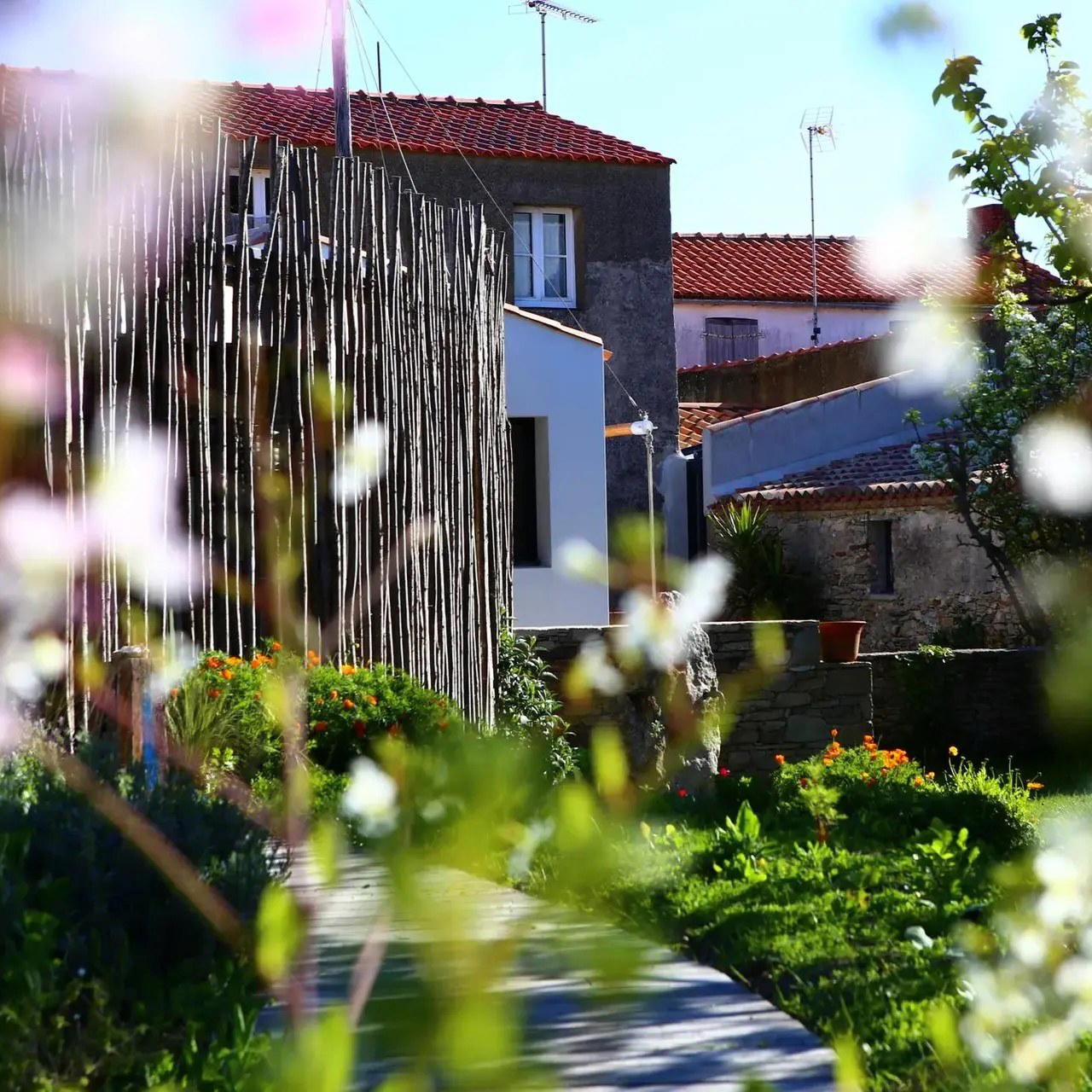
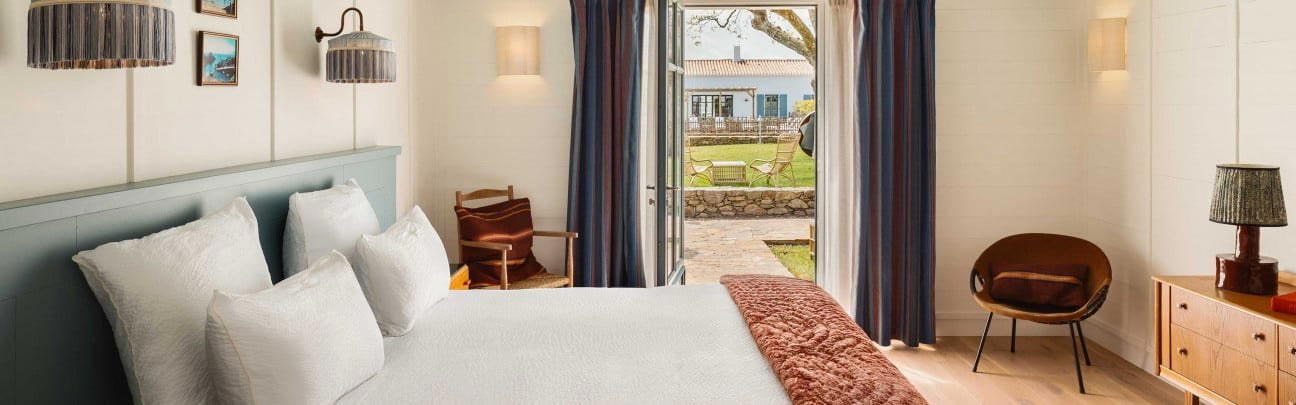
Inviting and convivial atmosphere with a charming patio for outdoor dining in good weather.