On Gosposka ulica, one of Maribor's most walked streets in the old town, La Pizzeria occupies the kind of address where casual and serious dining share the same table. The kitchen works within a tradition that lives or dies by the quality of its base ingredients, flour, tomato, dairy, placing it in a city where everyday eating has quietly grown more considered. A reliable neighbourhood stop in Slovenia's second city.
Pearl is the En Primeur Club membership app — saves, bookings, and concierge access live there. Same editors, same standards.
- Address
- Gosposka ulica 8, 2000 Maribor, Slovenia
- Phone
- +38622345678
- Website
- lapizzeria.si
- Directions
- Get directions
 Saves & bookings on Pearl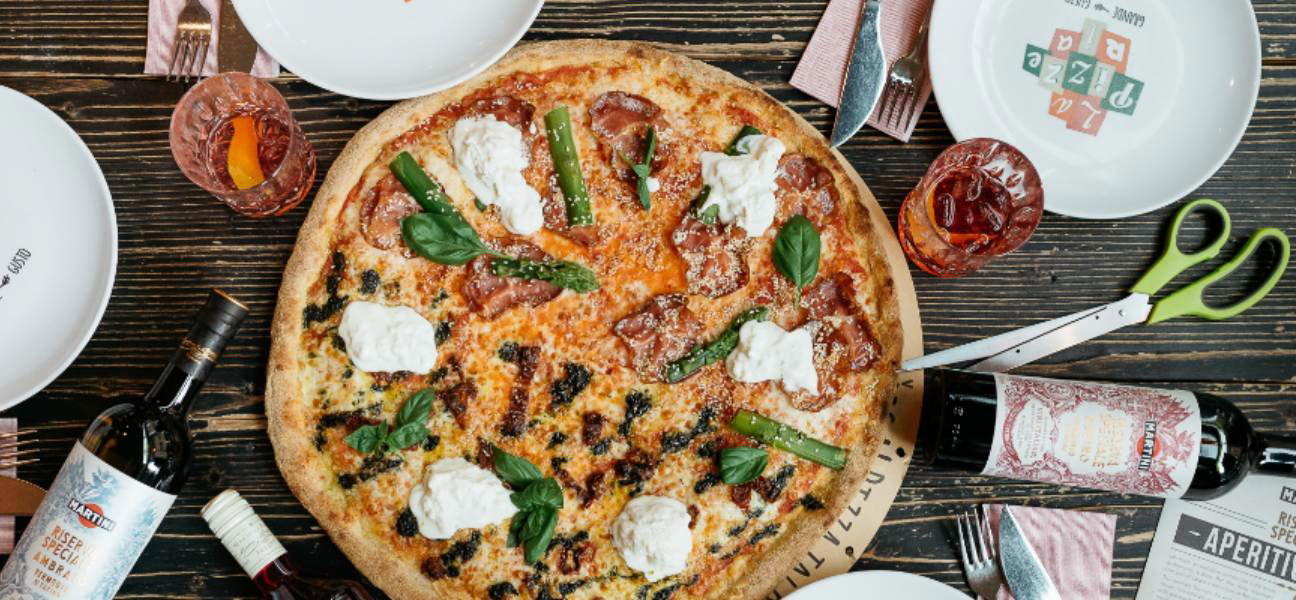
Old Town Address, Ingredient-Led Thinking
Gosposka ulica runs through the heart of Maribor's old town, past the 15th-century Plague Column and within a short walk of the Drava riverbank. It is the kind of street where the city's daily rhythm is most legible: residents on errands, visitors orienting themselves, the occasional cyclist threading between the pedestrian clusters. A pizzeria at this address sits at an interesting intersection, serving among the more globally legible dishes in a city that has, over the past decade, developed a noticeably more attentive relationship with what goes onto the plate and where it originates. La Pizzeria, at number 8, operates within that context.
Maribor's dining scene has shifted considerably. The city's restaurants now range from neighbourhood gostilnas preserving Styrian tradition, like Gostilna pri lipi, to more contemporary formats such as Fudo and Ancora. Pizza, at first glance, sits outside that conversation, but that reading underestimates the degree to which the dish has become a serious vehicle for ingredient sourcing across Central and Southern Europe. The quality gap between a pizza made from slow-fermented dough and locally milled flour versus one assembled from industrial components is substantial and immediately apparent to anyone who has eaten in both registers.
Why Sourcing Defines the Pizza Tier
Across Slovenia and the wider Adriatic-adjacent region, the relationship between pizza culture and agricultural provenance has grown more explicit. Tomato varieties matter: San Marzanos from Campania carry a DOP designation for a reason, but growers in the Vipava Valley and parts of Styria have begun producing tomato stock with comparable acidity and low water content. Dairy sourcing is equally consequential, the difference between industrial mozzarella and fresh fior di latte made within the region is not subtle. Flour tells a similar story: the fermentation capacity of a high-protein, stone-milled flour versus a bleached commercial alternative shapes the crust's texture, digestibility, and flavour in ways that no amount of topping can compensate for.
These are not abstract arguments. They are the material conditions that separate a pizza worth discussing from one that merely fills a menu category. Slovenia's food producers, in Styria, the Karst, the Soča Valley, have developed genuine supply networks that make ingredient-conscious cooking feasible even outside fine-dining formats. A casual pizzeria at a Maribor old-town address has access to a sourcing ecosystem that would have been harder to assemble fifteen years ago. Whether La Pizzeria draws on that ecosystem is the operative question, and one that rewards a visit to resolve directly.
For context on what Slovenian kitchens can achieve when sourcing is treated as a primary discipline, the country's benchmark restaurants provide useful orientation. Hiša Franko in Kobarid built its international reputation substantially on hyper-local foraging and producer relationships. Hiša Denk in Zgornja Kungota, just outside Maribor, applies similar logic within a Styrian fine-dining frame. The sensibility those kitchens have helped normalise filters down into the wider dining culture, including, increasingly, into formats as everyday as pizza.
Maribor's Casual Dining Register
Within Maribor's mid-range eating options, pizza occupies a specific social function: it is the format that bridges students, families, and visitors without requiring anyone to negotiate a tasting menu or dress to a code. The city's old town carries venues at various price points, City Terasa handles Mediterranean formats at the €€ tier, while Baščaršija brings Balkan grilling into the mix. A pizzeria on Gosposka ulica operates in a well-populated category, which means differentiation has to come from somewhere other than novelty of concept.
In this context, ingredient sourcing is not merely an ethical preference, it is especially legible competitive variable available. The dough, the tomato base, the dairy: these are the elements a return visitor will notice first, and they are the elements most directly connected to producer relationships and process discipline. The casual format of a neighbourhood pizza restaurant does not preclude seriousness about these inputs; in many Italian cities, it has historically demanded it.
Maribor's position in Styria also matters geographically. The region's agricultural output, combined with proximity to the Austrian border and easy access to Italian supply chains via the Soča corridor, gives local operators more sourcing flexibility than the city's size might suggest. Milka in Kranjska Gora, Dam in Nova Gorica, and Gostilna Pri Lojzetu in Vipava each demonstrate, in different ways, how Slovenian kitchens are threading regional produce into menus that read as contemporary rather than nostalgic.
Planning a Visit
La Pizzeria sits at Gosposka ulica 8, in the pedestrianised core of Maribor's old town. The address is walkable from most of the city's central accommodation, and the street itself is easy to find from the main square. As with most neighbourhood pizzerias in Central European cities, the shoulder hours between lunch and dinner peak tend to offer the quietest experience if timing flexibility exists.
Maribor rewards visitors who spend time in the city rather than passing through. The old town's compact scale means a meal on Gosposka ulica fits naturally into a broader afternoon that might include the Maribor Regional Museum, the Lent waterfront, or the Old Vine House, home to what is documented as the world's oldest productive grapevine. For visitors moving across Slovenia, the surrounding region's restaurant scene extends to notable kitchens including Pavus in Lasko, Grič in Šentjošt nad Horjulom, Hiša Linhart in Radovljica, Gostilna Mlinar in Idrija, and Restavracija Strelec in Ljubljana. For those whose reference points extend further, the standards set by Le Bernardin in New York City or Atomix in New York City offer a useful frame for how seriously ingredient sourcing can be treated when it is treated as a foundational discipline rather than a marketing claim.
Quick Comparison
Comparable venues nearby, for context on price, style, and recognition.
| Venue | Cuisine | Price | Notes |
|---|---|---|---|
| La PizzeriaThis venue — the venue you are viewing | Traditional Italian Pizza | $$ | Not listed |
| Nana Bistro & Kavarna | Modern European Bistro | $$ | Glavni trg |
| Gostilna pri lipi | Traditional Slovenian | $$ | Lackova cesta |
| Restavracija Rožmarin | Modern Steakhouse | $$ | City Center |
| Njami sushi | Authentic Edomae Sushi | $$ | City Center |
| Baščaršija | Traditional Bosnian Balkan | $$ | city centre |

At a Glance
- Classic
- Cozy
- Lively
- Casual Hangout
- Group Dining
- Family
- Standalone
- Open Kitchen
- Beer Program
- Local Sourcing
Current opening hours
- Monday
- 11 AM–10 PM
- Tuesday
- 11 AM–10 PM
- Wednesday
- 11 AM–10 PM
- Thursday
- 11 AM–10 PM
- Friday
- 11 AM–12 AM
- Saturday
- 11 AM–12 AM
- Sunday
- Closed
Hours can change for holidays and private events. Last verified .