La Pastaverne by Peanut
Our verdict
La Pastaverne by Peanut occupies a medieval streetfront address on Rue du 23-Juin in Saint-Ursanne, one of the most intact walled towns in the Swiss Jura. The name alone signals an Italian-inflected pasta focus in a region better known for watchmaking than wheat. For travellers already exploring the Jura's quieter dining circuit, this is a logical and rewarding stop.

Pearl is the En Primeur Club membership app — saves, bookings, and concierge access live there. Same editors, same standards.
The Town Before the Table
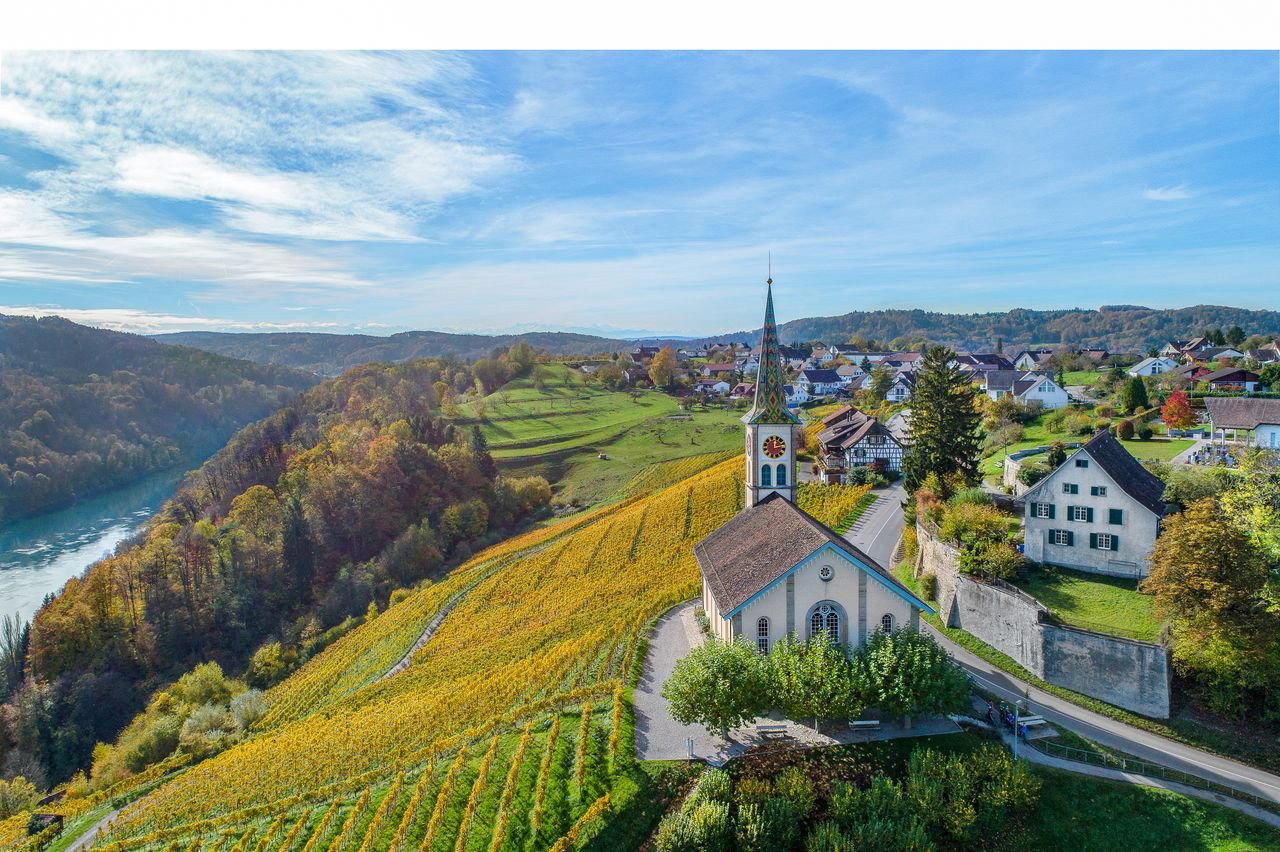
Saint-Ursanne does not announce itself. The road into the Doubs valley drops sharply, and suddenly a Romanesque collegiate church, a medieval gate, and a single arched bridge over a green river appear below. The town is small enough that most visitors pass through on a Sunday drive and leave having seen it all. What they often miss is that a handful of independent restaurants have taken root precisely because the town's isolation insulates them from the competitive churn of larger Swiss cities. La Pastaverne by Peanut, on Rue du 23-Juin, sits within that quieter bracket — a pasta-centred address in a canton whose culinary identity tilts more toward raclette and cervelat than Roman-style dough work.
That geographical tension is worth noting. The Jura sits at the western edge of Switzerland, culturally closer to Franche-Comté than to Zurich, and its produce runs accordingly: soft cheeses, forest mushrooms, trout from cold tributaries, and game from wooded hillsides. A kitchen that chooses pasta as its anchoring format in this setting is making a deliberate editorial choice about what it wants to cook, and the name — Pastaverne, a hybrid of pasta and tavern, signals informality as the operating register, not fine dining pretension.
Ingredient Logic in the Jura
The editorial angle that matters most for understanding a restaurant like this is sourcing. In rural Swiss towns with no celebrity-chef gravity and no Michelin orbit to perform for, kitchens tend to fall into one of two patterns: they import convenience products and plate them efficiently, or they build relationships with the farmers and foragers who are, by proximity, their most reliable suppliers. The Jura has the infrastructure for the second approach. The region's agricultural density is low but its product quality is high, AOC Gruyère wheels travel south from nearby dairies, Jura wines (Savagnin, Poulsard, Trousseau) cross the border from France in small négociant quantities, and the Doubs river system produces trout and crayfish that appear on regional menus when chefs bother to ask.
Whether La Pastaverne by Peanut draws directly from those local networks is not something the public record confirms in detail. What the name and format suggest is a kitchen built around pasta as a craft product, a discipline that, when taken seriously, demands attention to flour type, egg quality, and hydration ratios before any sauce or garnish enters the picture. In Italy, the regional pasta traditions that have survived are precisely the ones tethered to local grain and local dairy. Applied to a Jura context, that logic would point toward local eggs, regional cheese, and foraged additions as the natural companions to hand-worked dough.
La Pastaverne operates at a different scale and register, but the underlying question, where does the food come from, and does it reflect the place, applies across both.
Where It Sits in the Swiss Dining Picture
Switzerland's restaurant scene is heavily weighted toward its urban centres. The Michelin-recognised addresses cluster in Geneva, Zurich, and Lausanne: Hotel de Ville Crissier in Crissier, Cheval Blanc by Peter Knogl in Basel, and La Table du Lausanne Palace in Lausanne are the kinds of addresses that draw destination diners across cantonal borders. Further into rural territory, recognised kitchens become sparser: Maison Wenger in Le Noirmont is one of the few Jura-adjacent addresses with a documented critical profile, and it sits roughly forty kilometres east of Saint-Ursanne.
That relative isolation puts Saint-Ursanne dining in a different category entirely. There is no peer pressure from a cluster of ambitious neighbouring kitchens. Restaurants here serve a local clientele supplemented by seasonal visitors, cyclists on the Jura routes, walkers in the Doubs gorge, and the occasional traveller who has crossed from Alsace or Burgundy and wants to eat before the return trip. The audience shapes the offer, and a pasta-focused informal address fits that profile: accessible, specific enough to feel like a choice rather than a fallback, and priced for repeat visits rather than annual pilgrimage.
For travellers calibrating their expectations against other regional formats, note that addresses like Magdalena in Schwyz and focus ATELIER in Vitznau represent the rural Swiss fine-dining model at full intensity: tasting menus, wine pairings, and a formal commitment to place-driven cooking. La Pastaverne, by both name and apparent format, operates in a more relaxed register. The comparison is not a criticism, the tavern model, when executed with care, is often more useful to a place than a destination-dining address would be.
Planning a Visit
Saint-Ursanne is reachable by train from Porrentruy or Delémont, with the Jura regional rail network connecting to Basel and Bern. The town is compact enough to walk entirely on foot once you arrive. Rue du 23-Juin, where La Pastaverne sits at number 60, runs through the medieval core, close to the collegiate church and the main gate. For diners travelling from across the border, the French A36 motorway feeds into the Jura via Delle, adding perhaps thirty minutes from Montbéliard.
The town does attract visitors on weekends from spring through autumn, and a small restaurant in a popular tourist town can fill quickly during those windows. Whether walk-ins are accommodated depends on the day and the season; weekday visits carry less uncertainty. For broader orientation to what Saint-Ursanne offers beyond this address, see our full Saint Ursanne restaurants guide.
Travellers who want to build a longer Swiss itinerary around regional kitchens might also consider IGNIV Zürich by Andreas Caminada in Zurich, Einstein Gourmet in Sankt Gallen, or, at the other end of the style register, the Italian-inflected Da Vittorio in St. Moritz and the lakeside La Brezza in Ascona. For those curious how pasta-focused cooking performs at the highest tier internationally, Le Bernardin in New York City and Atomix in New York City offer useful reference points on what sustained culinary precision looks like across different category formats. Closer to the Jura, Colonnade in Lucerne, 7132 Silver in Vals, and L'Atelier Robuchon in Geneva round out a picture of the range available across the Swiss dining circuit.
Frequently asked questions
Is La Pastaverne by Peanut okay with children?
Saint-Ursanne itself is a compact, walkable medieval town with no heavy traffic in the centre, which makes the overall visit family-friendly by default. For confirmation on seating arrangements or high-chair availability, check the venue's official channels at their address on Rue du 23-Juin 60.
What's the overall feel of La Pastaverne by Peanut?
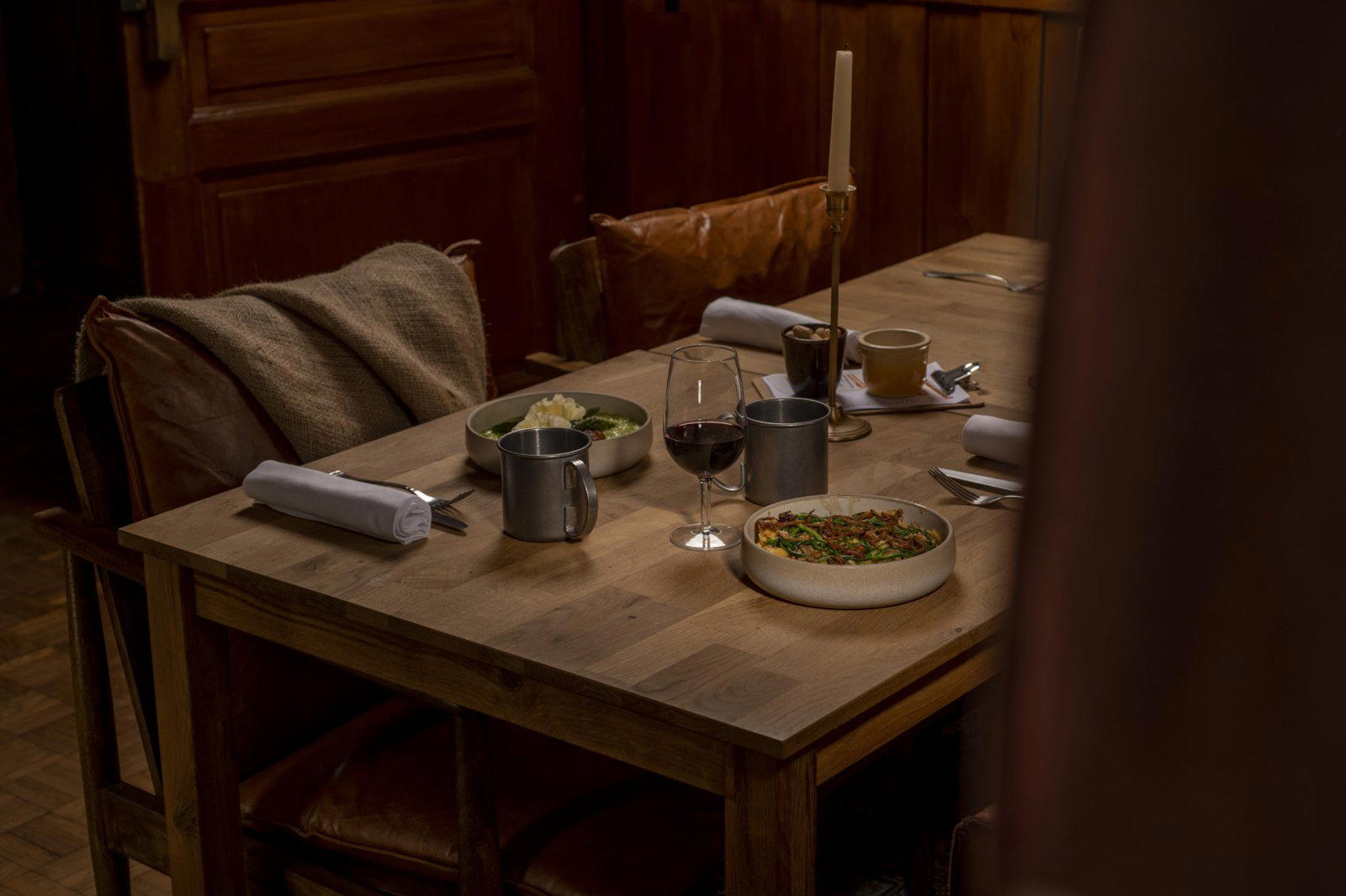
The setting does a lot of the work here. Saint-Ursanne is a Romanesque-era town in the Doubs valley, and a restaurant operating on Rue du 23-Juin 60 sits within that stone-and-arch atmosphere rather than against it. Expect the tone of a neighbourhood place that knows its town well, rather than a destination restaurant pitching to outside audiences.
Is La Pastaverne by Peanut worth a detour from Basel or Bern?
Saint-Ursanne sits on the Jura regional rail network, accessible from Delémont or Porrentruy, both of which connect to Basel and Bern. A restaurant anchored around pasta in one of Swiss Jura's most intact medieval towns occupies a niche that urban Swiss dining does not replicate: the combination of the Doubs valley setting and a focused pasta format makes the detour coherent for anyone already exploring the region.
What's the signature dish at La Pastaverne by Peanut?
The name signals the focus clearly: pasta is the editorial centre of the menu.
Where do I go for La Pastaverne by Peanut?
La Pastaverne by Peanut is located at Rue du 23-Juin 60, 2882 Saint-Ursanne, Switzerland, Saint Ursanne.
Do they take walk-ins at La Pastaverne by Peanut?
In a town the size of Saint-Ursanne, walk-in tables are plausible outside peak season, but the Doubs valley draws concentrated summer and weekend traffic. Contacting the restaurant at Rue du 23-Juin 60 before arriving is the practical approach.
How It Stacks Up
Comparable venues nearby, for context on price, style, and recognition.
| Venue | Cuisine | Price | Notes |
|---|---|---|---|
| La Pastaverne by PeanutThis venue — the venue you are viewing | Homemade Italian Pasta in Medieval Setting | Not listed | Not listed |
| DIO/MIO Neapolitan Pizza | Neapolitan Pizza | $20–30 | Aeschen |
| Pizzeria Sonnen | Italian Pizza & Kebab | $10–20 | Gränichen |
| Pizza Topolino | Italian Pizza | $10–20 | Urtenen-Schönbühl |
| Canottoria Bistro & Catering | Italian Pizza Bistro | $20–30 | Rheinfelden |
| Santa Lucia | Traditional Italian Pizza & Pasta | $20–30 | Fluntern |
Continue exploring
More in Saint Ursanne
Restaurants in Saint Ursanne
All restaurants in Saint Ursanne →
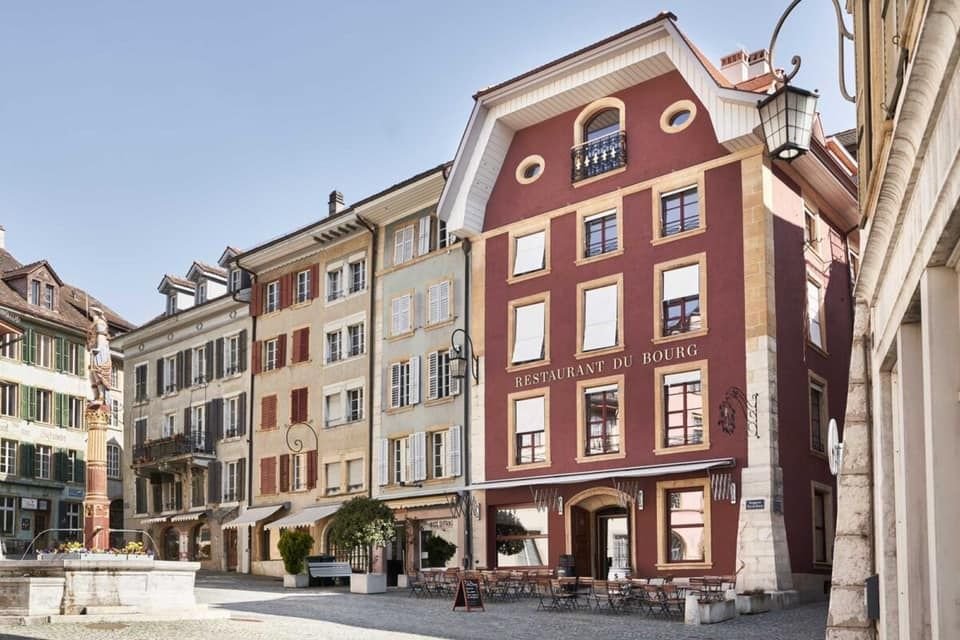
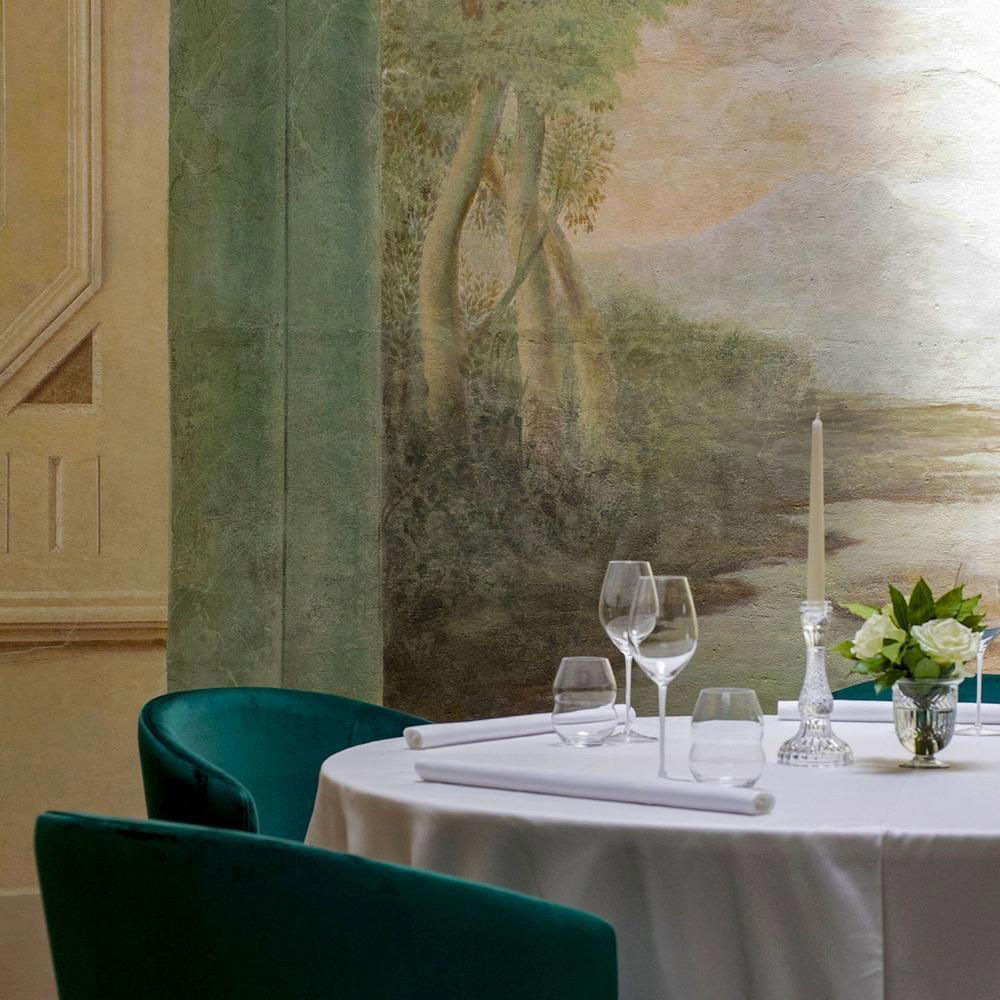
Bars in Saint Ursanne
Browse all →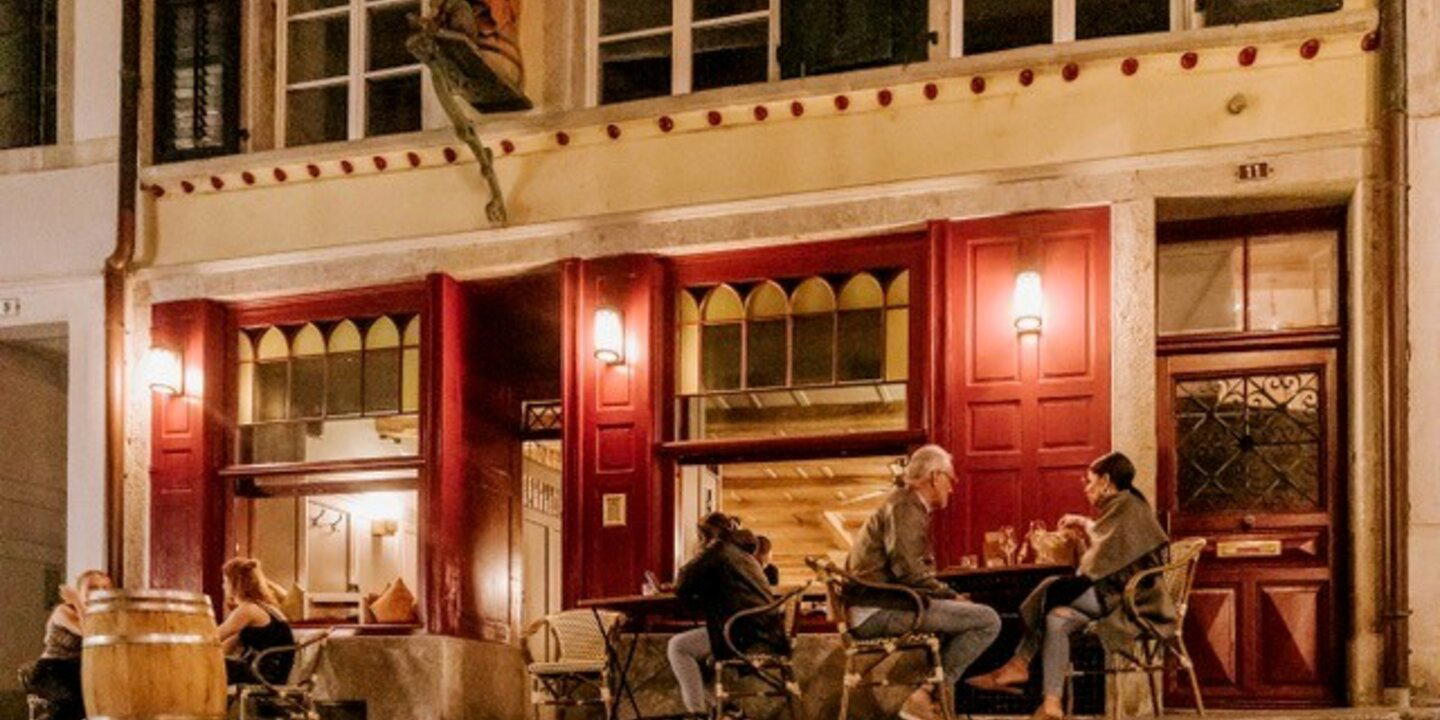
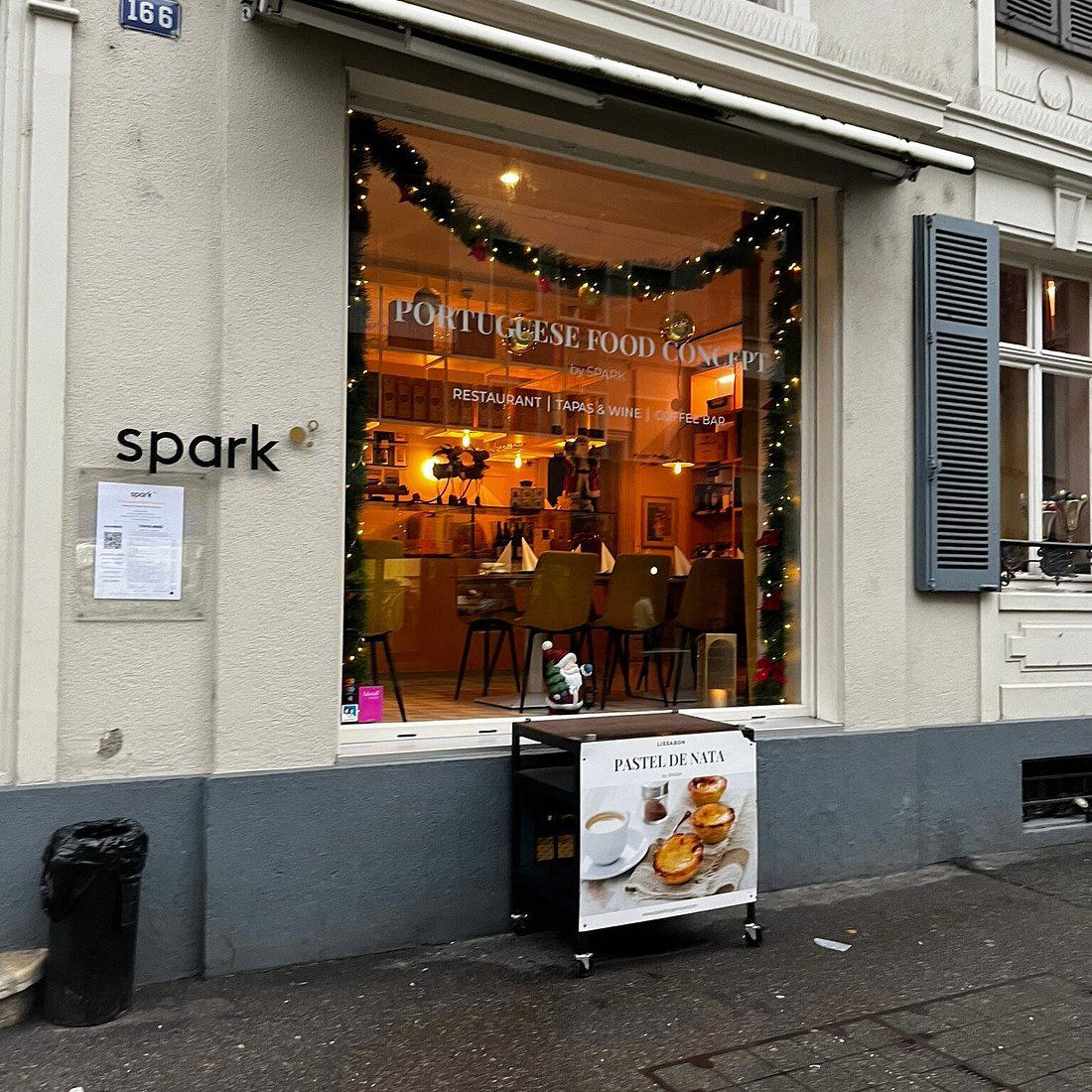

Details
- Cozy
- Rustic
- Intimate
- Date Night
- Family
- Casual Hangout
- Historic Building
- Terrace
- Local Sourcing
- A La Carte
- Vegetarian Friendly
- Gluten Free Options
Current opening hours
- Monday
- 11:30 AM–1:30 PM, 6:30–9 PM
- Tuesday
- 11:30 AM–1:30 PM, 6:30–9 PM
- Wednesday
- Closed
- Thursday
- Closed
- Friday
- 11:30 AM–1:30 PM, 6:30–9 PM
- Saturday
- 11:30 AM–1:30 PM, 6:30–9 PM
- Sunday
- 11:30 AM–1:30 PM, 6:30–9 PM
Hours can change for holidays and private events. Last verified .
Warm, authentic medieval atmosphere with candles on tables, clay plates, and a chilled, cozy vibe.