Domaine de la Rochette

Domaine de la Rochette is a private Pinot Noir estate in Cressier, shaped by Neuchâtel limestone, old massale-selection vines, and a cellar style built around whole clusters, indigenous yeasts, and French oak without overt oak imprint. Founded in 1999 by Jacques Tatasciore, it belongs to the rare Swiss wine category where reputation travels through allocations, sommelier lists, and bottles rather than visitor hospitality.
Pearl is the En Primeur Club membership app — saves, bookings, and concierge access live there. Same editors, same standards.
- Address
- Cressier, Canton of Neuchâtel, Canton of Neuchâtel, Schweiz
- Directions
- Get directions
 Saves & bookings on Pearl
Domaine de la Rochette in Cressier is best understood as a quiet, highly private, and low-profile place rather than a conventional visitor stop. The public-facing signals are deliberately minimal: visitors are discouraged, there is no tasting room, and there is no sign. For EP Club readers, that makes it a hidden-gem entry defined less by spectacle than by discretion, and more by the way it withdraws from the usual cues that make a venue easy to read. It is not trying to announce itself, explain itself, or convert passing interest into a standard visit. That absence of performance is the point.
A private Cressier address without spectacle
The picture of Domaine de la Rochette is intentionally spare. It is in Cressier, it sits in the $$$ price range, and its character is quiet, intimate, and sophisticated. Beyond that, specific claims about production, service, ownership, awards, opening arrangements, or a public tasting format should not be assumed. The available profile is narrow, and the right editorial approach is to respect that narrowness rather than fill it with convenient assumptions.
That restraint is part of the practical guidance. This is not a place to treat as an ordinary drop-in stop, and it should not be planned around a tasting room visit. The safer reading is that Domaine de la Rochette belongs on a Cressier shortlist for people who value privacy and low-profile discovery. It is relevant precisely because it does not behave like a place built for spontaneous visitation, visible signage, or a predictable hospitality sequence.
The dependable facts are the setting in Cressier, the $$$ positioning, and the discreet, visitor-discouraging posture. Those details are limited, but they are also enough to establish the venue’s tone. In EP Club terms, the interest lies in the combination of place, restraint, and privacy, not in a longer checklist of public amenities. Readers should approach the name as a quiet marker within Cressier rather than as an invitation to improvise a visit.
A Cressier venue that resists the visitor economy
Many destination venues are easy to evaluate through public hospitality: rooms, menus, tours, tastings, posted signs, or obvious visitor infrastructure. The winery is different. Its low-profile nature means the absence of public-facing hospitality is not a side note; it is central to how the place should be approached. Where other venues may make themselves legible through visible entry points and clearly signposted experiences, this one remains deliberately understated.
That privacy can be appealing for the right traveler and frustrating for the wrong one. If you are looking for a polished visitor circuit, this is not the strongest fit. If you are mapping quiet, intimate, and sophisticated places in Cressier, the winery is more relevant as a discreet name than as a conventional stop. The distinction matters because it changes the expectations before any plan is made: the value is not in guaranteed access or a ready-made experience, but in the venue’s reserved character.
For planning, keep expectations narrow and practical: Cressier is the location, the price level is $$$, and the venue is private and low-profile. Other dining options in Cressier can be considered separately, but the winery should not be treated as a standard hospitality venue. It is better understood as a place to note carefully, not one to fold casually into an itinerary as though it offered the same public rhythm as more visitor-oriented addresses.
Where the comparison widens
Within Cressier, the winery is distinctive for how little it performs for visitors. The useful comparison is not with a named circuit of restaurants, bars, hotels, or wineries, but with the broader idea of public-facing venues versus private, low-signature places. The winery belongs firmly in the latter category. Its identity is shaped by limits: minimal outward display, discouraged visitation, no tasting room, and no sign.
The editorial case is therefore specific: it is for readers who value discretion, privacy, and a quiet Cressier setting. Its low-profile posture may make casual planning harder, but it also gives the venue its defining character. For EP Club, that makes the winery less a conventional recommendation than a carefully framed inclusion: a sophisticated, private Cressier address whose appeal depends on understanding what it is not, as much as what it is.
Recognition history
Dated appearances from independent guides and award organizations, with the underlying list record or original source where available.
Falstaff Winery - Listed
Falstaff
Continue exploring
More in Cressier
Wineries in Cressier
Browse all →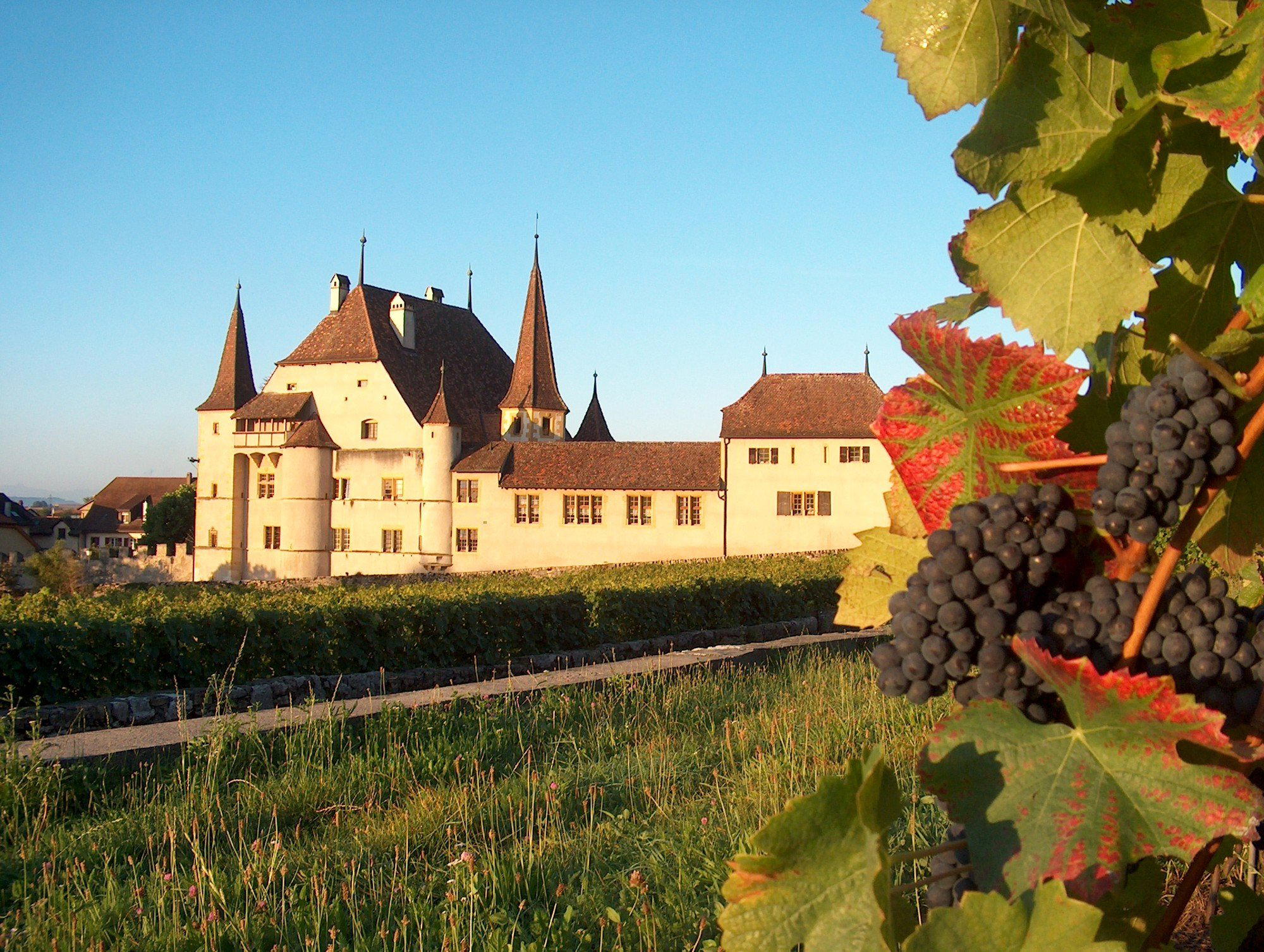
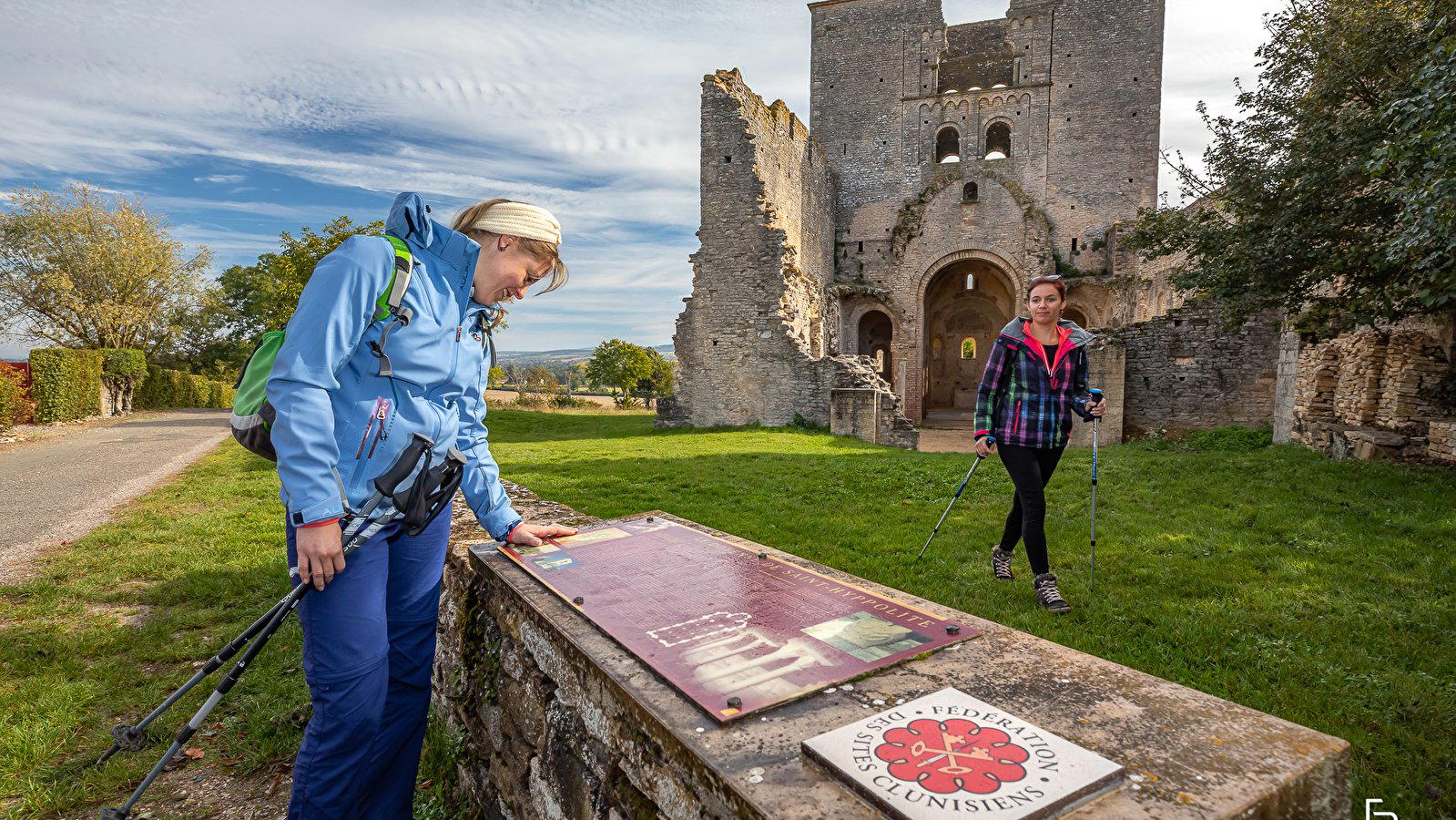
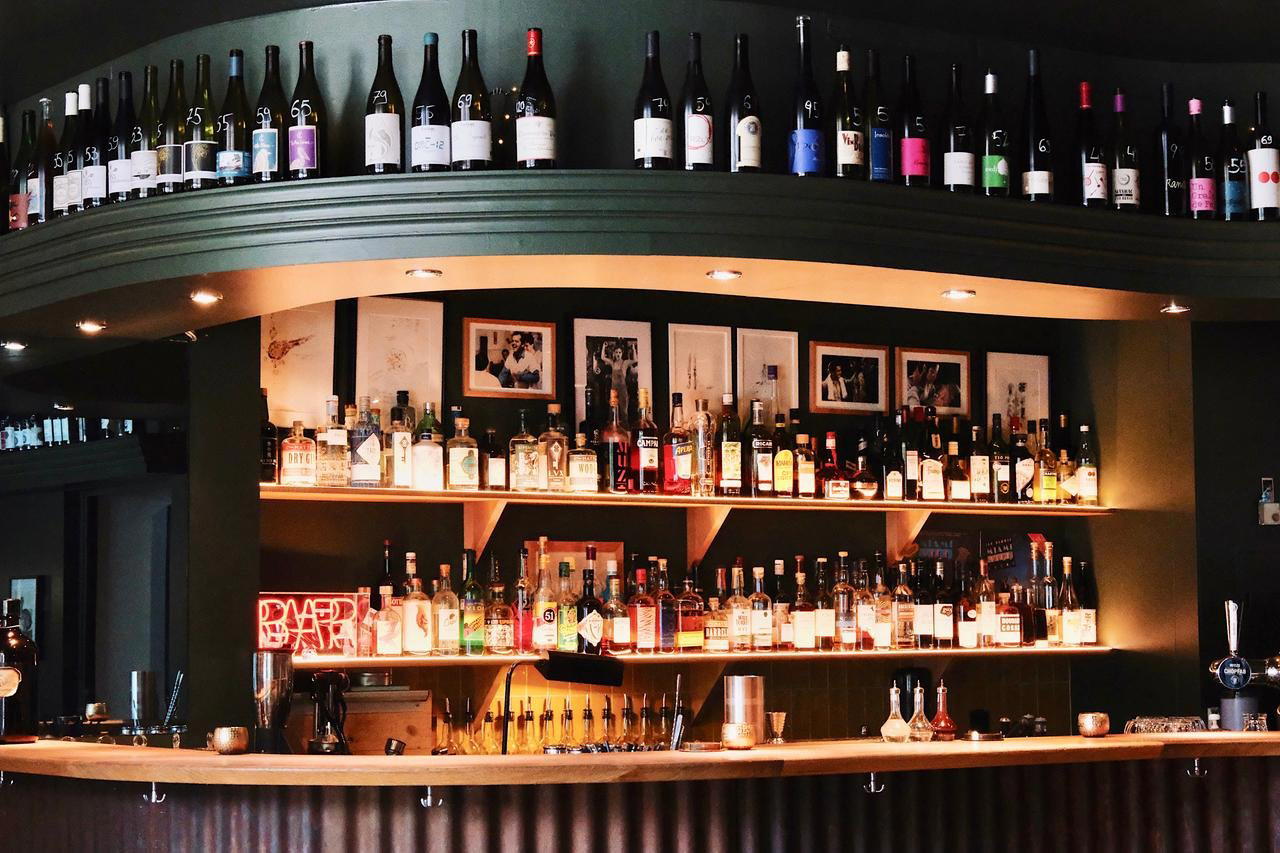
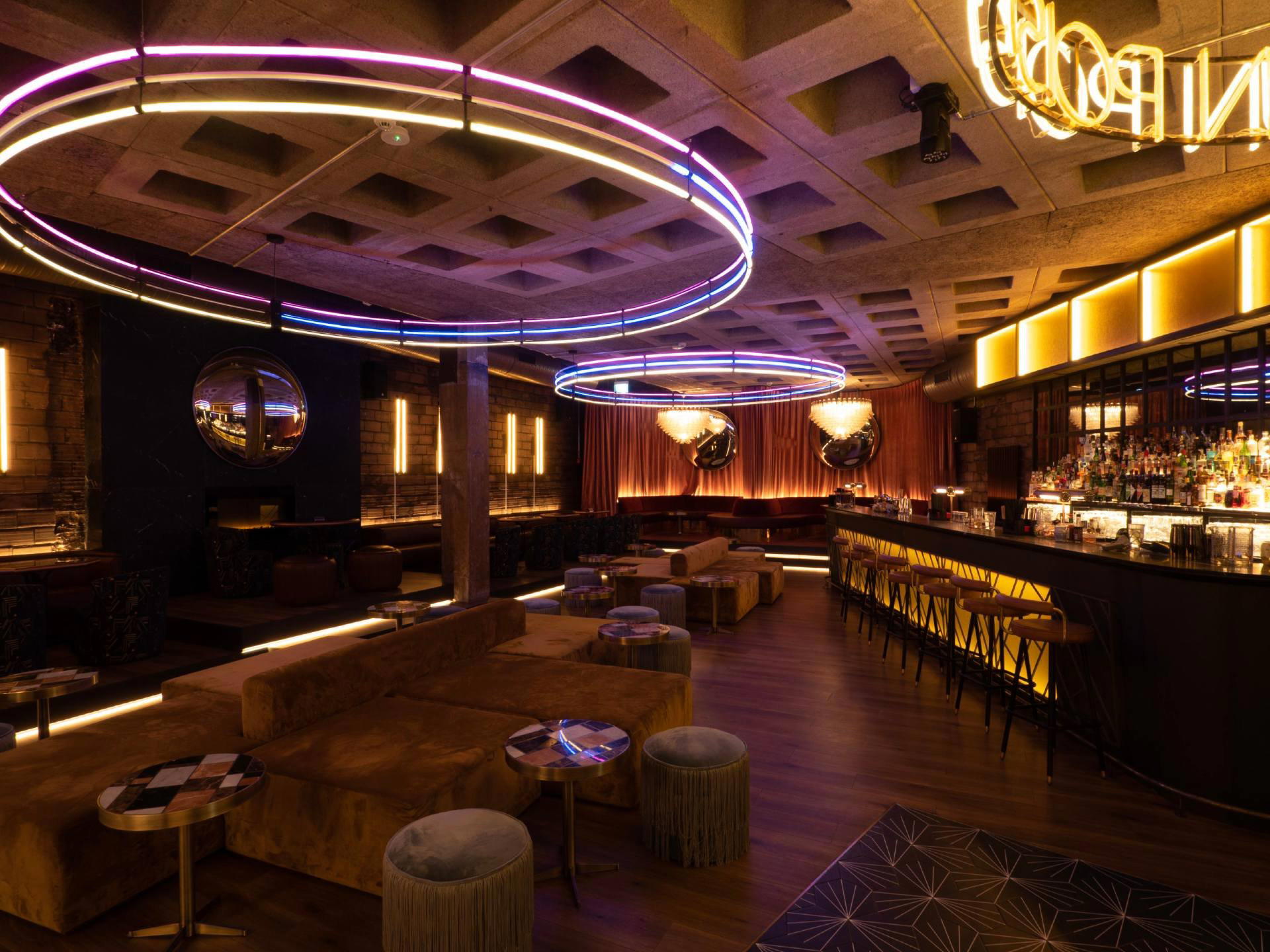
Bars in Cressier
Browse all →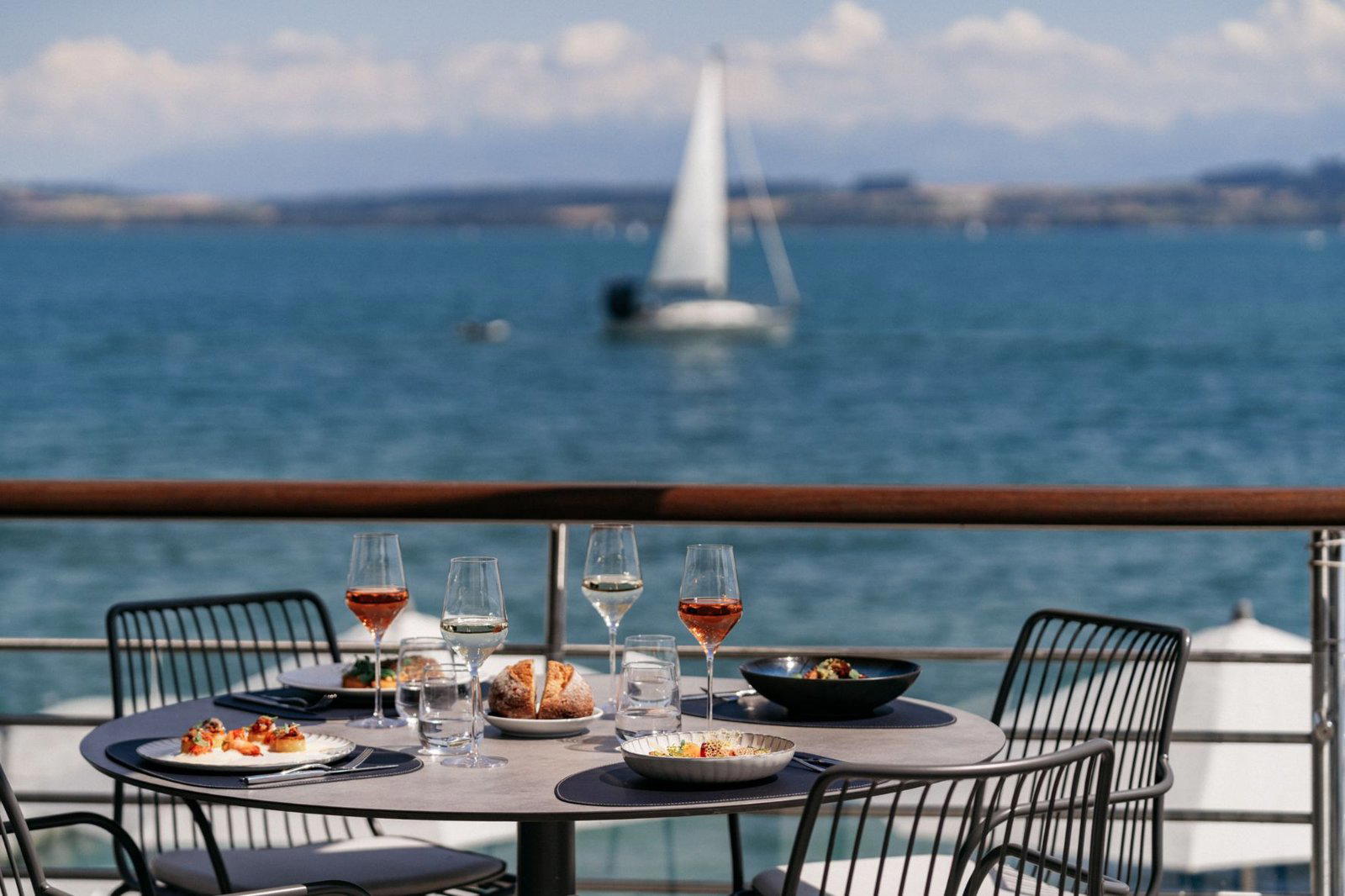
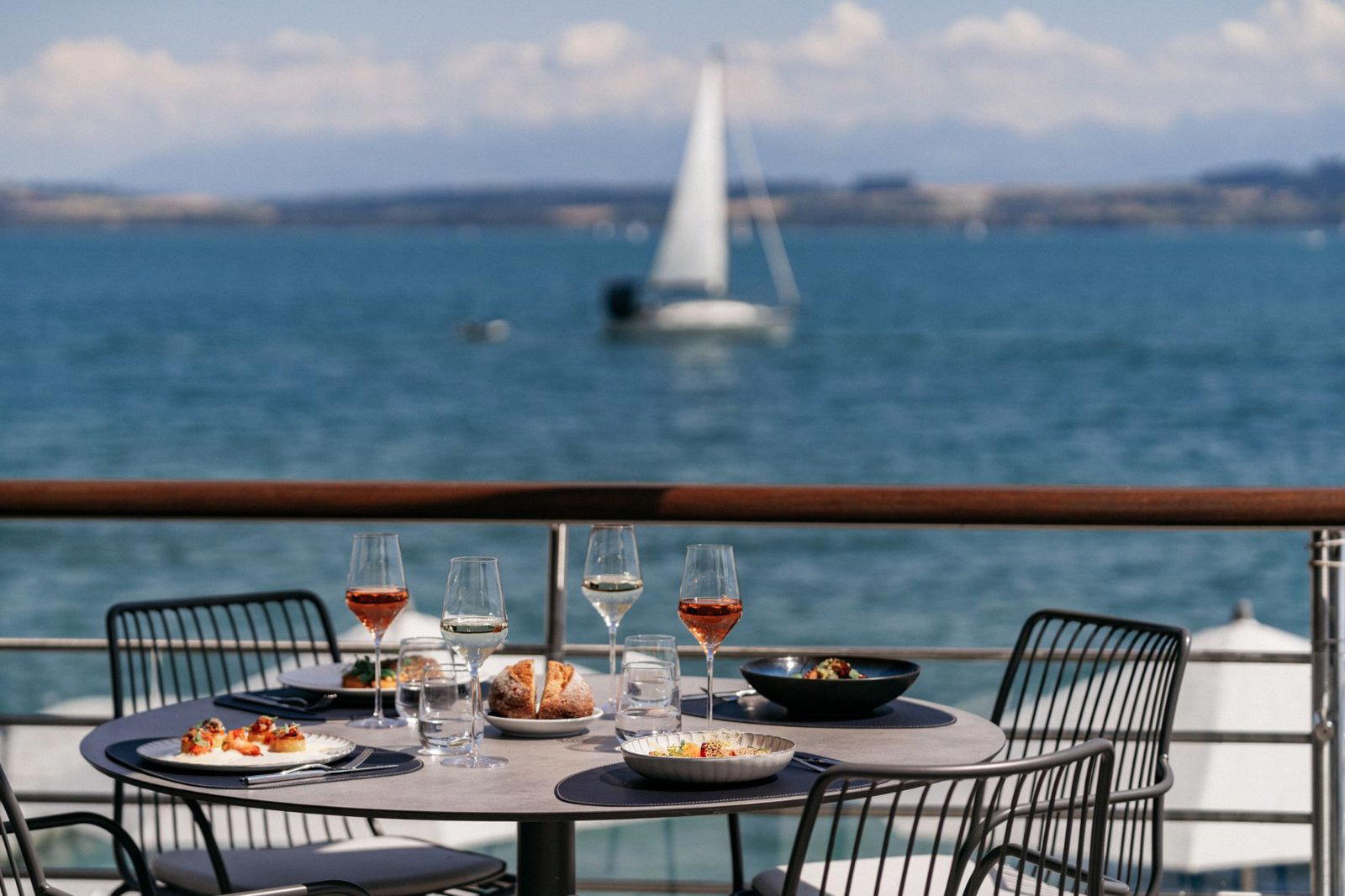
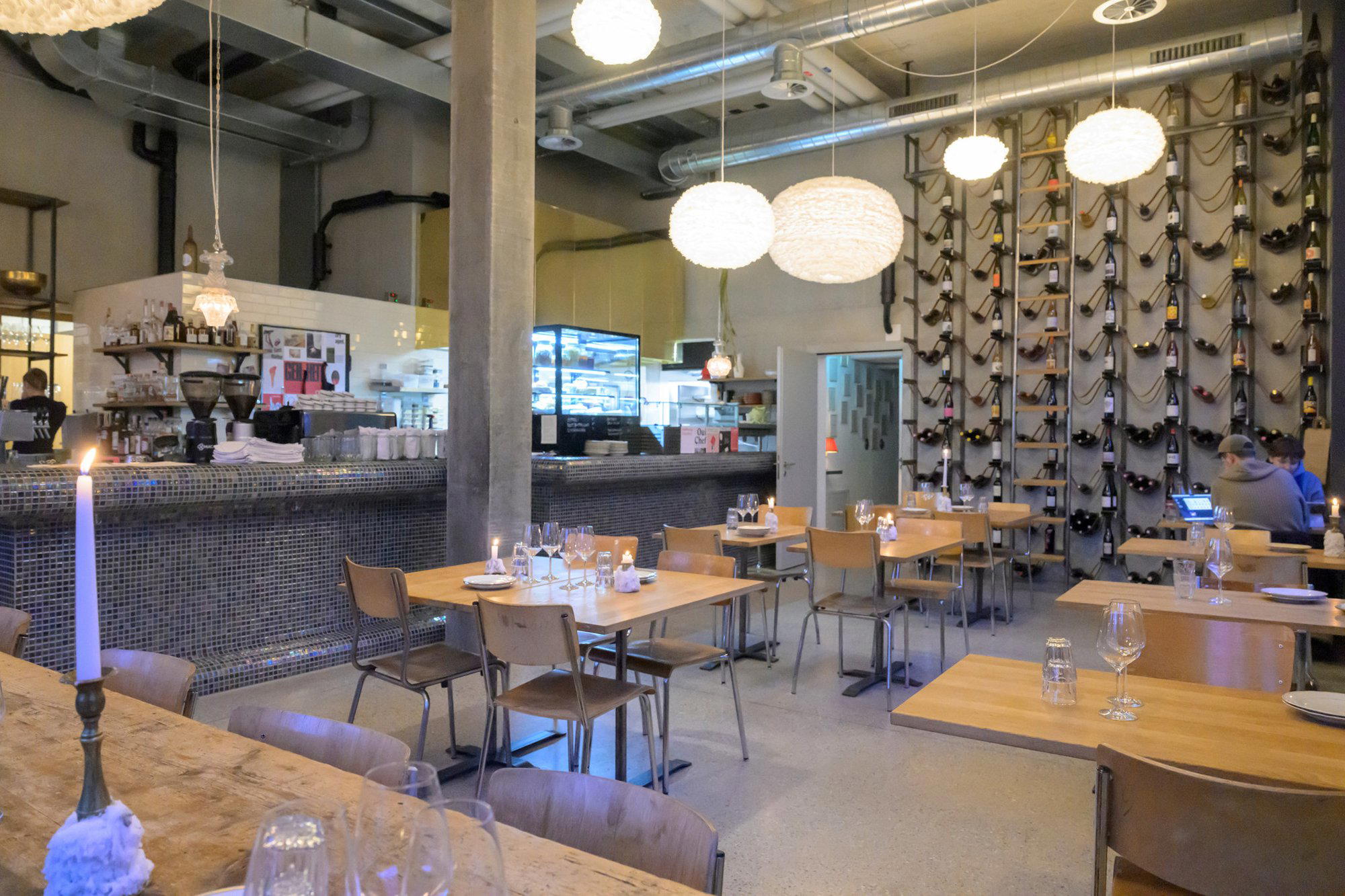
Restaurants in Cressier
Browse all →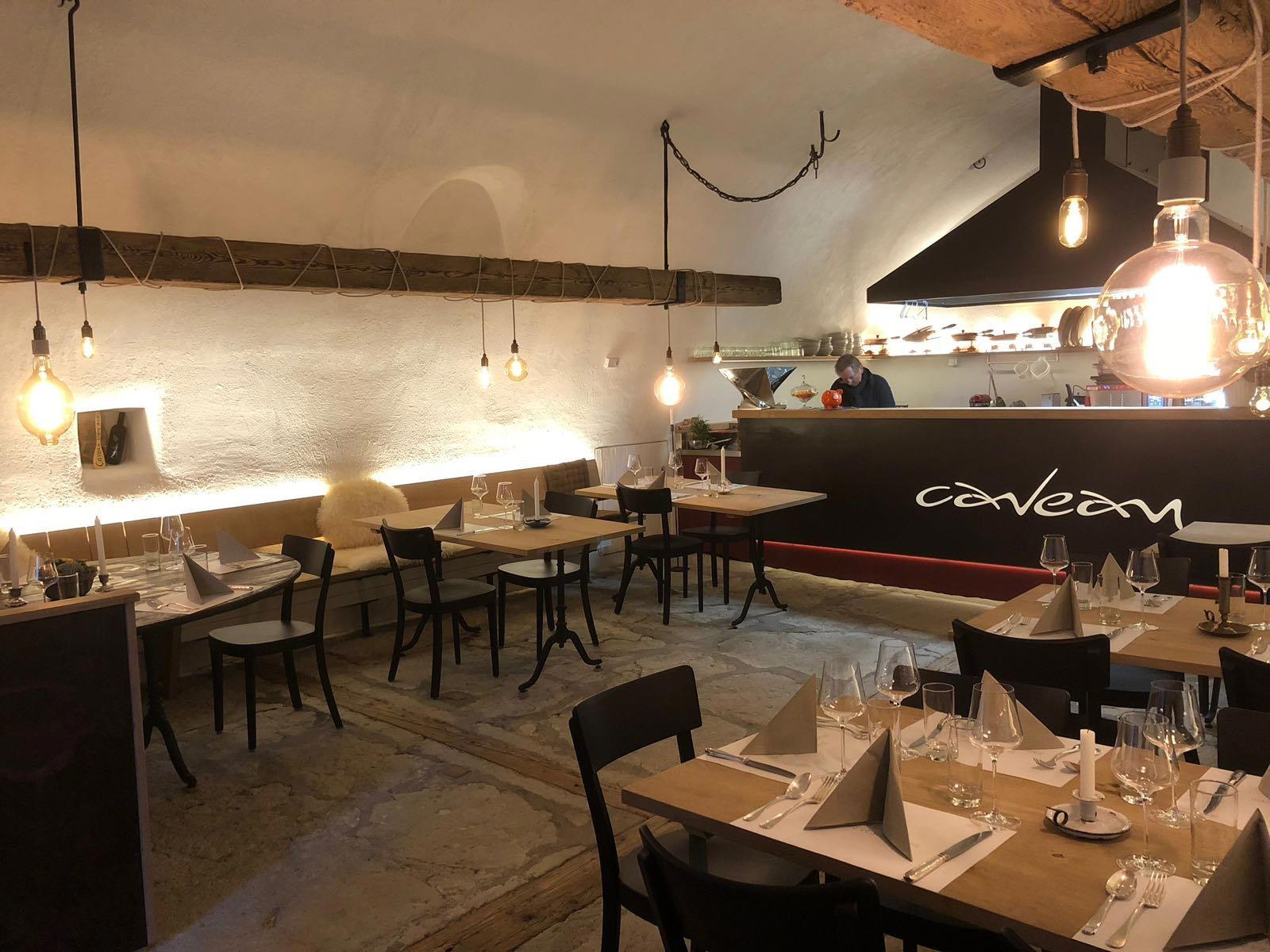
At a Glance
- Quiet
- Intimate
- Sophisticated
- Solo Exploration
- Special Occasion
- Private Tasting
- Organic
- Biodynamic
- Sustainable
- Mountain
- Vineyard
- Neuchâtel
- Pinot Noir
- Chardonnay
- Still Red
- Still White
Quiet, highly private, and low-profile; visitors are discouraged and there is no tasting room or sign.