Domaine Saint-Sébaste

Falstaff Winery - 3 Stars
Domaine Saint-Sébaste is a small biodynamic wine estate in Saint-Blaise, working in the Neuchâtel idiom of Chasselas and Pinot Noir rather than luxury-cellar theatre. Its strongest argument is terroir: lake-moderated climate, limestone-marl-clay soils, estate-grown fruit, native yeasts, and a cellar experience built around precision rather than spectacle.

Domaine Saint-Sébaste in Saint-Blaise is best understood as a quiet, cellar-focused biodynamic estate rather than a luxury-driven venue. The picture is practical and restrained: a hidden-gem setting for visitors who care about the character of the wines and the estate’s biodynamic direction more than theatrical hospitality. Its appeal lies in that restraint. This is the kind of place to consider when the priority is not a staged experience, but a closer, more grounded encounter with a wine estate whose identity is anchored in biodynamic practice and a classic sense of place.
The estate’s signal is biodynamics and precision. Its positioning points toward pure, precise, profound wines, with a visitor experience that appears grounded in the cellar and the work of the estate. Specific claims about varieties, certifications, production scale, farming documentation, or individual bottlings are not confirmed here, so the most reliable way to frame Domaine Saint-Sébaste is as a biodynamic Saint-Blaise wine estate with a classic, understated tone. That narrower framing is also the most useful one: it keeps expectations aligned with what is actually supported, and it avoids turning a quiet cellar-led address into something broader or more embellished than the available information allows.
Biodynamic wines in a quiet Saint-Blaise setting
Domaine Saint-Sébaste’s appeal is not built on spectacle. The facts support a more focused description: a pioneering biodynamic estate in Saint-Blaise, with an emphasis on wines described as pure, precise, and profound. That makes it a strong fit for visitors who prefer a calm, cellar-led encounter over a polished luxury format. In editorial terms, the interest is in the estate’s direction and discipline rather than in peripheral amenities. The wines, and the biodynamic identity behind them, remain the center of gravity.
What can be said with confidence is that the estate belongs to the quieter side of wine hospitality, where the experience is practical, classic, and centered on the wines themselves. That quietness should be understood as part of the appeal, not as a shortcoming. For some travelers, the most memorable wine visits are the ones that feel direct and uninflated, where the conversation and the setting remain close to the cellar and to the work that gives the wines their character.
The result is a venue that reads as a focused cellar stop rather than a high-production destination. Travellers should approach it as a biodynamic estate experience in Saint-Blaise, not as a restaurant, resort, or broad entertainment venue. That distinction helps set the right expectations: Domaine Saint-Sébaste is best placed on an itinerary for its wine identity and its understated atmosphere, not for a full-service hospitality proposition beyond what is confirmed.
A cellar visit for drinkers who care more about farming than theatre
The visitor experience appears cellar-focused and practical rather than luxury-driven. That distinction matters: Domaine Saint-Sébaste is best framed for guests who want a direct, wine-centered visit and a sense of the estate’s biodynamic identity. The tone suggested by the available information is not one of display, excess, or elaborate staging. It is more aligned with drinkers who are interested in how an estate presents itself through its farming philosophy, its cellar work, and the resulting character of the wines.
Dependable editorial read is narrower: quiet, classic, biodynamic, and focused on the wines. That may sound simple, but it is precisely the point. Domaine Saint-Sébaste does not need to be stretched into a broader lifestyle claim to be worthwhile. Its strongest description is also its cleanest one: a Saint-Blaise estate whose value for visitors rests on biodynamic positioning, a calm mode of hospitality, and a preference for substance over theatre.
For Saint-Blaise planning, place Domaine Saint-Sébaste within a wider local itinerary rather than treating it as a large-format attraction. Other dining and hospitality options in Saint-Blaise can round out the visit, while Domaine Saint-Sébaste remains the wine-focused stop. This makes the estate especially useful as one part of a day shaped around the area, where its role is clear and specific: a quieter, cellar-led point of interest for visitors who want the wine component of the trip to feel grounded and unforced.
How it fits into a wider wine itinerary
Domaine Saint-Sébaste’s confirmed identity is specific: a biodynamic estate in Saint-Blaise with a practical, cellar-led visitor experience. It should not be presented through awards, exact production details, named grape varieties, or unsupported service claims. Keeping the description tight is important, because the estate’s appeal does not depend on speculative embellishment. The most accurate presentation is also the most respectful one: a restrained venue with a biodynamic orientation and a wine-first character.
In a broader wine-travel context, the estate’s relevance comes from its biodynamic positioning and its understated style. For EP Club readers, the useful takeaway is simple: Domaine Saint-Sébaste is a quiet Saint-Blaise wine estate for those who value a focused, classic, biodynamic cellar experience. It belongs on the radar of travelers who are less interested in performance and more interested in a venue where the wine identity leads. Approached on those terms, it offers a clear and coherent stop: modest in tone, specific in purpose, and defined by the calm seriousness of its cellar-focused profile.
Frequently asked questions
What's the vibe at Domaine Saint-Sébaste?
The vibe is quiet, classic, and cellar-focused. Domaine Saint-Sébaste is a biodynamic estate in Saint-Blaise with a practical visitor experience rather than a luxury-driven one.
How pricey is Domaine Saint-Sébaste?
Pricing at Domaine Saint-Sébaste is listed as $$.
What's Domaine Saint-Sébaste's location?
Domaine Saint-Sébaste is located in Saint-Blaise.
What's Domaine Saint-Sébaste best at?
It is best framed as a pioneering biodynamic estate focused on pure, precise, profound wines. The experience appears cellar-led, quiet, and practical.
How hard is it to get in to Domaine Saint-Sébaste?
Plan ahead and check directly with Domaine Saint-Sébaste before visiting.
Recognition history
Dated appearances from independent guides and award organizations, with the underlying list record or original source where available.
Falstaff Winery - 3 Stars
Falstaff
Request a visit to Domaine Saint-Sébaste
Tell us when you would like to go and how many people, and we put the request to the estate and reply to you by email.
Continue exploring
More in Saint-Blaise
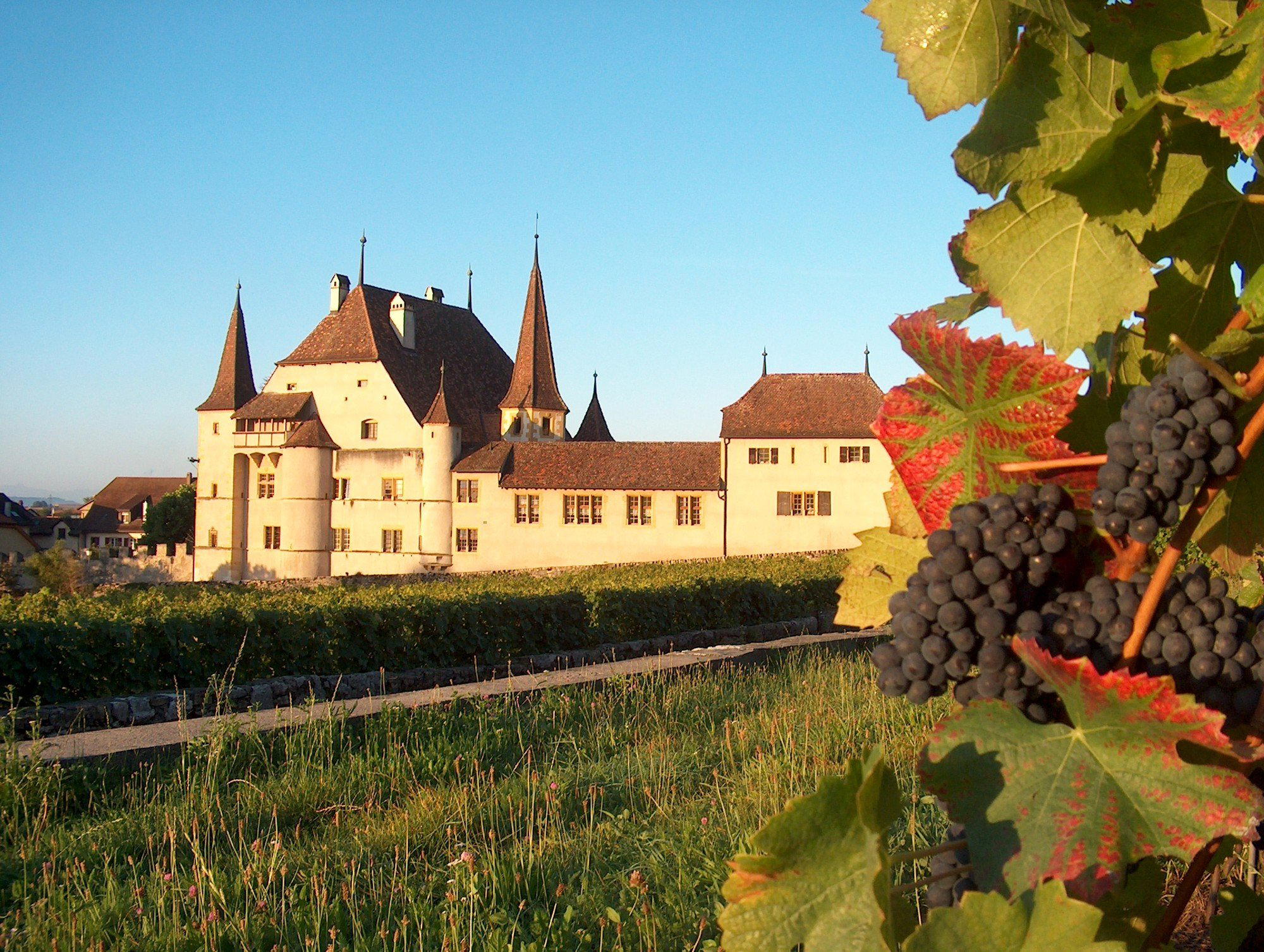
Wineries in Saint-Blaise
All wineries in Saint-Blaise →
Bars in Saint-Blaise
Browse all →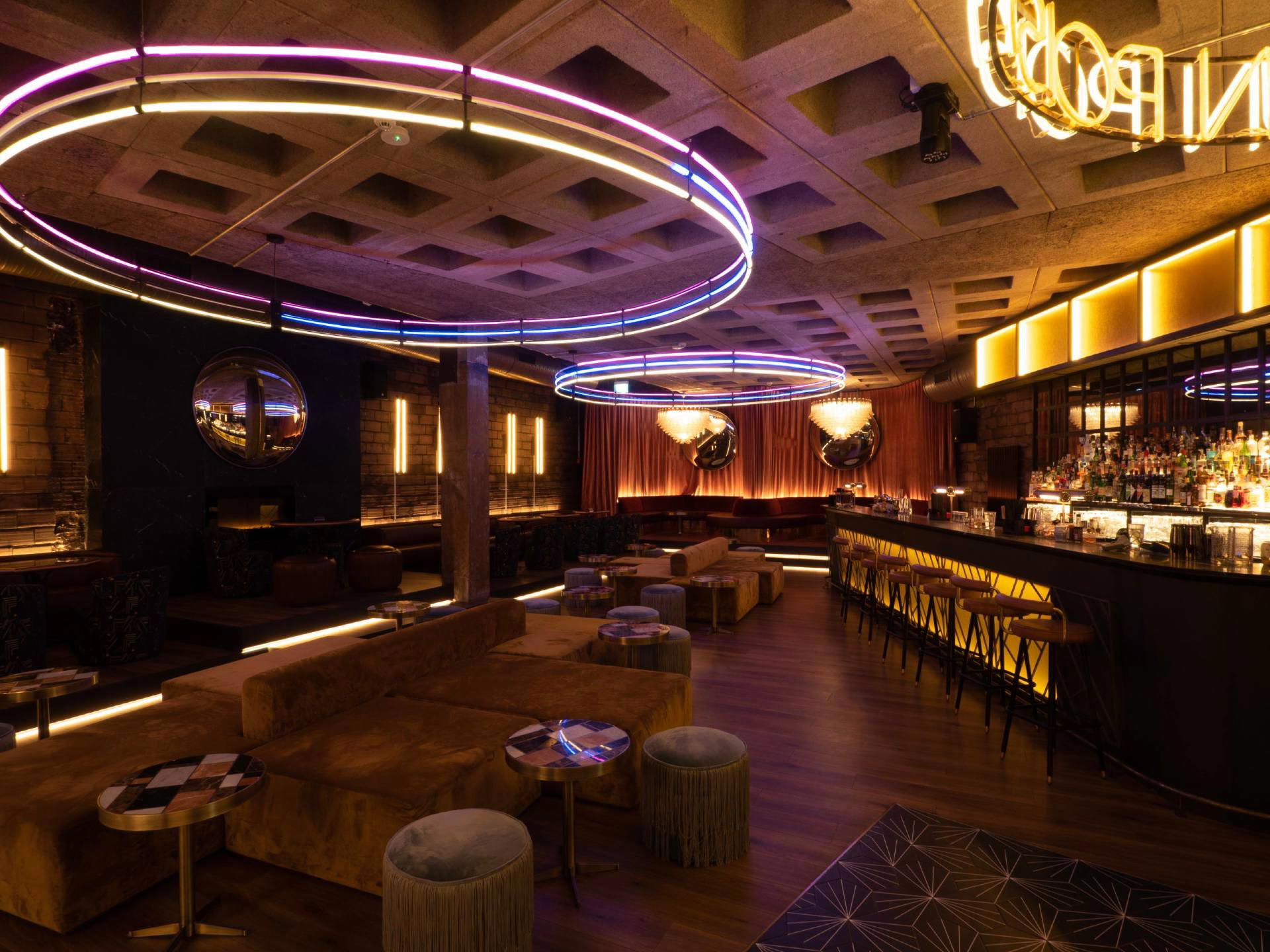
Details
- Quiet
- Classic
- Solo Exploration
- Wine Education
- Special Occasion
- Private Tasting
- Historic Building
- Biodynamic
- Street Scene
- Pinot Noir
- Chasselas
- Still Red
- Still White
- Private Tasting
- Walk In
Pioneering biodynamic estate with a focus on pure, precise, profound wines; the visitor experience appears cellar-focused and practical rather than luxury-driven.