Boris Keller

Falstaff Winery - Listed
Boris Keller is a family-run winery in Vaumarcus, working 21 hectares between Onnens and Auvernier with a clear Neuchâtel identity. The appeal is terroir rather than spectacle: Chasselas, Pinot Noir, Œil-de-Perdrix and less expected varieties such as Viognier and Diolinoir, shaped under Vinatura Swiss environmental standards and poured in cellar and vault tasting spaces.

Pearl is the En Primeur Club membership app — saves, bookings, and concierge access live there. Same editors, same standards.
- Address
- Vaumarcus, Canton of Neuchâtel, Canton of Neuchâtel, Schweiz
- Directions
- Get directions
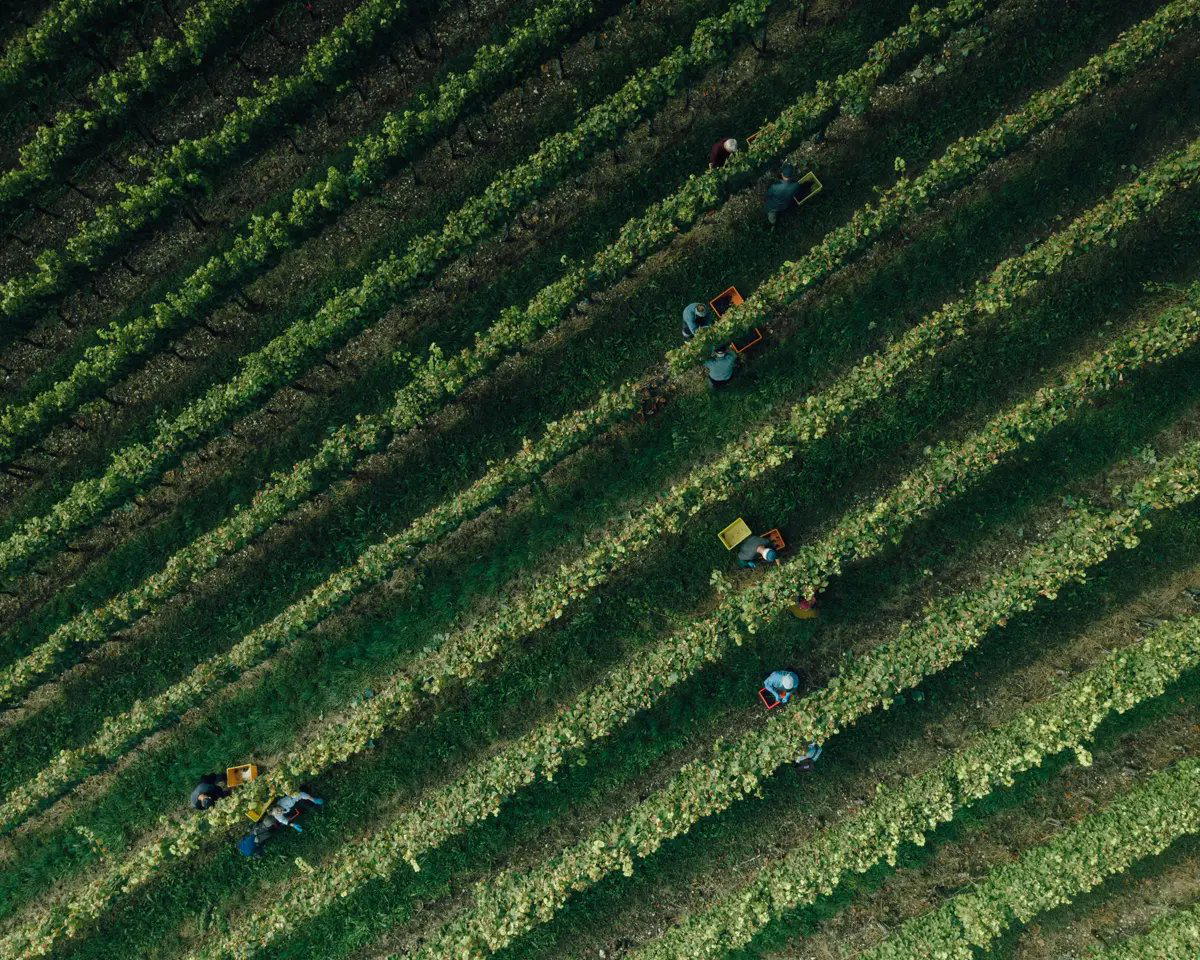
Vaumarcus gives Boris Keller a quiet setting for a classic winery visit. The picture is intentionally simple: a family-run Neuchâtel winery with a traditional cellar, intimate vault tasting spaces, and a relaxed atmosphere centered on estate wines and convivial group tastings. That simplicity is important to the appeal. Nothing in the confirmed description suggests a venue trying to turn the visit into a theatrical production; instead, the emphasis sits on the familiar pleasures of a cellar, a glass, and enough time to talk.
Rather than presenting it as a restaurant, bar, or scripted luxury experience, it is best understood as a rustic, cozy cellar visit in Vaumarcus. The appeal is the combination of estate wine, a traditional setting, and a small-scale atmosphere suited to conversation. For visitors building a Neuchâtel wine stop into a day in the area, that makes Boris Keller feel more like a grounded local address than a destination defined by elaborate service rituals. The leading expectations are modest and specific: estate wines, cellar character, and a setting that encourages relaxed tasting rather than a formal meal.
Neuchâtel estate wines in a classic cellar setting
Boris Keller is grounded in the experience of tasting estate wines in Vaumarcus. That foundation gives the venue its clearest identity. The visit is not described through a long list of extra amenities, and that restraint helps keep the focus on the wine itself and the place where it is served. Estate wines are the anchor, while the cellar provides the physical context that makes the tasting feel connected to the winery rather than detached from it.
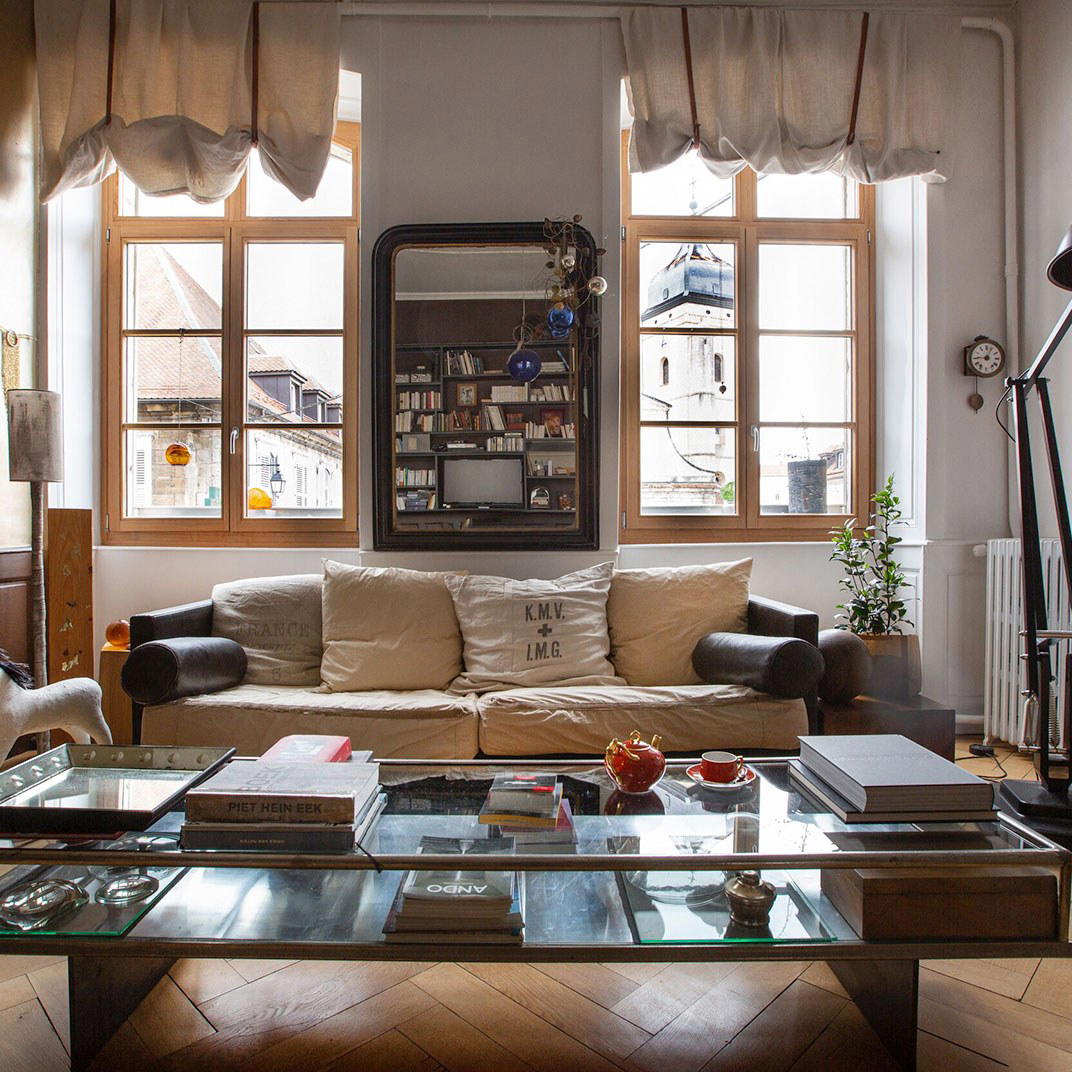
The tone is classic and rustic rather than formal. Visitors looking for an intimate, scenic place to explore local estate wines should find the cellar format more relevant than any invented fine-dining or tasting-menu framing. The word rustic here should be read positively: it points toward warmth, texture, and informality, not toward a lack of care. In this kind of setting, the atmosphere can matter as much as the structure of the tasting, because the pleasure comes from being in a traditional space where wine is approached in a direct, unforced way.
That also makes Boris Keller a useful option for guests who prefer clarity over embellishment. There is no need to imagine the visit as a restaurant reservation or a polished bar experience. Its confirmed strengths are narrower and more persuasive: a family-run winery, estate wines, and a traditional cellar environment in Vaumarcus. Kept within that frame, the venue has a direct charm.
Cellar tastings built around atmosphere, not spectacle
The strongest confirmed feature is the setting itself: a traditional cellar with intimate vault tasting spaces. That makes Boris Keller a good fit for visitors who prefer a conversational winery stop over a highly staged hospitality experience. Vault tasting spaces naturally suggest a more enclosed, close-knit mood, where the scale of the room supports the social side of tasting. For small groups or visitors who value a slower exchange, that kind of atmosphere can be more appealing than a bright, busy, or heavily programmed format.
Those details should be checked directly before arranging a visit. That is especially relevant for anyone planning a group tasting, since the appeal of the intimate spaces also means the experience may depend on timing, arrangement, and suitability for the group.
Within the limits of the confirmed information, the experience is best framed as classic, relaxed, and focused on estate wines. It is not possible to verify more specific claims about individual bottles, awards, production methods, or pairings from the provided data. That limitation should not be seen as a weakness in the venue description; it simply keeps the recommendation honest. Boris Keller is strongest when described through what is actually known: a family-run Neuchâtel winery in Vaumarcus, a traditional cellar, intimate vault tasting spaces, and a convivial tasting atmosphere.
This also helps avoid the common mistake of overselling a cellar visit as something more elaborate than it is. The point is not spectacle, but presence. The cellar setting, the estate wines, and the relaxed format create a visit that is likely to suit people who enjoy tasting in a place with a clear local identity and a quieter rhythm.
How to place Boris Keller in a Vaumarcus itinerary
Vaumarcus is the right geographic anchor for planning. Treat Boris Keller as a focused winery stop in Vaumarcus, especially if you want a low-key Neuchâtel cellar atmosphere rather than a formal restaurant-style outing. It can make sense as the wine-centered part of a local itinerary: not a full dining substitute, not a nightlife stop, and not a broad hospitality complex, but a specific visit built around estate wine in a traditional setting.
For broader planning, compare it with other dining or wine-related options in Vaumarcus generically, but keep Boris Keller’s role clear: it is a family-run winery with estate wines, traditional cellar character, and intimate vault tasting spaces. The price level is $$. That positioning is useful because it sets the right expectations before arrival. Visitors should look to Boris Keller for a cozy, rustic, conversation-friendly cellar experience, and should avoid layering on assumptions about menus, pairings, bottle lists, awards, or luxury-style service that are not supported by the available information.
In practical terms, the best reason to include Boris Keller is the match between place and mood. If the goal is to experience Neuchâtel estate wines in a quiet Vaumarcus setting, with the traditional cellar doing much of the atmospheric work, the venue fits neatly. Its appeal is not breadth, but focus: a small-scale winery visit where the setting, the wines, and the social nature of tasting are allowed to remain at the center.
Recognition history
Dated appearances from independent guides and award organizations, with the underlying list record or original source where available.
Falstaff Winery - Listed
Falstaff
Continue exploring
More in Vaumarcus
Wineries in Vaumarcus
Browse all →

Bars in Vaumarcus
Browse all →
Restaurants in Vaumarcus
Browse all →
Details
- Classic
- Rustic
- Intimate
- Cozy
- Scenic
- Group Outing
- Wine Education
- Celebration
- Special Occasion
- Solo Exploration
- Cave Tasting
- Private Tasting
- Estate Grounds
- Historic Building
- Sustainable
- Vineyard
- Pinot Noir
- Chasselas
- Sauvignon Blanc
- Pinot Gris
- Viognier
- Chardonnay
- Cabernet
- Gamay
- Mara
- Diolinoir
- Still Red
- Still White
- Still Rosé
- Dessert
- Cellar Tasting
- Vault/private Room Tasting
- Estate Visit
- French
Family-run Neuchâtel winery with a traditional cellar and intimate vault tasting spaces, offering a classic, relaxed atmosphere focused on estate wines and convivial group tastings.