La Passagère - Hôtel Belles Rives


Sitting on a stretch of Côte d'Azur waterfront where F. Scott and Zelda Fitzgerald once spent their summers, La Passagère holds a Michelin star and a setting that few restaurant terraces in France can match. Chef Aurélien Véquaud draws on Atlantic-coast origins to reframe Mediterranean ingredients, positioning the kitchen well outside the sun-and-olive-oil comfort zone most visitors expect along this coast.
 Discover on Pearl
Pearl is the En Primeur Club membership app — saves, bookings, and concierge access live there. Same editors, same standards.
- Address
- 33 boulevard Édouard-Baudoin, Juan-les-Pins, 06160, France
- Phone
- +33 4 93 61 02 79
- Website
- la-passagere.com
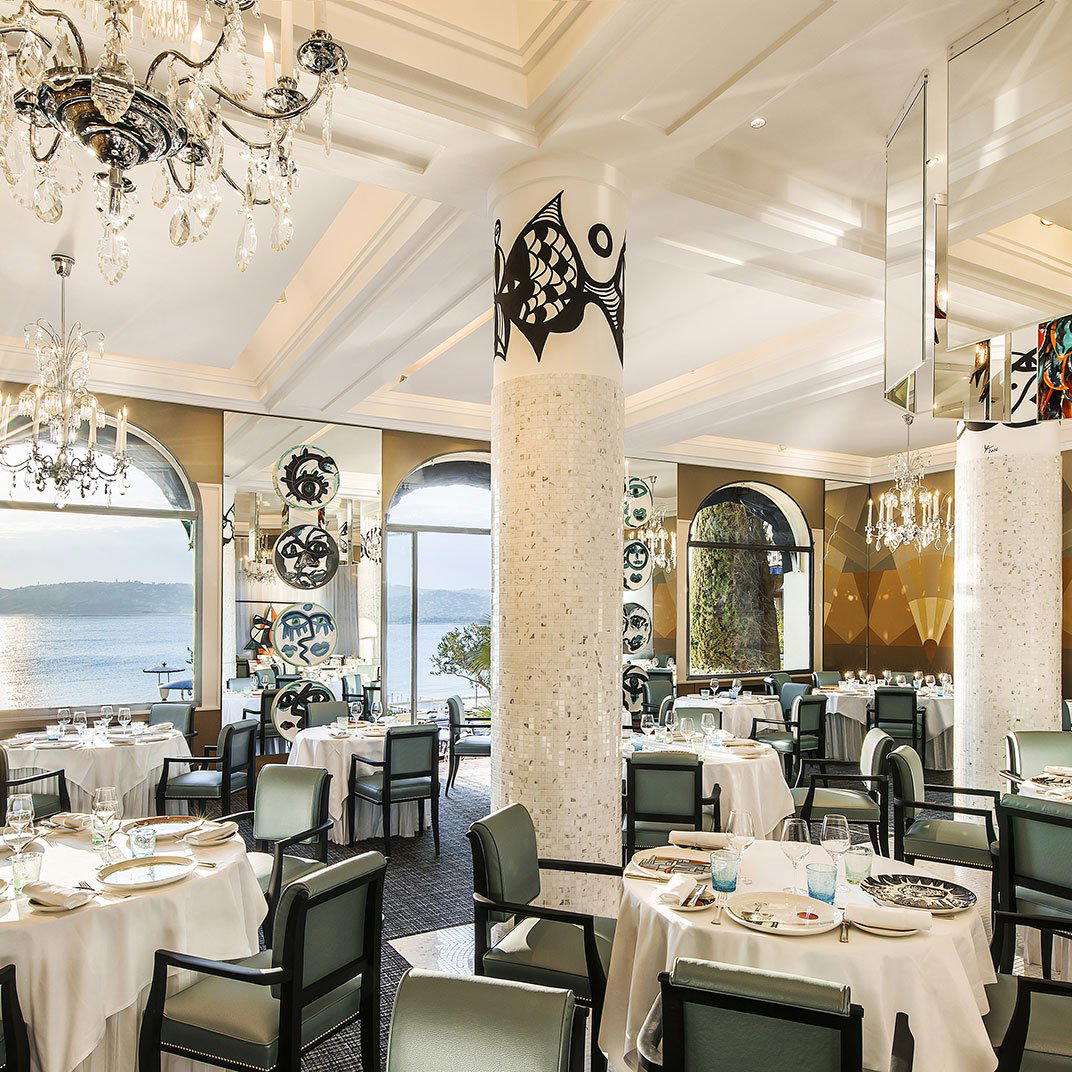
Where the Côte d'Azur Meets the Atlantic Larder
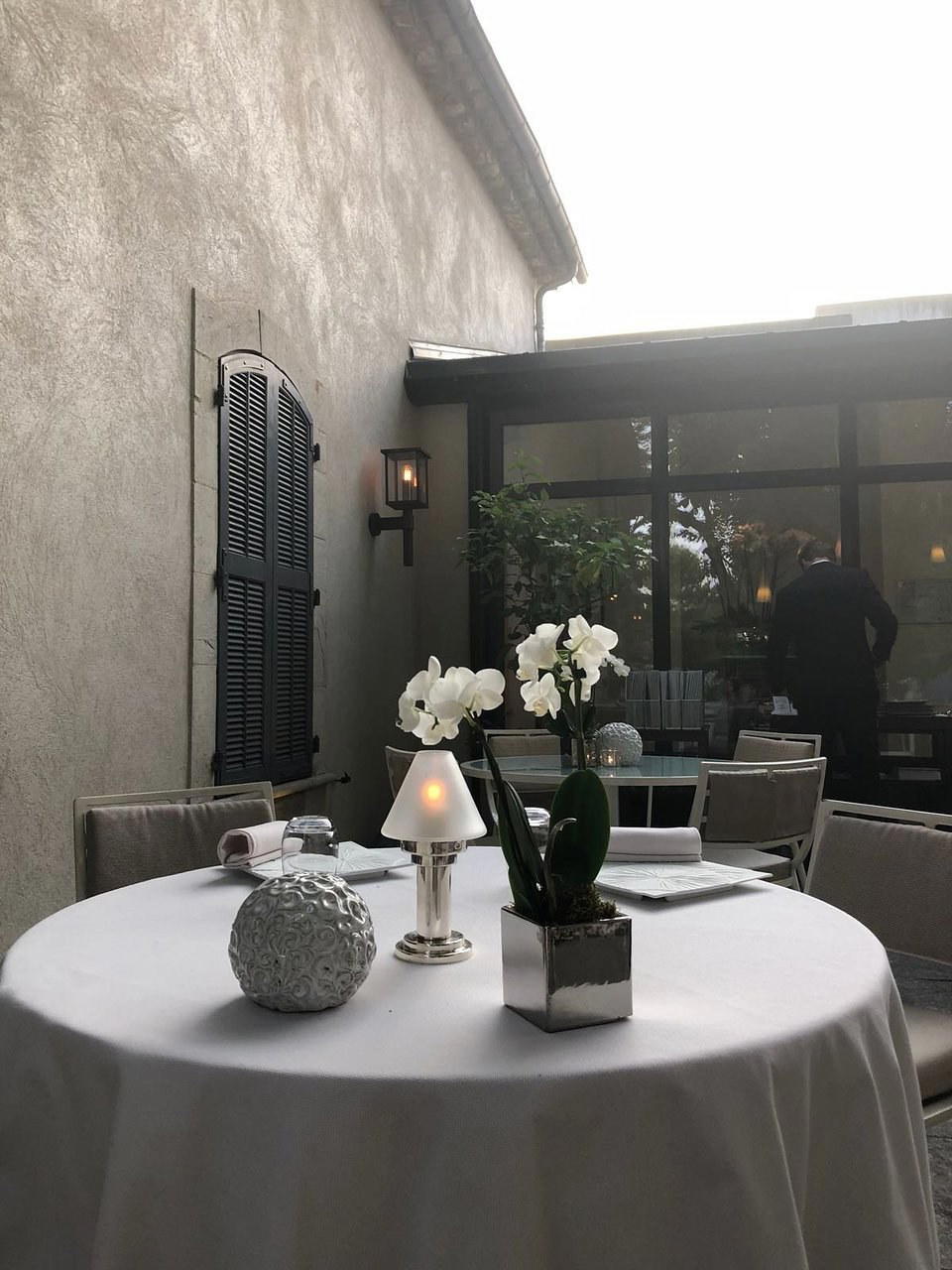
The dining terraces of the French Riviera have always sold a view alongside the food. What separates La Passagère, the restaurant of Hôtel Belles Rives in Juan-les-Pins, from the broader category of scenic waterfront dining is what arrives on the plate once you've settled into the panorama. The terrace looks out over the Baie de Juan toward the Estérel mountains, water and rusted-pink rock forming the kind of backdrop that historically encourages kitchens to coast. The kitchen here does not coast.
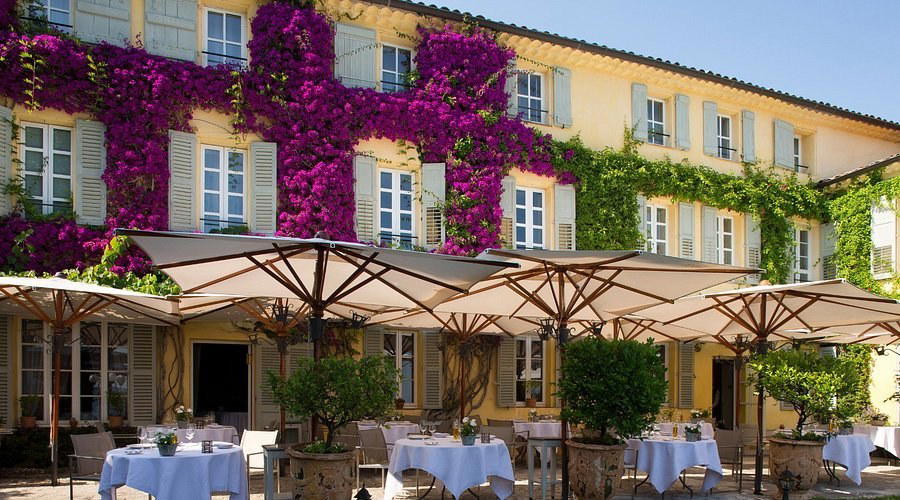
The Belles Rives building has carried its own mythology since the 1920s, when F. Scott and Zelda Fitzgerald's summers here shaped the DNA of a particular kind of Riviera romance. That context is present in the architecture and the atmosphere, but it sits as backdrop rather than main event. The Michelin guide awarded the restaurant one star in 2024.
The Geography of a Plate
This kitchen is organized around geography, specifically the productive tension between two coastlines. Chef Aurélien Véquaud trained in the Vendée, the Atlantic-facing department of western France where the food culture runs on unpasteurised dairy, ocean shellfish, and a certain lean, briny restraint. Mediterranean kitchens, by contrast, tend toward heat, acid, and oil. When a chef from the Atlantic seaboard sets up on the Côte d'Azur, the menu becomes a negotiation between two very different marine traditions rather than a direct expression of either.
That negotiation shows clearly in the sourcing logic. The Vendée's dairy culture appears directly in the signature dish: a soft esquinado cannelloni built around crab, with unpasteurised cream as a deliberate counterweight to the sweetness of the shellfish and the brightness of the verbena foam and fennel. Unpasteurised cream is not a standard tool in Mediterranean cooking. Its presence here is a sourcing decision with flavour consequences, lending the dish a depth that standard pasteurised cream would flatten. Across the wider menu, little tunny arrives with semi-confit tomatoes and a rucola vinaigrette, a combination that reads as Mediterranean in its produce but measured in its treatment. The sea bass is paired with a marinière of shellfish seasoned with Oscietra caviar, a crossover between the French Atlantic shellfish tradition and the luxury register that a Riviera audience expects.
This kind of dual-sourcing approach has become a point of distinction for a small number of French coastal restaurants operating at starred level. It runs against the more common model, where a kitchen draws exclusively from its local terroir and markets the result as authenticity. Here, authenticity means something different: the chef's own formation, expressed through ingredients that travel with him from a different coastline. The Michelin recognition in 2024 suggests the guide found that argument persuasive.
La Passagère in Its Starred Context
One Michelin star on the French Riviera places La Passagère in a competitive set that includes some of the most discussed kitchens in France. Mirazur in Menton, with three stars and a position near the Italian border, is the region's anchor address, while the starred restaurants of Paris, from Alléno Paris au Pavillon Ledoyen and Arpège to Assiette Champenoise in Reims, represent the upper tier of what creative cooking in France now means. Further afield, addresses like Flocons de Sel in Megève, Bras in Laguiole, and Auberge du Vieux Puits in Fontjoncouse show how starred cooking distributes across French regions beyond the capital. AM par Alexandre Mazzia in Marseille is perhaps the most useful regional comparison: a Mediterranean-adjacent kitchen that pushes creative boundaries at three-star level within a similar climatic and cultural register.
Within that broader map, La Passagère occupies a specific niche: a hotel restaurant at the one-star level, embedded in a property with genuine historical character, on a stretch of coast where food tourism has historically prioritised setting over kitchen ambition. The starred kitchen sits inside a hotel context, which means the experience blends with a broader stay at a property worth reading about separately in our Juan-les-Pins hotels guide.
La Passagère sits in that company by award tier, if not by scale or star count.
The Pastry Counter as a Separate Argument
Pastry at Michelin-starred restaurants is sometimes an afterthought, the kitchen's final obligation rather than a genuine extension of its culinary argument. At La Passagère, pastry chef Steve Moracchini contributes a strawberry preparation with geranium and rose that the Michelin entry singles out by name, a rare editorial distinction within a guide that typically treats desserts as supporting evidence rather than headline material. The use of geranium as a flavour agent connects to the herbaceous, floral registers that appear throughout Provençal cooking, while rose is a more delicate call requiring confident extraction to avoid reading as perfume rather than food. The fact that the guide mentions it specifically places it in a different category from the routine fruit desserts that fill the end of many Mediterranean menus.
Planning a Visit
La Passagère operates at the €€€€ price point, placing it at the top tier of what Juan-les-Pins offers at table. The restaurant is located at 33 boulevard Édouard-Baudoin, directly on the waterfront in the Belles Rives hotel, which means the terrace experience is weather-dependent in the way that all open-air dining on the Côte d'Azur is.
Quick Comparison
Comparable venues nearby, for context on price, style, and recognition.
| Venue | Cuisine | Price | Awards | Notes |
|---|---|---|---|---|
| La Passagère - Hôtel Belles Rives | Modern Mediterranean Fine Dining | $$$$ | Michelin 1 Star | Juan-les-Pins |
| La Flibuste | Modern French Fine Dining | $$$$ | Michelin 1 Star | Marina Baie des Anges |
| La Bonne Étape | Provençal Fine Dining | $$$$ | Michelin 1 Star | Château-Arnoux-Saint-Auban |
| Château Eza | Modern French Mediterranean Fine Dining | $$$$ | Michelin 1 Star | Èze Village |
| Ursus | Creative Alpine Fine Dining | $$$$ | Michelin 1 Star | Val Claret |
| La Palmeraie - Château de Valmer | Provençal Fine Dining | $$$$ | Michelin 1 Star | La Croix-Valmer |
Continue exploring
More in Juan-les-Pins
Restaurants in Juan-les-Pins
Browse all →
Bars in Juan-les-Pins
Browse all →
Hotels in Juan-les-Pins
Browse all →
Wineries in Juan-les-Pins
Browse all →
At a Glance
- Elegant
- Sophisticated
- Romantic
- Scenic
- Date Night
- Special Occasion
- Hotel Restaurant
- Terrace
- Waterfront
- Extensive Wine List
- Sommelier Led
- Local Sourcing
- Waterfront
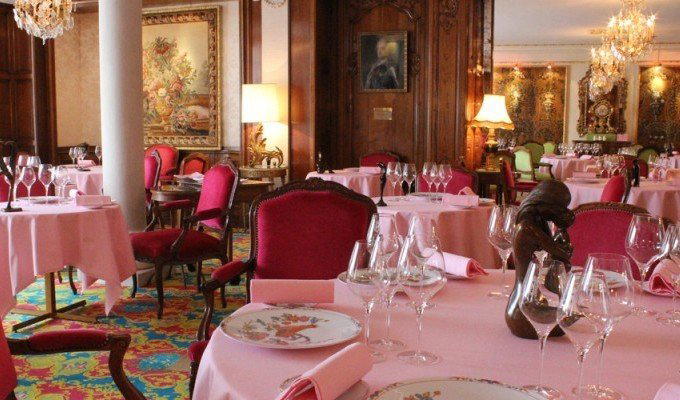
Refined and glamorous Riviera atmosphere with terrace overlooking the Mediterranean, evoking Gatsby-era elegance and a vibrant yet sophisticated dining experience.