La Palapa
Our verdict
La Palapa sits on the Zona Romántica's Púlpito street, where the Pacific-facing dining tradition of Puerto Vallarta is at its most concentrated. The kitchen draws from the coast's fishing heritage and the market produce of Jalisco's interior, placing it within a category of beachside restaurants that take sourcing seriously. For visitors orienting around the Río Cuale neighbourhood, it serves as a useful reference point for what regional Mexican coastal cooking looks like at table.

Pearl is the En Primeur Club membership app, where members save venues, book tables and use the concierge.
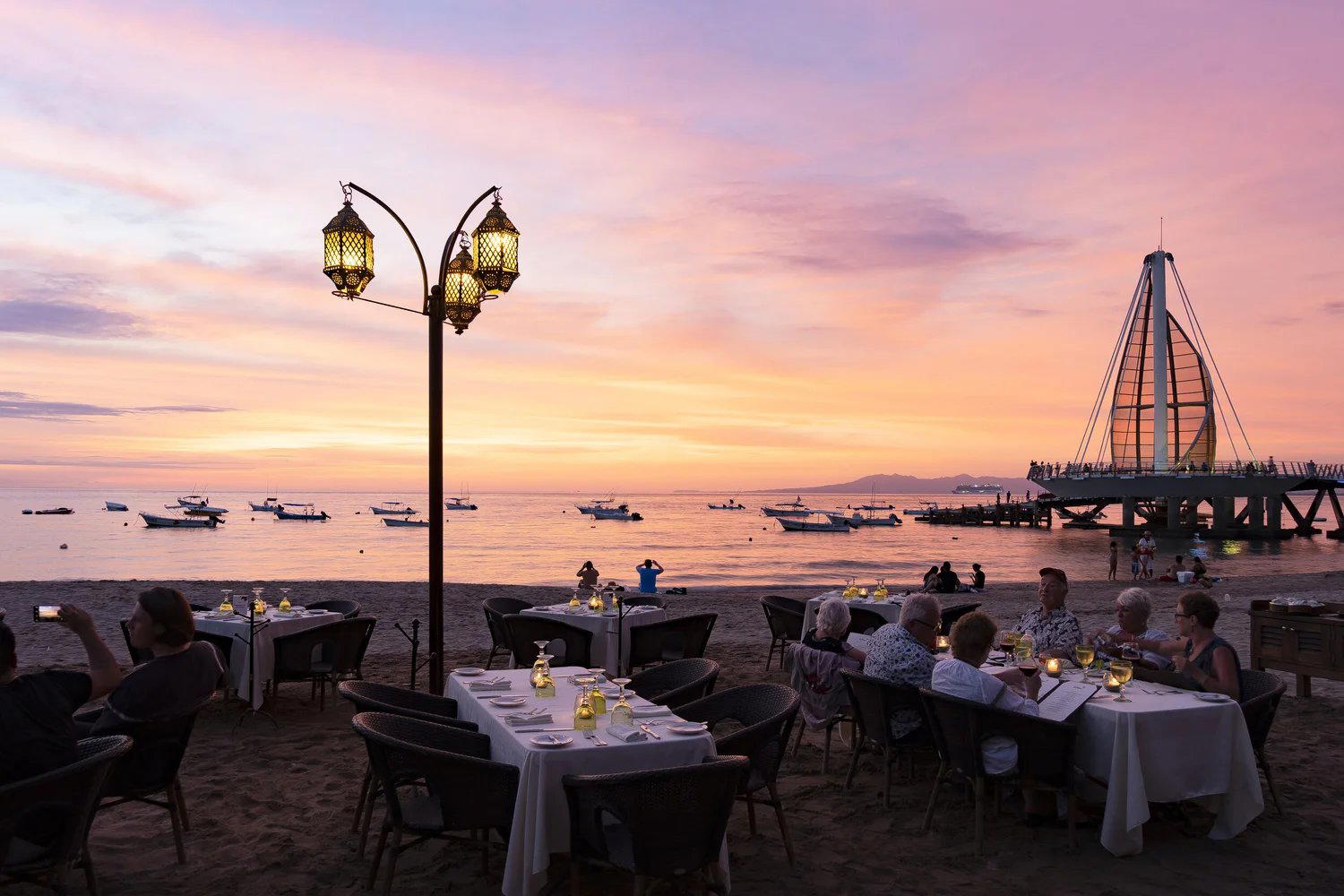
Where the Pacific Coast Comes to the Table
The stretch of Puerto Vallarta's Zona Romántica that runs along Púlpito and toward the malecón represents one of Mexico's more distinctive concentrations of coastal dining. This is the Río Cuale district, separated from the hotel zone by the river of the same name, and its restaurant culture has developed along a different axis from the resort corridors to the north. Here, the proximity to Banderas Bay is not just scenic backdrop, it shapes what arrives in the kitchen. La Palapa, at Púlpito 105-3, sits inside this tradition, on a strip where the smell of salt air and the sound of the surf are part of the dining environment before you reach the food.
Beachside dining in this part of Mexico operates under a logic that the interior restaurant districts of, say, Guadalajara or Mexico City do not. The supply chain is shorter, the produce more perishable, and the kitchen's relationship to the local fishing community more immediate. Restaurants in this tier of the Zona Romántica succeed or fail partly on how well they manage that proximity, whether they treat the Pacific catch and the regional agricultural produce of Jalisco as a differentiating advantage or simply as a backdrop to a tourist-facing menu. The distinction matters, and it is the primary lens through which any serious visit to this part of Puerto Vallarta should be framed. For broader context on how La Palapa fits within the city's wider dining options, the full Puerto Vallarta restaurants guide maps the competitive set across neighbourhoods.
The Sourcing Logic of Banderas Bay
Jalisco's Pacific coastline gives kitchens access to a specific repertoire of ingredients that distinguishes them from inland Mexican cooking traditions. The bay's catch, red snapper, sea bass, octopus, shrimp from the warmer inshore waters, carries a character tied to Banderas Bay's particular salinity and temperature. That specificity is what separates a well-sourced coastal kitchen from one importing generic product. Across Mexico, the restaurants taking this argument furthest tend to be the ones with strongest critical standing: HA' in Playa del Carmen has built its entire identity around Maya coastal ingredients, while Animalón in Valle de Guadalupe frames its sourcing around Baja's agricultural valley. The coastal Jalisco version of this argument is less internationally documented, which makes Puerto Vallarta's leading kitchens an undercharted part of Mexico's ingredient-driven dining conversation.
The agricultural interior of Jalisco adds a second dimension. The state's market towns supply chiles, herbs, corn varieties, and seasonal vegetables that give coastal cooking here a different texture than you find in, say, the Yucatán or Oaxaca. Restaurants like Café des Artistes have long demonstrated that Puerto Vallarta can sustain a kitchen ambitious enough to be taken seriously at the national level, a point reinforced by what Pujol in Mexico City and Alcalde in Guadalajara have done with Mexican regional ingredients at a more celebrated tier.
The Zona Romántica Dining Context
The Zona Romántica is not a monolithic dining zone. It contains everything from market breakfast spots, Calmate Cafe operates in that morning register, to ambitious dinner formats. Campomar Puerto Vallarta occupies a Spanish-influenced seafood position in the neighbourhood. Balam Balam represents the newer wave of concept-driven openings. Bean and Brick covers the café and casual end. Each occupies a distinct position, and the visitor who treats them as interchangeable is missing what makes the neighbourhood's dining scene worth mapping carefully.
La Palapa's position at Púlpito 105-3 puts it on one of the neighbourhood's most trafficked dining streets, where foot traffic from the beach mixes with a more deliberate dinner crowd. That dual audience is a specific challenge in this district: kitchens that pitch exclusively to resort tourists tend to flatten out over time, while those that hold a local and returning-visitor constituency tend to develop more depth in the kitchen. The address itself signals something about the intended audience, Púlpito is a street where locals and long-term visitors return, not simply where first-time tourists land.
Placing La Palapa in the National Conversation
Mexican coastal cooking, at its more considered end, is generating serious international attention. Le Chique in Puerto Morelos has earned Michelin recognition for its coastal Yucatán approach. Olivea Farm to Table in Ensenada applies a farm-direct logic to Baja's wine and produce corridor. KOLI Cocina de Origen in Monterrey and Levadura de Olla Restaurante in Oaxaca demonstrate how origin-focused cooking has spread across Mexico's regional centres. Lunario in El Porvenir and Pangea in San Pedro Garza Garcia extend the story to wine country and the north. Against that national backdrop, Jalisco's Pacific coast has a claim to make, and the kitchens in the Zona Romántica are where that claim gets tested at the table level, rather than in the awards press.
For reference on how the ambition scales at the very best of the formal dining tier globally, Le Bernardin in New York City remains the benchmark for what rigorous seafood sourcing and technique look like when executed at maximum precision. Atomix in New York City shows what happens when a kitchen applies the same discipline to cultural specificity. Neither is a direct comparator for a beachside Zona Romántica table, but both illustrate the ceiling of what the seafood-forward dining category can reach, and why the sourcing argument, at any price point, is worth taking seriously.
Planning Your Visit
La Palapa is at Púlpito 105-3, inside the Emiliano Zapata section of the Zona Romántica, a walkable neighbourhood most visitors reach on foot from nearby accommodation or from the malecón. The address sits close to the beach, which means evening tables can fill early as dinner service aligns with sunset over Banderas Bay, arriving with a reservation or early in the service window is the practical approach. For a full picture of what else the neighbourhood and city offer across formats and price points, the Puerto Vallarta restaurants guide covers the range.
Frequently asked questions
What's the address for La Palapa?
La Palapa is located at Púlpito 105-3, Zona Romántica, Emiliano Zapata, 48380 Puerto Vallarta, Jal. Mexico, Puerto Vallarta.
What's the defining idea at La Palapa?
The address in the Zona Romántica's Emiliano Zapata section places La Palapa within a dining corridor where the clearest kitchen identities are built around direct relationships with Banderas Bay's ingredient supply. For restaurants in this part of Puerto Vallarta, the defining idea tends to be the Pacific coastline itself: what arrived that morning, cooked without the distortions of a landlocked pantry. That sourcing logic is the frame through which the kitchen's decisions read most coherently.
What's the signature dish at La Palapa?
Given its address in the Zona Romántica's Emiliano Zapata section and the broader kitchen tradition of Banderas Bay, the menu is likely shaped by the Pacific's daily catch, think local fish, bay shrimp, and Jalisco-sourced produce. For the current menu, contacting the venue directly before your visit is the most reliable approach.
What's the best way to book La Palapa?
Demand in Puerto Vallarta's Zona Romántica peaks from November through March, when winter visitors fill the neighbourhood each evening. Walking in works during shoulder season, but high-season dinner slots at addresses like Púlpito 105-3 can fill by early afternoon. Booking in advance through the restaurant's current channels, or asking your hotel concierge to confirm directly, is the practical approach for that window.
What's the defining dish or idea at La Palapa?
La Palapa is best approached by focusing on the core concept and signature offerings.
Side-by-Side Snapshot
Comparable venues nearby, for context on price, style, and recognition.
| Venue | Cuisine | Price | Notes |
|---|---|---|---|
| La PalapaThis venue (the venue you are viewing) | Tropical Mexican Fusion | $20–30 | Not listed |
| Margarita Grill | Authentic Mexican Grill | Not listed | Emiliano Zapata |
| Tacos Al Pastor Sonorita De Sonora Al Sur | Sonoran Al Pastor Tacos | $10–20 | Zona Romantica |
| ZOO Bar | Mexican Bar Food | Not listed | Centro |
| Mariscos La Tia | Authentic Mexican Seafood | $20–30 | Colonia 5 de Diciembre / Guadalupe Victoria |
| Tacos de la santa cruz | Traditional Mexican Taqueria | $10–20 | Aguacate |
Continue exploring
More in Puerto Vallarta
Restaurants in Puerto Vallarta
All restaurants in Puerto Vallarta →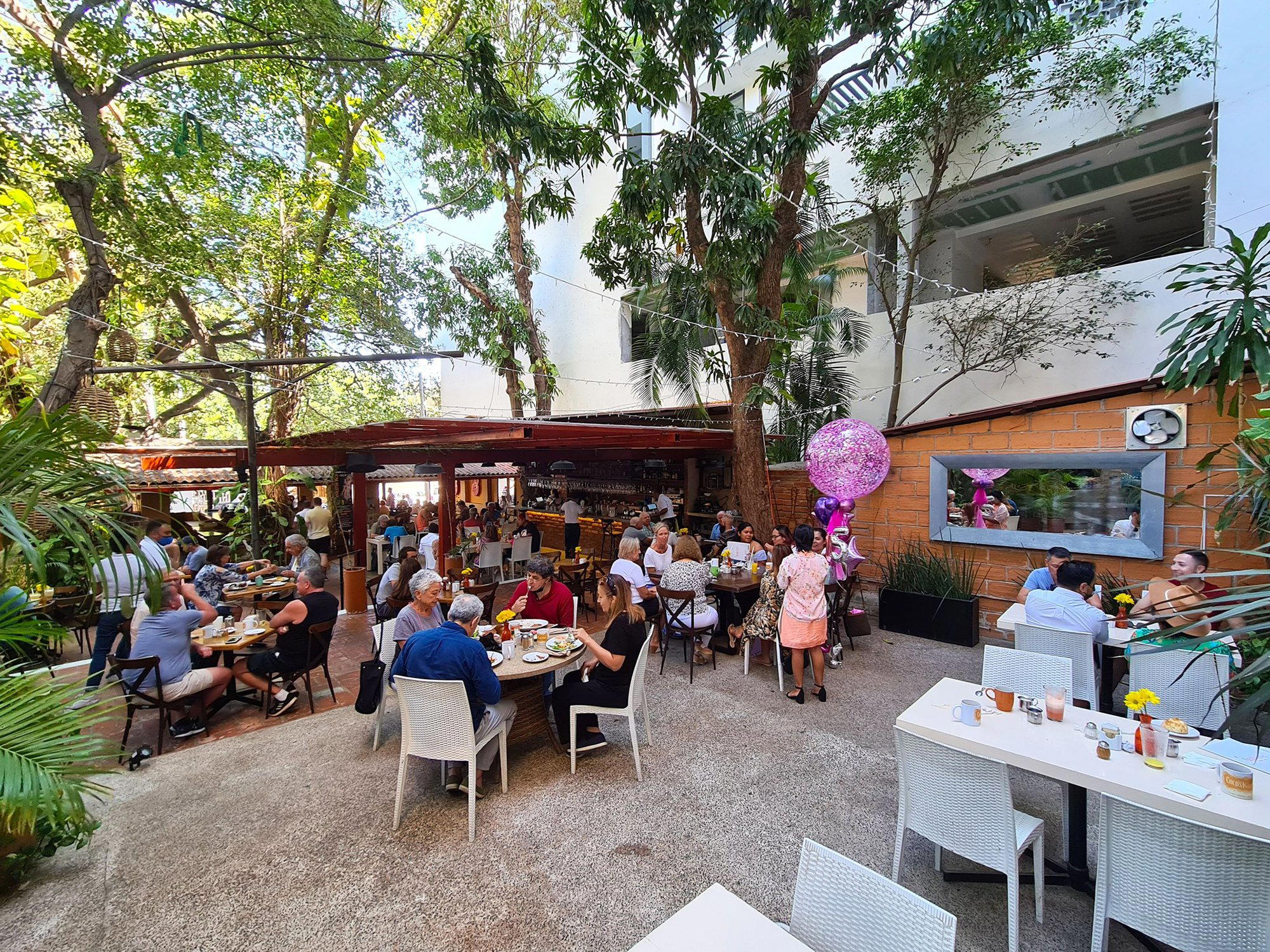
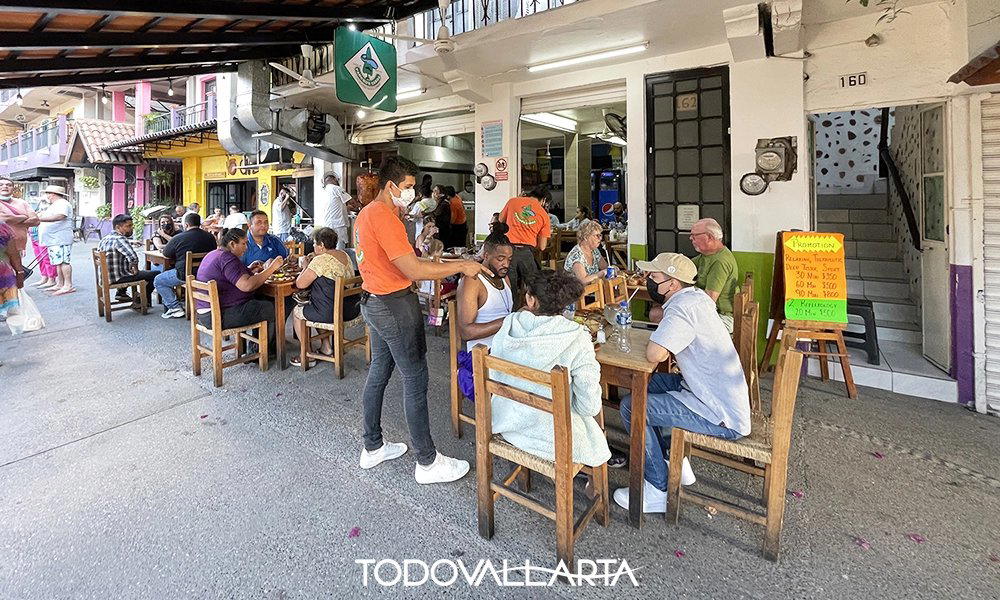
Bars in Puerto Vallarta
All bars in Puerto Vallarta →

Details
- Romantic
- Scenic
- Rustic
- Well Known
- Date Night
- Celebration
- Brunch
- Waterfront
- Terrace
- Craft Cocktails
- Local Sourcing
- Waterfront
- A La Carte
- Craft Cocktails
- Vegetarian Friendly
- Vegan Options
- Gluten Free Options
Current opening hours
- Monday
- 8:30 AM–11 PM
- Tuesday
- 8:30 AM–11 PM
- Wednesday
- 8:30 AM–11 PM
- Thursday
- 8:30 AM–11 PM
- Friday
- 8:30 AM–11 PM
- Saturday
- 8:30 AM–11 PM
- Sunday
- 8:30 AM–11 PM
Hours can change for holidays and private events. Hours as of .
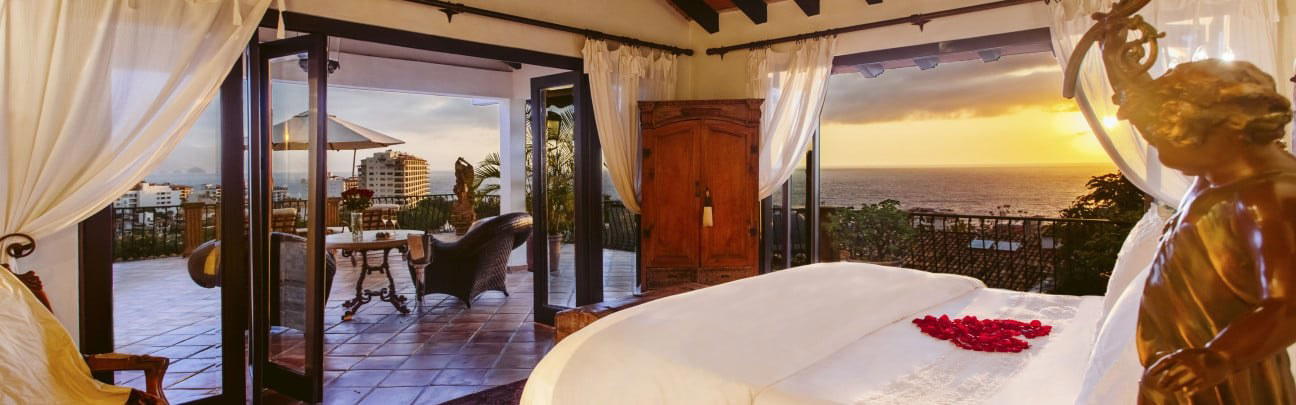
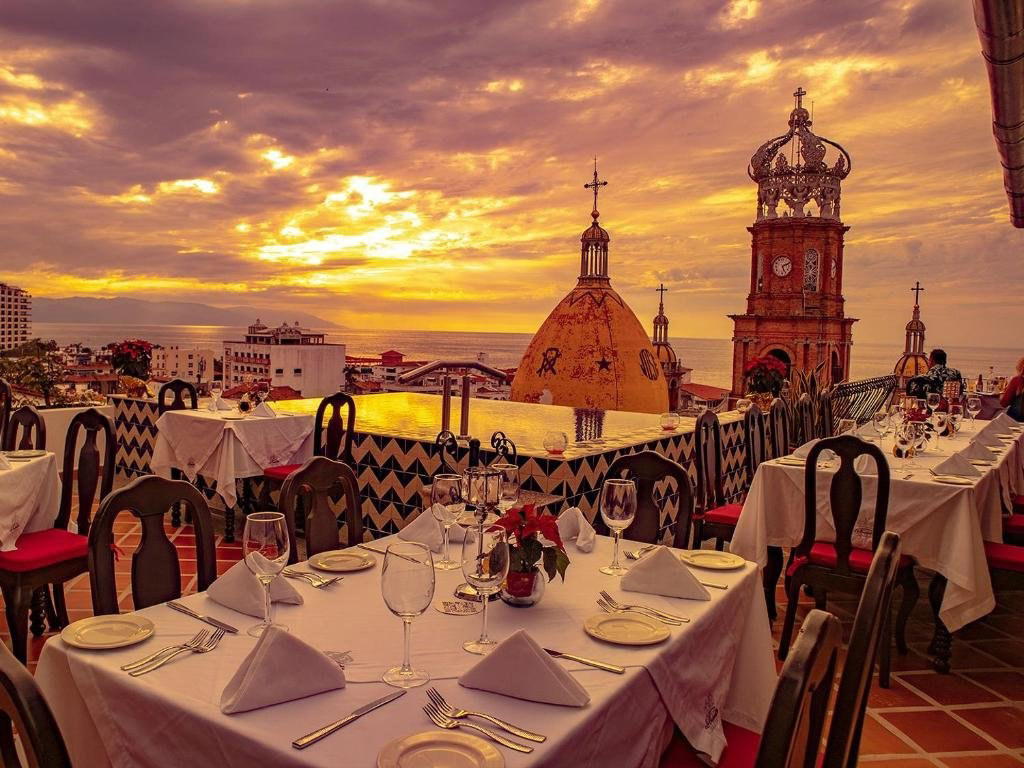
Casually elegant tropical beach atmosphere with ocean views, well-suited for sunset dining.