La Noria Bistro
La Noria Bistro occupies a stretch of Michigan Avenue where Southwest Detroit's working-class roots and a newer generation of neighborhood restaurants coexist on the same block. The bistro format places it in a different tier than the casual taquerias nearby, while its address keeps it grounded in the community rather than the downtown dining corridor. For Detroit's broader restaurant scene, it represents the westward expansion of serious dining beyond the city center.
Pearl is the En Primeur Club membership app — saves, bookings, and concierge access live there. Same editors, same standards.
- Address
- 5517 Michigan Ave, Detroit, MI 48210
- Phone
- +13133383545
- Website
- lanoriabistro.com
- Directions
- Get directions
 Saves & bookings on Pearl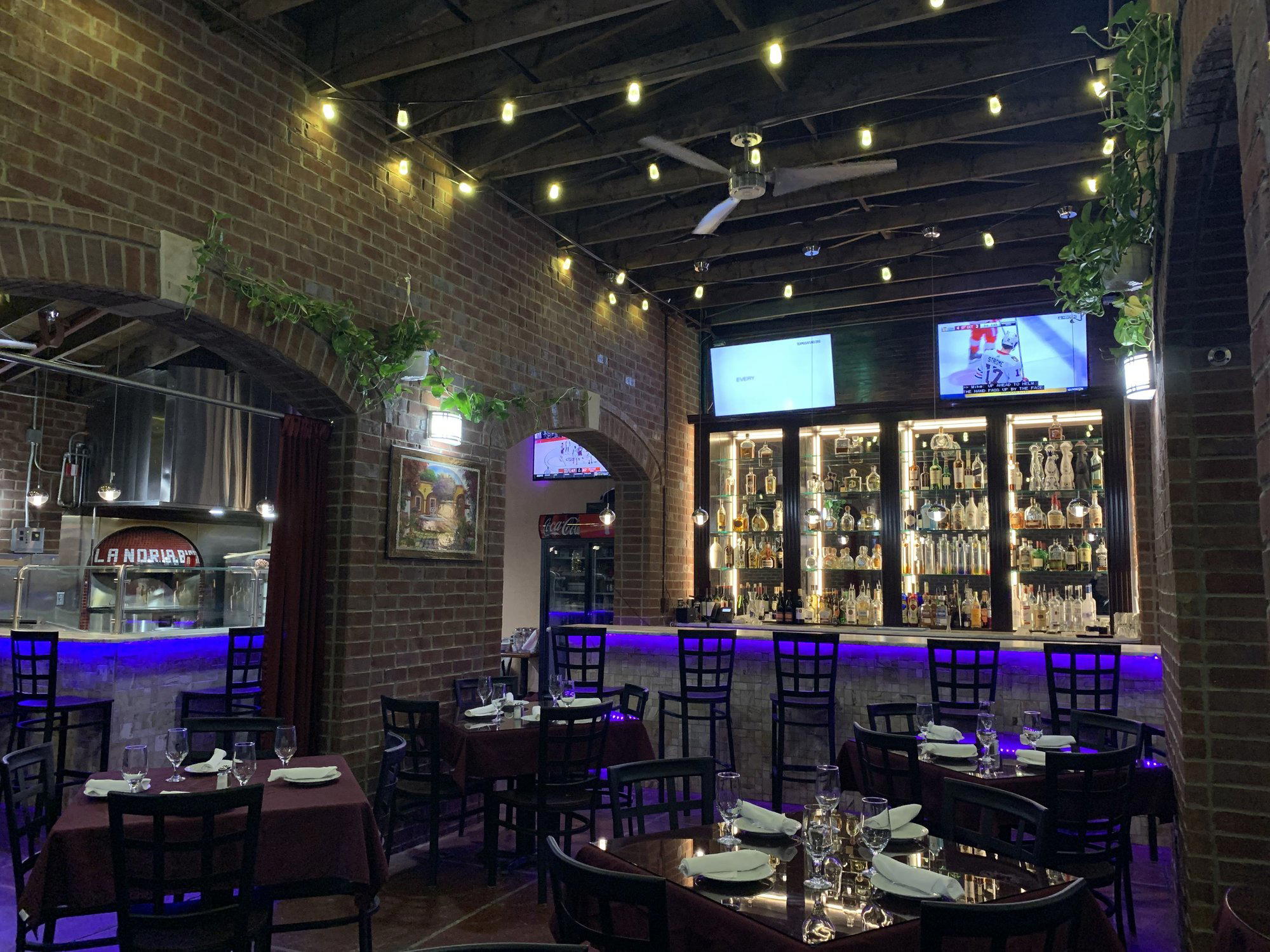
Michigan Avenue and the Westward Shift in Detroit Dining
Detroit's most discussed restaurants have long concentrated downtown and in Midtown, around the familiar cluster of hotel bars, revived institutions, and the kind of New American menus that draw national press. The stretch of Michigan Avenue running through Southwest Detroit operates on a different logic. Here, the dining fabric is denser, more neighborhood-specific, and shaped by a largely Latino community that has kept this corridor commercially active through decades when other parts of the city were losing ground. La Noria Bistro at 5517 Michigan Ave sits inside that westward corridor, and its presence signals something worth paying attention to: serious restaurant formats are now taking root in neighborhoods where the foot traffic was always there, but the dining investment was not.
Southwest Detroit already had the taquerias, the carnicerias, the family-run spots that have fed this part of the city for generations. What has been slower to arrive is the bistro register, a format that implies a curated menu, deliberate interior choices, and a customer experience designed around the room as much as the plate. La Noria occupies that register on an avenue where it has few direct peers. For context on how Detroit's restaurant geography has shifted, the full Detroit restaurants guide maps the broader pattern across neighborhoods.
The Physical Container: Reading the Space Before the Menu
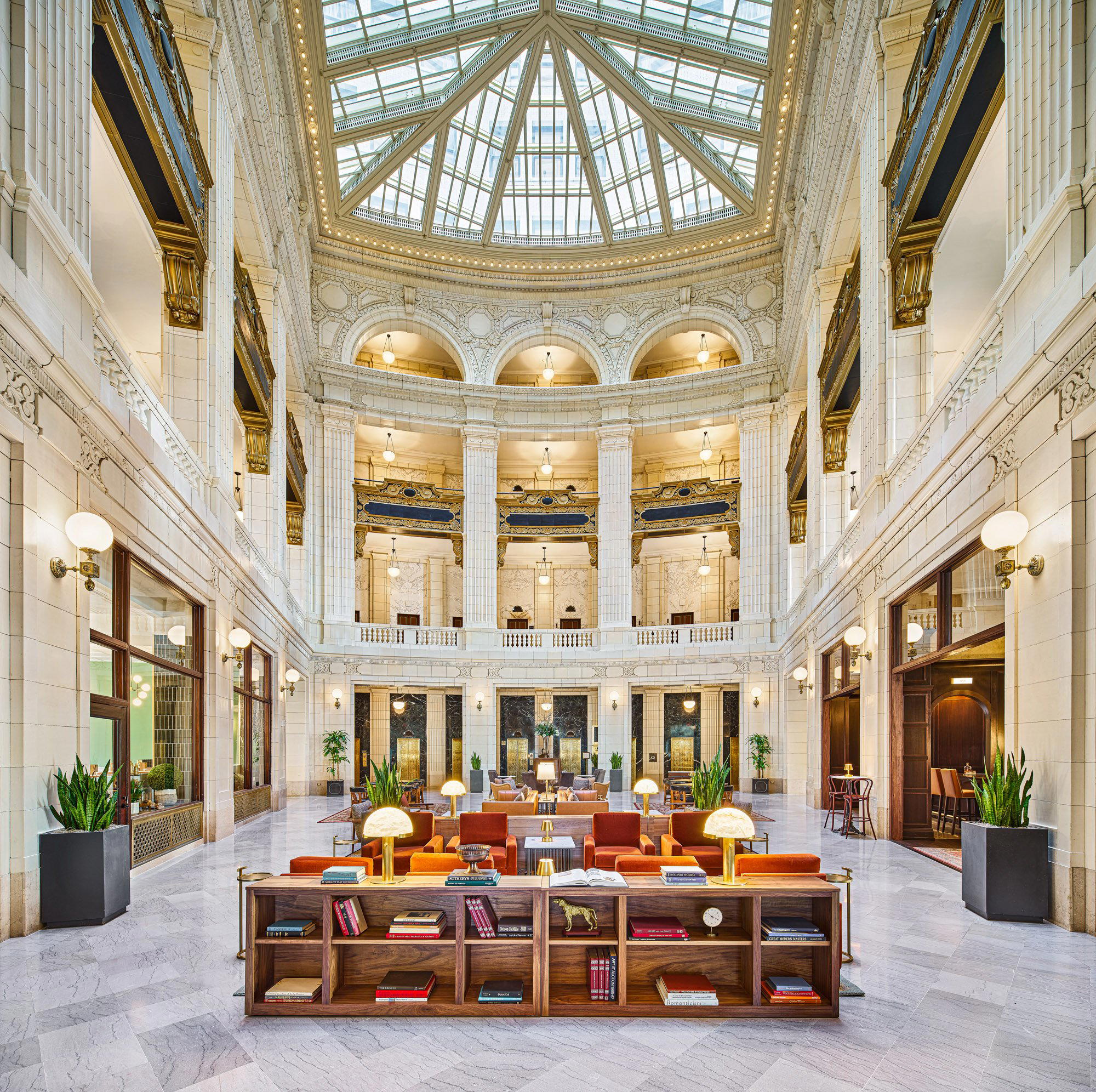
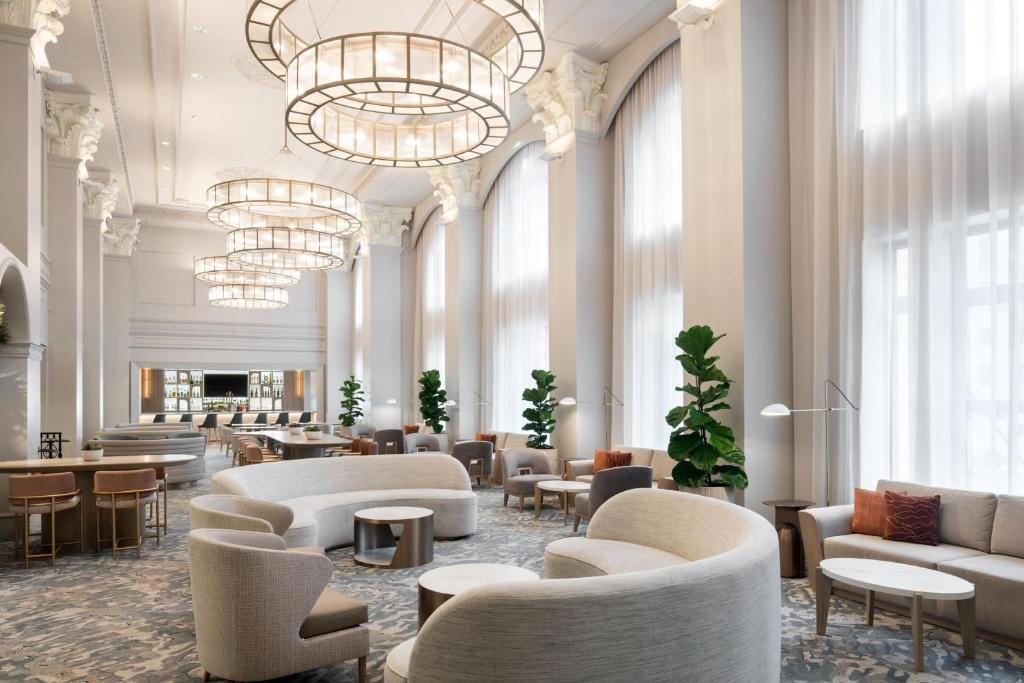
In cities where dining has matured, Chicago, San Francisco, New York, the interior of a neighborhood bistro does specific communicative work. The choice of materials, the seating density, the relationship between bar and dining room, the way light falls at different hours: these are not decorative decisions but editorial ones. They tell a diner whether the kitchen intends to hold attention or simply feed a room. The bistro format, as a category, historically places the environment and the plate at roughly equal weight. That balance is visible in how the format plays out at venues like ADELINA and Alpino elsewhere in the Detroit scene, where interior choices have been used to establish a distinct position in the market.
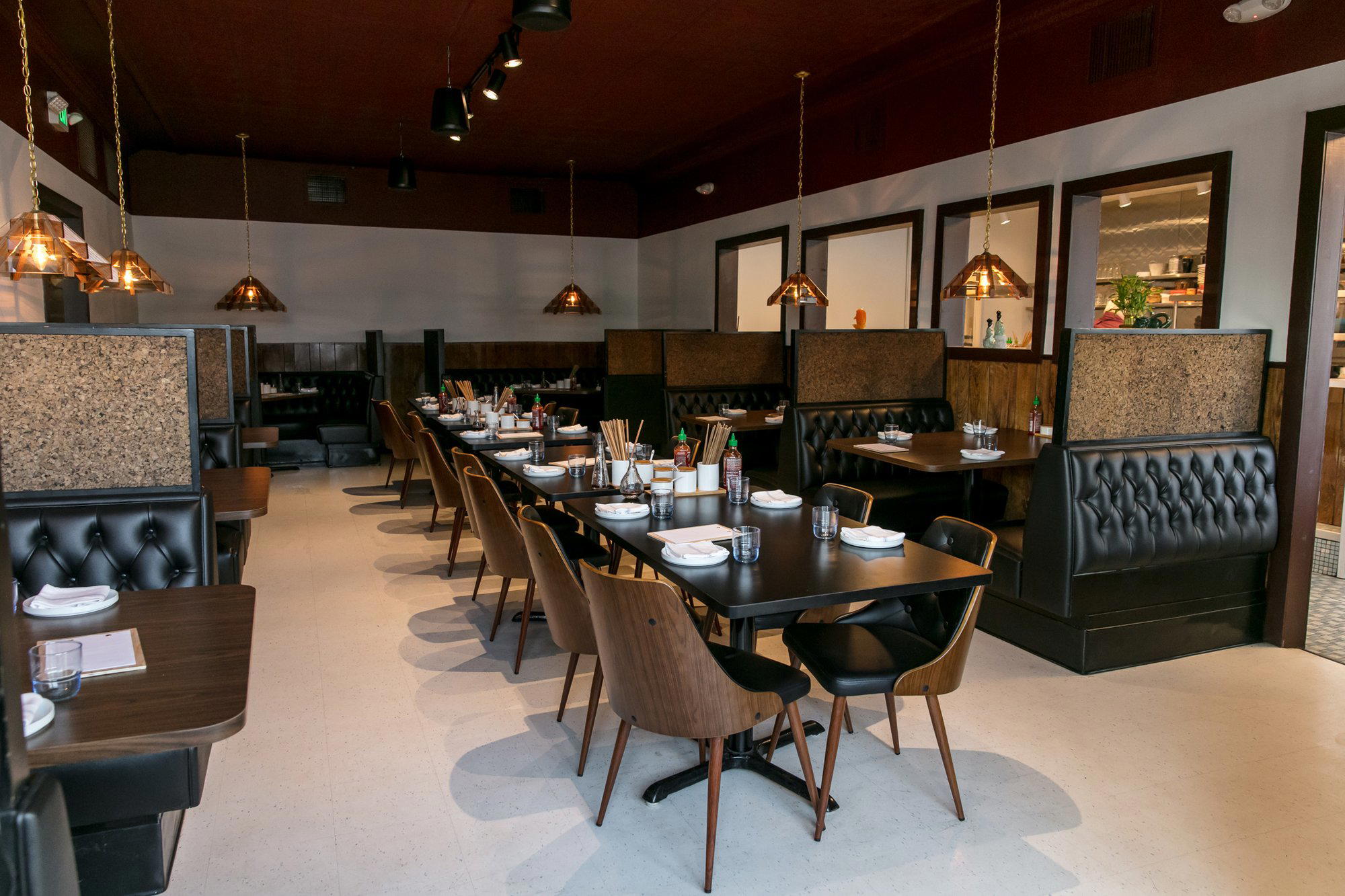
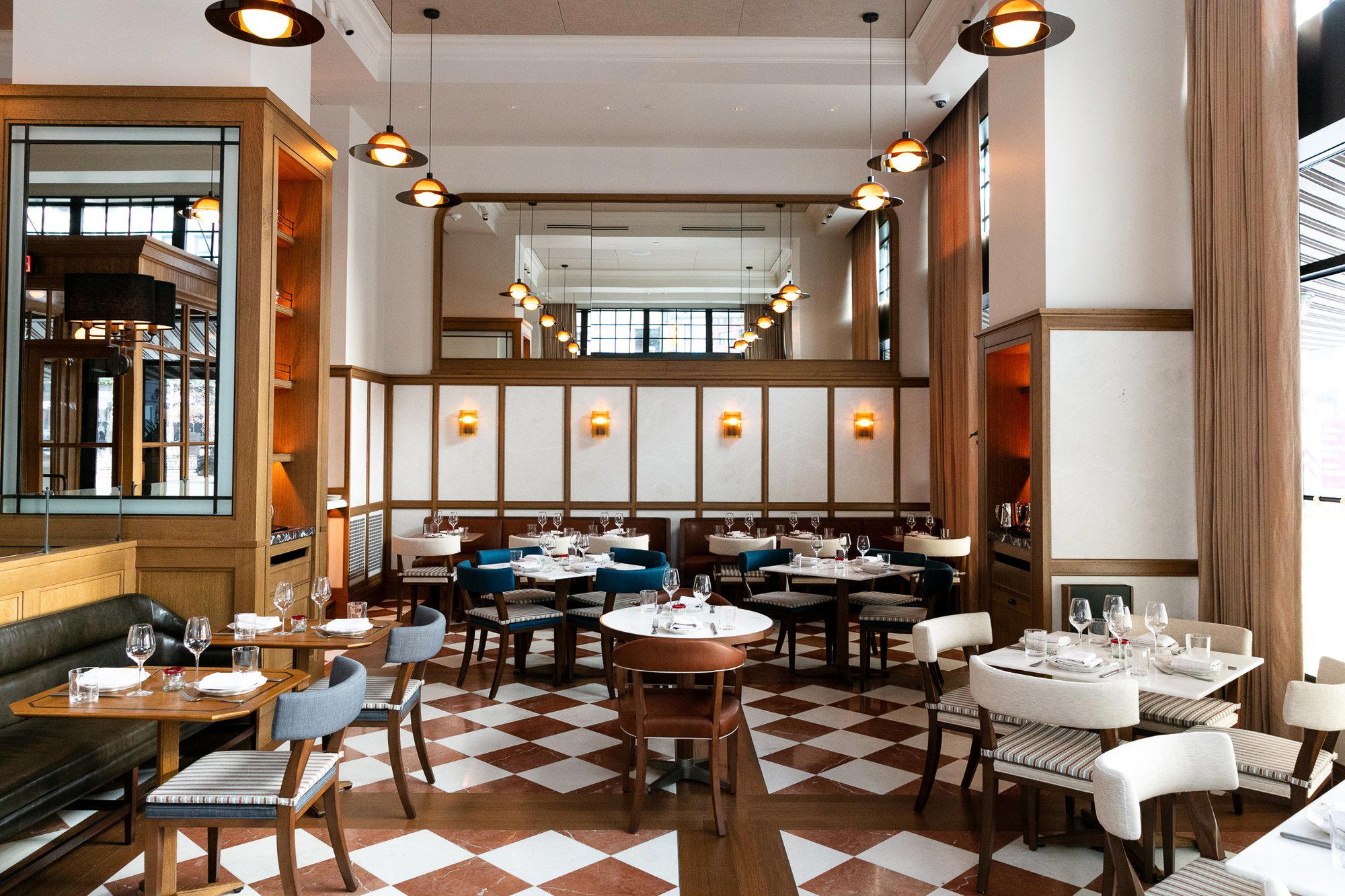
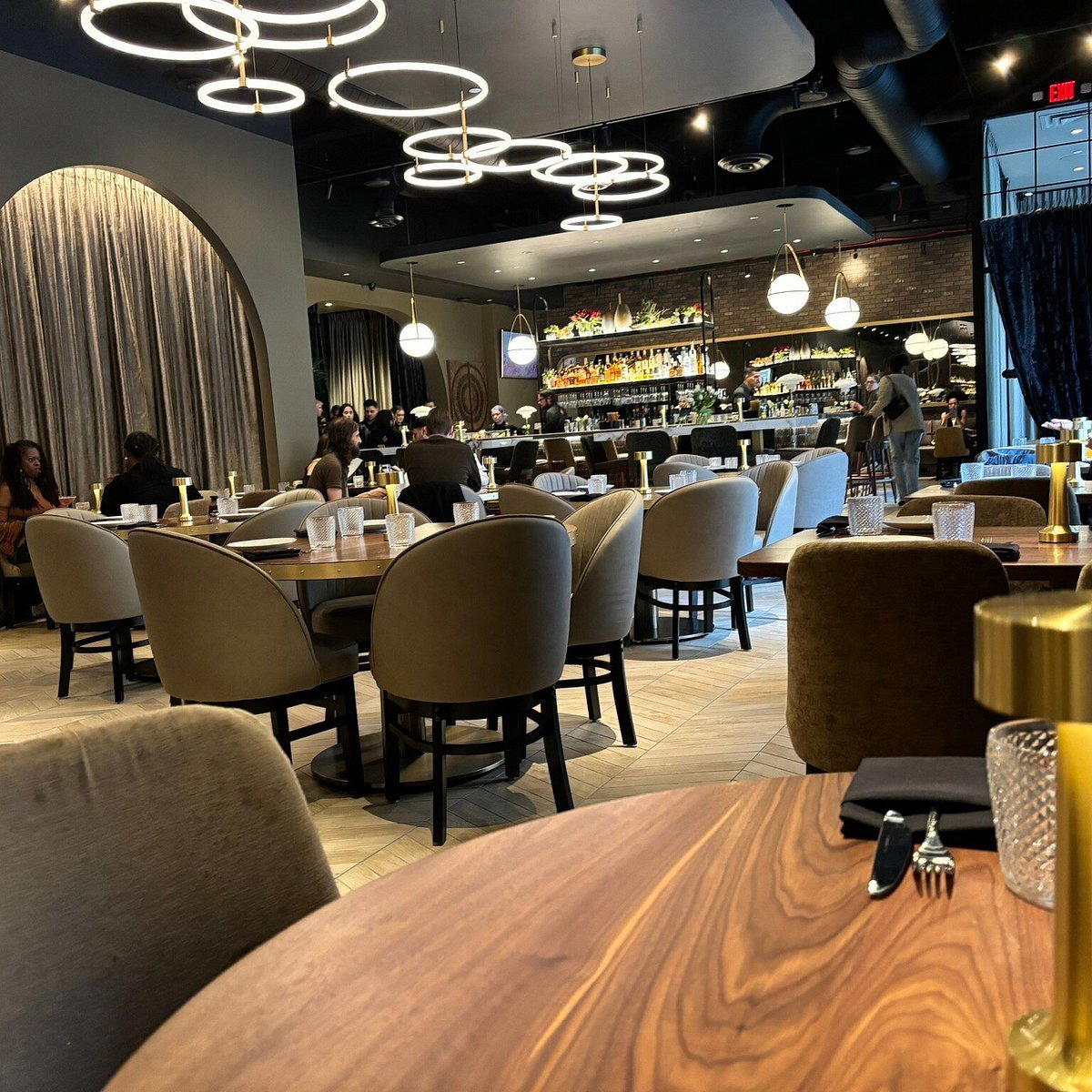
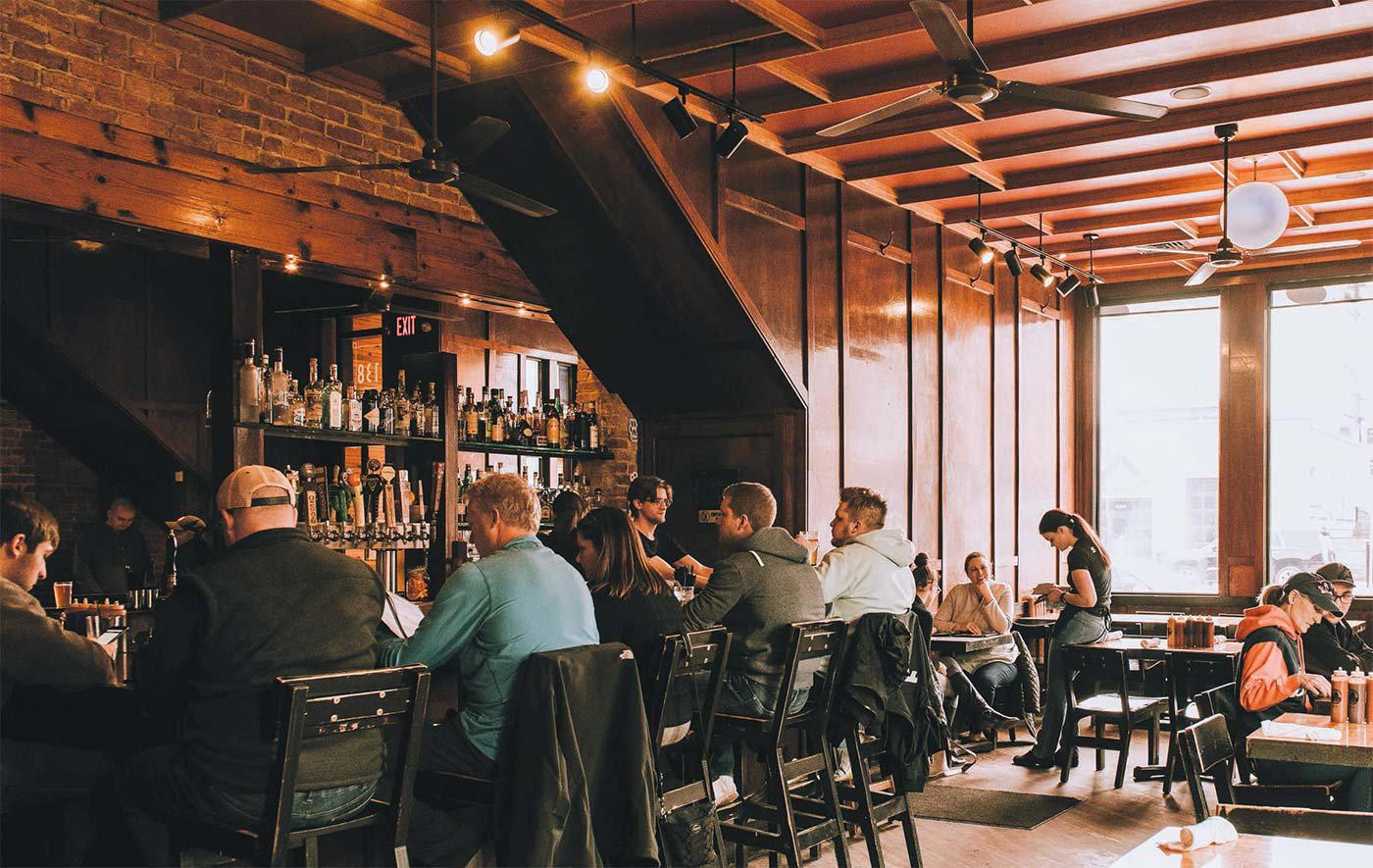
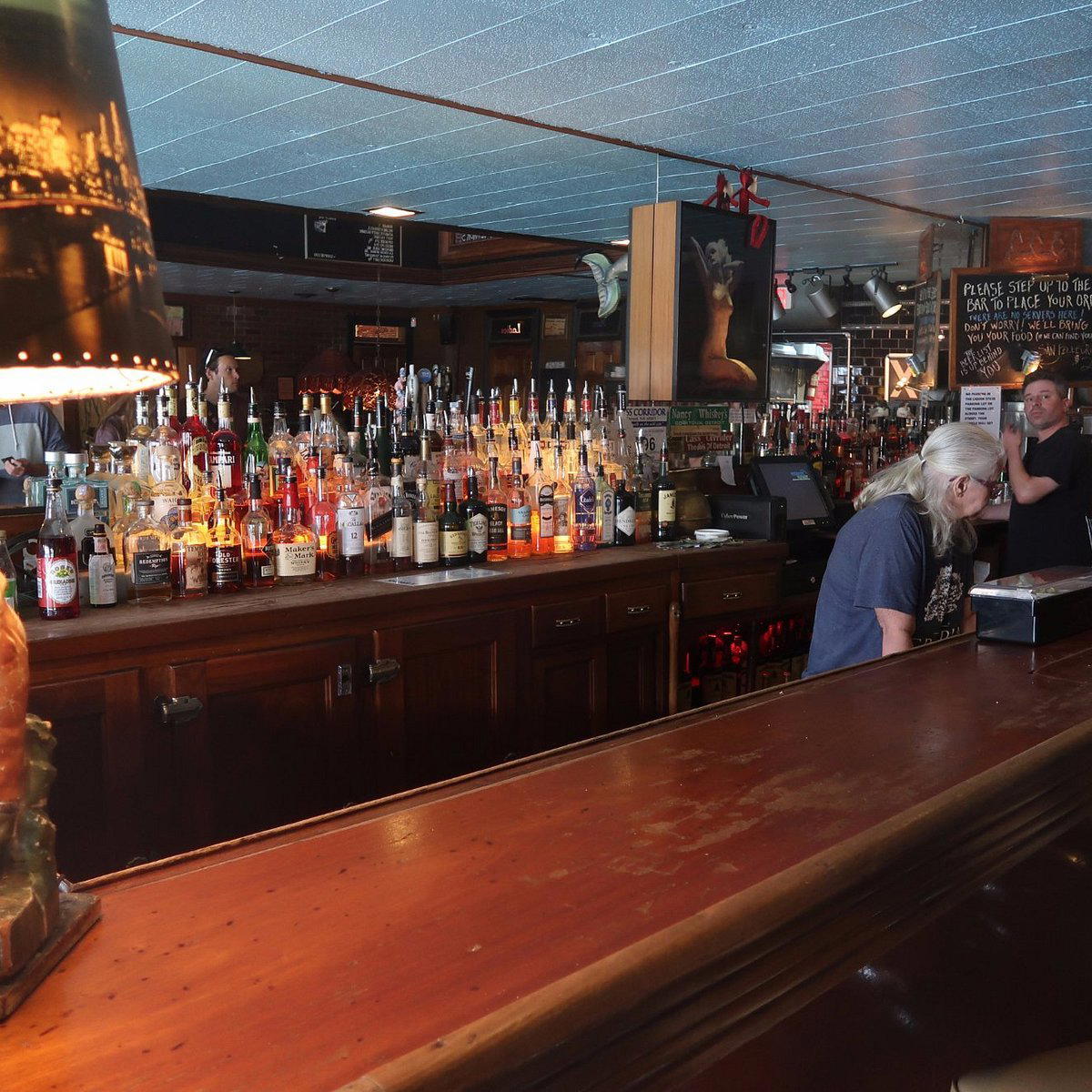
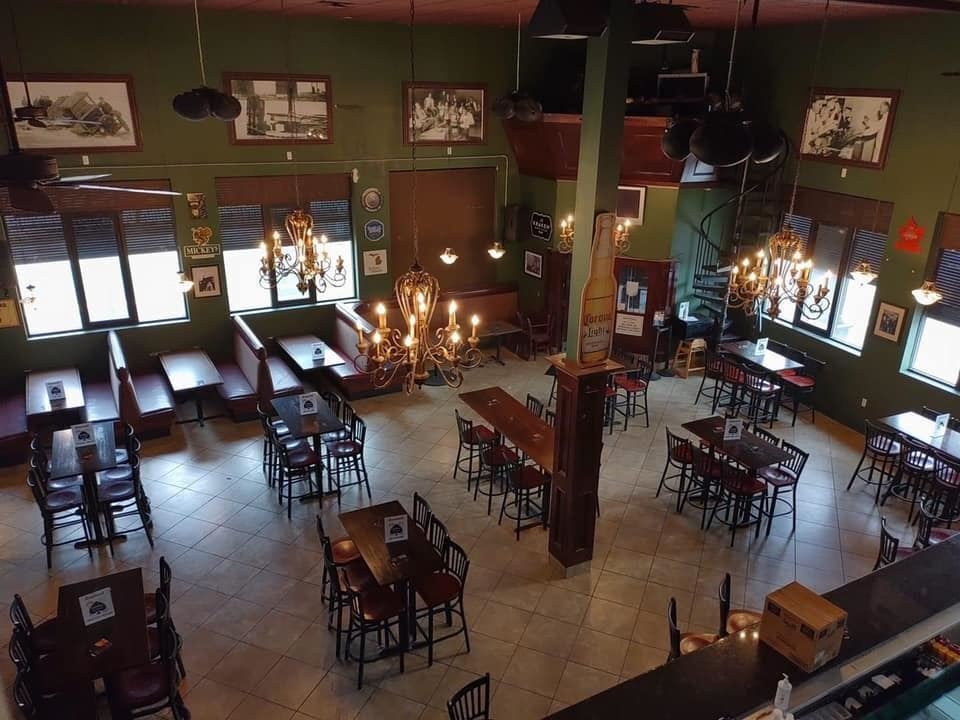
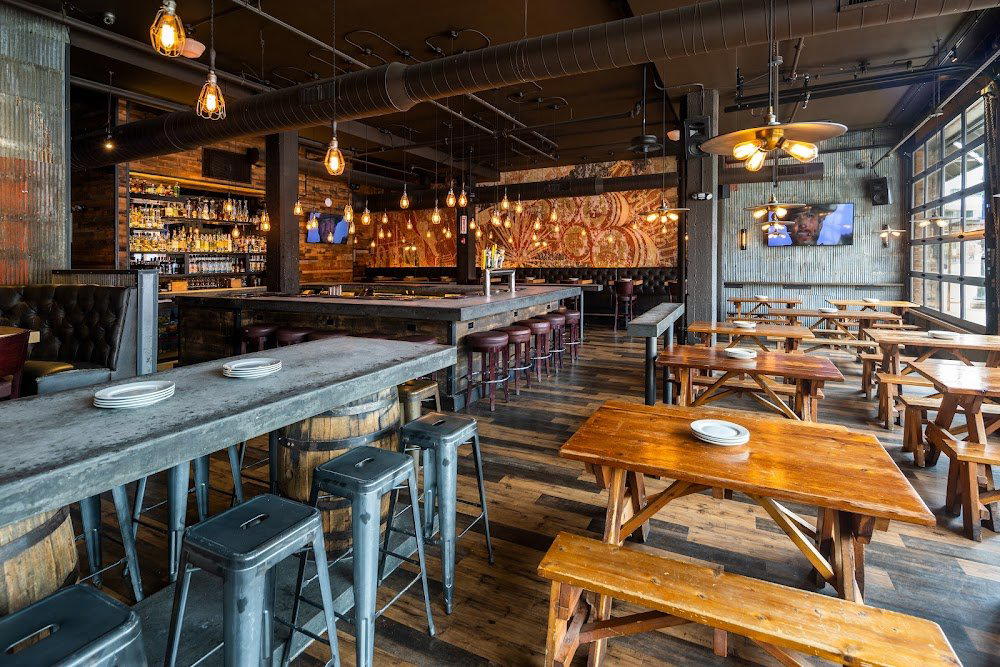
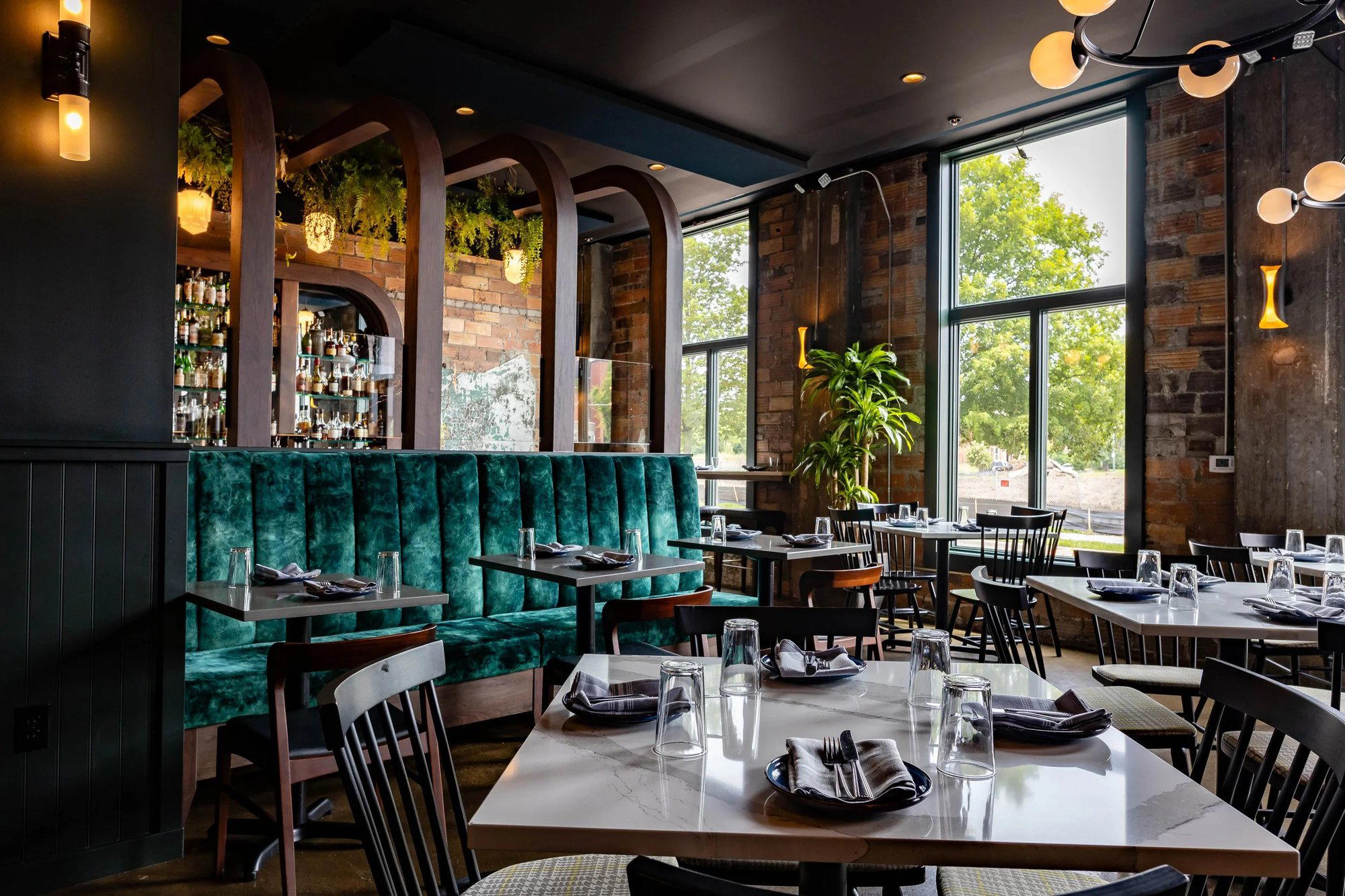
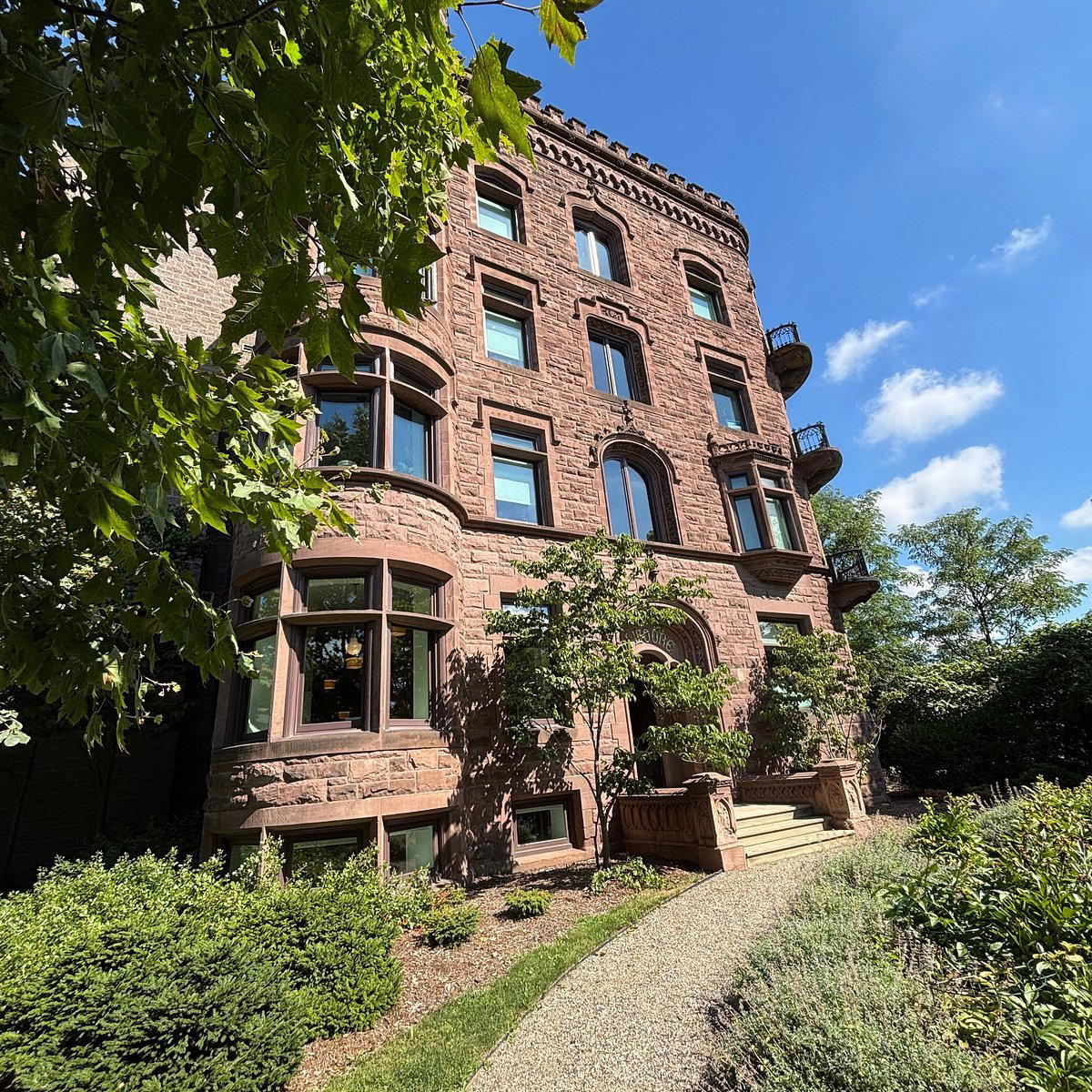
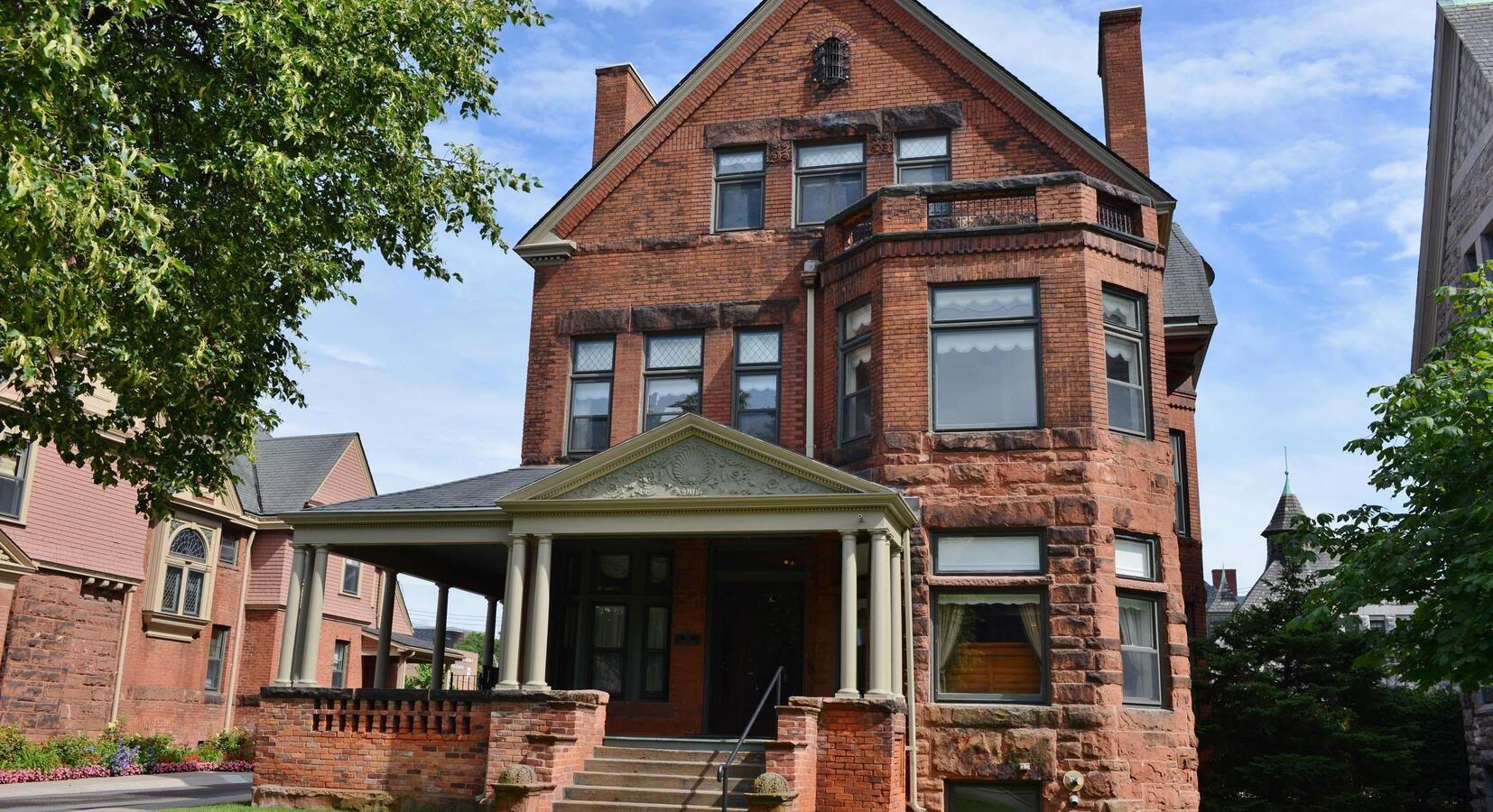
La Noria's Michigan Avenue address puts it in a building context shaped by the neighborhood's commercial history rather than by new development money, which tends to produce a different kind of space. Rooms in older commercial strips often have genuine architectural bones, pressed tin ceilings, deep windows, proportions that were built for something other than dining. When a bistro format occupies that kind of structure well, the effect is a room that reads as both local and deliberate. The design and space angle is worth tracking here because in Southwest Detroit, it is precisely this combination, neighborhood context plus intentional interior, that differentiates the bistro tier from the surrounding casual market.
Where La Noria Sits in Detroit's Current Restaurant Tier
Detroit's mid-tier dining market has grown more competitive in the past several years. Places like Selden Standard established the template for the approachable New American format with serious sourcing credentials. Vecino demonstrated that Modern Mexican could operate at a design-forward level. Baobab Fare showed that East African cuisine could anchor a full dining room with a distinct culinary identity and national recognition. Each of these venues claimed a specific position in the market. The bistro format, by contrast, is deliberately less category-specific, it signals an approach and a register without locking into a single cuisine identity.
On Michigan Avenue, the comparative set is different. The direct neighbors are not Selden Standard or Slow Bar's Barbecue. They are the established institutions of Southwest Detroit's food culture, including Amore da Roma and the kind of community anchors that have operated here for decades. La Noria's bistro format puts it in a different commercial conversation from those establishments, one that requires both neighborhood credibility and enough format discipline to hold the room. That is a harder balance to strike on Michigan Avenue than it would be on a downtown block already primed for that kind of dining.
For reference on what formal dining looks like at the national tier, the benchmark against which serious Detroit kitchens are increasingly measured, venues like Le Bernardin in New York City, Alinea in Chicago, Lazy Bear in San Francisco, The French Laundry in Napa, and Blue Hill at Stone Barns in Tarrytown represent the ceiling of the format. Detroit's neighborhood bistro tier operates well below that altitude, but the directional pressure, toward intentional environments, curated menus, and a room that earns its check, runs through the category at every level.
Placing La Noria in the Broader Detroit Conversation
Detroit's dining scene in the 2020s has been characterized by format expansion across neighborhoods that previously had little restaurant investment beyond the functional. 313 Cinnamon Rolls demonstrated that specialty single-product formats could build real audiences on the city's west side. American Coney Island remains the reference point for what a Detroit institution looks like at the category-defining level. The question for a bistro on Michigan Avenue is different from both: it is whether the format can sustain a full dining experience in a corridor where the ambient expectation is set by a different kind of restaurant.
Nationally, the comparison set for neighborhood bistros with serious ambitions includes venues like Emeril's in New Orleans, Providence in Los Angeles, Addison in San Diego, The Inn at Little Washington, Atomix in New York City, Single Thread Farm in Healdsburg, and 8 1/2 Otto e Mezzo Bombana in Hong Kong, all of which demonstrate that the room and the kitchen must reinforce each other to hold a position in the market. La Noria is operating in a different price tier and a different city context, but the structural logic is the same.
Planning Your Visit
La Noria Bistro is located at 5517 Michigan Ave in Southwest Detroit. Michigan Avenue runs directly west from downtown, making it accessible by car from the city center in under fifteen minutes outside of peak hours. Parking along this stretch of the avenue is generally available on-street. La Noria Bistro is recommended for reservations and is open Friday from 5 to 10 PM and Saturday from 4 to 10 PM.
A Minimal comparable set
Comparable venues nearby, for context on price, style, and recognition.
| Venue | Price | Notes |
|---|---|---|
| La Noria BistroThis venue — the venue you are viewing | $$$ | Not listed |
| Enomah | $$$ | East Necklace, Asian-American Caribbean Fusion |
| Wright & Company | $$$ | East Necklace, Contemporary American Small Plates |
| Lumen Detroit | $$$ | Theater District, Modern American Brasserie & Beer Garden |
| Caucus Club | $$$ | Financial District, Classic American Steakhouse |
| Javier's Downtown | $$$ | East Necklace, Latin-Mediterranean Fusion Steakhouse |
At a Glance
- Intimate
- Elegant
- Cozy
- Date Night
- Special Occasion
- Open Kitchen
- Craft Cocktails
Current opening hours
- Monday
- Closed
- Tuesday
- Closed
- Wednesday
- Closed
- Thursday
- Closed
- Friday
- 5–10 PM
- Saturday
- 4–10 PM
- Sunday
- Closed
Hours can change for holidays and private events. Last verified .
Warm and inviting atmosphere centered around the wood-fired oven, blending upscale casual refinement with hearty comfort.