La Michoacana Meat Market
La Michoacana Meat Market at 2420 N Fitzhugh Ave sits inside Dallas's working-class Latino retail tradition, where the carnicería format combines a full-service butcher counter with prepared foods and everyday grocery staples. The format rewards visitors who know what to ask for and are comfortable shopping in a space built for neighborhood regulars rather than first-time browsers.
Pearl is the En Primeur Club membership app — saves, bookings, and concierge access live there. Same editors, same standards.
- Address
- 2420 N Fitzhugh Ave, Dallas, TX 75204
- Phone
- +1 214 827 1004
- Website
- lamichoacanameatmarket.com
- Directions
- Get directions
 Saves & bookings on Pearl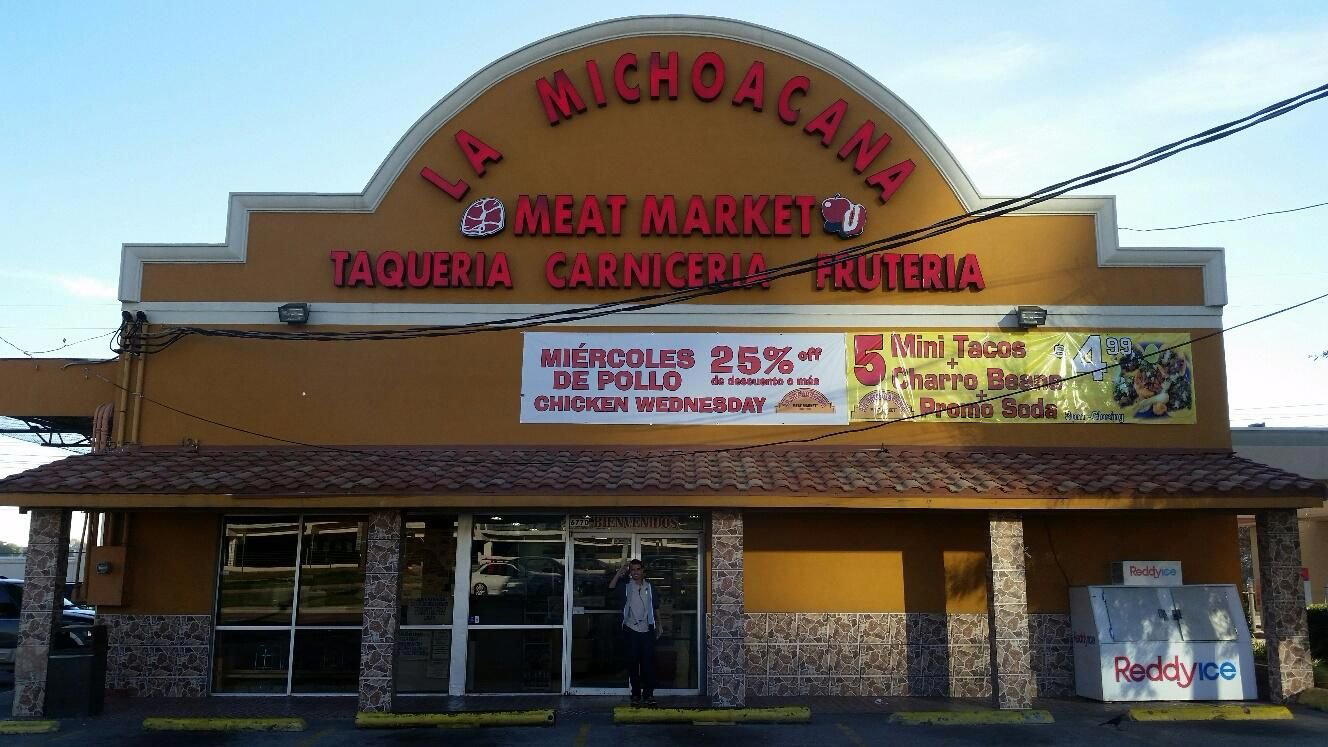
The Carnicería Tradition in Dallas
Across Dallas, the carnicería occupies a specific and durable position in the food infrastructure of Latino neighborhoods. These meat markets are not specialty butcher shops in the artisan sense that defines, say, the dry-aged counter programs at the upper tier of American dining — the kind of technical precision you might encounter at a restaurant like Le Bernardin in New York City or the sourcing rigor behind Blue Hill at Stone Barns in Tarrytown. The carnicería operates under a different logic entirely: broad cut selection, high turnover, and a dual role as both butcher and prepared-food counter. La Michoacana Meat Market, at 2420 N Fitzhugh Ave in Dallas, belongs to that tradition and should be read through that frame.
The La Michoacana brand name is widespread across Texas and the broader Southwest, operating as a loosely affiliated franchise and independent network of stores that share a name and general format rather than a unified corporate structure. The specific North Fitzhugh location sits in a part of Dallas where the density of Spanish-language signage and the rhythm of the surrounding blocks signal a working neighborhood rather than a dining destination. Approaching from Fitzhugh, the store reads as retail before it reads as food, which is precisely the point.
How the Format Works
The ritual of the carnicería visit follows its own pacing, and understanding it matters more than any single item on the counter. You enter into the grocery floor: packaged goods, imported pantry staples, beverages. The meat counter runs along one wall or across the back, staffed by butchers who will cut to order. Alongside the raw cuts, most La Michoacana locations maintain a prepared-food section, which typically includes items like chicharrón, marinated meats ready for the grill, and sometimes hot food service depending on the location. The transaction is direct. You tell the counter what you want, often by weight and cut, and you wait while it is prepared. This is not a format built around browsing or deliberating — regulars know their order before they reach the counter.
That directness places the carnicería in an interesting position relative to the broader Dallas dining scene, which at its upper registers tends toward the theatrical: tasting menus at places like Tatsu Dallas, the ceremony of the churrascaria at 12 Cuts Brazilian Steakhouse, or the plated formality of Mamani. The carnicería dispenses with all of that. The ritual here is procurement, not performance.
The Cuts and What They Signal
Mexican carnicerías in Texas generally stock cuts that reflect the cooking traditions of Mexican home kitchens and backyard grilling culture, cuts that do not appear in the typical American supermarket meat case. Arrachera (skirt steak), diezmillo (chuck roll), tripa, and various prepared marinades are standard to the format. The ability to buy these cuts at a neighborhood counter, cut to order by someone who understands the cooking context, is functionally the same service that premium butcher programs at fine-dining-adjacent shops provide to a different clientele. The difference is in the price tier, the cultural reference point, and the assumed cooking method. Where The French Laundry in Napa or Smyth in Chicago treat the sourcing of an ingredient as a narrative, the carnicería treats it as infrastructure.
Dallas has a significant and geographically dispersed Mexican-American population, and the carnicería network that serves it represents decades of settled retail pattern. The North Fitzhugh corridor is part of a broader arc of Latino commercial activity that runs through sections of East and North Dallas, with the concentration of stores reflecting residential density rather than tourism routing. Visitors who arrive from outside this geography often discover these stores through food media or word of mouth rather than through formal dining guides, which largely ignore the format.
Placing This Visit in a Dallas Dining Trip
La Michoacana Meat Market at North Fitzhugh is not a dining destination in the way that 3Eleven Kitchen and Cocktails or 360 Brunch House function as destination visits. Its value is different: it offers access to a food tradition that does not translate easily to restaurant format, and it operates at a price point that sits well below the mid-range of Dallas restaurant dining. For a visitor assembling a comprehensive picture of how Dallas actually eats across income levels and cultural communities, a stop here provides context that no amount of tasting-menu dining can replicate. The contrast with higher-register American dining programs, the ambition of Providence in Los Angeles, the precision of Atomix in New York City, or the seasonal discipline of Single Thread Farm in Healdsburg, is not a hierarchy. It is a register shift.
For cooking-focused visitors, the carnicería visit is a sourcing exercise. You are buying ingredients to cook, not a prepared experience to consume. The store assumes this. If you arrive without knowing what you want to cook, the format can feel opaque. If you arrive with a specific need, arrachera for a carne asada, fresh tripe for menudo, a specific grind for chorizo preparation, the store functions efficiently. See our full Dallas restaurants guide for a broader map of where La Michoacana fits within the city's food infrastructure, from neighborhood staples through to fine dining.
Planning around this visit requires minimal logistics. There is no reservation system, no dress consideration, and no booking window to manage in the way that applies to, say, a high-demand counter like those described in the profiles of Addison in San Diego or The Inn at Little Washington. Timing matters in a practical sense: mid-morning and early afternoon tend to be active periods at carnicerías when stock is fresh and counter staff turnover is lower. Weekends, particularly Saturdays, see higher volume across the carnicería format as households shop for weekend cooking. Arriving with cash is advisable, as card acceptance varies by location. Phone and hours data for this specific North Fitzhugh location are not confirmed in current records; visiting during standard daytime retail hours is the safest approach.
How La Michoacana Meat Market Dallas compares with similar nearby venues.
| Venue | Cuisine | Price |
|---|---|---|
| Gemma | American | $$$ |
At a Glance
- Rustic
- Lively
- Family
- Casual Hangout
- Standalone
Current opening hours
- Monday
- 6 AM–9 PM
- Tuesday
- 6 AM–9 PM
- Wednesday
- 6 AM–9 PM
- Thursday
- 6 AM–9 PM
- Friday
- 6 AM–9 PM
- Saturday
- 6 AM–9 PM
- Sunday
- 6 AM–9 PM
Hours can change for holidays and private events. Last verified .
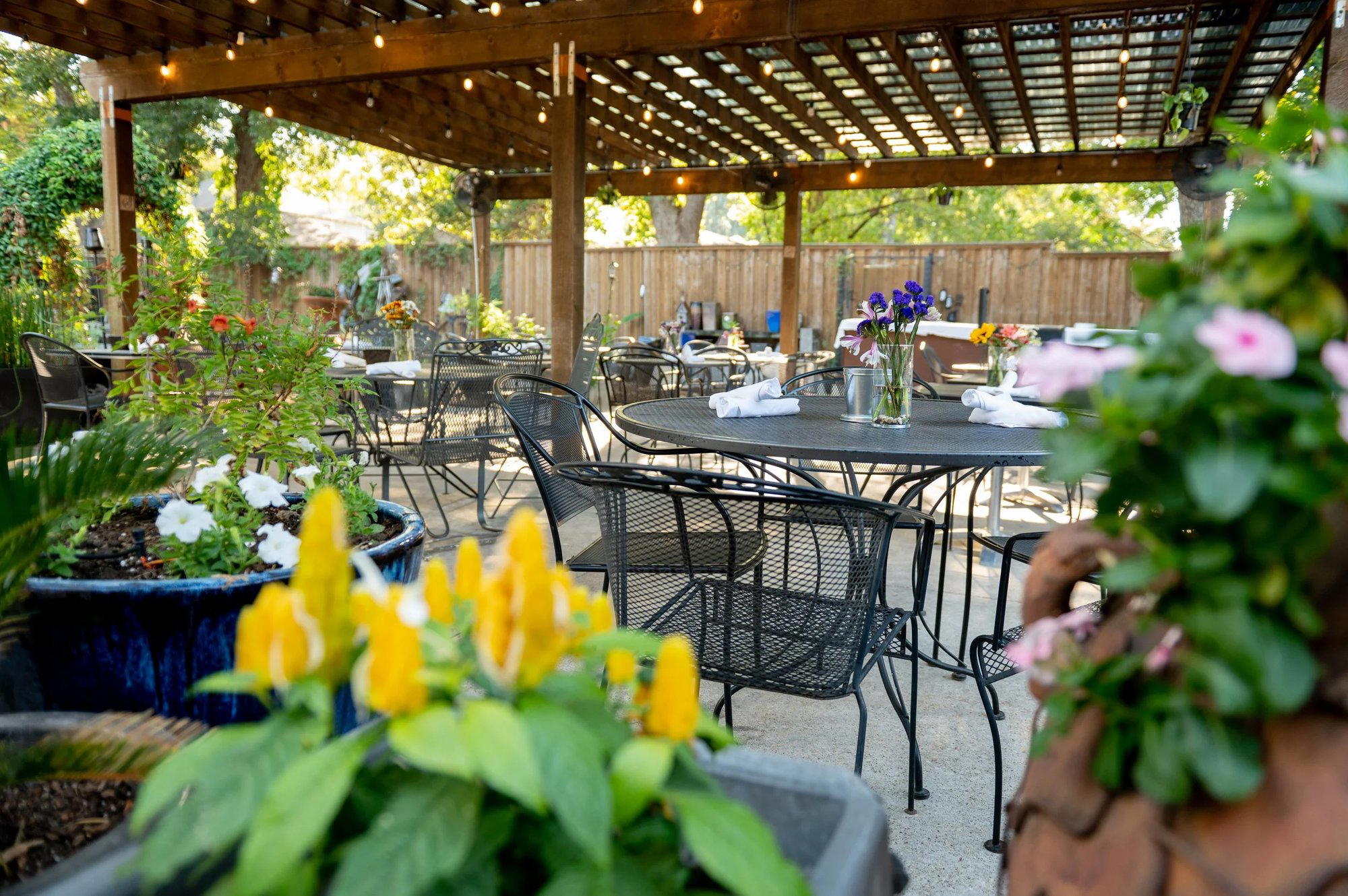
Casual and homey atmosphere with lively music in a bustling meat market setting.
Know Before You Go
- Getting there
- 2420 N Fitzhugh Ave, Dallas, TX 75204