LA MIAN JI RAMEN serves authentic Chinese ramen and hand-pulled noodles at 79 Rue Saint-Dizier in Nancy, with Ramen Miso, Shoyu, and Sichuan Spicy Wonton Soup among the signatures.
Pearl is the En Primeur Club membership app — saves, bookings, and concierge access live there. Same editors, same standards.
- Address
- 79 Rue Saint-Dizier, 54000 Nancy, France
- Phone
- +33383417203
- Website
- lamianjiramen.fr
- Directions
- Get directions
 Saves & bookings on Pearl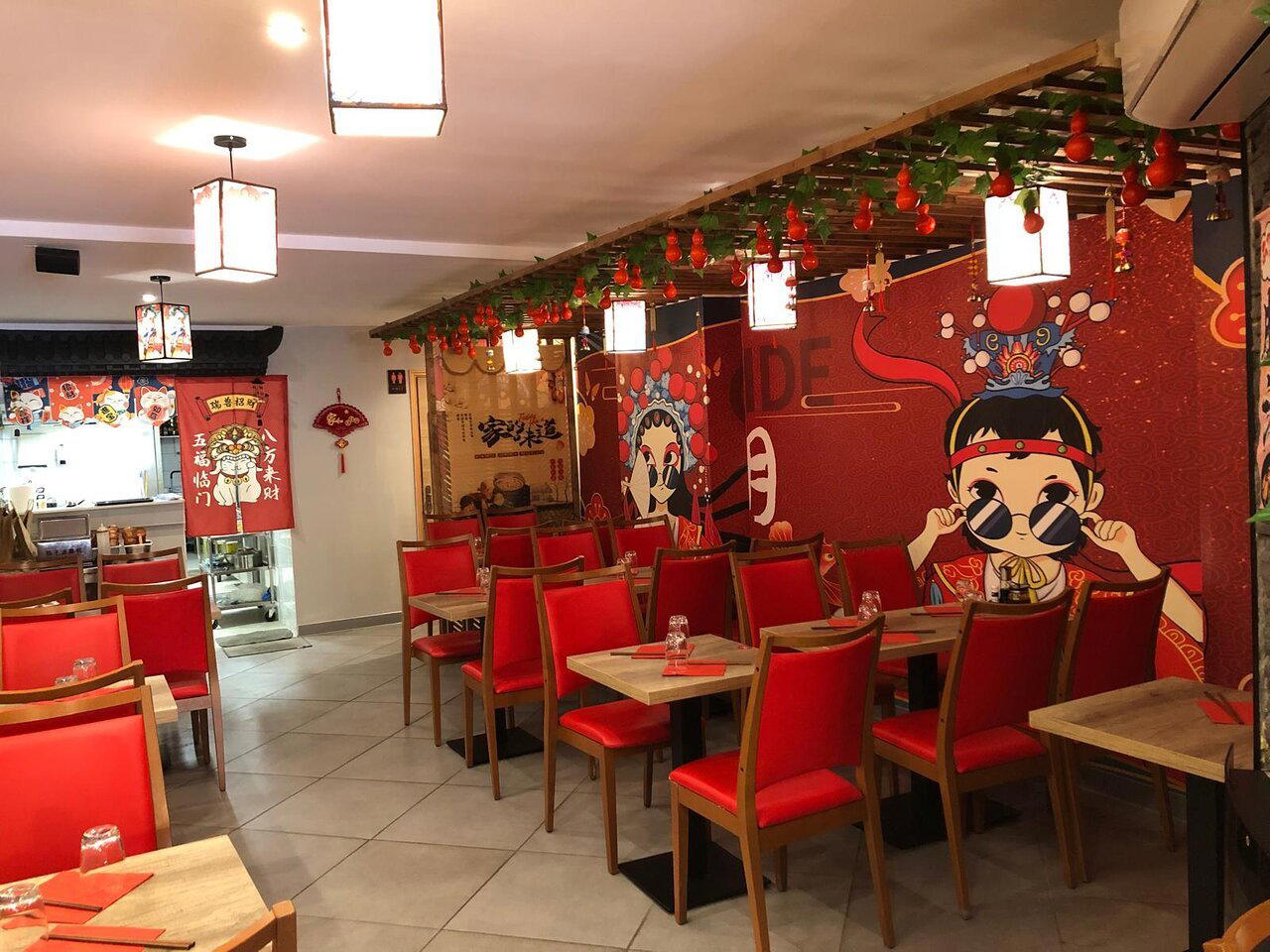
Ramen in the Grand Est: What Nancy's Bowl Culture Tells You About French Appetite
Rue Saint-Dizier runs through the commercial spine of Nancy, a city better known for its gilded Place Stanislas and the dense tradition of Lorraine cooking, pâté lorrain, quiche, mirabelle-laced everything, than for East Asian noodle formats. That context makes the presence of La Mian Ji Ramen at number 79 a notable addition to the local dining scene. France's appetite for ramen has moved steadily beyond Paris over the past decade, reaching mid-sized regional cities with enough student population and culinary curiosity to sustain a bowl-focused operation. Nancy, with its university quarter and proximity to Strasbourg's more cosmopolitan dining culture, fits that profile.
Ramen in France occupies an interesting position between two culinary reference systems. Japanese technique, long-simmered broths, precise noodle hydration, tare construction, imports cleanly, but the ingredient sourcing inevitably bends toward whatever the French supply chain offers leading. That intersection, global method meeting local product, is where particularly interesting bowls happen, and it is the question worth asking of any French ramen address: how much of what arrives in the bowl reflects the terroir of its French location rather than a straight replication of a Tokyo or Fukuoka template?
The Ramen Format Translated
Ramen as a category resists easy categorisation in France. It is not fine dining in the Michelin sense, a format that Nancy has in nearby addresses like La Maison dans le Parc or regional anchors like Assiette Champenoise in Reims and Au Crocodile in Strasbourg. Nor is it the casual brasserie format that defines French everyday eating. It sits in a third category: technically demanding, relatively affordable, and increasingly taken seriously by a French dining public that has come to expect craft behind even an inexpensive bowl.
The name itself signals intent. La mian (拉麵) refers to hand-pulled or stretched noodles, a technique originating in Chinese noodle culture that was absorbed and transformed by Japanese ramen tradition. A restaurant foregrounding that term in its name is positioning itself closer to noodle craft than to the convenience-ramen segment. The naming choice aligns with a broader French ramen trend: operators who want to signal process and provenance, not just a warming bowl.
Local Ingredients, Imported Framework
The editorial angle that matters most for a ramen address in Lorraine is the ingredient conversation. The Grand Est region produces some of France's most characterful proteins and aromatics, Lorraine pork has genuine standing, the Moselle valley contributes to regional produce networks, and proximity to Alsace brings access to one of France's more interesting charcuterie and fermenting traditions. A ramen kitchen in Nancy that draws on those supply chains intelligently, using local pork for chashu, Alsatian fermentation logic for pickled toppings, regional mushrooms for umami depth, would be doing something editorially coherent: importing Japanese structure and applying it to French material.
That approach has precedent at the high end. Restaurants like Mirazur in Menton have demonstrated how thoroughly a kitchen trained in classical European tradition can reorganise around local-ingredients-first thinking. The same logic, applied at the ramen tier, produces a more grounded and locally legible bowl than one built purely on imported Japanese pantry items. The geographical setting makes that a reasonable thing to look for.
Nancy's Dining Position and Where Ramen Fits
Nancy's restaurant scene in 2025 is a city in gradual repositioning. The established modern cuisine addresses, Au Grand Sérieux, Bistrot Gros, and Cadet, represent a serious mid-market and upper-mid tier, while Bastion signals further expansion of the city's contemporary dining vocabulary. Asian noodle formats have entered this scene not as novelty but as part of a broader diversification that reflects demographic change and travel exposure among younger diners.
Ramen's position in that ecology is below the €€€ tier occupied by La Maison dans le Parc and closer to the accessible price points that the city's student and young professional population can sustain as a regular habit rather than an occasion meal. That accessibility is part of the format's strength, it allows repeat visits that build familiarity with broth depth, noodle texture, and topping variation in a way that a tasting-menu format does not. For context on how French kitchens at the opposite end of the price spectrum approach ingredient philosophy, Bras in Laguiole and Flocons de Sel in Megève represent two reference points for rooted, place-specific cooking at a different scale entirely.
Ramen as a Seasonal Format
One of ramen's underappreciated qualities as a dining format is its seasonal responsiveness. Autumn and winter in Lorraine, genuinely cold months, with Nancy sitting in a continental climate zone, create conditions where a long-simmered tonkotsu or rich miso broth performs exactly the function the format was designed for in northern Japan. Summer ramen, less obvious to a Western diner, exists as a category too: lighter shio or tsukemen formats suit warmer months without requiring the full commitment of a 12-hour bone broth. A kitchen that rotates its offering seasonally, rather than running a static menu year-round, signals a level of craft engagement worth noting. Visiting in autumn or early winter, when broth work is at its most relevant to the climate, is when the format speaks most directly to its moment.
Planning a Visit
La Mian Ji Ramen is located at 79 Rue Saint-Dizier in central Nancy, within walking distance of Place Stanislas and the main commercial district. Current opening hours are Monday to Saturday, 11:30 AM to 2:30 PM and 6:30 PM to 10:30 PM, with Sunday service from 6:30 PM to 10:30 PM. The price tier is moderate, about $18 per person. For those interested in how Japanese technique intersects with North American cooking at the highest tier, Atomix in New York City provides a useful reference for how serious this cross-cultural conversation can become at its most developed. For the French perspective on precise technique applied at a different price point, Alléno Paris au Pavillon Ledoyen and AM par Alexandre Mazzia in Marseille represent what French kitchens do when they apply rigour at the summit of the market. Le Bernardin in New York City and Paul Bocuse in Collonges-au-Mont-d'Or remain the canonical reference points for French technique at its most codified. Auberge de l'Ill in Illhaeusern and Troisgros in Ouches round out the French institutional frame for anyone building a wider Grand Est itinerary.
- Ramen Miso
- Ramen Shoyu
- Udon Sauté
- Sichuan Spicy Wonton Soup
- Crispy Chicken Gyouza
- Shrimp Dumpling Soup
Comparable Options
Comparable venues nearby, for context on price, style, and recognition.
| Venue | Cuisine | Price | Notes |
|---|---|---|---|
| LA MIAN JI RAMENThis venue — the venue you are viewing | Authentic Chinese Ramen & Hand-Pulled Noodles | $$ | Not listed |
| Au Grand Sérieux | Traditional French Bistro | $$ | Centre-ville |
| Vins et Tartines | French Tartine Bistro & Wine Cave | $$ | centre-ville |
| Retrogusto | Authentic Italian | $$ | Place Stanislas |
| Grand Café Foy | Traditional French Brasserie | $$ | Place Stanislas |
| V Four | French Bistro | $$$ | vieille ville |
Continue exploring
More in Nancy
Restaurants in Nancy
Browse all →


At a Glance
- Cozy
- Modern
- Trendy
- Casual Hangout
- Group Dining
- Open Kitchen
Current opening hours
- Monday
- 11:30 AM–2:30 PM, 6:30–10:30 PM
- Tuesday
- 11:30 AM–2:30 PM, 6:30–10:30 PM
- Wednesday
- 11:30 AM–2:30 PM, 6:30–10:30 PM
- Thursday
- 11:30 AM–2:30 PM, 6:30–10:30 PM
- Friday
- 11:30 AM–2:30 PM, 6:30–10:30 PM
- Saturday
- 11:30 AM–2:30 PM, 6:30–10:30 PM
- Sunday
- 6:30–10:30 PM
Hours can change for holidays and private events. Last verified .
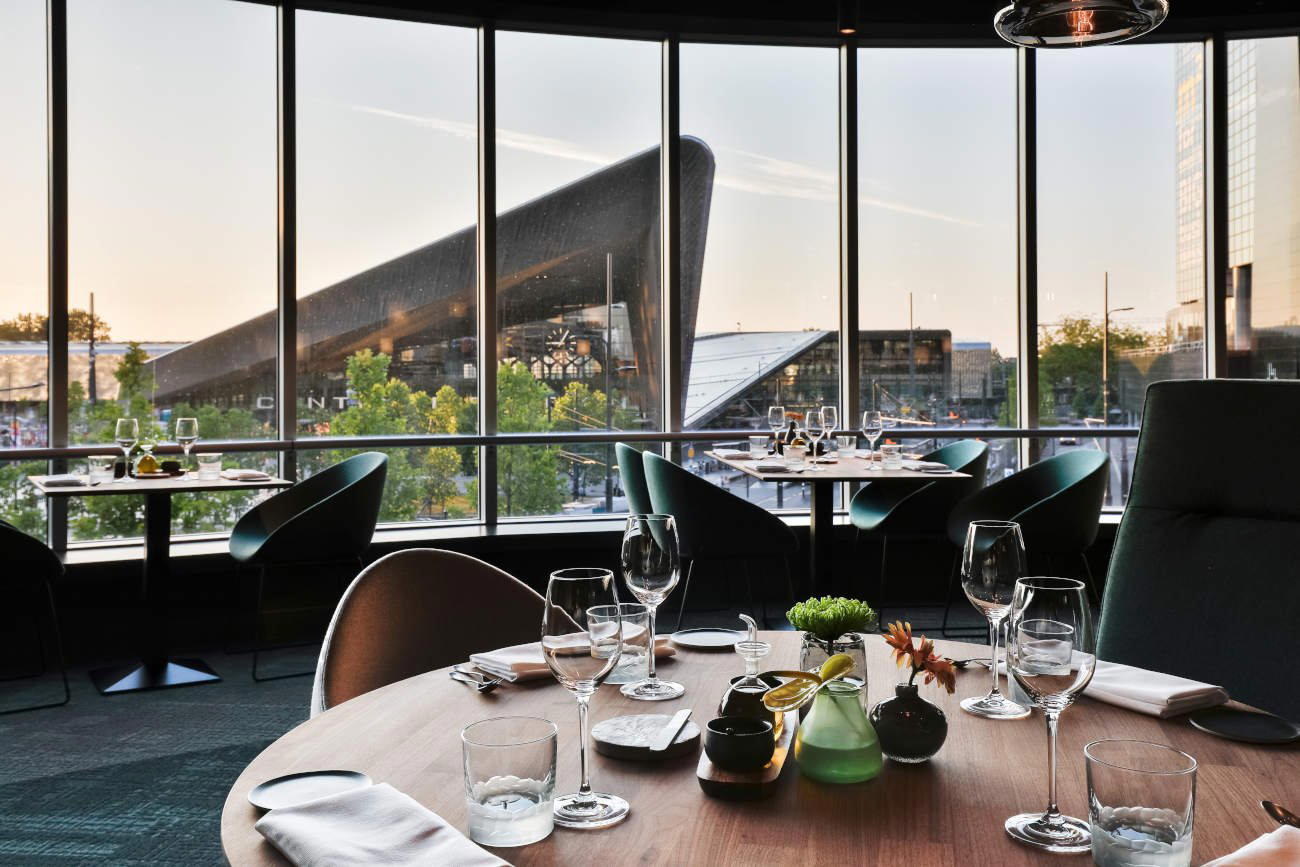
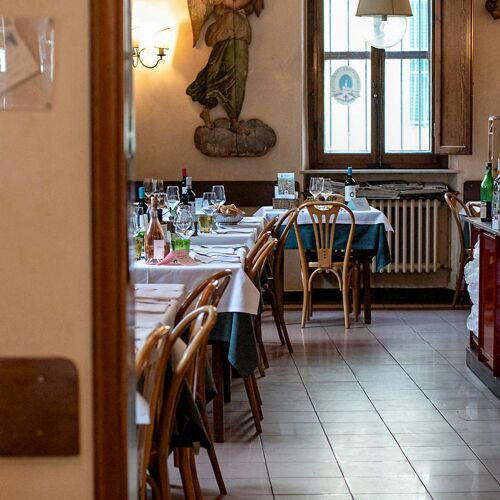
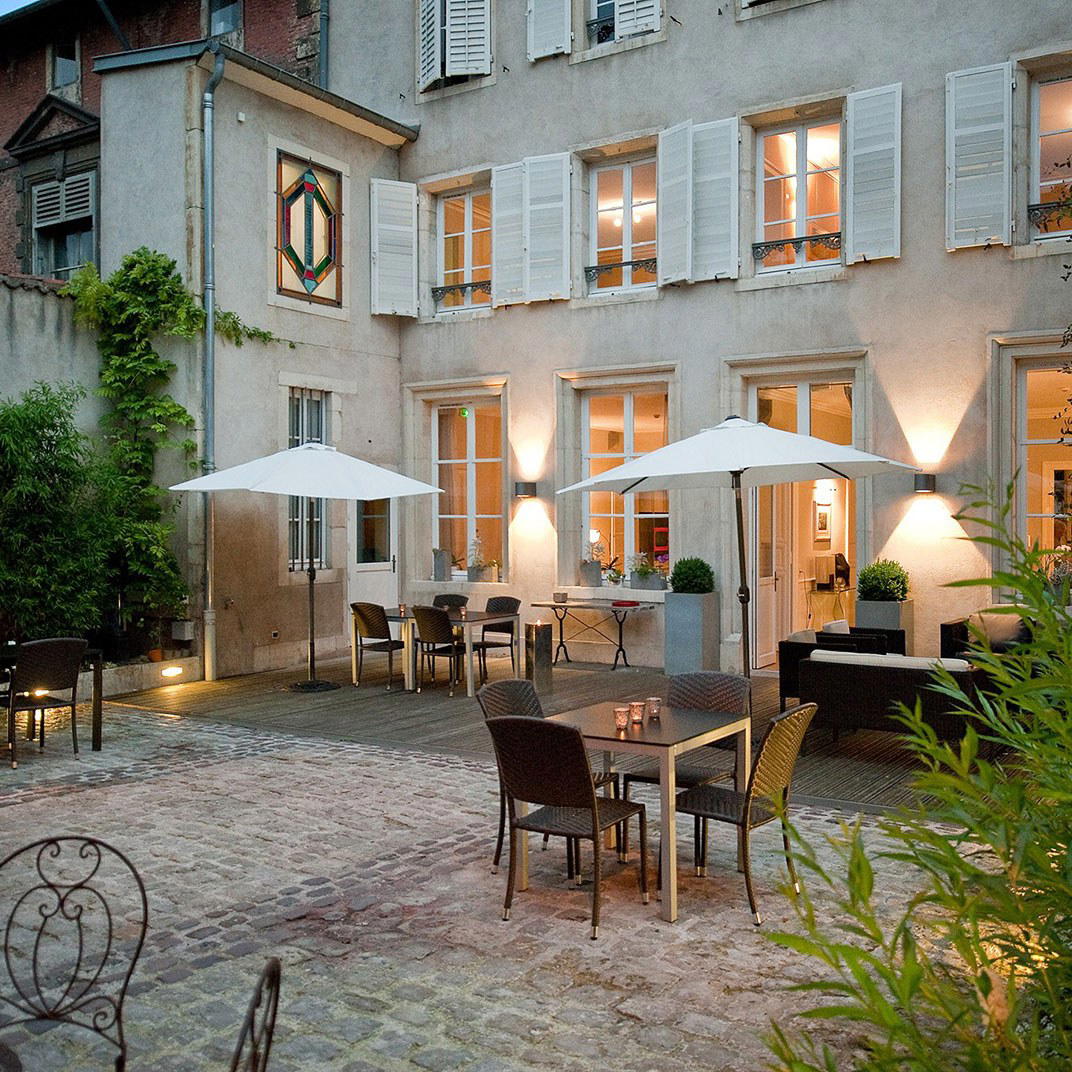
Warm and inviting with Asian-inspired decoration and music that transports diners; cozy atmosphere with open kitchen visibility.