
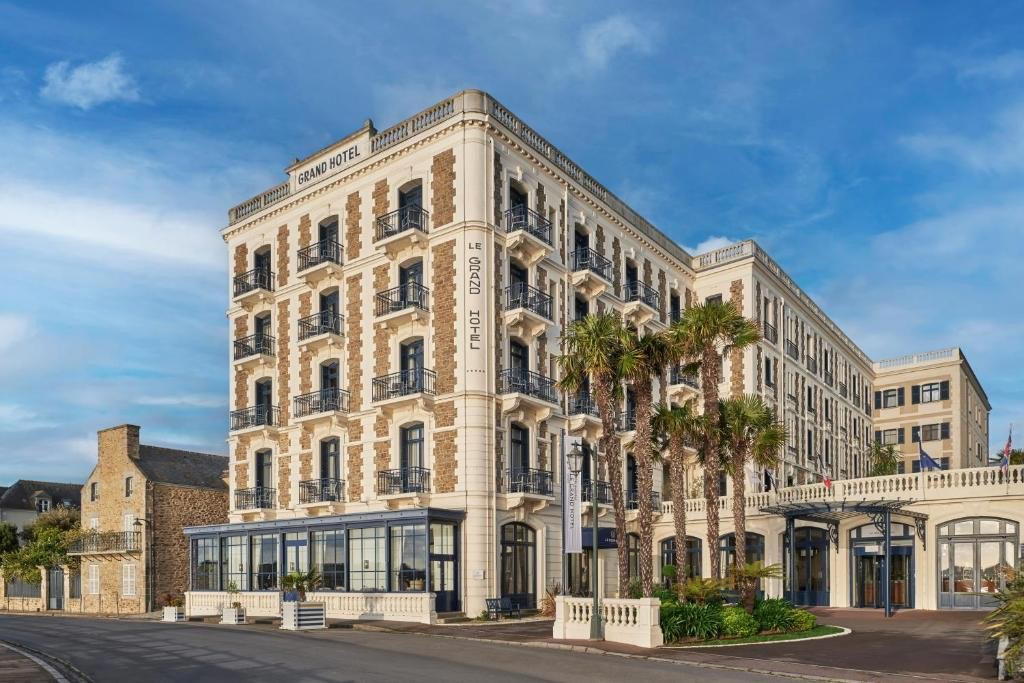
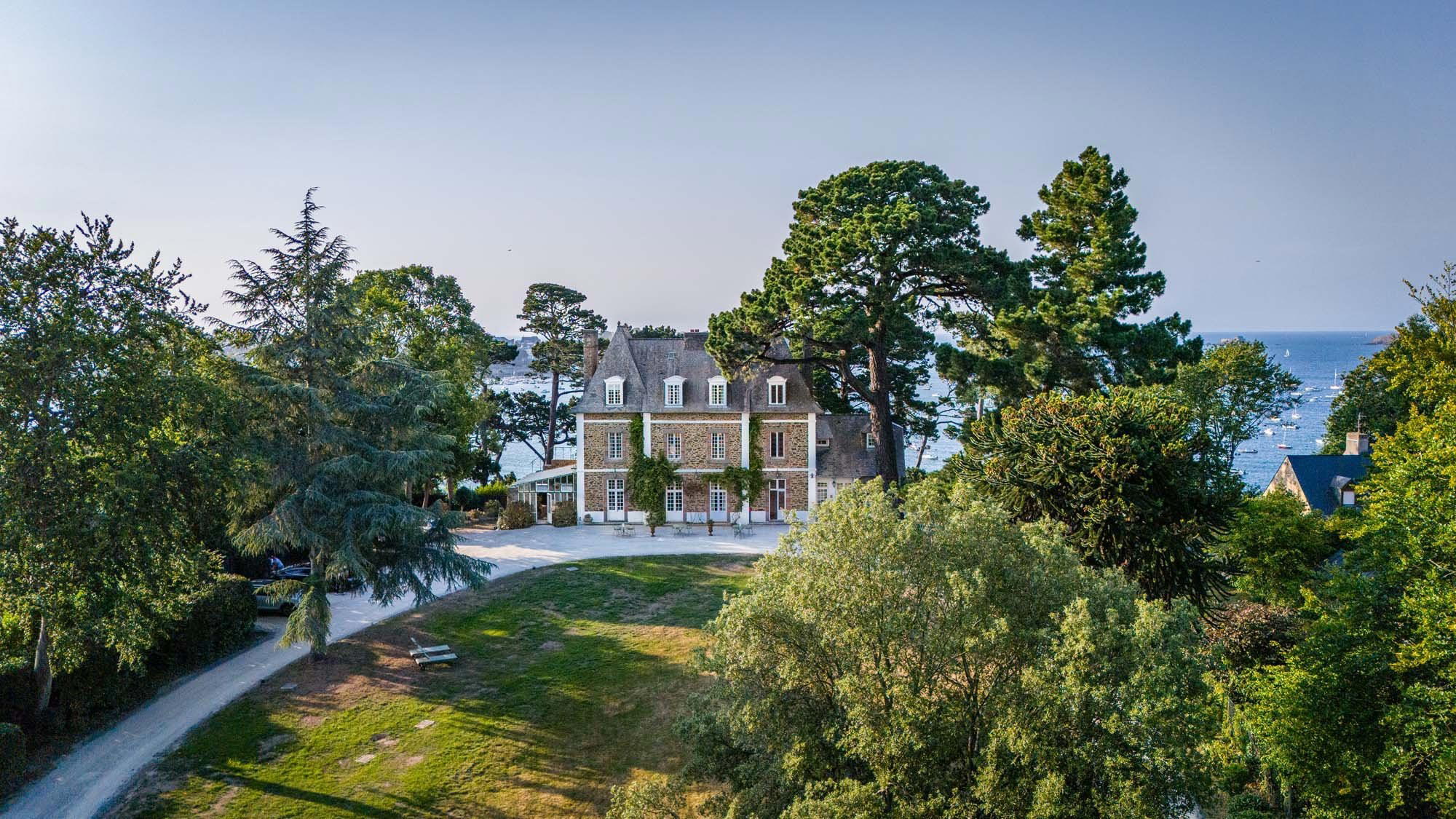
Le Pourquoi Pas holds a Michelin star at Hotel Castelbrac in Dinard, where chef Julien Hennote's cooking draws on sustainable coastal fishing and Breton terroir. The panoramic terrace looks across the water toward Saint-Malo, framing a meal built around hand-dived scallops, abalone, and seaweed. At the €€€€ tier, it occupies the highest price point on the Dinard restaurant scene.
Pearl is the En Primeur Club membership app — saves, bookings, and concierge access live there. Same editors, same standards.
- Address
- 17 Av. George V, 35800 Dinard, France
- Phone
- +33 2 99 80 30 00
- Website
- castelbrac.com
 Saves & bookings on Pearl
Where the Brittany Coast Becomes the Menu
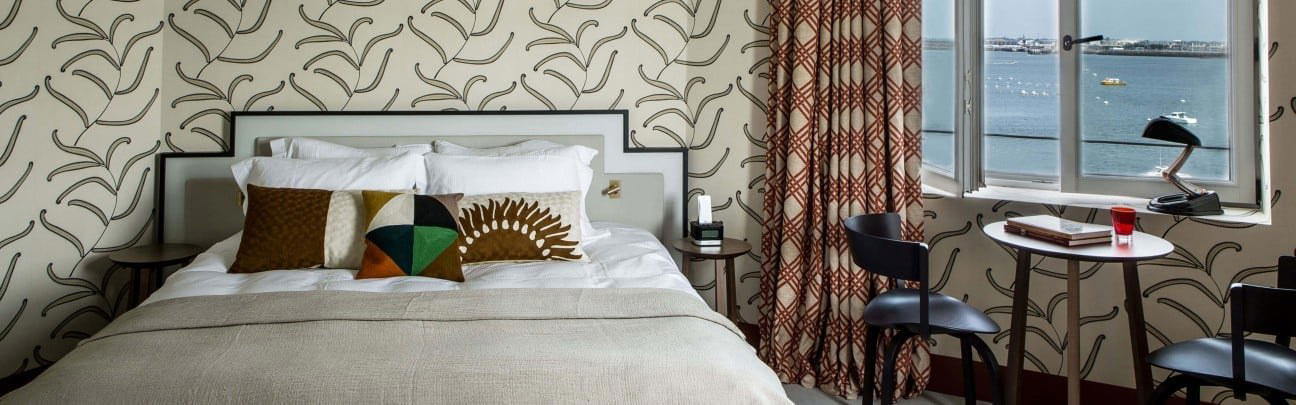
From the terrace of Hotel Castelbrac on Avenue George V, the view does most of the work before a single dish arrives. Saint-Malo sits across the Rance estuary, close enough to read as a skyline of ramparts and spires, and the water between moves with the particular grey-green restlessness of the Breton coast. Le Pourquoi Pas, the hotel's Michelin-starred restaurant, is named after the research vessel of Commander Jean-Baptiste Charcot, the polar explorer born in the nearby town of Dinan. It anchors the room's identity to a tradition of methodical curiosity about what the sea contains.
Coastal fine dining in northern France has always had a structural tension at its core: the region's produce, shellfish, seaweed, line-caught fish, is among the most compelling in Europe, yet the cooking traditions that once framed it leaned heavily on cream and butter in ways that flattened rather than clarified. The result is a style of modern French gastronomy where restraint and seasonal precision carry more weight than elaborate construction.
The Ritual of the Meal
Le Pourquoi Pas operates on a schedule that reflects how seriously the kitchen takes its own pacing. Service runs Wednesday through Sunday, with a tight lunch window from 12:30 to 1:30 PM and an evening sitting from 7:30 to 8:45 PM. Monday and Tuesday are closed. You book, you arrive, and the meal unfolds at the kitchen's tempo.
The progression from amuse-bouche through to dessert is understood by both sides of the pass as a shared contract. At Le Pourquoi Pas, that contract is built around produce sourced through sustainable coastal fishing, with hand-dived scallops, abalone, lobster, and seaweed appearing as primary rather than supplementary ingredients. Hand-diving is slower and more selective than dredging, which means the scallops arrive with their shells intact and their mantle undamaged, a difference that registers in texture and sweetness. The abalone, a shellfish that takes years to grow to edible size and is rarely found on French menus outside Brittany and Normandy, signals the kitchen's access to a supply chain that prioritises quality over volume.
Hennote's cooking brings precision and brightness to ingredients that more conservative Breton kitchens would treat with heavier hands. The dessert course provides a deliberate contrast to the restraint of the savoury sequence.
Dinard's Fine Dining Tier
Dinard's restaurant scene runs across a clear price and ambition spectrum. At the entry and mid-range levels, La Vallée (Traditional Cuisine) covers Breton classics at an accessible price point, while Ombelle and Didier Méril both operate modern cuisine programs at the €€€ tier. Le Pourquoi Pas prices at about €110 per person.
For context on where one Michelin star sits within French fine dining, the constellation runs from single-star kitchens at regional level up through multi-star institutions such as Alléno Paris au Pavillon Ledoyen in Paris, Mirazur in Menton, Flocons de Sel in Megève, Bras in Laguiole, Auberge de l'Ill in Illhaeusern, Troisgros - Le Bois sans Feuilles in Ouches, and Paul Bocuse - L'Auberge du Pont de Collonges in Collonges-au-Mont-d'Or. Further afield, modern cuisine programs such as AM par Alexandre Mazzia in Marseille, Frantzén in Stockholm, and FZN by Björn Frantzén in Dubai reflect how the single-minded focus on regional produce and sustainable sourcing has become a global language for serious cooking. Le Pourquoi Pas speaks that language from one of France's most productive coastlines.
Among coastal starred restaurants in the northern France region, the model Le Pourquoi Pas follows, hotel dining room, panoramic water views, locally sourced seafood at the centre of the menu, is well established. What distinguishes it within that model is the specificity of its sourcing and the Polynesian and Mediterranean inflections that Hennote brings to a fundamentally Breton ingredient base. A Google rating of 4.6 across 398 reviews suggests strong guest approval.
Planning Your Visit
Le Pourquoi Pas is located at 17 Avenue George V within Hotel Castelbrac, on the cliff above the beach in Dinard's western quarter. The service schedule Wednesday through Sunday, with sittings at 12:30 PM for lunch and 7:30 PM for dinner, means advance planning is essential. The evening sitting closes at 8:45 PM, so the meal has a defined rhythm, arrive on time and the kitchen controls the pace from there.
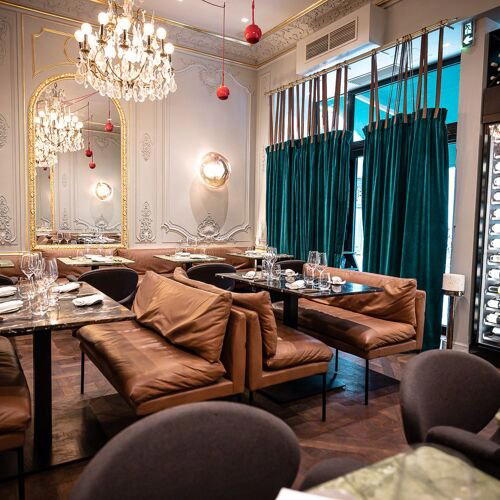
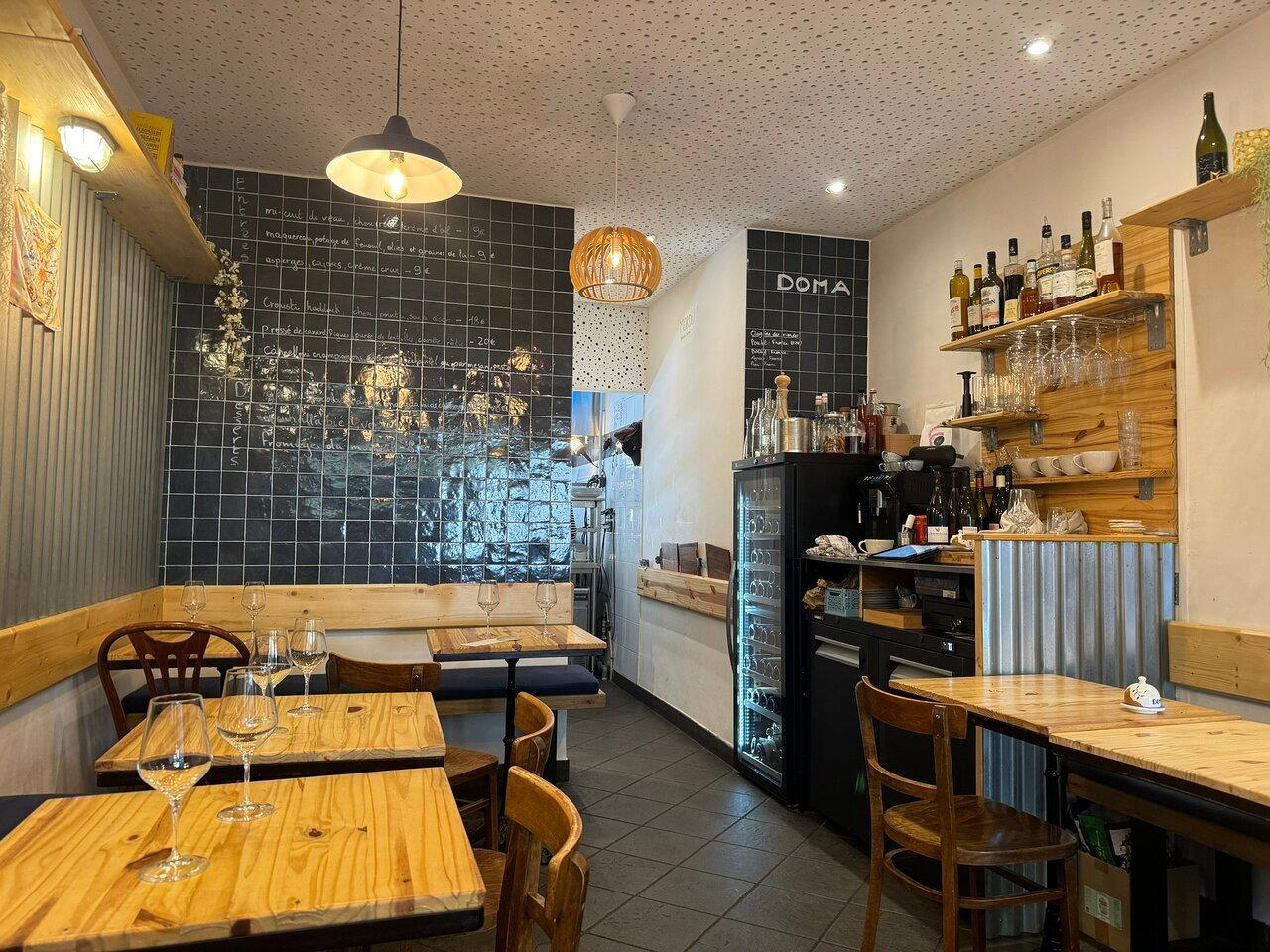
The cosy interior dining room provides an alternative to the panoramic terrace when the Atlantic weather turns, which it does with frequency even in the warmer months. Both settings face Saint-Malo across the water. Dinard is served by regular ferry connections from Saint-Malo and is accessible from Rennes by road in under an hour, making it a viable destination for a dedicated dining trip rather than only a stop for guests already staying on the coast.
Cuisine and Awards Snapshot
Comparable venues nearby, for context on price, style, and recognition.
| Venue | Cuisine | Price | Awards | Notes |
|---|---|---|---|---|
| Le Pourquoi PasThis venue — the venue you are viewing | Modern French Gastronomique | $$$$ | Michelin 1 Star | |
| La Vallée | Traditional French Seafood | $$$ | Michelin Plate | Pointe du Moulinet |
| Ombelle | Modern French Bistronomique | $$$ | Michelin Plate | Boulevard du Président Wilson |
| Didier Méril | Modern French Fine Dining | $$$ | Michelin Plate | historic center |
| Le Saint Placide | Modern French Creative Fine Dining | $$$$ | Michelin 1 Star | Saint-Servan-sur-Mer |
| La Table d'Asten | Modern French Fine Dining | $$$$ | Michelin 1 Star | Binic |
Continue exploring
More in Dinard
Restaurants in Dinard
Browse all →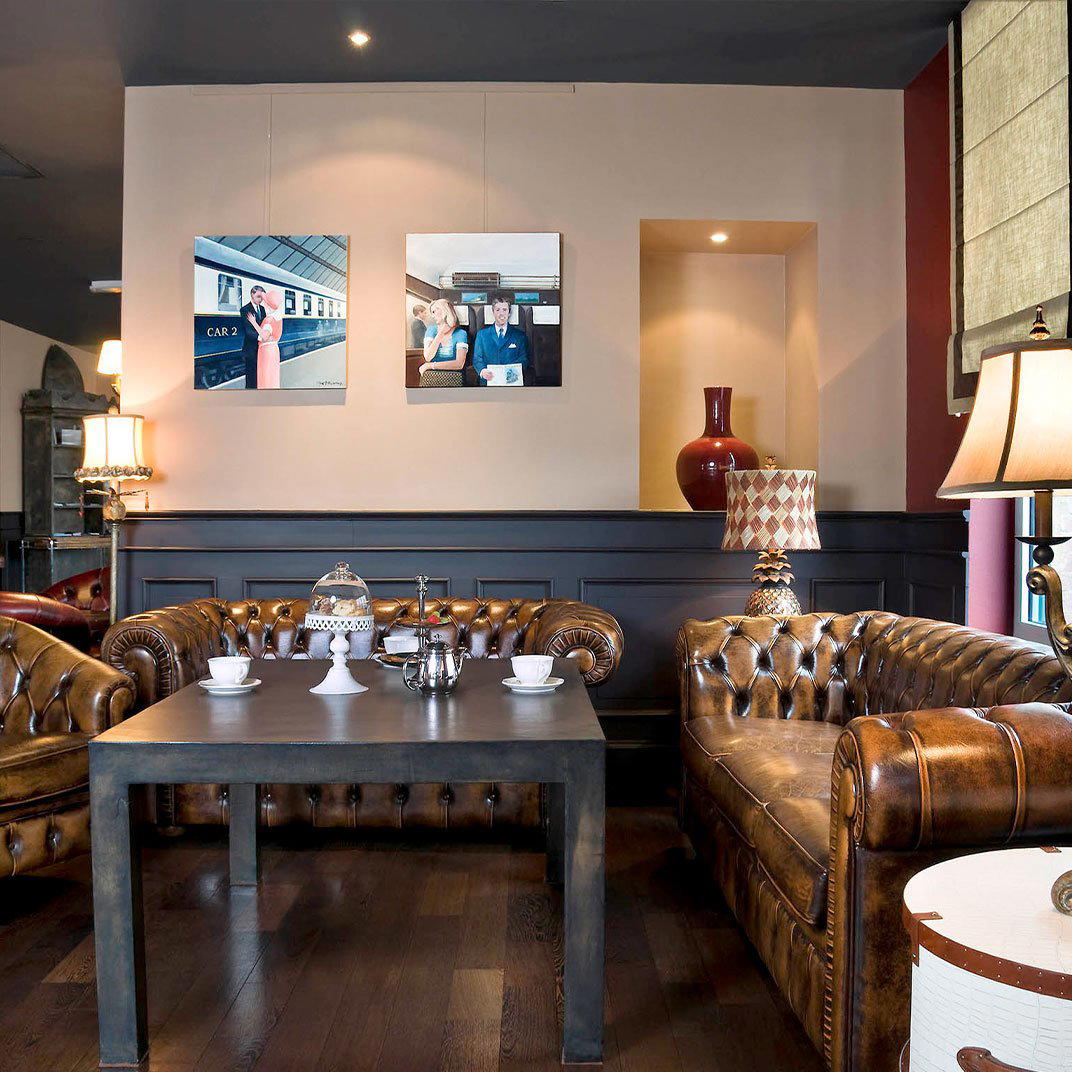
At a Glance
- Romantic
- Elegant
- Sophisticated
- Scenic
- Date Night
- Special Occasion
- Celebration
- Business Dinner
- Waterfront
- Terrace
- Panoramic View
- Historic Building
- Hotel Restaurant
- Private Dining
- Extensive Wine List
- Sommelier Led
- Beer Program
- Local Sourcing
- Sustainable Seafood
- Farm To Table
- Waterfront
Elegant and refined with soft, intimate lighting in cozy dining rooms opening onto a panoramic terrace; sophisticated yet warm and welcoming atmosphere without pretension.