

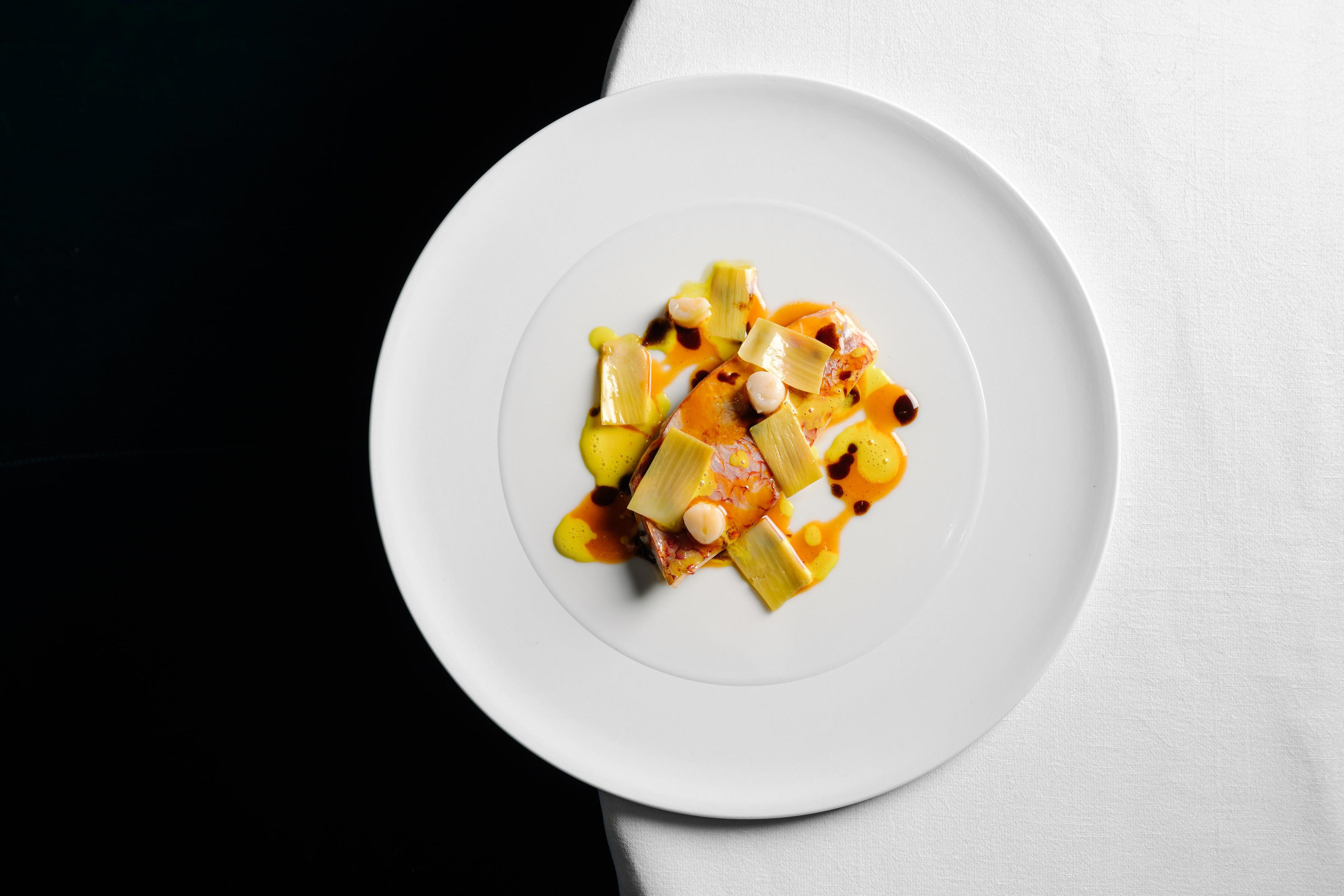
La Marineta on Carrer de Cuba brings market-fresh Catalan seafood to Mataró with a kitchen that draws serious attention for its treatment of fish, crustaceans, and shellfish alongside vegetable dishes strong enough to reorder the priorities of any confirmed meat eater. Chef Pere Patuel works a product-led register that sits comfortably within the Catalan coastal tradition while pushing its possibilities.
Pearl is the En Primeur Club membership app — saves, bookings, and concierge access live there. Same editors, same standards.
- Address
- Carrer de Cuba, 76, 08302 Mataró, Barcelona, Spain
- Phone
- +34 935 12 60 22
- Website
- lamarineta.com
- Directions
- Get directions
 Saves & bookings on Pearl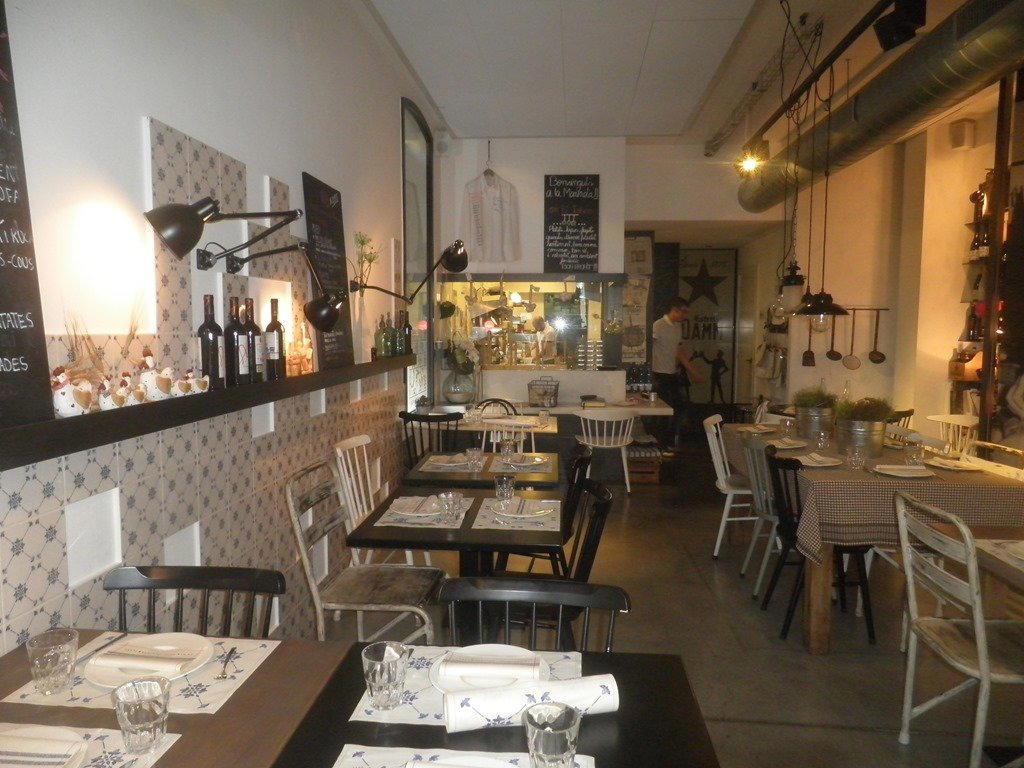
Where the Mediterranean Ends Up on the Plate
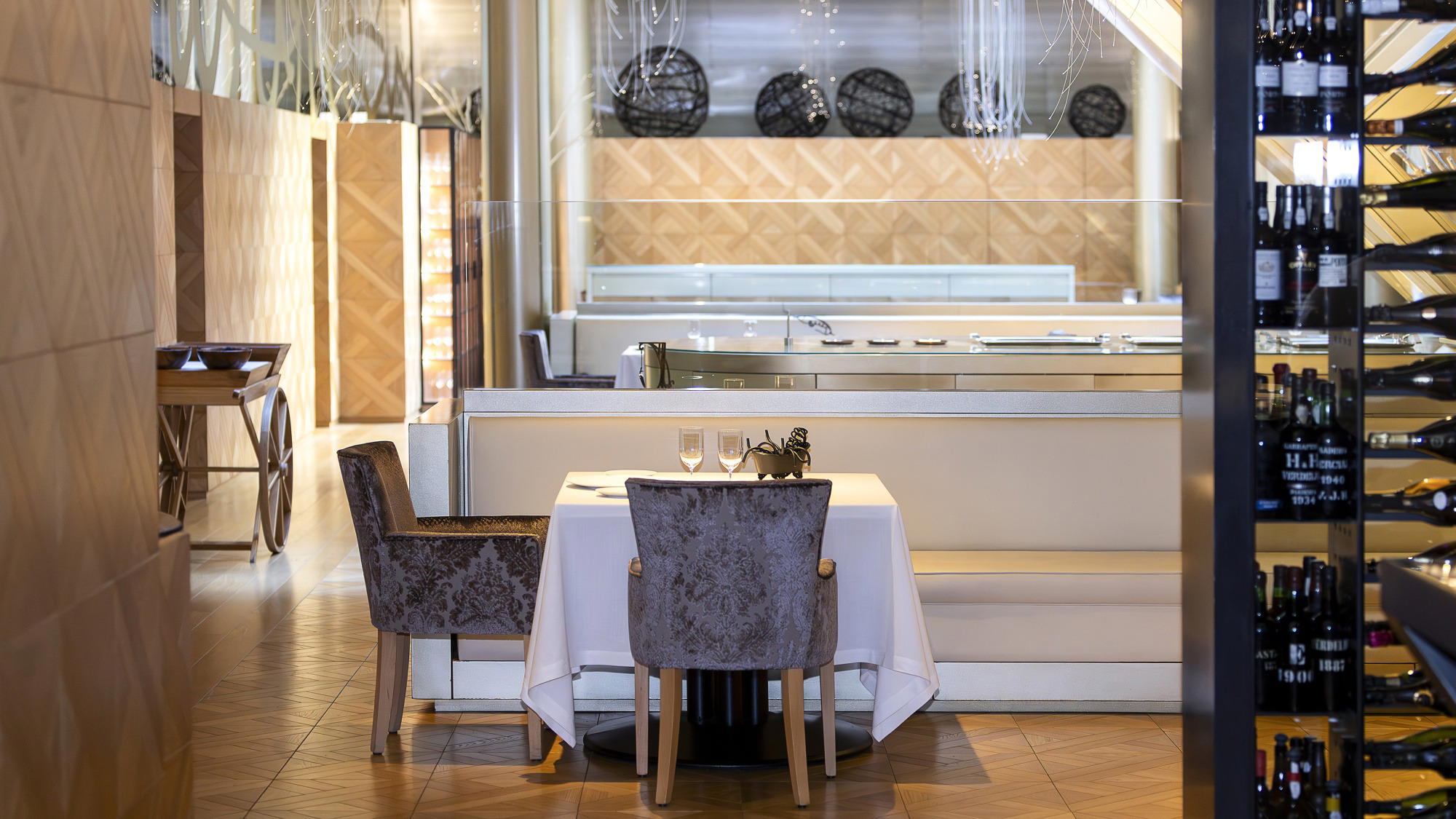
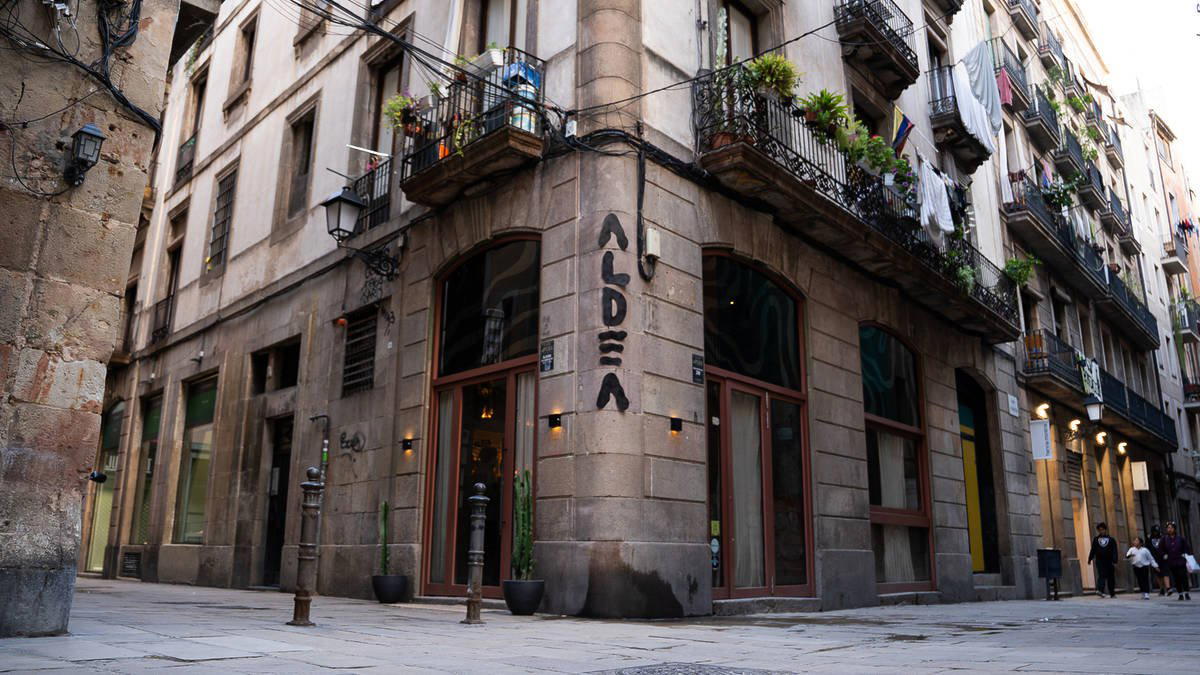
Mataró sits roughly 30 kilometres north of Barcelona along the Maresme coast, a stretch of shoreline that has supplied Barcelona's markets and restaurant kitchens for generations. The town itself is not a dining destination in the way that nearby Girona or the Costa Brava have become, but that is precisely the condition under which a place like La Marineta operates: a local clientele, a proximity to the sea, and no particular incentive to perform for an international audience. The restaurant occupies an address on Carrer de Cuba, a residential street whose setting carries none of the harbour-front theatrics that tend to signal seafood restaurants elsewhere on the Spanish coast. The dining room, reached from a street that feels genuinely local rather than tourist-coded, frames the food rather than competing with it.
The Maresme coast's fishing tradition and the proximity of Mataró's own market supply chain are the structural facts behind what La Marineta puts on the table. Catalan coastal cooking at its most grounded is not a cuisine of transformation, it is a cuisine of selection. The fisherman who hauls in the right catch, the market vendor who knows when the percebes arrived, the kitchen that understands how little intervention good product requires: these are the links in a chain that La Marineta appears to take seriously.
The Product Logic Behind the Menu
Catalan seafood cooking divides broadly into two camps: the elaborated, sauce-led tradition of suquets and arrossos, and the more direct treatment of prime raw material where heat management and timing are the chef's primary tools. The restaurant operates in a register where both traditions are in play, but the emphasis falls on freshness and selection. Fish, crustaceans, and shellfish receive preparations described as creative without the kitchen departing from the logic of the ingredients themselves.
The sourcing reality along this coastline is that the gap between a morning catch and an afternoon service is narrow enough to matter. Mataró's market, the Mercat Municipal, has been a working provisioning hub for the town for decades, and the rhythms of a kitchen that buys daily from that kind of infrastructure produce menus that shift with availability rather than holding to a fixed roster. This is the same underlying logic that drives the seafood-focused kitchens at higher price points elsewhere in Spain: Aponiente in El Puerto de Santa María has made the marine larder itself a philosophical position, while Quique Dacosta in Dénia treats the Mediterranean as a specific, bounded ingredient catalogue. The restaurant works the same coastal logic at a neighbourhood scale, without the tasting-menu architecture or the four-figure price points those kitchens require.
Chef Pere Patuel and the Vegetable Argument
One editorially interesting signal in the restaurant's record is the standing of its vegetable dishes. In a Catalan seafood restaurant, vegetables might ordinarily function as accompaniment: the sofregit base, the grilled calçots in season, the escalivada alongside protein. What is notable here is that the kitchen's vegetable preparations are reported to be strong enough to displace meat entirely from a diner's frame of reference. Chef Pere Patuel's work with vegetables reads less as a concession to dietary preference and more as a parallel programme, drawing on the same market-sourcing discipline applied to the fish counter.
This positions the restaurant usefully against the broader Catalan tradition, which has always taken its horta produce seriously. The Maresme's agricultural strip runs inland from the coast and produces some of the region's early-season vegetables. A kitchen that integrates both the sea and the land from a single, coherent sourcing approach has more in common with the filosofia de producte that runs through the work of chefs at places like El Celler de Can Roca in Girona or Ricard Camarena in València than it does with the tourist-facing seafood restaurants that line more visible stretches of the Spanish coast. The comparison is one of attitude rather than scale or price.
Mataró as a Dining Context
Understanding the restaurant requires a brief account of where it sits within the Mataró food scene and the wider Catalan coastal dining map. Mataró is a working city of roughly 130,000 people, the capital of the Maresme comarca, and a place whose dining culture is shaped by residents rather than visitors. The restaurant scene runs from everyday neighbourhood places to a small number of kitchens with genuine culinary ambition. The restaurant belongs to the latter group without positioning itself as a destination restaurant in the formal sense.
For visitors combining the restaurant with broader time in the area, the city offers additional options worth exploring.
The wider Spanish fine dining conversation, tracked through addresses like Arzak in San Sebastián, Azurmendi in Larrabetzu, Martin Berasategui in Lasarte-Oria, Mugaritz in Errenteria, DiverXO in Madrid, Cocina Hermanos Torres in Barcelona, and Casa Marcial in Arriondas, operates at a different register entirely. So does the international benchmark for serious seafood cooking, represented by places like Le Bernardin in New York City and, at the American end of the product-led casual spectrum, Emeril's in New Orleans. None of that is the restaurant context, but tracking where those kitchens plant their flags clarifies what the underlying commitments of a market-fresh, seafood-focused kitchen actually mean when they show up closer to home.
Planning a Visit
The restaurant is located at Carrer de Cuba 76, 08302 Mataró. The address on Carrer de Cuba is walkable from the station. Reservations are recommended, and mid-week service is often easier to secure than peak weekend lunch.
At-a-Glance Comparison
Comparable venues nearby, for context on price, style, and recognition.
| Venue | Cuisine | Price | Awards | Notes |
|---|---|---|---|---|
| La MarinetaThis venue — the venue you are viewing | Modern Mediterranean Tapas | $$ | Not listed | Not listed |
| Allium Restaurant | Contemporary Mediterranean Market Cuisine | $$ | Not listed | Mataro |
| Restaurant gallec Eume | Galician Seafood | $$$$ | Not listed | center |
| Caminetto | Traditional Italian | $$$ | Not listed | Mataró |
| Dos Cuiners | Modern Mediterranean Tapas | $$ | Bib Gourmand | Mataro |
| Sangiovese | Modern Mediterranean | $$$ | Michelin Plate | heart of Mataró |
Recognition history
Dated appearances from independent guides and award organizations, with the underlying list record or original source where available.
Macarfi 7.7 Food Rating
Macarfi
We're Smart World 1 Radish
We're Smart World

At a Glance
- Cozy
- Intimate
- Modern
- Date Night
- Business Dinner
- Casual Hangout
- Open Kitchen
- Local Sourcing
Current opening hours
- Monday
- Closed
- Tuesday
- 1–3:30 PM, 8:30–11 PM
- Wednesday
- 1–3:30 PM, 8:30–11 PM
- Thursday
- 1–3:30 PM, 8:30–11 PM
- Friday
- 1–3:30 PM, 8:30–11 PM
- Saturday
- 1–3:30 PM, 8:30–11 PM
- Sunday
- Closed
Hours can change for holidays and private events. Last verified .
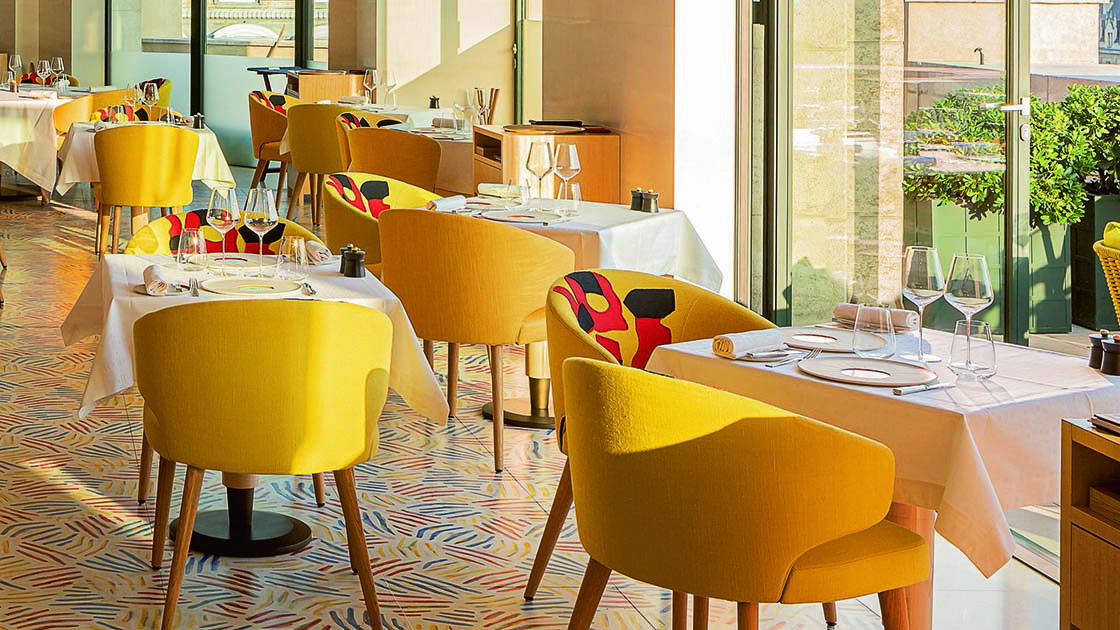
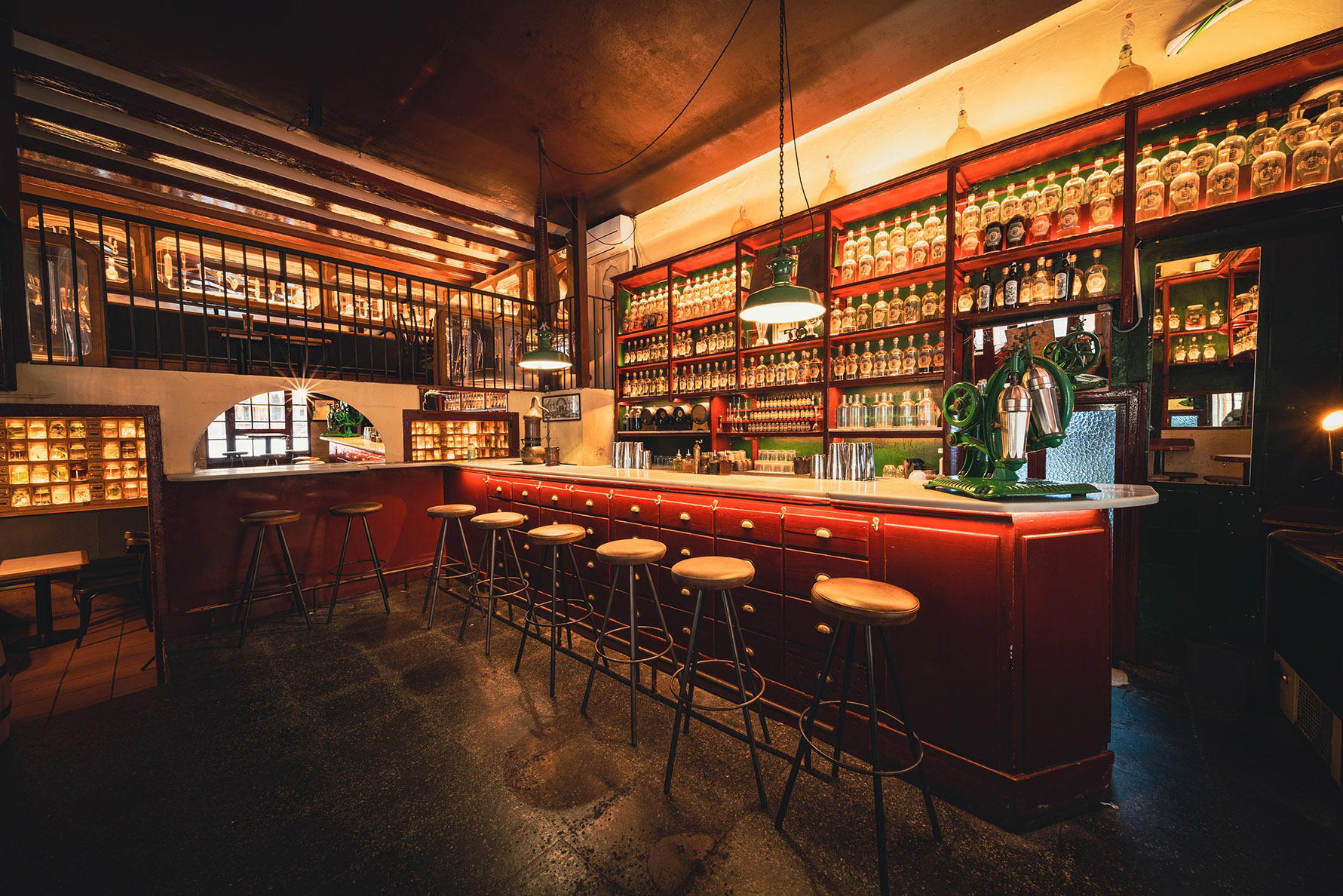
Small, cozy space in the town center with colorful, inviting atmosphere and close tables.