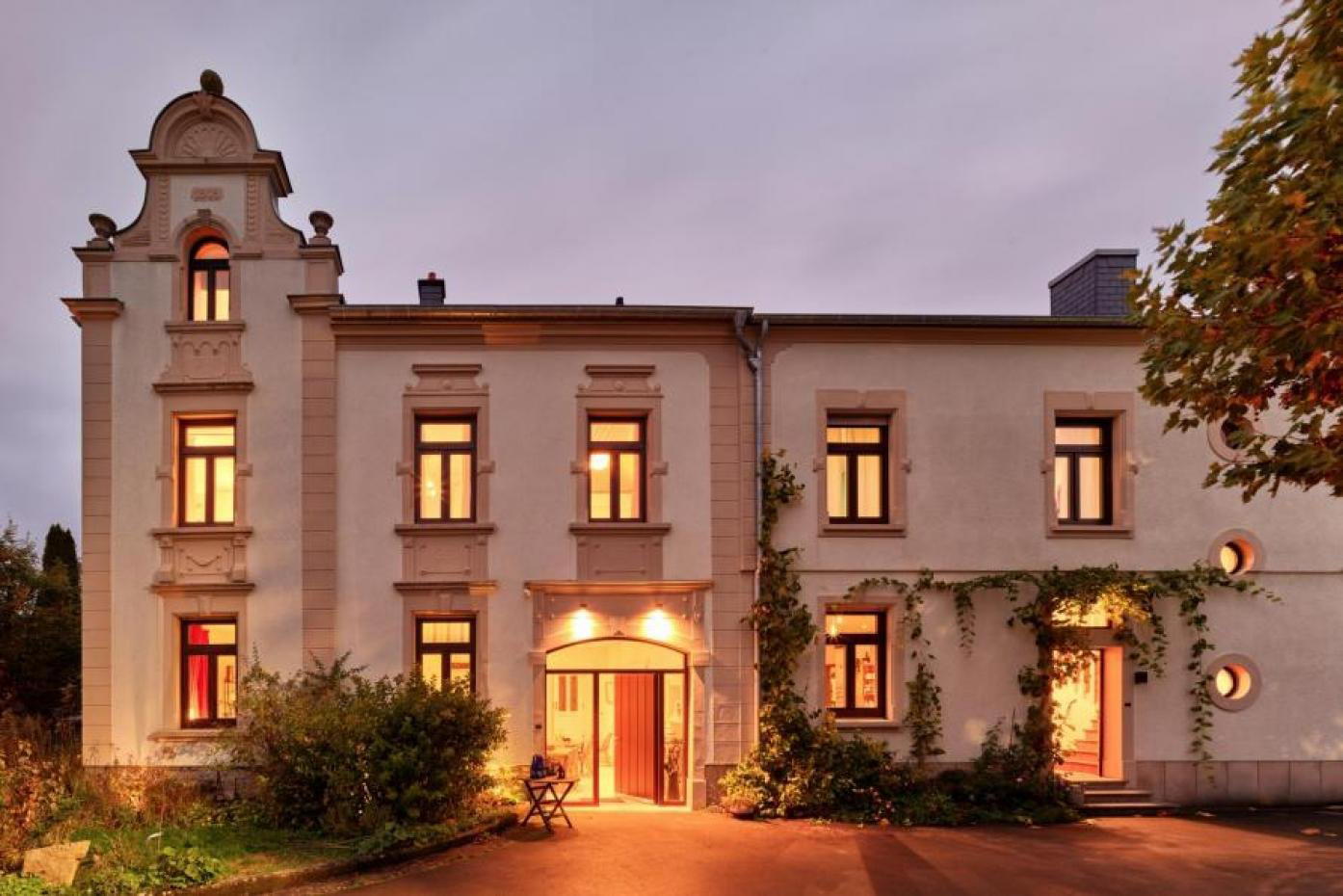
La Manufacture

Michelin Plate
Our verdict
A Michelin Plate-recognised fusion restaurant in Bertrange, on Luxembourg City's western business fringe, La Manufacture sits in the middle tier of the Grand Duchy's increasingly serious dining scene.

Pearl is the En Primeur Club membership app — saves, bookings, and concierge access live there. Same editors, same standards.
- Address
- Zone d' Activité Bourmicht, 5 Rue des Mérovingiens, 8070 Bertrange, Luxembourg
- Phone
- +352 26 39 93
- Hours
- Mon–Fri 8:30 AM–6 PMSat–Sun Closed
- Website
- lamanufacture.lu
- Directions
- Get directions
- Booking
- Book on Zenchef
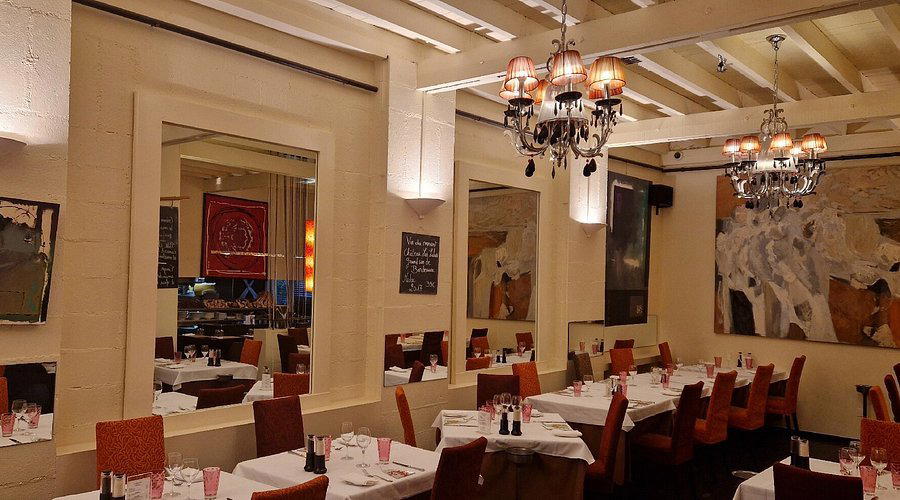
The menu
What to order
- Lobster Ravioli
- Tataki
- Molten Chocolate Cake
Luxembourg's Fusion Tier: Where La Manufacture Sits
Luxembourg's restaurant scene has reorganised itself over the past decade into a legible hierarchy. At the apex sit the two-star rooms: Ma Langue Sourit and Léa Linster, both operating at the €€€€ price tier with the full tasting-menu apparatus that implies. One rung below, a cluster of one-star kitchens including Apdikt, Archibald De Prince, and Fani command the €€€€ bracket with their own distinct idioms. La Manufacture occupies a different position: Michelin Plate recognition (2024), a €€€ price range, and a fusion format that keeps it outside the French-leaning orthodoxy that dominates Luxembourg's upper tiers. That positioning is not a concession; it is a choice, and for a significant slice of the dining public in this city, it is precisely the right one.
The fusion category in European fine dining has had an uneven reputation. At its weakest, it functions as a hedge against culinary commitment. At its most serious, as seen at venues like Arkestra in Istanbul or Jae in Düsseldorf, it operates as a genuine methodology: sourcing and technique drawn from multiple traditions to produce something that could not have emerged from any single culinary lineage. La Manufacture's Michelin Plate credential suggests the kitchen is operating with sufficient discipline to be taken seriously within that latter framework, rather than the former.
Bertrange: The Business District as Dining Address
Zone d'Activité Bourmicht in Bertrange is not a romantic postcode. It sits west of Luxembourg City proper, in the kind of low-density commercial corridor that European cities have built out over the past thirty years to absorb corporate campuses and distribution infrastructure. Yet this geography tells you something useful about the restaurant: it is built for people who work nearby, who have professional lives that include regular lunches and client dinners, and who want cooking that reflects some ambition without the ceremony of the city-centre starred rooms. The address at 5 Rue des Mérovingiens places it within that commuter-belt dining zone that several European cities now support with kitchens of genuine quality.
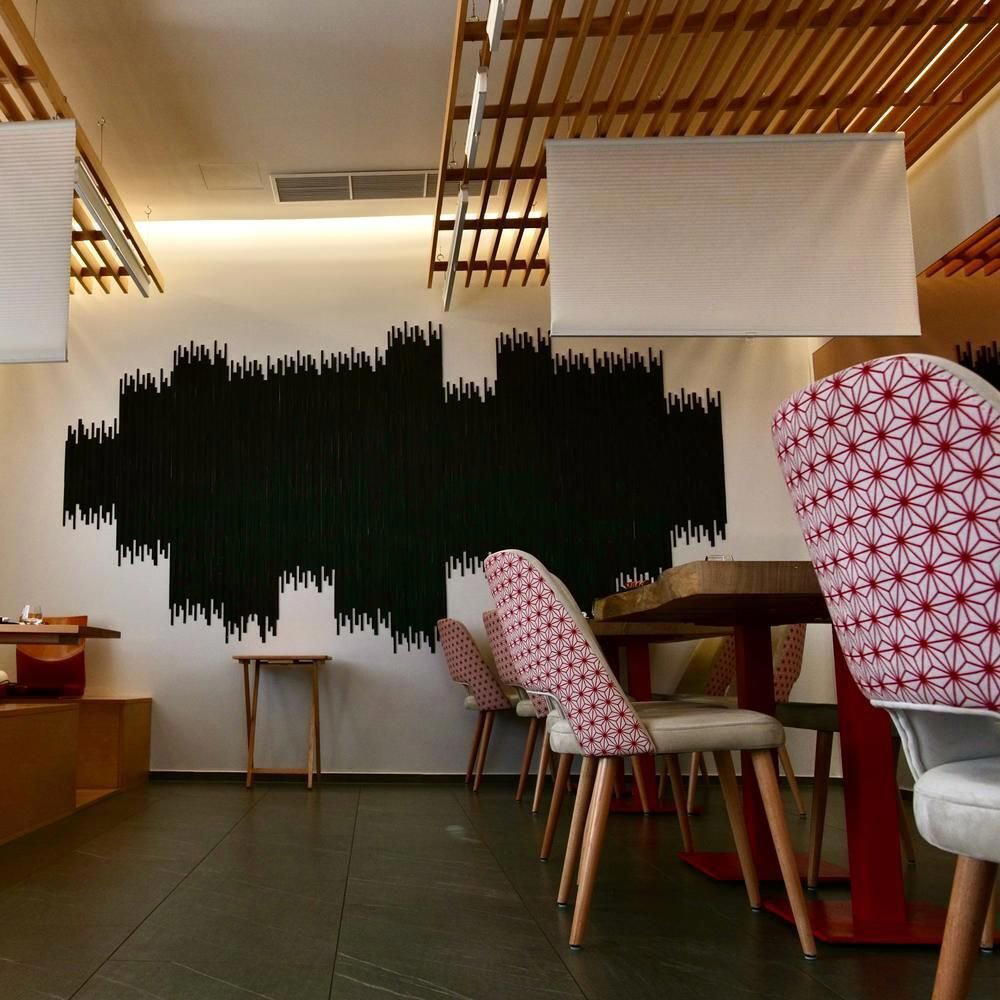
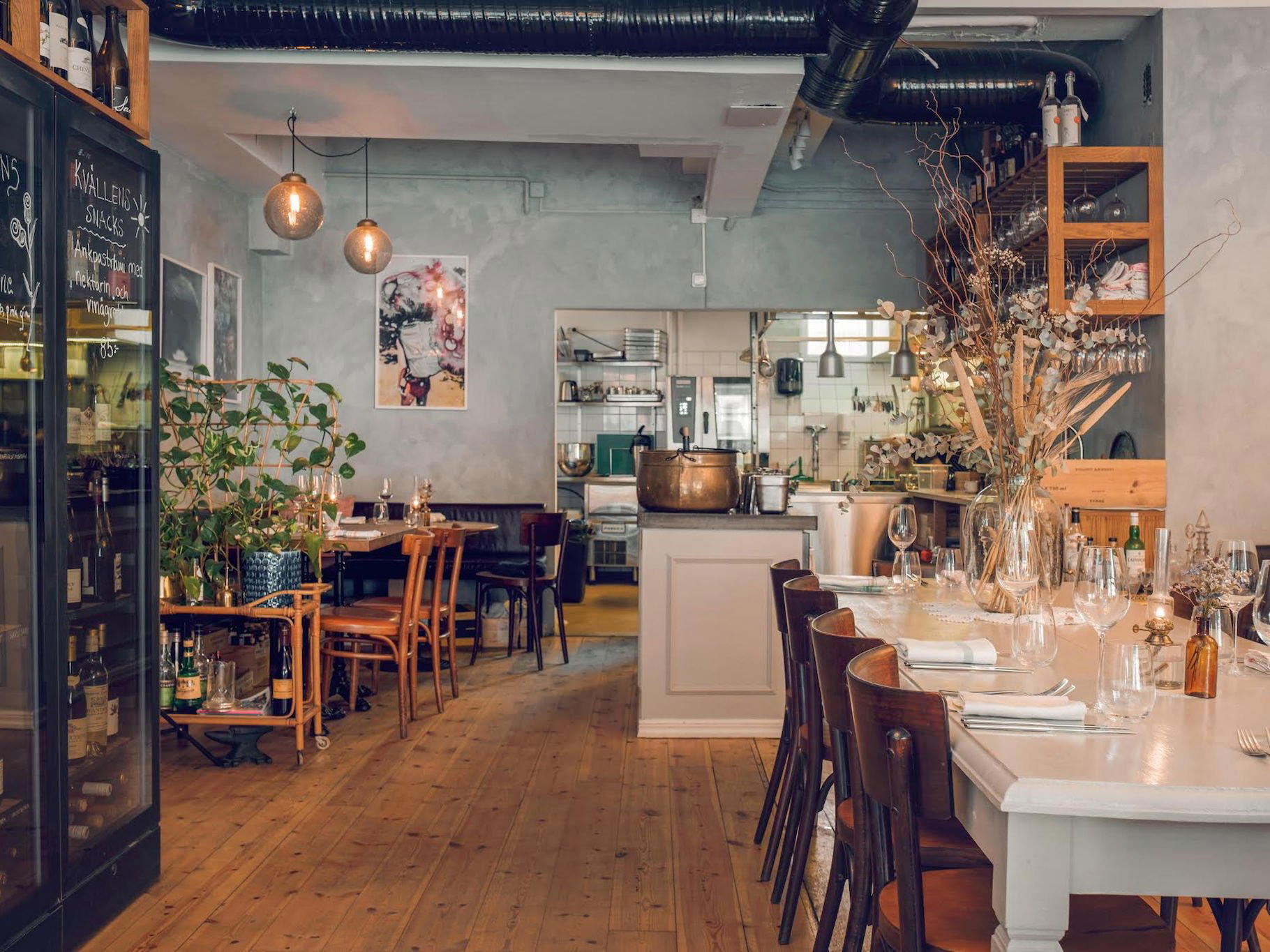
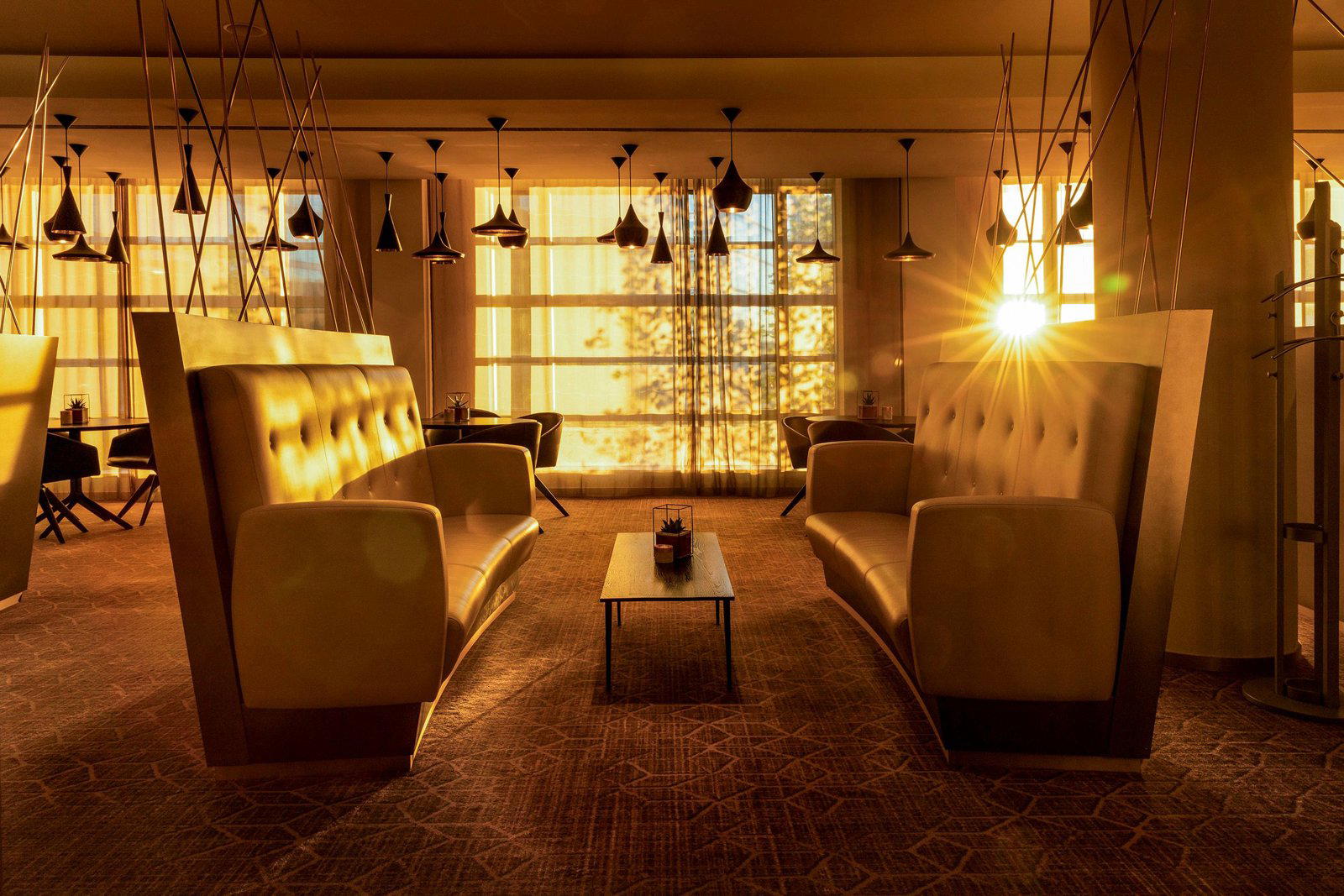
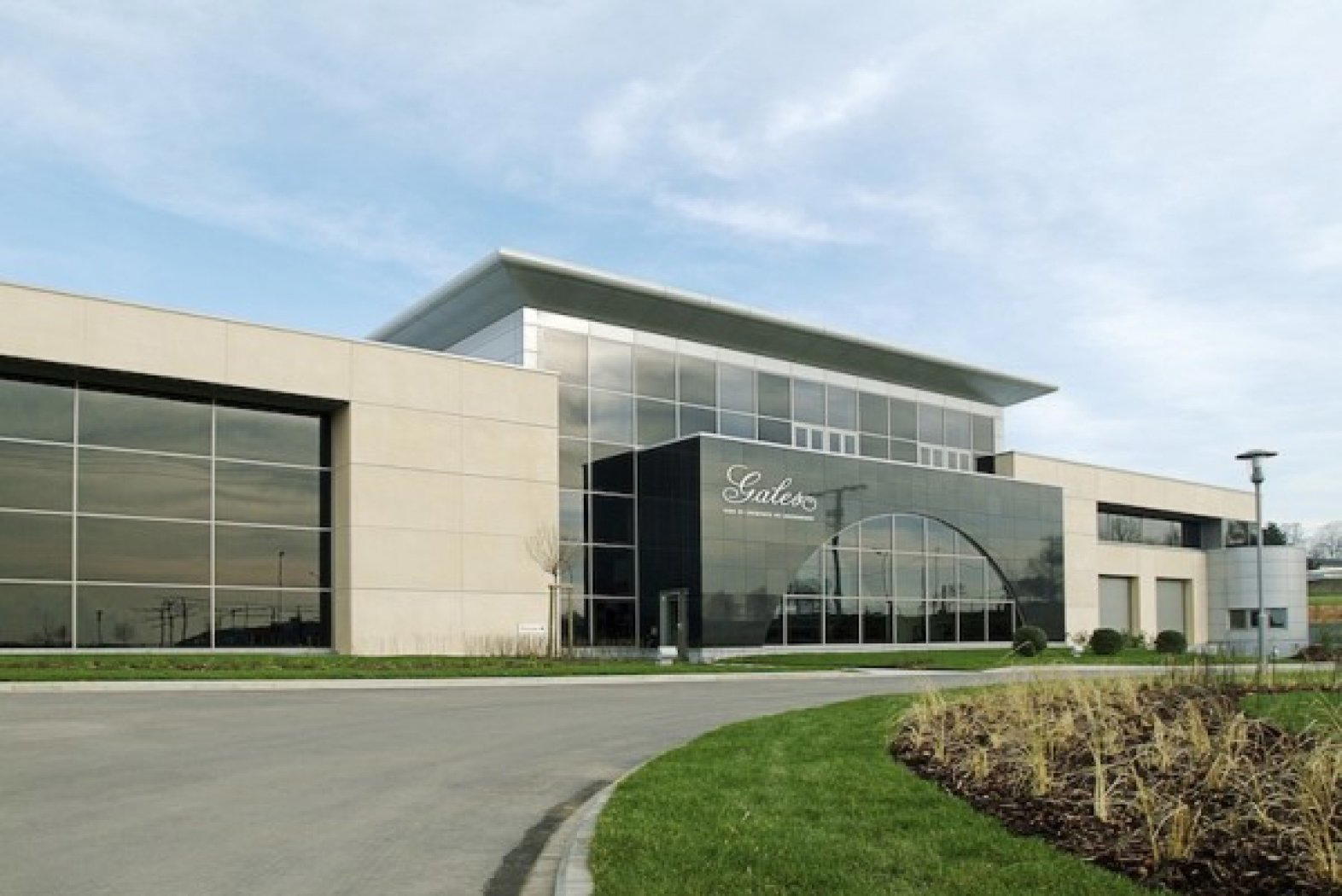
The building itself reflects the neighbourhood's industrial-domestic hybridity. The name La Manufacture, referencing a production facility or factory, signals that the setting leans into rather than disguises its context. In several European cities, former industrial or manufacturing spaces have become reliable containers for ambitious cooking precisely because they impose no inherited aesthetic obligation on the interior design team. Whether that is the case here structurally is less the point than the atmospheric signal the name projects: a place organised around production, craft, and output rather than heritage or ceremony.
The Wine List as a Frame for the Kitchen's Ambitions
A fusion kitchen's wine list is one of the more instructive documents in a restaurant. French-centric cooking can default to French crus, and the list tends to read predictably. A kitchen that draws from multiple traditions has a harder problem to solve: which wines serve as connective tissue across different flavour registers, and how does the sommelier (or whoever curates the list) communicate a coherent point of view without the crutch of regional pairing orthodoxy?
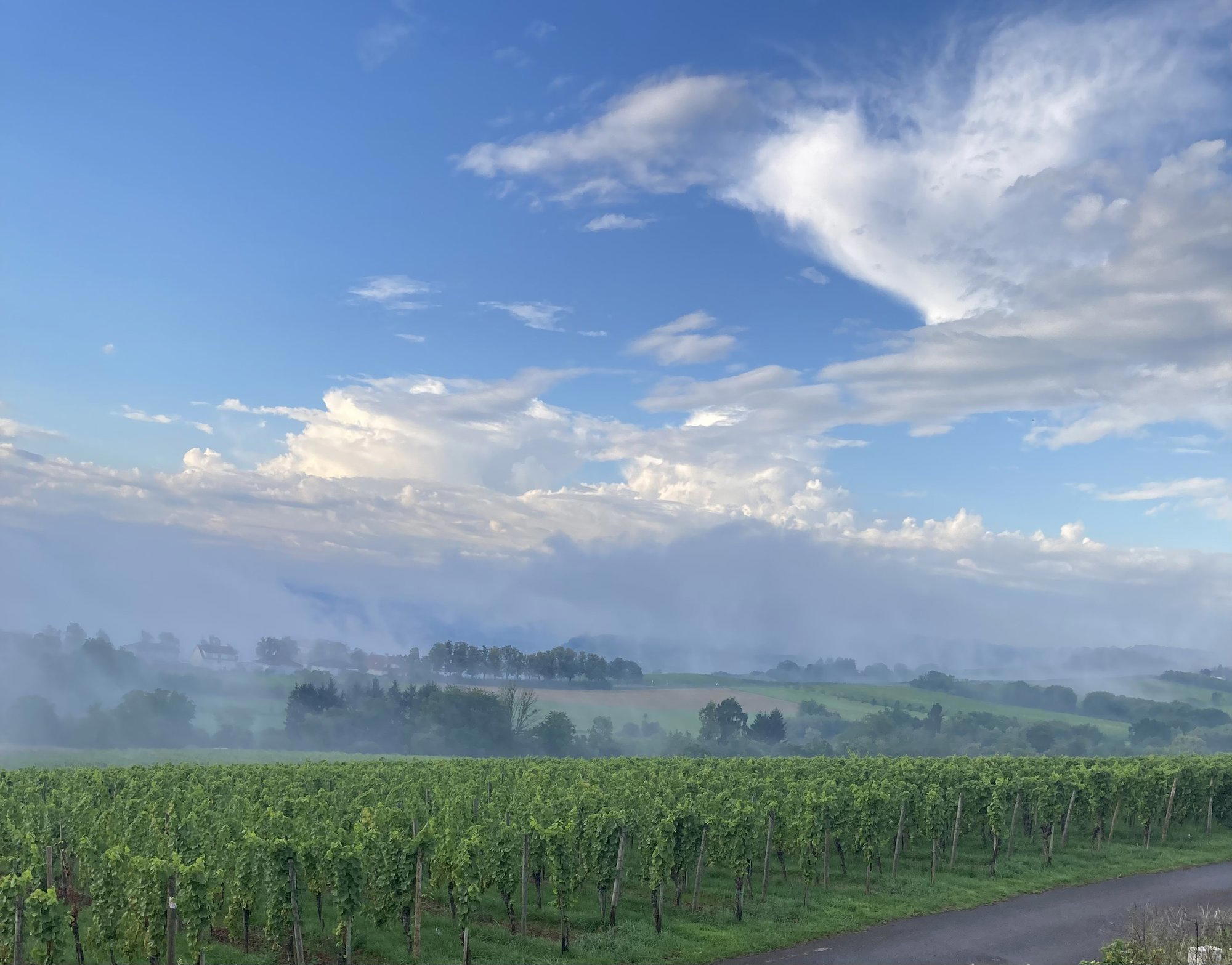
Luxembourg itself has a wine-producing identity worth taking seriously. The Moselle Valley, running along the country's eastern border with Germany, produces Riesling, Pinot Gris, Auxerrois, and sparkling Crémant that are systematically underrepresented on restaurant lists outside the Grand Duchy. A fusion restaurant in Bertrange that draws on that local supply chain has an opportunity to build a list that reflects both geographic specificity and stylistic range. Crémant de Luxembourg, in particular, occupies a different flavour register than Champagne while offering similar structural properties for food pairing, and a kitchen working across multiple culinary traditions has good reasons to feature it prominently. Whether La Manufacture's list develops that argument in full is something the room itself would confirm, but the regional supply is there to support it.
Broader fusion wine pairing logic tends to favour wines with textural weight and sufficient acidity to bridge registers: Austrian whites, Alsatian classics, Burgundian Pinot Noir in lighter vintages, and natural wines whose energy suits cross-cultural menus. The more interesting European fusion lists have moved away from pairing wine to each individual dish and toward curating a selection that works as a through-line across a meal built from varied references. That approach demands a sommelier with enough range to hold the argument across six or eight courses, and enough confidence to steer guests away from the safe French-region default.
For context on how fusion wine pairing operates across the broader category, the approach at Couleurs de Shimatani in La Ciotat, Ajonegro in Logroño, and Orma Roma in Rome each reflect how kitchens working across traditions solve the pairing question differently depending on their sourcing priorities. San-Hô in Adeje, Fusion19 in Muro, and Mu·na in Ponferrada offer additional reference points across different European contexts.
Reading the Michelin Plate in Context
The Michelin Plate designation, introduced as a formal category in the 2016 guide, recognises cooking that the inspectors consider good without rising to star level. It is a meaningful credential in a city like Luxembourg where the guide's coverage is relatively tight and the threshold for inclusion reflects genuine kitchen quality rather than volume-driven selection.
Placed against its Luxembourg peers, La Manufacture sits in a comfortable mid-tier: above the city's casual dining and wine-bar circuit, below the starred rooms in formality and price, but holding its own on kitchen ambition. That position makes it a practical choice for occasions where the two-star formality of Ma Langue Sourit or Léa Linster would be excess, but where the cooking still needs to carry some weight.
Planning a Visit
La Manufacture is located at Zone d'Activité Bourmicht, 5 Rue des Mérovingiens, 8070 Bertrange, reachable by car from central Luxembourg City in under fifteen minutes. The €€€ price tier positions it as a mid-range fine-dining spend by Luxembourg standards, where starred rooms routinely operate at the next price tier up. Given the business-district location, the room is likely to be well-populated at midday on weekdays, making evening reservations potentially calmer for those who prefer a less corporate atmosphere. For more on where La Manufacture sits within the broader city dining offer, see our full Luxembourg restaurants guide, and for the wider picture on travel planning, consult our Luxembourg hotels guide, our Luxembourg bars guide, our Luxembourg wineries guide, and our Luxembourg experiences guide.
Frequently asked questions
What kind of cuisine does La Manufacture serve?
What distinctions does La Manufacture have?
La Manufacture has received recognition including: Michelin Plate (2024).
What's the best thing to order at La Manufacture?
La Manufacture's kitchen works within a fusion format, so the strongest choices tend to sit where the chef's cross-cultural approach is most deliberate rather than decorative. The Michelin Plate recognition in 2024 signals inspectors found the cooking consistent at the €€€ price tier. Ask your server which dishes reflect the current kitchen direction — in a fusion room at this price point, the answer usually points to the signature plates rather than the more conventional options on the menu.
What does dinner at La Manufacture typically cost?
Pricing at La Manufacture is listed as €€€.
A Tight Comparison
Comparable venues nearby, for context on price, style, and recognition.
| Venue | Cuisine | Price | Awards | Notes |
|---|---|---|---|---|
| La ManufactureThis venue — the venue you are viewing | Modern French Fine Dining | $50–100 | Michelin Plate | Not listed |
| De Pefferkär | Modern French with Asian influences | $50–100 | Michelin Plate | Huncherange, Modern French with Asian influences |
| Brimer | Traditional French Bistro | $30–50 | Michelin Plate | Grundhof, Traditional French Bistro |
| La Cristallerie | Michelin-Starred French Fine Dining | Not listed | Michelin Plate · Relais Chateaux Award | Ville Haute, Michelin-Starred French Fine Dining |
| La Maison Lefèvre | Modern French Fine Dining | $100–150 | Michelin Plate | Esch-sur-Alzette, Modern French Fine Dining |
| Brasserie Côté Cour | Plant-Based French Brasserie | $50–100 | Michelin Plate | Bourglinster, Plant-Based French Brasserie |
Recognition history
Dated appearances from independent guides and award organizations, with the underlying list record or original source where available.
Michelin Plate
Michelin