La Luz Restaurant
La Luz Restaurant occupies a distinctive address on East Sunrise Drive in Tucson's foothills, where the dining scene skews toward ingredient-driven Southwestern cooking and wine programs that draw from both domestic and international cellars. The restaurant sits in a tier of Tucson dining that prioritizes considered curation over volume, making it a reference point for visitors tracking the city's more serious food and wine conversation.
Pearl is the En Primeur Club membership app — saves, bookings, and concierge access live there. Same editors, same standards.
- Address
- 3800 E Sunrise Dr, Tucson, AZ 85718
- Phone
- +15207426000
- Website
- laluztucson.com
- Directions
- Get directions
 Saves & bookings on Pearl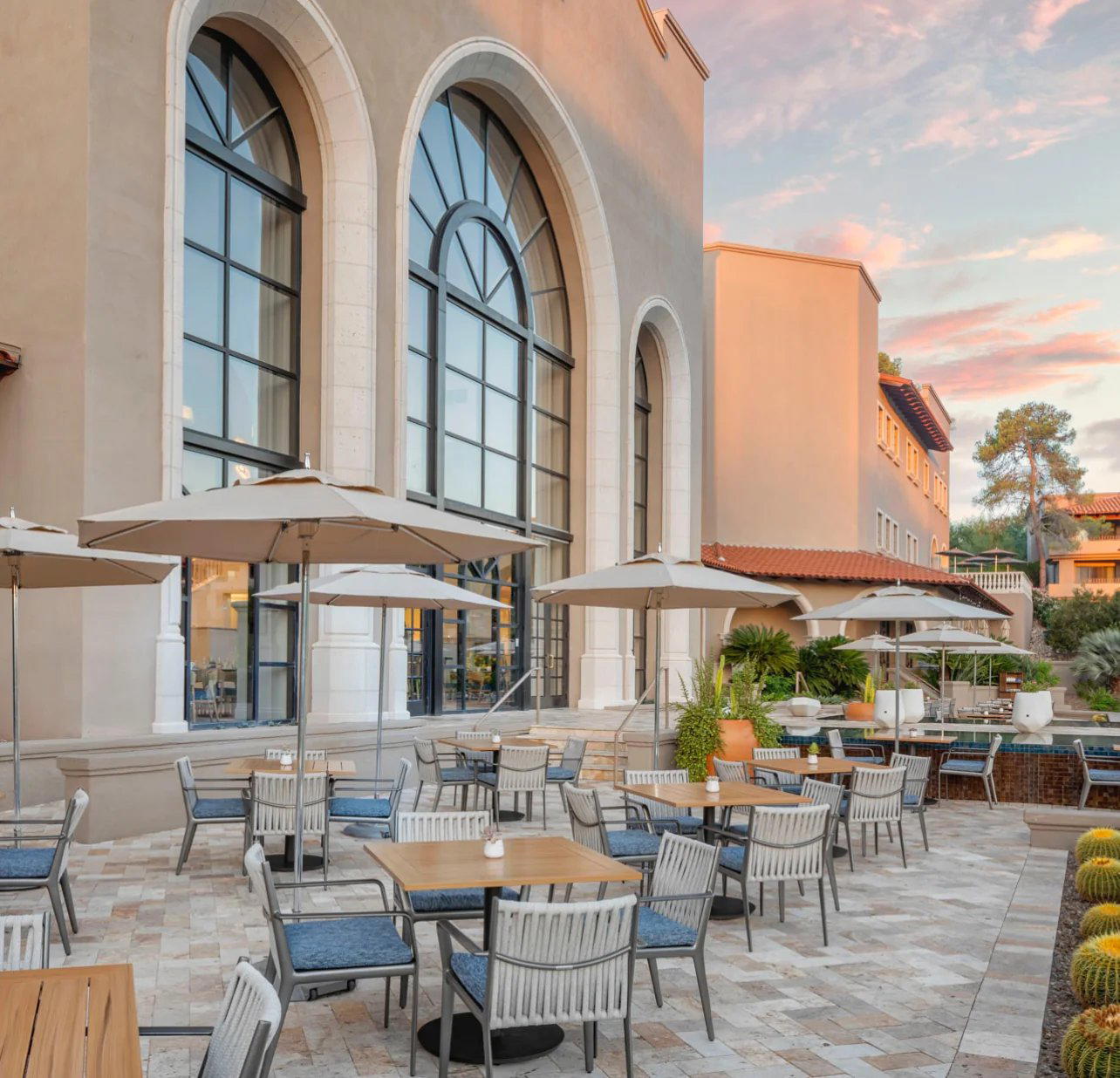
The Foothills Setting and What It Signals
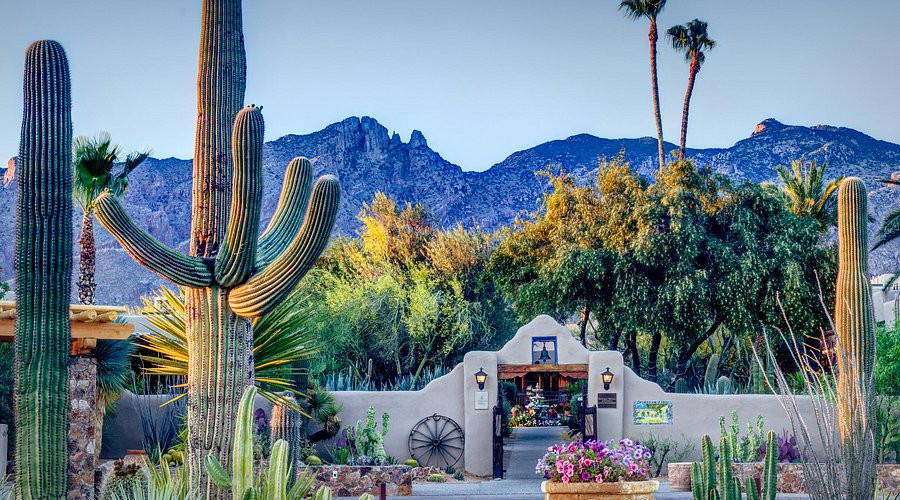
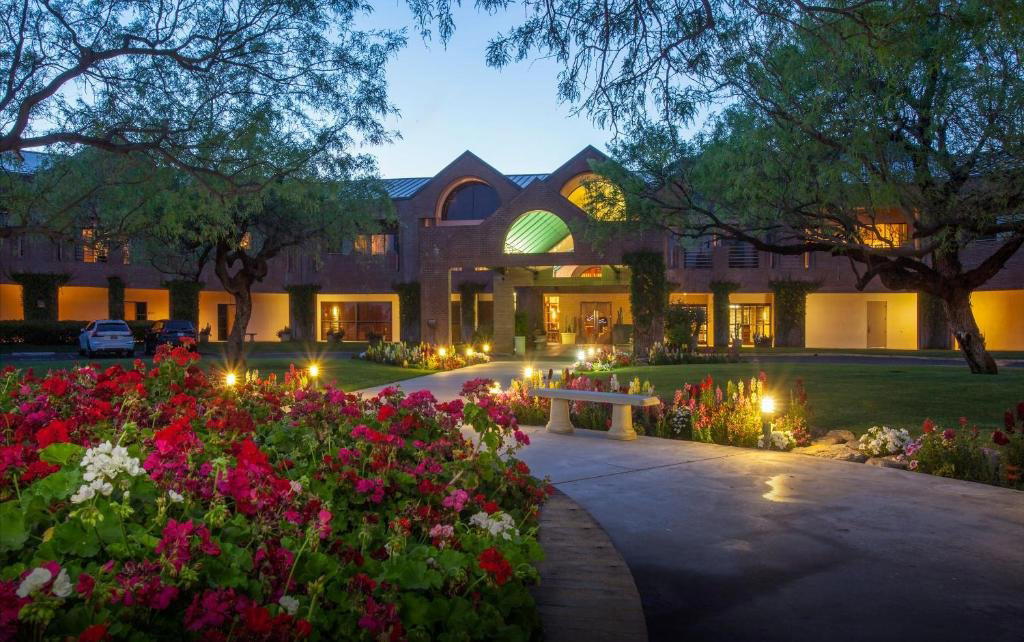
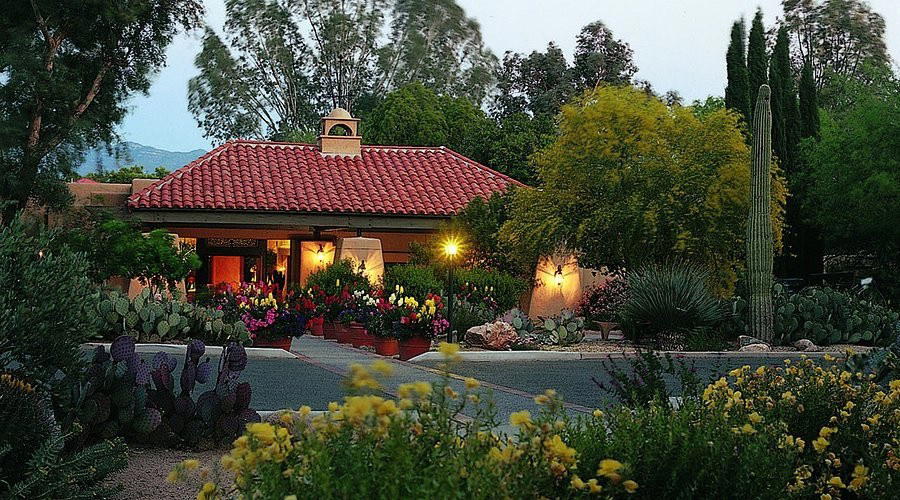
East Sunrise Drive traces the northern edge of Tucson before the city gives way to the Santa Catalina Mountains, and the address at 3800 places La Luz Restaurant in a part of the city where the dining offer tends toward a quieter register than the busier corridors downtown. Tucson's foothills have historically attracted restaurants whose proposition depends on destination dining rather than foot traffic, where guests arrive with intention rather than impulse. That physical remove from the city center sets a particular tone before the door opens: you are not stumbling in; you are choosing to be here.
Tucson itself has earned a place on the American culinary map that would have seemed unlikely a decade ago. The city's 2015 designation as a UNESCO Creative City of Gastronomy, the first in the United States, formalized what local chefs and growers had been building for years: a food culture rooted in Sonoran Desert ingredients, Indigenous agricultural traditions, and a border cuisine that does not fit neatly into any national category. Restaurants operating in this city carry that context whether they acknowledge it or not, and the better ones use it as a frame rather than a constraint.
The Wine Angle: How Tucson's Serious Restaurants Build Their Lists
The editorial lens through which La Luz reads most clearly is its wine program, and that framing is worth unpacking against the broader Tucson context. Arizona has a wine industry of its own, concentrated in the Sonoita and Willcox appellations south and east of Tucson, and restaurants in this city now face a decision that their counterparts in older wine-forward markets resolved years ago: how much local product to carry, and how to position it against international reference points.
The more considered dining rooms in Tucson have moved toward wine lists that treat Arizona production seriously without treating it exclusively. That means placing Willcox Cabernet Franc or Sonoita Malvasia alongside French Burgundy or Rhône selections, not in a spirit of false equivalence, but in the way a thoughtful sommelier in Portland or Denver might use Pacific Northwest wine: as a legitimate regional voice within a broader international program. This approach requires a level of curatorial confidence that separates destination wine programs from lists assembled by a distributor's standing order.
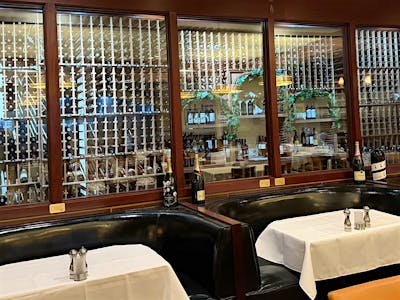
Nationally, the restaurants whose wine programs draw critical attention share a few characteristics: depth in a focused range of regions rather than width across every appellation, a sommelier or wine director with genuine point of view, and a pricing structure that does not treat the cellar as the primary revenue extraction point. Le Bernardin in New York City built its reputation on exactly this kind of cellar discipline. The French Laundry in Napa operates among the more referenced American wine programs in part because it curates with a long-term perspective rather than chasing vintages. In the Southwest, Addison in San Diego has demonstrated that a serious list can coexist with a regional culinary identity. These are the peer-set references against which Tucson's more ambitious wine programs are increasingly measured.
Situating La Luz in Tucson's Competitive Tier
Within Tucson, La Luz shares a general market tier with a handful of restaurants whose programs go beyond the casual. CORE Kitchen and Wine Bar has built its identity explicitly around an American Southwestern menu and a wine offer that takes the regional angle seriously. PY Steakhouse operates in the higher-ticket bracket where wine list depth is part of the value proposition. Feast has long been a reference point for ingredient-driven cooking in the city. These are the venues that La Luz sits alongside, not in direct competition so much as in the same conversation about what a considered dining experience in Tucson can look like.
Single Thread Farm in Healdsburg, which integrates its wine program with an agricultural identity, and Blue Hill at Stone Barns in Tarrytown, where the sourcing philosophy extends into every selection on the list. Lazy Bear in San Francisco and Providence in Los Angeles represent the California model of technical rigor applied to regional ingredients. Alinea in Chicago and Atomix in New York City approach wine as a component of a larger compositional argument. The Inn at Little Washington and Emeril's in New Orleans demonstrate how a strong regional identity can carry a wine program beyond its geography. Even internationally, 8 1/2 Otto e Mezzo Bombana in Hong Kong shows how a non-producing region can build a cellar of genuine authority.
The Broader Tucson Table
Any honest account of Tucson dining has to engage with the city's depth across price points. Amelia's Mexican Kitchen and BOCA by Chef Maria Mazon operate in the Sonoran tradition with a seriousness that earned Mazon a James Beard nomination, anchoring a mid-to-upper tier of the Mexican and border cooking conversation in the city. Cafe Desta brings Ethiopian cooking into a city whose culinary identity is sometimes reduced to its Mexican and Indigenous food traditions. 5 Points Market and Restaurant and Barista del Barrio represent the neighborhood end of the spectrum, where the proposition is rooted in community and daily-use dining rather than occasion. La Luz operates in a different register from most of these, but understanding where it sits means knowing what surrounds it.
Planning a Visit
La Luz Restaurant is located at 3800 East Sunrise Drive in Tucson, Arizona 85718, in the foothills corridor that connects the city to the mountain recreation areas to the north. The address is most practically reached by car, and evening visits coincide with the kind of desert light that makes the approach to this part of the city worth noting in itself. La Luz Restaurant serves modern American cuisine with Southwest influence at 3800 East Sunrise Drive in Tucson, Arizona 85718. The restaurant is recommended for reservations and is priced at about $50 per person.
Comparable Venues
Comparable venues nearby, for context on price, style, and recognition.
| Venue | Cuisine | Price | Notes |
|---|---|---|---|
| La Luz RestaurantThis venue — the venue you are viewing | Modern American with Southwest Influence | $$$ | Not listed |
| Cielos | Contemporary Southwestern | $$$ | Midtown |
| Prep & Pastry | Modern American Brunch | $$ | Campbell |
| HUB Restaurant & Ice Creamery | American Comfort Food | $$ | Downtown Tucson |
| Nook | Modern American Breakfast & Brunch | $$ | downtown |
| Dante's Kitchen & Cocktails | New American Gastropub | $$ | midtown |
At a Glance
- Modern
- Elegant
- Sophisticated
- Scenic
- Date Night
- Special Occasion
- Brunch
- Open Kitchen
- Terrace
- Panoramic View
- Hotel Restaurant
- Craft Cocktails
- Local Sourcing
- Mountain
Current opening hours
- Monday
- 7 AM–2 PM, 5–10 PM
- Tuesday
- 7 AM–2 PM, 5–10 PM
- Wednesday
- 7 AM–2 PM, 5–10 PM
- Thursday
- 7 AM–2 PM, 5–10 PM
- Friday
- 7 AM–2 PM, 5–10 PM
- Saturday
- 7 AM–2 PM, 5–10 PM
- Sunday
- 7 AM–2 PM, 5–10 PM
Hours can change for holidays and private events. Last verified .
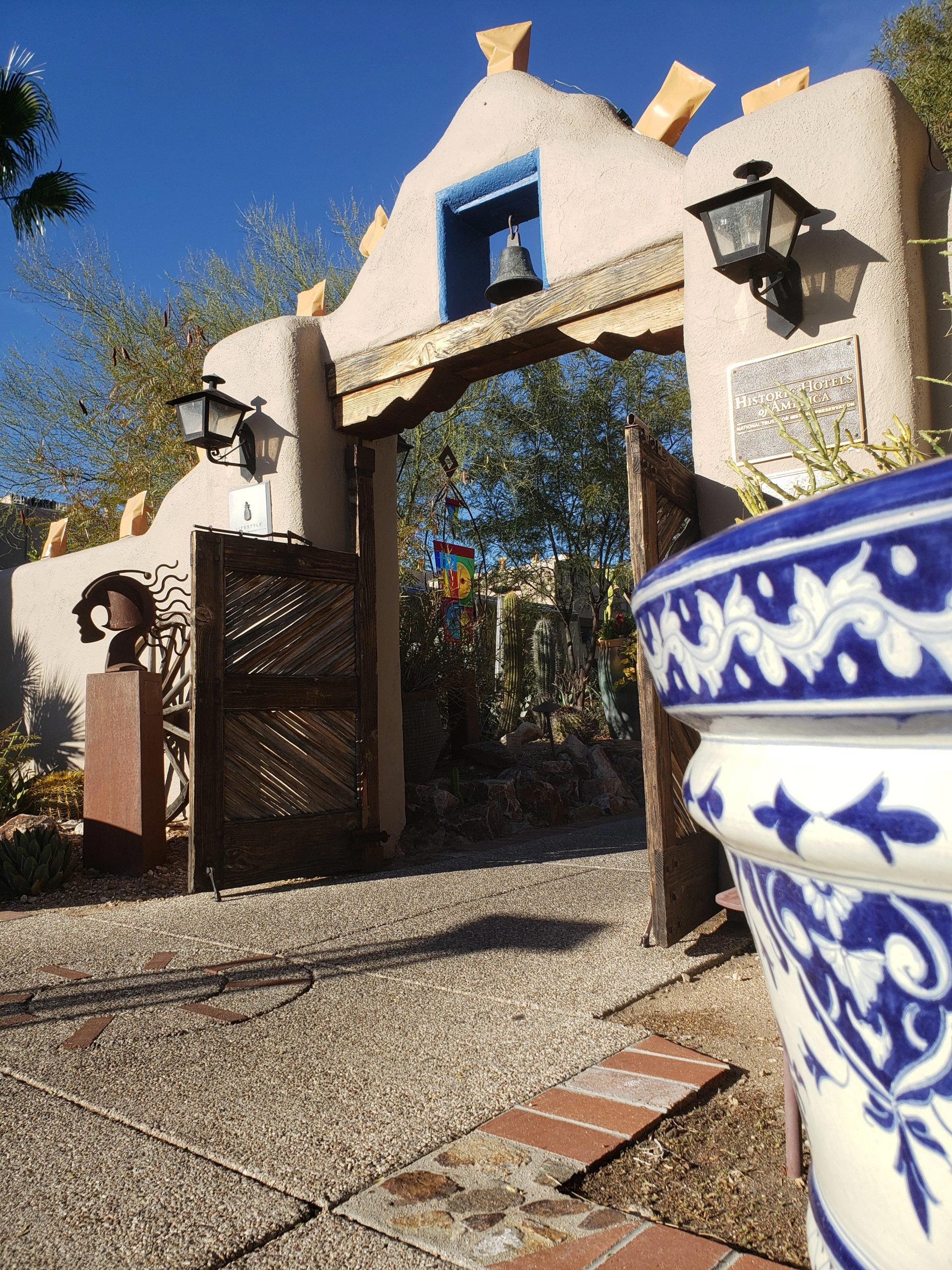
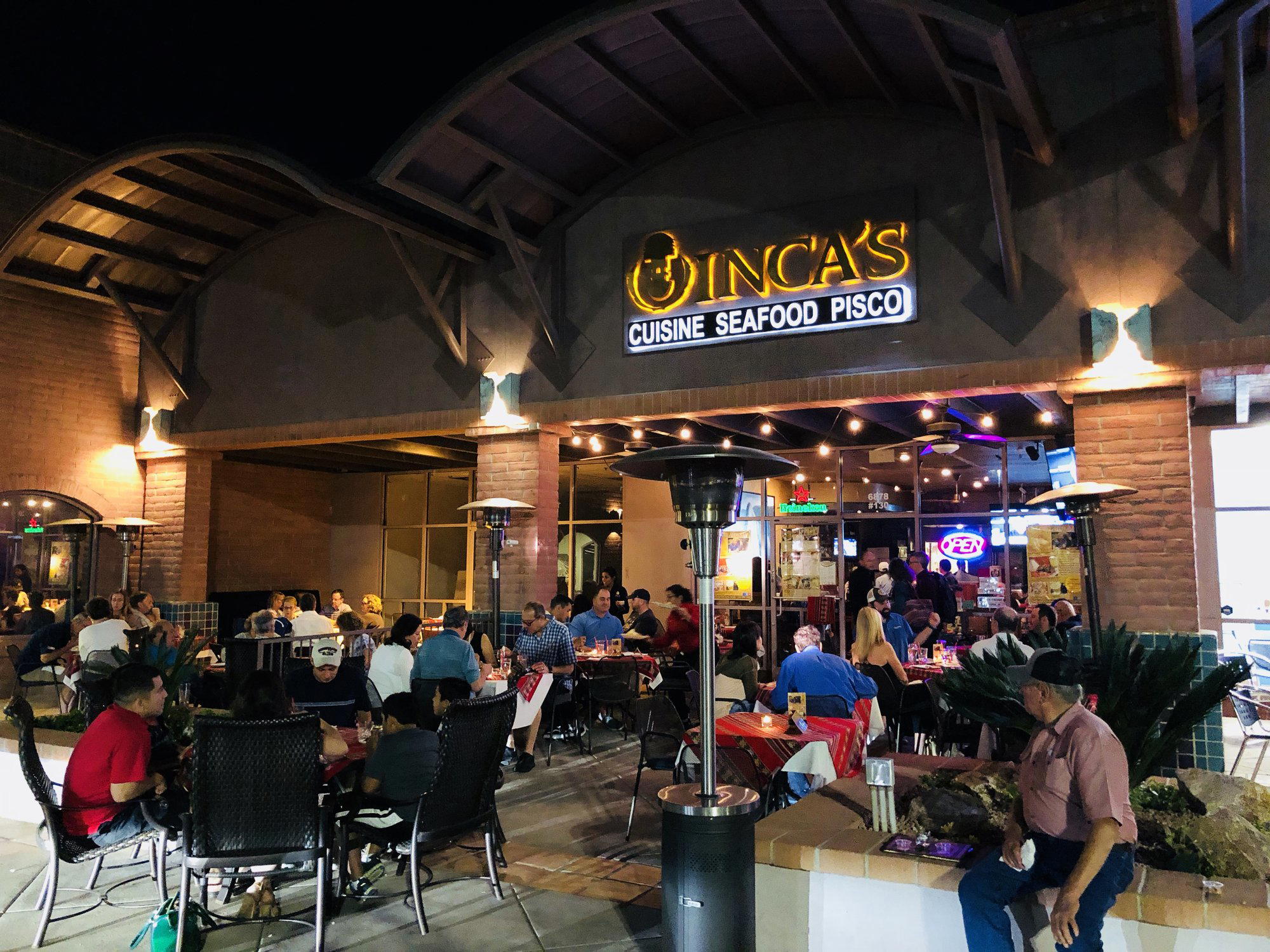
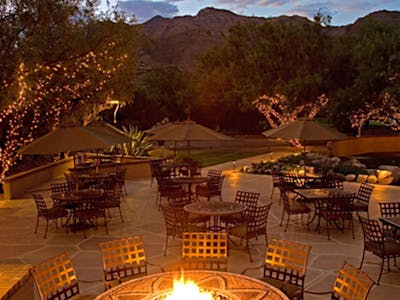
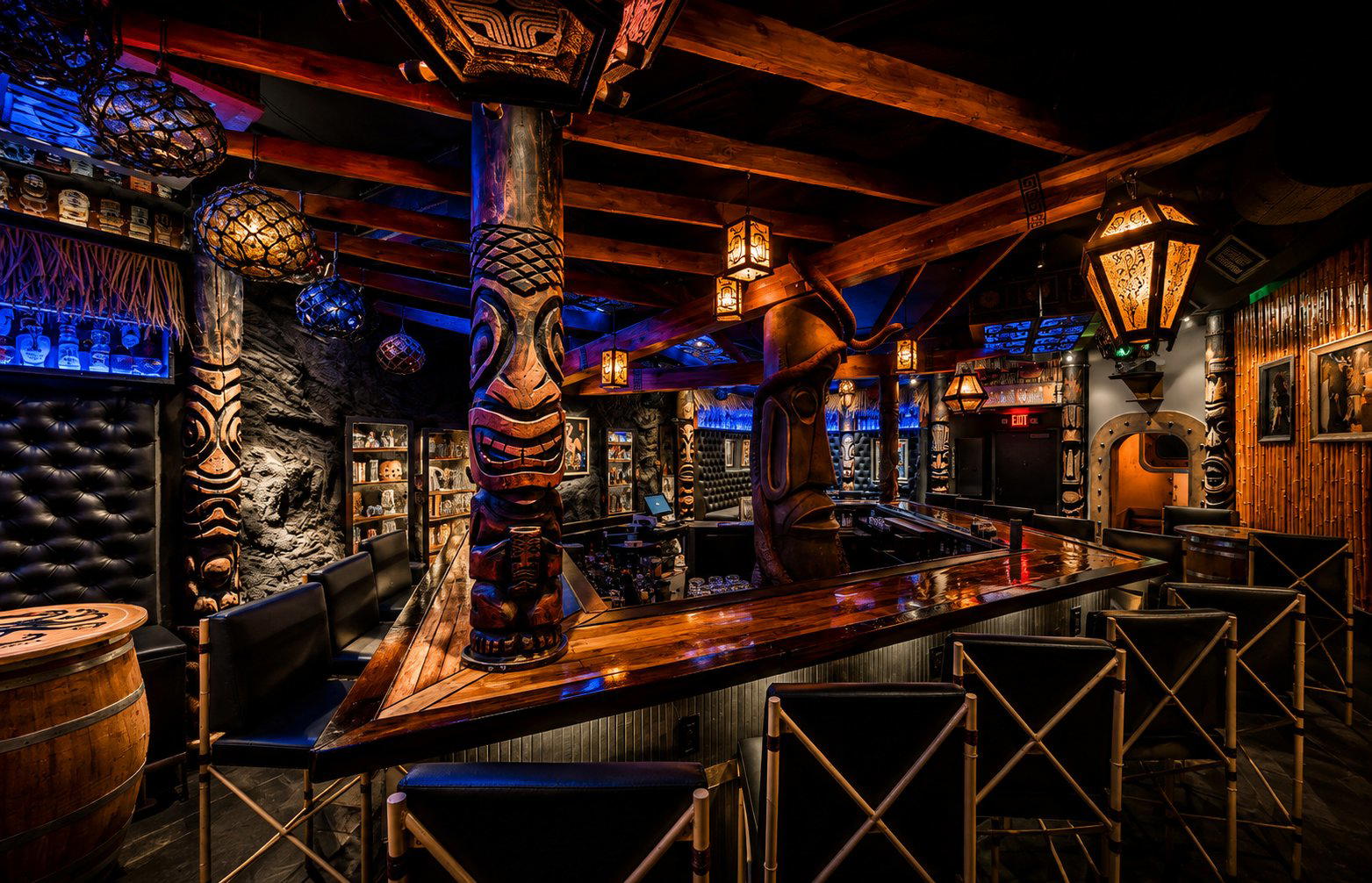
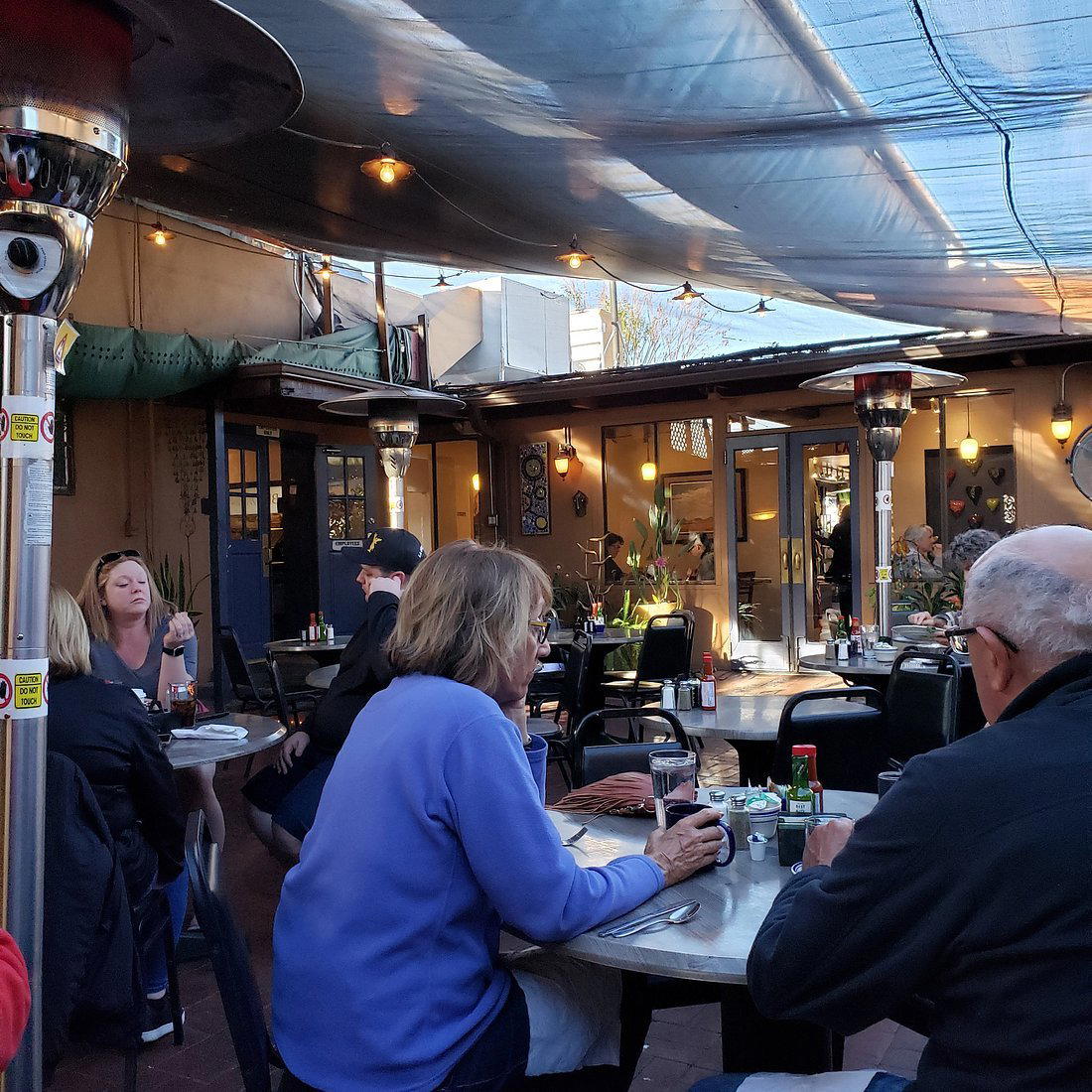
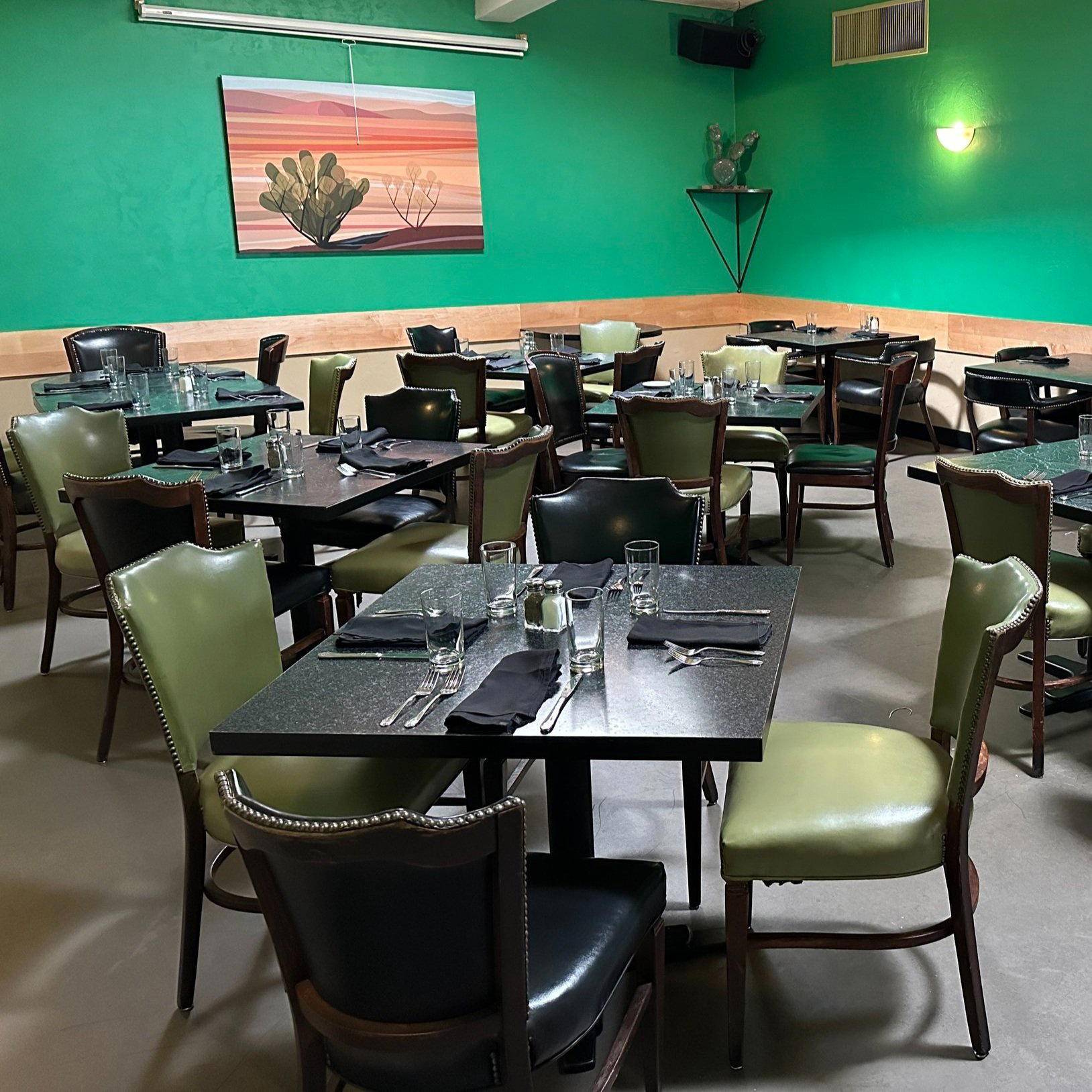
Bright natural light floods the dining room through grand arched windows, complemented by Spanish architecture, custom bar details, and a fresh, inviting upscale atmosphere.