Bottega Michelangelo
Bottega Michelangelo occupies a specific niche in Oro Valley's dining scene: an Italian-inflected address on West Magee Road where the emphasis tilts toward sourced ingredients and deliberate cooking rather than spectacle. In a suburb better known for chain restaurants than serious kitchens, it represents a quieter, more considered option for residents and visitors alike.
Pearl is the En Primeur Club membership app — saves, bookings, and concierge access live there. Same editors, same standards.
- Address
- 420 W Magee Rd, Tucson, AZ 85704
- Phone
- +15202975775
- Website
- bottegamichelangelo.com
- Directions
- Get directions
 Saves & bookings on Pearl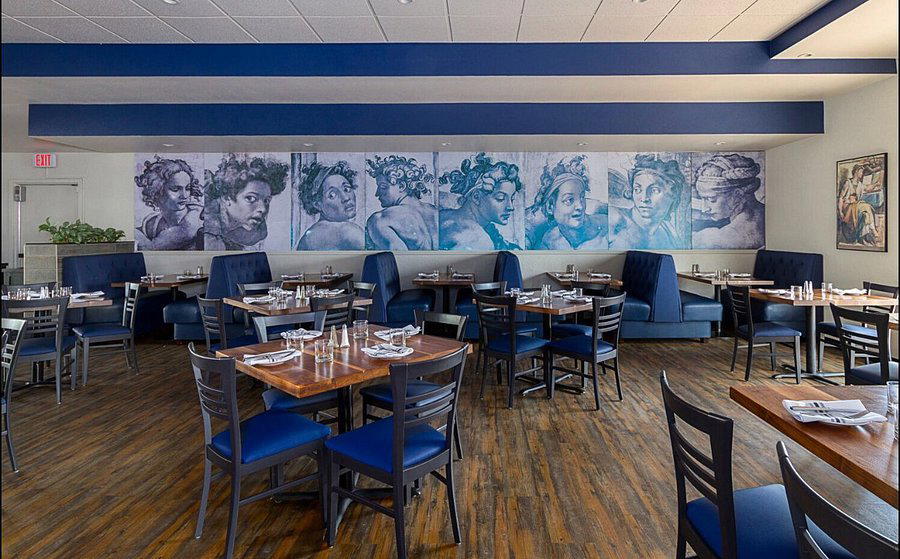
Where Oro Valley's Dining Scene Gets Serious
Suburban Arizona dining operates in two distinct registers. The first is the familiar chain corridor, predictable menus, controlled portion sizes, no surprises. The second is a smaller, harder-to-find tier of independent kitchens where sourcing decisions and cooking technique carry real weight. The address sits within a suburban commercial strip that doesn't announce itself as a dining destination, which means first-time visitors arrive on the strength of a recommendation rather than a streetscape impression. That word-of-mouth pull, in a market this size, is its own kind of credential.
Nearby, Harvest anchors a more farm-to-table American approach, while Saffron Indian Bistro covers the subcontinent end of the independent dining spectrum. The Italian-inflected positioning of Bottega Michelangelo doesn't overlap directly with either, which gives it a relatively clear lane in a market that isn't crowded at the serious end.
The Ingredient Argument in a Desert Context
Italian cooking has an inherent sourcing logic baked into its DNA. At its most rigorous, the kind practiced at places like Frasca Food & Wine in Boulder, which built its reputation on Friulian specificity and producer relationships, the cuisine is less about technique showmanship and more about what arrives at the back door. The central tension in any Italian kitchen operating outside Italy is reconciling that geographic rootedness with local supply realities. In Arizona, that tension is real: the state's agricultural profile skews toward citrus, chiles, and warm-weather produce, not the northern Italian pantry of cured meats, aged cheeses, and cool-climate vegetables that define the cuisine at its source.
What that means for a restaurant like Bottega Michelangelo is a set of sourcing decisions that require more active curation than they would in, say, the San Francisco Bay Area or the Northeast. Kitchens that handle this well, the way Single Thread Farm in Healdsburg makes proximity to source a defining structural element, or the way Blue Hill at Stone Barns in Tarrytown builds its entire identity around integrated farming, use sourcing as an editorial lens, not just a supply chain decision. In a smaller, suburban market, the sourcing conversation is less visible to diners but no less consequential for the plate. How an Italian kitchen in Oro Valley answers the provenance question shapes what the food actually tastes like, which is the only metric that ultimately matters.
Italian Cooking and the Suburban Southwest
The Italian-American restaurant has operated as a reliable format across American suburbs for decades, but the category has fragmented significantly since the early 2000s. At one end sits red-sauce dependability, the kind that fills rooms on Friday nights without generating much critical conversation. At the other end sits a smaller cohort of operators who apply the same rigour to Italian cuisine that their peers are applying to Japanese, Korean, or New American formats. Restaurants like Smyth in Chicago and The Wolf's Tailor in Denver illustrate what that rigour looks like at the summit of the market, even if their frame of reference isn't purely Italian. The question any serious Italian kitchen in a mid-size suburban market has to answer is where on that spectrum it positions itself, and how it makes that position legible to a diner base that may not be running those comparisons.
Bottega Michelangelo operates in a market where the competition for the serious-dinner dollar is limited. That's an advantage in terms of capturing the audience, but it also removes the pressure that peer competition creates in denser urban markets. Cities like Los Angeles, where Providence sits inside a deep field of ambitious kitchens, or Miami, where ITAMAE competes in a market with genuine international dining energy, force kitchens to sharpen continuously. Suburban operators don't face that same forcing function, which makes the ones that maintain standards without external pressure the more interesting case studies.
Planning Your Visit
The restaurant is located at 420 West Magee Road in Oro Valley, a short drive from central Tucson. For visitors arriving from out of state, Tucson International Airport feeds into the area, with Oro Valley sitting roughly 20 miles to the north. The address falls within a suburban commercial corridor rather than a walkable dining district, so arriving by car is the practical approach. Booking ahead is advisable for weekend evenings, as independent restaurants in this market tend to run at capacity on Fridays and Saturdays without the reservation buffers that larger operations maintain. Reservations are recommended.
For travellers benchmarking this kind of regional Italian cooking against national reference points, the gap between Oro Valley and a room like Le Bernardin in New York City or The French Laundry in Napa is less about aspiration and more about context. Regional dining at its leading serves the community it operates in, on terms that reflect local supply, local appetite, and a sustainable price relationship with local diners. The more instructive comparisons are places like Emeril's in New Orleans or Addison in San Diego, which have built serious reputations inside regional markets rather than inside the national press cycle. And for those drawn to the ingredient-first philosophy that the leading Italian cooking demands, the work being done at places like Atelier Moessmer Norbert Niederkofler in Brunico, where Alpine sourcing defines every decision, offers a useful frame for understanding what the commitment looks like at its most developed. Closer to home, Lazy Bear in San Francisco and Atomix in New York City demonstrate how serious sourcing philosophy can anchor a restaurant's identity across multiple award cycles. And The Inn at Little Washington remains a useful data point for what a chef-driven regional destination can sustain over decades outside a major metropolitan centre.
Quick Comparison
Comparable venues nearby, for context on price, style, and recognition.
| Venue | Cuisine | Price | Notes |
|---|---|---|---|
| Bottega MichelangeloThis venue — the venue you are viewing | Southern Italian Trattoria | $$ | Not listed |
| Saffron Indian Bistro | Modern Indian Bistro | $$ | Oro Valley |
| Harvest | Contemporary American Farm-to-Table | $$ | Oro Valley |
| Penelope Pizza | Wood-Fired Neapolitan & New York Pizza | $$ | Downtown Tucson / East Side |
| Roma Imports | Italian Deli & Trattoria | $$ | Barrio San Antonio |
| Pasta Brioni | Classic Italian Pasta | $$ | Old Town Scottsdale |
Continue exploring
More in Oro Valley
Restaurants in Oro Valley
Browse all →
Bars in Oro Valley
Browse all →
At a Glance
- Modern
- Casual
- Cozy
- Casual Hangout
- Family
- Group Dining
- Brunch
- Open Kitchen
- Standalone
- Extensive Wine List
- Craft Cocktails
- Beer Program
- Local Sourcing
Current opening hours
- Monday
- Closed
- Tuesday
- 11 AM–9 PM
- Wednesday
- 11 AM–9 PM
- Thursday
- 11 AM–9 PM
- Friday
- 11 AM–9 PM
- Saturday
- 11 AM–9 PM
- Sunday
- 10 AM–8 PM
Hours can change for holidays and private events. Last verified .
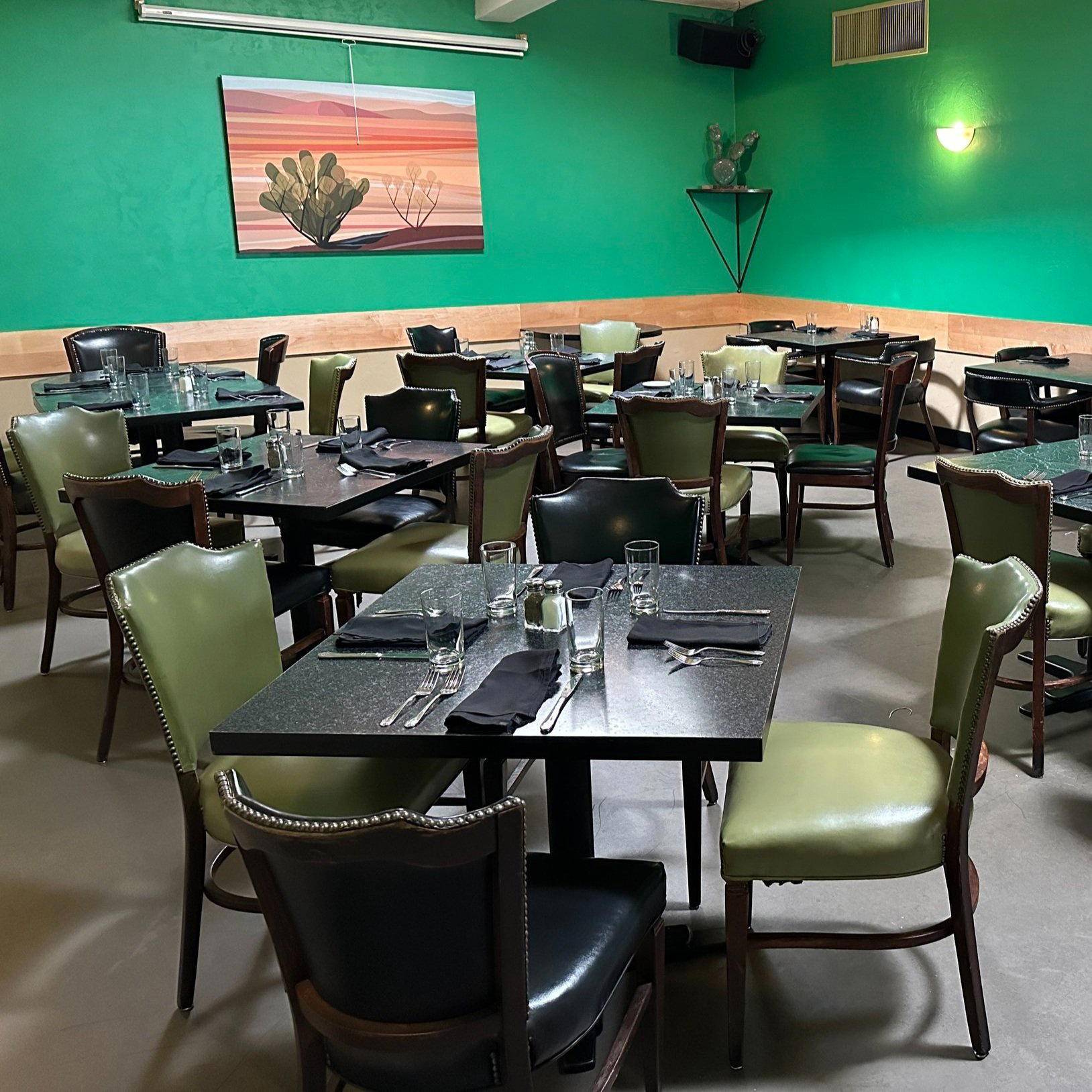
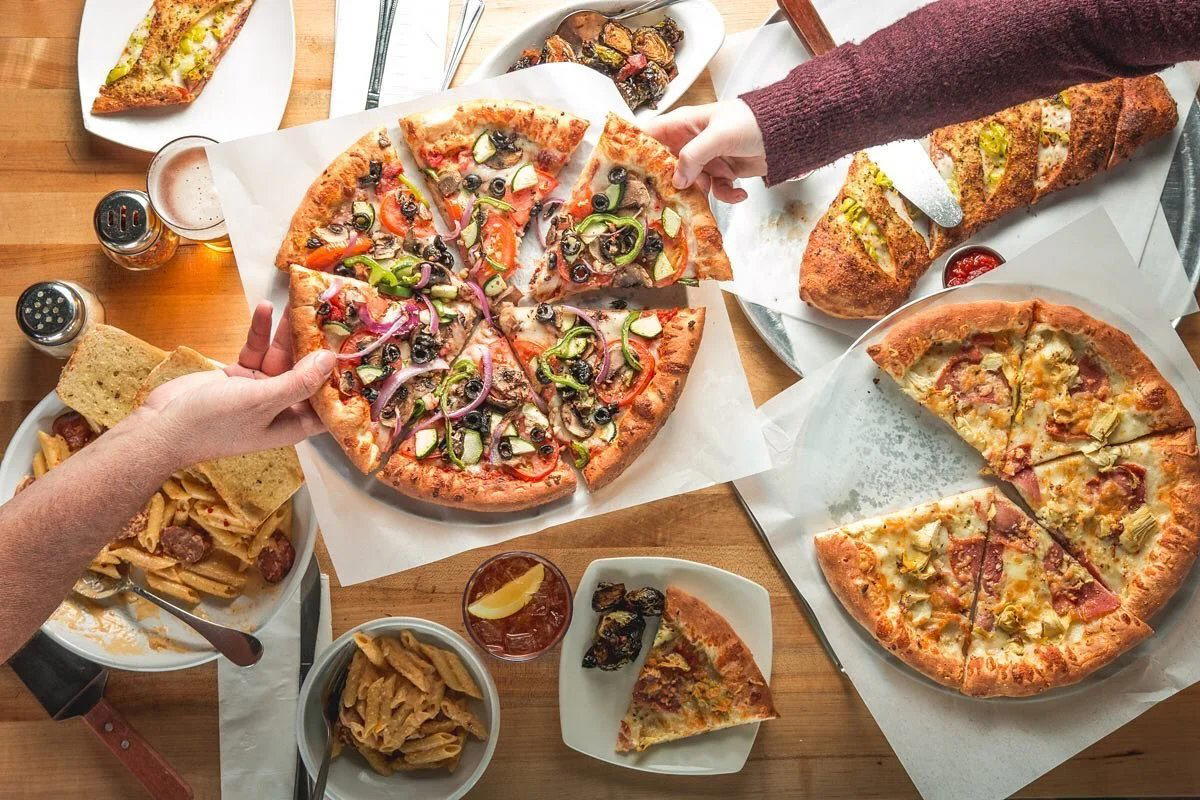
Contemporary Italian kitchen with modern elements and Michelangelo artifacts, creating a warm neighborhood atmosphere with full bar service.