Located on Rue de l'Ancienne Prison in Rouen's medieval core, Le Boma occupies one of the city's more atmospheric addresses, where stone walls and a compact dining room set the register before a plate arrives. The cooking draws on African culinary tradition, a format that finds little representation in Normandy's largely French-classical dining scene. For visitors moving between Rouen's cathedral quarter and its more exploratory restaurant options, Le Boma occupies a distinct position in the city's mid-range offer.
Pearl is the En Primeur Club membership app — saves, bookings, and concierge access live there. Same editors, same standards.
- Address
- 4 Rue de l'Ancienne Prison, 76000 Rouen, France
- Phone
- +33983850933
- Website
- leboma-restaurant-rouen.fr
- Directions
- Get directions
 Saves & bookings on Pearl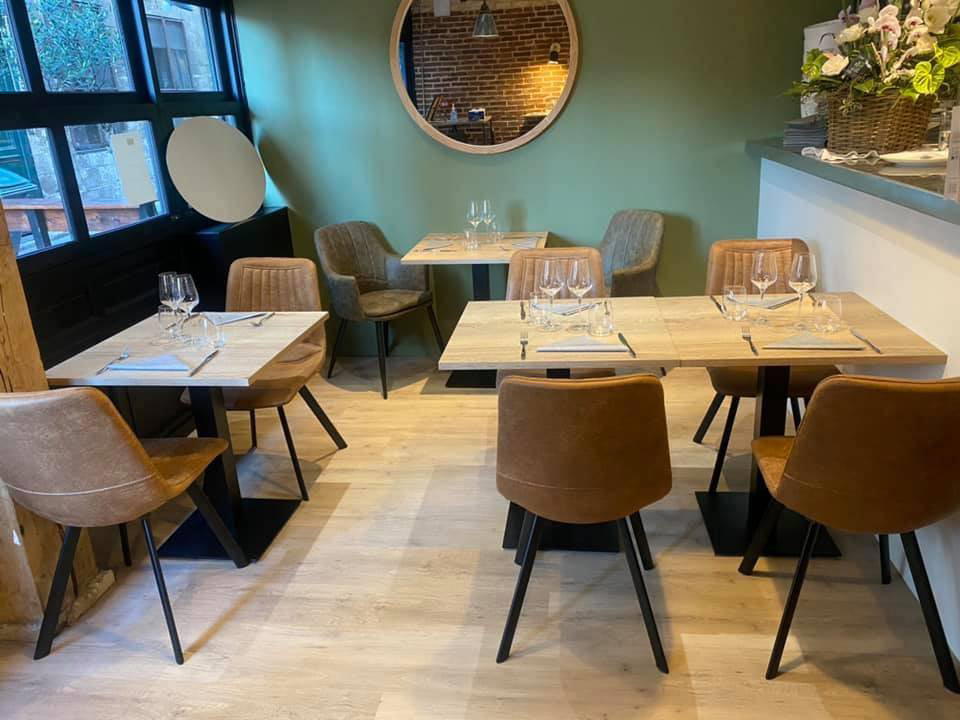
A Street Where Rouen's Past Meets a Different Culinary Tradition
Rue de l'Ancienne Prison sits in the medieval grid that makes Rouen one of northern France's most architecturally coherent cities. The half-timbered facades, the narrow sightlines, the sense that the street has been compressing foot traffic for centuries: all of this operates as context before you step inside Le Boma at number 4. In a city where the restaurant scene defaults, with some justification, toward Norman cream sauces, apple brandy reductions, and classical French technique, a kitchen drawing on African culinary tradition is doing something structurally different from most of its neighbours.
That difference matters more in Rouen than it might in Paris or Lyon, where African and West African restaurants exist in greater concentration and with longer local histories. Normandy's dining culture is tied closely to its agricultural and coastal produce: aged Camembert, salt-meadow lamb, Channel fish, and the dairy richness that defines the regional kitchen. A restaurant operating outside that tradition, in a medieval street adjacent to the cathedral quarter, asks its room to make a more deliberate choice than the tourist-facing brasseries a few blocks away.
What African Cuisine Means in a Normandy Context
African cooking is not a monolithic tradition, and the term covers registers as distinct from one another as French cooking is from Spanish. Central African culinary tradition, from which the name Boma carries cultural resonance (a boma being a communal gathering space in several Central and East African cultures), tends to emphasise slow-cooked proteins, fermented and smoked flavours, groundnut and palm oil bases, and dishes designed for collective eating rather than individual plating. The address and name together signal an intent to bring those roots into a European dining room.
The broader pattern this represents is one of increasing culinary diversity in mid-sized French cities. Rouen's dining scene has historically concentrated on its Norman identity, and venues like Brasserie Paul and Au Flaméron continue to anchor that tradition credibly. At the other end of the creative spectrum, L'Odas operates in the €€€ tier with a creative French format that has earned serious regional recognition. Le Boma occupies a different quadrant from both: it is not positioned as fine dining, and it is not working within the Norman canon.
The Address as Context
The Ancienne Prison address is one of those Rouen details that rewards attention. The street's name refers to a former prison that once occupied the quarter, part of the layered civic and religious history that makes the city's medieval core worth more than a single afternoon. Dining here places you within walking distance of the Gros-Horloge, the cathedral that Monet painted across four seasons, and the old market square where Joan of Arc was executed in 1431. That density of history creates a particular atmosphere around Rouen's restaurant scene: visitors tend to be engaged, curious, and more willing than average to move beyond the predictable.
For the broader Rouen picture, restaurants like ACQUA & FARINE and Chez L'Gros represent the city's more casual, affordable end, while the Norman fine-dining tradition continues to draw visitors who want to benchmark the region's classical cooking. Le Boma's position in this ecosystem is that of an alternative rather than a complement: it draws a different kind of visit than a Norman tasting menu, and a different kind of diner than a quick lunch at a crêperie.
Rouen in the National Dining Conversation
Rouen does not register in France's upper-tier dining conversation the way Lyons, Paris, or the Basque coast do. The French restaurant scene's reference points remain the multi-generational institutions: Paul Bocuse - L'Auberge du Pont de Collonges, Auberge de l'Ill, and Troisgros - Le Bois sans Feuilles, alongside newer creative statements like Mirazur in Menton or AM par Alexandre Mazzia in Marseille. Provincial cities like Rouen tend to be read as supporting cast in that narrative, their dining scenes assessed for how well they serve the Norman tradition rather than for what else they might be doing.
That framing undervalues what mid-sized French cities actually offer in their full diversity. Reims has Assiette Champenoise; Strasbourg has Au Crocodile; and Paris's highest-end tier is represented by Alléno Paris au Pavillon Ledoyen and venues that set technical benchmarks for the whole country. But the interesting story in Rouen, and in comparable Norman cities, may increasingly be the restaurants that are not trying to compete in that conversation at all, and instead serve a local audience that wants something the classical tradition does not provide.
Planning a Visit
The restaurant is at 4 Rue de l'Ancienne Prison, a few minutes' walk from Rouen's cathedral and the Gros-Horloge. Rouen itself is less than 90 minutes from Paris Saint-Lazare by direct train, making it a realistic day trip from the capital or a natural stop on a Normandy itinerary.
For those building a longer France itinerary, Normandy's coastal offer and the concentrated restaurant scene of Paris reward comparison. Flocons de Sel in Megève and Bras in Laguiole represent the kind of destination cooking that draws visitors to specific French addresses; the restaurant operates on a different register entirely, as a neighbourhood address with a culturally specific identity. Internationally, anyone tracking how African culinary traditions translate into European dining rooms will find reference points in cities like London, Amsterdam, and New York, where Le Bernardin and Atomix anchor the high-end of multicultural dining in a much larger market.
Price and Positioning
Comparable venues nearby, for context on price, style, and recognition.
| Venue | Cuisine | Price | Notes |
|---|---|---|---|
| Le BomaThis venue — the venue you are viewing | Not listed | $$$ | Not listed |
| Gill Côté Bistro | Not listed | $$ | Vieux Marché, Traditional French Bistro with Norman Specialties |
| Le Bouillon d'Or | Not listed | $$ | Vieux Rouen, Traditional French Brasserie |
| Brasserie Paul | Not listed | $$ | historic center, Traditional French Brasserie |
| L'Espiguette | Not listed | $$ | Place Saint-Amand, Traditional French Bistro |
| Le 6e Sens | Vieux Rouen, Modern French Bistro | $$$ | Not listed |
Continue exploring
More in Rouen
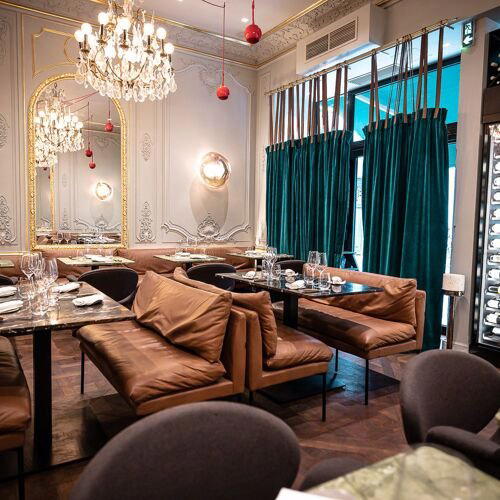
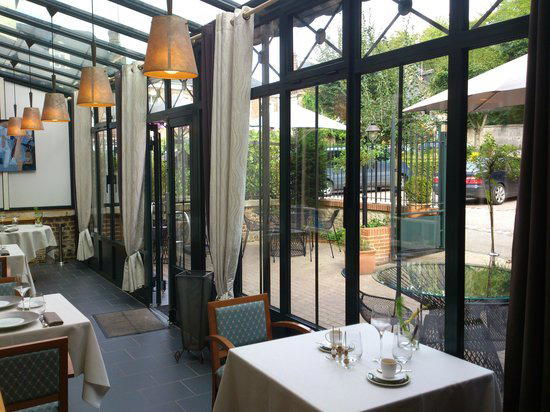
Restaurants in Rouen
Browse all →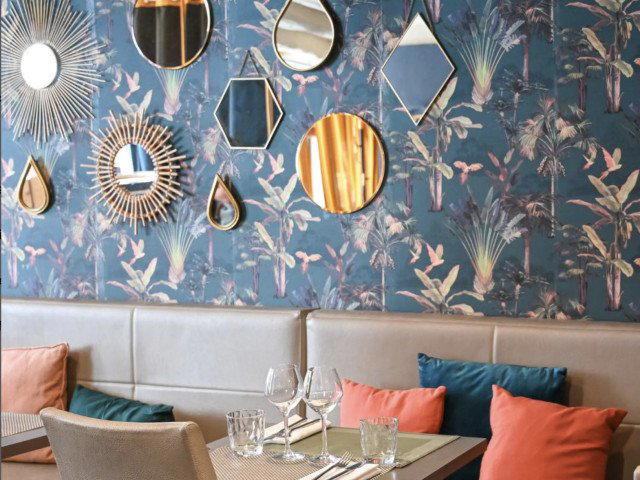
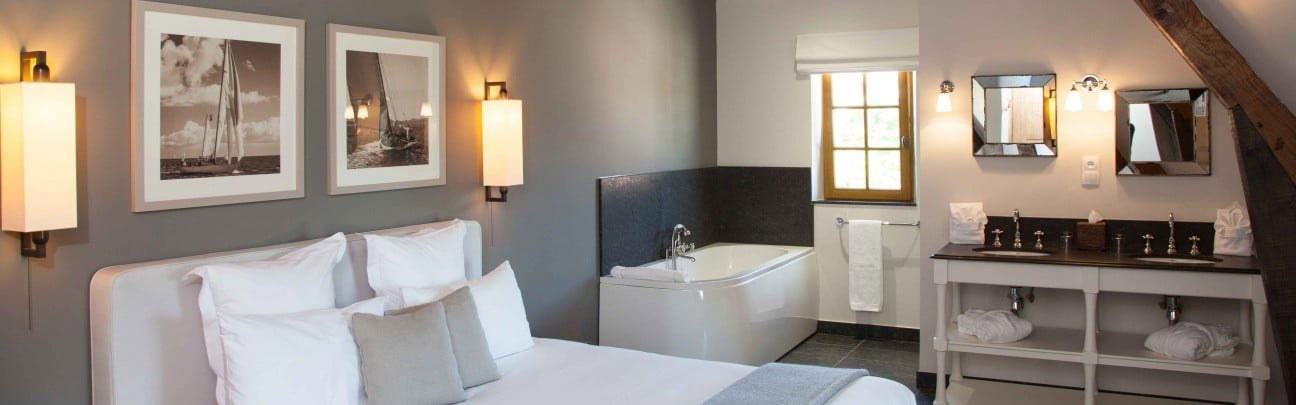
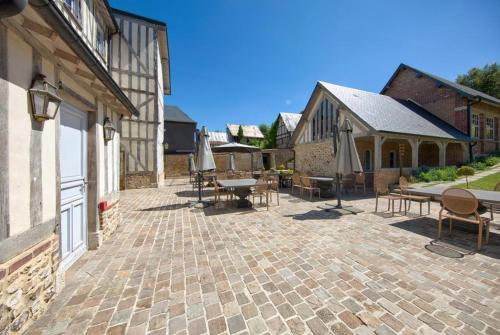
Hotels in Rouen
Browse all →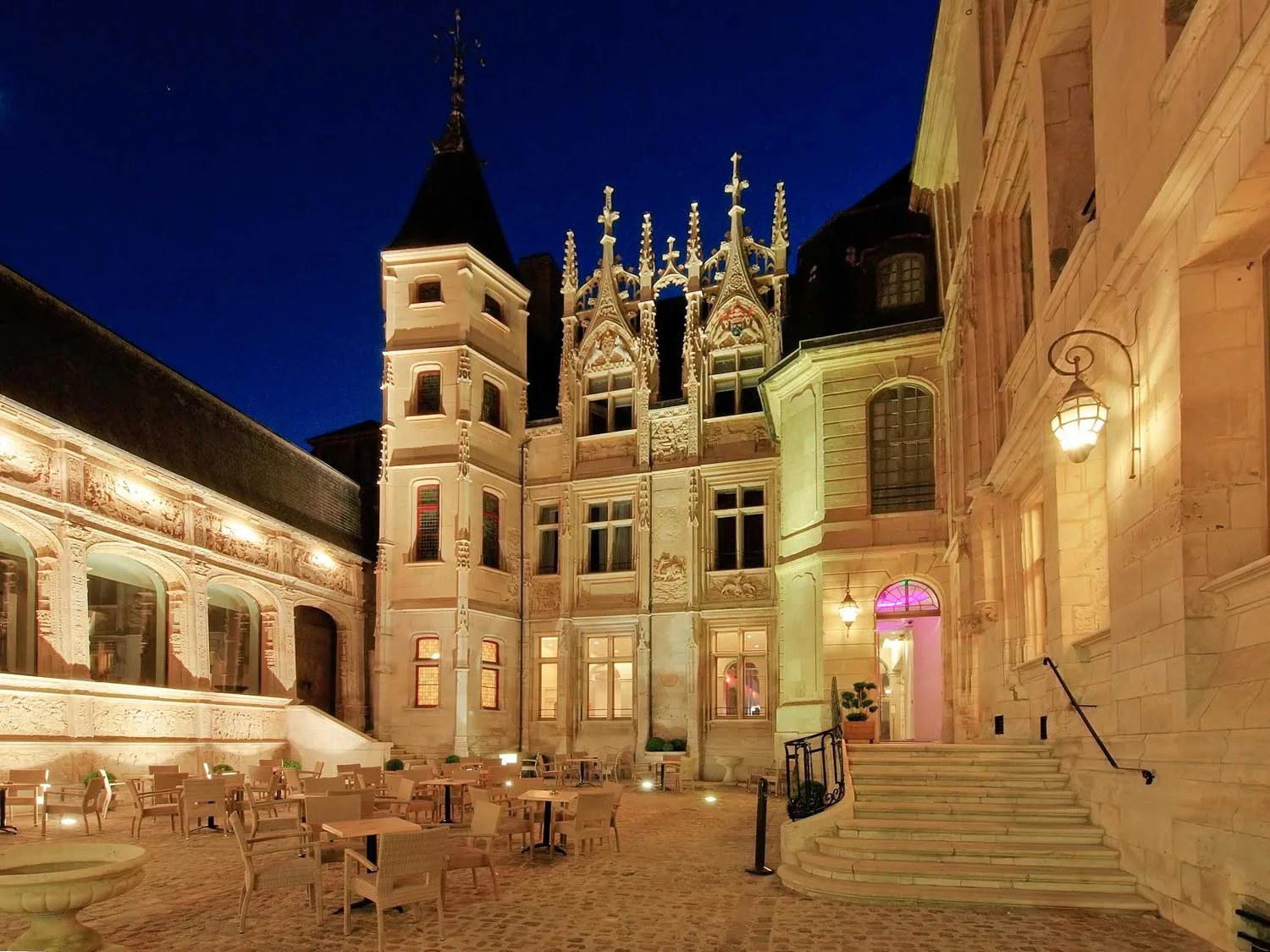
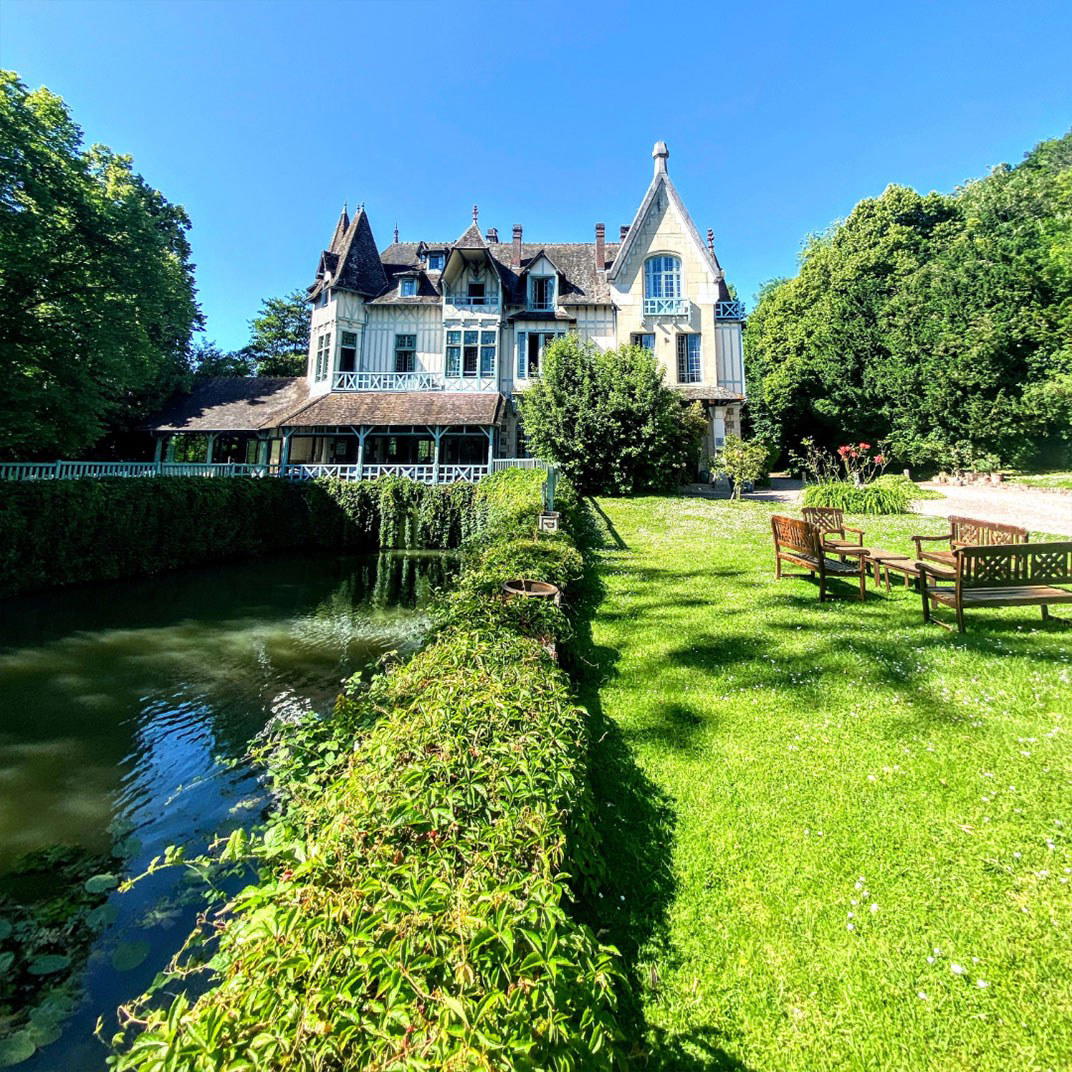
Wineries in Rouen
Browse all →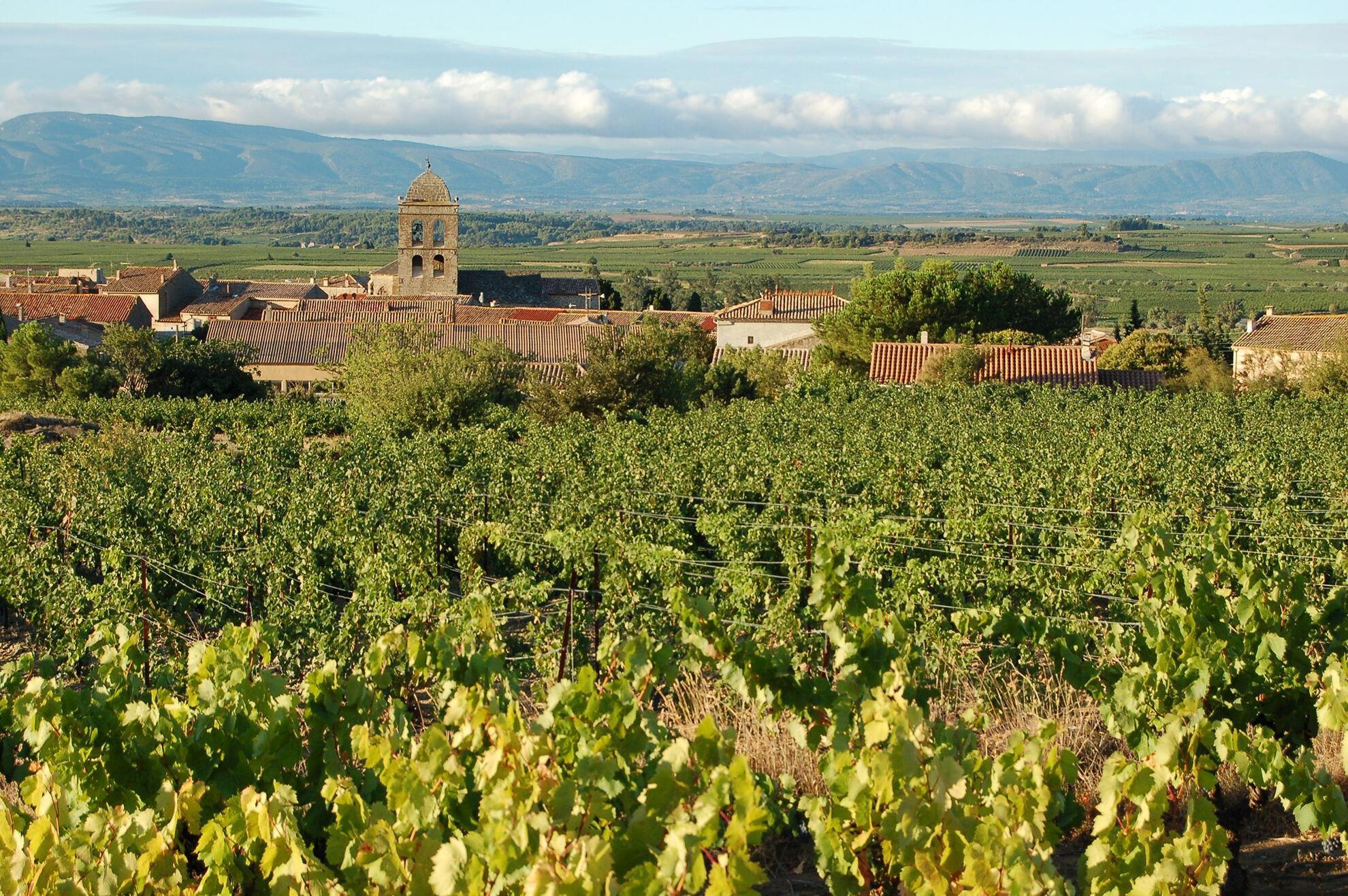
At a Glance
- Cozy
- Elegant
- Modern
- Date Night
- Special Occasion
- Open Kitchen
- Terrace
- Extensive Wine List
- Local Sourcing
- Street Scene
Current opening hours
- Monday
- 12–1:30 PM, 7–9:30 PM
- Tuesday
- 12–1:30 PM, 7–9:30 PM
- Wednesday
- 12–1:30 PM, 7–9:30 PM
- Thursday
- 12–1:30 PM, 7–9:30 PM
- Friday
- 12–1:30 PM, 7–9:30 PM
- Saturday
- Closed
- Sunday
- Closed
Hours can change for holidays and private events. Last verified .
Warm, cozy atmosphere with modern rustic decor, open kitchen, and welcoming service.