La Darbia

A restored farmhouse on the hills above Lake Orta, La Darbia occupies a position where the agricultural origins of the Piedmontese table remain visible in both setting and approach. The building's rural bones connect it to a slower, land-rooted hospitality tradition that sits apart from the grander lakefront properties a few kilometres below.
Pearl is the En Primeur Club membership app — saves, bookings, and concierge access live there. Same editors, same standards.
- Address
- Via per Miasino, 28016 Orta San Giulio NO, Italy
- Phone
- +39 389 311 3813
- Website
- ladarbia.com
- Directions
- Get directions
 Saves & bookings on Pearl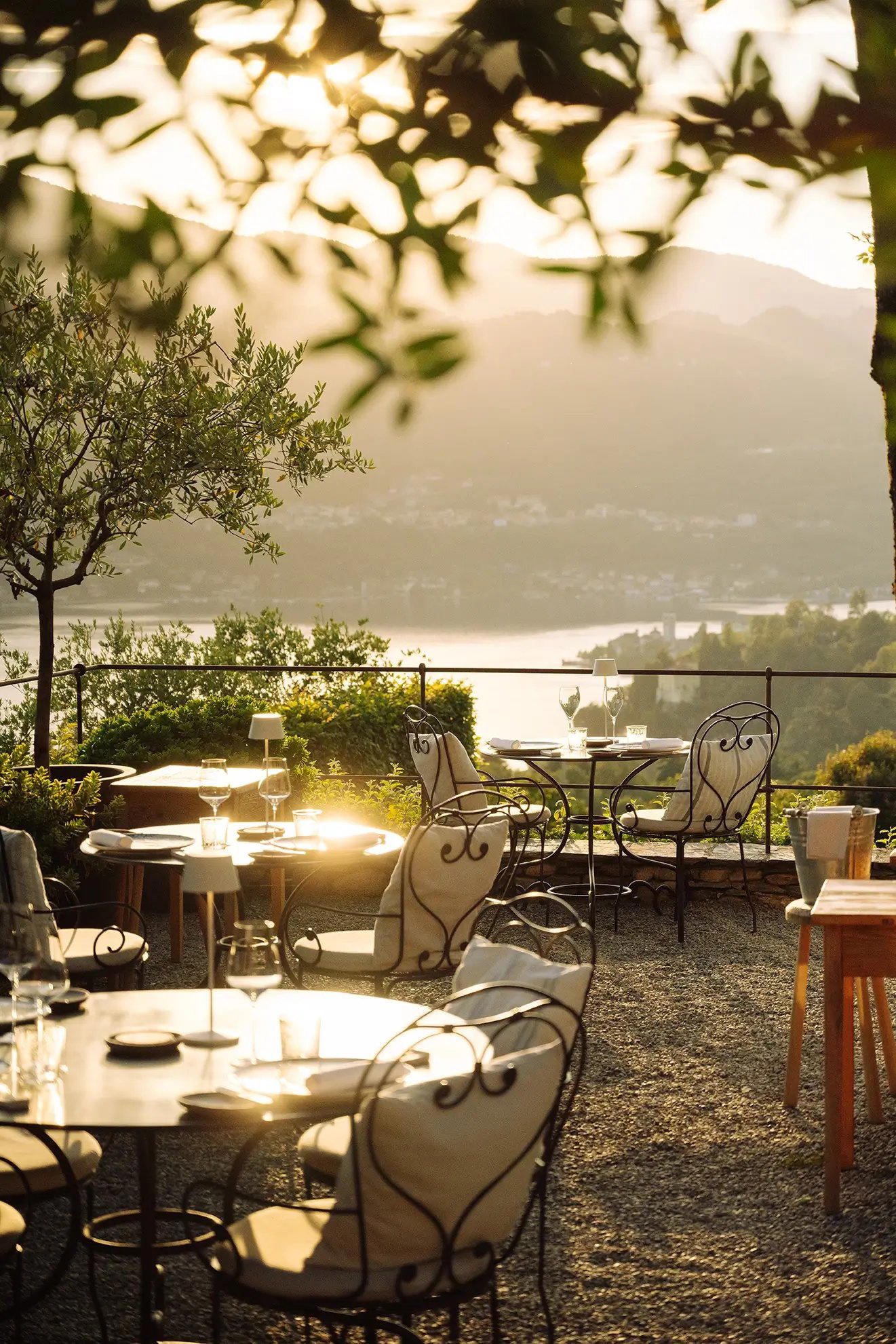
Hill Country, Lake Views, and a Farmhouse That Predates Tourism
La Darbia is a restaurant in Orta San Giulio, Piedmont, priced at about $150 per person. The road that climbs from Orta San Giulio toward Miasino passes through a version of Piedmont that has not been substantially reorchestrated for visitors. Dry stone walls, chestnut groves, and terraced gardens mark land that has been worked continuously for centuries. La Darbia sits in this context, a farmhouse restored to hospitality use with Monte Rosa visible on clear days across Lake Orta's pewter water below. The view is the same one that farmers and smallholders looked out at for generations before the area acquired any reputation as a destination. That continuity is not incidental to what the property offers, it is the whole argument.
Orta San Giulio occupies a niche within Italian lake tourism that is worth understanding before you arrive. While Como and Maggiore command international recognition and the infrastructure that comes with it, Orta sits in a smaller category: quieter, less developed, and operating with a guest profile that tends to arrive with some prior knowledge of the region. Properties here compete less on spectacle and more on coherence of place. La Darbia's position on the hills above the town rather than on the waterfront itself reinforces this logic, the approach favours altitude and agricultural context over proximity to the piazza.
Where the Ingredients Come From
Piedmont is one of Italy's most geographically specific food regions, and that specificity matters at this altitude and latitude. The hills between Lake Orta and the Cusio valley produce a distinct micro-economy of food: chestnuts, fungi from mixed woodland, small-scale dairy, and the slow-growing cattle breeds that feed into the Fassona and Razza Piemontese traditions. The area sits close enough to Novara's rice-growing flatlands to the east to access risotto culture, and within reach of the truffle territory centred on Alba and the Langhe to the south, where venues like Piazza Duomo in Alba have made ingredient provenance a formal editorial project.
At a property like La Darbia, the connection between land and table operates less as a programmatic statement and more as a function of geography. A restored farmhouse on working hill terrain tends to remain close to its supply chain almost by default. The question for a property in this position is whether that proximity is maintained and developed as a deliberate hospitality choice, or whether it gradually yields to the standardised procurement that convenience favours. Across northern Italy's agriturismo and rural hospitality sector, the better properties have held the former position, using local cheese producers, buying foraged material from people who know the specific woodland in question, and adjusting the table to what the land is actually offering at a given time of year.
This seasonal discipline is not decorative. In Piedmont, it has a direct effect on what arrives at the table. Autumn brings porcini and the truffle season at its height; winter focuses the table on aged salumi, polenta, and braised preparations built around cuts that need time; spring opens the table to wild herbs, early asparagus from the Novara plain, and lighter dairy. A property at this position on the calendar matters. The leading rural hospitality across the Italian north, from the approach taken at Dal Pescatore in Runate to the rigorous sourcing model at Atelier Moessmer Norbert Niederkofler in Brunico, demonstrates that ingredient sourcing at altitude requires a different relationship with suppliers than urban kitchens maintain. Proximity to the source is a structural advantage that takes effort to preserve.
The Farmhouse Restoration and What It Signals
The building itself carries the history of the Piedmontese rural economy. Original farmhouses in this zone were built for function rather than aesthetic effect: thick stone walls for insulation, rooms scaled to working use, orientation chosen for light and weather rather than views. A restoration that maintains these characteristics while making the structure habitable for guests requires a different set of decisions than new-build hospitality. The temptation in renovation is to smooth out what is rough and enclose what was open, and the result is often a building that reads as uniform and placeless. The farmhouses that retain their character after conversion tend to be those where the restoration work has been conservative, preserving ceiling heights, original stone, and the spatial logic of agricultural buildings.
The restaurant's position within Orta San Giulio's accommodation offer places it in a different category from the grander lakefront properties. The range available, from the dining ambitions of Villa Crespi at the formal end of the market to country properties that operate on a different register entirely. The restaurant occupies a position closer to the latter, rural, specific, and rooted in agricultural heritage rather than decorative refinement.
Planning a Visit
The restaurant is reached via the road to Miasino from Orta San Giulio, which means a car or arranged transfer is practical. The hills above the lake are at their most rewarding between late spring and early autumn, when Monte Rosa is visible above the treeline and the agricultural land around the property is in active production. Autumn is the season that leading connects the table to what the Piedmontese countryside offers in concentrated form: fungi, game, and the truffle from the broader regional network.
For dining beyond the property, Orta San Giulio rewards careful selection. Andrea Monesi at Locanda di Orta represents the country cooking tradition of the area. Guests with a broader appetite for northern Italian fine dining can reach Enrico Bartolini in Milan and Le Calandre in Rubano within a day-trip radius, while the Emilia corridor opens access to Osteria Francescana in Modena and Enoteca Pinchiorri in Florence for those extending their itinerary south.
Comparison Snapshot
Comparable venues nearby, for context on price, style, and recognition.
| Venue | Cuisine | Price | Awards | Notes |
|---|---|---|---|---|
| La DarbiaThis venue — the venue you are viewing | Piedmontese Farm-to-Table | $$$$ | Not listed | Not listed |
| AM Bistrot | Modern Italian Bistro | $$$$ | Not listed | Orta San Giulio |
| Andrea Monesi - Locanda di Orta | Modern Italian Fine Dining | $$$$ | Michelin 1 Star | Orta San Giulio |
| Villa Crespi | Modern Italian Fine Dining | $$$$ | Michelin 3 Star | Orta San Giulio |
| Ristorante Campo Del Drago | Contemporary Tuscan Fine Dining | $$$$ | Not listed | Castiglion del Bosco |
| Viride | Contemporary Italian Fine Dining | $$$$ | Not listed | Campo Marzio |
Recognition history
Dated appearances from independent guides and award organizations, with the underlying list record or original source where available.
Star Wine List
Star Wine List
Continue exploring
More in Orta San Giulio
Restaurants in Orta San Giulio
Browse all →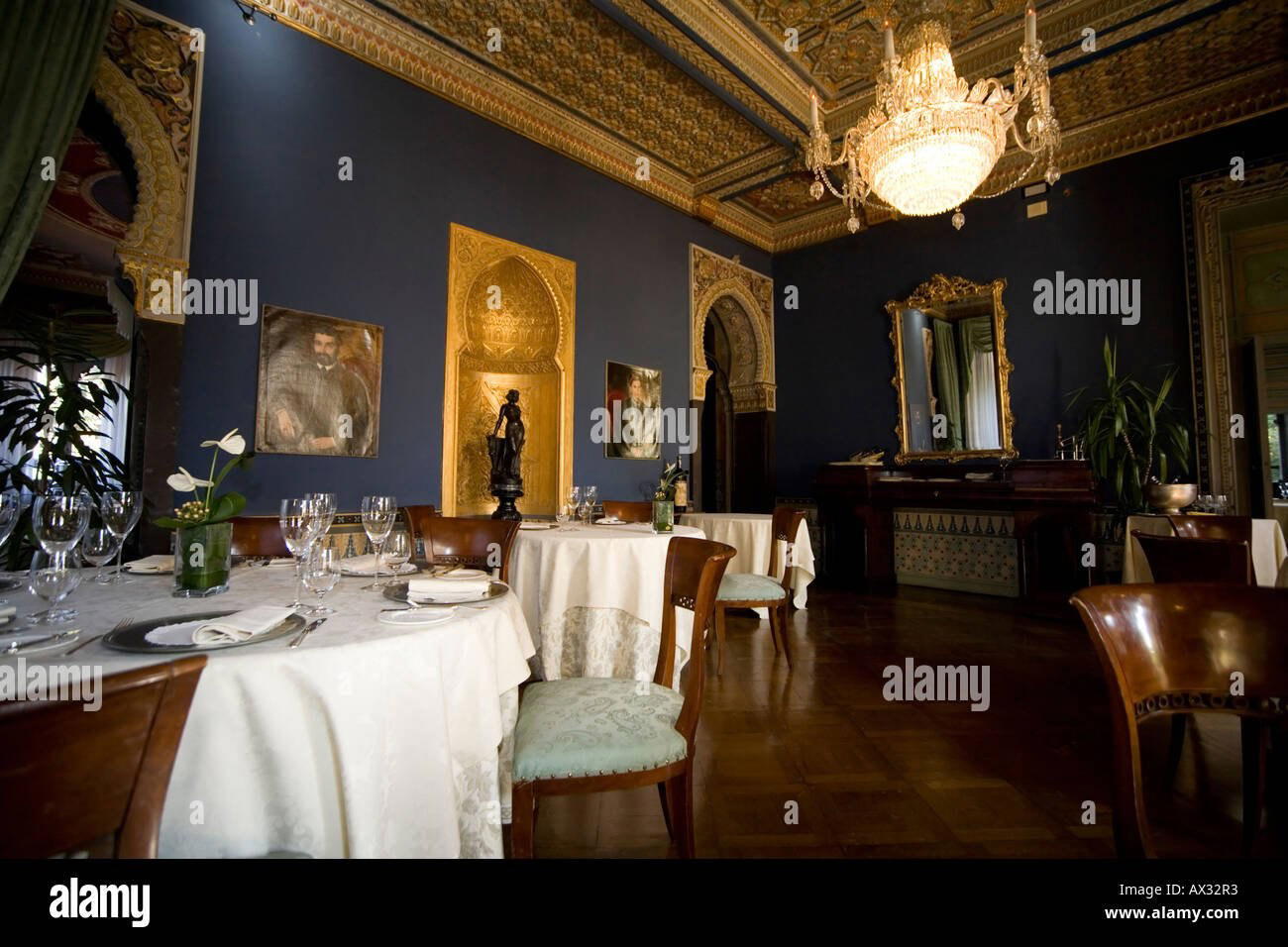
Bars in Orta San Giulio
Browse all →

Hotels in Orta San Giulio
Browse all →
Wineries in Orta San Giulio
Browse all →
At a Glance
- Romantic
- Scenic
- Elegant
- Sophisticated
- Quiet
- Intimate
- Date Night
- Special Occasion
- Celebration
- Waterfront
- Garden
- Wine Cellar
- Terrace
- Panoramic View
- Private Dining
- Design Destination
- Sommelier Led
- Farm To Table
- Organic
- Local Sourcing
- Waterfront
- Mountain
- Vineyard
- Garden
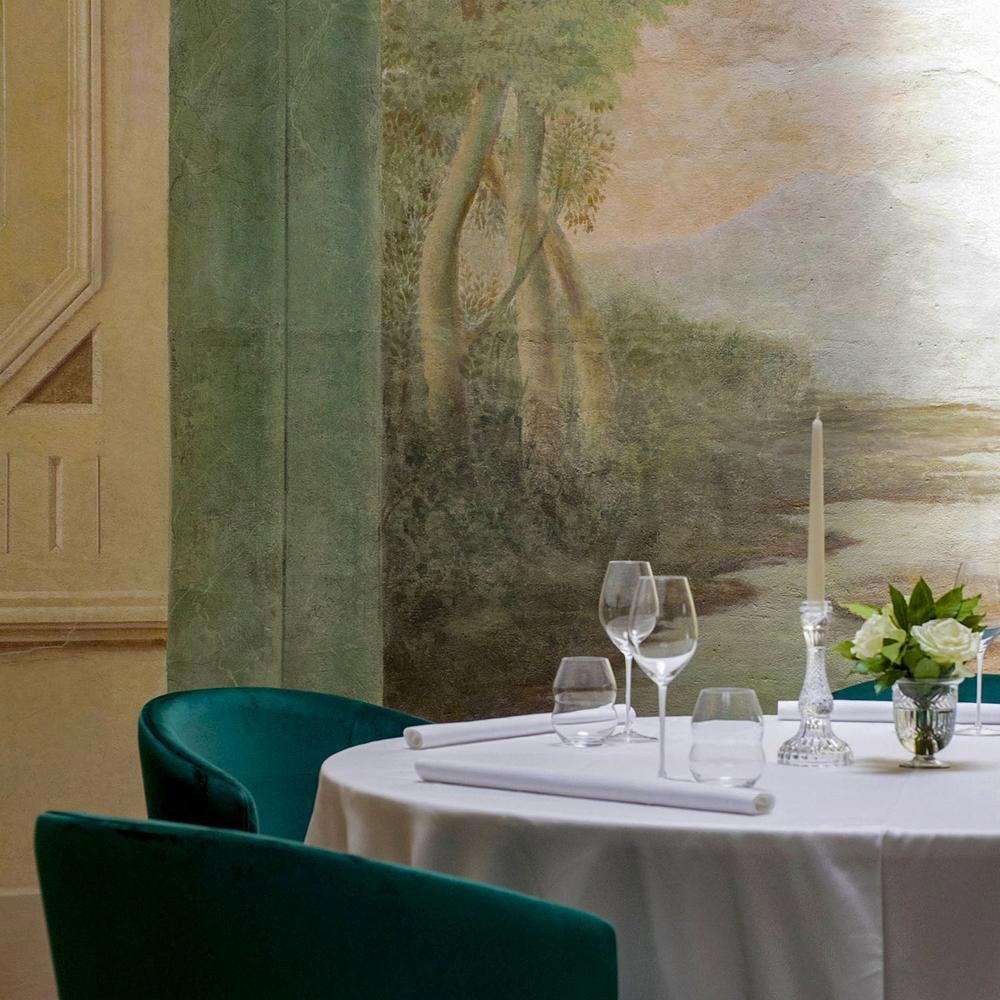
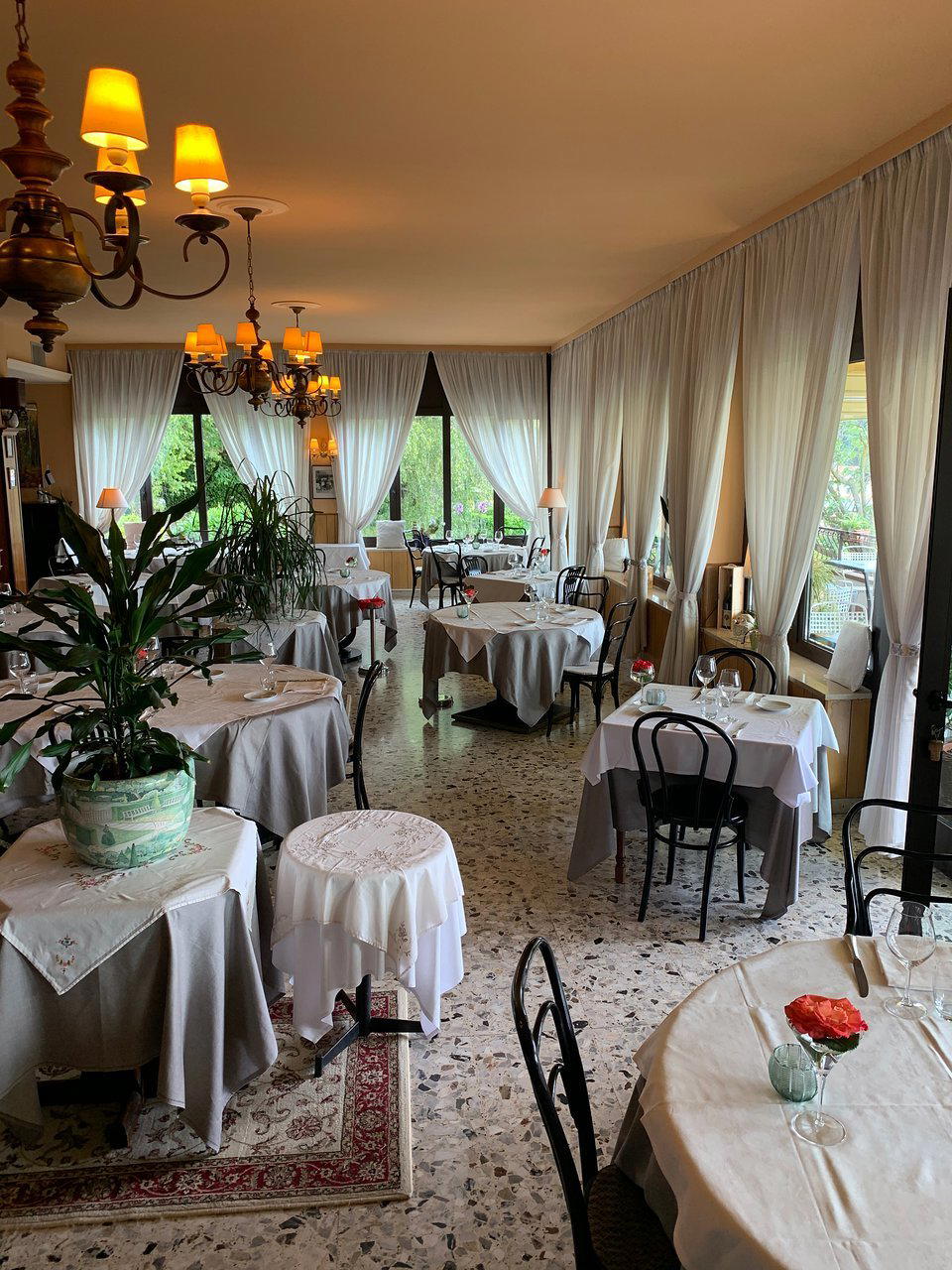
Warm, laid-back sophistication with lavender-scented gardens, soft natural lighting, and romantic lake views from terraces; refined yet soulful atmosphere emphasizing understated elegance and tranquility.