La Dame (Silver Shadow)

La Dame at Silver Shadow in Monte Carlo occupies a distinct position among the principality's seasonal French tables, drawing its name and culinary allegiance from Paris's Eiffel Tower. A rotating multi-course menu anchored in French gastronomic tradition places it alongside Monte Carlo's most considered fine-dining rooms, with a residential address on Rue du Gabian that puts it outside the main casino-district concentration.
 Discover on Pearl
Pearl is the En Primeur Club membership app — saves, bookings, and concierge access live there. Same editors, same standards.
- Address
- Gildo Pastor Center, 7 Rue du Gabian Bloc A, 7ème étage, 98000 Monaco
- Phone
- +377 97 97 62 00
- Website
- heliaq.fr
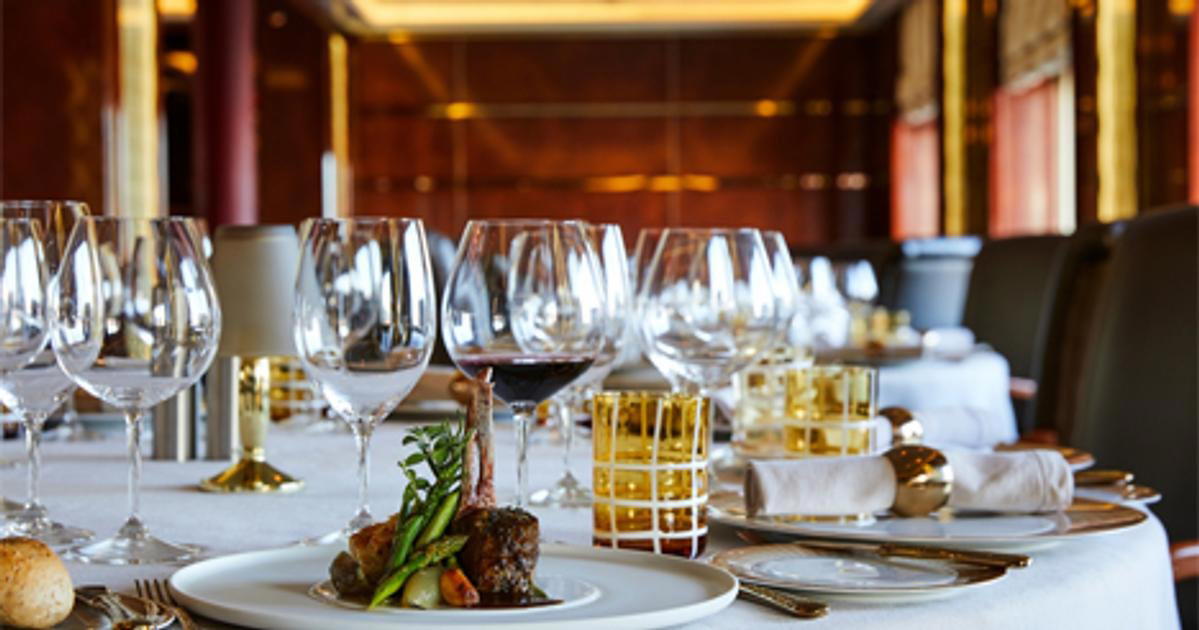
French Gastronomy on the Fringe of the Casino Quarter
Monte Carlo's fine-dining addresses tend to cluster around the Hotel de Paris and the Place du Casino, and a looser constellation of hotel dining rooms that have carved independent reputations over the past two decades. La Dame, operating within the Silver Shadow building at Gildo Pastor Center on Rue du Gabian, sits deliberately outside both. The Rue du Gabian address places it in a more residential and commercial corridor running along Monaco's western harbour edge, which changes the approach entirely. There is no casino forecourt or Belle Époque façade framing your arrival. The setting is quieter, and that quietness sets a different expectation before you even reach the table.
In a principality where dining addresses frequently function as extensions of the spectacle around them, a room that removes itself from that theatre makes a clear statement about where it wants the attention to go. For La Dame, the answer is consistently pointed toward the plate and the French culinary tradition the restaurant takes as its reference point.
The Iron Lady as Culinary Reference
The name La Dame is a direct tribute to Paris's Eiffel Tower, known colloquially as La Dame de Fer, the Iron Lady. That is not incidental branding. French gastronomy in the classical mode carries specific obligations: seasonally structured menus, a vocabulary of technique rooted in the Paris-Lyon-Provence triangle, and a respect for produce calendars that determines what arrives at the table in any given month. La Dame's multi-course menu changes with the seasons, which in practice means the kitchen is recalibrated four times a year to reflect what the surrounding region is producing.
That seasonal discipline puts La Dame alongside some of Monaco and the Côte d'Azur's most considered rooms. Alain Ducasse's Louis XV at the Hotel de Paris has operated a market-and-season philosophy for decades, and its influence on how Monaco's serious kitchens think about sourcing is difficult to overstate. Elsa approaches seasonality through a Mediterranean organic lens. Blue Bay Marcel Ravin maps the calendar against a Caribbean-Mediterranean fusion framework. Each of these rooms makes a different argument about what seasonal French and Mediterranean cooking can mean in this geography. La Dame's argument is the most classically French of the group, anchoring its identity in Paris rather than in the local terroir.
That Parisian reference also positions La Dame differently from L'Abysse Monte-Carlo, which operates at the same price tier but looks toward Japan for its culinary grammar, and from Les Ambassadeurs by Christophe Cussac, whose modern cuisine framing gives the kitchen more room to move across European reference points. The French classical commitment at La Dame is narrower and, because of that, more legible as a value proposition for the guest who wants exactly that register.
How the Room Reads Within Monaco's Dining Tier
Monaco operates at a price ceiling that few cities outside Tokyo and Zurich match for fine dining. The multi-course format at restaurants in this tier typically runs into three figures per head before wine, and the expectation of service quality, room finish, and produce sourcing is calibrated to that spend. La Dame sits inside that tier without the legacy infrastructure of the Hotel de Paris group behind it, which in practice means the experience is shaped more directly by the kitchen's own seasonal decisions rather than by the broader hospitality ecosystem of a major hotel property.
That structural independence is worth noting when comparing it to the Hotel de Paris rooms or the Monte-Carlo Bay Hotel properties. It places La Dame in a category closer to the smaller, programme-led fine-dining rooms that have become more common across European capitals over the past decade, where the multi-course format and its seasonal discipline are the product, rather than an amenity attached to a larger property. Comparable in structure, if not in precise culinary register, to the format logic of rooms like Lazy Bear in San Francisco or Alinea in Chicago, which also position the tasting format as the primary event.
For broader international context on what French fine dining at this level looks like in other cities, Le Bernardin in New York and Alléno Paris au Pavillon Ledoyen represent the upper bracket of the same classical tradition from which La Dame draws. 8½ Otto e Mezzo Bombana in Hong Kong shows how a European fine-dining sensibility transplants to a different geography entirely.
Planning a Visit: What to Know Before You Go
The Gildo Pastor Center address on Rue du Gabian is accessible from Monaco's western districts and within reasonable distance of the Fontvieille area, which hosts several of the principality's more residential dining addresses. The approach differs markedly from arriving at a Place du Casino table: this is not a walk from the casino steps. Guests staying in Monaco's main hotel corridor, around the Hôtel de Paris or Hôtel Hermitage, should budget time for transit or arrange a car. For those staying further along the Riviera, Hostellerie Jérôme in La Turbie represents a nearby alternative for classical French cooking in the hills above Monaco, while Beef Bar Monaco offers a different register entirely for evenings when the multi-course commitment feels like too much.
Reservations are essential, particularly during the Grand Prix period in late May and the summer high season running from June through August. The shoulder months, September through November and February through April, tend to offer more flexibility and represent the periods when kitchen teams are often at their most focused without the pressure of peak-season covers.
For a complete map of where La Dame sits within the principality's wider dining options, the EP Club Monte Carlo restaurants guide covers the full range. Complementary resources for planning a stay include the Monte Carlo hotels guide, the Monte Carlo bars guide, the Monte Carlo wineries guide, and the Monte Carlo experiences guide.
The Quick Read
Comparable venues nearby, for context on price, style, and recognition.
| Venue | Cuisine | Price | Notes |
|---|---|---|---|
| La Dame (Silver Shadow)This venue — the venue you are viewing | Monte Carlo, Refined French Fine Dining | $$$$ | |
| Chez Pierre | Carré d'Or, Classic French Bistro | $$$$ | |
| The Grill (Silver Origin) | Monte Carlo, Grill with Hot Rocks | $$$$ | |
| Pulcinella | $$$ | Monte-Carlo, Traditional Italian & Mediterranean | |
| L'Hirondelle | Monte-Carlo, Healthy Mediterranean | $$$$ | |
| Robuchon Monaco | Dining | , |
Continue exploring
More in Monte Carlo
Restaurants in Monte Carlo
Browse all →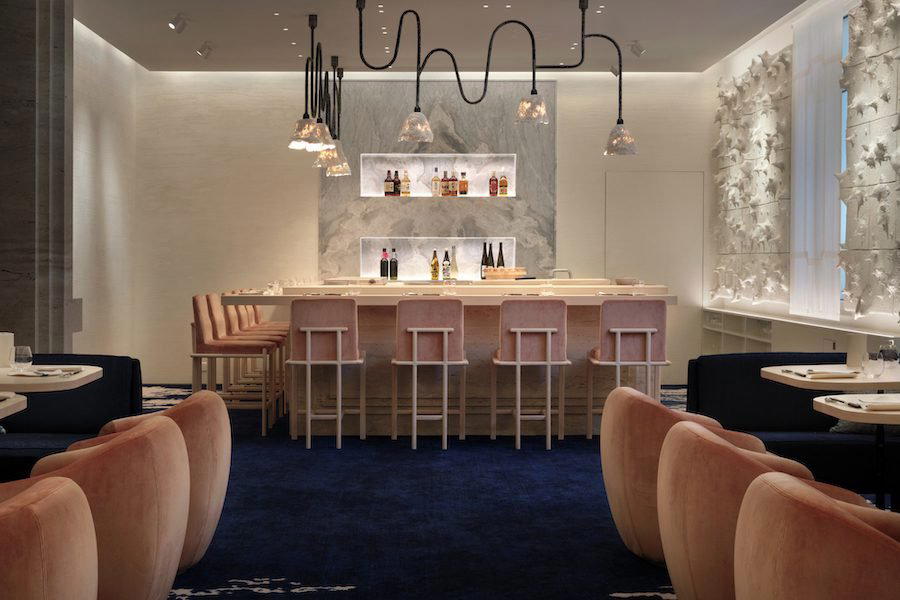
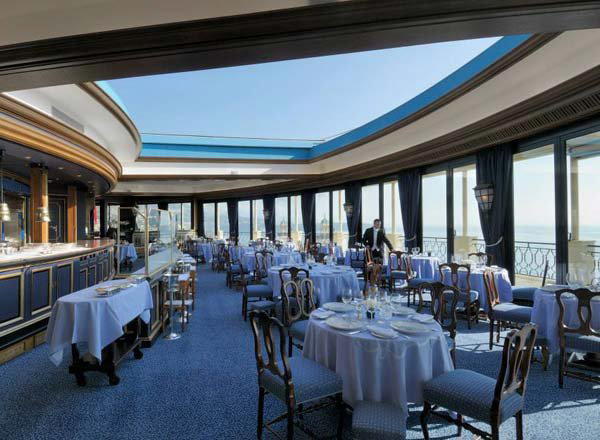
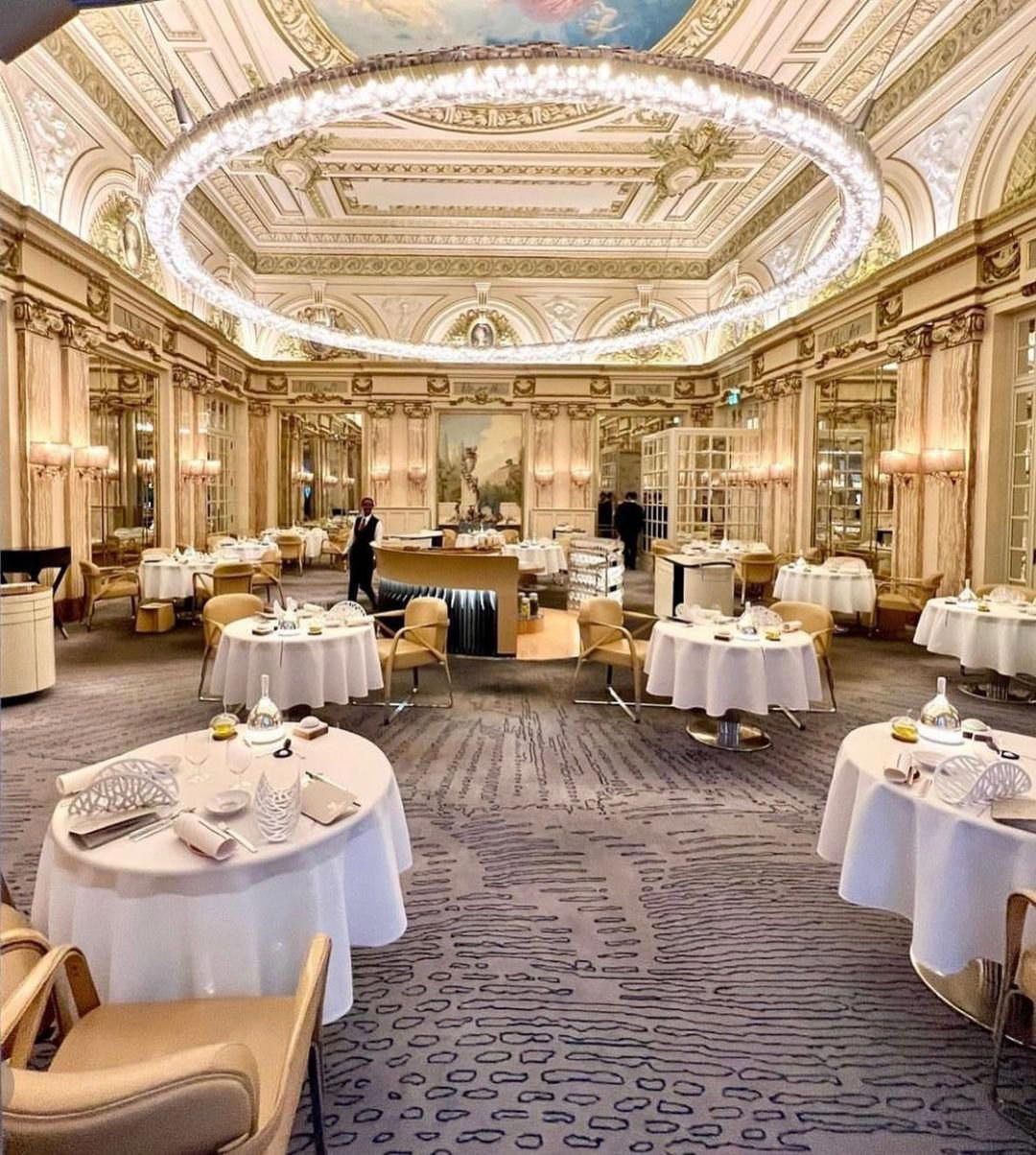
Bars in Monte Carlo
Browse all →
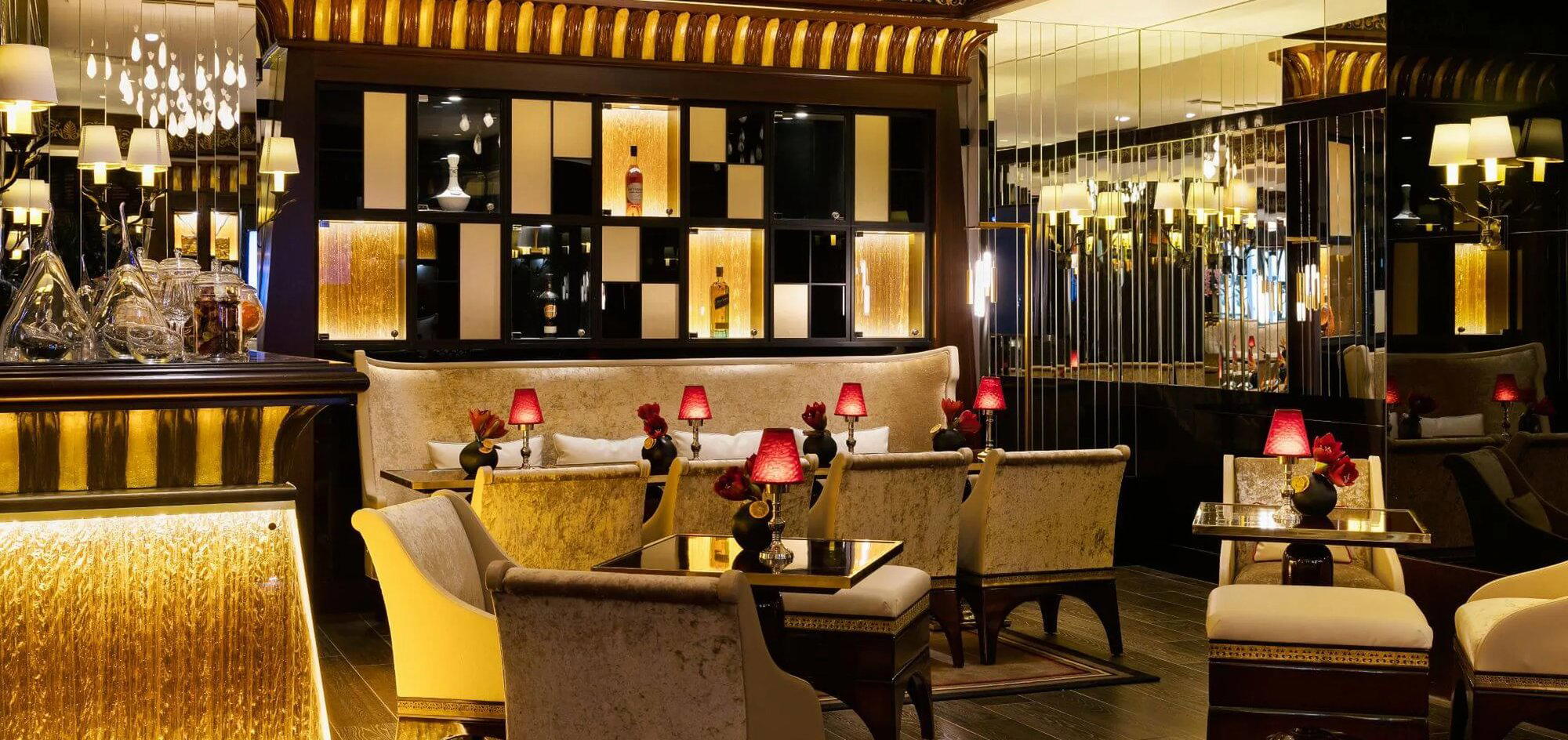
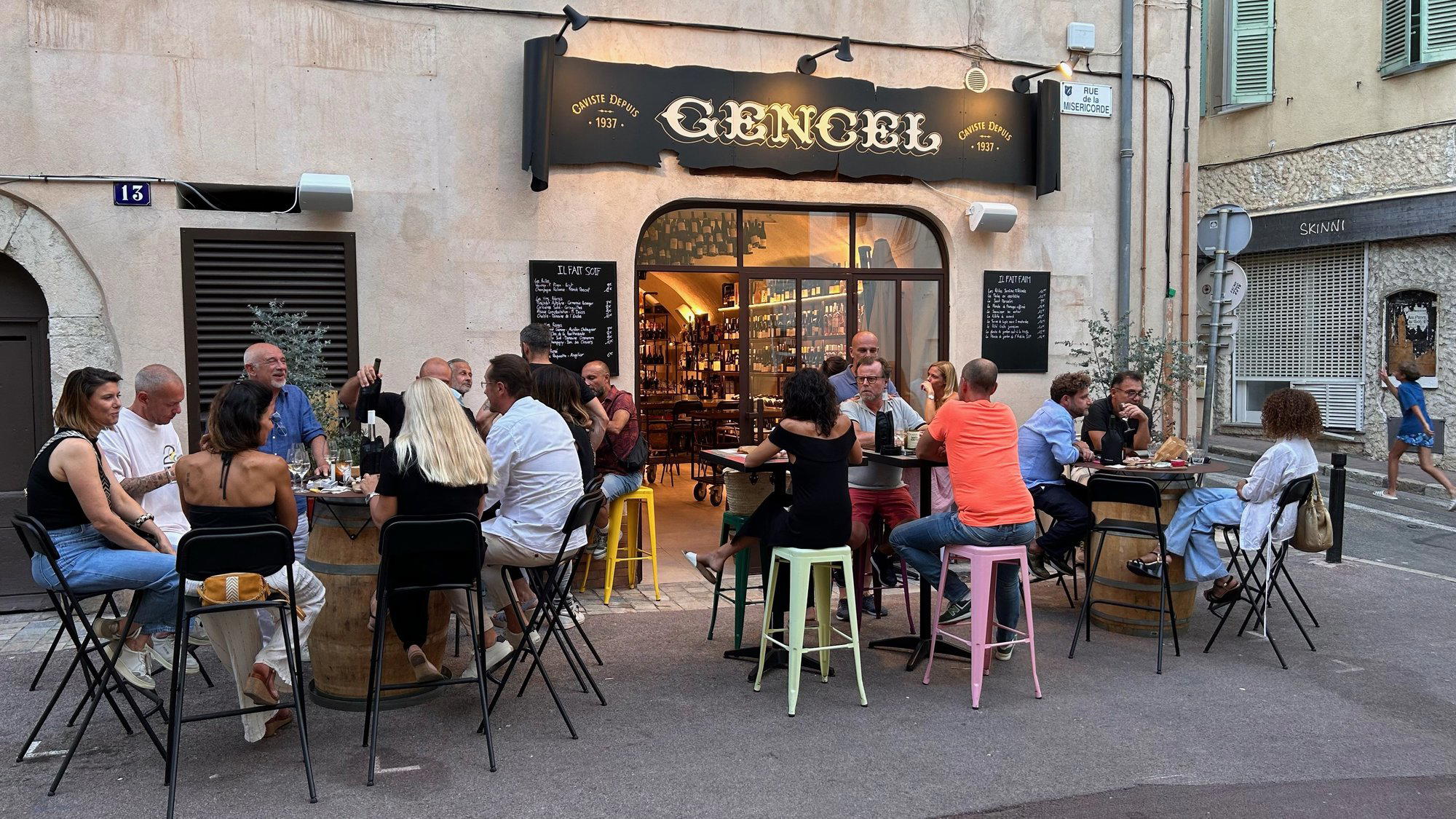
Hotels in Monte Carlo
Browse all →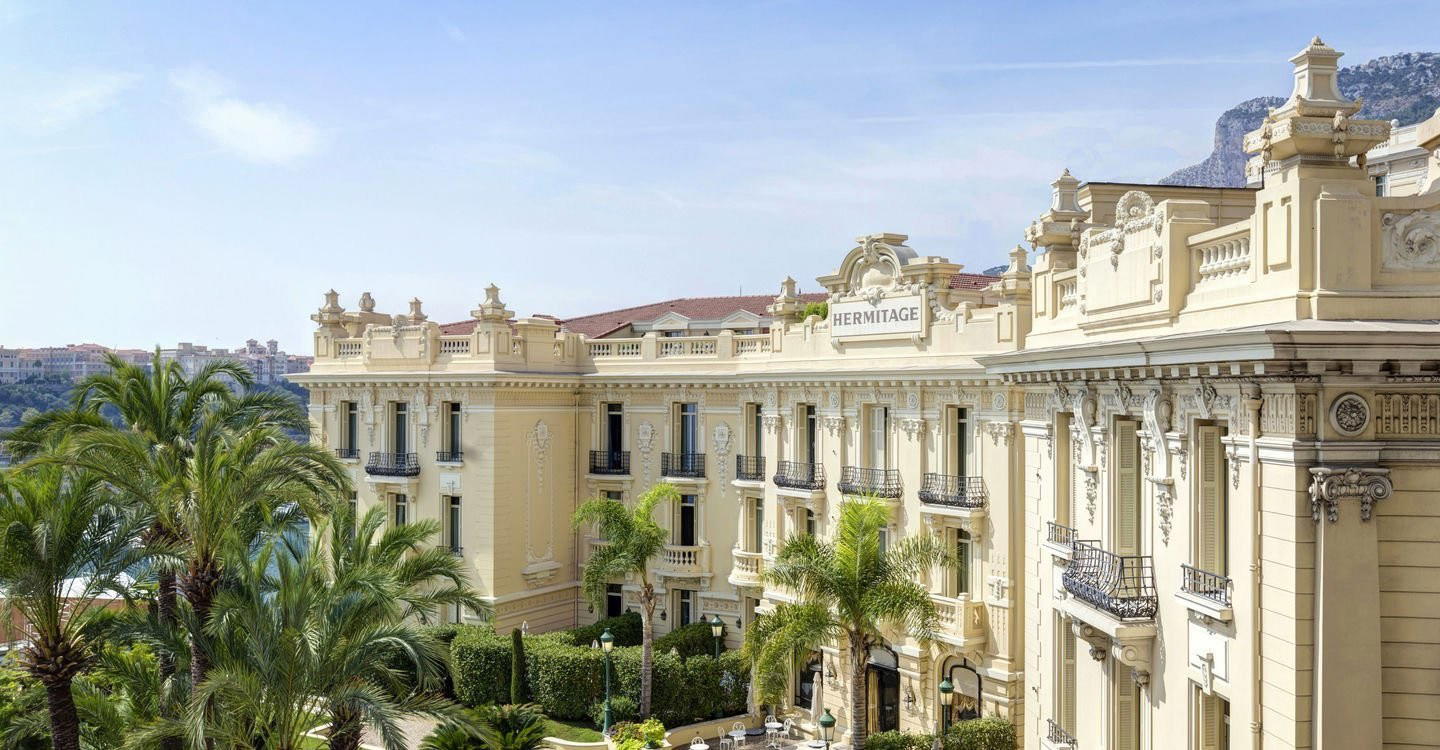
Wineries in Monte Carlo
Browse all →
At a Glance
- Elegant
- Sophisticated
- Intimate
- Opulent
- Special Occasion
- Date Night
- Hotel Restaurant
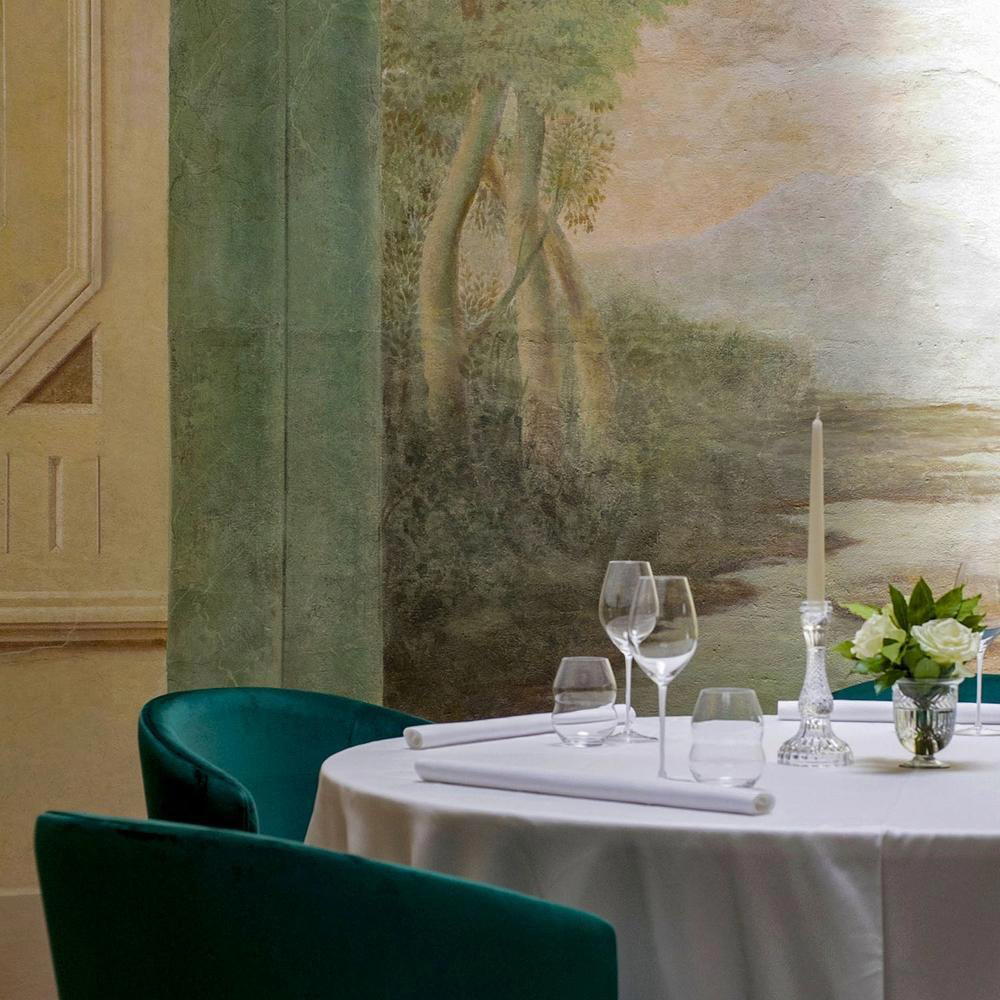
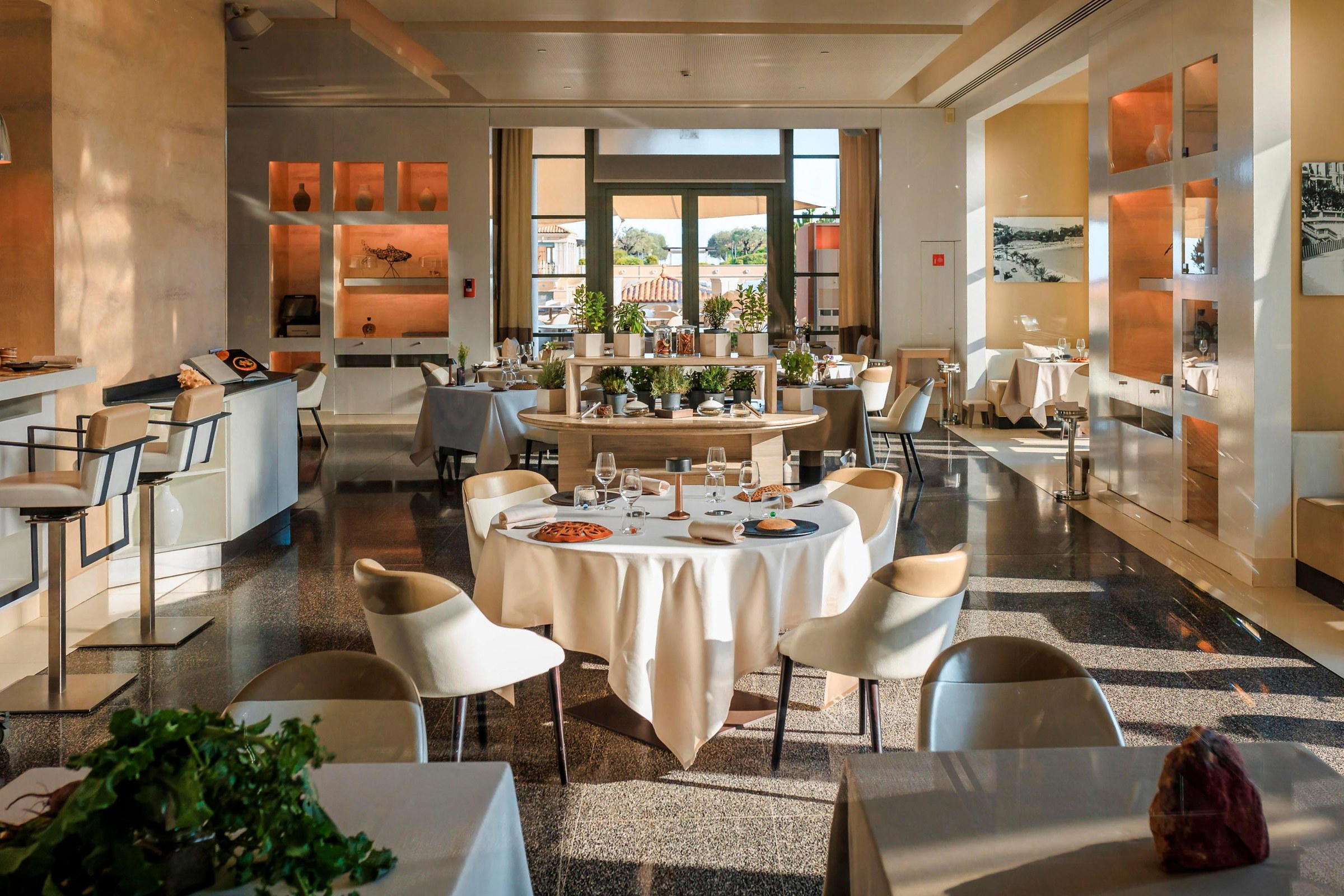
Intimate dining room beautifully adorned with crisp white tablecloths and Lalique crystal wall panels, providing a formal yet balanced atmosphere.