La Dame (Silver Nova)

La Dame is the dedicated fine-dining room aboard Silversea's Silver Nova, bringing French gastronomic tradition into a purpose-built shipboard setting. Where most cruise dining defaults to volume and informality, La Dame operates on a separate reservation tier, positioning itself closer to the white-tablecloth restaurants of Monaco's shoreside fine-dining circuit than to anything else at sea.
 Discover on Pearl
Pearl is the En Primeur Club membership app — saves, bookings, and concierge access live there. Same editors, same standards.
- Address
- Gildo Pastor Center 7, Rue du Gabian 98000 Monaco
- Phone
- 377-9770-2424
- Website
- silversea.com
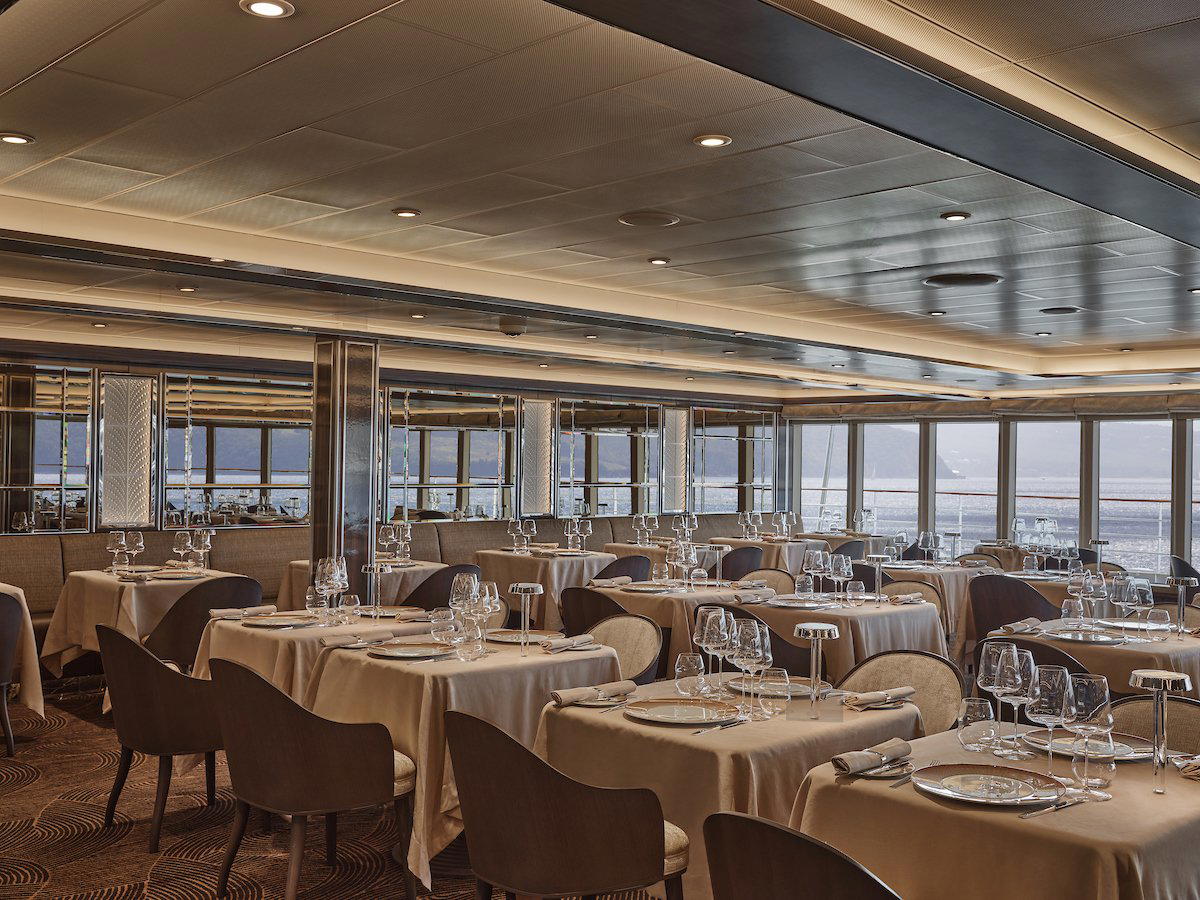
Where the Meal Is the Architecture
Fine dining at sea has always had to answer a structural question: how do you impose the rhythm and discipline of a formal French table service on an environment defined by movement, logistics, and competing formats? Most cruise lines resolve the tension by softening the formality. La Dame, the dedicated fine-dining room aboard Silversea's Silver Nova, takes the opposite approach. The room commits to the conventions of French gastronomic service, the sequence of courses, the precise clearing intervals, the deliberate pacing that signals the meal is a protected span of time rather than a transaction. In a shipboard context, that commitment is itself a design choice, and a pointed one.
The framing matters because it shapes everything about how the experience reads. La Dame is not the main dining room given a linen upgrade. It operates as a distinct reservation-only enclave, which places it in a different competitive category from the rest of the vessel's dining options. The relevant comparison is not other cruise ship restaurants. It is the white-tablecloth circuit of Monte Carlo's fine-dining rooms, places like Alain Ducasse's Louis XV, which established the template for French gastronomic cooking in the Principality, or Les Ambassadeurs by Christophe Cussac, where modern French technique operates inside a formal hotel-dining framework. La Dame situates itself within that tradition by design.
The Ritual of the French Table
French gastronomic service is built around sequence and signal. The amuse-bouche establishes intention. The bread service signals that the kitchen is ready. Each course arrives with its own logic of temperature, weight, and contrast. The transition between fish and meat is a structural pause, not just a flavour shift. Dessert is the closing argument. What distinguishes the leading expressions of this format, from Alléno Paris au Pavillon Ledoyen to Le Bernardin in New York, is that the pacing feels inevitable rather than imposed. The table is managed so that the diner never has to think about what comes next; that anticipation is held by the service team, not the guest.
La Dame's positioning within Silversea's fleet draws on French gastronomic heritage as its declared identity. French gastronomic tradition meets contemporary cruise design. That pairing is more specific than it sounds. French gastronomic heritage is a defined set of conventions with a documented lineage, classical brigade structure, codified sauce families, the Escoffier inheritance that shaped European fine dining through the twentieth century, and the post-nouvelle vague that followed. Invoking that tradition in a shipboard context is an act of reference, and the credibility of the reference depends entirely on execution. Shoreside, the same test applies to peers like Blue Bay Marcel Ravin, where French training frames Caribbean-inflected creative cooking, or Elsa, where Mediterranean produce anchors a format that still observes formal service conventions.
Dining as Delineated Time
The experiential logic of reservation-only fine dining on a ship is worth examining directly. At venues like Alinea in Chicago or Lazy Bear in San Francisco, the booking itself is a commitment to a time structure: you arrive, the kitchen begins, and the sequence unfolds on its own clock. La Dame operates on a similar premise. The separation from the ship's general dining flow is functional, not merely decorative. It creates a closed temporal envelope, a meal that has a beginning, a middle, and an end with no ambient noise from adjacent options. For passengers accustomed to casual dining formats, the transition into La Dame's register involves a deliberate adjustment. That adjustment is part of the offering.
Monaco as a port context reinforces the frame. The Principality's dining culture is one of the most formal in Europe, where dress codes are observed and service ratios at leading tables remain high. L'Abysse Monte-Carlo runs omakase service with the counter discipline of Tokyo's leading rooms. Louis XV has maintained its three-Michelin-star status for decades. Nearby in La Turbie, Hostellerie Jérôme brings comparable rigour to a village-hotel format. Passengers dining at La Dame while the Silver Nova is berthed in Monaco are, in effect, engaging with the same end of the formality spectrum as the shoreside circuit, at a different price tier and with a different logistical profile. The Beef Bar Monaco represents the other end of that register, where the premium is on product rather than ceremony.
Context and Competitive Set
At sea, the fine-dining room with a distinct French identity and a reservation requirement places itself in a narrow cohort. Silversea operates at the luxury end of the expedition and ocean cruise market, which means La Dame's comparable set aboard ship is not the steakhouse or the Asian-fusion option. The relevant comparison within the broader luxury cruise fine-dining category runs to restaurants with comparable French classical commitments and equivalent formality signals. Shoreside equivalents in other cities include 8½ Otto e Mezzo Bombana in Hong Kong, where European classical training frames a fine-dining room in a luxury hotel context, and Emeril's in New Orleans, where French technique operates as a foundation for a distinctly local expression. In each case, the question is the same: how faithfully does the execution honour the declared tradition?
Practical planning for La Dame begins at the Silversea booking stage. Reservations are managed through the cruise line, not independently, and capacity within the room is limited relative to the ship's overall passenger count. Given the Silver Nova's positioning as a luxury vessel, demand at La Dame runs ahead of general dining availability. Passengers intending to dine there on multiple occasions during a voyage typically secure reservations in advance rather than boarding and hoping for availability.
Cuisine-First Comparison
Comparable venues nearby, for context on price, style, and recognition.
| Venue | Cuisine | Price | Awards | Notes |
|---|---|---|---|---|
| La Dame (Silver Nova)This venue — the venue you are viewing | French Fine Dining | $$$$ | 1 recognition | |
| Reserve de Beaulieu | Michelin-Starred French Mediterranean Fine Dining | $$$$ | , | Beaulieu-sur-Mer |
| La Dame (Silver Endeavour) | French Fine Dining | $$$$ | 1 recognition | Monte Carlo |
| Marius | Provençal Mediterranean | $$$$ | Michelin Plate | Port Hercule |
| Chez Pierre | Classic French Bistro | $$$$ | , | Carré d'Or |
| Pulcinella | Traditional Italian & Mediterranean | $$$ | , | Monte-Carlo |
Continue exploring
More in Monte Carlo
Restaurants in Monte Carlo
Browse all →
Bars in Monte Carlo
Browse all →
Hotels in Monte Carlo
Browse all →
Wineries in Monte Carlo
Browse all →
At a Glance
- Elegant
- Sophisticated
- Opulent
- Special Occasion
- Hotel Restaurant
- Waterfront
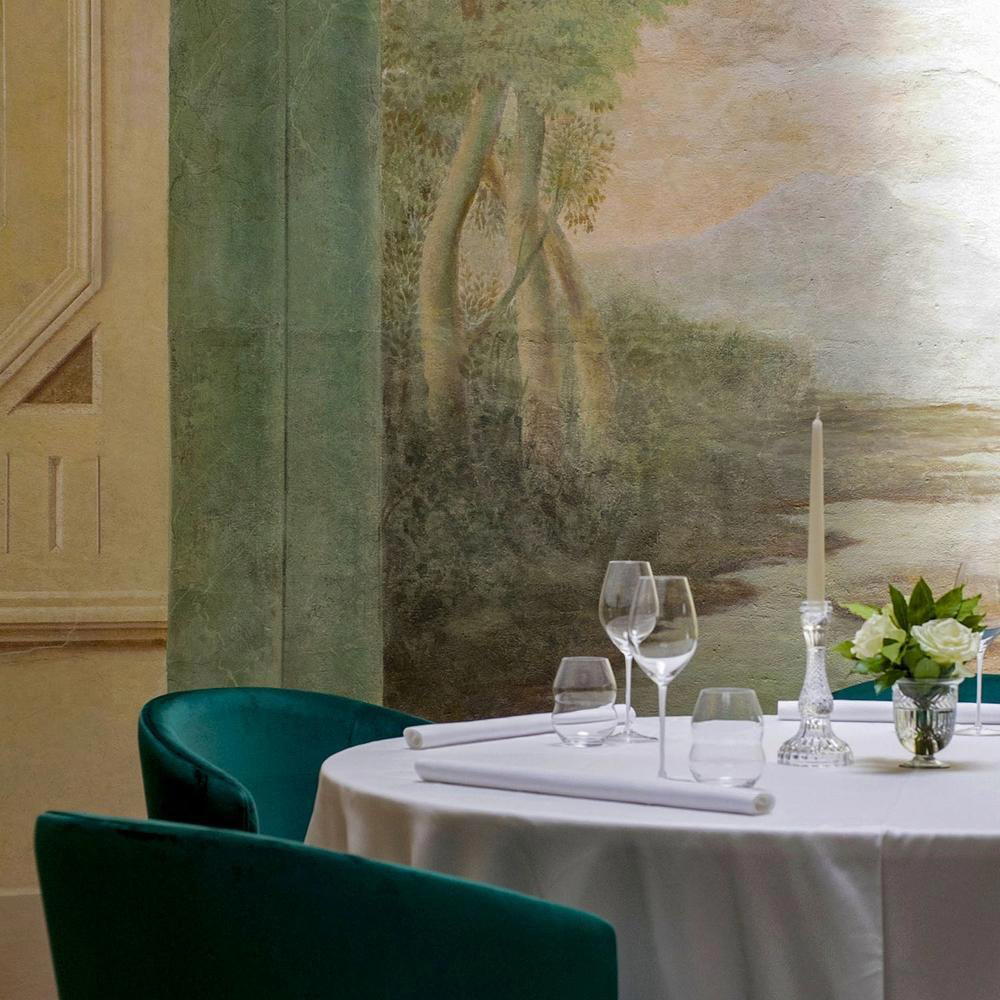
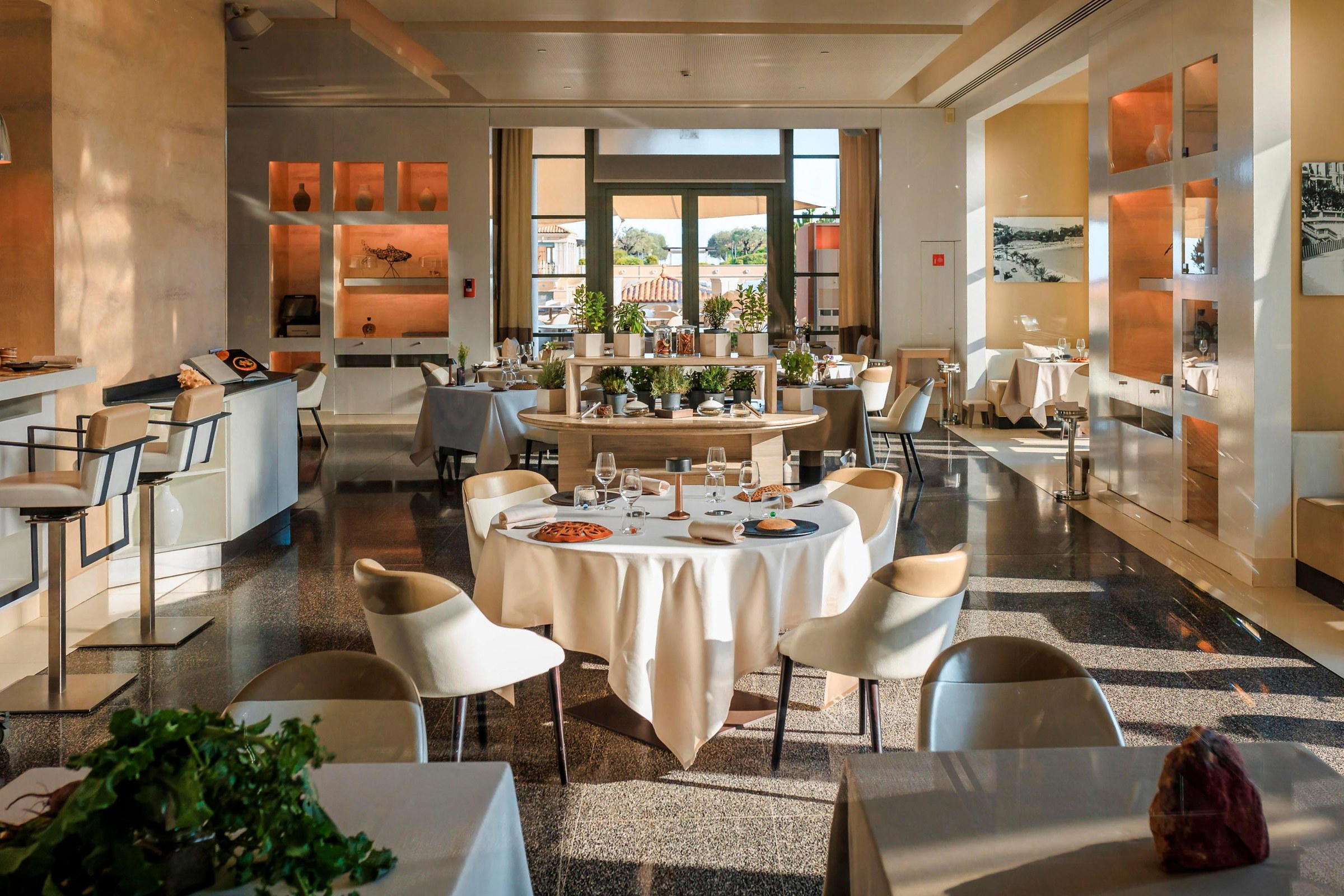
Elegant and sophisticated atmosphere in a premium cruise ship dining room.