Our verdict
La CaVe à Montreuil, on Rue de Paris in the heart of Montreuil, sits within one of the Paris suburbs most active dining corridors. The address places it alongside a cluster of independently-minded restaurants where provenance and product quality drive the kitchen. For visitors exploring the inner eastern banlieue, it is a reference point in a neighbourhood that has been redefining suburban French dining for a decade.

Pearl is the En Primeur Club membership app, where members save venues, book tables and use the concierge.
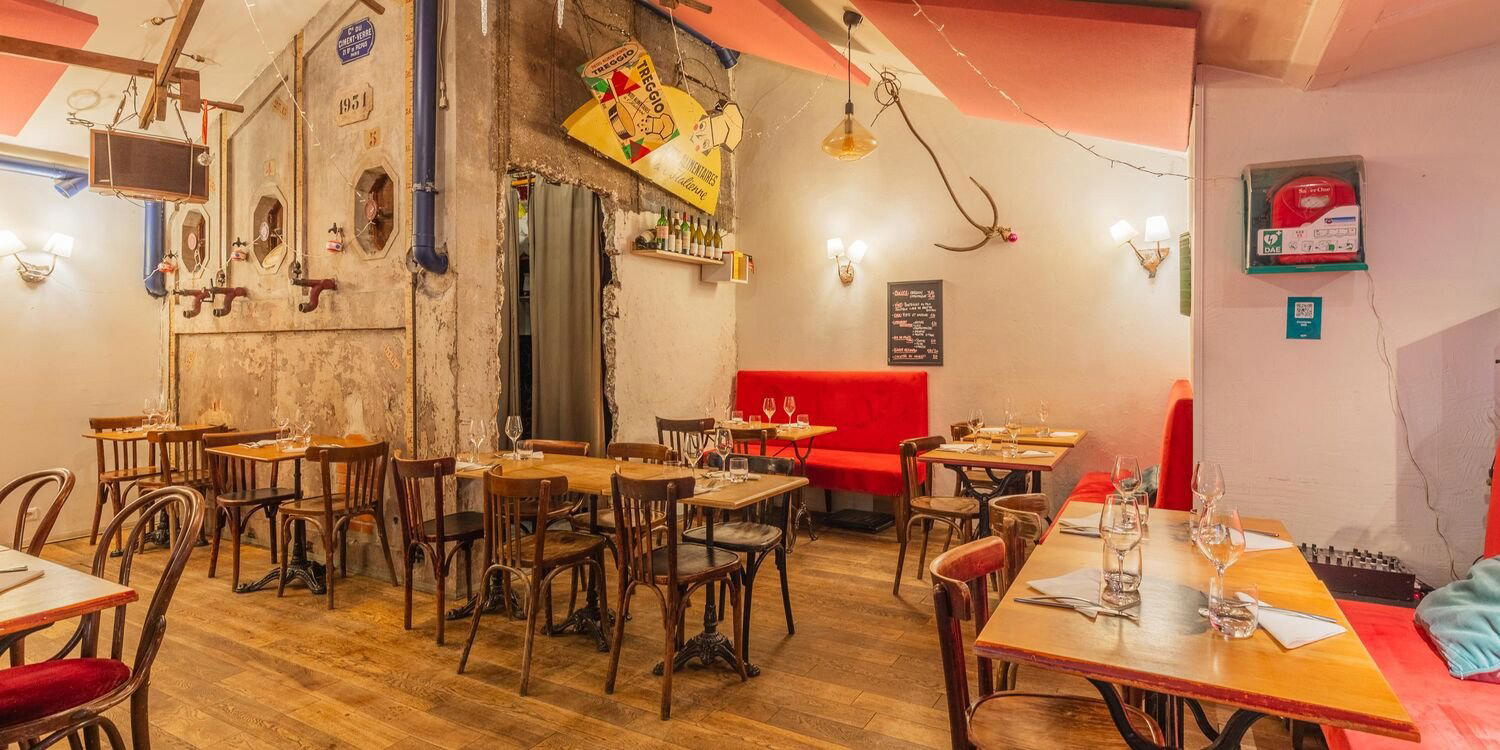
Montreuil and the Ingredient-First Restaurant
The inner eastern banlieue of Paris has become, over the past decade, one of the more interesting places in the Île-de-France region to eat seriously. Montreuil, sitting a short Metro or tram ride from Nation or Vincennes, attracts a specific kind of restaurateur: one who cannot afford central Paris rents, does not want central Paris foot traffic, and is willing to stake a proposition on product quality alone. The address at 45 Rue de Paris places La CaVe à Montreuil inside that context, on the town's main artery, where several restaurants have built reputations without Michelin stars, national press campaigns, or celebrity-chef associations.
What defines the leading suburban Paris dining right now is not a relaxation of standards but a recalibration of where the budget goes. When rent falls, the margin that would have gone to a landlord can go to a supplier. That logic has quietly produced some of the most ingredient-focused cooking in greater Paris, and it shows most clearly on the plates rather than the room. Montreuil sits at the sharper end of that pattern, with a concentration of independently-run addresses that read quality back through sourcing rather than through technique for its own sake. For comparison, consider what similar thinking has produced at restaurants like Mirazur in Menton or Bras in Laguiole, where the argument for a specific geography as a larder is made explicitly through the menu. In Montreuil, that argument tends to be quieter, but no less present.
The Street and What Surrounds It
Rue de Paris is the kind of address that rewards walking. It connects the old market town character of central Montreuil to its more residential edges, and the restaurants along it reflect both impulses: some are neighbourhood bistros with deep local clientele, others are newer openings with a sharper focus on wine lists or single-origin sourcing. La CaVe à Montreuil occupies a position in this stretch that makes it a natural point of comparison with nearby addresses like Anecdote, Gypse, and La Follia, each of which has staked a different editorial position in what is becoming a genuinely competitive local dining corridor.
The name itself signals intent. A cave in the French restaurant context is rarely just a cellar; it signals an orientation toward wine as a primary organising principle for the table. In the current Montreuil scene, wine-forward addresses tend to also be the ones most interested in where food comes from, because the producer logic that drives natural and artisan wine selection maps neatly onto the sourcing logic of market-led menus. Whether that holds true here in the same way it does at an address like Là-bas or Le Bistrot du Château is a question the room answers quickly.
Sourcing as Editorial Stance
Across French restaurants operating at this price tier in the inner suburbs, the kitchen's relationship with its suppliers is increasingly the most legible form of identity. It is more stable than trends in technique, more durable than aesthetic choices in interior design, and more communicative to a regular clientele than a seasonal menu alone. The restaurants in greater Paris that have built lasting reputations in this mould, from the southern latitude of AM par Alexandre Mazzia in Marseille to the formal rigour of Assiette Champenoise in Reims, tend to communicate sourcing explicitly, on the menu or verbally during service.
In the suburban Paris context, that communication is often less formal. The supplier's name may appear on a chalkboard or be mentioned by whoever is running the floor. The implied contract with the diner is that the provenance of what arrives at the table has been thought through, and that the menu reflects what was available and good that week rather than what was locked in three months prior. For a dining culture that has long been organised around the discipline of the fixed carte, this represents a genuine shift, one that French food criticism has spent the past five years debating with some energy. A visit to an address in Montreuil sits inside that debate, whether or not the restaurant frames it that way.
For context on how French fine dining handles sourcing at the other end of the price spectrum, the contrast with addresses like Alléno Paris au Pavillon Ledoyen, Troisgros in Ouches, or Flocons de Sel in Megève is instructive. At three-star level, terroir sourcing is codified, announced, and treated as a pillar of the restaurant's identity. At independent suburban level, the same values operate but the communication tends to be lateral rather than ceremonial. Both approaches can produce compelling food; they produce very different dining experiences.
How to Plan a Visit
Montreuil is accessible by RER A to Vincennes and then a short walk into town, or directly via the T1 tramway. The Rue de Paris corridor is compact enough to combine La CaVe à Montreuil with other stops on the same evening, particularly given the density of independently-run restaurants in the immediate area. Montreuil's dining scene rewards the same approach useful anywhere with a fast-moving independent restaurant culture: check recent activity, book ahead for weekend evenings, and treat the neighbourhood as a destination rather than a detour. Our full Montreuil restaurants guide maps the broader picture for anyone building an itinerary across the area.
For those whose frame of reference extends to transatlantic comparisons, the inner-suburb model operating here rhymes with what has developed around addresses like Atomix in New York City or the sustained rigour of Le Bernardin: the conviction that where ingredients come from shapes what ends up on the plate more than any other single decision. In Montreuil, that conviction plays out without the ceremony of starred dining, which is part of what makes the neighbourhood worth the short journey from central Paris. Equally, the regional tradition running from Auberge de l'Ill in Illhaeusern to Au Crocodile in Strasbourg and Paul Bocuse in Collonges-au-Mont-d'Or reminds us that French dining's serious addresses have never been exclusively Parisian. Montreuil is simply the most recent node in a long tradition of good cooking happening slightly off the obvious map.
Frequently asked questions
Is La CaVe à Montreuil okay with children?
La CaVe à Montreuil sits on Rue de Paris in a neighbourhood with a strong residential character, which suggests a local, relaxed atmosphere rather than a formal dining room. That said, the venue's focus on wine positions it closer to a cave à manger format than a family restaurant. Families with older children who are comfortable in a wine-forward setting will likely find it more suitable than those with young ones.
How would you describe the vibe at La CaVe à Montreuil?
The address, 45 Rue de Paris, 93100 Montreuil, places it in the inner eastern banlieue, where the dining scene over the past decade has moved toward ingredient-led, producer-focused venues rather than formal gastronomy. Expect a counter or cave aesthetic: unhurried, conversational, the kind of place where the wine list does most of the editorial work. It reads as a neighbourhood institution for locals who take their glass seriously.
Is La CaVe à Montreuil easy to reach from central Paris, and what is the neighbourhood like on foot?
Montreuil is accessible via the T1 tramway or RER A to Vincennes, with the Rue de Paris corridor a short walk from either stop. The address at number 45 places La CaVe in a stretch that connects Montreuil's old market-town core to its more residential edges, compact enough to explore on foot and dense enough in neighbourhood character to reward arriving early and walking the street before your visit.
What dish is La CaVe à Montreuil famous for?
Given the cave format and the broader culinary direction of serious wine venues in the Montreuil area, the kitchen's role is typically to complement the cellar selection rather than compete with it, small plates and market-driven provisions are the norm in this category across the Île-de-France inner suburbs.
How do I find La CaVe à Montreuil?
La CaVe à Montreuil is located at 45 Rue de Paris, 93100 Montreuil, France, Montreuil.
How hard is it to get a table at La CaVe à Montreuil?
Reservation data for La CaVe à Montreuil is not currently on record here. Venues of this type in Montreuil's Rue de Paris corridor tend to operate with limited covers and draw a loyal local following, so booking ahead, particularly for weekends, is the sensible approach. Contacting the venue directly will give you the clearest picture of lead times.
How It Stacks Up
Comparable venues nearby, for context on price, style, and recognition.
| Venue | Cuisine | Price | Awards | Notes |
|---|---|---|---|---|
| La CaVe à MontreuilThis venue (the venue you are viewing) | French Wine Bistro | $30–50 | Not listed | Not listed |
| Gypse | Bistronomique French | $30–50 | Not listed | Montreuil centre-ville |
| Metà e Metà | Neapolitan Pizzeria & Italian Grocery | $20–30 | Not listed | Montreuil |
| Là-bas | Modern French Bistronomy | $50–100 | Michelin Plate | Montreuil |
| OTTO | Turkish Street Food | Not listed | Not listed | Montreuil |
| Anecdote | Traditional French Bistro | $50–100 | Michelin Plate | Montreuil-sur-Mer |
Continue exploring
More in Montreuil
Restaurants in Montreuil
All restaurants in Montreuil →
Bars in Montreuil
Browse all →
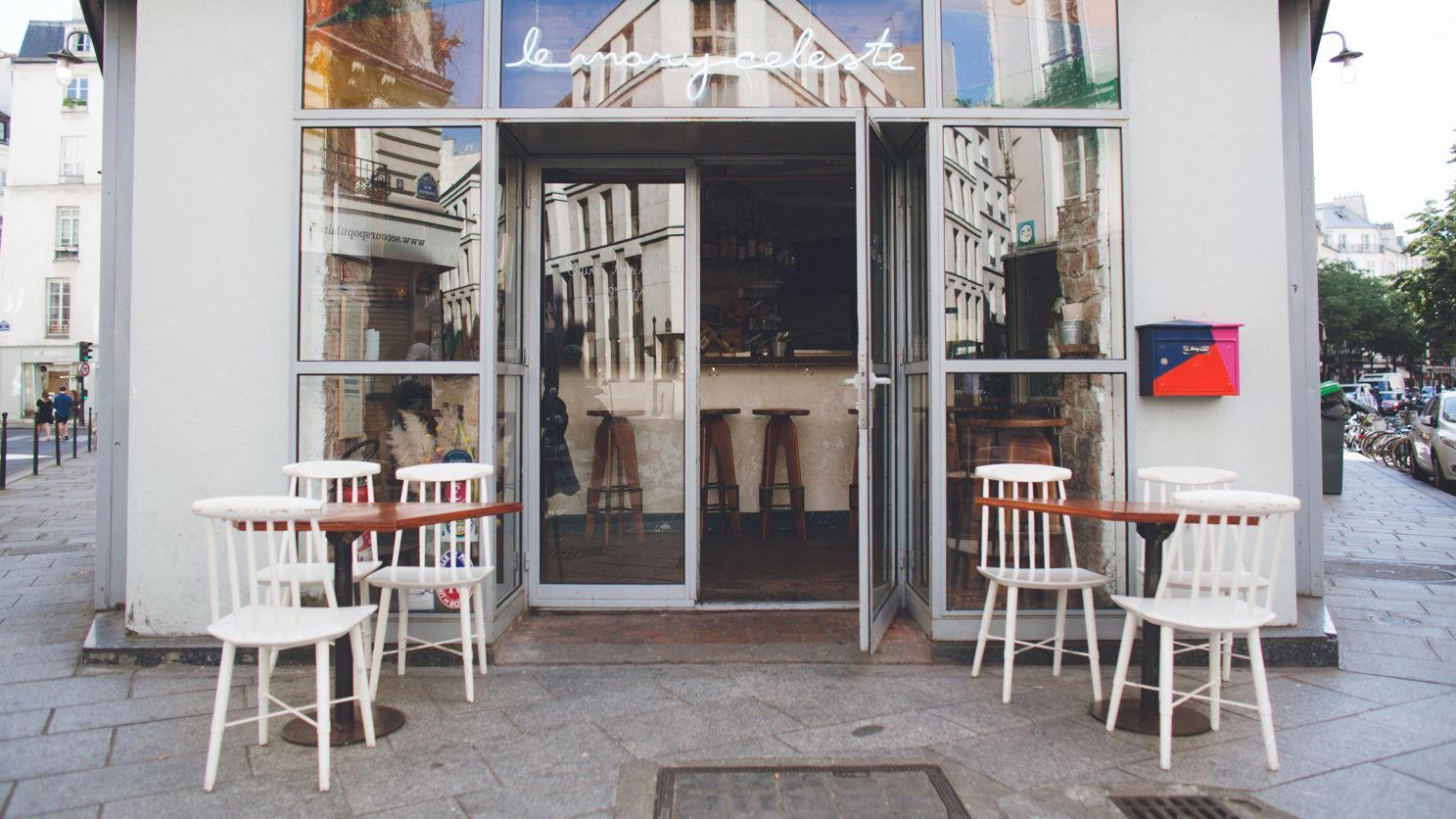
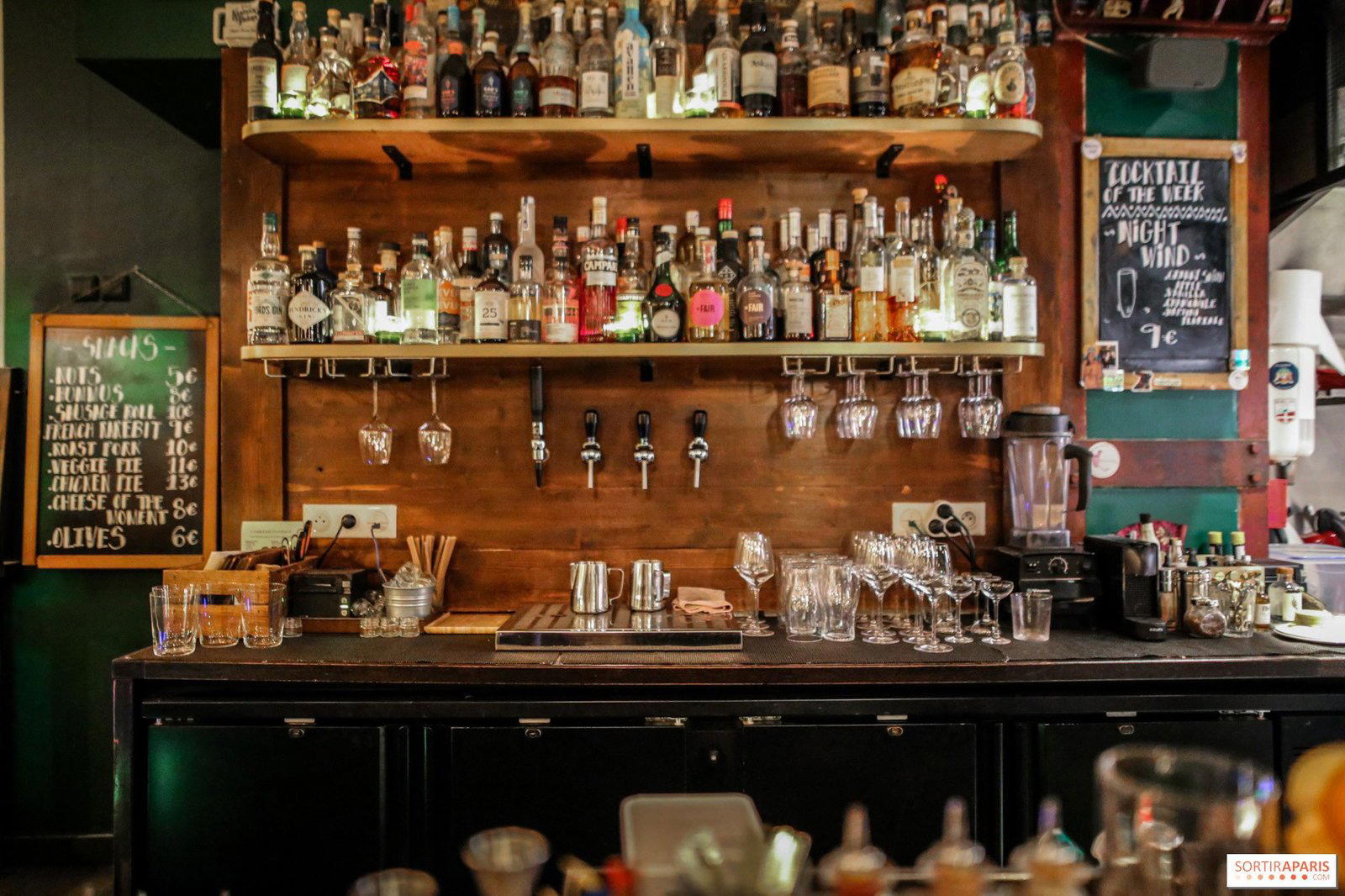
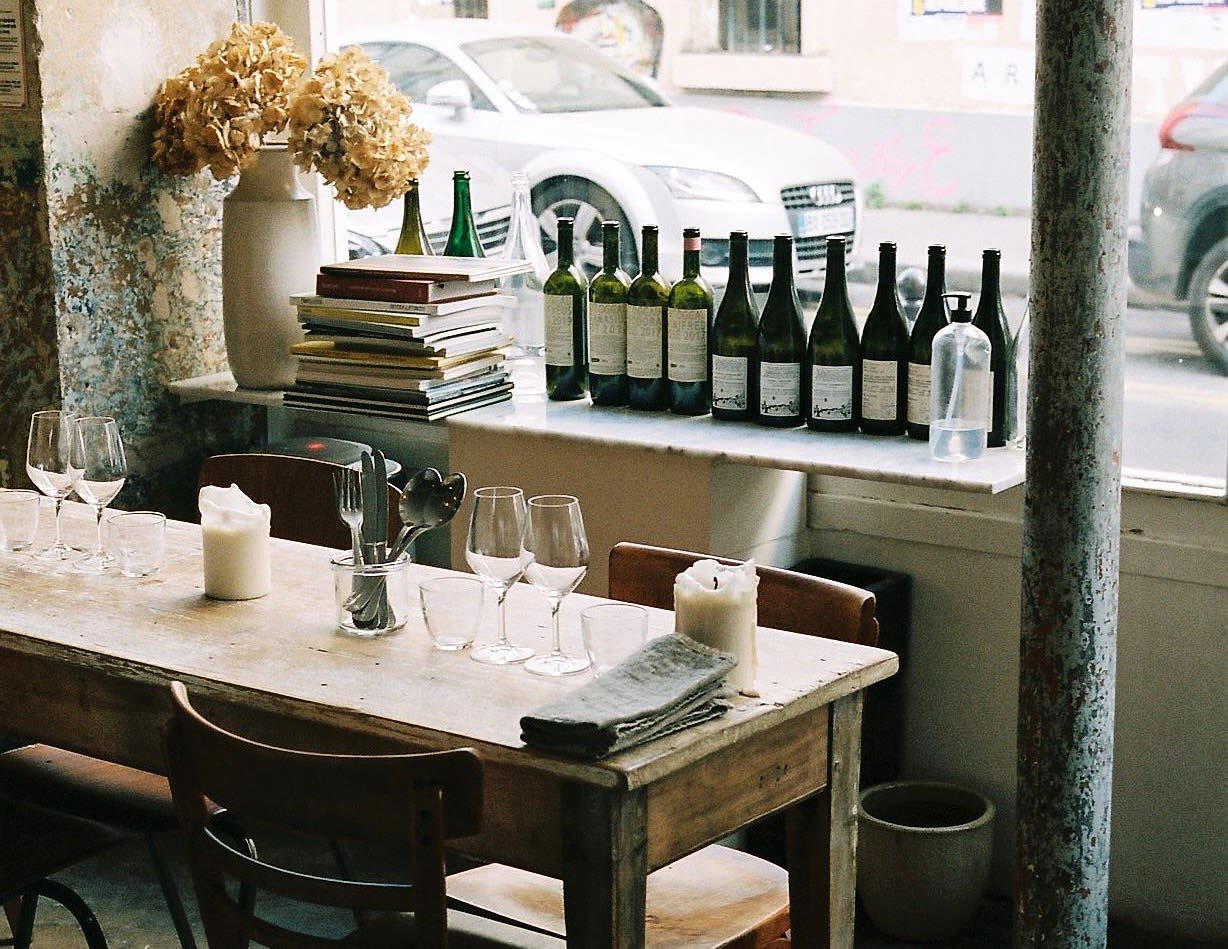
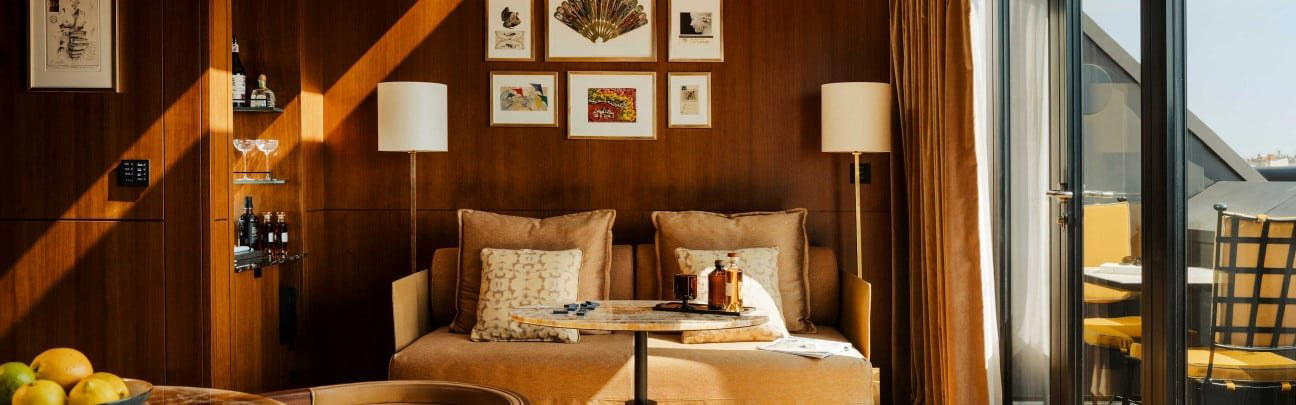
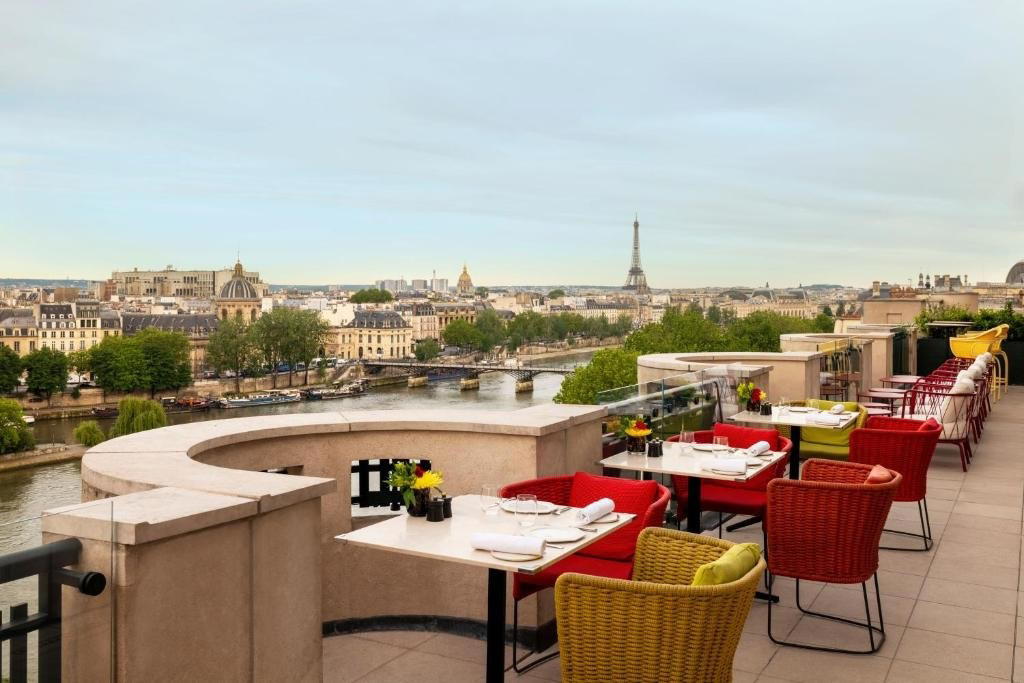
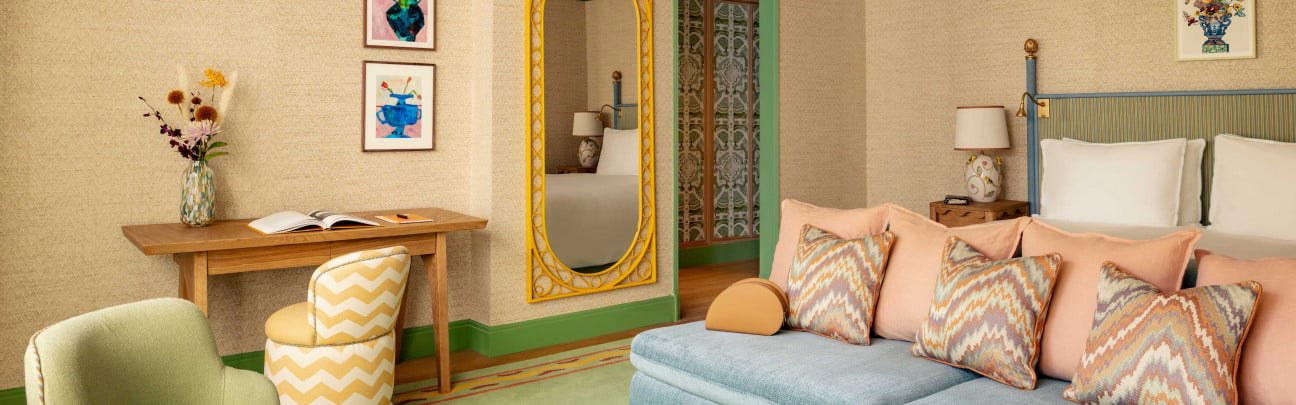
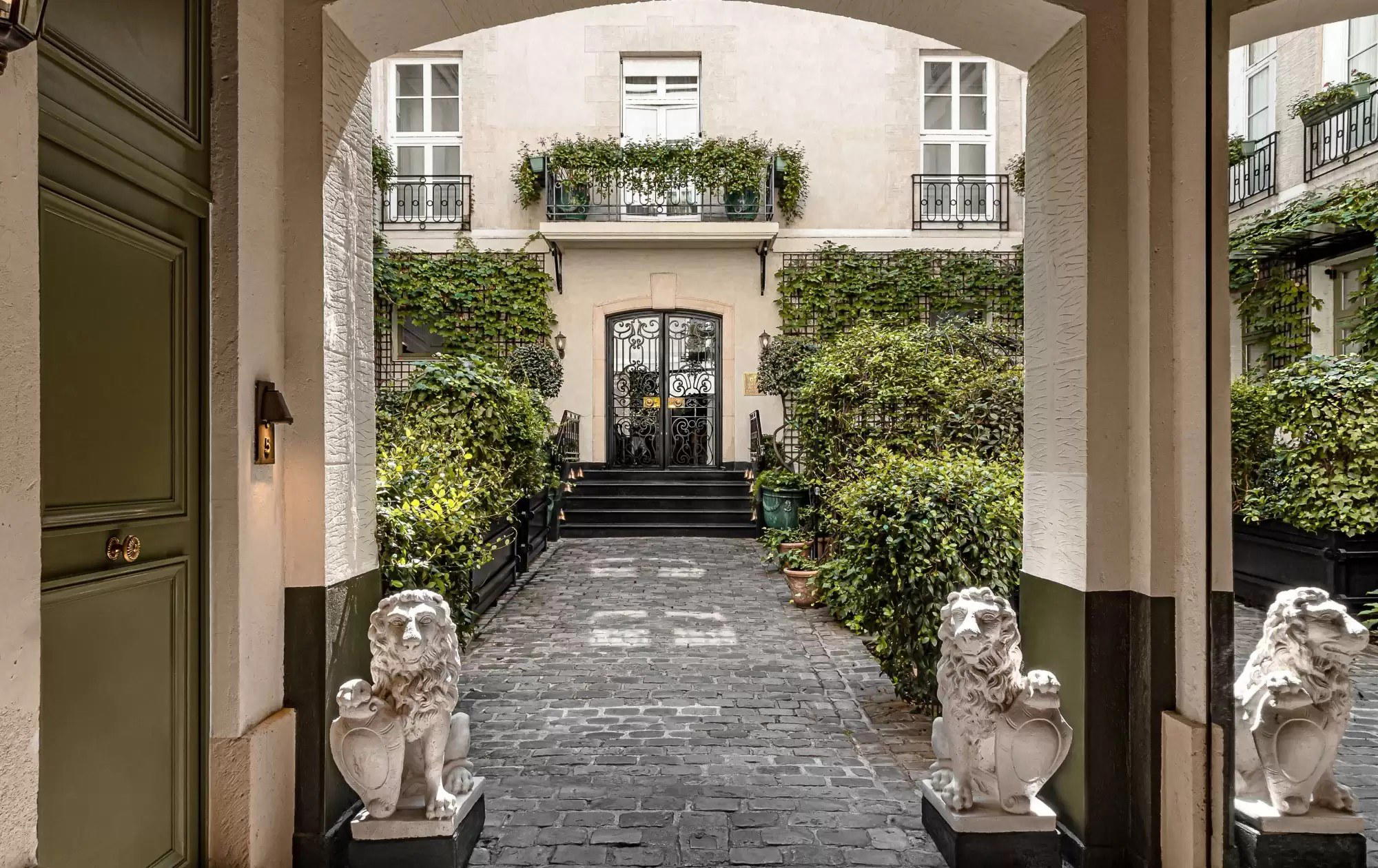



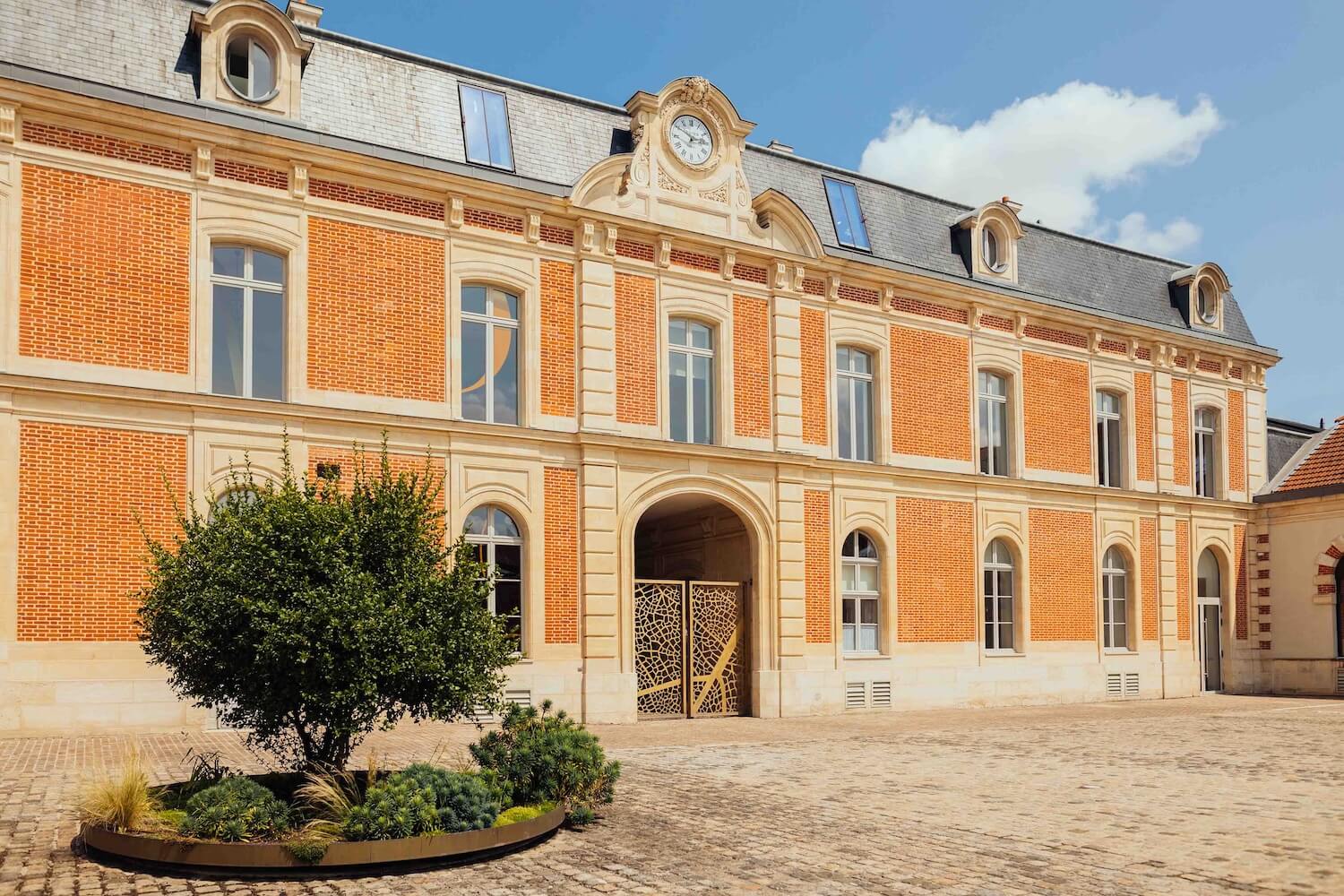
La CaVe à Montreuil
The wine
- Wine program
- Deep wine list
- Extensive wine list
Details
- Cozy
- Intimate
- Trendy
- Date Night
- After Work
- Casual Hangout
- Terrace
- Wine Cellar
- Extensive Wine List
- Local Sourcing
- A La Carte
Current opening hours
- Monday
- 10:30 AM–12 AM
- Tuesday
- 10:30 AM–12 AM
- Wednesday
- 10:30 AM–12 AM
- Thursday
- 10:30 AM–12 AM
- Friday
- 10:30 AM–12 AM
- Saturday
- 10:30 AM–12 AM
- Sunday
- 10 AM–1 PM
Hours can change for holidays and private events. Hours as of .
Warm and friendly atmosphere with a distinctive tree-perched terrace, ideal for good living and afterwork vibes.