Our verdict
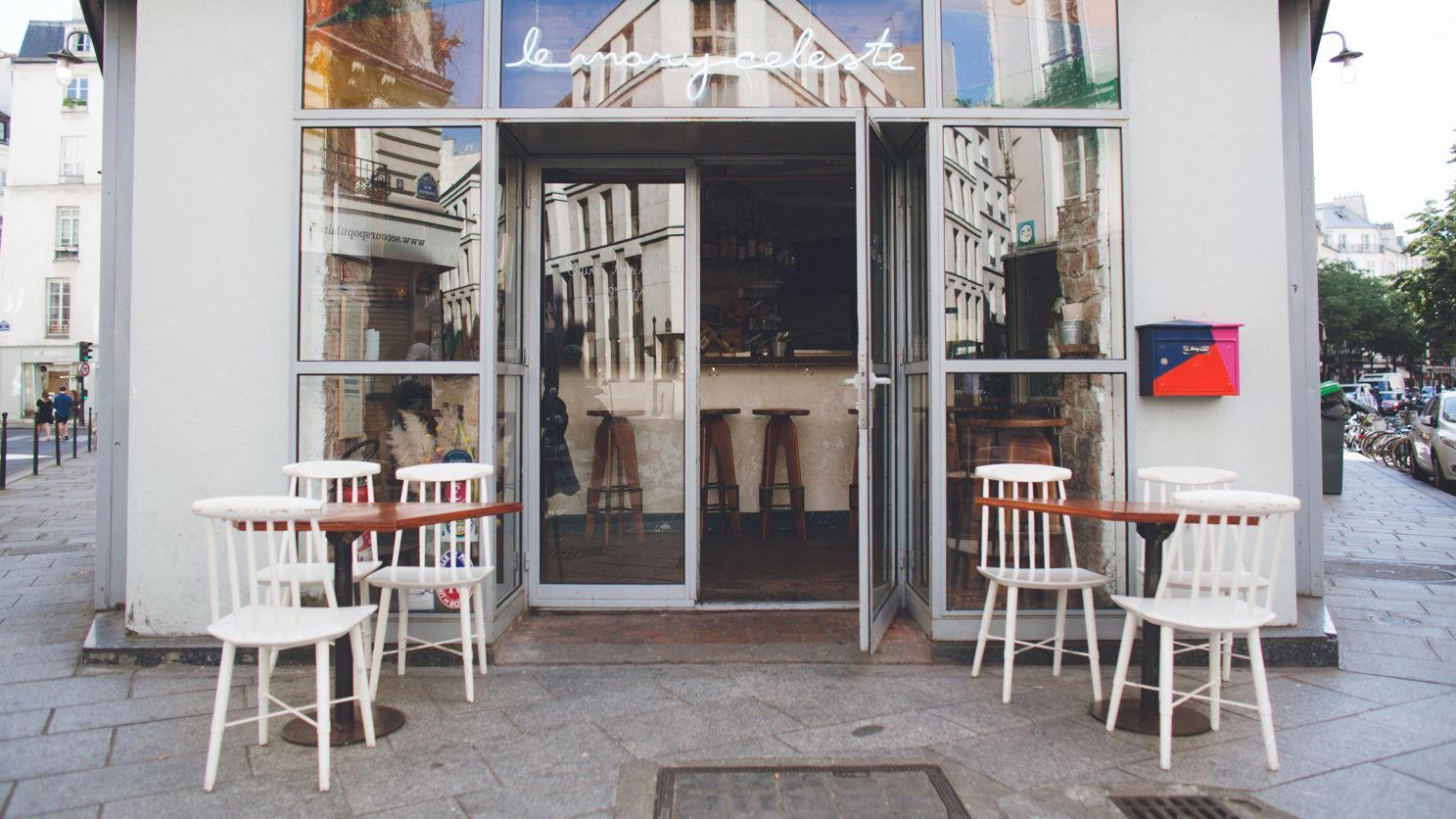
Metà e Metà occupies a quietly considered address on Rue du Capitaine Dreyfus in Montreuil, the suburb east of Paris that has become a genuine destination for independent restaurant culture. The name, Italian for 'half and half', signals a kitchen working across two culinary registers, and the dining room holds that same duality: neighbourhood casual in feel, technically serious in execution.

Pearl is the En Primeur Club membership app, where members save venues, book tables and use the concierge.
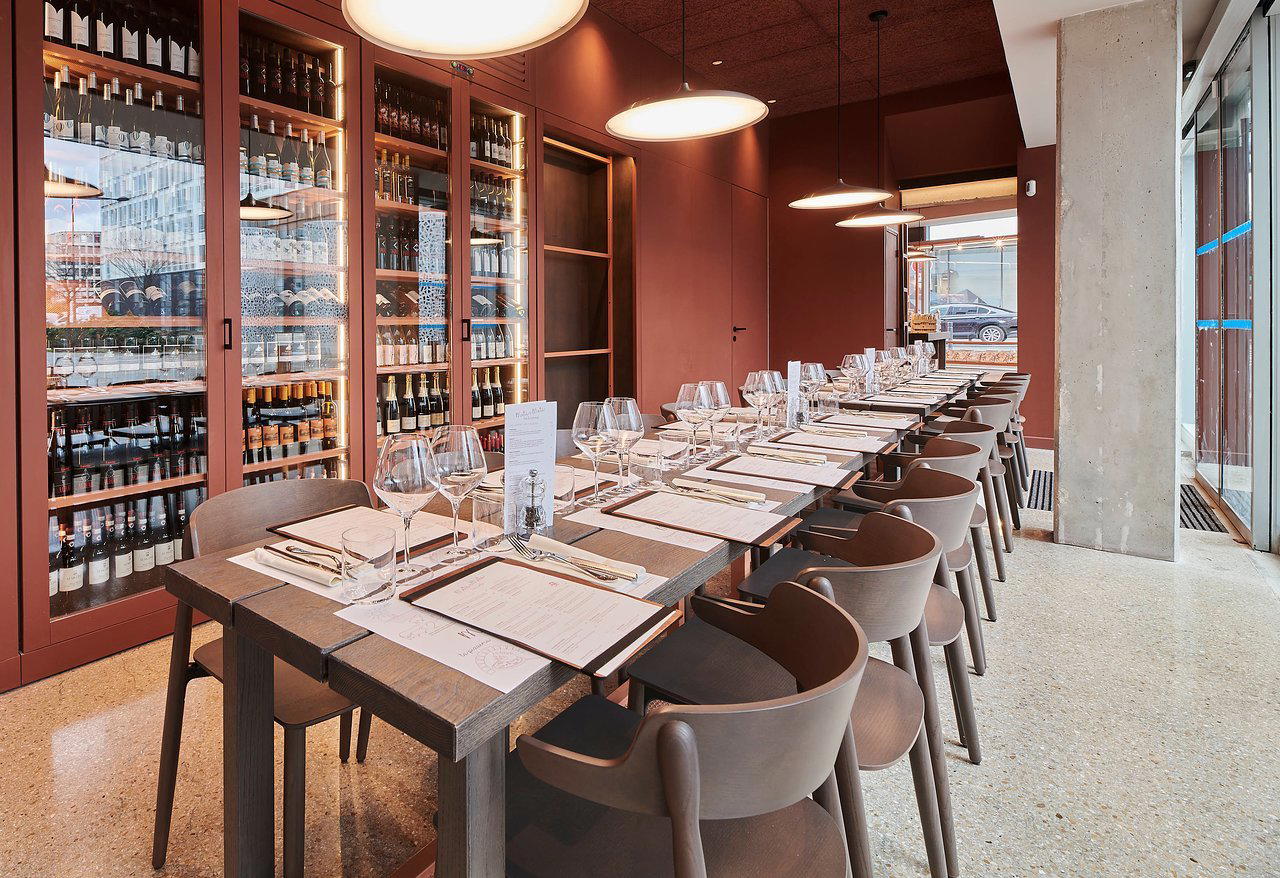
Montreuil's Dining Identity and Where Metà e Metà Sits Within It
Montreuil has spent the better part of a decade shedding its peripheral-Paris reputation and building a restaurant scene that functions on its own terms. The pattern is consistent across the suburb's better addresses: independent ownership, menus that resist easy categorisation, and a room atmosphere that trades spectacle for attentiveness. Metà e Metà at 51 Rue du Capitaine Dreyfus follows that logic. The address sits in a quarter where the architecture is unassuming and the street-level signage rarely announces ambition, which in Montreuil has become something of a signature for the places worth finding. Comparable independents like Anecdote and Gypse occupy a similar register: the dining room does not lead with theatre, so the food has to justify the trip on its own.
The name itself sets the frame. 'Metà e Metà', Italian for half and half, points toward a kitchen working across two culinary traditions rather than committing entirely to one. In the broader context of French suburban dining, that cross-referencing approach has become more common as chefs trained in classical French kitchens bring in influences from Italian simplicity, Mediterranean directness, or further afield. The result tends toward menus where technique is present but not foregrounded, and where the sourcing of ingredients carries as much editorial weight as the preparation.
The Ritual of the Meal Here
The customs and pacing of a meal at a place like Metà e Metà matter as much as any individual dish. Montreuil's better restaurants have largely rejected the compressed, high-turnover format that defines Paris's busier arrondissements. Tables here are expected to hold for the duration of the meal, courses arrive with spacing that allows for actual conversation, and the room does not press for a decision on dessert before the main course has been cleared. That rhythm is not unusual in French provincial dining, where restaurants like Auberge de l'Ill in Illhaeusern or Bras in Laguiole have long modelled a pace that treats the meal as an extended event rather than a transaction, but it is less common this close to Paris, where real estate costs and reservation pressure tend to compress everything.
Half-and-half duality encoded in the name suggests a menu that moves between French and Italian registers, which in practice means dishes where French technique meets Italian economy of ingredient. That pairing has a logic: Italian cooking at its most serious is restrained, relying on quality of primary ingredients rather than complexity of sauce or construction. French cooking at its most precise is architectural. Where the two meet, a well-made pasta enriched with a French mother sauce's precision, or a classical braise deployed with Italian parsimony of garnish, the results tend to be more interesting than either tradition pursued in isolation. The restaurants in France that have made this cross-register approach work most convincingly, from Mirazur in Menton to smaller neighbourhood addresses, tend to do so by letting the ingredient determine which tradition leads on any given plate.
Among Montreuil's independent restaurants, the stronger addresses share a few consistent characteristics: they tend to have compact menus that change with supply rather than season, they work with wine lists that lean toward natural and low-intervention producers, and they price at a point that makes regular return visits possible rather than positioning themselves as occasion-only destinations. La CaVe à Montreuil and La Follia both operate within this framework, as does Le Bistrot du Château. The distinction between them lies less in format than in the specific culinary identity each has developed.
Metà e Metà's Italian-French axis places it in a slightly different competitive set than a purely French bistro or a wine-bar-led address. It is closer in spirit to the kind of Franco-Italian table that has become a recognisable format in Paris proper, informal in service, serious about pasta and natural wine, attentive to the sourcing of charcuterie and cheese, but operating at the lower prices and slower pace that Montreuil's rents allow. In Paris, comparable formats in more central arrondissements carry a premium that has little to do with the food and everything to do with postcode. The case for crossing to Montreuil is, in part, the case for paying for the cooking rather than the address.
That argument holds more broadly across the French dining spectrum. The restaurants that have defined French cooking at its most serious, from Troisgros in Ouches to Paul Bocuse in Collonges-au-Mont-d'Or, have done so outside Paris as often as within it. The instinct to travel for the food rather than be confined by geography is embedded in how the French think about dining. Montreuil operates on a smaller scale, but the logic is the same.
Planning a Visit
Metà e Metà is located at 51 Rue du Capitaine Dreyfus, 93100 Montreuil. The address is accessible by Metro Line 9 (Croix de Chavaux station) and sits within walking distance of several other independent addresses covered in our full Montreuil restaurants guide. Booking in advance is advisable given the format, small independent rooms in this part of Montreuil tend to fill midweek as well as at weekends, and the neighbourhood's growing reputation has shortened walk-in availability.
Frequently asked questions
What's Metà e Metà's location?
Metà e Metà is located at 51 Rue du Capitaine Dreyfus, 93100 Montreuil, France, Montreuil.
Is Metà e Metà a good option for a dinner near the Croix de Chavaux Metro?
Metà e Metà sits on Rue du Capitaine Dreyfus in Montreuil, accessible via Metro Line 9 at Croix de Chavaux, one of the more straightforward connections from central Paris to the suburb's independent restaurant cluster. The Italian-French format positions it as an evening destination rather than a quick-turnaround lunch stop. For visitors coming from Paris specifically, the journey adds roughly 20 minutes from République, which is a reasonable trade for a Montreuil dining room operating outside the capital's pricing pressures.
What's the must-try dish at Metà e Metà?
The menu at Metà e Metà shifts with supply and season, which is consistent with how Montreuil's stronger independent addresses operate. The Italian-French dual register the name signals points toward cooking that draws on both traditions rather than defaulting to one. Your best approach is to ask the room what arrived that week, at 51 Rue du Capitaine Dreyfus, that kind of dialogue tends to be part of how the meal works.
Do they take walk-ins at Metà e Metà?
Walk-in availability has become less predictable across Montreuil's independent restaurants as the suburb's dining reputation has grown over the past several years. Booking ahead is advisable, particularly for evening sittings.
What do critics highlight about Metà e Metà?
That is not unusual for Montreuil's independent scene, several of the suburb's most consistently praised addresses operate with minimal press presence and rely on word of mouth within the local dining community. The Italian-French framing alone signals a kitchen working across two specific culinary traditions rather than producing generic mid-market European fare.
What It’s Closest To
Comparable venues nearby, for context on price, style, and recognition.
| Venue | Cuisine | Price | Awards | Notes |
|---|---|---|---|---|
| Metà e MetàThis venue (the venue you are viewing) | Neapolitan Pizzeria & Italian Grocery | $20–30 | Not listed | Not listed |
| La Follia | Apulian Cucina Popolare | $20–30 | Not listed | Montreuil |
| Anecdote | Traditional French Bistro | $50–100 | Michelin Plate | Montreuil-sur-Mer |
| La CaVe à Montreuil | French Wine Bistro | $30–50 | Not listed | Montreuil |
| OTTO | Turkish Street Food | Not listed | Not listed | Montreuil |
| Gypse | Bistronomique French | $30–50 | Not listed | Montreuil centre-ville |
Continue exploring
More in Montreuil
Restaurants in Montreuil
All restaurants in Montreuil →
Bars in Montreuil
Browse all →
Details
- Cozy
- Modern
- Rustic
- Casual Hangout
- Family
- Terrace
- Natural Wine
- Organic
- Local Sourcing
- A La Carte
- Vegetarian Friendly
Current opening hours
- Monday
- 12–2 PM, 7–10 PM
- Tuesday
- 12–2 PM, 7–10 PM
- Wednesday
- 12–2 PM, 7–10 PM
- Thursday
- 12–2 PM, 7–10 PM
- Friday
- 12–2 PM, 7–10 PM
- Saturday
- 12–2 PM, 7–10 PM
- Sunday
- Closed
Hours can change for holidays and private events. Hours as of .
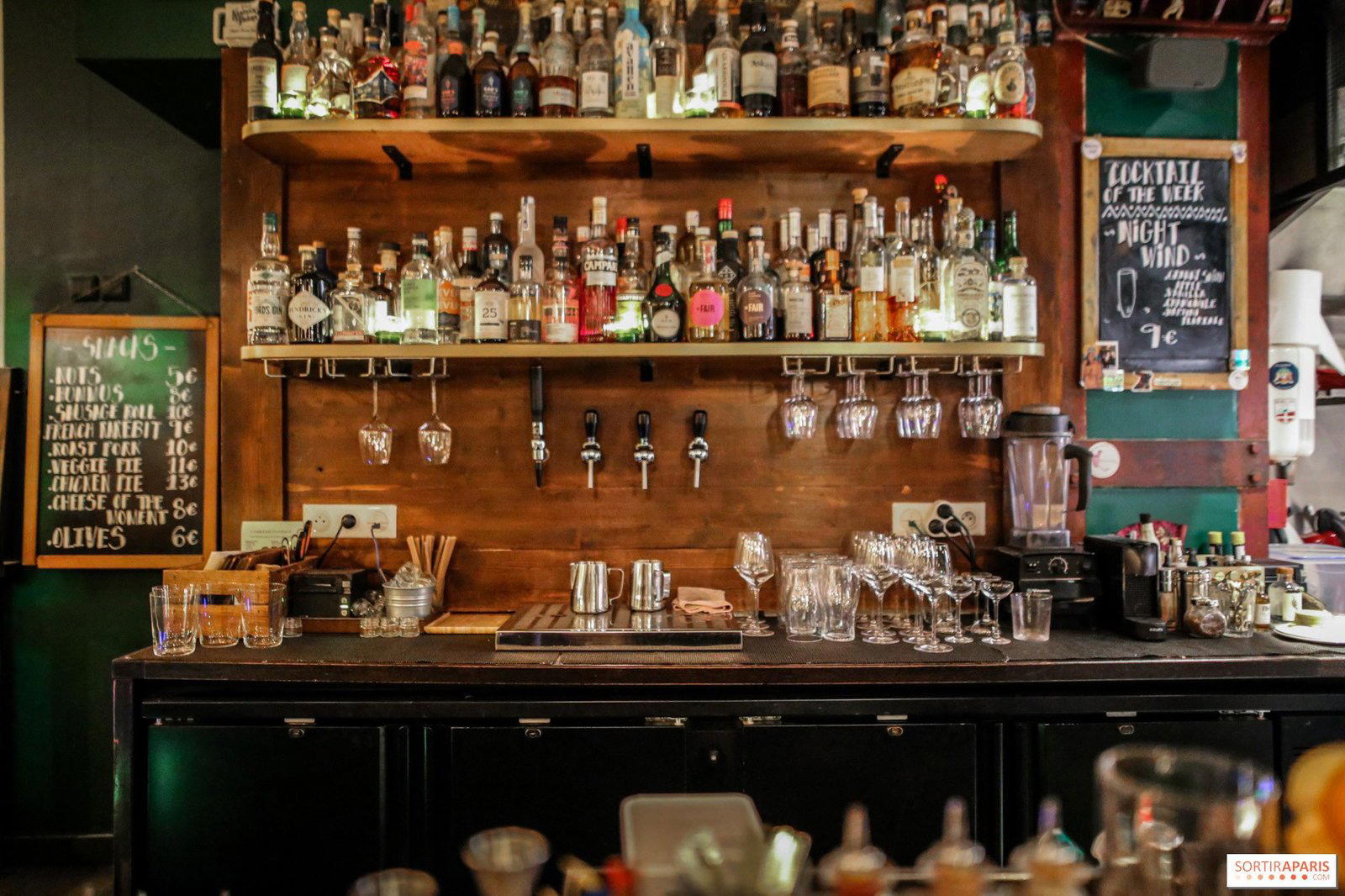
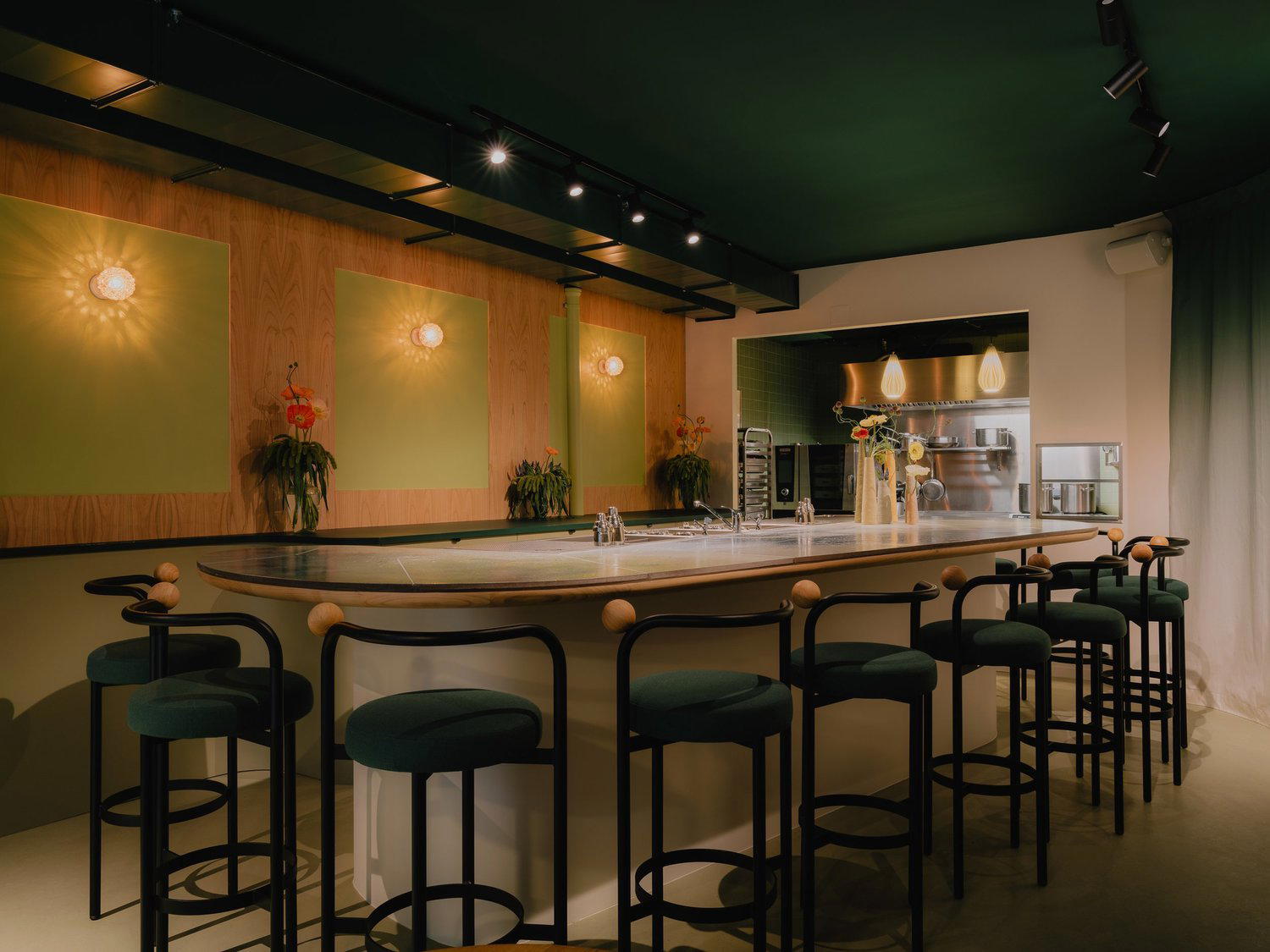
Contemporary and uncluttered space promoting simplicity with a cozy, authentic Italian feel.