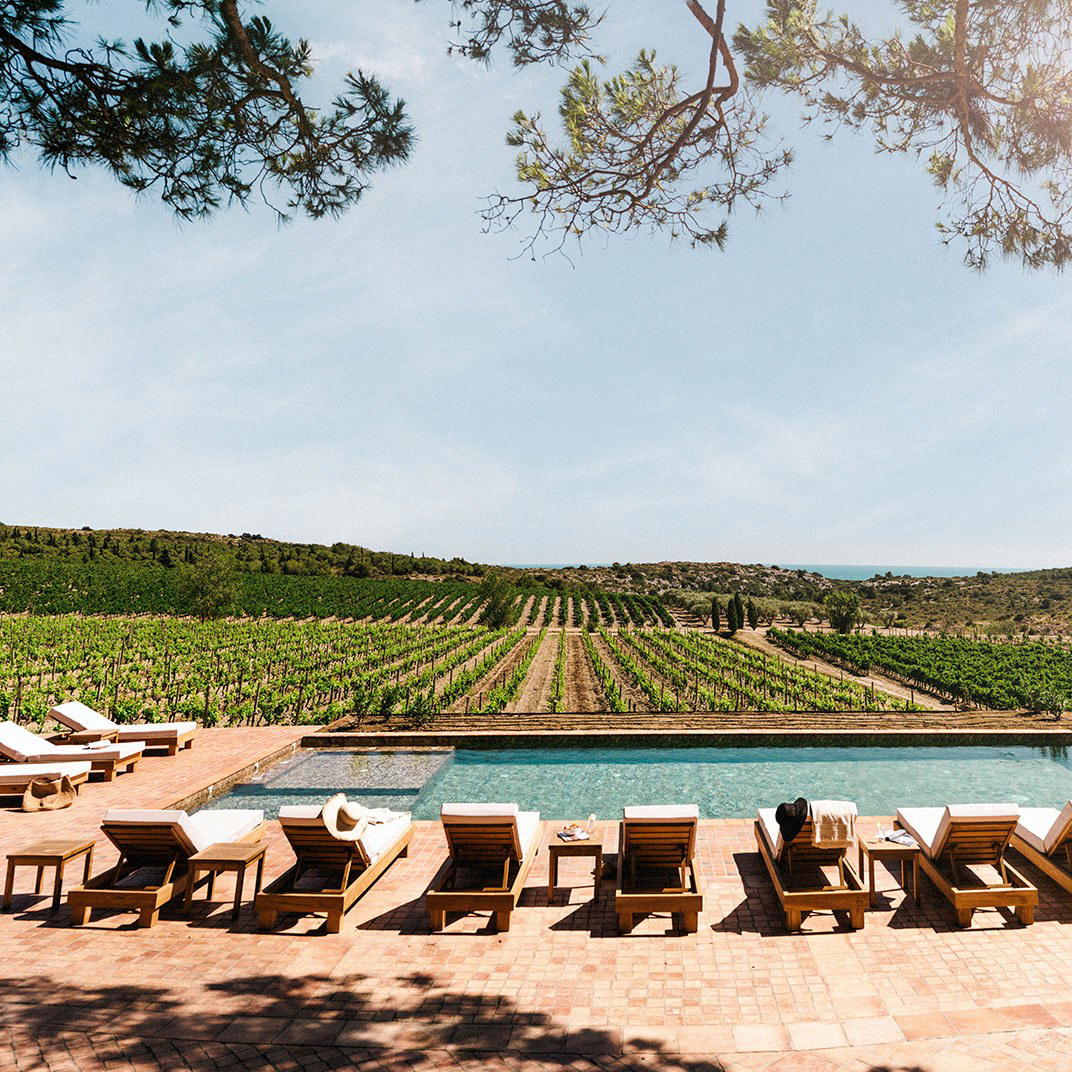
La cave d'Agnes sits on Rue Gilbert Salamo in Fitou, the Languedoc village that lends its name to one of southern France's oldest AOC appellations. The address places it inside a wine culture built on schist soils, sea wind, and Grenache and Syrah grown hard against the Mediterranean garrigue, context that shapes everything about eating and drinking in this corner of Roussillon.
Pearl is the En Primeur Club membership app — saves, bookings, and concierge access live there. Same editors, same standards.
- Address
- 29 Rue Gilbert Salamo, 11510 Fitou, France
- Phone
- +33468457591
- Directions
- Get directions
 Saves & bookings on Pearl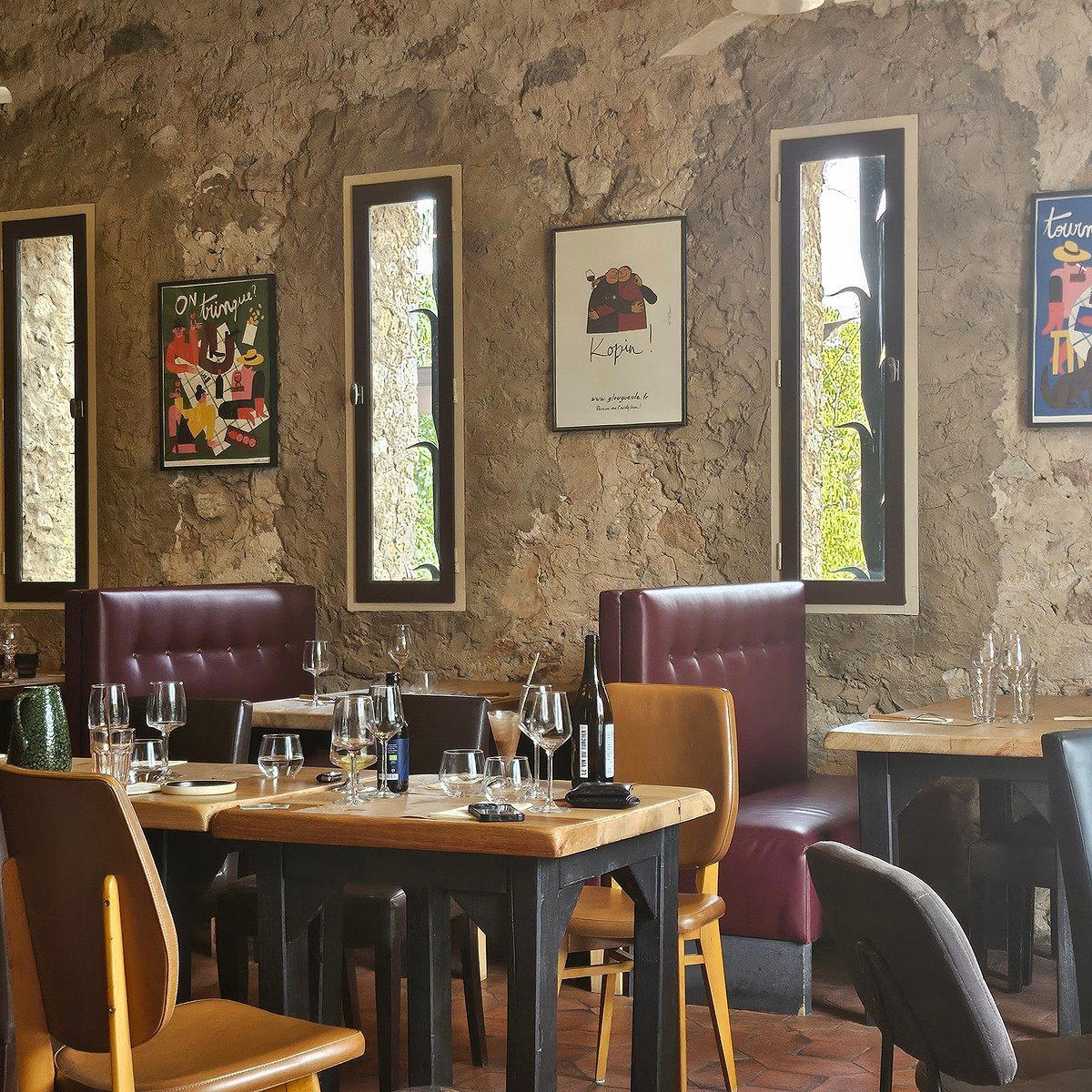
Where the Appellation Meets the Table
Fitou is not a dining destination in the conventional sense. It is a village of a few hundred residents on the Languedoc coast, flanked by the Étang de Leucate to the east and the Corbières hills to the west, where the primary cultural reference point is the wine rather than the restaurant scene. The AOC Fitou, established in 1948 and among the oldest red wine appellations in southern France, defines the territory's identity more completely than almost any other French village appellation. Eating here means eating inside that context, where the sourcing logic, the flavour register, and the occasion itself are shaped by Grenache, Syrah, Carignan, and the garrigue-scented air that moves through the vineyards. Auberge du Vieux Puits in Fontjoncouse, roughly forty kilometres north into the Corbières, represents the high-end anchor of this broader regional tradition, a three-Michelin-star kitchen that built its reputation on the same southern French pantry. La cave d'Agnes operates on a different register entirely, closer in character to the cave à manger tradition that has taken root across Languedoc-Roussillon over the past two decades.
The Cave à Manger Format and Why It Matters Here
Across southern France, the cave à manger format, a wine cellar or wine shop that serves food alongside its bottles, has become one of the more honest expressions of regional eating. The format resists the separation of wine selection from cooking, treating the two as a single decision rather than sequential ones. In the Languedoc, where cooperative and domaine wines sit in the same price bracket as entry-level restaurant pours elsewhere, this approach makes particular sense. You eat what pairs with what is open; what is open reflects the region's identity. La cave d'Agnes at 29 Rue Gilbert Salamo fits inside this tradition, operating from a village address where the surrounding appellation functions as the primary curatorial logic. Comparable formats appear across the region, from the Roussillon coast up through the Hérault, but few have the AOC's specific terroir character as an immediate geographical frame. The schist and limestone soils of the Fitou Maritime zone, closest to the coast, produce wines with a saline mineral quality that distinguishes them from the Hautes Corbières subzone further inland, and that distinction is precisely the kind of thing a cave à manger setting communicates in a way a conventional restaurant rarely can.
Sourcing in a Terroir Village
The Languedoc-Roussillon is one of France's most productive agricultural zones, and the immediate area around Fitou draws from a larder that includes seafood from the étangs and the open Mediterranean, lamb from the Corbières garrigue, and early vegetables from the coastal plain between Narbonne and Perpignan. The étang system, the chain of coastal lagoons running from the Camargue south to Roussillon, has supplied oysters, mussels, tellines, and eel to local tables for centuries. This is the sourcing geography that gives southern Languedoc cooking its character: not the elaborate supply chains of a Paris kitchen like Alléno Paris au Pavillon Ledoyen, but a short-radius pantry where proximity is the quality argument. At this scale and in this context, the question of where ingredients come from answers itself largely through geography. Kitchens that operate inside an appellation village are, by default, operating inside a sourcing story, one where the wine's terroir and the food's provenance share the same soil and the same microclimate.
The Southern French Dining Tier This Address Occupies
France's highest-profile southern kitchens, Mirazur in Menton, AM par Alexandre Mazzia in Marseille, operate in an international register, drawing destination diners and competing with a global comparable set. The Languedoc's village-scale addresses occupy a different position: local in orientation, lower in price, and often more direct in their relationship to regional produce and wine. That lower-profile tier is where most of the genuinely interesting eating in the south of France actually happens. The cave à manger model, in particular, tends to attract operators with strong wine knowledge and a preference for ingredient-led simplicity over technical elaboration. The trade-off is consistency and formality; the gain is a directness that larger, more ambitious kitchens frequently lose. For context on where France's more formally structured regional tradition sits, Bras in Laguiole and Auberge de l'Ill in Illhaeusern each represent the kind of multi-generational, ingredient-anchored approach that defines serious French regional cooking at the upper tier, but neither operates in the informal cave à manger register that La cave d'Agnes inhabits.
Planning a Visit to Fitou
Fitou sits approximately twenty kilometres south of Narbonne and around thirty kilometres north of Perpignan, making it accessible from either city by road in under forty minutes. The village itself is small, and the address on Rue Gilbert Salamo is within walking distance of anything in the centre. Reservations are essential, and the restaurant is closed on Tuesday and Wednesday. The wine and food calendar in this part of Languedoc tracks the harvest, which runs from late August through October for most of the red appellations, making early autumn a period of particular local relevance.
Comparable Spots, Quickly
Comparable venues nearby, for context on price, style, and recognition.
| Venue | Cuisine | Price | Notes |
|---|---|---|---|
| La cave d'AgnesThis venue — the venue you are viewing | Regional French Bistro | $$ | Not listed |
| Idea | Modern French Inventive | $$ | Place De La Republique |
| L’aventure | French Mountain Grill | $$ | Oz en Oisans |
| La table d'Oli | French Mediterranean with Bio Local Focus | $$$ | Port |
| Arbor & Sens | French Mediterranean with Catalan Influences | $$$ | Argelès-sur-Mer |
| Brasserie L'ANNEXE | French Brasserie | $$ | near Stade des Costières |
Continue exploring
More in Fitou
Restaurants in Fitou
Browse all →
At a Glance
- Rustic
- Cozy
- Bohemian
- Intimate
- Date Night
- Special Occasion
- Wine Cellar
- Historic Building
- Extensive Wine List
- Local Sourcing
- Street Scene
Current opening hours
- Monday
- 12:30–2 PM, 7:30–9 PM
- Tuesday
- Closed
- Wednesday
- Closed
- Thursday
- 12:30–2 PM, 7:30–9 PM
- Friday
- 12:30–2 PM, 7:30–9 PM
- Saturday
- 12:30–2 PM, 7:30–9 PM
- Sunday
- 12:30–2 PM, 7:30–9 PM
Hours can change for holidays and private events. Last verified .
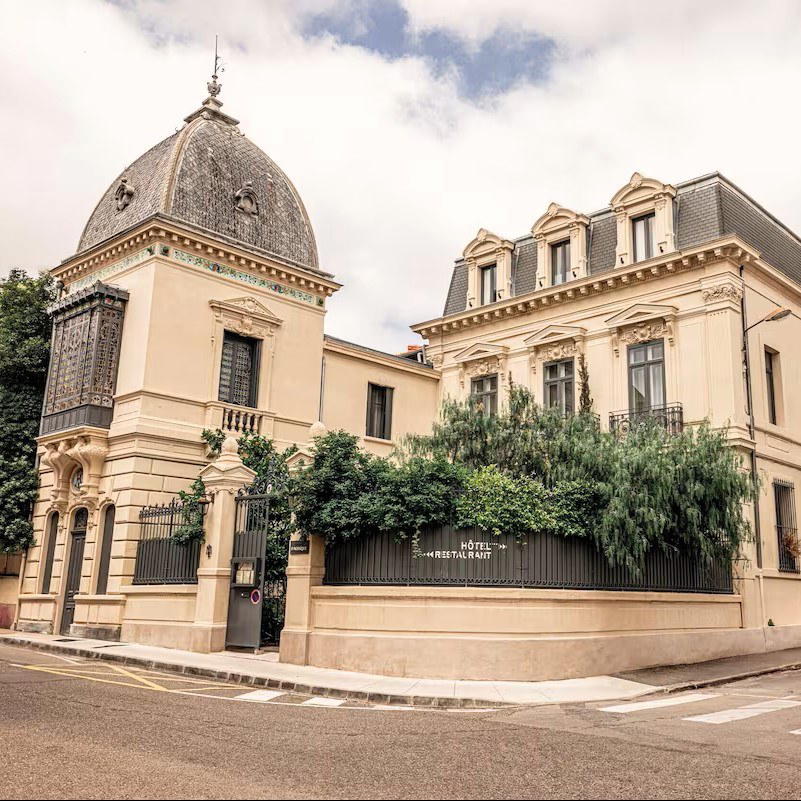
Warm and authentic atmosphere in an old stone wine cellar with bohemian decor, brocante furniture, and colorful, informal charm.