Our verdict
La Cantina occupies a corner of Hanover's mid-city grid at Perlstraße 1, positioning itself within a dining scene that has grown increasingly conscious of sourcing ethics and kitchen waste. Where Hanover's creative-end restaurants chase tasting-menu formats, La Cantina operates in a register that rewards the kind of repeat, neighbourhood-level loyalty that sustains a restaurant across seasons rather than trends.

Pearl is the En Primeur Club membership app, where members save venues, book tables and use the concierge.

The menu
What to order
- Fritierter Fischteller
- Mettbällchen in Tomatensoße
- Albondigas
Hanover's Dining Conscience: Where Sourcing Meets the Everyday Table
German mid-sized cities have spent the last decade resolving a tension that larger food capitals resolved earlier: how to build a restaurant culture that is both locally rooted and internationally conversant without losing the unpretentious character that makes neighbourhood dining worth returning to. Hanover has moved through that process at its own pace. The city's higher-end tier, represented by creative formats like Jante and modern-cuisine addresses like Handwerk, has drawn the critical attention. Below that tier, a quieter shift has been happening: restaurants that anchor themselves to ethical sourcing and reduced-waste kitchens, not as a marketing posture but as an operational baseline. La Cantina at Perlstraße 1 belongs to that quieter conversation.
The Address and What It Signals
Perlstraße sits in the 30161 postal district, close enough to Hanover's central grid to attract city-centre foot traffic, but without the self-conscious polish of the Georgstraße corridor. The building approach carries that same register: this is not a restaurant that spends its energy on theatrics of arrival. In a dining environment where formats like Votum and Marie have invested in considered interior languages, La Cantina operates with a more direct material honesty. That restraint is itself a signal. Restaurants that prioritise where ingredients come from over how the room photographs tend to allocate budget differently, and the sourcing decisions show up on the plate rather than in the décor.
The name itself carries Italian-register associations: a cantina is, at root, a cellar, a store, a place of provisions. That etymology connects to an older European tradition of eating close to the source, where the pantry logic of what is available shapes what appears on the table. Whether La Cantina works within that tradition explicitly or holds it as ambient reference, the name positions expectations differently from the French-inflected fine-dining vocabulary that dominates Hanover's leading end.
Sustainability as Kitchen Discipline, Not Brand Story
Across Germany's restaurant sector, the language of sustainability has split into two distinct streams. One is performative: printed provenance lists, carbon-offset claims, and seasonal menus that rotate by announcement rather than by genuine supply-chain logic. The other is quieter and harder to verify from the outside: kitchens that build their ordering around whole-animal or whole-vegetable use, that keep supplier relationships tight enough to absorb imperfect-grade produce, and that treat waste reduction as a cost and ethics question simultaneously.
The more serious version of this approach has shaped some of Germany's most discussed restaurants in recent years. CODA Dessert Dining in Berlin built an entire format around reframing the dessert course through a lens of precision and ingredient efficiency. ES:SENZ in Grassau has approached alpine sourcing with a rigour that goes beyond seasonal decoration. Closer to Hanover's peer geography, Aqua in Wolfsburg demonstrates how a three-Michelin-star operation can maintain supply-chain discipline at the highest technical level. La Cantina operates in a different price register and format than any of those addresses, but the underlying question they all answer is the same: how much of what a restaurant claims about sourcing is actually built into its daily operations?
At the neighbourhood level, that question matters differently. A destination restaurant can absorb the premium of certified ethical sourcing into a high-ticket tasting menu. A local cantina-register address has to make those decisions work at a price point that keeps the room accessible. That is a harder discipline, and when it works, it produces a category of restaurant that is arguably more useful to a city's food culture than its Michelin-starred counterparts: the place that demonstrates the everyday viability of responsible sourcing.
Hanover's Mid-Table and Where La Cantina Fits
Hanover's restaurant market has a reasonably clear stratification. At the leading, creative and modern-cuisine formats operate at €€€ to €€€€ price points, drawing food-focused visitors and occasion dining from across the region. The middle tier, including French-influenced addresses like Marie and more accessible international formats, serves both local regulars and business dining. Below that, the neighbourhood-local tier is where most of the city's daily eating happens and where sourcing decisions have the most aggregate impact. Albertz. occupies a distinct position in that middle band. La Cantina's Perlstraße address places it in the neighbourhood tier, competing less against destination restaurants and more against the everyday alternatives that a city resident cycles through across a week.
That competitive context matters for how to read La Cantina. Measured against Schwarzwaldstube in Baiersbronn, Vendôme in Bergisch Gladbach, or Victor's Fine Dining by Christian Bau in Perl, it operates in an entirely different register. Measured against the question of where a Hanover resident eats on a Tuesday, it becomes directly relevant. The same is true of how visitors to the city should frame it: not as an alternative to Restaurant Haerlin in Hamburg or Schanz in Piesport, but as an entry point into the more grounded register of what Hanover's neighbourhood dining looks like in practice.
Planning Your Visit
La Cantina is located at Perlstraße 1, 30161 Hannover, a short distance from the central city. Hanover is accessible by direct rail from Hamburg, Berlin, and Frankfurt, and the Perlstraße address sits within the city's walkable central zone. For a broader map of where La Cantina sits within Hanover's dining options, the EP Club Hanover restaurants guide covers the full spectrum from neighbourhood addresses to the city's most formally ambitious tables.
Frequently asked questions
Where is La Cantina in Hanover?
La Cantina is located at Perlstraße 1, 30161 Hannover, Germany, Hanover.
Is La Cantina suitable for a casual weekday dinner in central Hanover?
La Cantina's address at Perlstraße 1 in the 30161 postal district places it within easy reach of Hanover's central grid, making it a practical option for city-based visitors. The venue operates in the neighbourhood-dining tier rather than the creative fine-dining formats found at the upper end of Hanover's market.
What should I order at La Cantina?
Dish-level recommendations require confirmed menu data, which EP Club does not currently hold for La Cantina at Perlstraße 1. The venue sits within Hanover's accessible neighbourhood tier, where menus typically prioritise everyday European cooking over tasting-format courses. Visiting in person or contacting the venue directly will give you the clearest picture of what is on that day.
Do I need a reservation for La Cantina?
Hanover's mid-table neighbourhood segment generally runs with more walk-in capacity than the city's higher-end formats, but that pattern does not guarantee availability at Perlstraße 1 specifically. Arriving early or calling ahead is the safer approach until a booking channel is documented.
Compact Comparison
Comparable venues nearby, for context on price, style, and recognition.
| Venue | Cuisine | Price | Notes |
|---|---|---|---|
| La CantinaThis venue (the venue you are viewing) | Spanish Tapas | Not listed | Not listed |
| O'Atlántico | Authentic Spanish Tapas | $20–30 | Linden Süd, Authentic Spanish Tapas |
| MANTI love | Modern Turkish Manti | Not listed | Niki-de-Saint-Phalle-Promenade, Modern Turkish Manti |
| Sindo | Japanese Sushi | $20–30 | Nord, Japanese Sushi |
| Raj | North Indian | $20–30 | South Hanover, North Indian |
| Oishi | Authentic Japanese Sushi | $20–30 | List, Authentic Japanese Sushi |
Continue exploring
More in Hanover
Restaurants in Hanover
All restaurants in Hanover →
Hotels in Hanover
All hotels in Hanover →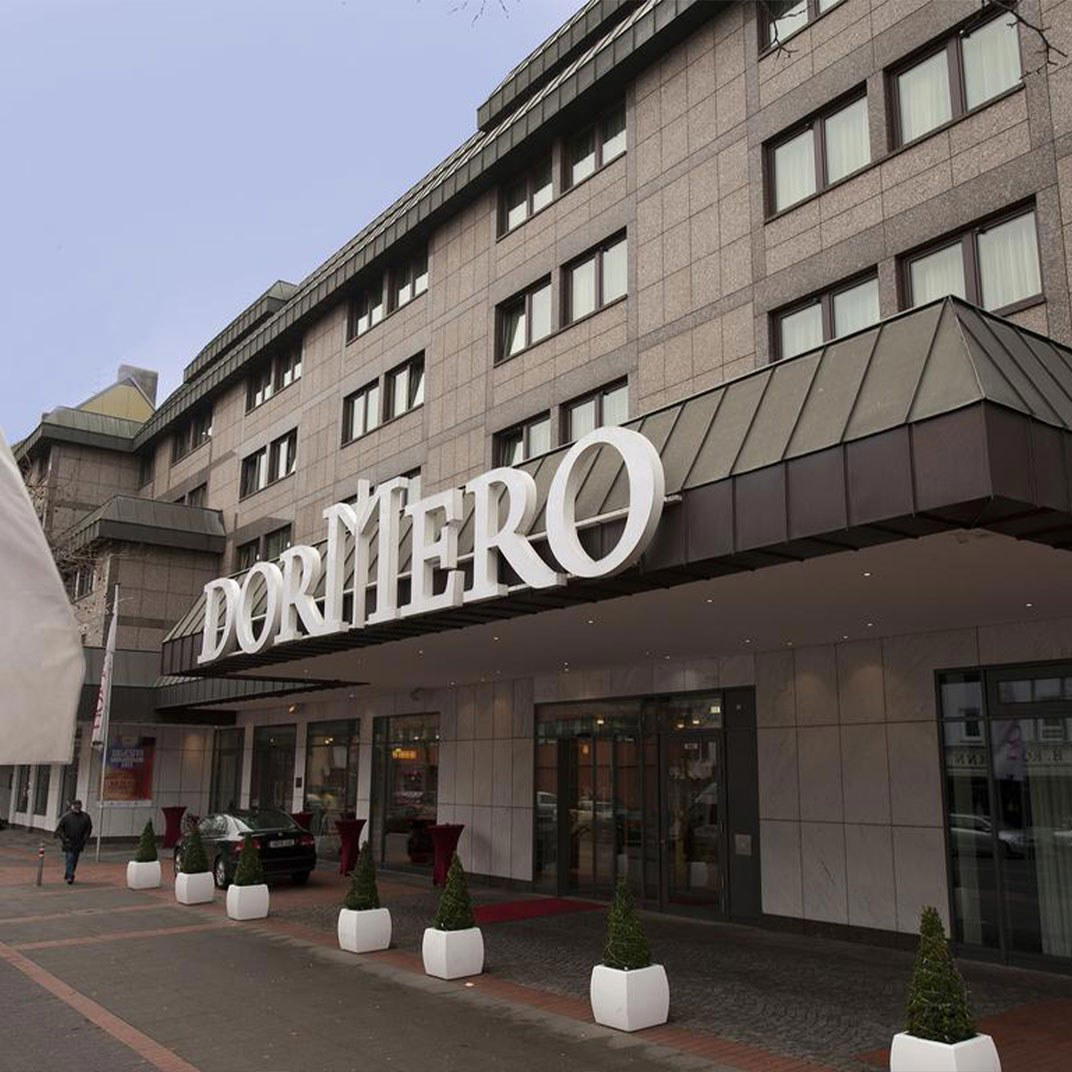
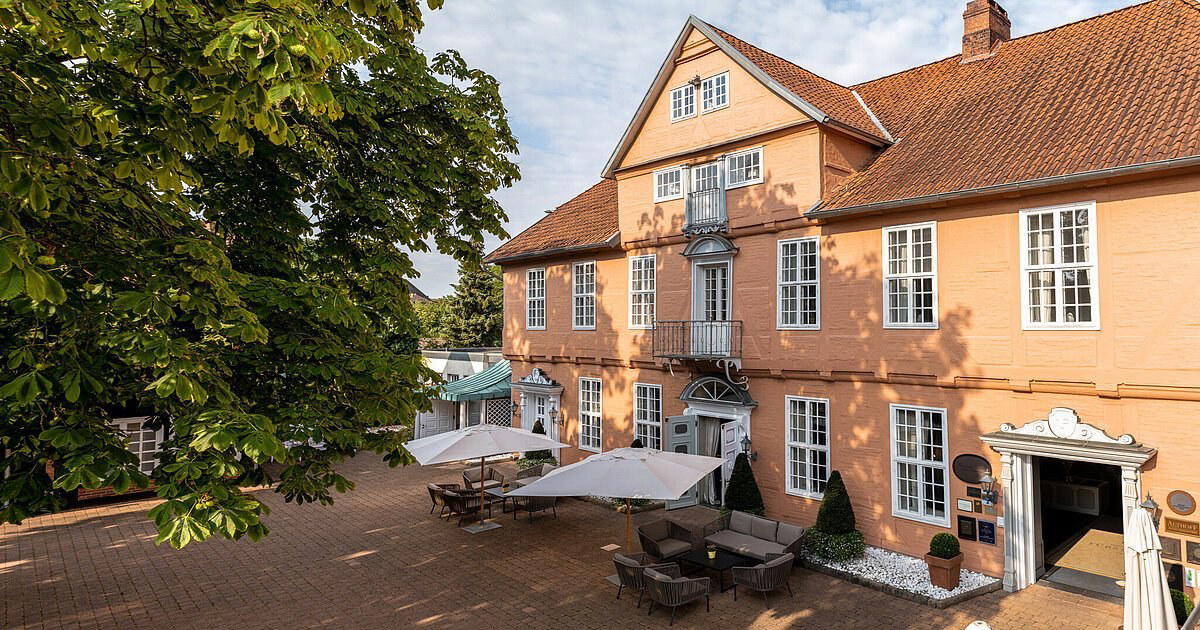
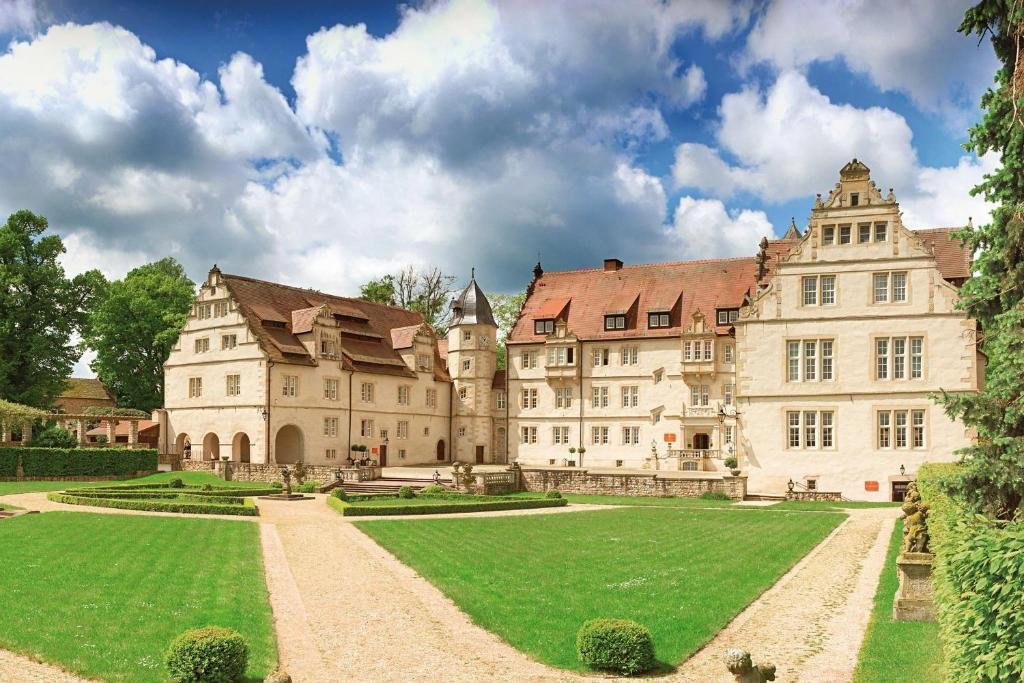

Details
- Rustic
- Cozy
- Casual Hangout
- Date Night
- Small Plates
- A La Carte
- Vegetarian Friendly
Current opening hours
- Monday
- Closed
- Tuesday
- 5–10:30 PM
- Wednesday
- 5–10:30 PM
- Thursday
- 5–10:30 PM
- Friday
- 5–11 PM
- Saturday
- 5–10:30 PM
- Sunday
- 5–10:30 PM
Hours can change for holidays and private events. Hours as of .
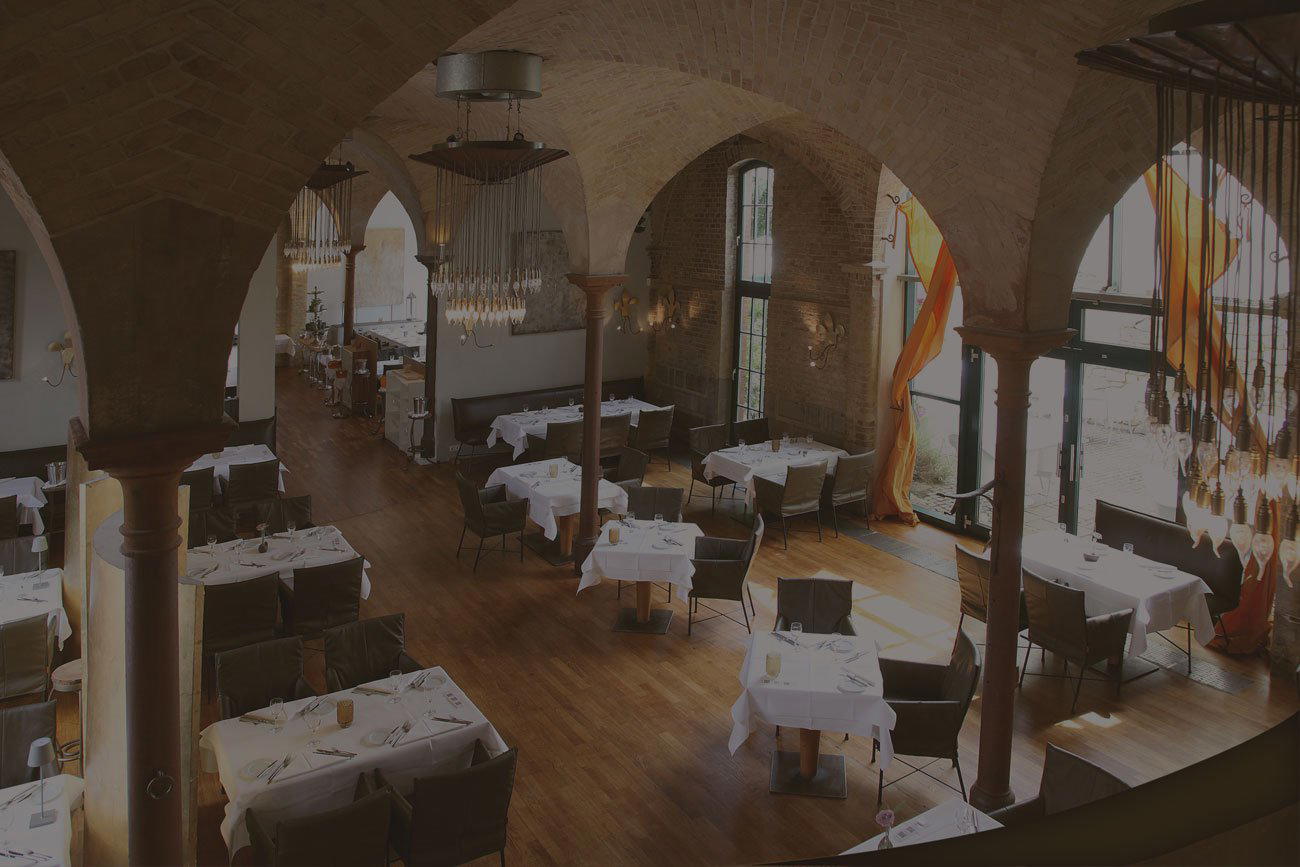
Rustic and pleasant with warm Spanish hospitality amidst a busy street setting.