On Boulevard Maréchal Leclerc, Le Chevillard occupies a particular position in Toulouse's restaurant scene: a address that draws attention in a city where serious dining has historically clustered around a handful of well-established names. For visitors working through the city's better tables, it warrants attention alongside Toulouse's broader evolution toward considered, regionally anchored cooking.
Pearl is the En Primeur Club membership app — saves, bookings, and concierge access live there. Same editors, same standards.
- Address
- 4 Bd Maréchal Leclerc, 31000 Toulouse, France
- Phone
- +33561213202
- Website
- lechevillard.fr
- Directions
- Get directions
 Saves & bookings on Pearl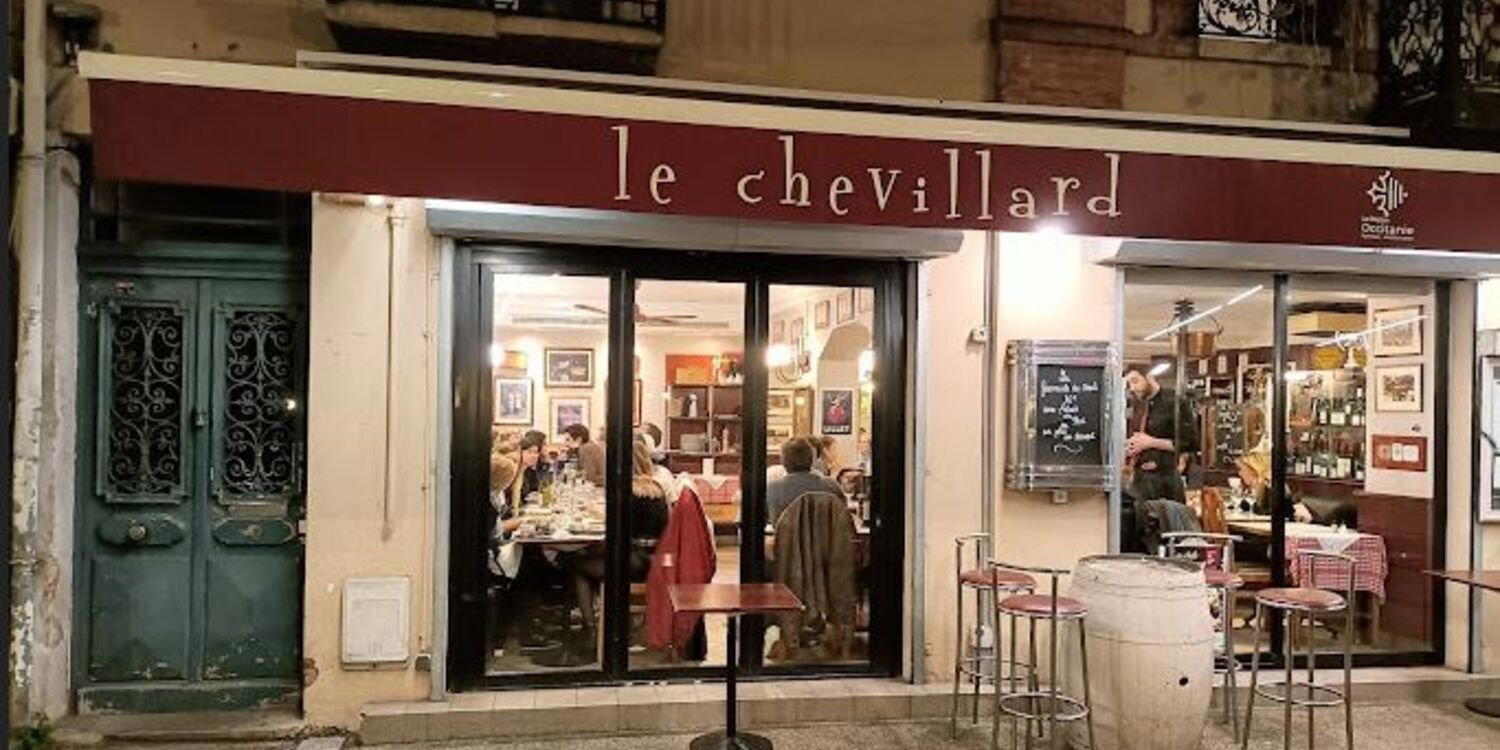
Toulouse at the Table: Where Le Chevillard Sits in the City's Dining Map
Toulouse has spent the better part of the last decade renegotiating its culinary identity. The city built its early reputation on cassoulet and confits, on the kind of southwestern French cooking that prioritised abundance over precision. That tradition hasn't disappeared, but it now shares the room with a more restrained, technically aware generation of restaurants. Boulevard Maréchal Leclerc, where Le Chevillard is addressed at number 4, sits within reach of the city centre, a location that places it in the practical geography of a considered dinner rather than a destination trek. In a city where the serious dining conversation tends to rotate around a concentrated set of names, an address on this boulevard puts a restaurant immediately in range of Toulouse's working restaurant-going public, not just its special-occasion visitors.
That geographic positioning matters because Toulouse's premium dining scene remains relatively compact compared to Lyon or Bordeaux. The upper tier is occupied by houses like Michel Sarran, which operates at the €€€€ level with a French creative approach that has defined the city's fine dining ceiling for years, and Py-r, another €€€€ creative address with consistent recognition. Below that tier, a middle band of modern cuisine restaurants, including Acte 2 Yannick Delpech and SEPT at the €€€ level, and Agapes, has filled the space between casual southwestern eating and the full white-tablecloth experience. Understanding where Le Chevillard falls within that structure is the first question any serious visitor should ask.
The Wine Tradition in Southwest France and What It Means at Table
Any restaurant in Toulouse that takes its cellar seriously is working within one of France's most underappreciated wine geographies. The southwest is not Bordeaux, and that distinction matters. While Bordeaux commands the international auction market and the collectors' attention, the wines of Gascony, the Gers, Madiran, Cahors, and the Côtes du Lot operate on different terms entirely: smaller allocations, lower name recognition outside France, and in many cases, far more interesting value-to-complexity ratios. A serious wine program in Toulouse should be leaning into this geography, not defaulting to a Bordeaux-heavy list that could have been assembled in any European capital.
Madiran, built on the Tannat grape, represents one of the region's most compelling arguments: deeply structured reds with tannin levels that reward patient cellaring and, when properly aged, a complexity that sits comfortably alongside southern France's richer preparations. Cahors, with its Malbec-dominant blends, offers a different register, earthier and darker-fruited, while white wine production from Gascony and the Jurançon appellation adds freshness and aromatic range that can surprise those who associate the southwest exclusively with heavy reds. Any cellar with genuine ambition in Toulouse should reflect these appellations with depth, not just a token bottle or two alongside the expected Burgundy and Rhône selections. For comparison, French restaurants further afield, from Auberge de l'Ill in Illhaeusern to Bras in Laguiole, have demonstrated how a cellar rooted in regional identity can become as central to a restaurant's reputation as the kitchen itself.
The broader French fine dining conversation has shifted in this direction. Restaurants at the level of Flocons de Sel in Megève and Mirazur in Menton have built wine programs that treat local and regional producers as primary references, with international selections as supplements rather than anchors. The same principle applies in Toulouse, where a restaurant serious about its cellar would position the wines of the Midi-Pyrénées and surrounding appellations at the front of the list, not the back.
The Cooking Context: Southwestern France's Culinary Codes
The cooking that defines serious restaurants in this part of France draws from a larder that requires no apology. Duck in multiple preparations, foie gras from nearby farms in the Gers, lamb from the Pyrénéan foothills, white beans from Tarbes, and violet garlic from Saint-Clar are not novelty ingredients here but staples with centuries of cultivation behind them. The challenge for any Toulouse restaurant aiming beyond the bistro tier is to handle these materials with enough technical intelligence to justify a more considered dining experience, without stripping away the regional character that makes them worth eating in the first place.
That tension, between refinement and rootedness, runs through the better tables in the city. Agapes has addressed it from a modern cuisine angle, as has Acte 2 Yannick Delpech. At the leading end, Michel Sarran has navigated it for years with French creative cooking that holds its regional anchors while operating at full fine dining scale. How a kitchen at Le Chevillard's address positions itself within that spectrum will determine which peer group it belongs to and which kind of diner it is built for.
For a wider sense of what France's most focused restaurant kitchens are doing with regional French ingredients, the reference points extend beyond the southwest: Troisgros in Ouches, Paul Bocuse in Collonges-au-Mont-d'Or, and Alléno Paris au Pavillon Ledoyen each represent different answers to the same question of how French culinary tradition evolves without losing its grounding. Closer in scale and ambition to what a Toulouse address might realistically reference, AM par Alexandre Mazzia in Marseille has demonstrated what a southern French kitchen can do when it commits to a defined creative stance. Assiette Champenoise in Reims and Au Crocodile in Strasbourg offer regional-to-national templates as well. Outside France, Le Bernardin in New York City and Atomix in New York City show how regionally grounded culinary traditions translate when transplanted into entirely different urban contexts.
Planning a Visit: Practical Notes
Le Chevillard is addressed at 4 Boulevard Maréchal Leclerc, 31000 Toulouse, a central location accessible from the city's main transport corridors. Toulouse's better tables, particularly those in the middle and upper tiers, often operate lunch and dinner services on varying days across the week, with Friday and Saturday evenings filling earliest. For those building a broader itinerary across the city's serious restaurants, our full Toulouse restaurants guide maps the scene from casual southwestern eating through to the leading creative addresses.
- Bavette
- Cassoulet
- Prime rib to share
- Salade aux coeurs du canard
- Boeuf sauce bordelaise
- Pied de veau sauce ravigote
- Magret
- Lamb chops
How Le Chevillard Toulouse compares with similar nearby venues.
| Venue | Cuisine | Price |
|---|---|---|
| Michel Sarran | French, Creative | €€€€ |
Continue exploring
More in Toulouse
Restaurants in Toulouse
Browse all →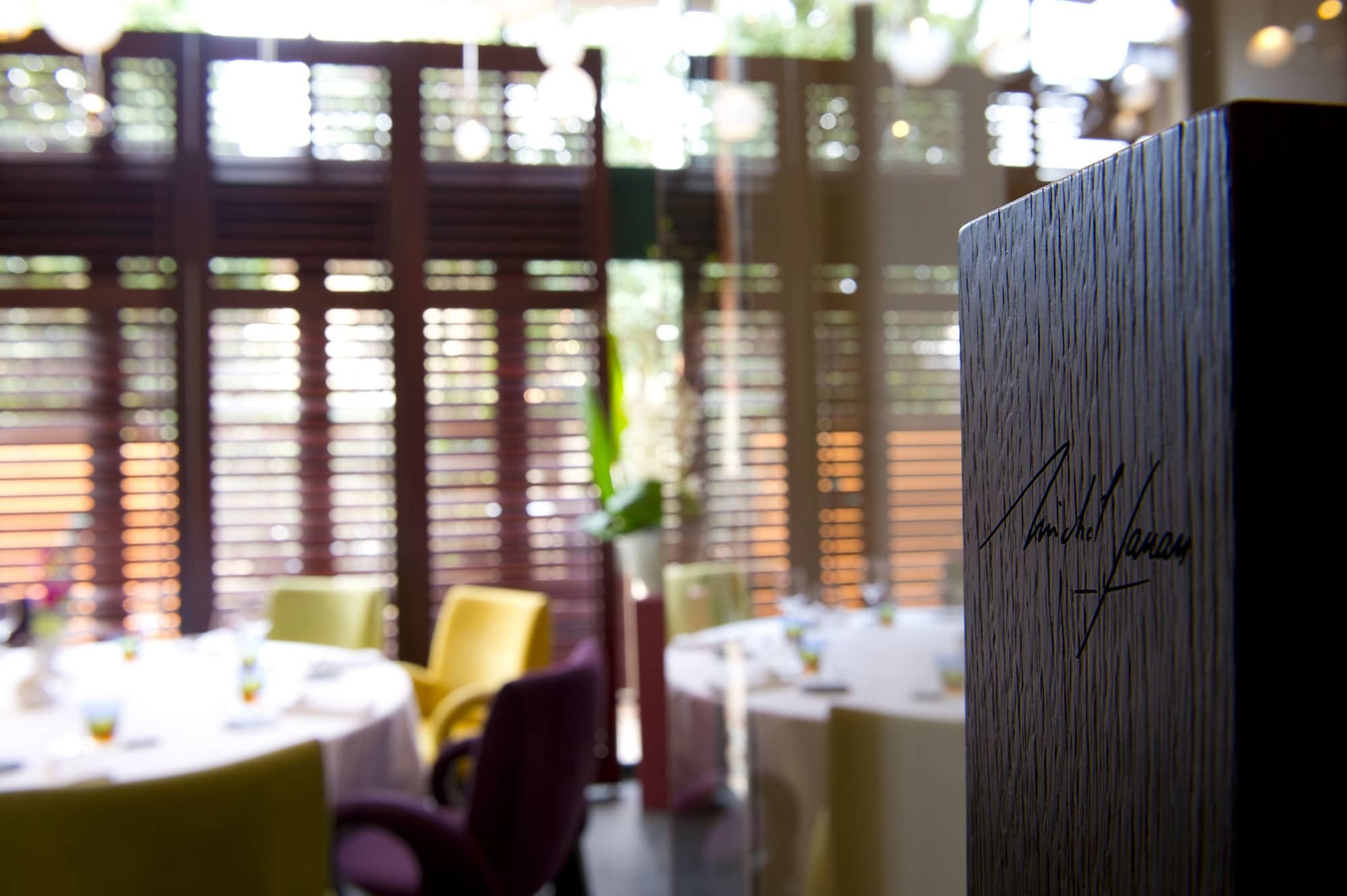
Bars in Toulouse
Browse all →
Hotels in Toulouse
Browse all →
Wineries in Toulouse
Browse all →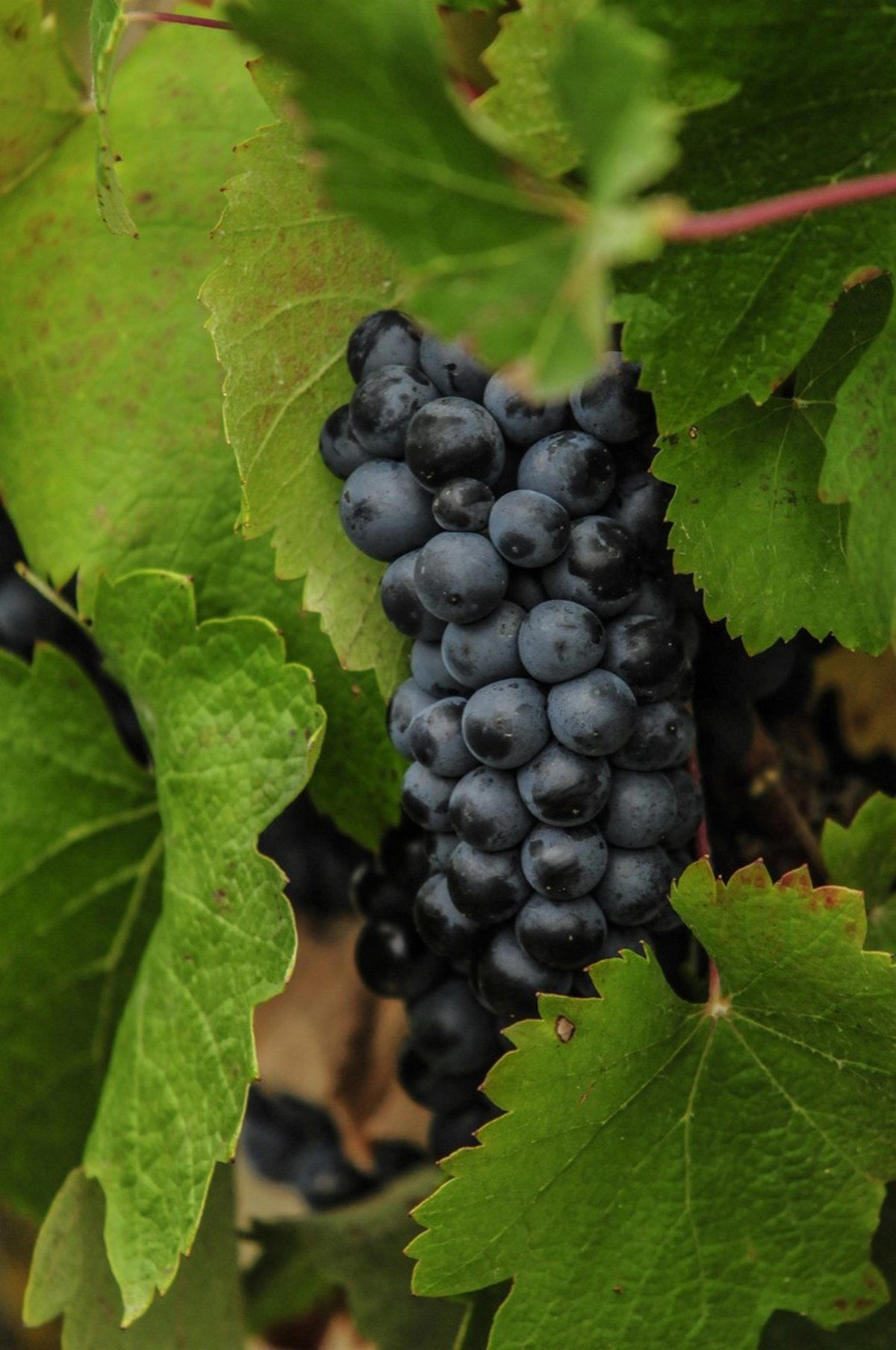

At a Glance
- Classic
- Rustic
- Lively
- Group Dining
- Family
- Business Dinner
- Casual Hangout
- Terrace
- Standalone
- Local Sourcing
- Farm To Table
Current opening hours
- Monday
- Closed
- Tuesday
- 12–2 PM, 8–11 PM
- Wednesday
- 12–2 PM, 8–11 PM
- Thursday
- 12–2 PM, 8–11 PM
- Friday
- 12–2 PM, 8–11 PM
- Saturday
- 8–11 PM
- Sunday
- Closed
Hours can change for holidays and private events. Last verified .
Know Before You Go
- Getting there
- 4 Bd Maréchal Leclerc, 31000 Toulouse, France