La Brigantine
On Rue de Dinan in Saint-Malo's walled city, La Brigantine draws on the port town's deep seafood tradition, placing Breton maritime cooking at the centre of a meal shaped by local rhythm and tide-driven supply. The address puts it within the intra-muros quarter, where the dining pace runs deliberately slower than the tourist circuit outside the ramparts. A reference point for visitors and residents tracking the city's mid-range seafood scene.
Pearl is the En Primeur Club membership app — saves, bookings, and concierge access live there. Same editors, same standards.
- Address
- 13 Rue de Dinan, 35400 Saint-Malo, France
- Phone
- +33299568282
- Website
- la-brigantine.fr
- Directions
- Get directions
 Saves & bookings on Pearl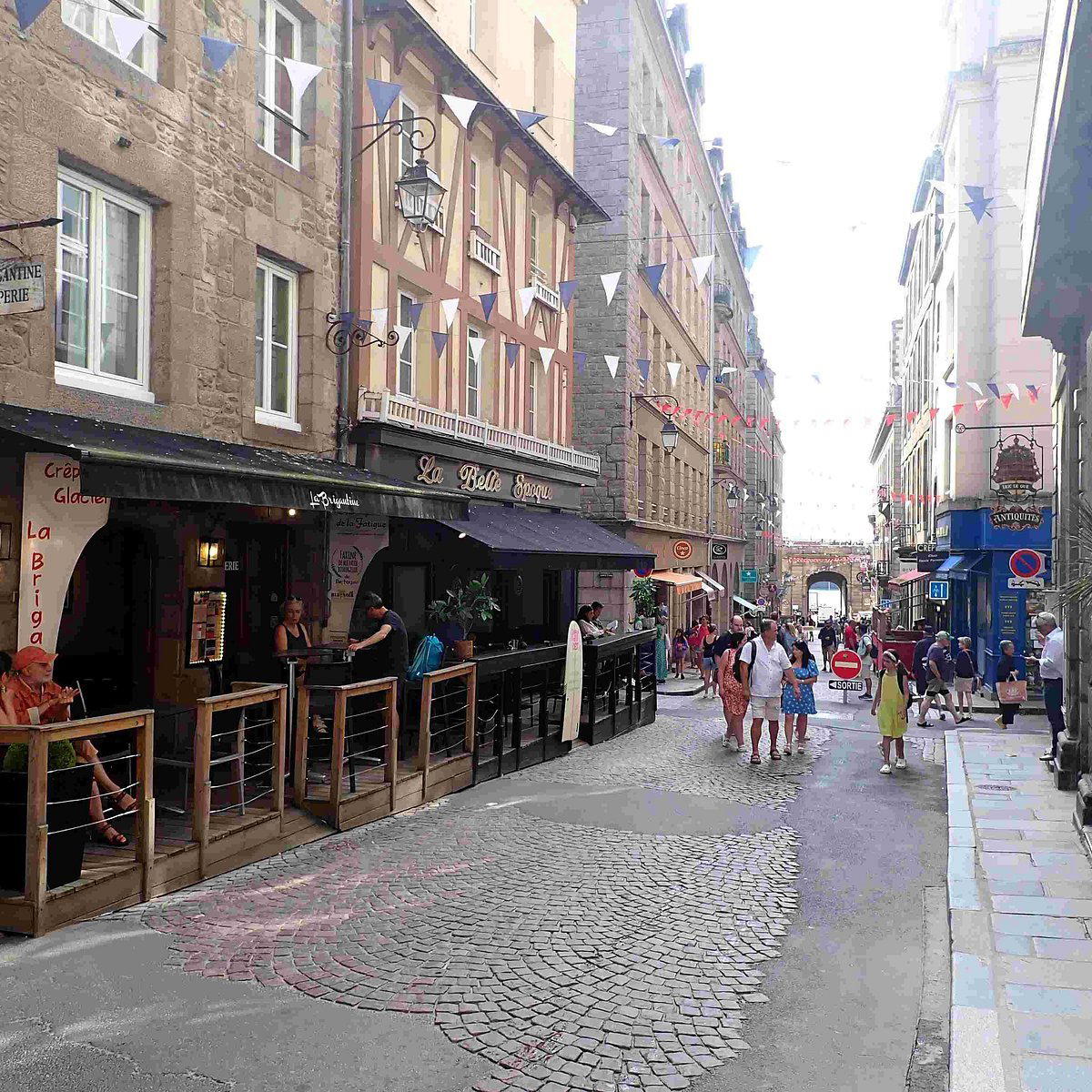
Eating by the Tide: Saint-Malo's Maritime Dining Tradition
Saint-Malo's relationship with the sea is not decorative. The city's economy was built on corsairs, cod-fishing fleets, and the Channel trade routes, and that history has left a permanent mark on how and what people eat here. The intra-muros quarter, the granite-walled old town reconstructed after wartime damage, concentrates the city's most characterful restaurants within a compact grid of medieval streets. Rue de Dinan, where La Brigantine sits at number 13, runs through the heart of that grid, close enough to the ramparts to catch the salt air but insulated from the immediate tourist pressure of the port-facing terraces.
In this context, the dining ritual at a place like La Brigantine follows a well-established Breton pattern. The meal begins with the assumption that the sea is the kitchen's primary supplier. Oysters from the beds around Cancale, twelve kilometres up the coast, have shaped the local palate for generations, and any serious seafood address in Saint-Malo is implicitly in conversation with that supply chain. The pacing of a meal here reflects the tidal logic of the region: unhurried, structured around what arrived that morning, and oriented toward the kind of direct presentation that lets the produce speak rather than the technique.
Where La Brigantine Sits in the Saint-Malo Dining Tier
Saint-Malo's restaurant scene spreads across several distinct tiers. At the leading end, Le Saint Placide (Creative) operates as the city's reference point for ambitious contemporary cooking, a category shared by addresses like Ar Iniz (Modern Cuisine) and Betton Fils (Modern Cuisine), both of which apply modern technique to Breton primary materials. Below that, a mid-range tier of more direct, produce-led addresses handles the daily dining needs of residents and the more seasoned visitors who know to look past the harbour-front menus. La Brigantine operates in this middle register, positioned closer to the working meal than to the occasion dinner.
That placement matters because it shapes the entire logic of the visit. You are not booking weeks ahead or dressing for an event. The ritual is more casual but no less considered: choosing what came in from the boats, drinking something cold and white from the Loire or Muscadet country, and eating at a pace set by the kitchen rather than a tasting menu's architecture. For comparison, Annadata and Autour du Beurre occupy adjacent but distinct positions in the local market, the latter building its identity around Brittany's dairy tradition rather than seafood alone.
The Rhythm of a Breton Seafood Meal
Understanding how to eat at a restaurant like La Brigantine is partly about understanding how Breton seafood culture frames the meal. Classically, the table arrives at a cold plateau before anything cooked appears: raw oysters, whelks, langoustines, crab claws, perhaps sea urchin in season. This is not an appetiser in the French grande cuisine sense but a meal-within-a-meal, accompanied by rye bread, salted Breton butter, and a vinegar-shallot mignonette that cuts through the brininess. The tempo is slow by design. Eating shellfish at a counter or table in this part of Normandy and Brittany has always been a social act first and a gastronomic one second.
This tradition places the plateau de fruits de mer at a different cultural register than, say, the multi-course tasting format you would find at Mirazur in Menton or the precision-calibrated sequences at Alléno Paris au Pavillon Ledoyen in Paris. France's most decorated kitchens, from Troisgros - Le Bois sans Feuilles in Ouches to Bras in Laguiole, are built around chef-driven progression through a predetermined arc. The mid-range Breton seafood house inverts that logic: the guest sets the pace, the kitchen responds to supply, and the experience is measured in time spent at the table rather than in courses completed.
The same philosophy applies to the wine selection. Muscadet, the Loire's dry, mineral-edged white from the Melon de Bourgogne grape, is the canonical match for Atlantic shellfish, its low alcohol and high acidity cleaning the palate between bites. A well-chosen Gros Plant du Pays Nantais or a Sancerre blanc also work within this framework. In a room shaped by maritime eating traditions, the drink is an extension of the meal's logic, not a separate performance.
Saint-Malo in the French Dining Map
Brittany occupies a specific and sometimes undervalued position in French gastronomy. It lacks the dense award infrastructure of Lyon, the prestige associations of Alsace (where Au Crocodile in Strasbourg and Auberge de l'Ill in Illhaeusern anchor a very different dining culture), and the international visibility of destinations like Reims, home to Assiette Champenoise. What Brittany has instead is a regional coherence built on a specific larder: its shellfish, its buckwheat, its dairy, and its cider. That coherence means a mid-range address on Rue de Dinan is not just a restaurant but a point of entry into a food culture that rewards attention.
For visitors whose reference points for French seafood cooking run toward the formal end, from the surgically precise fish work at Le Bernardin in New York City to the multi-layered tasting formats at AM par Alexandre Mazzia in Marseille, a Breton plateau de fruits de mer represents a deliberate step toward the vernacular. The appeal is not in spite of its informality but because of it. There are also moments in the French calendar when the regional product is at its peak: September through April for Cancale oysters, early summer for spider crab, late autumn for the langoustines that feed in the cold Bay of Mont-Saint-Michel waters.
Planning the Visit
La Brigantine's address at 13 Rue de Dinan places it firmly within the intra-muros walls, walkable from the main city gates and the Grand'Porte. The old town is compact enough that most visitors find their way there on foot from the principal car parks outside the ramparts. For a fuller picture of what the city's dining scene offers across all price points and formats, our full Saint Malo restaurants guide maps the options from the harbour front to the quieter residential streets of the walled quarter. Booking ahead for dinner is advisable during the summer months, when the intra-muros fills quickly and tables at mid-range addresses with a strong local following are taken well before service begins. Lunch often offers more flexibility and, in this part of Brittany, a formule du midi that represents the better value proposition of the two seatings.
How La Brigantine Saint Malo compares with similar nearby venues.
| Venue | Cuisine | Price |
|---|---|---|
| La Fourchette à Droite | Contemporary | €€ |
| Le Comptoir Breizh Café | Breton | €€ |
| Crêperie Grain Noir | Breton | € |
Continue exploring
More in Saint Malo
Restaurants in Saint Malo
Browse all →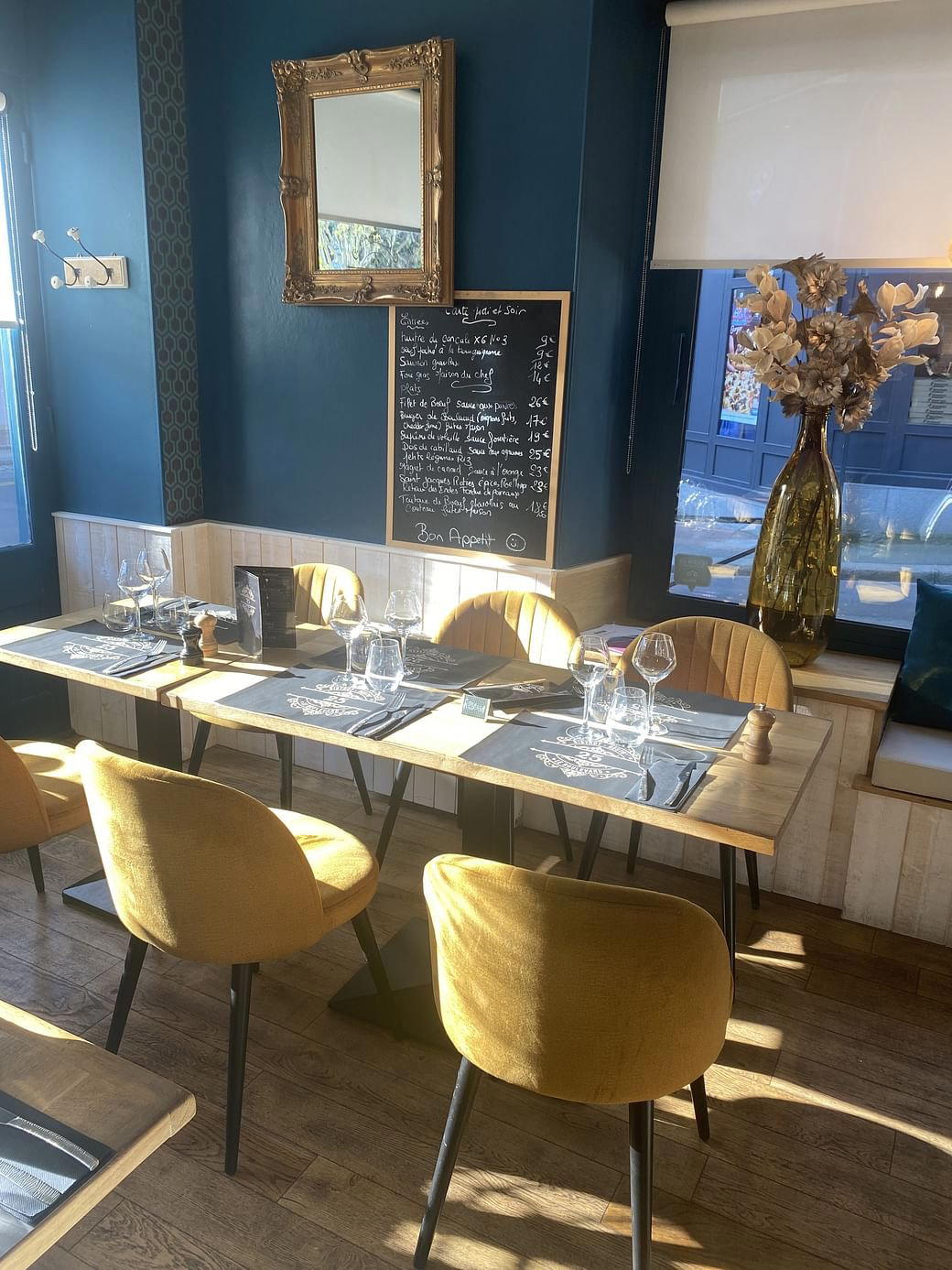
Bars in Saint Malo
Browse all →
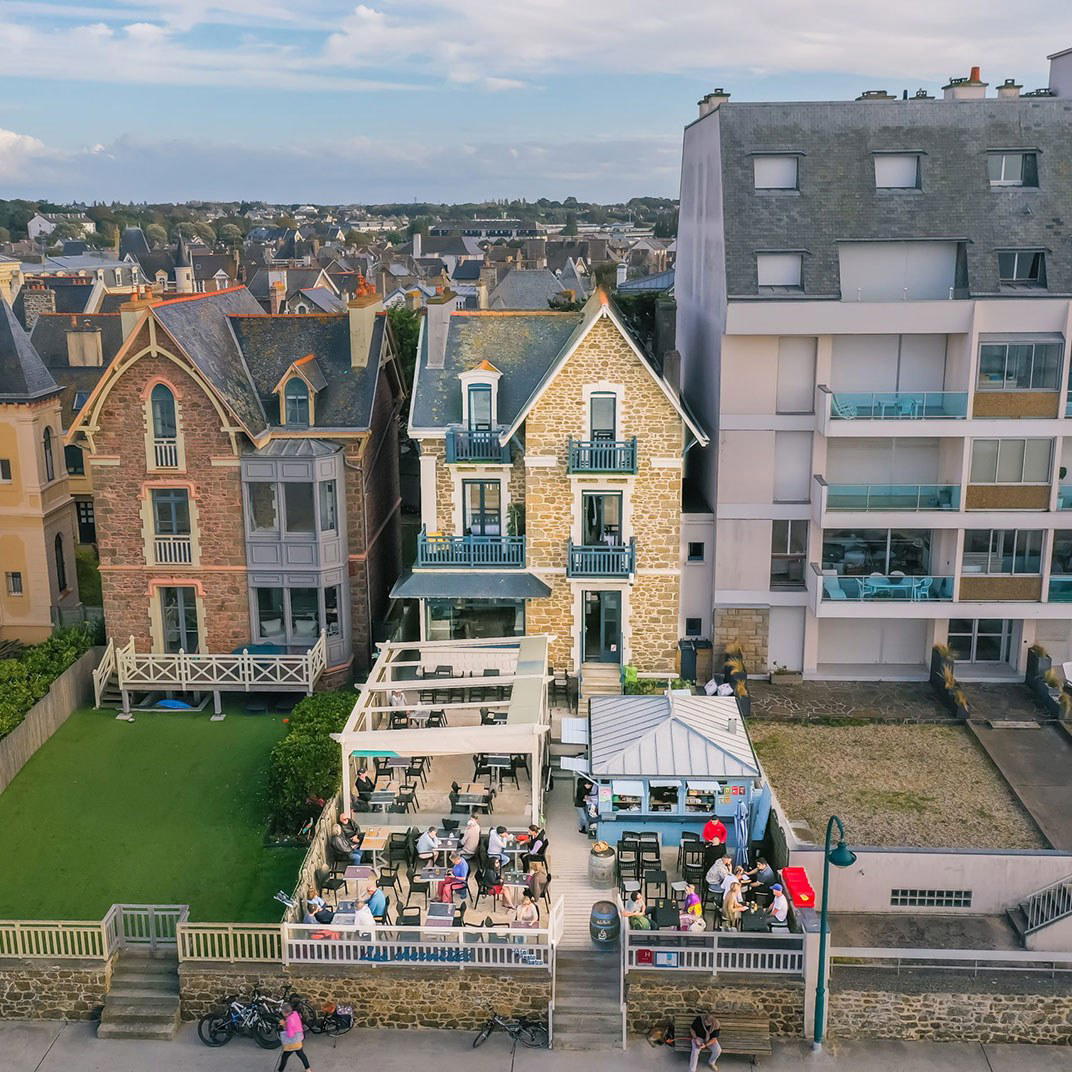
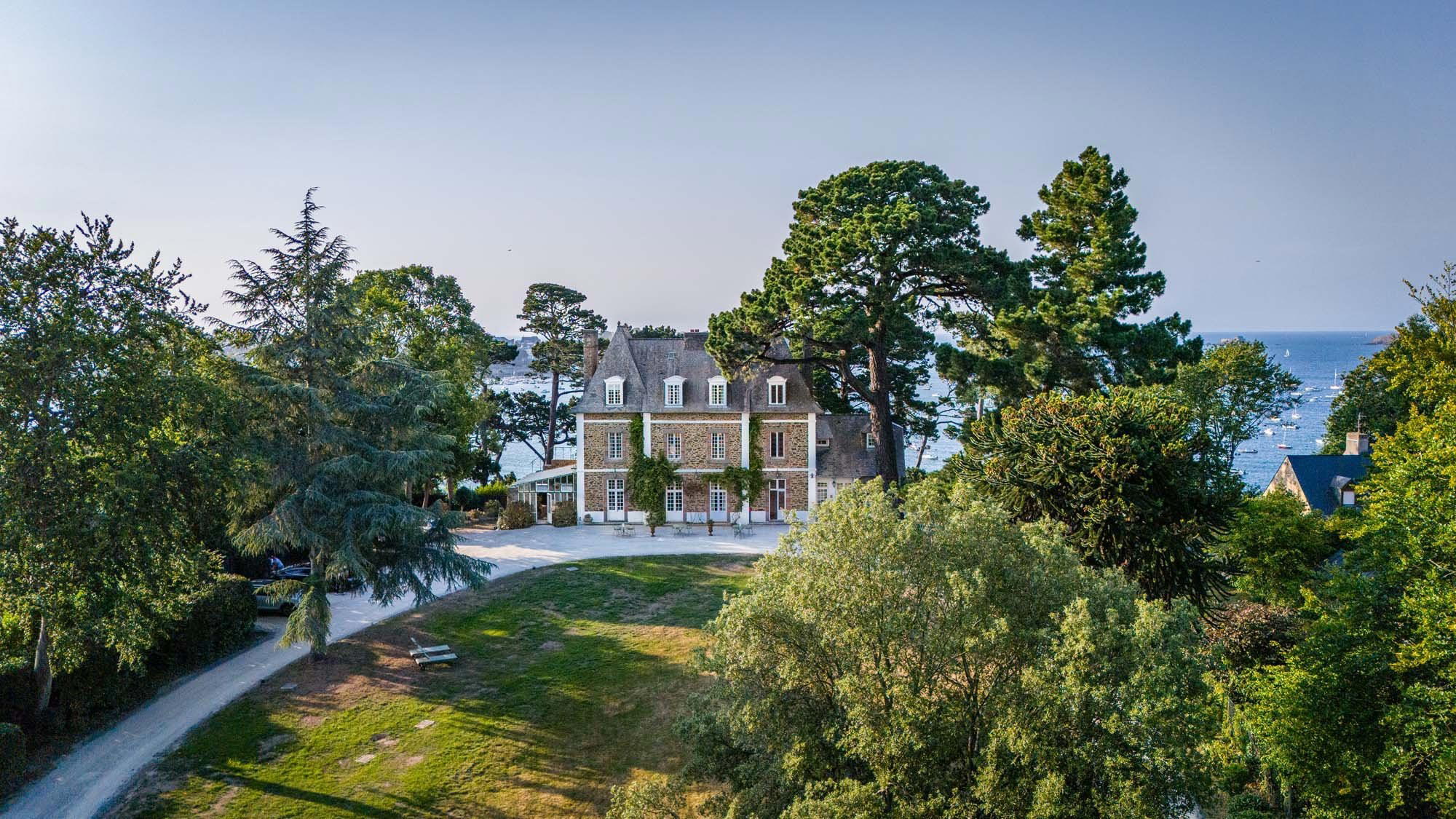
At a Glance
- Rustic
- Cozy
- Classic
- Family
- Casual Hangout
- Group Dining
- Historic Building
- Organic
- Local Sourcing
Current opening hours
- Monday
- 12–2:30 PM, 7–9:30 PM
- Tuesday
- 12–2:30 PM
- Wednesday
- 12–2:30 PM
- Thursday
- 12–2:30 PM, 7–9:30 PM
- Friday
- 12–2:30 PM, 7–9:30 PM
- Saturday
- 12–2:30 PM, 7–9:30 PM
- Sunday
- 12–2:30 PM, 7–9:30 PM
Hours can change for holidays and private events. Last verified .
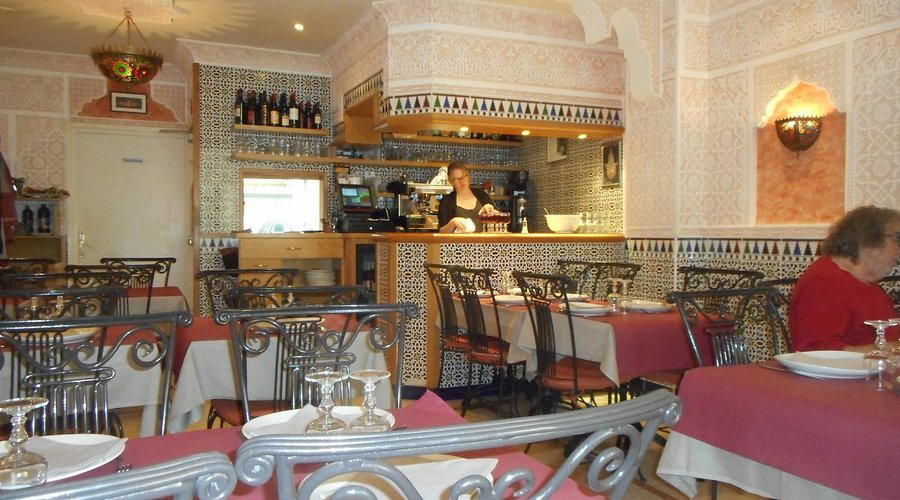
Rustic and cozy with a warm, welcoming atmosphere highlighted by friendly service and traditional decor.
Know Before You Go
- Getting there
- 13 Rue de Dinan, 35400 Saint-Malo, France