L'Ancrage
L'Ancrage occupies a spot on Rue Jacques Cartier in the heart of Saint-Malo's intra-muros, where the port's salt-weathered character shapes what lands on the plate. The address places it squarely within Brittany's seafood-first dining tradition, a region where the Atlantic dictates the menu more reliably than any chef's whim. For visitors working through Saint-Malo's dining options, it represents the mid-register of the city's harbour-adjacent offer.
Pearl is the En Primeur Club membership app — saves, bookings, and concierge access live there. Same editors, same standards.
- Address
- 7 Rue Jacques Cartier, 35400 Saint-Malo, France
- Phone
- +33299401597
- Directions
- Get directions
 Saves & bookings on Pearl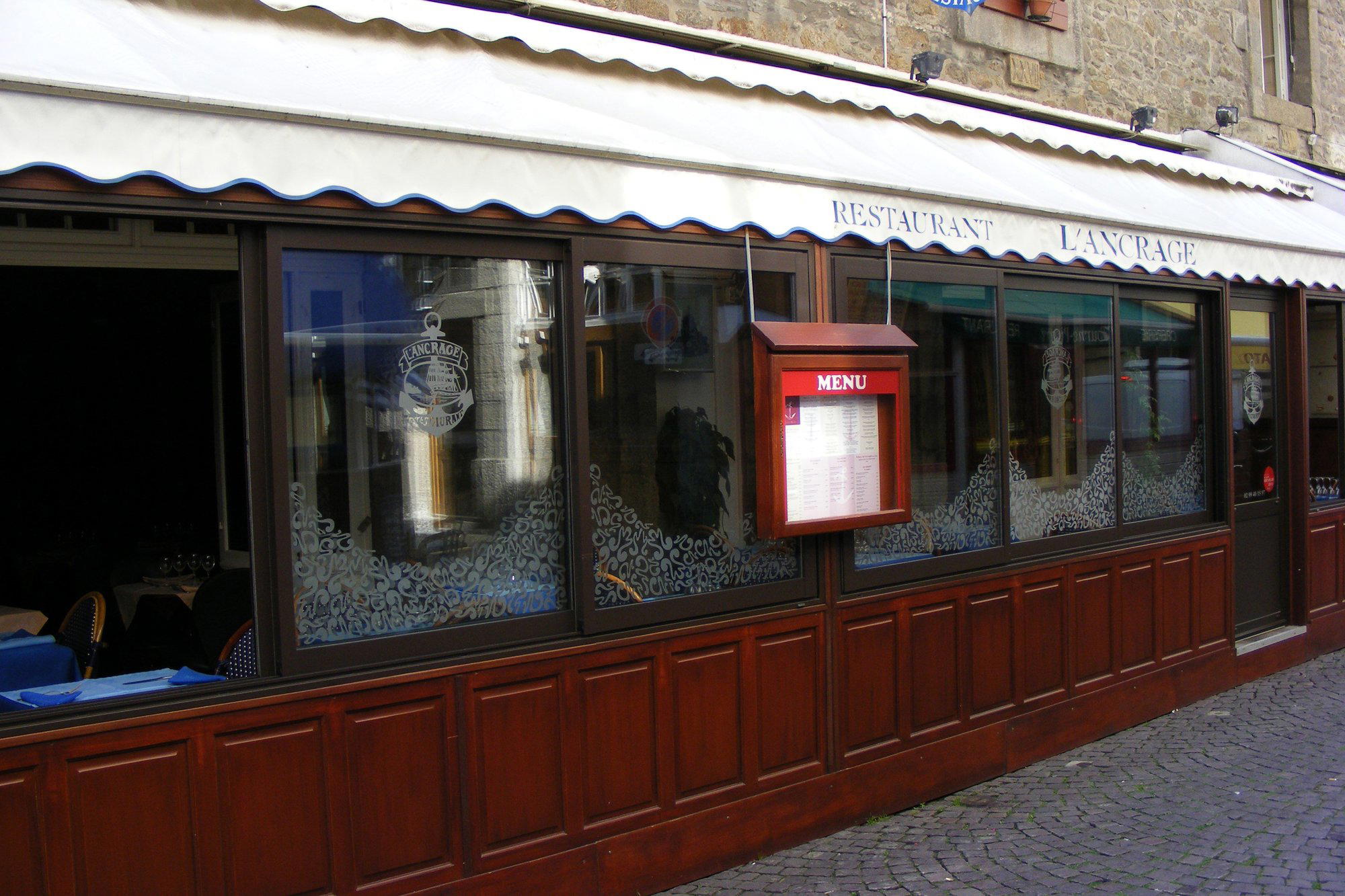
Where the Port Dictates the Plate
Approach Rue Jacques Cartier on a weekday morning and the context is immediate: Saint-Malo's intra-muros streets funnel cold Atlantic air through granite corridors, and the smell of the sea arrives before any signage does. This is the physical reality that frames L'Ancrage's position in the city's dining scene. Restaurants on and around this street do not need to manufacture maritime atmosphere; the city's walled geography provides it without effort. The question worth asking of any address here is not whether it feels like Saint-Malo, but whether it does something considered with that raw material.
Saint-Malo sits at the northern edge of a Breton coastal dining tradition that runs from Cancale's oyster beds south through the Golfe du Morbihan. Within that tradition, the menu architecture of harbour-adjacent restaurants tends to follow one of two logics: a broad, tourist-facing selection that uses the sea as backdrop rather than ingredient, or a tighter, market-driven offer where the catch genuinely changes the day's structure. The distinction matters more in a port city than almost anywhere else in France, because the supply chain here is short enough that freshness becomes a credible editorial statement rather than a marketing claim.
The Menu as Argument
In Breton coastal towns, a restaurant's menu structure functions as its clearest declaration of intent. A long, laminated card with thirty options signals one kind of kitchen; a shorter, handwritten or daily-printed list signals another. The latter format, common among the more focused addresses in Saint-Malo's intra-muros, commits the kitchen to working with what the harbour and the surrounding farms produce on a given week. It also concentrates a diner's attention in a way that broad menus do not, making each section of the card carry more weight.
L'Ancrage's address on Rue Jacques Cartier places it within walking distance of Saint-Malo's covered market and the fishing quays, both of which influence supply rhythms for restaurants in this part of the city. The proximity to those sources is not incidental; it is the geographic logic that shapes what a kitchen in this location can reasonably promise. Comparable addresses in the same tier across Saint-Malo, from the contemporary offer at Ar Iniz to the farm-leaning sourcing at Betton Fils, have built their identity around that same short-supply-chain logic, each arriving at a different expression of it.
Saint-Malo's Dining Tiers and Where the Address Fits
Saint-Malo's restaurant scene operates across a clear set of tiers. At the upper end, Le Saint Placide operates at the €€€€ bracket with a creative format that places it in a competitive set closer to France's destination-dining circuit than to the city's everyday harbour restaurants. For context on what that upper register looks like nationally, addresses such as Mirazur in Menton, Flocons de Sel in Megève, and Alléno Paris au Pavillon Ledoyen define the ceiling of French regional fine dining. Saint-Malo does not compete at that altitude across the board, but its leading addresses engage seriously with product and technique.
Below the fine-dining tier, the city's mid-register is where most of the interesting dining decisions happen. Annadata and Autour du Beurre represent the diversity within that mid-tier: one drawing on non-European sourcing traditions, the other drilling into the specifically Breton logic of butter and its relationship to local flour and dairy. L'Ancrage on Rue Jacques Cartier sits within this broader mid-register, where the competitive question is less about technical ambition and more about how honestly a kitchen uses what the coast provides.
France's regional restaurant tradition has always granted particular authority to addresses that accept the discipline of place. Auberge de l'Ill in Illhaeusern built its reputation partly on Alsatian river fish handled without apology for their regionality. Bras in Laguiole made the Aubrac plateau's austere botany the center of the plate. The same logic, applied at a more modest scale, is what distinguishes the credible harbour restaurant from the decorative one in a city like Saint-Malo.
The Breton Seafood Context
Brittany supplies a significant proportion of France's shellfish and line-caught fish, and Saint-Malo's position on the Emerald Coast means its restaurants have access to Cancale oysters, Breton lobster, sea bass, turbot, and the small-boat day catch that does not travel far from the quay. The challenge for any kitchen working within this supply is not access but selection and restraint. The temptation to put everything available on the menu produces the kind of diffuse offer that ultimately says nothing about any individual ingredient. The restaurants that handle Breton seafood most credibly tend to work with fewer species and spend more time on preparation decisions: whether a sole is meunière or roasted on the bone, whether the butter is noisette or raw, whether the cooking time is counted in minutes or seconds.
These are the structural choices that a menu reveals when you read it carefully. A card that lists turbot, lobster, langoustine, sea bass, bream, and monkfish simultaneously is making a different statement than one that focuses on two or three species and gives each room to be handled with attention. The former is abundance signaling; the latter is kitchen confidence. Saint-Malo's most coherent dining addresses have learned to read their guests well enough to know that in a port city, the ingredient's provenance is already half the argument, and the kitchen's job is not to overwhelm it.
For visitors building a multi-night dining itinerary in Saint-Malo, the practical advice from France's broader regional dining tradition applies here too: arrive with some knowledge of the seasonal window. Spring and early summer bring the leading langoustine and line-caught bass; autumn shifts the balance toward shellfish and heartier preparations. The full Saint-Malo restaurants guide maps the city's dining options across neighbourhoods and price tiers for visitors planning more than one meal.
Planning a Visit
L'Ancrage is located at 7 Rue Jacques Cartier within Saint-Malo's walled city, reachable on foot from the main intra-muros gates in under ten minutes. The street sits close enough to the harbour that the surrounding blocks draw a mix of local regulars and seasonal visitors, particularly from spring through early autumn when the walled city's tourist density rises. Visitors coming from outside Brittany who want to understand the city's dining range would do well to combine a meal here with at least one other point on the mid-register: Ar Iniz for modern Breton technique, or Autour du Beurre for a study in how a single ingredient can anchor an entire menu concept. Phone and booking details are best confirmed directly through current local listings, as seasonal hours in port cities shift more than the printed record typically reflects.
How L'Ancrage Saint Malo compares with similar nearby venues.
| Venue | Cuisine | Price |
|---|---|---|
| Fidelis | Modern Cuisine | €€ |
| Méson Chalut | Seafood | €€€ |
Continue exploring
More in Saint Malo
Restaurants in Saint Malo
Browse all →
Bars in Saint Malo
Browse all →
At a Glance
- Cozy
- Classic
- Date Night
- Family
- Casual Hangout
- Standalone
- Extensive Wine List
Current opening hours
- Monday
- 12–2 PM, 7–9 PM
- Tuesday
- Closed
- Wednesday
- Closed
- Thursday
- 12–2 PM, 7–9 PM
- Friday
- 12–2 PM, 7–9 PM
- Saturday
- 12–2 PM, 7–9:30 PM
- Sunday
- 12–2 PM, 7–9 PM
Hours can change for holidays and private events. Last verified .
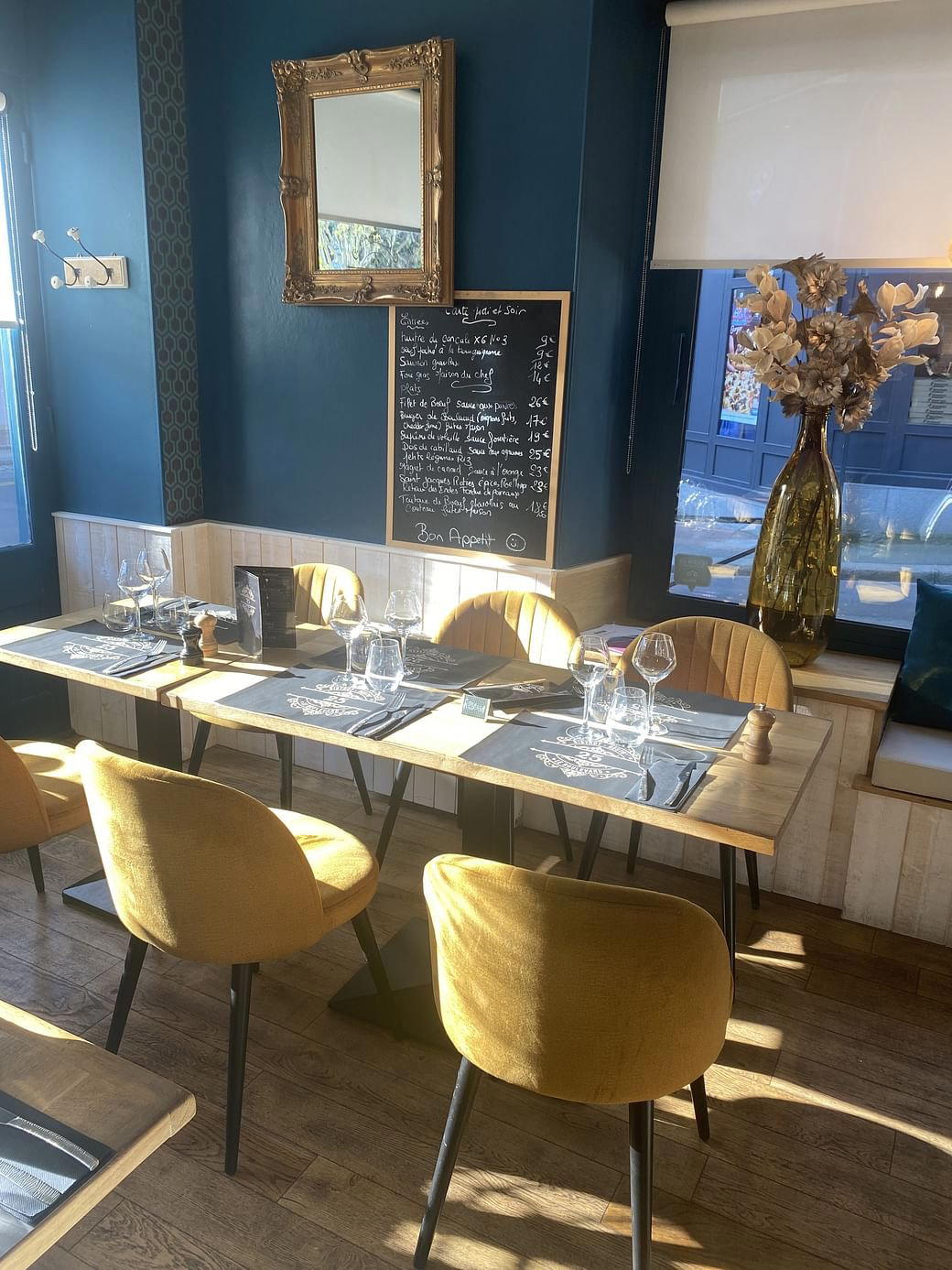
Cozy and welcoming dining room with friendly service and a relaxed, non-pretentious atmosphere in the pretty old town.
Know Before You Go
- Getting there
- 7 Rue Jacques Cartier, 35400 Saint-Malo, France