Kushi-Ya


A Michelin Bib Gourmand holder tucked behind Enfield Chambers on Low Pavement, Kushi-Ya runs a charcoal-grill izakaya format that sits well outside Nottingham's tasting-menu tier. Skewers, small plates, and a concise Japanese drinks list at mid-market prices make it the city's clearest reference point for ingredient-led Japanese cooking done without ceremony.
Pearl is the En Primeur Club membership app — saves, bookings, and concierge access live there. Same editors, same standards.
- Address
- 14a Low Pavement, Nottingham NG1 7DL, United Kingdom
- Phone
- +44 115 941 1369
- Website
- kushi-ya.co.uk
- Directions
- Get directions
 Saves & bookings on Pearl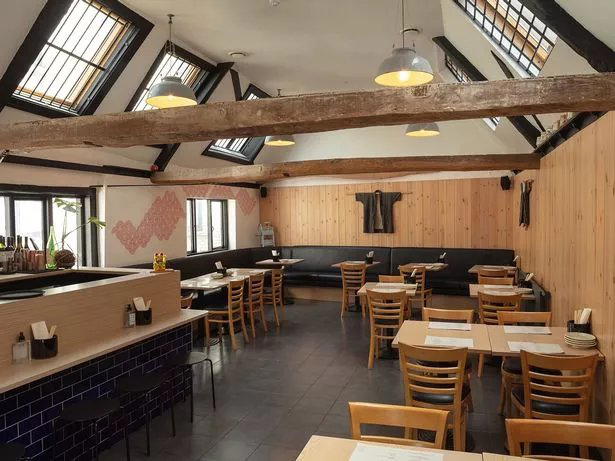
A Gated Walkway, a Charcoal Grill, and Nottingham's Izakaya Moment
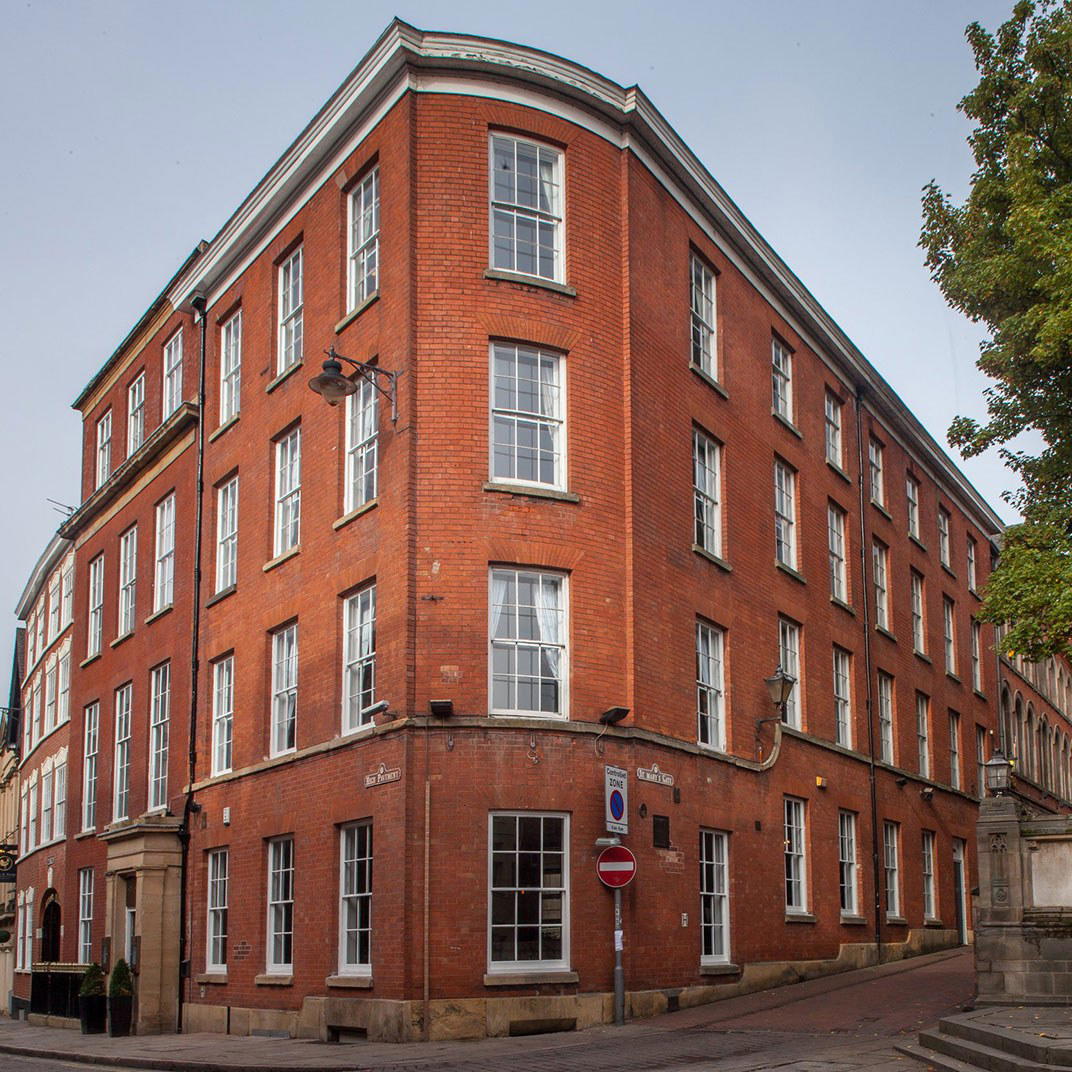
The approach matters here. Pass through the arch of Enfield Chambers, follow the gated walkway off the side-street, and the room that opens up is a considered piece of scene-setting: blond wood, dark-blue tiles, large windows that keep the space from feeling enclosed, and an outdoor terrace that earns its keep whenever the East Midlands obliges with sun. Kushi-Ya moved to this address in 2024, and the new site captures something that izakaya culture in Japan has always understood — that the leading versions of this format sit slightly apart from the main drag, found rather than stumbled upon.
The izakaya model is built on informality and ingredient respect in equal measure. Unlike the omakase counter format that has absorbed so much attention in Tokyo — see Myojaku or Azabu Kadowaki for what that register looks like at its highest level, the izakaya tradition is democratic and fast-moving, with quality expressed through the sourcing and handling of each ingredient rather than through elaborate construction. Kushi-Ya operates squarely in that tradition, and its Michelin Bib Gourmand recognition in both 2024 and 2025 confirms that the execution clears the bar Michelin sets for this format: serious cooking at prices that don't require justification.
Charcoal as the Primary Instrument
Name translates directly as 'skewer-shop', and that etymology is editorial policy. The charcoal grill anchors the menu, and the quality of what comes off it depends on the quality of what goes onto it. Charcoal grilling at this level is less about technique showmanship and more about understanding how heat interacts with specific proteins and fats, the kind of knowledge that makes the difference between a chicken tsukune that tastes clean and rounded and one that tastes merely cooked. The egg yolk accompaniment that arrives with the tsukune is standard izakaya grammar, but when the base ingredient is treated correctly it reads as essential rather than decorative.
Beef with black garlic mustard follows the same logic: the condiment exists to accent the meat, not to distract from it. Across the skewer section, the through-line is restraint in construction paired with care in sourcing. The specials board extends that approach further, duck hearts have appeared there, which signals a kitchen willing to work with secondary cuts that require more precise handling than prime muscle.
The Small Plates and What They Reveal About the Kitchen
Beyond the grill, the small-plates selection demonstrates the range of reference points the kitchen is drawing on. A Japanese-Korean prawn cocktail places two ingredient traditions alongside each other without forcing a fusion narrative; soy-braised pork shoulder reads as an izakaya classic handled with confidence. The pickles plate, with red radish, daikon, mushrooms, and cucumber sharpened with acidity, is the kind of course that reveals kitchen discipline more honestly than anything expensive: getting pickles right requires timing, ratio control, and an understanding of how acid functions as a palate instrument.
The prawn toasts occupy a category of their own. The format, small barrels of toast piped with prawn filling, served with furikake and savoury mayo, uses familiar British-Asian comfort food as a starting point and rebuilds it with precision. The furikake addition is the tell: it shows a kitchen thinking about texture and umami layering rather than simply reproducing a crowd-pleaser. Among verified dish reports from credentialled sources, this is the item cited most consistently as the one to order first.
Mackerel crudo with shiso and high-grade wasabi demonstrates that the kitchen is sourcing at the ingredient level, not just cooking competently with whatever arrives. High-grade wasabi, genuinely pungent, herbaceous, and short-lived on the palate in a way that paste products never replicate, is not a standard purchase for a mid-market restaurant. Its appearance on the specials board signals that sourcing decisions are being made course by course rather than by default.
Desserts and Drinks as Editorial Positions
Dessert at an izakaya is often an afterthought. At Kushi-Ya, the black-sugar parfait with charred sesame-seed crisp and the matcha cheesecake with lime meringue both read as considered final courses: the former balances richness with textural contrast, the latter uses the bitterness of matcha against citric sharpness. Neither is elaborate by contemporary pastry standards, but both demonstrate that the kitchen's flavour logic extends to the end of the meal.
The drinks list is concise and coherent, cups and cans of sake, Koshu wine, Japanese whiskies, and a cocktail range that includes a gochujang Old-Fashioned built from whisky, pineapple rum, and gochujang-honey syrup. That last item is either the most interesting thing on the list or a provocation, depending on your tolerance for heat in a spirit-forward drink. Either way, it confirms that the beverage program is edited with the same point of view as the food.
Where Kushi-Ya Sits in Nottingham's Dining Picture
Nottingham's higher-end restaurant tier is anchored by tasting-menu formats: Restaurant Sat Bains and alchemilla both operate in the ££££ bracket with multi-course structures and advance booking requirements. Harts occupies a more accessible register. At the ££ level, Ibérico World Tapas and Piccalilli offer small-plate formats in their own modes. Kushi-Ya's distinction within that peer group is specificity: it is not a generalist small-plates operation but a Japanese charcoal-grill specialist with a coherent ingredient philosophy and two consecutive Bib Gourmands to validate it. That combination is harder to find at this price point in the UK's regional cities than it should be.
For context on how this format compares at different price registers across British cooking, the tasting-menu tier nationally, The Fat Duck, The Ledbury, L'Enclume, Moor Hall, Gidleigh Park, Hand and Flowers, operates on entirely different structural and financial terms. Kushi-Ya does not compete with that register and gains nothing by being measured against it.
Planning Your Visit
Kushi-Ya is at 14a Low Pavement, NG1 7DL, reached through the Enfield Chambers arch. The lunch service, priced under £20, is walk-in only, and the room fills fast; arriving early is the practical move. Evening bookings are available for the main menu. Chefs Tom Clay and Simon Carlin lead the kitchen. The terrace adds capacity when weather permits. For the broader picture of where to eat, stay, and drink around Kushi-Ya's neighbourhood, see our full Nottingham restaurants guide, our Nottingham hotels guide, our Nottingham bars guide, our Nottingham wineries guide, and our Nottingham experiences guide.
A quick peer reference to anchor this venue in its category.
| Venue | Cuisine | Price |
|---|---|---|
| Kushi-YaThis venue — the venue you are viewing | Japanese | ££ |
| Restaurant Sat Bains | Modern British, Creative | ££££ |
| alchemilla | Modern European, Modern British | ££££ |
| Ibérico World Tapas | Mediterranean Cuisine | ££ |
| Raymond's | Modern British | ££ |
Recognition history
Dated appearances from independent guides and award organizations, with the underlying list record or original source where available.
Michelin Bib Gourmand
Michelin
Michelin Bib Gourmand
Michelin
The Good Food Guide GFG Very Good
The Good Food Guide
Michelin Bib Gourmand
Michelin
Continue exploring
More in Nottingham
Restaurants in Nottingham
Browse all →
Bars in Nottingham
Browse all →
At a Glance
- Trendy
- Minimalist
- Modern
- Date Night
- Casual Hangout
- Open Kitchen
- Sake Program
Current opening hours
- Monday
- Closed
- Tuesday
- Closed
- Wednesday
- 12–2 PM, 5–10 PM
- Thursday
- 12–2 PM, 5–10 PM
- Friday
- 12–2 PM, 5–10 PM
- Saturday
- 12–3 PM, 5–10 PM
- Sunday
- Closed
Hours can change for holidays and private events. Last verified .
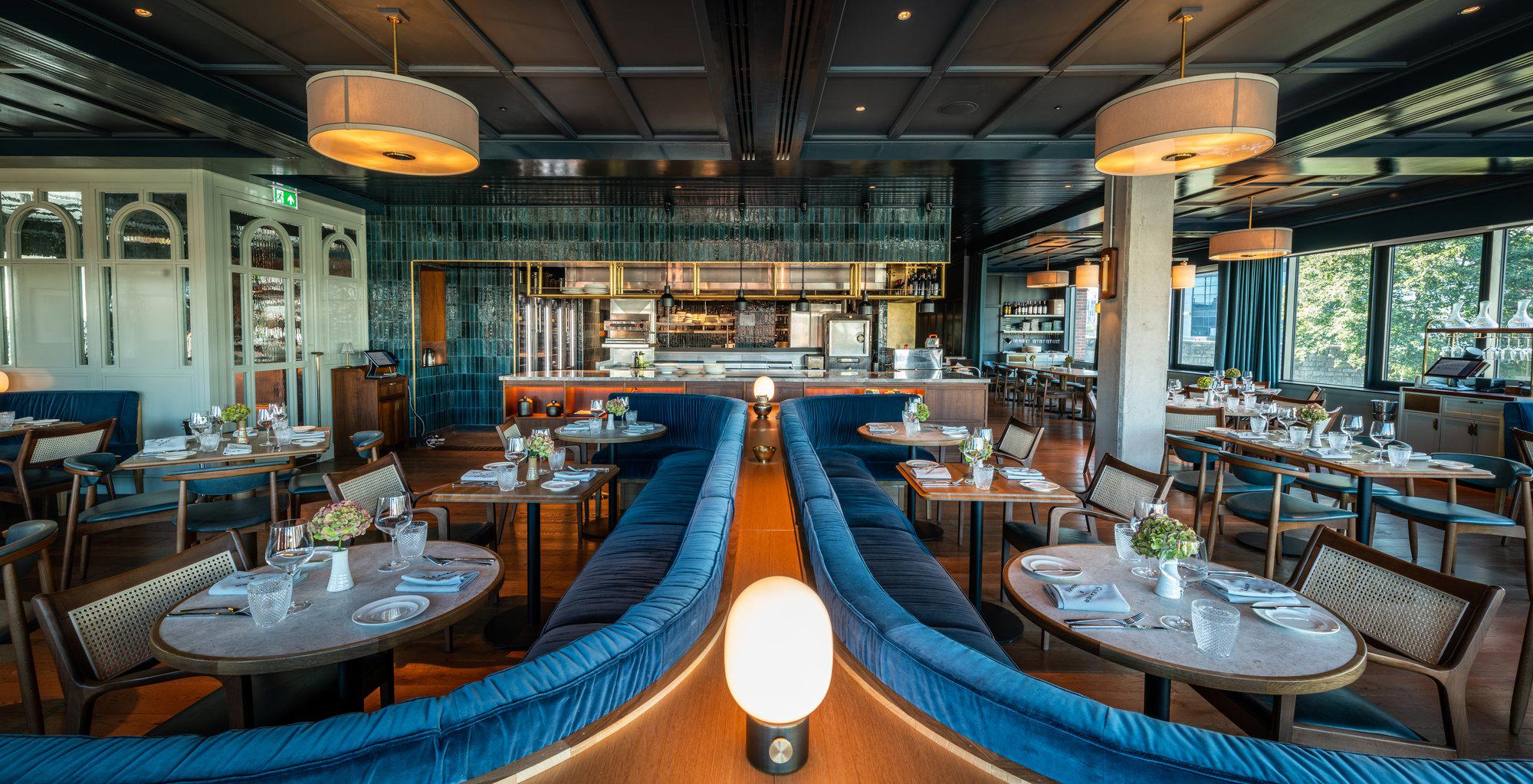
Trendy minimalist space with clean lines, pale wood, soft lighting, open kitchen views, and a lively buzz of conversation.