Piccalilli


Michelin Plate
Our verdict
Tucked above a city-centre alleyway in a period building of exposed brick and aged timber, Piccalilli runs a concise small-plates menu where familiar British flavour combinations are executed with precision. Three to four plates per person sets the right pace. The wine list is short, carefully chosen, and honestly priced, a format that sits closer to neighbourhood favourite than destination dining.

Pearl is the En Primeur Club membership app, where members save venues, book tables and use the concierge.
The menu
What to order
- Welsh rarebit croquettes
- Treacle baked ham
- Ratte potatoes
- Scallops
- Cod with hollandaise
Up the Stairs, Into the Brick
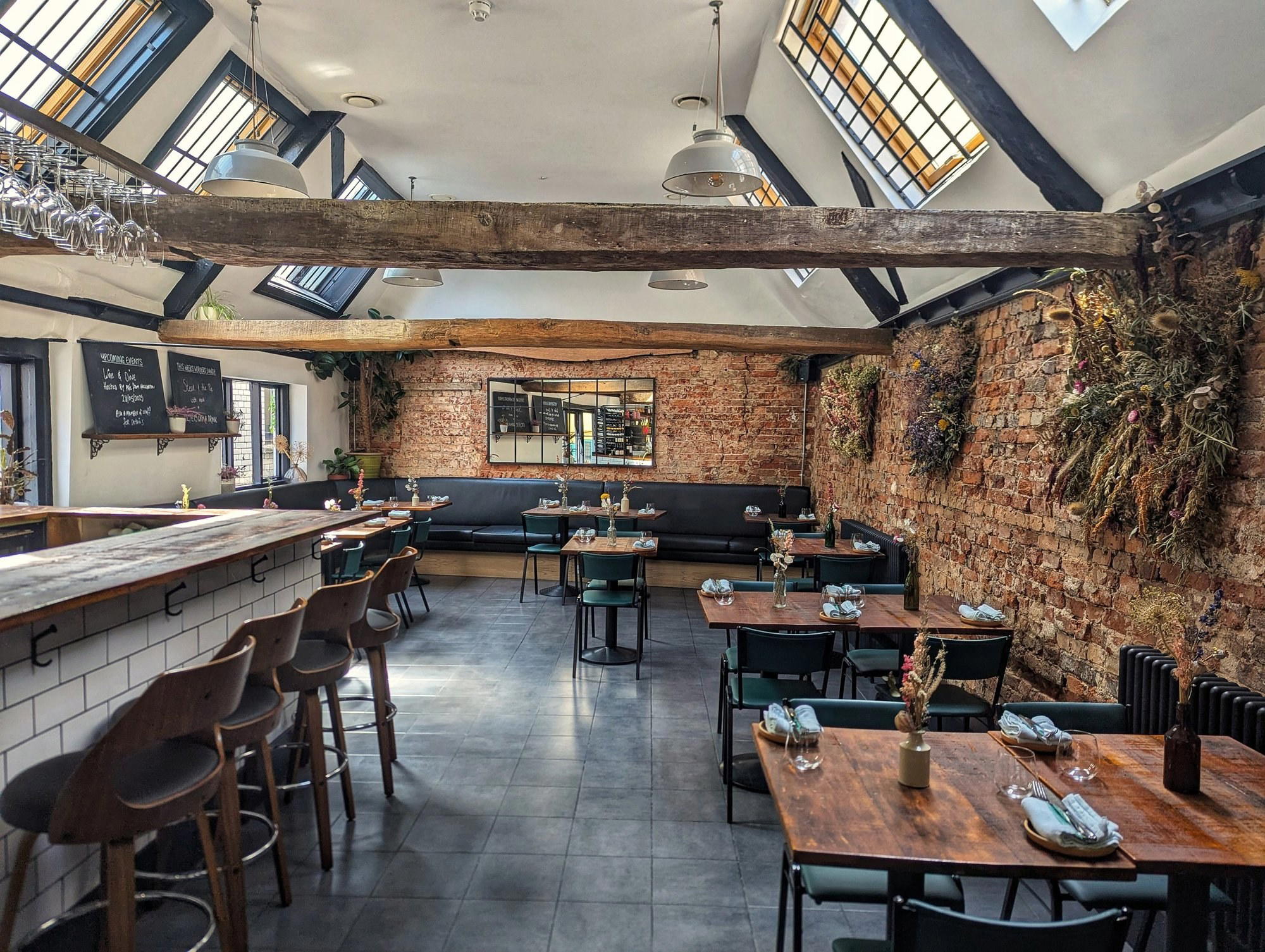
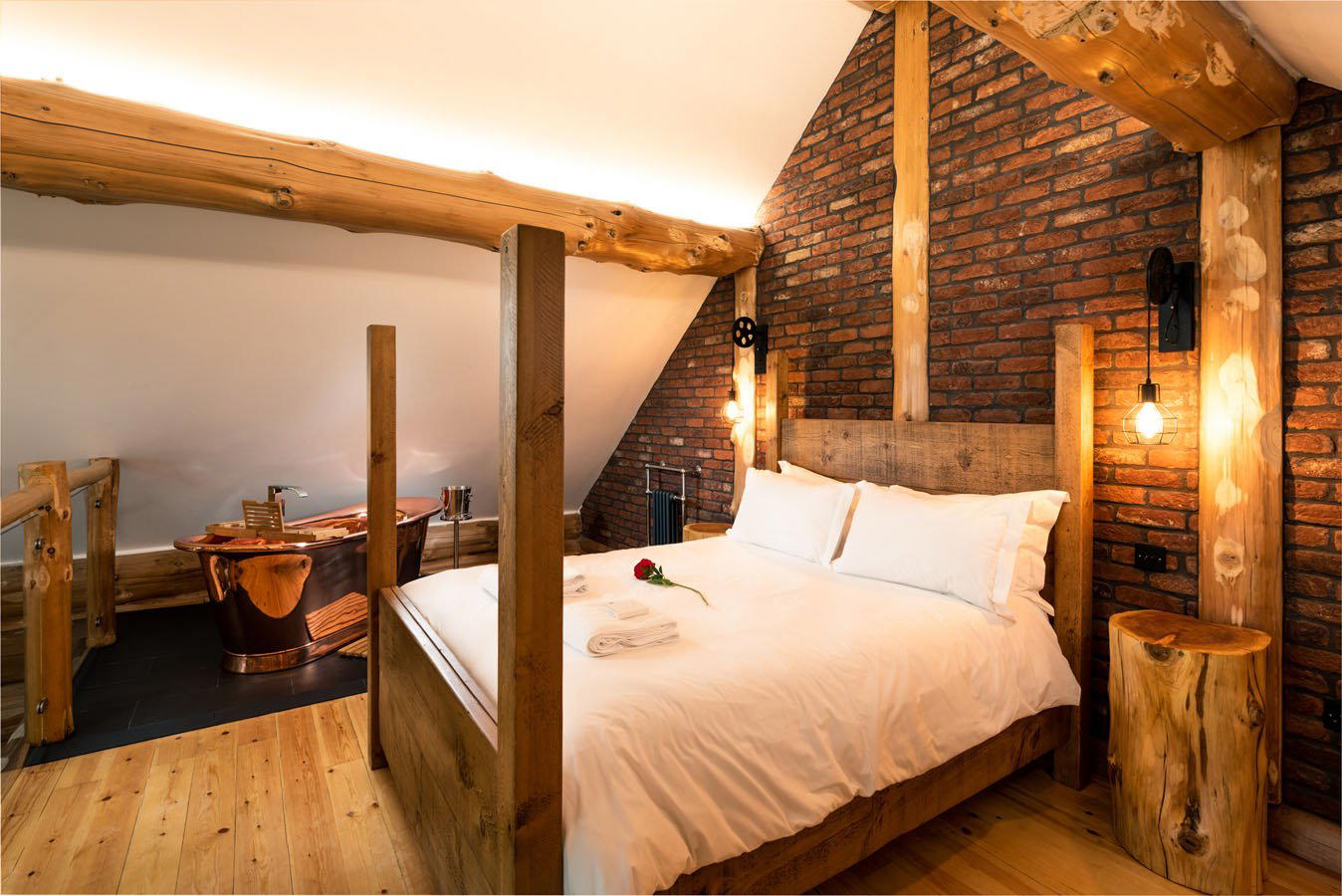
Finding Piccalilli requires a small act of commitment. The entrance sits off Cannon Court, a narrow alleyway cutting through Long Row West in Nottingham's city centre, and the restaurant itself occupies an upper floor reached by a flight of stairs. This is not a place that announces itself from the street. The reward for following your map closely is a room defined by exposed brickwork, aged timber, and dried flowers suspended from the ceiling, a period interior that reads as genuinely inherited rather than manufactured. In a city where small independent restaurants increasingly compete on fit-out theatrics, Piccalilli's setting signals a different set of priorities.
Nottingham's mid-range independent dining scene has grown considerably in the past decade. Kushi-Ya and Ibérico World Tapas both operate at the £££ and below tier with formats built around sharing and plurality of flavour. At the formal end, Restaurant Sat Bains and alchemilla occupy the tasting-menu tier with full-evening commitments and price points to match. Piccalilli sits between these poles, a small-plates format with a recognisably British flavour vocabulary and a room that wears its age without apology.
How the Menu Works
The menu at Piccalilli is structured around small plates, and the intended approach is plural: three to four dishes per person brings the meal into proper focus. This kind of architecture places the guest in charge of pacing and combination, which is a meaningful structural choice. It shifts the experience away from the choreographed progression of a tasting menu, where dishes arrive in a predetermined sequence designed to build and resolve, and towards something more like a considered meal between people who know how to eat together.
What distinguishes the cooking is the relationship between familiarity and execution. The flavour combinations here are recognisable, drawing on a British larder that most diners understand instinctively. The ham fritters with piccalilli, the dish that gives the restaurant its name, is the clearest example of this: a pairing so grounded in domestic British food culture that its appearance on a menu risks feeling unambitious. Executed with precision, it reframes that familiarity as confidence rather than limitation. This is a different approach from the restless invention at Restaurant Sat Bains or the ingredient-led minimalism at alchemilla, and it occupies a legitimate space in the city's dining range.
The broader British small-plates tradition has developed considerably since the early wave of restaurants that adopted the format in the 2010s. What began as a transplant from Spanish and East Asian dining cultures, see Ibérico World Tapas for a version rooted in Mediterranean and Moorish references, has gradually been absorbed into a distinctly British idiom. The test for any kitchen operating in this register is whether the food communicates something beyond its reference points. At Piccalilli, the evidence suggests it does.
The Wine List as Editorial Statement
A short wine list in a small restaurant is frequently an afterthought, a default selection assembled with minimum engagement and priced aggressively. Piccalilli's list is described as concise but carefully curated, with quality choices at a fair price. This framing matters because it positions the list as an active editorial decision rather than a cost management exercise. A tight, considered selection implies that whoever put it together made deliberate exclusions, which is a more demanding task than compiling a long list padded with safe commercial labels.
The implications for the diner are practical. A short list that has been genuinely curated is easier to order from: fewer decisions, higher signal-to-noise ratio, and a reasonable expectation that any bottle you choose will make sense with the food. In the small-plates format specifically, where the table is likely moving across multiple flavour registers across the course of a meal, a list that has been matched to the kitchen's output rather than assembled independently is a meaningful advantage.
For comparison, the wine programs at The Fat Duck, The Ledbury, or L'Enclume operate at a different register entirely, deep cellars, extended back vintages, sommelier-led pairing at considerable cost. Piccalilli's approach is deliberately scaled to the room and the format. The same logic applies at the sharing-plate tier across British restaurants: Hand and Flowers in Marlow and Moor Hall in Aughton both operate substantial wine programs, but their scale is proportional to much larger operations. At Piccalilli, restraint in the cellar is the appropriate move.
Planning Your Visit
Piccalilli is at 1a Cannon Court, Long Row West, Nottingham NG1 6JE, reachable on foot from Nottingham city centre within a few minutes, though the alleyway entrance means first-time visitors should allow a moment for orientation. Given the restaurant's format and its location away from the main pedestrian flow, it draws a self-selecting crowd: people who have specifically sought it out rather than walked past and been drawn in. That dynamic tends to produce a room with more consistent energy than a high-footfall corner site. Booking is advisable; the floor plan of an upper-floor room in a period building rarely allows for much flex in capacity. For broader planning across the city, our full Nottingham restaurants guide covers the range from casual to formal, and our guides to Nottingham hotels, bars, wineries, and experiences are available if you're building a fuller itinerary.
Within the city's independent mid-market tier, Piccalilli occupies a distinct position. It is less technically ambitious than Harts and less format-driven than Kushi-Ya, but the combination of a considered room, a menu that knows what it wants to be, and a wine list that earns its brevity places it among the more coherent small-plates options in the city. International comparison benchmarks, Le Bernardin in New York, Atomix, Gidleigh Park, operate in an entirely different tier and register. The relevant frame for Piccalilli is Nottingham's independent neighbourhood dining scene, and within that frame it is a coherent, well-executed option for an unhurried evening meal.
Frequently asked questions
How do I find Piccalilli?
Piccalilli is located at 1a Cannon Ct, Long Row W, Nottingham NG1 6JE, United Kingdom, Nottingham.
What kind of recognition has Piccalilli received?
Piccalilli has received recognition including: Being hidden down an alleyway and up some stairs in the centre of Nottingham, you’ll need to follow your map closely to find this rustic restaurant in a lovely period building – think exposed brickwork, timbers and dried flowers hanging on ….
What dish is Piccalilli famous for?
The ham fritters served with piccalilli are the signature reference point, the dish that gives the restaurant its name and illustrates the kitchen's approach: familiar flavour combinations executed with precision. The menu centres on small plates built from recognisable pairings rather than abstract concepts.
How far ahead should I plan for Piccalilli?
Given the small-plates format and compact room, exposed brickwork, timber, a considered wine list, covers are limited, and last-minute walk-ins carry risk, particularly at weekends.
What makes Piccalilli worth seeking out?
The restaurant sits off a narrow alleyway in central Nottingham and requires following a map to find the entrance up a flight of stairs, the location alone filters out casual footfall. Inside, the cooking delivers recognisable flavour combinations with consistent execution, and the wine list is short but assembled with evident care, offering quality at a fair price rather than the aggressive mark-ups common at similarly sized venues.
Is Piccalilli allergy-friendly?
Given the small-plates format at 1a Cannon Court, where dishes like ham fritters are central to the menu, contacting the restaurant directly before visiting is the sensible approach for anyone with dietary requirements.
What kind of atmosphere does Piccalilli have, and is it suitable for a private dinner or occasion?
Piccalilli occupies a period building off Cannon Court in Nottingham city centre, with exposed brickwork, timber beams, and dried flowers creating a room that reads as deliberately low-key rather than formally dressed.
Recognition Snapshot
Comparable venues nearby, for context on price, style, and recognition.
| Venue | Cuisine | Price | Awards | Notes |
|---|---|---|---|---|
| PiccalilliThis venue (the venue you are viewing) | Modern British Small Plates | $50–100 | Michelin Plate | Not listed |
| Raymond's | Modern British Small Plates | Not listed | Michelin Plate | Lace Market |
| Pizza Pilgrims Nottingham | Neapolitan Pizza | $20–30 | Not listed | Carlton Street |
| Delilah Fine Foods | British Deli Café | $20–30 | The Good Food Guide GFG Good | City Centre |
| Kellari Greek Restaurant | Traditional Greek | $20–30 | Not listed | Beeston |
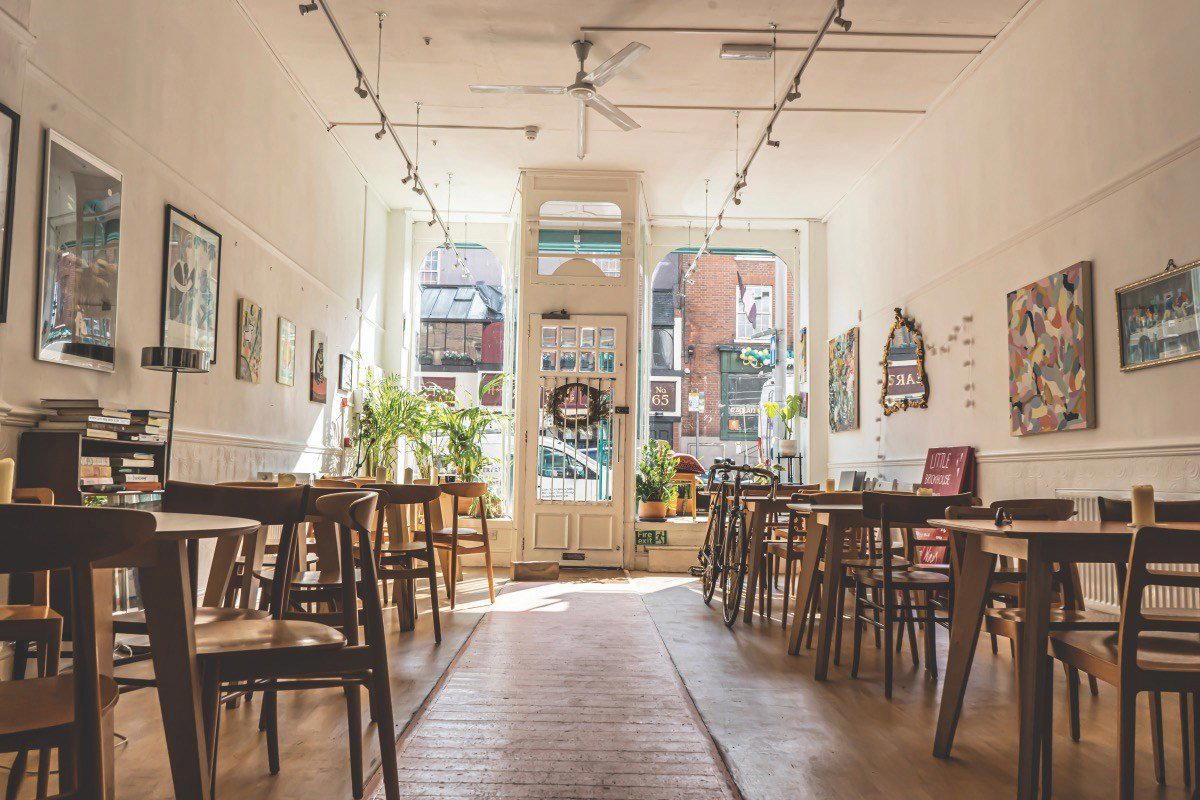
| Little Brickhouse | Eclectic European Bistro | $30–50 | Not listed | Derby Road |
Recognition history
Dated appearances from independent guides and award organizations, with the underlying list record or original source where available.
Michelin Plate
Michelin
The Good Food Guide Good Food Guide Best Local Restaurant
The Good Food Guide
Full recognition history (3 entries)
Michelin Bib Gourmand
Michelin
Continue exploring
More in Nottingham
Restaurants in Nottingham
All restaurants in Nottingham →
Bars in Nottingham
Browse all →
Details
- Intimate
- Cozy
- Modern
- Elegant
- Date Night
- Special Occasion
- Casual Hangout
- Open Kitchen
- Craft Cocktails
- Local Sourcing
- Small Plates
- Vegetarian Friendly
- Allergy Accommodating
Current opening hours
- Monday
- Closed
- Tuesday
- Closed
- Wednesday
- Closed
- Thursday
- 12–3 PM, 5–9 PM
- Friday
- 12–3 PM, 5–9 PM
- Saturday
- 12–3 PM, 5–9 PM
- Sunday
- 12–3 PM
Hours can change for holidays and private events. Hours as of .
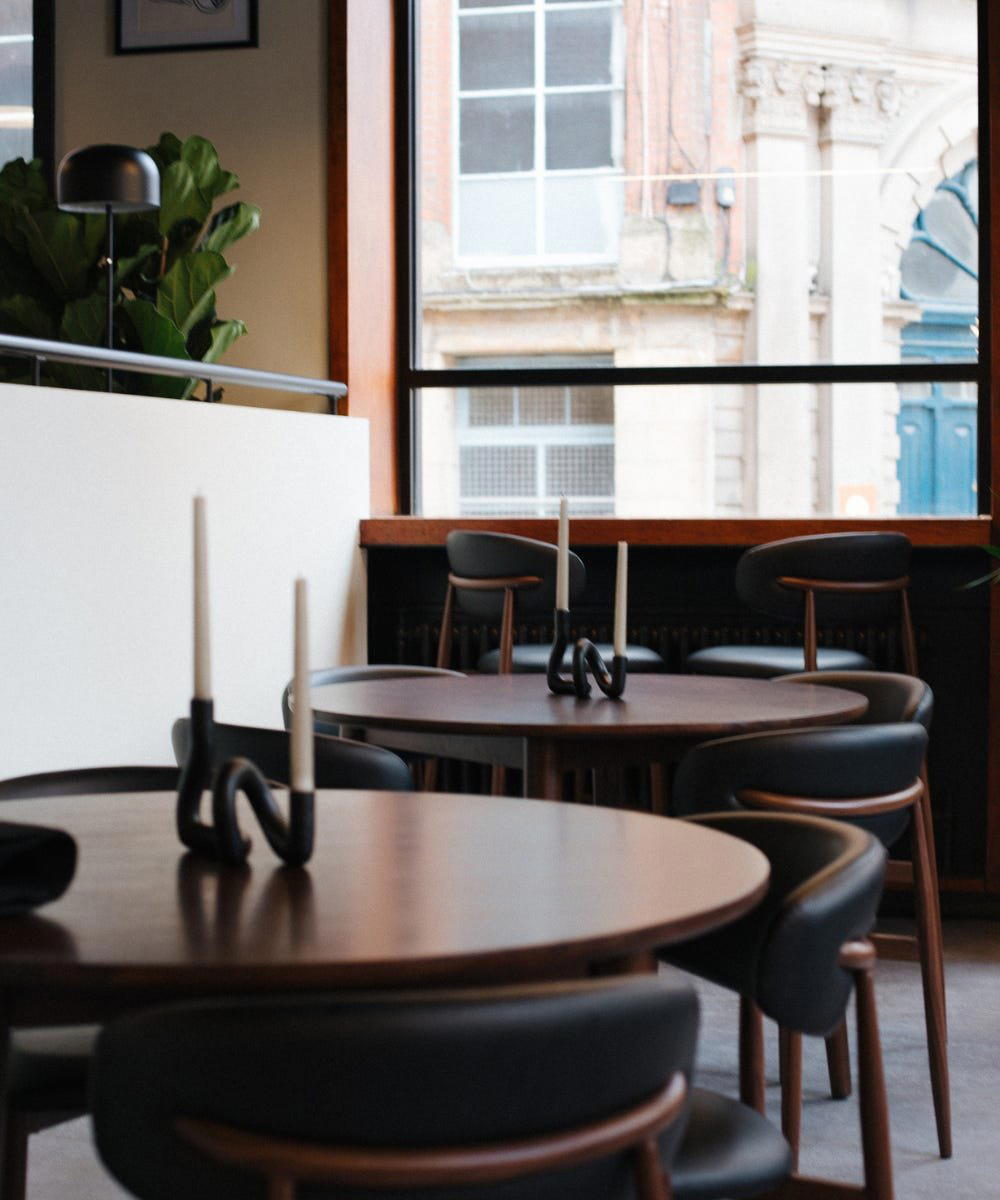
Candlelit intimate dining room with exposed brick, old beams, and a quietly buzzy atmosphere.