
Tabelog 100
Our verdict
Kurumi Do Kissa Ten belongs to Tokyo’s quieter kissaten tradition rather than the city’s high-gloss café circuit. In Kokubunji, its Tabelog 100 - Kissaten selections in 2021 and 2022 place it among serious Japanese coffee-shop addresses, with a format that suits solo diners, families, and low-tempo afternoon eating.

Pearl is the En Primeur Club membership app — saves, bookings, and concierge access live there. Same editors, same standards.
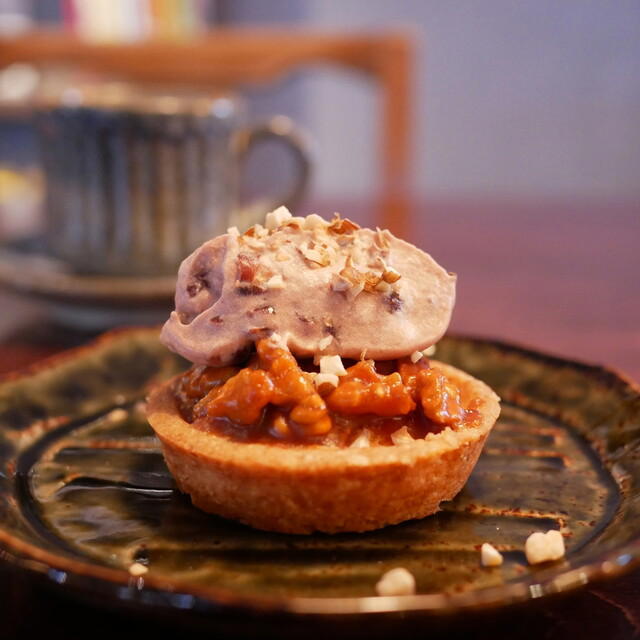
The menu
What to order
- Kurumido blend coffee
- Cold-brew iced coffee
- House-made sweets
- Seasonal lunch plates
Approaching Tokyo through its quieter everyday streets, the rhythm changes from central Tokyo’s restaurant theatre to a softer local register: errands, students, families, and regulars using cafés as part of daily life rather than as a destination performance. That context matters for a kissa. The Japanese coffee shop is not just a place for caffeine; it is a room built around pause, light meals, sweets, conversation, reading, and a service tempo that resists the churn of chain coffee. Kurumi Do Kissa Ten sits inside that tradition, with enough recognition to draw attention while remaining closer to everyday Tokyo than special-occasion dining.
The useful comparison is not high-gloss counter dining or design-led specialty coffee. It is the small-budget, high-frequency side of Tokyo eating, where a JPY 1,000–1,999 spend can still carry personality when the operation has point of view. In the same broad price band, Chuka Soba Hirai, Goto Udon Bizenya, and Curry no Mise Pusan represent Tokyo’s single-category comfort logic: noodles, udon, curry. A kissaten works differently. It is less about a narrow product lane and more about the way food, drink, and room are held together across the afternoon.
Tokyo's kissa culture rewards source, restraint, and repeat use
Tokyo’s kissaten culture has always had a relationship with sourcing, even when it does not speak in the language of modern farm-to-table dining. Coffee beans, dairy, eggs, fruit, bread, rice, and seasonal sweets tend to define the experience more than luxury ingredients. The appeal comes from how familiar materials are selected and handled, not from rarity. At this level, the kitchen is judged by consistency: the cup that anchors a break, the sweet that suits the hour, the light meal that does not turn the room into a restaurant.
That is where the Tabelog Kissaten “Tabelog 100” selection in 2022 becomes meaningful. It does not make the shop grand; it places it in a curated conversation about Japanese coffee shops, a category where atmosphere and daily usefulness count as much as flash. The score of 3.71 reinforces the same point: this is a category address with measurable audience support, not a novelty café built for a single photograph.
The listing also explains its role in the city’s casual dining landscape. Kurumi Do Kissa Ten is identified as a kissa, a Japanese coffee shop, which gives the experience a flexible format. Solo use, conversation, a modest break, and a light food-and-drink stop can all belong to the proposition. The better reading is practical rather than romantic: this is a kissa built for different kinds of day without turning the visit into an awkwardly formal occasion.
Why this is not the same decision as central Tokyo café-hopping
Tokyo changes the value equation depending on how a day is planned. Central dining often trades on design density, limited seating, and the social pressure of being seen in the right queue. Better everyday addresses tend to reward time and attention rather than spectacle. Kurumi Do Kissa Ten’s selection for the Tabelog 100 list signals that the category noticed more than décor. For travellers, the question is whether the itinerary has room for a kissa experience rather than another high-traffic stop between museums and department stores.
There is a clear editorial case for making that room when the purpose is to understand Tokyo beyond the famous dining districts. Its Tokyo setting makes it part of the city’s broader everyday food culture rather than a pilgrimage built around luxury logistics. It also sits in a price tier where the risk is low, especially compared with the reservation-heavy end of Tokyo dining. The payoff is cultural: a view into how the city’s coffee-shop tradition functions when it is serving routine first and spectacle second.
For readers building a broader Tokyo food map, the contrast is useful. Other Tokyo dining rooms speak to different urban impulses, from visual café culture to narrow-format specialists and dinner-led counter formats. A kissa sits between those worlds: lighter than a meal-driven restaurant, more culturally specific than a generic café, and best understood as part of the daily fabric rather than as a one-note destination.
How to place it in a wider Japan itinerary
The pleasure of Japan’s casual dining culture is that its categories travel, but they do not flatten. A kissa in Tokyo, a curry counter elsewhere in Japan, a café in another city, and a sake bar overseas all describe different relationships between place and routine. Useful comparisons are best kept broad: look at how coffee shops, curry counters, noodle rooms, and casual bars change their meaning as the setting changes. Kurumi Do Kissa Ten belongs to that conversation because it shows how a familiar format can carry local usefulness without needing to behave like a destination restaurant.
Within Tokyo itself, this is a counterweight to itinerary fatigue. Pair it with sharper, denser unnamed addresses if the day needs contrast, then use broader Tokyo planning for dining structure, where to stay, late hours, wine-led planning, and days built beyond meals. Kurumi Do Kissa Ten earns its place when the brief is not spectacle, but an accurate reading of Tokyo’s quieter food culture.
Frequently asked questions
What's Kurumi Do Kissa Ten's location?
Tokyo.
What does dinner at Kurumi Do Kissa Ten typically cost?
Pricing at Kurumi Do Kissa Ten is listed as JPY 1,000 - JPY 1,999 JPY 1,000 - JPY 1,999.
Is Kurumi Do Kissa Ten open every day?
Specific opening hours are not provided here; check directly before visiting.
What's the signature at Kurumi Do Kissa Ten?
The defining reference here is the kissaten format itself: Kurumi Do Kissa Ten was selected for Tabelog Kissaten “Tabelog 100” 2022. It is in Tokyo, and the price range is JPY 1,000–JPY 1,999, so the appeal is a classic Tokyo coffee-shop stop rather than a named signature item.
The Minimal Set
Nearby venues at a similar price tier for orientation.
| Venue | Cuisine | Price | Awards | Notes |
|---|---|---|---|---|
| Kurumi Do Kissa TenThis venue (the venue you are viewing) | Japanese kissaten & café with bookstore | $10–20 | Tabelog 100 | Not listed |
| Chuka Soba Hirai | Ramen & Tsukemen Shop | $10–20 | Tabelog 100 #77 | JPY 1,000 - JPY 1,999 |
| KURUMED COFFEE | Not listed | $10–20 | Tabelog 100 #24 | JPY 1,000 - JPY 1,999 JPY 1,000 - JPY 1,999 |
| Goto Udon Bizenya | Goto udon specialist | $10–20 | Tabelog 100 #10 | JPY 1,000 - JPY 1,999 JPY 1,000 - JPY 1,999 |
| Curry no Mise Pusan | Casual Indian‑style Curry House | $10–20 | Tabelog 100 #57 | JPY 1,000 - JPY 1,999 |
| Kodaira Udon Kodaira honten | Musashino-style Udon Noodle Shop | $10–20 | Tabelog 100 #54 | JPY 999 - JPY 999 |
Recognition history
Dated appearances from independent guides and award organizations, with the underlying list record or original source where available.
Tabelog 100
Tabelog · Tabelog 100 - Kissaten - 2026
Full recognition history (2 entries)
Tabelog 100 #38 · No. 38
Tabelog · Tabelog 100 - Kissaten - 2022
Continue exploring
More in Tokyo
Restaurants in Tokyo
All restaurants in Tokyo →




Bars in Tokyo
All bars in Tokyo →

Hotels in Tokyo
All hotels in Tokyo →



Wineries in Tokyo
Browse all →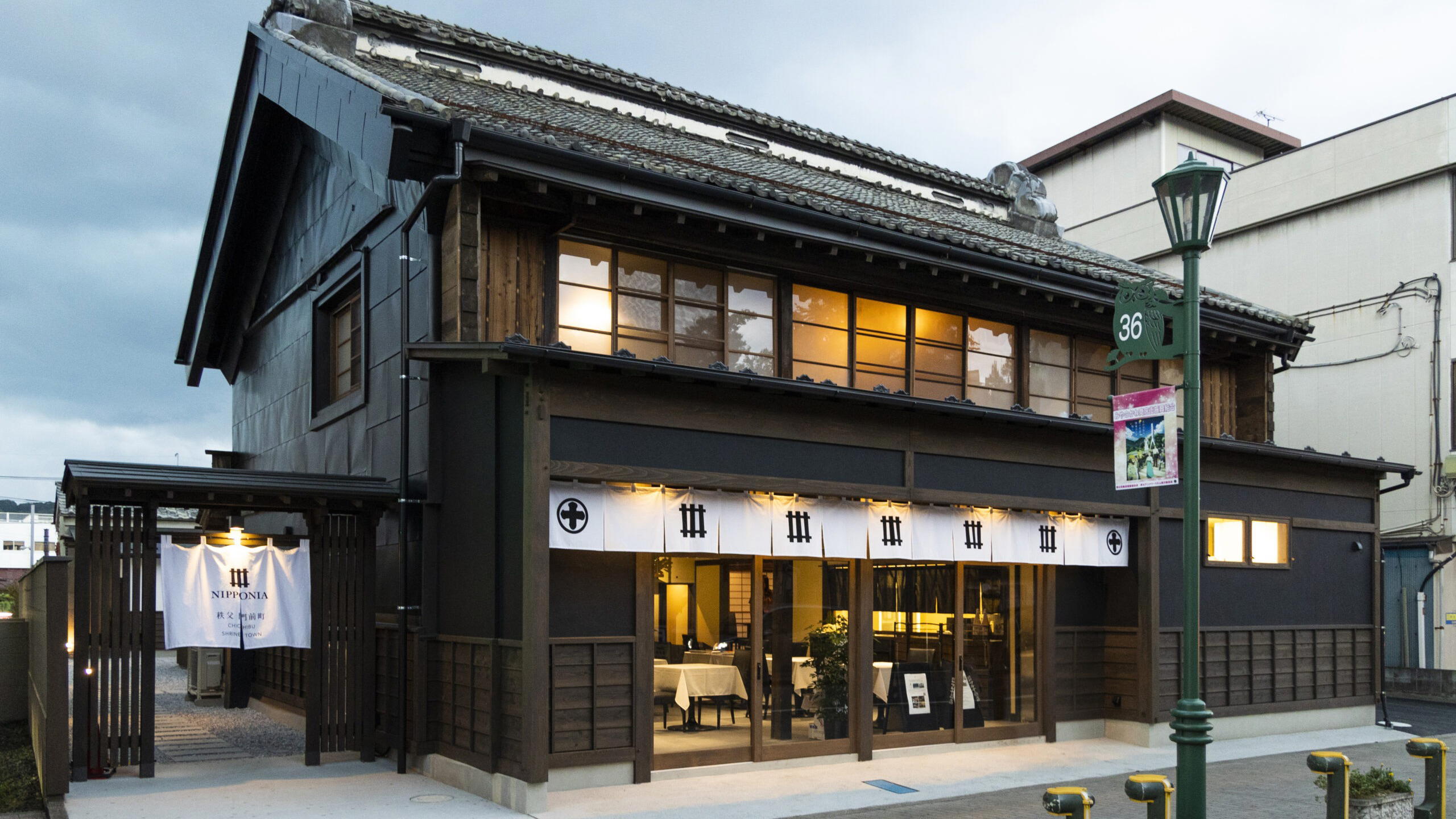
Details
- Cozy
- Classic
- Quiet
- Intimate
- Solo
- Casual Hangout
- After Work
- Date Night
- Family
- Group Dining
- Design Destination
- Standalone
- Local Sourcing
- Street Scene
- A La Carte
- Coffee
- Tea
Current opening hours
- Monday
- 11 AM–6 PM
- Tuesday
- 11 AM–6 PM
- Wednesday
- 11 AM–6 PM
- Thursday
- Closed
- Friday
- 11 AM–6 PM
- Saturday
- 11 AM–6 PM
- Sunday
- 11 AM–6 PM
Hours can change for holidays and private events. Last verified .
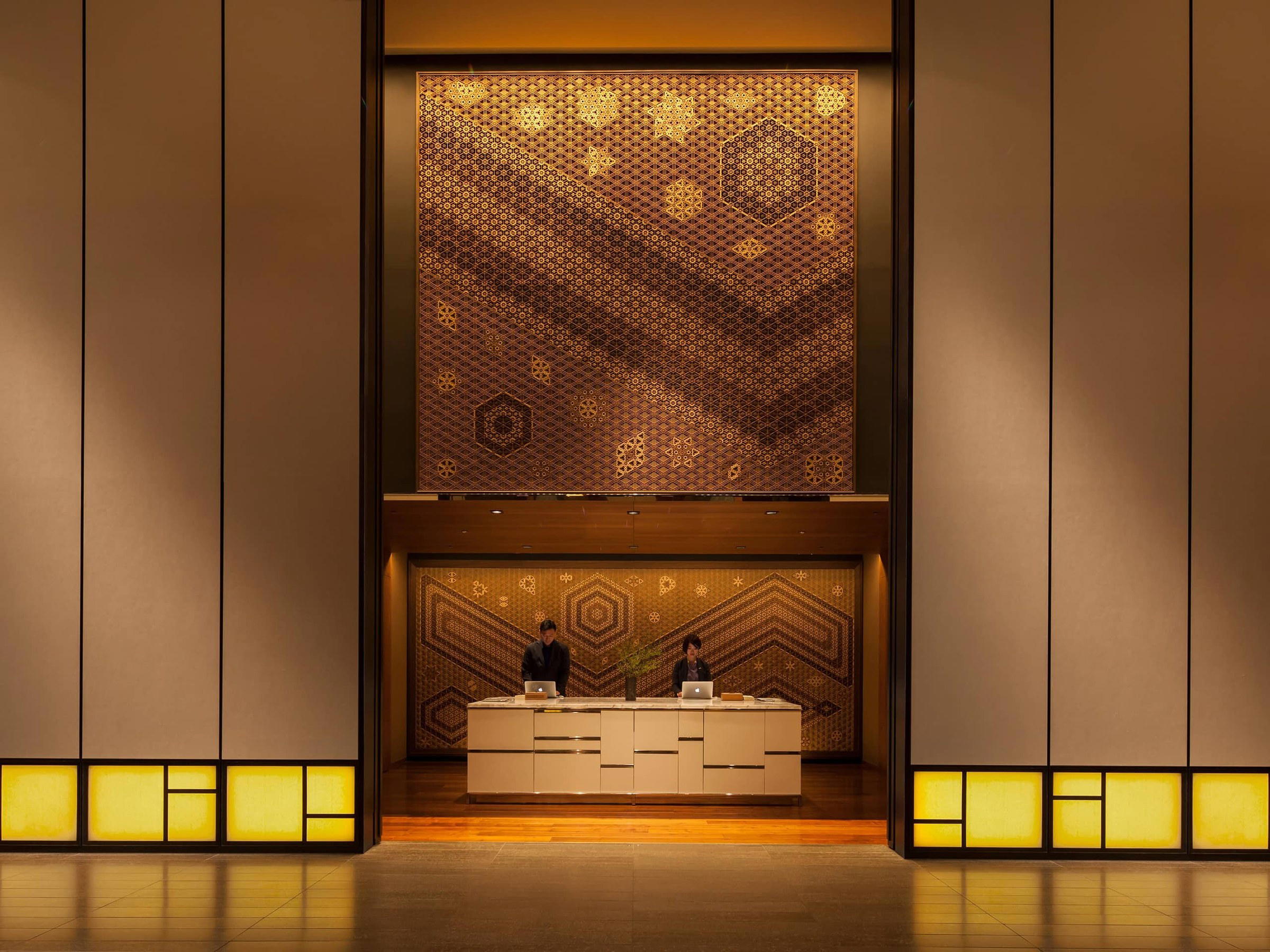
Warm wooden interiors and soft lighting create a nostalgic, Taisho-romantic atmosphere where time feels slower, inviting quiet reading, conversation, and unhurried coffee breaks.