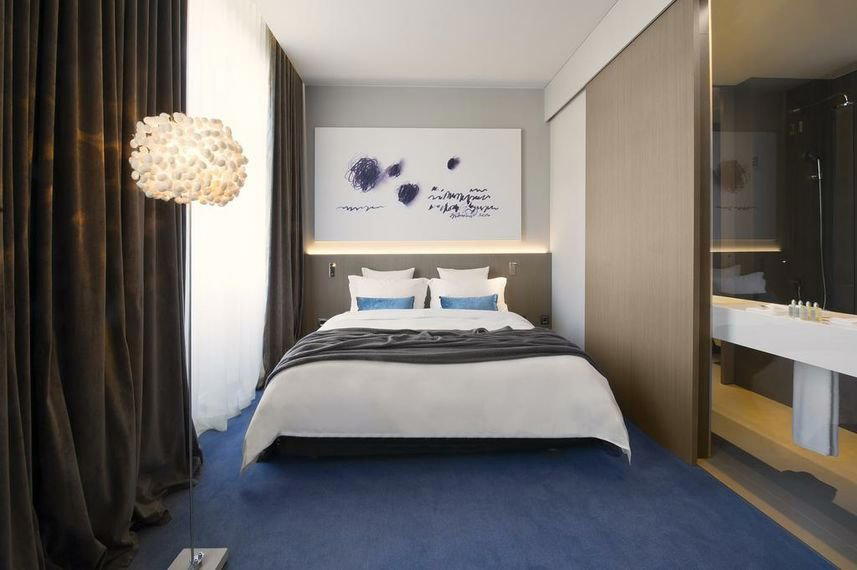
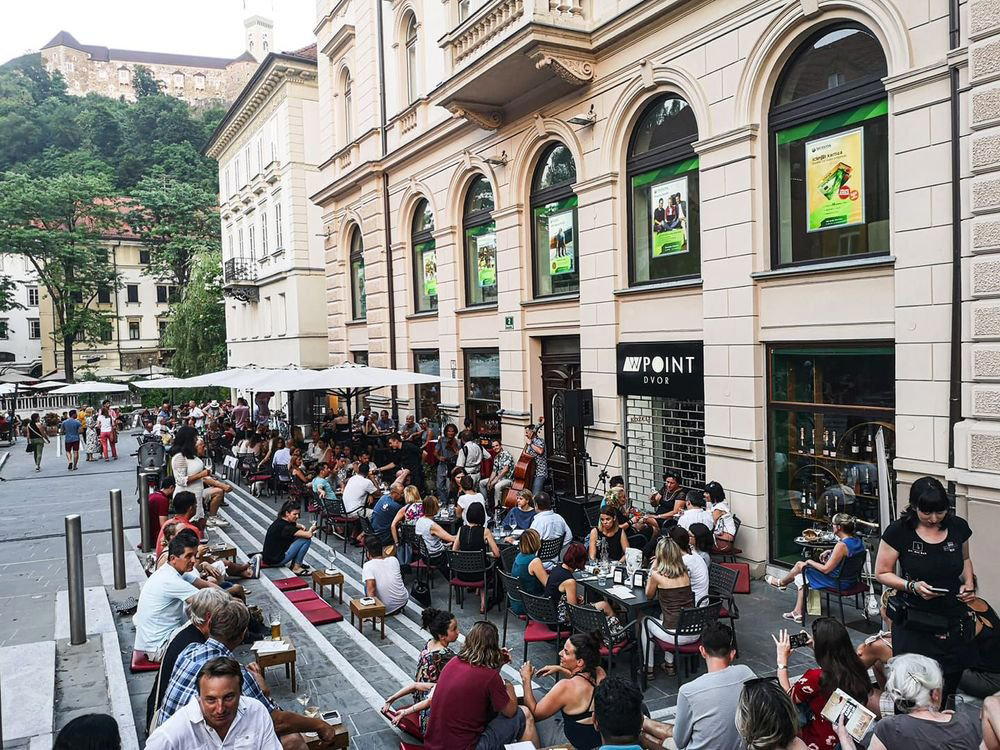
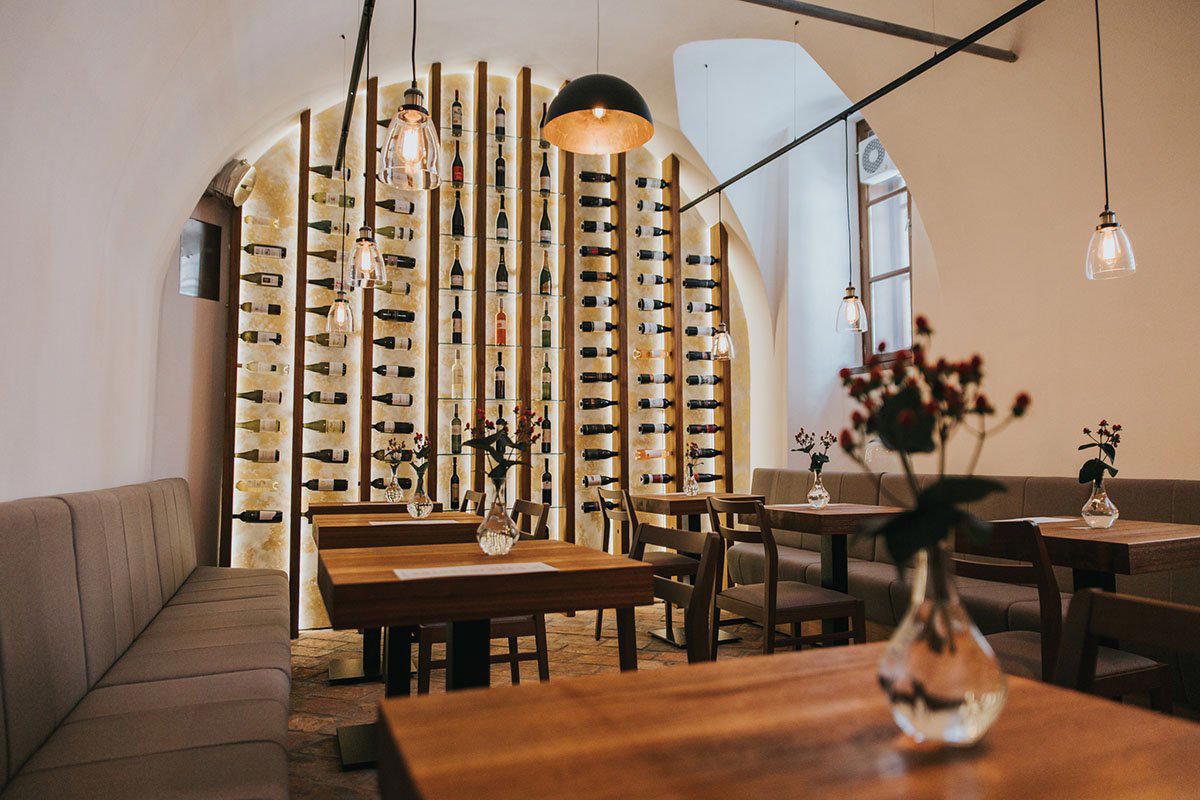
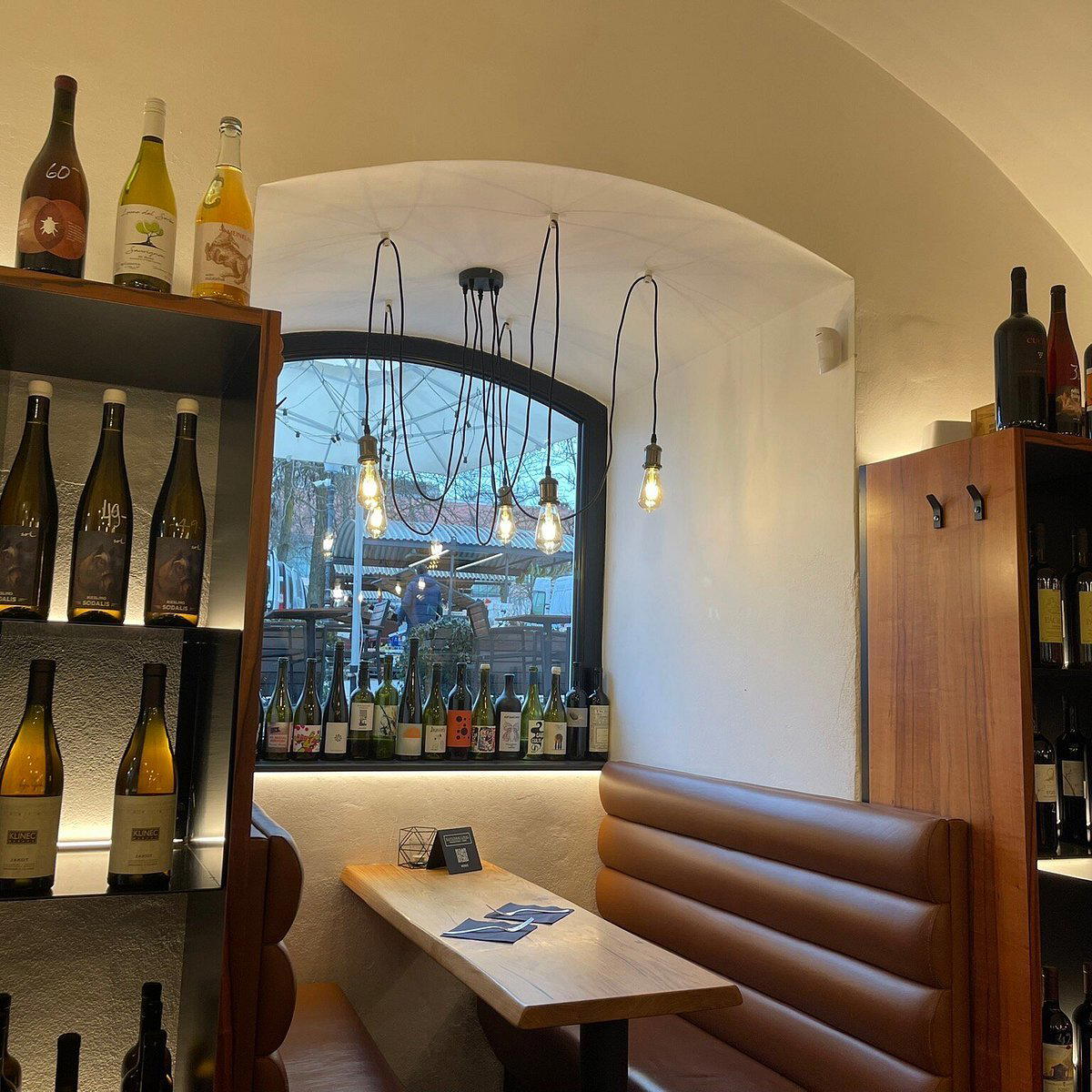
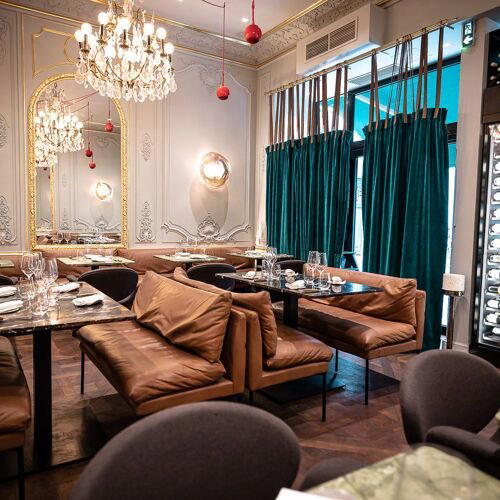
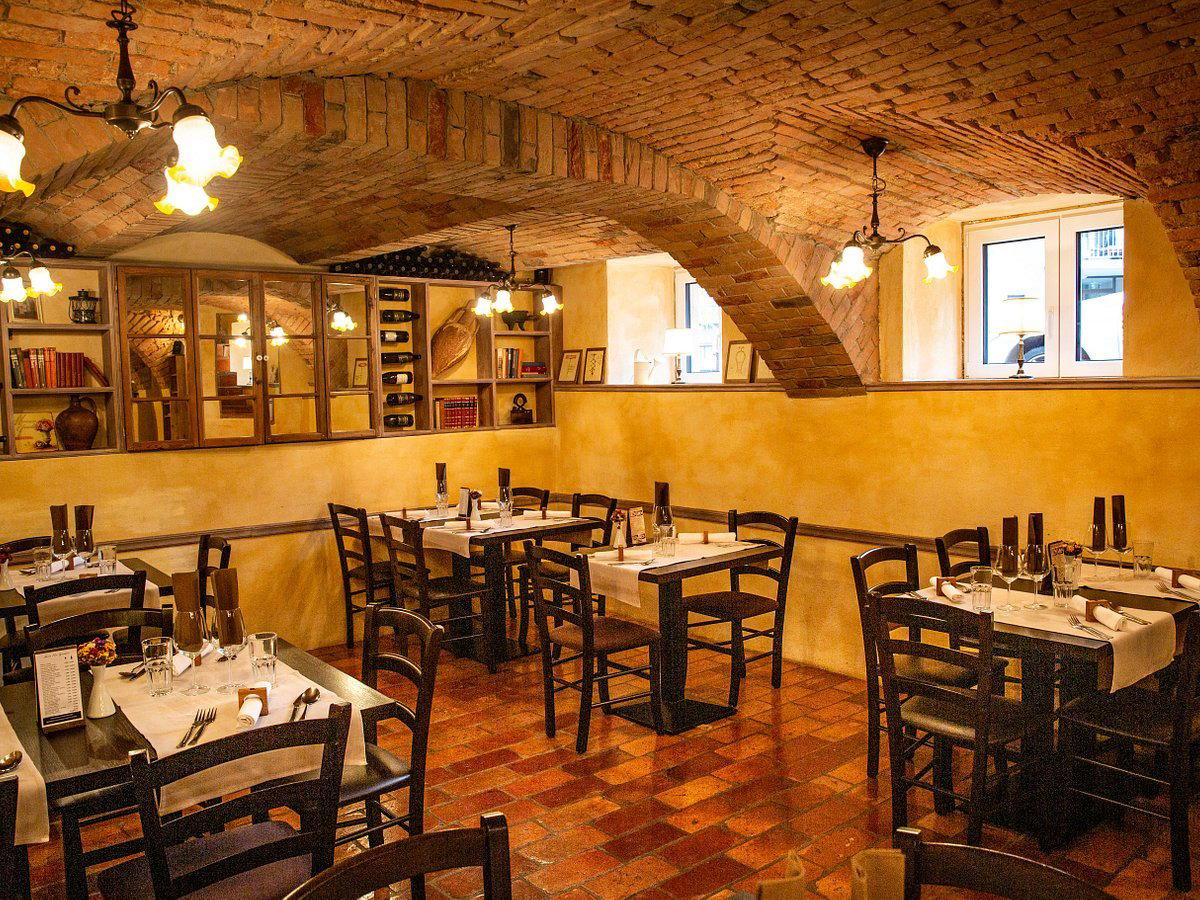
Hotel Adore sits in a Ljubljana hotel scene where design-led stays, heritage addresses, and practical city bases compete within a compact capital. With no published public sources for star rating, awards, room count, address, phone, website, or pricing, it is better read cautiously: a name to compare against documented Ljubljana peers rather than a hotel to judge on unsupported detail.
Pearl is the En Primeur Club membership app — saves, bookings, and concierge access live there. Same editors, same standards.
- Address
- Pot na Rakovo jelšo 6, 1000 Ljubljana, Slovenia
- Website
- hotel-adore.si
 Saves & bookings on Pearl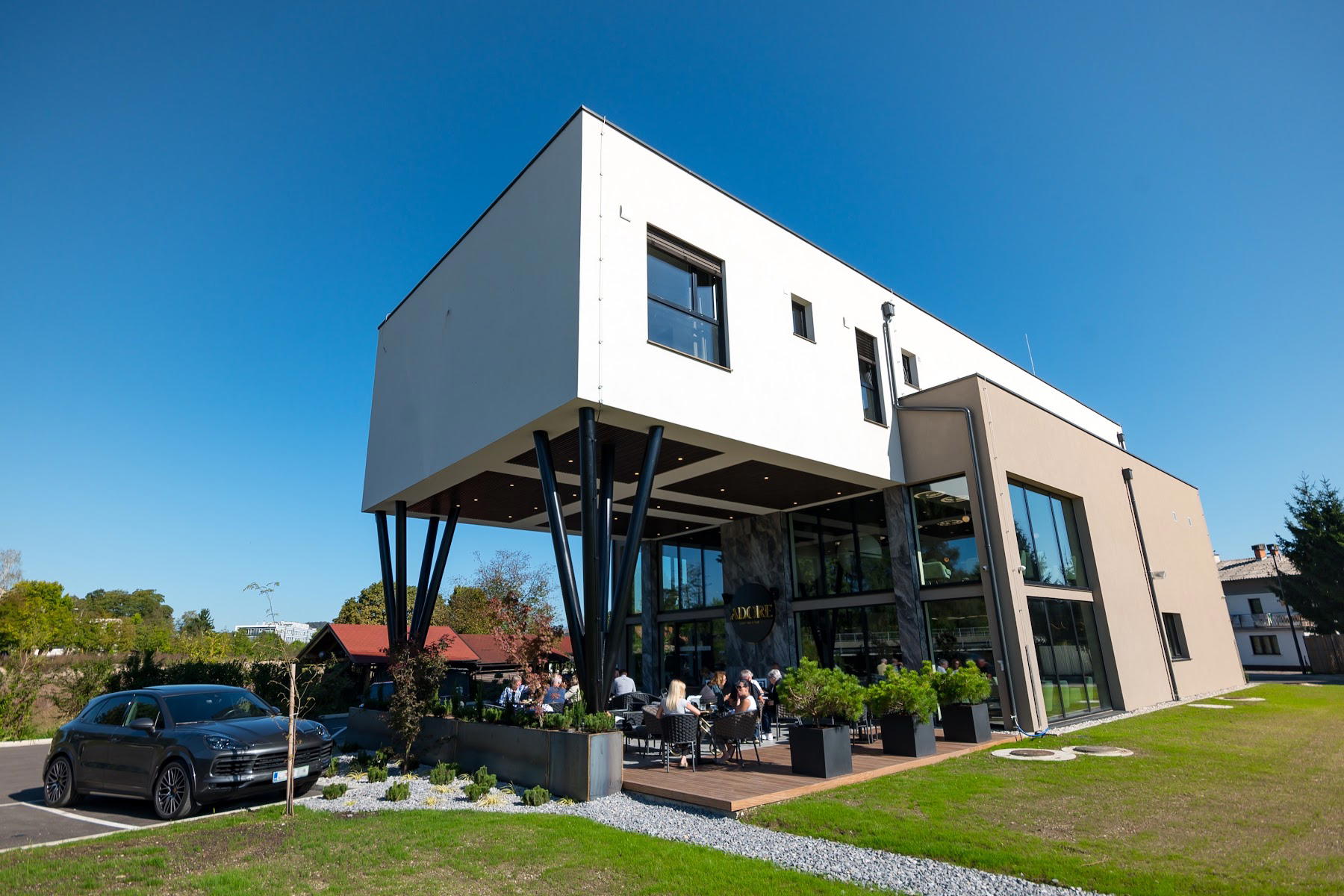
First read: a Ljubljana stay judged by context, not claims
Approaching a hotel in Ljubljana usually means reading the city before reading the property: river curves, compact streets, arcades, café terraces, Austro-Hungarian facades, and the quick shift from pedestrian centre to residential calm. That matters for Hotel Adore because the available record does include an address, but no star rating, design notes, room count, booking channel, price band, or awards. In a city this small and design-conscious, absence of detail is not a minor footnote. It changes how the hotel should be evaluated.
Ljubljana’s hospitality character is unusually compressed.A traveller can compare heritage hotels, glassier international towers, small boutique properties, hostels with strong cultural identity, and countryside extensions within a single planning session. The city does not force a choice between grand scale and local texture as sharply as larger capitals do. Instead, the decision often turns on position, architectural personality, practical access, and how much a guest wants the hotel itself to carry the trip.
Hotel Adore enters that comparison with a sparse public record. That is not a verdict against it; it is a signal that the hotel should not be described with invented flourishes. No confirmed architect, design studio, heritage status, room inventory, service model, restaurant concept, bar programme, or renovation timeline is available in the supplied data. The sensible editorial reading is to place it beside better-documented Ljubljana options and make the planning implications clear.
Ljubljana's design-hotel conversation is more varied than its size suggests
The capital’s hotel scene has split into several strands. There are central boutique addresses where scale and interior decisions matter more than brand reach, civic-era hotels whose architecture carries institutional memory, contemporary business hotels built around international expectations, and conversion projects that use the building itself as cultural material. This range is why design is not cosmetic in Ljubljana. It determines whether a stay feels tied to the old centre, the modern business grid, or the wider Slovenian habit of moving quickly between city and nature.
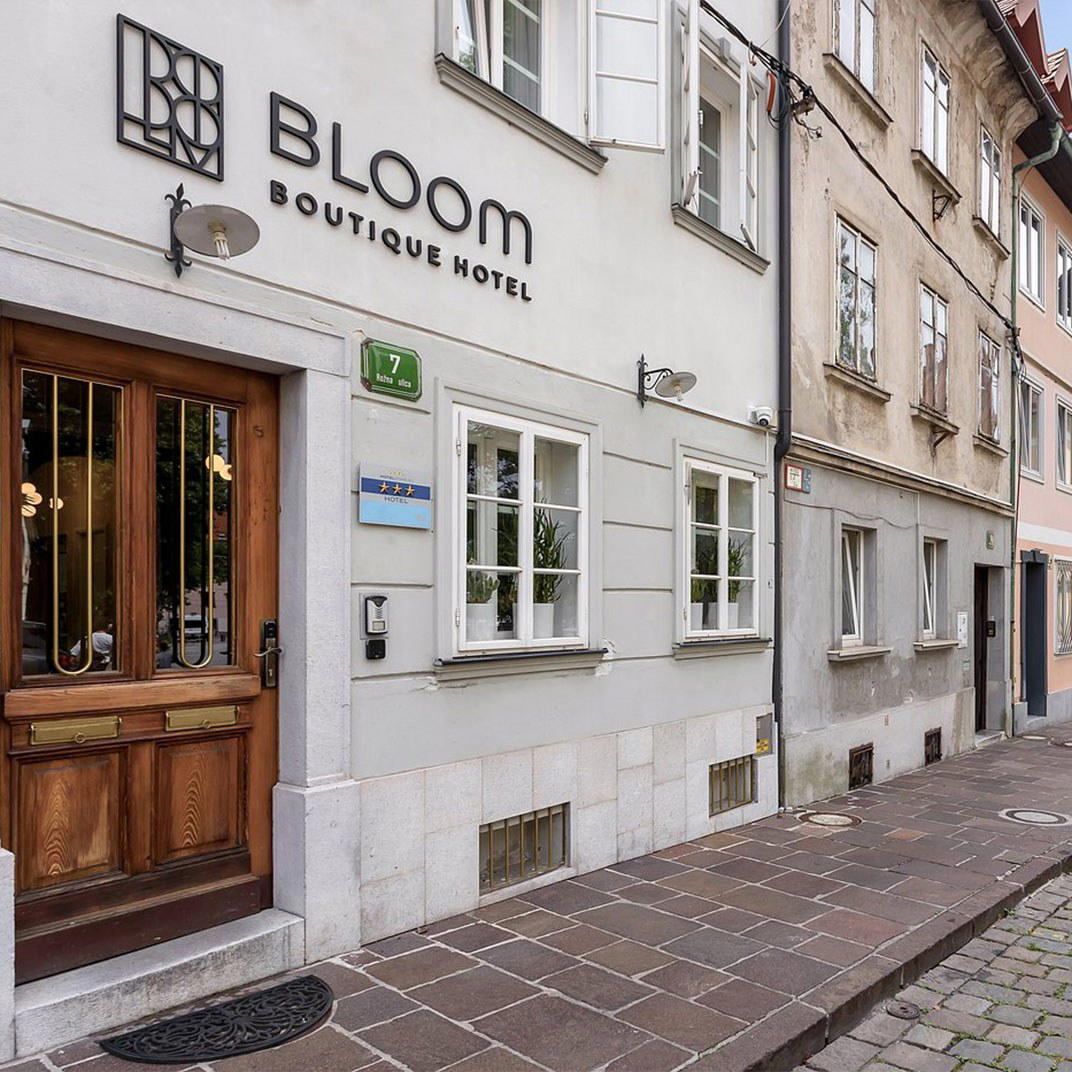
For a documented boutique comparison, AS Boutique Hotel belongs to the smaller-city luxury conversation, where location, intimacy, and polish compete against larger branded hotels. Bloom Hotel points toward a lighter design-hotel reading of the city, usually relevant for travellers who want contemporary interiors without the formality of a grand address. Hotel Cubo represents another urban boutique model, often compared by guests who care less about resort-style facilities and more about central utility.
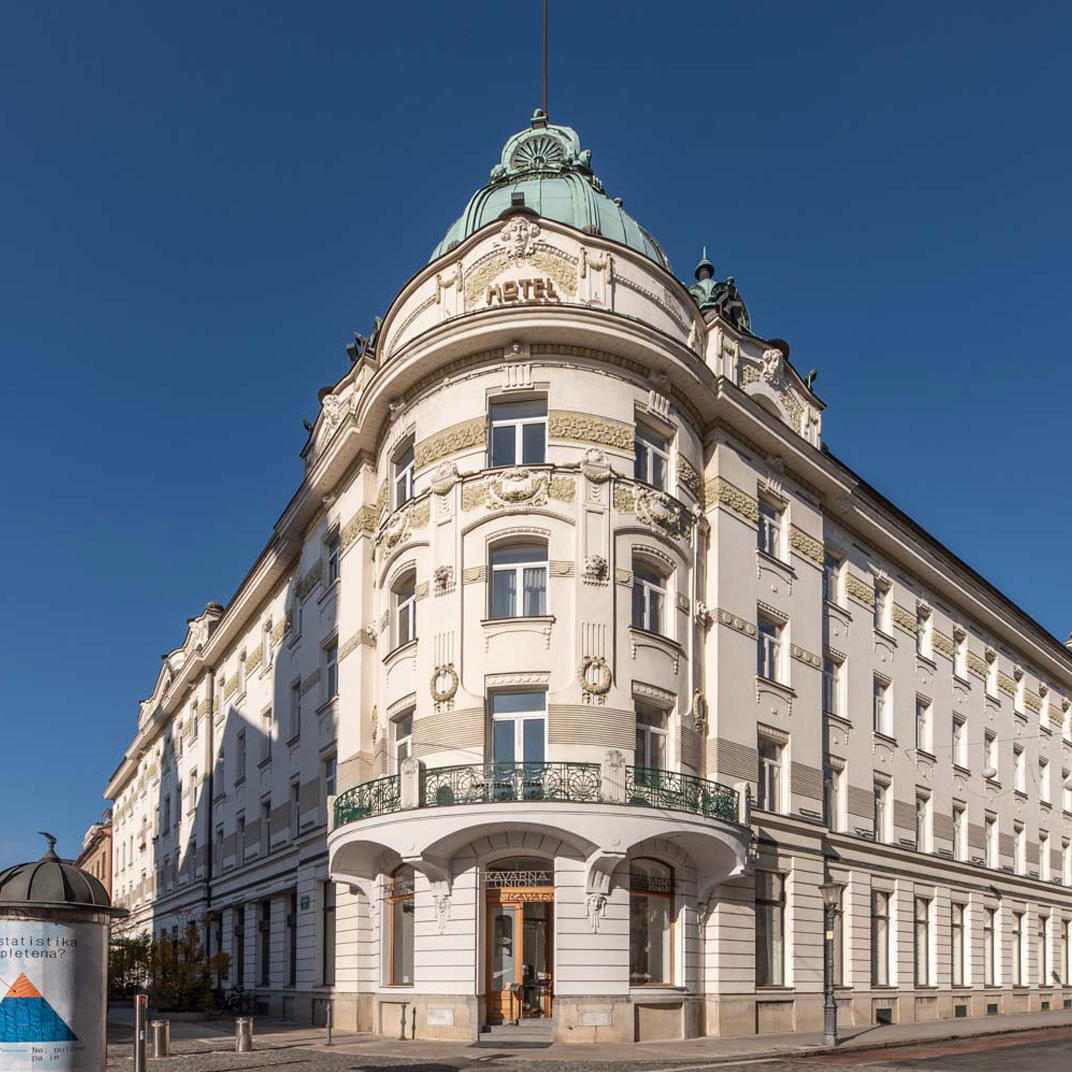
Heritage and scale sit in a different lane. Grand Hotel Union Eurostars carries the kind of civic-hotel presence that smaller design addresses cannot mimic, while InterContinental - Ljubljana, an IHG Hotel and Intercontinental Ljubljana move the discussion toward height, brand consistency, and international-hotel infrastructure. Hotel Nox adds another design-forward comparison point outside the purely heritage frame. Hostel Celica, meanwhile, shows how adaptive reuse can define a stay as strongly as thread count or lobby service.
Against that field, Hotel Adore should be treated as an unverified design question rather than a finished editorial conclusion. In EP Club terms, this means the hotel’s context can be discussed, while its interior character cannot be embellished.
What the available record says, and what it does not
There is no phone number, no website, no star rating, no hotel group, no price range, no awards, no review count, no booking method, and no description.
For travellers, the practical effect is direct. Hotel Adore may be relevant to a Ljubljana search, but comparison should begin with confirmed information. Pricing should be compared for the exact dates, because Ljubljana rates can move with summer travel, congress periods, and regional holiday demand. Awards should not be assumed. The record does not list Michelin Keys, hotel-guide recognition, travel-media awards, or star classification.
This cautious approach is not timid; it is the only credible one. Ljubljana has enough documented hotels that unsupported claims are unnecessary.A traveller choosing a hotel for architecture and design should ask for current room photography, floor plans where available, confirmation of whether the building is historic or newly built, and clarity on noise exposure if the property sits near nightlife or traffic. Those questions are more useful than vague praise.
Architecture as the deciding filter
In Ljubljana, design-led travel is rarely about spectacle at lobby scale. The city rewards proportion, street relationship, and the way a building handles the transition from public life to private rest.A hotel near the pedestrian centre offers immediate access but may trade on tighter room plans or street activity.A property outside the old core may offer quieter nights, easier vehicle access, or newer construction, but can lose some of the city’s walkable ease. Without an address for Hotel Adore, that trade-off cannot be resolved from the supplied data.
The better question is not whether Hotel Adore is stylish. The better question is what kind of design stay the trip requires. For a design-led base inside Ljubljana, comparison with AS Boutique Hotel, Bloom Hotel, Hotel Cubo, and Hotel Nox gives a more grounded field of reference. For travellers who value public rooms, scale, and historic city-hotel energy, Grand Hotel Union Eurostars belongs in the shortlist. For guests who want an international brand framework, the InterContinental listings are the natural comparison set.
That is especially true for design-sensitive travellers, because hotel photography can conceal as much as it reveals. Bathroom configuration, window size, storage, lift access, breakfast room scale, and acoustic treatment often decide whether a small hotel feels charming or compromised.
How Ljubljana changes the hotel decision
Ljubljana’s size makes hotel selection unusually consequential. In a larger capital, a weak location can be corrected by taxis and metro lines; in Ljubljana, the pleasure is often walking from hotel to river, market, gallery, bar, and dinner without turning the day into logistics. The city centre’s human scale makes a well-placed hotel feel generous.A poorly matched location, by contrast, can make a short stay feel needlessly fragmented.
Food and drink planning also shapes the hotel choice. Guests who intend to build the trip around restaurants should cross-reference the Ljubljana restaurants guide before committing to a room. The city’s dining identity has been sharpened by Slovenia’s broader culinary recognition, with chefs and producers drawing attention to regional ingredients, alpine-adriatic crossings, and wine-country proximity. The hotel’s record does not list an in-house restaurant or cuisine type, so it should not be treated as a dining hotel without further confirmation.
Bar access is similar. Ljubljana’s drinking culture ranges from wine-forward addresses to cocktail bars and informal riverside terraces. The decision is less about late-night excess than about whether the hotel places the traveller near the kind of evening rhythm they want. the Ljubljana bars guide is the better planning tool for that part of the trip, especially because the hotel record does not confirm a bar, lounge, or opening hours.
Wine travel complicates the map in a productive way. Slovenia’s wine regions are close enough to make Ljubljana a useful base for certain itineraries, but serious wine days often point beyond the capital. the Ljubljana wineries guide helps frame that choice. If the trip leans more toward cultural programming, guided tastings, or specialist local formats, the Ljubljana experiences guide gives a broader read on how to spend time beyond hotel interiors.
When to compare beyond the capital
Slovenia is compact enough that the hotel conversation should not stop at Ljubljana. Many travellers use the capital for arrival, architecture, restaurants, and museums, then move toward alpine valleys, wine country, the coast, or historic estates. That pattern changes how the hotel should be judged. If it is a one-night city base, practical access and room comfort may matter more than a fully developed design identity. If it is the main stay, the absence of confirmed details becomes more significant.
For alpine and lake-focused planning, ALPIK Chalets in Bohinj, Grand Hotel Toplice in Bled, Chalet Sofija in Kranjska Gora, and Vila Planinka in Zgornje Jezersko belong to a different travel mood, where setting and landscape in the literal geographic sense drive the stay. In the Soča and Idrija orbit, Nebesa Chalets in Kobarid and Kendov Dvorec in Spodnja Idrija point toward countryside depth and regional character.
For castle, coast, and wine-country itineraries, Hotel Grad Otočec in Otočec, Hotel Palace Portoroz in Portorož, and Peterc Vineyard Estate in Kojsko show how quickly Slovenia’s hospitality identity changes outside the capital. Ljubljana hotels function well as urban anchors, but they are not substitutes for stays where the surrounding terrain is the point.
International benchmarks for the design-minded traveller
Hotel comparison becomes sharper when Ljubljana is measured against cities with more mature luxury-hotel hierarchies. The Fifth Avenue Hotel in New York City belongs to a market where design hotels compete through high-touch service, strong food and beverage programmes, and expensive real estate. Hôtel de Paris Monte-Carlo in Monte Carlo represents grand-hotel theatre tied to address and history. Badrutt's Palace Hotel in St. Moritz sits in a resort tradition where seasonality, legacy, and social gravity carry enormous weight.
Ljubljana works differently. Its strongest hotel experiences tend to be measured in fit rather than spectacle: closeness to the old centre, intelligent renovation, restrained room design, breakfast quality, parking or transfer practicality, and access to restaurants. The hotel should be assessed through that local frame. Without verified awards, ratings, or design credentials in the record, it cannot be responsibly placed beside international palace hotels or acclaimed urban flagships. It can, however, be considered as part of a compact city search where the traveller’s criteria do much of the sorting.
Planning notes for Hotel Adore
Because there is no address in the supplied data, map location, walking times, parking, taxi access, and public-transport convenience need confirmation before dates are locked. Because there is no price range, comparisons should be made for the same room category and cancellation conditions, not from general impressions of the hotel name.
Seasonal timing matters in Ljubljana. Spring and early autumn tend to suit cultural walking trips, summer brings stronger leisure demand, and December changes the city’s rhythm around festive markets and short-day travel. If design is the priority, current photography should be treated as essential evidence, especially for bathrooms, room outlook, and public areas.
For a wider city view, Our full Ljubljana hotels guide is the more reliable starting point than a single sparse listing. That distinction protects the traveller from overreading incomplete data.
Comparable venues nearby, for context on price, style, and recognition.
| Venue | Cuisine | Price | Awards | Notes |
|---|---|---|---|---|
| Hotel AdoreThis venue — the venue you are viewing | Hotel | Not listed | Not listed | Not listed |
| Hostel Celica | Artistic prison conversion in cultural district | $ | Not listed | Metelkova |
| Tivoli Boutique Inn | Modern boutique inn with sleek minimalist architecture next to Tivoli Park | $$$ | 4-Star | Tivoli Park |
| Bloom Hotel | Family-run boutique blending old charm with modern comfort in Ljubljana's Old Town. | $$$ | 3-Star | Old Town |
| ONE66 Hotel | Lifestyle hotel in converted industrial building | $$ | 4-Star | Siska District |
| Hotel Nox | Contemporary Slovenian design boutique hotel managed by an interior design company specializing in hospitality. | $$$ | 4-Star | northern edge of Ljubljana |