Kudu


Michelin Plate · National Restaurant Awards Top 100 #64
Our verdict
Kudu brought South African braai cooking to Marylebone's W1 in 2025, consolidating three Peckham addresses into one ambitious operation. Chef Katlego Mlambo holds a Michelin Plate and Bib Gourmand simultaneously, a dual recognition that positions Kudu clearly within London's mid-to-upper tier. The all-South African wine list and open kitchen format add editorial and practical weight to a visit.

Pearl is the En Primeur Club membership app, where members save venues, book tables and use the concierge.
The menu
What to order
- Kudu bread
- Sirloin steak
- Burrata
- Peri peri chicken
From Peckham to Marylebone: How Kudu Redrew the Map of South African Cooking in London
The consolidation of a restaurant group is rarely a story about gain. Closures, mergers, and moves tend to signal contraction. Kudu's 2025 move from three South London addresses to a single W1 site is the exception: a deliberate step up in ambition, price point, and format. The original Peckham operation built a following for South African braai cooking at a neighbourhood scale. The Marylebone iteration, at 7 Moxon Street, recasts that same culinary identity in a room better suited to what the kitchen was always capable of delivering.
That shift is not merely geographical. It places Kudu in a different competitive conversation. Marylebone's dining tier sits close to addresses like CORE by Clare Smyth, Sketch, The Lecture Room and Library, and The Ledbury, all carrying Michelin three-star weight at ££££ price points. Kudu operates at £££ with both a Michelin Plate and a Bib Gourmand for 2025, a dual recognition that is relatively uncommon and positions the restaurant precisely: serious enough for the Plate, accessible enough for the Bib. Within the broader city context of London's restaurant scene, that combination carries real signal.
South African Braai in a European City
Braai, the South African tradition of open-fire cooking, occupies a category of its own in London's current dining moment. It is neither the Argentinian asado model, which arrived earlier and more prominently, nor the American barbecue format that dominated a particular mid-2010s moment. Braai carries a specific cultural grammar: the fire is social infrastructure, the cuts are particular, and the accompaniments follow their own logic. In Cape Town, restaurants like La Colombe and Salsify at the Roundhouse sit at the apex of that tradition's formal expression. Kudu does something different: it translates the core of braai cooking into a sharing-plate format that works for a European dining room, without flattening the cuisine into something it is not.
Chef Katlego Mlambo leads the kitchen at the W1 address. The menu centres on fire and smoke, with poussin and pork chop as key braai items. The beef fat fingerling potatoes are the kind of side dish that re-orders a table's priorities; ordering them alongside the mains is not optional if you want the meal to cohere. The opening move of breads with cultured butter establishes the kitchen's approach: technique applied to simple forms, with South African reference points giving each element its particular character. The homemade biltong, a cured meat product with deep roots in South African culinary tradition, appears as part of the sharing format and demonstrates how the kitchen uses preservation and fermentation as flavour tools rather than novelty additions.
The Wine List as Editorial Statement
One of the more considered decisions at Kudu is the wine list: it is entirely South African. In a London dining room where the default move is to build a pan-European cellar with occasional Southern Hemisphere additions, a list that draws exclusively from one country's producers is a position, not a limitation. South Africa's wine regions, particularly Stellenbosch, Swartland, and the Hemel-en-Aarde Valley, have spent the last two decades producing wines that compete credibly at premium price points internationally. The team's ability to explain that list is noted in Michelin's own assessment, which references a knowledgeable approach to the wines.
For context, the broader London dining offer includes Dinner by Heston Blumenthal and Restaurant Gordon Ramsay at the ££££ end of the market, both with deep European wine programs. Kudu's South African-only list is a deliberate differentiation that aligns with the kitchen's identity rather than chasing prestige by association. Beyond the capital, destination restaurants such as The Fat Duck in Bray, L'Enclume in Cartmel, and Moor Hall in Aughton each build their wine programs around strong editorial points of view; Kudu's geographic singularity is its version of that discipline.
Room and Format
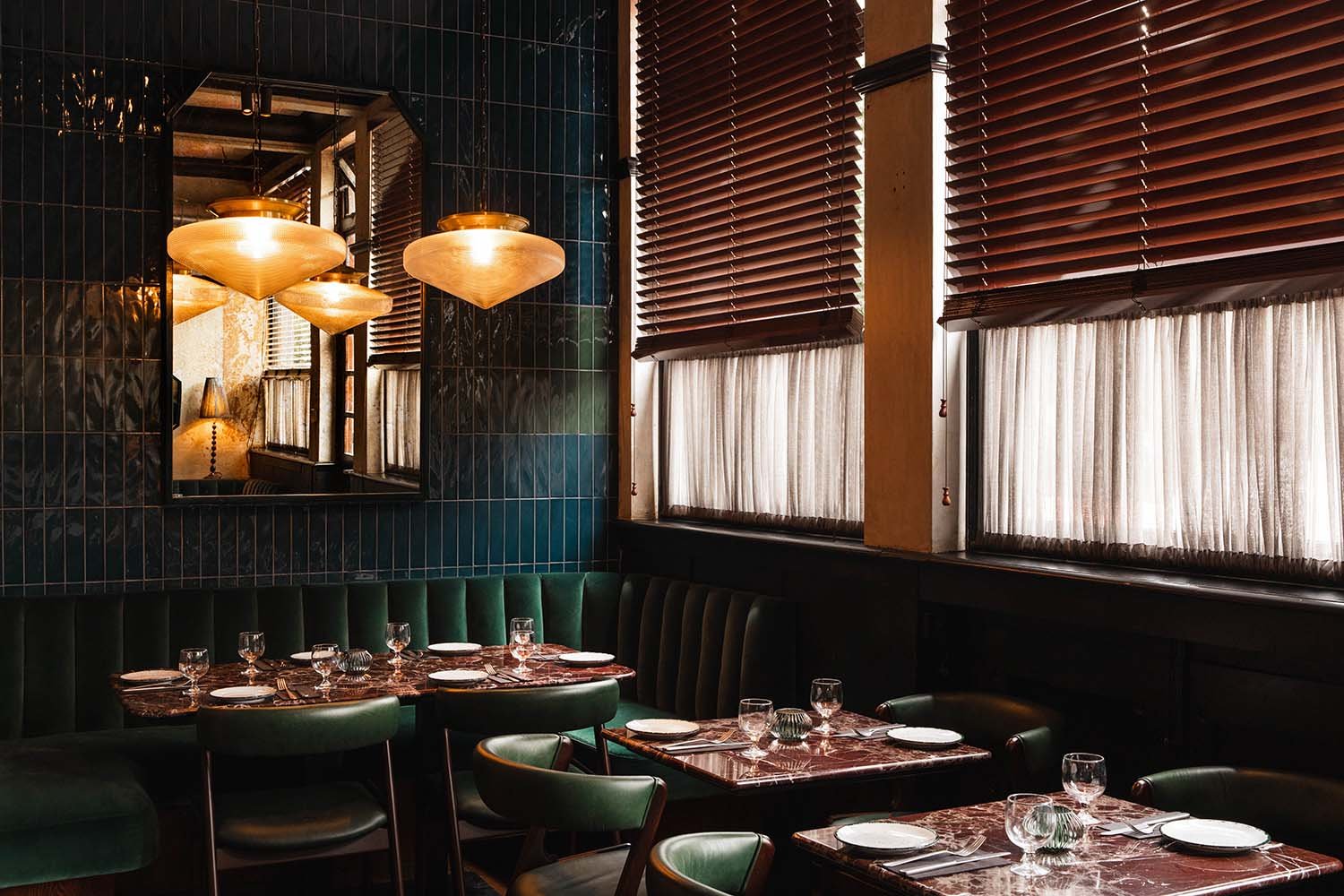
The open kitchen format at 7 Moxon Street is not incidental. Watching a braai-centred kitchen work is part of the experience the restaurant is designed to offer. Requesting a seat facing the kitchen is worth doing at the time of booking; the sightlines to the fire and prep stations reinforce the menu's logic in a way that a closed kitchen would not. The room draws a crowd of contented regulars alongside first-time visitors, and the energy is driven by the dining itself rather than by theatre or interior spectacle. Michelin's assessors specifically noted the quality of the welcome and the atmosphere generated by the room, which is a useful signal for what to expect on a first visit.
The sharing-style format requires some coordination at the table, particularly with the braai dishes, which benefit from being timed alongside the supporting plates rather than arriving sequentially. The breads are a starting point, not a filler course, and the beef fat fingerling potatoes work leading ordered early so they can anchor the table through the main braai items.
Placing Kudu in the Wider City
London's mid-range dining tier at £££ covers enormous ground, from neighbourhood bistros to technically serious operations with Michelin recognition. Kudu's dual 2025 Michelin distinction puts it in the upper part of that band. For visitors working through London's wider offer, the full London restaurants guide covers the range from three-star formal to neighbourhood casual. Those planning a broader trip can also reference the London hotels guide, London bars guide, London wineries guide, and London experiences guide. For those who want to extend beyond the capital, Gidleigh Park in Chagford and Hand and Flowers in Marlow represent strong regional alternatives in the same general price tier, while hide and fox in Saltwood offers another point of comparison for kitchens drawing on non-British culinary traditions within the UK context.
Planning Your Visit
Address: 7 Moxon St, London W1U 4EP. Cuisine: South African braai, sharing format. Price range: £££. Awards: Michelin Plate (2024, 2025) and Michelin Bib Gourmand (2025). Open kitchen: Ask for a seat facing the kitchen at the time of booking. Booking: Advance reservations are advisable; see below for detail. Wine: Entirely South African list, staff can guide selection.
Frequently asked questions
Where exactly is Kudu?
Kudu is located at 7 Moxon St, London W1U 4EP, United Kingdom, London.
Is Kudu award-winning?
Kudu has received recognition including: Peckham’s loss was Marylebone’s gain when, in 2025, the owners of Kudu closed their three spots in South London and amalgamated them all into one swanky W1 address. Prices may now be higher but it’s an altogether more ambitious and elegant ….
What should I order at Kudu?
The braai dishes anchor the menu: the poussin and pork chop are the primary fire-cooked items worth ordering. Alongside either, the beef fat fingerling potatoes are consistently cited in Michelin's own notes on the restaurant. Opening with the bread and cultured butter is the standard move before moving into the sharing-format mains.
What should I budget for a meal at Kudu?
Pricing at Kudu is listed as £££.
Who's behind the kitchen at Kudu?
The chef associated with Kudu is Katlego Mlambo.
Should I book Kudu in advance?
Yes. The 2025 consolidation into a single Marylebone address at 7 Moxon Street brought a higher price point and sharper focus, and holding both a Michelin Plate and Bib Gourmand simultaneously in 2025 draws sustained attention. Booking ahead is the practical approach, particularly for seats facing the open kitchen, which require a specific request.
Comparable Spots, Quickly
A quick peer reference to anchor this venue in its category.
| Venue | Cuisine | Price | Awards | Notes |
|---|---|---|---|---|
| KuduThis venue (the venue you are viewing) | Modern South African Braai | $50–100 | Michelin Plate · National Restaurant Awards Top 100 #64 | Not listed |
| The Ledbury | Modern British Fine Dining | $300–500 | 3 Michelin Stars · World's 50 Best #42 | Modern European, Modern Cuisine |
| Sketch, The Lecture Room and Library | Modern French Fine Dining | $200–300 | 3 Michelin Stars · World's 50 Best #18 | Modern French |
| CORE by Clare Smyth | Modern British Fine Dining | $150–200 | 3 Michelin Stars · World's 50 Best #97 | Modern British |
| Restaurant Gordon Ramsay | French Fine Dining | $200–300 | 3 Michelin Stars · World's 50 Best #13 | Contemporary European, French |
| Dinner by Heston Blumenthal | Historic British Fine Dining | $200–300 | 2 Michelin Stars · World's 50 Best #45 | Modern British, Traditional British |
Recognition history
Dated appearances from independent guides and award organizations, with the underlying list record or original source where available.
Michelin Plate
Michelin
National Restaurant Awards Top 100 #64 · No. 64
National Restaurant Awards · 2026 National Restaurant Awards Top 100
Full recognition history (7 entries)
Michelin Bib Gourmand
Michelin
Michelin Bib Gourmand
Michelin
Michelin Plate
Michelin
Michelin Bib Gourmand
Michelin
Michelin Plate
Michelin
Kudu
Featured Guides
Continue exploring
More in London
Restaurants in London
All restaurants in London →
Bars in London
All bars in London →



Details
- Lively
- Cozy
- Trendy
- Energetic
- Date Night
- Special Occasion
- Group Dining
- Open Kitchen
- Extensive Wine List
- Small Plates
- A La Carte
- Gluten Free Options
Current opening hours
- Monday
- 12–3 PM, 6–10 PM
- Tuesday
- 12–3 PM, 6–10 PM
- Wednesday
- 12–3 PM, 6–10 PM
- Thursday
- 12–3 PM, 6–10 PM
- Friday
- 12–3 PM, 6–10 PM
- Saturday
- 12–3 PM, 6–10 PM
- Sunday
- 11:30 AM–3 PM, 6–9 PM
Hours can change for holidays and private events. Last verified .
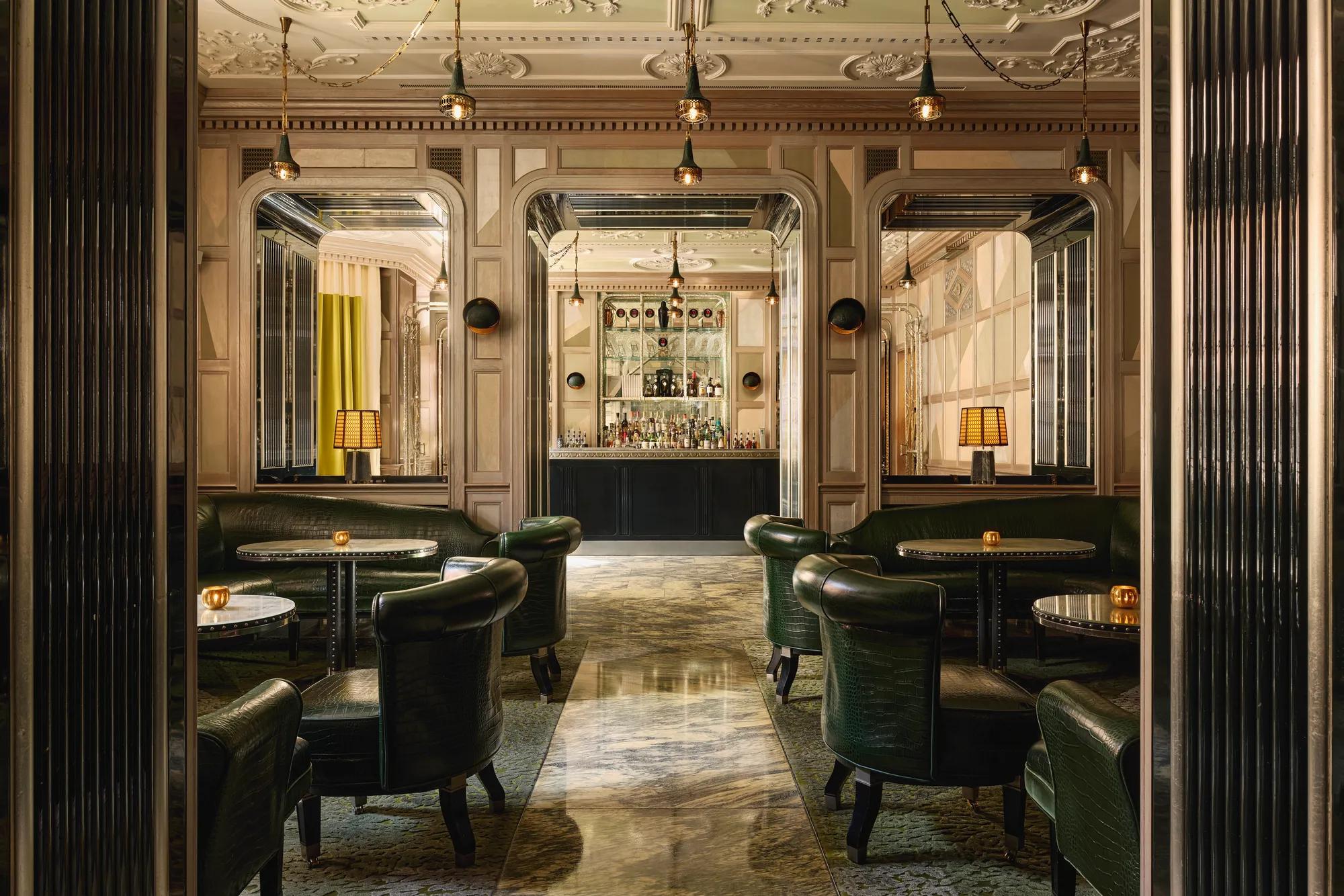
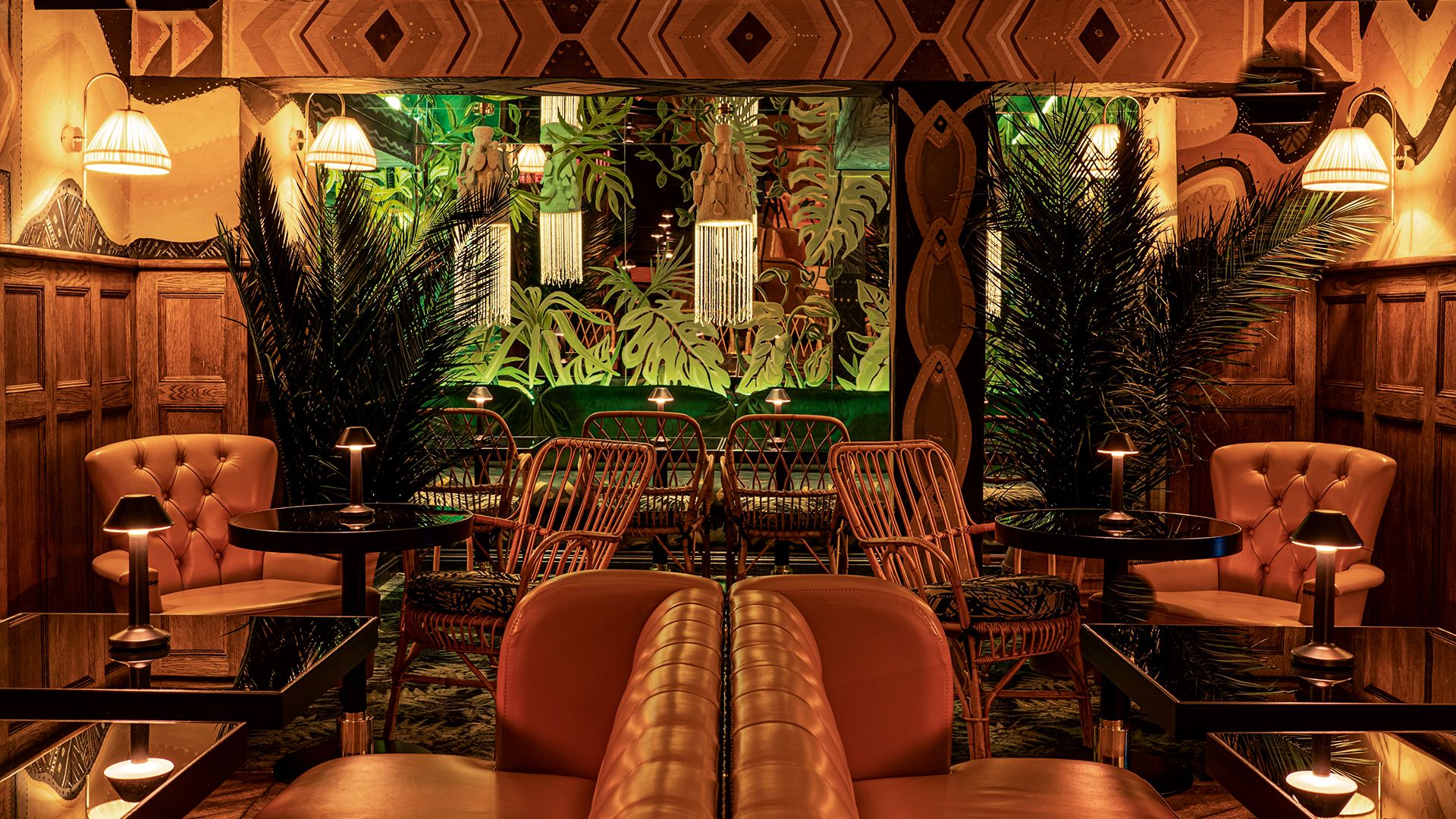
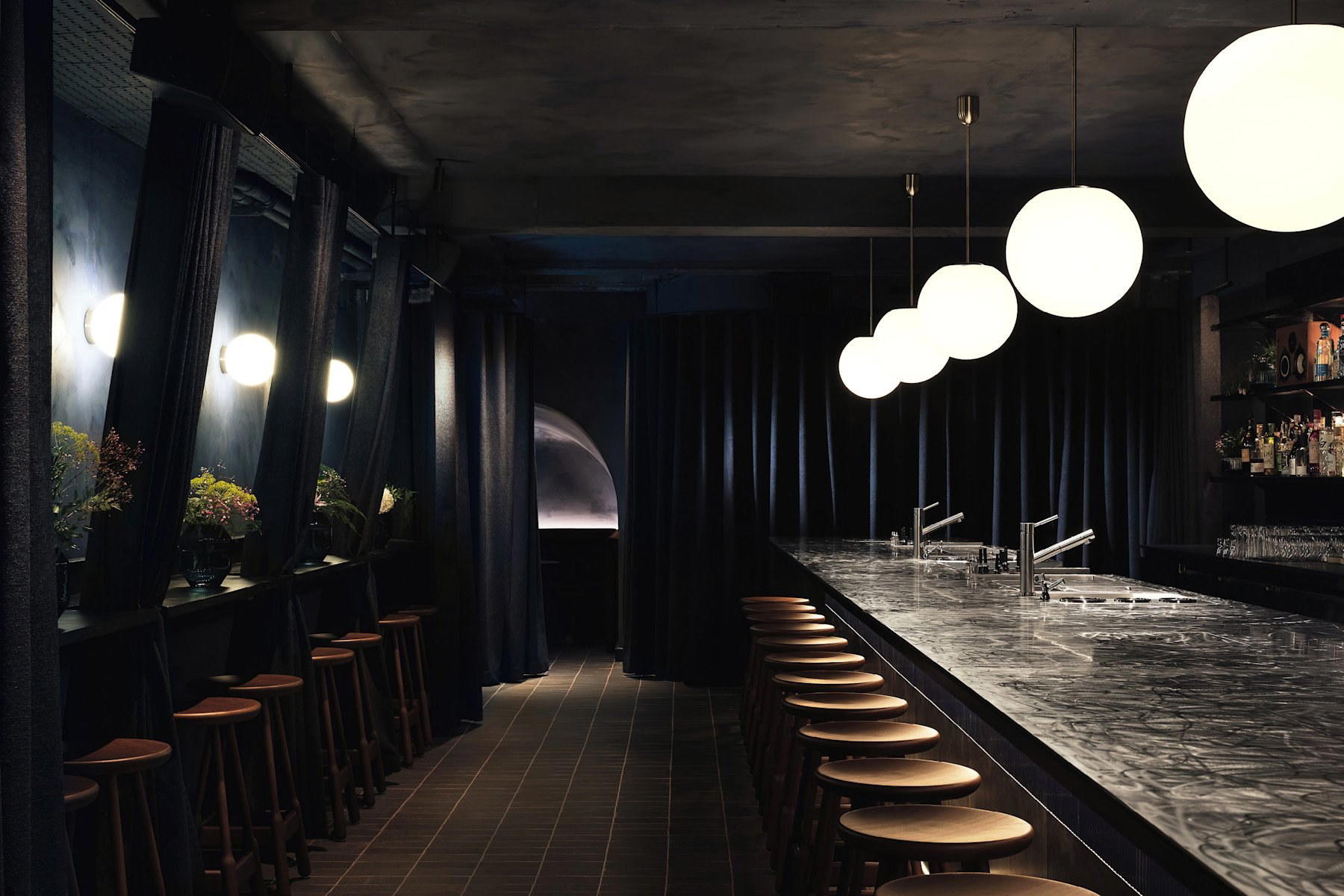
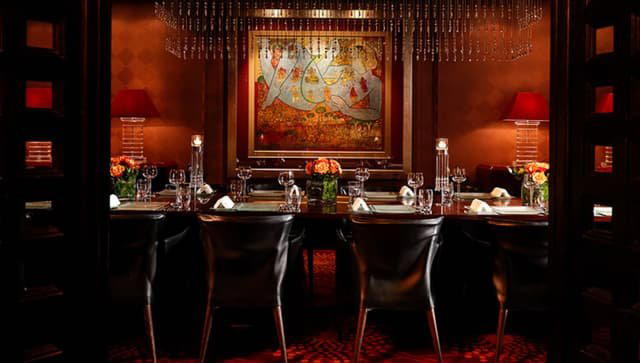
Buzzy, lively atmosphere with open kitchen, elegant lighting, and warm, energetic feel.