At Tarabai Park in Kolhapur, Kuber-Laxmi Vadapav Center represents the city's deep-rooted street food culture in one of Maharashtra's most culinarily confident cities. Vadapav here is not a snack but a local institution, shaped by regional ingredients and the kind of repeat custom that no award ceremony ratifies. A reference point for understanding Kolhapur's everyday food identity.
Pearl is the En Primeur Club membership app — saves, bookings, and concierge access live there. Same editors, same standards.
- Address
- Tarabai Park, Kolhapur, Maharashtra 416003, India
- Phone
- +919637522414
- Website
- business.site
- Directions
- Get directions
 Saves & bookings on Pearl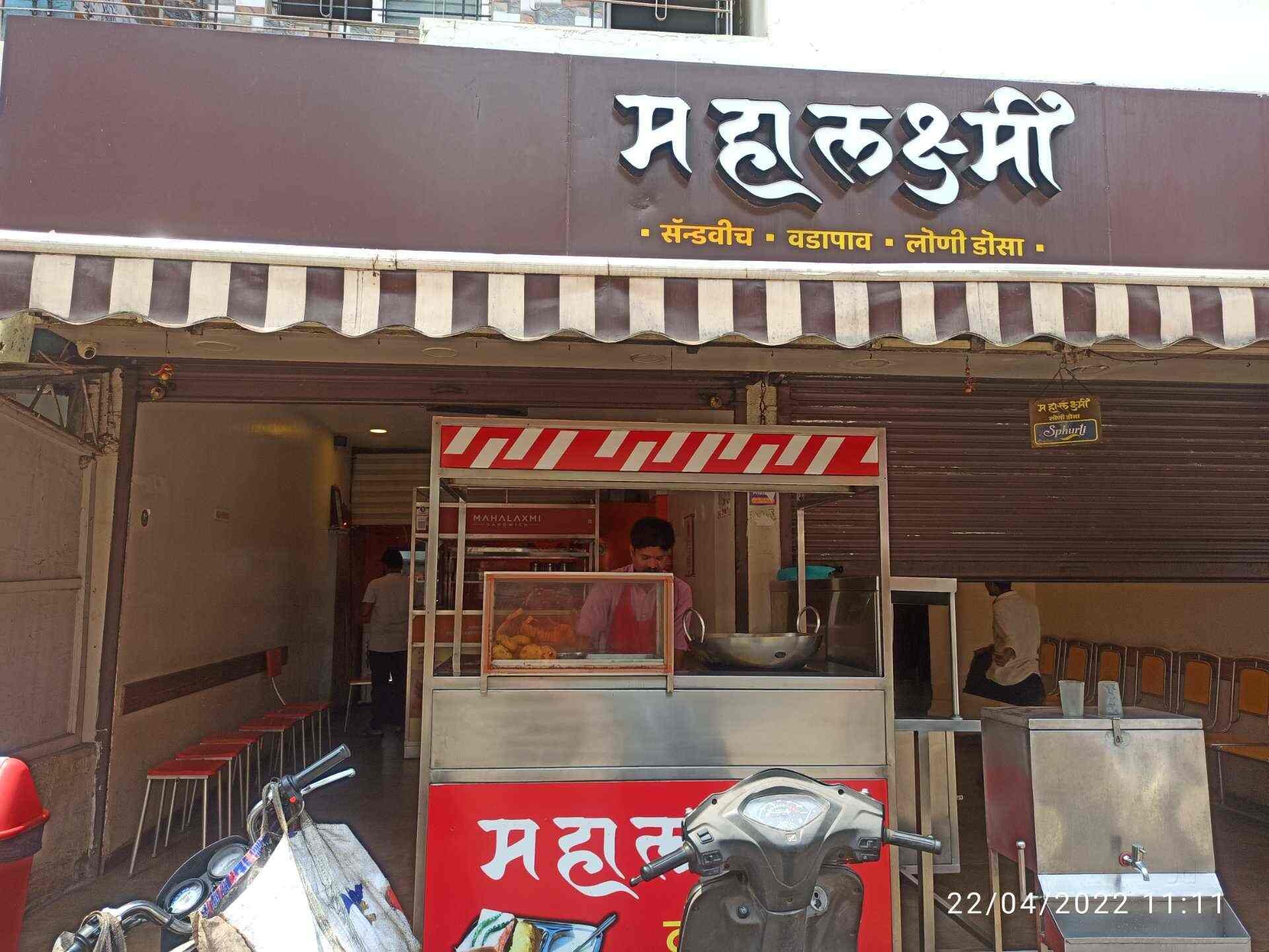
Tarabai Park and the Vadapav Tradition
Kolhapur has always occupied a particular position in Maharashtra's food hierarchy. While Mumbai's restaurants attract the critics and Pune's cafes attract the press, Kolhapur has quietly maintained one of the state's most coherent regional food identities, built on a combination of fiercely spiced gravies, quality local produce, and a street food culture that resists dilution. Tarabai Park sits at the centre of that everyday food life, and it is in precisely this kind of public green space, surrounded by foot traffic and familiar faces, that vadapav culture works well.
Vadapav itself is a Maharashtrian invention of the 1960s, conceived as a cheap, filling meal for mill workers in Mumbai. Decades later, it has become the default street snack across Maharashtra, but the version varies considerably by geography. Kolhapur's take tends toward a drier, more aggressively spiced preparation than what you find in Mumbai, shaped by local chilli varieties and the region's preference for heat with depth rather than heat for its own sake. At Kuber-Laxmi Vadapav Center, that regional grammar shapes the offer.
Where the Ingredients Come From
Maharashtra's agricultural backbone runs through this part of the state. The Kolhapur district sits in a zone of black cotton soil and moderate seasonal rainfall, conditions that produce potatoes with a firmer texture and more pronounced earthiness than varieties grown further north. This matters in vadapav more than it might in a dish with more competing elements, because the batata vada, the spiced potato fritter at the heart of the snack, accounts for most of the flavour profile. The quality of the potato is not incidental.
The chutney component is equally sourced from the region's chilli culture. Kolhapur is one of the few areas in India where the specific local red chilli, dried and ground, carries a certification-level identity among producers. The Kolhapuri chilli is known for a particular balance of heat and colour that differs from Kashmiri or Guntur varieties, and it shapes the dry garlic chutney spread inside the pav with a directness that can be disorienting if your reference point is a milder, wetter preparation. This sourcing reality explains why vadapav eaten at Tarabai Park tastes different from a nominally identical item sold three states away. Regional ingredients are not a marketing claim here; they are the operative mechanism.
The pav itself, the soft white bread roll that carries the fritter, is typically produced by local bakeries that supply multiple street vendors in a given area. In Kolhapur, this supply chain is tight and local, with bakeries often operating within a few kilometres of their customers. The bread arrives fresh in the morning and is typically sold out by early afternoon, which sets the practical rhythm of how this kind of food operates. It is a supply-chain discipline that larger operations sometimes lose. Venues like Farmlore in Bangalore have built narratives around sourcing from small regional producers; here, the same principle operates because it has always been the way this food was made.
The Scene at Tarabai Park
Tarabai Park is a public green space in the heart of Kolhapur, used by morning walkers, families in the evening, and the kind of steady all-day foot traffic that sustains a street food operation better than any curated dining destination. The food stalls positioned around and near the park draw a cross-section of the city, from office workers grabbing a quick lunch to families who have been coming to the same counter for years. That regularity of custom is the trust signal that matters most at this price point and in this format.
The physical setup, like most vadapav counters in Maharashtra, is functional rather than decorative. A counter, a frying station, rows of pav, small bowls of chutney, and the steady motion of someone assembling orders at speed. The experience is ambient rather than intimate. This contrasts sharply with the more considered formats you find at places like Bukhara in New Delhi or Esphahan in Agra, where the architecture of the experience is part of what you are paying for. Here, the architecture is the street itself.
Across India's street food tier, the gap between excellent and mediocre is usually a matter of ingredient quality and frying discipline. A vadapav counter that maintains consistent oil temperature, uses fresh-ground spice, and sources properly textured potatoes will outperform a more famous counter that has scaled up and cut those corners. The distinction is invisible to a first-time visitor and obvious to a regular.
Kolhapur in the Maharashtra Food Order
Kolhapur's food culture sits in an interesting comparative position within Maharashtra. It is not a destination dining city in the way that Mumbai is, and it does not have the coffee-shop and modern restaurant density of Pune. What it has is a strong regional cuisine, built on the Kolhapuri thali and the associated spice culture, and a street food scene that is consistent with local ingredient realities rather than adapted for outside tastes. Venues like Americano in Mumbai or Le Cirque Delhi operate in a register designed for national and international visitors. Kolhapur's street counters operate in a register designed for Kolhapuris, and that specificity is the point.
For travellers moving through western Maharashtra and looking for how the region eats at the everyday level, Tarabai Park is a direct answer. Compare this with Naar in Kasauli or Harvest Kitchen Somnath in Veraval, both of which offer regional specificity in a more composed format. Each approach has its logic depending on what the reader is trying to understand about a place.
Other India-wide points of reference worth consulting if you are mapping regional street food against restaurant formats: Dadi Ki Rasoi in Budaun, Beera Chicken House in Amritsar, and Dosa Crepes N More in Mehsana each occupy specific regional food niches with their own sourcing and cultural logics. For fine dining at the international level, the contrast with Le Bernardin in New York City or Atomix in New York City is instructive, not as a value comparison, but as a reminder that ingredient obsession operates at every price tier. The approach differs; the underlying concern with sourcing does not.
Planning Your Visit
Tarabai Park is centrally located in Kolhapur, Maharashtra, accessible from most parts of the city by auto-rickshaw. Vadapav counters in this area typically operate from mid-morning through late afternoon, with peak hours around lunch. No booking is required or possible. Payment is cash-based at counters of this type.
A Quick Peer Check
Comparable venues nearby, for context on price, style, and recognition.
| Venue | Cuisine | Price | Notes |
|---|---|---|---|
| Kuber-Laxmi Vadapav CenterThis venue — the venue you are viewing | Indian Street Food - Vada Pav | $ | Not listed |
| Dilli StreEAT | Indian Street Food | $$ | Indira Gandhi International Airport |
| Aanch | North-West Frontier North Indian | $$ | Niranjanpur |
| Green Park | Indian & International Garden Dining | $$ | Fatehabad Road |
| Nand Di Hatti | Classic Punjabi Chole Bhature | $ | Sadar Bazar |
| Omya | Modern Indian Fine Dining | $$$ | Lodhi Road |
Continue exploring
More in Kolhapur
Restaurants in Kolhapur
Browse all →
At a Glance
- Lively
- Casual Hangout
Current opening hours
- Monday
- 4–10:30 PM
- Tuesday
- 4–10:30 PM
- Wednesday
- 4–10:30 PM
- Thursday
- 4–10:30 PM
- Friday
- 4–10:30 PM
- Saturday
- 4–10:30 PM
- Sunday
- 4–10:30 PM
Hours can change for holidays and private events. Last verified .