Kruhkerija Gorjanc sits in the Gorenjska countryside outside Šenčur, operating within Slovenia's tradition of rural gostilna dining where the sourcing radius is measured in walking distance rather than kilometres. The kitchen draws on the agricultural character of the Preddvor area, placing it in a category of destination-worthy country dining that rewards the detour from Ljubljana or Kranjska Gora.
Pearl is the En Primeur Club membership app — saves, bookings, and concierge access live there. Same editors, same standards.
- Address
- Hotemaže 40, 4205 Preddvor, Slovenia
- Phone
- +38630335300
- Website
- kruhkerija.si
- Directions
- Get directions
 Saves & bookings on Pearl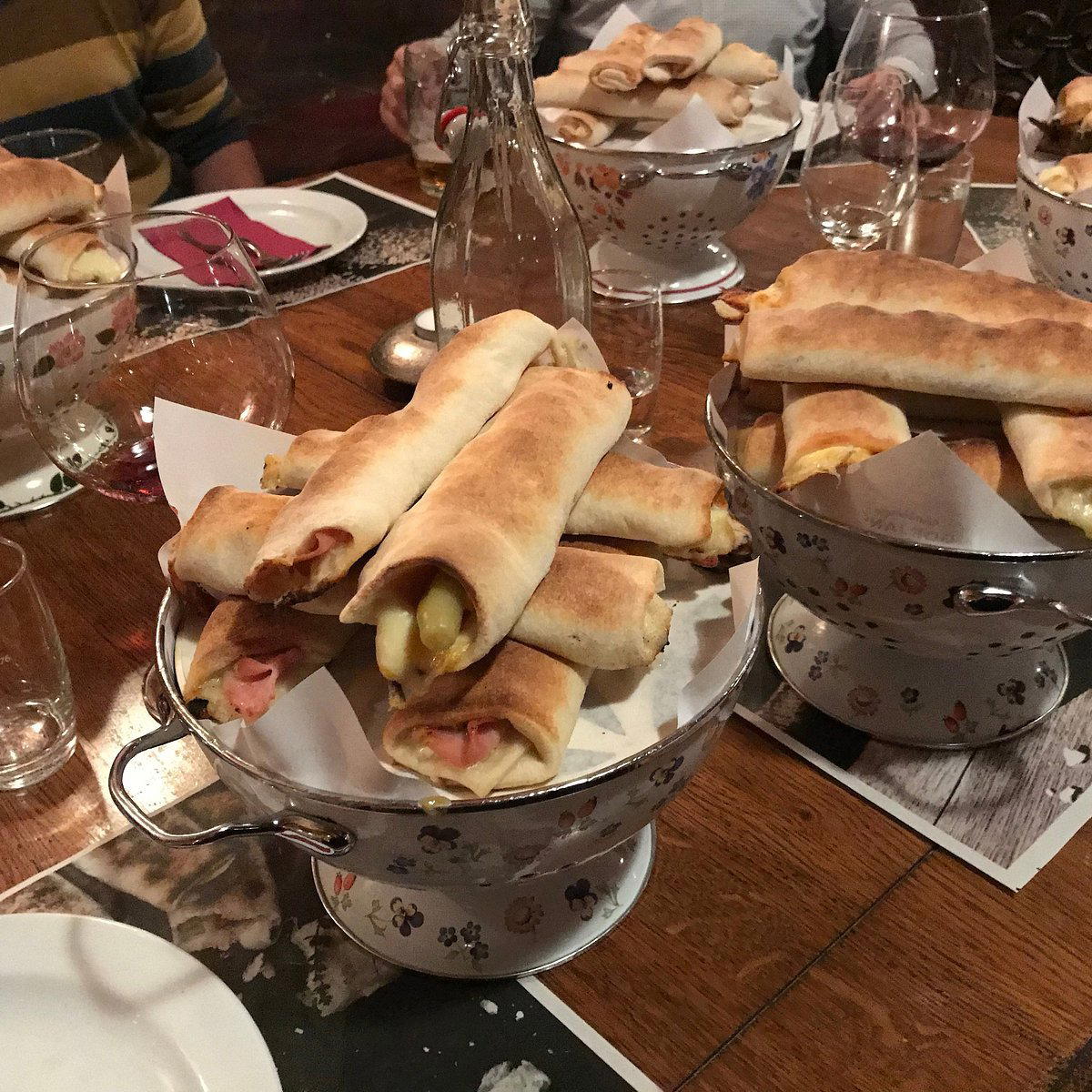
Gorenjska's Rural Table: What Countryside Dining Looks Like in Slovenia's Alpine Fringe
The road from Ljubljana toward the Karavanke mountains flattens briefly as it passes through Gorenjska, a region where agriculture, altitude, and proximity to Alpine pasture have shaped a cooking tradition distinct from the wine-driven kitchens of the Vipava Valley or the Adriatic-leaning tables of the coast. In this corridor, the dominant logic is proximity: kitchens source from what the land immediately around them produces, and the menu follows the season rather than the other way around. Kruhkerija Gorjanc is a restaurant in Hotemaže, Preddvor, serving Slovenian Bakery with Hotemaže Breads at a casual price point. The name itself signals the register, kruhkerija places bread and its making at the centre of the identity, in a country where a well-kept loaf is still read as a statement about a kitchen's seriousness.
The Sourcing Logic of the Preddvor Area
Slovenia's farm-to-table conversation is older and less fashionable than it sounds when written in English. In Gorenjska, proximity sourcing was never an ideology, it was geography. Farms in the Preddvor basin have supplied local tables for generations, and the better gostilne in the area have always maintained direct relationships with producers rather than working through wholesale intermediaries. This is the frame in which Kruhkerija Gorjanc positions itself: a kitchen whose ingredient decisions are dictated by what the surrounding area produces rather than by a seasonal menu designed in the abstract.
That sourcing radius matters because it sets a different quality floor than urban restaurant supply chains. Dairy from Alpine-grazed cattle, seasonal vegetables from kitchen gardens, and cured meats prepared to regional specification all carry a specificity that changes how even simple preparations read on the plate. Across Gorenjska, the strongest rural kitchens operate this way, the distance between field and table is part of what the diner is paying for, in the same way that Grič in Šentjošt nad Horjulom has made farm-to-table sourcing a defining premise of its €€€€ format, or that Turistična Kmetija Breg in Brda treats the agricultural estate as integral to the dining proposition.
Where Kruhkerija Gorjanc Sits in the Slovenian Dining Picture
Slovenia's fine dining conversation is increasingly international in ambition. Hiša Franko in Kobarid operates at the creative apex of Slovenian cuisine and draws visitors from across Europe. Milka in Kranjska Gora and Gostilna Pri Lojzetu in Vipava occupy the €€€€ bracket with tasting-menu formats built around refined technique. The restaurant is not operating in that register. It sits in a different and more durable category: the well-rooted rural gostilna that serves as a destination for locals and for travellers who want to understand what Slovenian food actually tastes like when it is not dressed for a tasting menu.
This category runs parallel to, rather than below, the fine dining tier. Tables like Gostilna Pr'Bizjak in Preddvor, located in the same small municipality, demonstrate that the Preddvor corridor can sustain serious, characterful dining without a modernist frame. The comparison set for the restaurant is better understood as the broader tradition of Gorenjska country kitchens than as Ljubljana's urban dining scene, which pulls in a different direction entirely, as places like Restavracija Strelec illustrate.
Getting There and What to Expect from the Setting
The address, Hotemaže 40, 4205 Preddvor, Slovenia, puts the restaurant in farming country between Šenčur and the Preddvor basin, roughly 20 kilometres north of Ljubljana. The route is direct by car and takes under half an hour from the capital; public transport access to this specific location is limited.
Rural Gorenjska gostilne at this address type typically occupy farmstead or converted agricultural buildings, with the physical environment doing interpretive work alongside the menu. Approaching a property like this through open countryside, with the Karavanke range visible to the north, frames the meal before it begins, the architecture and the setting are part of the argument that the kitchen is making about provenance and place. That physical grounding is something that urban restaurants, regardless of their technical ambition, cannot replicate. For contrast with what city dining in Slovenia looks like, the formats at Dam in Nova Gorica or Hiša Linhart in Radovljica are instructive points of comparison.
Reservations are recommended.
The Broader Pattern: Why Bread-Centred Kitchens Signal Something
In Slovenia as elsewhere in Central Europe, the presence of house-baked bread as a point of identity is a reliable indicator of kitchen seriousness. A kitchen that names itself around bread is making a commitment to the slow, labour-intensive processes that most commercially oriented operations quietly drop. House fermentation, long proofing schedules, and local grain sourcing are not cost-efficient choices, they are philosophical ones. That framing places the restaurant in a culinary lineage that runs through the farmhouse kitchens of Gorenjska rather than through contemporary restaurant culture as practised in New York, where technically demanding programs at places like Atomix or the classical rigour of Le Bernardin represent entirely different expressions of culinary commitment. The Gorenjska model is quieter and more rooted, but not less deliberate.
Comparable Spots, Quickly
Comparable venues nearby, for context on price, style, and recognition.
| Venue | Cuisine | Price | Notes |
|---|---|---|---|
| Kruhkerija GorjancThis venue — the venue you are viewing | Slovenian Bakery with Hotemaže Breads | $$ | Not listed |
| GELATERIA ROMANTIKA | Italian-Style Gelato with Slovenian Flavors | $$ | Ljubljana Old Town |
| Kodila Gourmet & Bistro Market | Traditional Slovenian Bistro | $$ | Central Market |
| Restavracija Kotnik | Traditional Slovenian & Pizza | $$ | Kranjska Gora |
| Slavkov dom | Traditional Slovenian | $$ | Golo Brdo |
| Restavracija Planinka | Ambitious Upper Savinja Cuisine | $$ | Ljubno ob Savinji |
Continue exploring
More in Sencur
Restaurants in Sencur
Browse all →
Bars in Sencur
Browse all →
Hotels in Sencur
Browse all →

At a Glance
- Cozy
- Rustic
- Classic
- Family
- Casual Hangout
- Garden
- Local Sourcing
- Garden
Current opening hours
- Monday
- 3–11 PM
- Tuesday
- Closed
- Wednesday
- Closed
- Thursday
- 3–11 PM
- Friday
- 3–11 PM
- Saturday
- 3–11 PM
- Sunday
- 1–10 PM
Hours can change for holidays and private events. Last verified .
Warm atmosphere with charming garden setting and dedication to traditional baking methods.