Kru on Folsom Boulevard occupies a specific tier within Sacramento's fine-dining scene, where Japanese technique meets California produce and a coordinated front-of-house program holds the room together. The address places it firmly in the city's midtown-adjacent corridor, a stretch that has drawn serious restaurant investment over the past decade. For Sacramento, this is the kind of counter that rewards early planning.
Pearl is the En Primeur Club membership app — saves, bookings, and concierge access live there. Same editors, same standards.
- Address
- 3135 Folsom Blvd, Sacramento, CA 95816
- Phone
- +19165511559
- Website
- krurestaurant.com
- Directions
- Get directions
 Saves & bookings on Pearl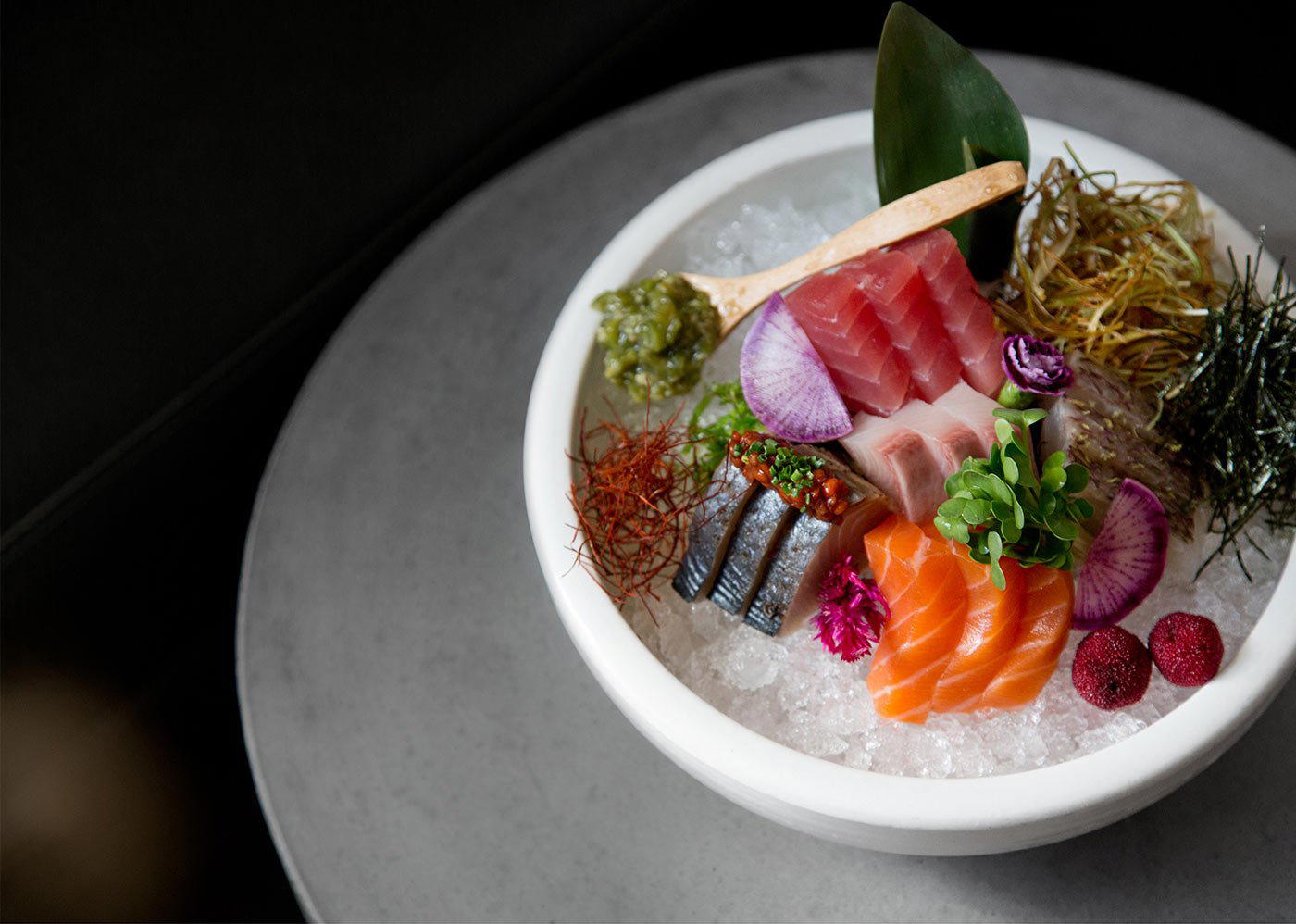
Where Sacramento's Fine-Dining Ambition Settles Into a Room
Folsom Boulevard's restaurant corridor in Sacramento has developed quietly but deliberately over the past decade, accumulating a cohort of serious kitchens that sit at a different register from the city's casual-to-midrange default. Kru, at 3135 Folsom Blvd, belongs to that corridor and to the more focused upper end of it: a contemporary Japanese sushi and omakase restaurant where the gap between kitchen and floor has been deliberately closed. The result is a service dynamic that feels less transactional than most rooms at this price point, because the coordination between kitchen output and front-of-house presentation is legible in real time.
Sacramento's fine-dining segment has historically been caught between two narratives: the city as Sacramento rather than San Francisco, and the city as the place closest to particularly productive agricultural land in North America. The better restaurants here have learned to treat that proximity not as a talking point but as a constraint that forces specificity. When your produce arrives two hours from the field rather than two days, seasonal cooking stops being a branding choice and becomes a structural reality of menu planning. Kru operates within that reality, at an address that draws a clientele willing to engage with it.
The Team Dynamic at the Counter
In Japanese-influenced fine dining, particularly at the omakase or chef's-counter tier, the performance of collaboration between kitchen, beverage, and front-of-house is itself part of the offering. Some rooms perform that collaboration theatrically; others let it run as a background current that the diner only notices in its absence. Kru sits in the second category. The front-of-house role here functions as an interpretive layer between kitchen decisions and diner comprehension: when a dish arrives without explanation, the service team carries the context.
This model has precedent across American fine dining at comparable intensity levels. At Le Bernardin in New York City, the floor team is trained to translate technique-forward seafood cookery into terms that expand rather than restrict the diner's experience. At Alinea in Chicago, service choreography is so integrated with kitchen timing that separating the two is analytically impossible. Kru operates at a different scale and with different stylistic aims, but the underlying principle is the same: the guest's experience of a dish is shaped as much by how it is introduced as by what is on the plate.
Beverage pairings in this format carry particular weight. Japanese cuisine's intersection with sake, domestic wine, and increasingly with spirits-forward pairing programs has been one of the more productive creative spaces in American fine dining over the past fifteen years. At Sacramento's tier, where the wine list is expected to reflect Northern California's broader reach, the sommelier or beverage lead becomes a co-author of the meal's arc rather than a support function.
Kru Within Sacramento's Competitive Set
Sacramento's upper dining tier is small but increasingly coherent. Localis operates at the same price register with a Californian framework that emphasizes hyper-local sourcing as an explicit menu principle. The Kitchen occupies the performance-dining end of contemporary Sacramento, with a format built around theatrical interaction between kitchen and dining room. Allora holds the Italian fine-dining position. Kru's Japanese orientation gives it a differentiated identity within this comparable set: the techniques, the reference points, and the flavor logic are distinct enough that cross-competition with the others is limited.
At the broader California level, comparisons naturally extend toward the Bay Area and beyond. Lazy Bear in San Francisco represents the ticket-based, collaborative-counter model pushed to a particular conclusion. Single Thread Farm in Healdsburg connects Japanese kaiseki structure to Northern California agriculture at a level of integration that sets a regional benchmark. The French Laundry in Napa remains the canonical reference for California fine dining at the highest tier. Kru does not occupy the same tier as any of these, but the culinary logic connecting Japanese technique to California agriculture is one it shares, executed at Sacramento's scale and price point.
For context at the national level, operations like Providence in Los Angeles, Addison in San Diego, Atomix in New York City, Blue Hill at Stone Barns in Tarrytown, and The Inn at Little Washington define what sustained commitment to a culinary identity looks like over decades. Emeril's in New Orleans and 8 1/2 Otto e Mezzo Bombana in Hong Kong illustrate how chef-driven concepts travel across geography and cuisine type. Kru's relevance is local and regional rather than national, but within that frame it functions as a serious address.
The Neighbourhood and Getting There
The Folsom Boulevard address places Kru east of midtown proper, in a stretch that has absorbed restaurant investment without becoming a destination district in the way that parts of Midtown or East Sacramento have. The restaurant is accessible by car from downtown Sacramento in under ten minutes; street parking is generally available along the corridor. For visitors staying in the central city, the drive is direct. Nearby on the casual-to-midrange end, Adamo's Kitchen and Aioli Bodega Espanola represent the variety of the city's dining character below the fine-dining tier.
Reservations at Sacramento's upper-end restaurants typically book two to four weeks ahead for standard service, with weekend seatings filling faster. Kru's format, which rewards sequential dining through a set or chef-directed menu rather than à la carte grazing, means arriving with time is more important than it would be at a casual address.
Booking and Cost Snapshot
Comparable venues nearby, for context on price, style, and recognition.
| Venue | Cuisine | Price | Notes |
|---|---|---|---|
| KruThis venue — the venue you are viewing | Not listed | $$$ | Not listed |
| Mikuni | Mansion Flats, Japanese Sushi Fusion | $$$ | Not listed |
| Omakase Por Favor - Midtown | Not listed | $$$ | Mansion Flats, Mexican-Japanese Fusion Omakase |
| Brasserie du Monde | Not listed | $$$ | Mansion Flats, Traditional French Brasserie |
| The 7th Street Standard | Not listed | $$$ | Downtown, Contemporary Californian Farm-to-Table |
| Oak Room | J Street, Modern American Bistro | $$$ | Not listed |
Continue exploring
More in Sacramento
Restaurants in Sacramento
Browse all →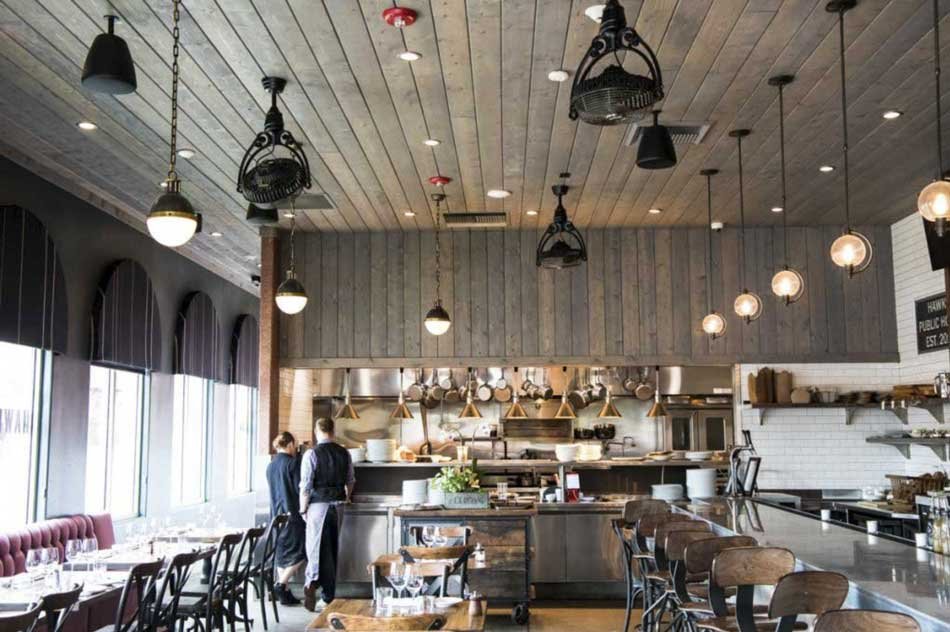
Bars in Sacramento
Browse all →
Hotels in Sacramento
Browse all →

At a Glance
- Elegant
- Sophisticated
- Modern
- Trendy
- Date Night
- Special Occasion
- Business Dinner
- Open Kitchen
- Sake Program
- Craft Cocktails
- Local Sourcing
- Sustainable Seafood
Current opening hours
- Monday
- 4–10 PM
- Tuesday
- 4–10 PM
- Wednesday
- 4–10 PM
- Thursday
- 4–10 PM
- Friday
- 4–10 PM
- Saturday
- 5–10 PM
- Sunday
- 5–10 PM
Hours can change for holidays and private events. Last verified .
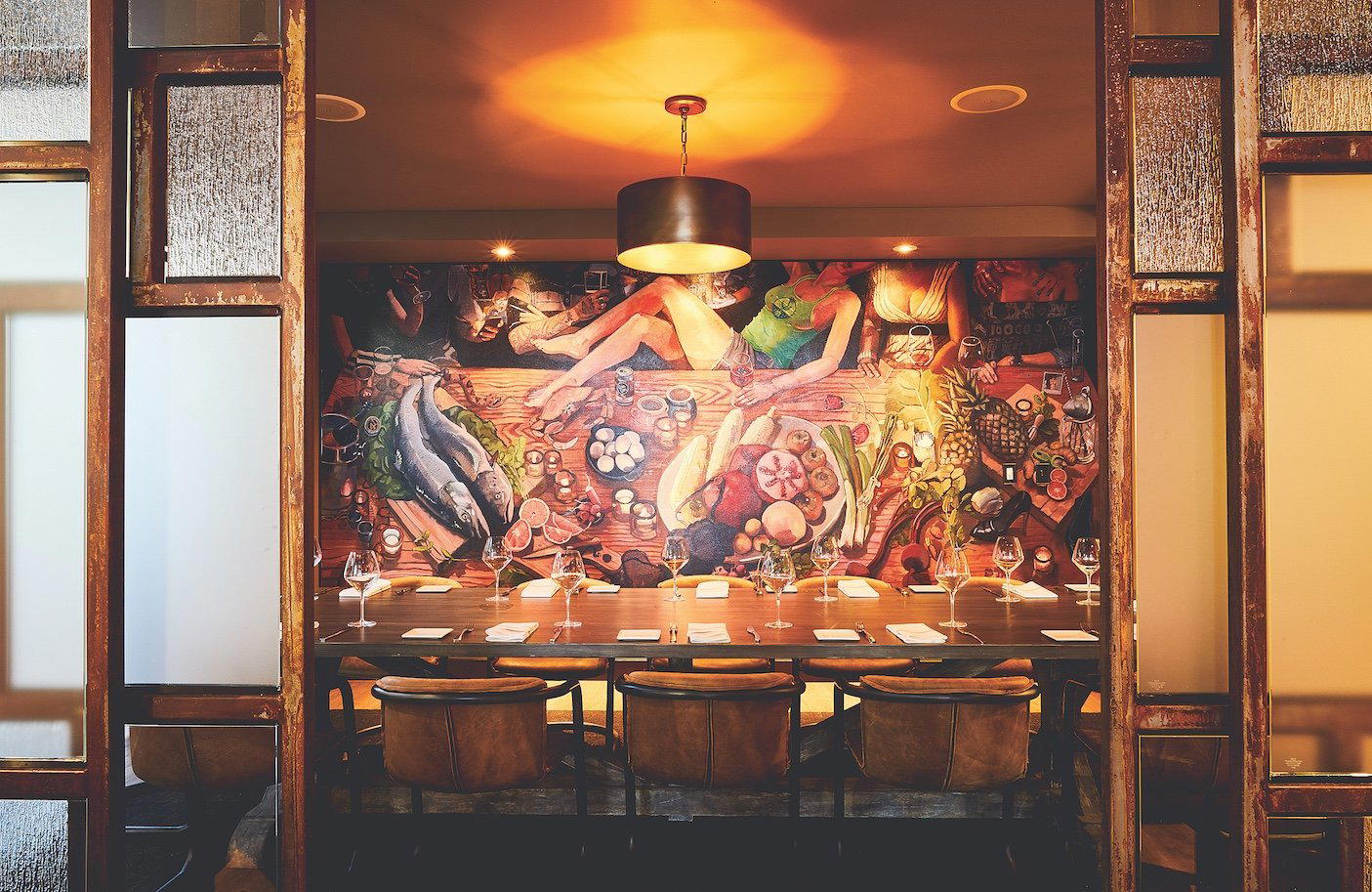
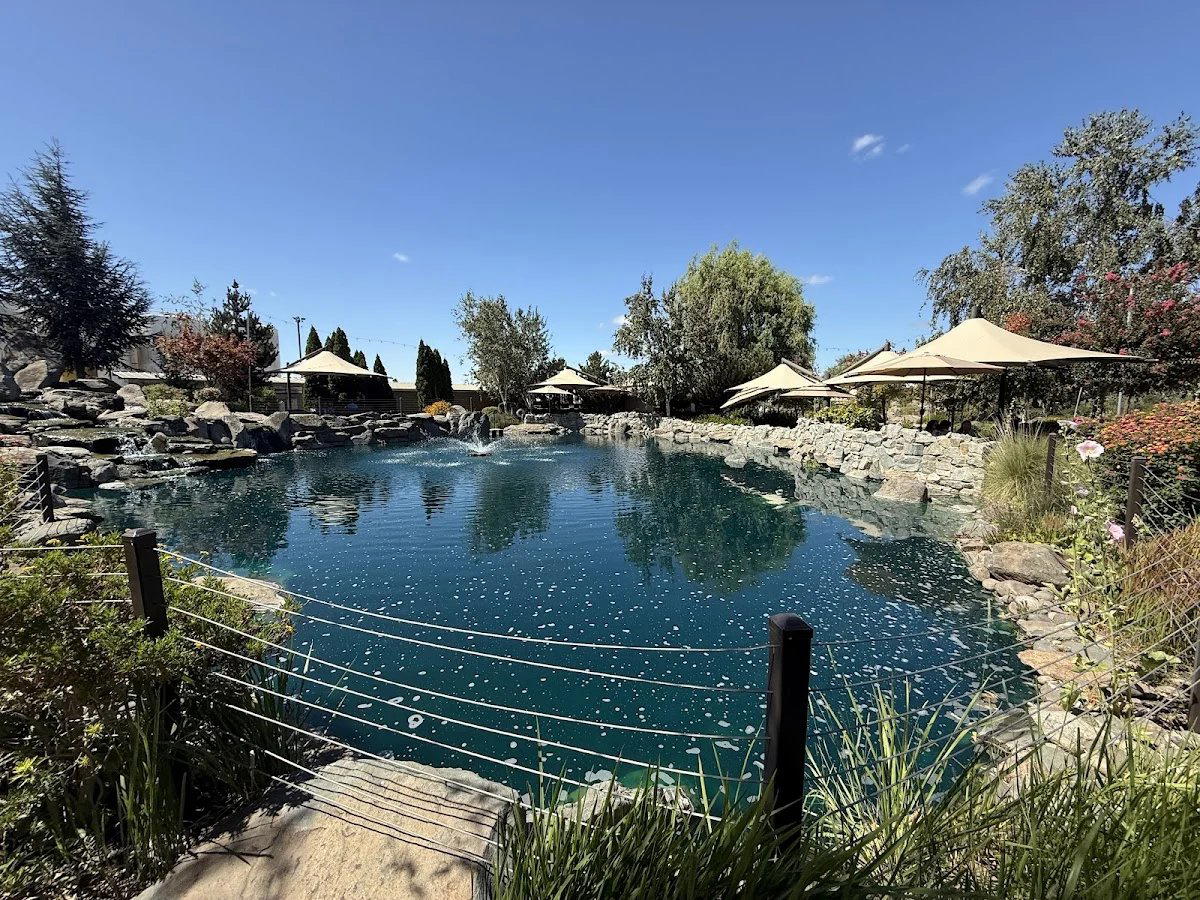
Sophisticated and lively atmosphere in an upscale, expansive space with bustling energy and beautiful plating that pleases both eye and palate.