← Guides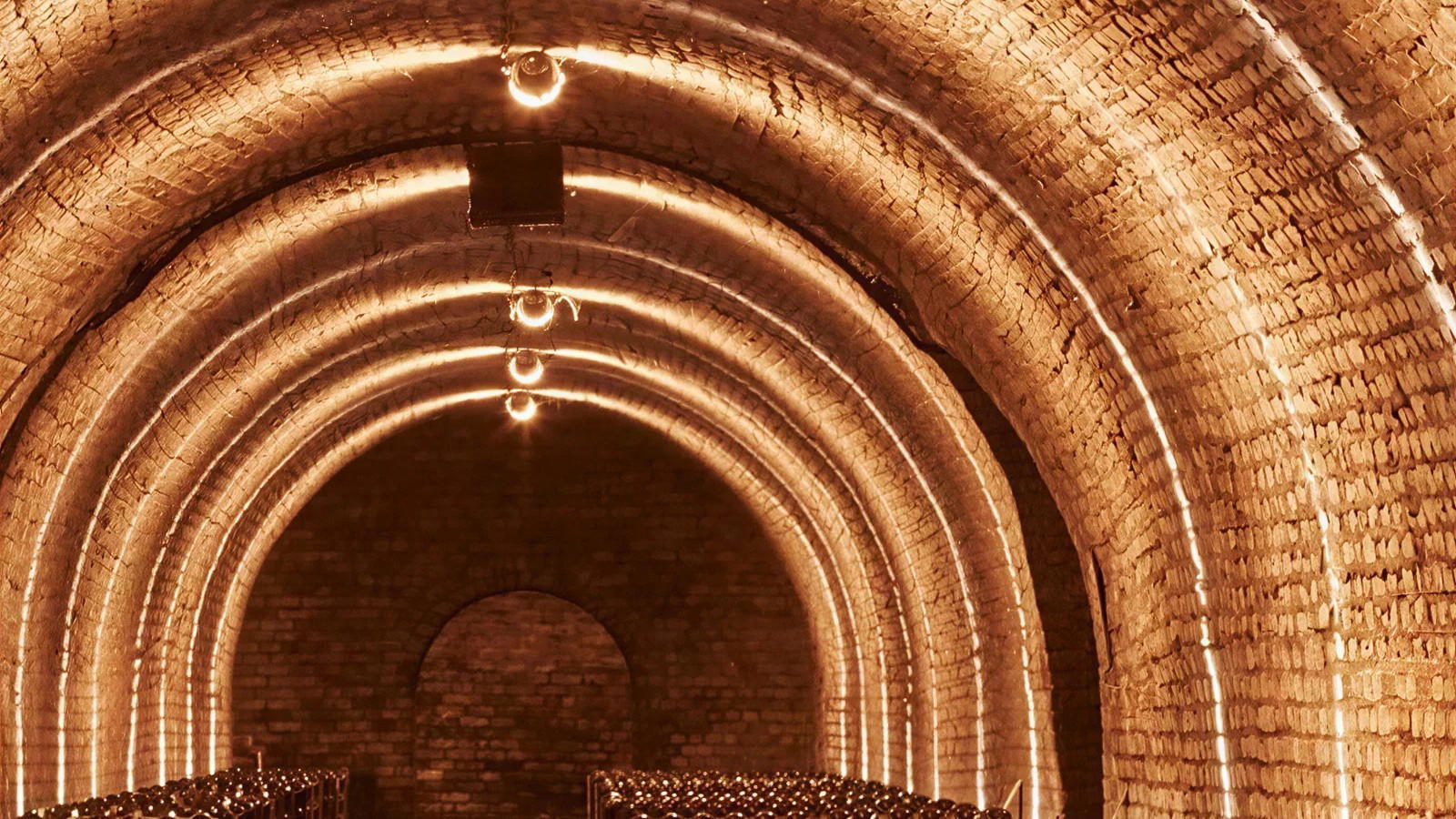
How to Visit Krug: Planning Your Krug Champagne House Tour and What to Expect Krug does not operate a walk-in cellar door.
How to Visit Krug: Planning Your Krug Champagne House Tour and What to Expect Krug does not operate a walk-in cellar door.
Krug does not operate a walk-in cellar door. The house at 5, rue Coquebert in Reims,1 the family's address since 1868,1 receives visitors by appointment only, and those appointments are not booked through a public reservations portal. One reliable route to arranging a Krug Champagne house tour is a specialist tour operator who holds a standing relationship with the house, or a direct inquiry to Krug's hospitality team via their website. Neither channel guarantees access; Krug is selective about who it hosts.
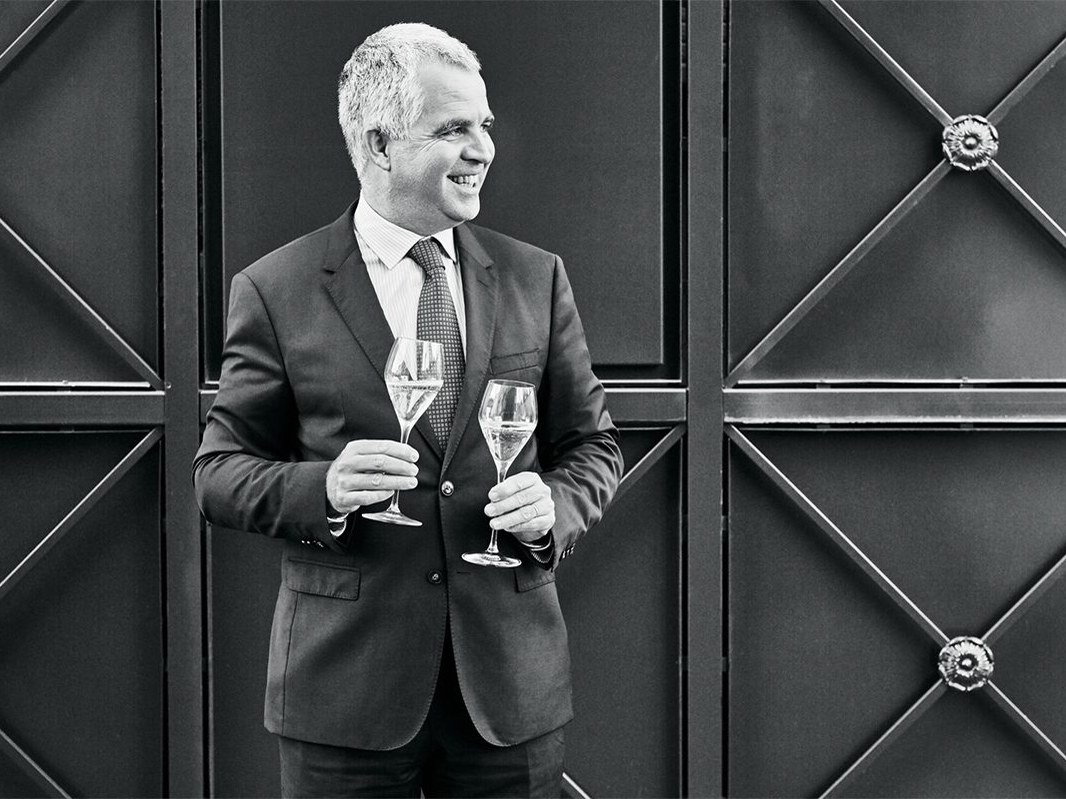
Krug produces roughly 32,000 cases of Grand Vin annually,2 a number that sounds substantial until you set it against global demand for the house. Founded in 1843 by Joseph Krug,3 who left Mainz at 24 years old, the house has spent six generations4 building a reputation that now draws collectors, sommeliers, and wine travelers from every continent. Olivier Krug, the sixth generation4 in the business and its public face for over 30 years,5 has kept the hospitality program deliberately intimate.
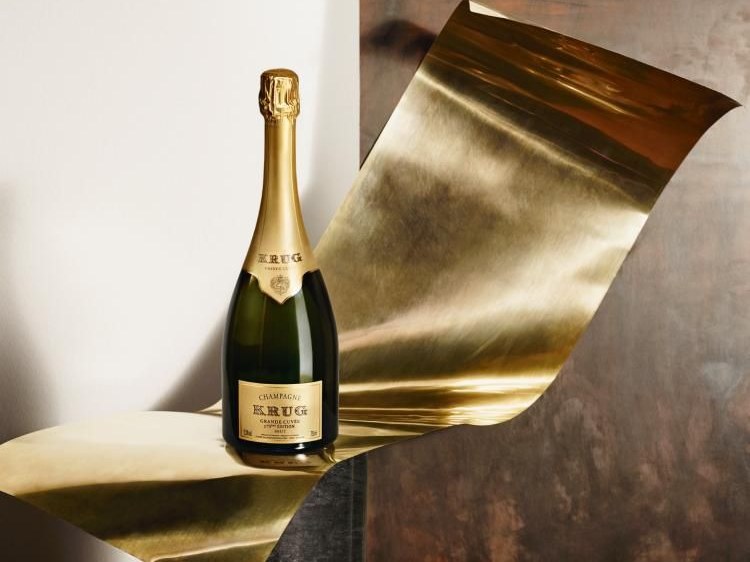
The Grande Cuvée 173ème Édition blends 150 wines6 drawn from 13 different years,6 and the vintage Champagnes spend an average of 10 years aging in the cellars2 before release. A house operating on that timeline does not pivot to high-volume tourism.
The scarcity extends beyond production volume. The Champagne region comprises 34,300 hectares of vineyards7 spread across 319 villages,7 with 16,200 growers7 and 320 Champagne houses7 competing for attention. Krug's 32,000-case output is a fraction of the 297 million bottles7 the region produces annually. The house does not need to court walk-in traffic.
The standard approach is to contact Krug's hospitality team directly through the official website and submit a visit request, but the house does not guarantee a response timeline or confirm availability in advance of inquiry.
Tour operators who specialize in Champagne, particularly those with multi-year relationships with the grandes maisons, sometimes hold pre-arranged access. Grape Escapes runs premium scheduled Champagne programs priced from £2,324 to £3,131 per person,8 with itineraries that can include visits to houses not otherwise open to the public. Whether Krug is on a given itinerary depends on the operator's current relationship with the house, ask explicitly before booking.
Timing matters. The Champagne Tourist Route runs 120 kilometers through the Marne Valley, Montagne de Reims, and Côte des Blancs9 and sees peak traffic during harvest in September and October. Houses that accept visitors often reduce availability during this window when cellar teams are focused on vinification. If you are planning a Krug Champagne house tour between late August and mid-October, expect longer lead times and fewer available slots.
Direct inquiry to Krug. The official website at krug.com includes a contact form for visit requests. This is one direct route. Plan well ahead, weeks at minimum, ideally months.
Specialist tour operators. Operators with standing access to the grandes maisons are one reliable route for first-time visitors. Grape Escapes and Sparkling Tour both run Champagne programs; the latter prices visits at €30, €80 per person10 at the lower tier, rising to €150, €450+ per person10 at the upper tier. Krug sits at the upper end. Confirm Krug access explicitly.
Hotel concierge at a Reims property. The better hotels in Reims, particularly those catering to wine travelers, maintain relationships with house hospitality teams. A concierge at a property like Les Crayères has placed guests at houses that do not respond to cold inquiries. Reims, with a population of 179,992,11 is the largest city in the Champagne region and the natural base for a multi-house visit. The city's hotel infrastructure is built around wine tourism.
Trade and press channels. If you work in the wine trade or write about wine, Krug's communications team handles media and trade visits separately from consumer hospitality. This channel often yields more depth, access to the winemaking team, the library, or a vertical tasting that consumer visits do not include.
The Grande Cuvée 173ème Édition retails at $319.99 per bottle at Zachys,12 scoring 96 points from Wine Spectator,12 94 from Wine Advocate,12 and 97 from James Suckling.12 The Krug Vintage 2013 is priced at €338 per bottle13 at one French retailer. A cellar visit at this tier sits at the upper end of prestige house pricing.
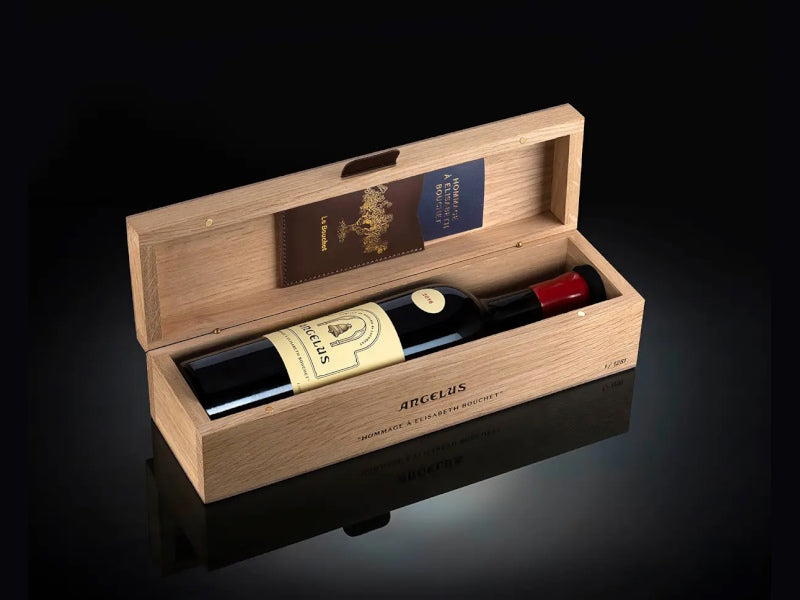
The Clos du Mesnil occupies a different tier entirely. The 2006 vintage retails at €1,800 per bottle,14 with 97 points from Wine Spectator14 and 96 from Wine Advocate.14 Production from the 1.84-hectare walled plot15 yields roughly 12,500 bottles per vintage, when the house declares a vintage at all. Not every year is released.
The house sits on rue Coquebert in central Reims, not a vineyard estate, but an urban maison where the cellar is the heart of the visit. The tour centers on the chalk cellars beneath the city, the same network of crayères that have stored Krug's wines since the 19th century. Chalk at this depth holds a near-constant temperature year-round, which is why the vintage Champagnes can spend a decade underground without intervention.
What distinguishes a Krug Champagne house tour is the depth of the blending conversation. The Grande Cuvée is not a vintage wine, it is an annual edition, each one numbered. The 173ème Édition draws on 150 individual wines6 from 13 different years.6 A good visit guide will walk you through what that means in practice, how the house tastes through reserve wines each year, how the blend committee works, and why the edition number matters more than a vintage date on the label.
Julie Cavil, who became Cellar Master after 13 years at the house,16 oversees the blending program. Her position is that every Krug wine, regardless of cuvée, should stand alone as a complete expression. That philosophy shapes what you taste during a visit: the wines are presented as arguments, not samples.
The Clos du Mesnil, Krug's single-vineyard blanc de blancs from a 1.84-hectare walled plot15 in Le Mesnil-sur-Oger, is 100% Chardonnay and is not poured at every visit, its appearance on a tasting lineup signals the visit's depth. The 2008 vintage spent more than 13 years on the lees15 before disgorgement. That extended aging is what gives the wine its weight, not just complexity, but actual textural density that separates it from the Grande Cuvée.
The format, duration, number of wines poured, and whether food is served vary by visit type. Consumer visits tend to be shorter and more structured; trade and press visits can extend to multi-wine verticals. Confirm the format when you book. Olivier Krug has said that staying relevant as a Champagne house is a question of mindset, not age,17 a view that shapes how the house approaches hospitality. The visit is not a museum tour. It is a conversation about how the house thinks.
If the visit itself is the goal, the operator route is your most reliable path. But if you are also trying to secure bottles, particularly of the vintage Champagnes or the Clos du Mesnil, the visit and the allocation are separate problems. Krug does not operate a consumer mailing list. Allocation flows primarily through négociants and specialist merchants, including Zachys12 and similar houses with direct import relationships.
Building a purchase history with a specialist Champagne merchant is one practical allocation strategy. Merchants who move volume of the Grande Cuvée across multiple editions tend to receive earlier access to vintage releases and, occasionally, to the Clos du Mesnil and Clos d'Ambonnay. The secondary market, Acker, Hart Davis Hart, and similar auction houses, is where older vintages surface, at prices that reflect their scarcity. Champagne production averages 300 million bottles annually,18 but Krug's 32,000-case output is less than one-tenth of one percent of that total. The math explains why allocation is tight.
The Grande Cuvée 172nd Edition, which preceded the current 173rd, blended wines from vintages spanning 2008 to 2020, a 12-year window that included both the 2008 vintage, which Decanter described as having "a taut, linear structure",19 and the 2012 vintage, noted for its "ripe fruit and generous texture".19 The blending program is not about smoothing out vintage variation, it is about building a wine that can absorb both extremes and still taste coherent.
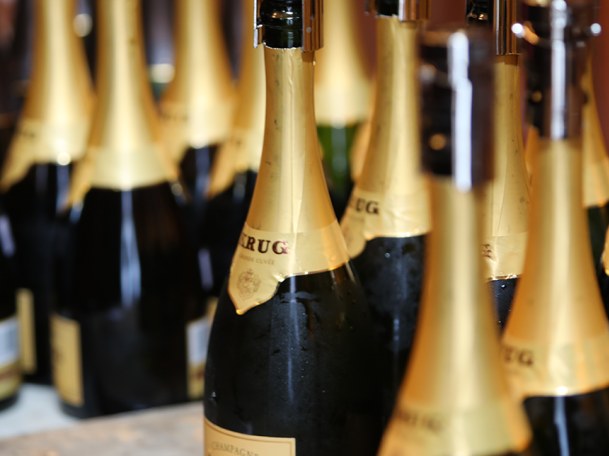
That is what you are paying for when you buy a bottle of Grande Cuvée, and it is what you are tasting when you visit the house. Understanding this philosophy before you arrive transforms the experience: rather than a passive tour of historic cellars, the Krug Champagne house tour becomes an active lesson in how the house reconciles the unpredictability of each harvest with the consistency its collectors expect across every numbered edition.
A Krug Champagne house tour is worth pursuing if you are serious about prestige Champagne and want more than a tasting room experience. Book through a specialist operator if you are a first-time visitor, the operator relationship is your most reliable route to confirmed access.
Go direct via krug.com if you have trade or press credentials, or if you are willing to wait for a response on your own timeline. Skip this if you are looking for a casual drop-in: Krug's appointment-only model is not going to change, and the visit rewards those who arrive prepared.
For collectors, pairing the visit with a purchase history at a specialist merchant is the smartest combined strategy, the cellar conversation and the allocation pipeline reinforce each other.
Pricing data reflects single-retailer snapshots as of the research date and should be used for comparative context only. Retail prices vary by market, allocation tier, and vintage availability. Production figures are drawn from house-published data and trade sources. Visit access protocols were confirmed through operator websites and house communications as of the publication date; policies may change without notice.
Get the App
Take the shortlist into the En Primeur Club app for concierge access, saved places, and the next step after discovery.
Get Exclusive AccessMore from the editors