← Guides
At Birdsong, 1996 Krug and First Growth Bordeaux met Chris Bleidorn's live-fire menu in a Pearl dinner built for collectors who care about the room as much as the bottles.
At Birdsong, 1996 Krug and First Growth Bordeaux met Chris Bleidorn's live-fire menu in a Pearl dinner built for collectors who care about the room as much as the bottles.
A dinner like this can sound almost too neat on paper: 1996 Krug, 1996 Krug Clos du Mesnil, five First Growth Bordeaux, Leoville Las Cases, d'Yquem, Dauvissat, Raveneau, and an 18-course Birdsong menu built around fire. In the room, the appeal was less academic. The May 9, 2026 Birdsong 1996 Bordeaux Dinner worked because the bottles were not treated as museum pieces. They were poured into a meal with smoke, caviar, seaweed, bone broth, sweetbreads, squab, antelope, and enough pacing from the staff to let the wines breathe without turning the evening into ceremony.
That is the difference between a bottle list and a real dinner. Birdsong is already a serious San Francisco table, with Michelin recognizing it at two stars and describing a kitchen where live fire is essential. For this event, Chef Chris Bleidorn and Pearl co-founder Emmett Haley gave that style a specific assignment: make 1996 feel alive, not merely rare.
The service mattered as much as the headline bottles. An 18-course dinner with mature Champagne, grand cru Chablis, and 1996 Bordeaux depends on a room that can manage glassware, temperature, bottle sequencing, and explanations without making the night feel technical. Birdsong made that part feel calm. The staff gave each course enough context, kept the rhythm moving, and left space for the table to actually talk about what was in the glass.
That restraint is not small. These dinners can easily become a parade of labels. Here, the pacing kept the wines and food in conversation. Krug had room to be bright and expansive. The Chablis had room to reset the palate. The Bordeaux had room to move into the richer hearth courses without being rushed.
It also helped that the event had a clear hosting structure. Chef Chris from Birdsong anchored the kitchen story, while Emmett Haley framed why this bottle lineup mattered for Pearl and En Primeur Club collectors. That balance made the evening feel hosted rather than simply served. You knew why the wines were there, but the staff never let the explanation crowd out the pleasure of the dinner.
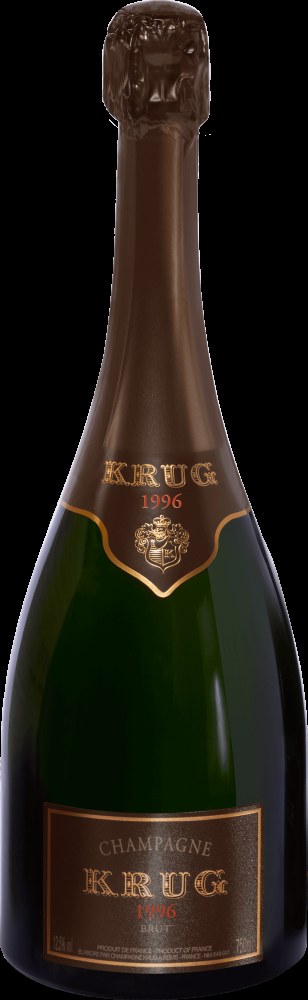
Krug was the right way in. The official Krug notes for the 1996 Vintage emphasize a Champagne from the 1996 harvest with long cellar aging, freshness, mature fruit, citrus, spice, and a savory depth. That profile is exactly why it worked here. The wine had enough age to feel serious, but enough lift to handle the opening bites.
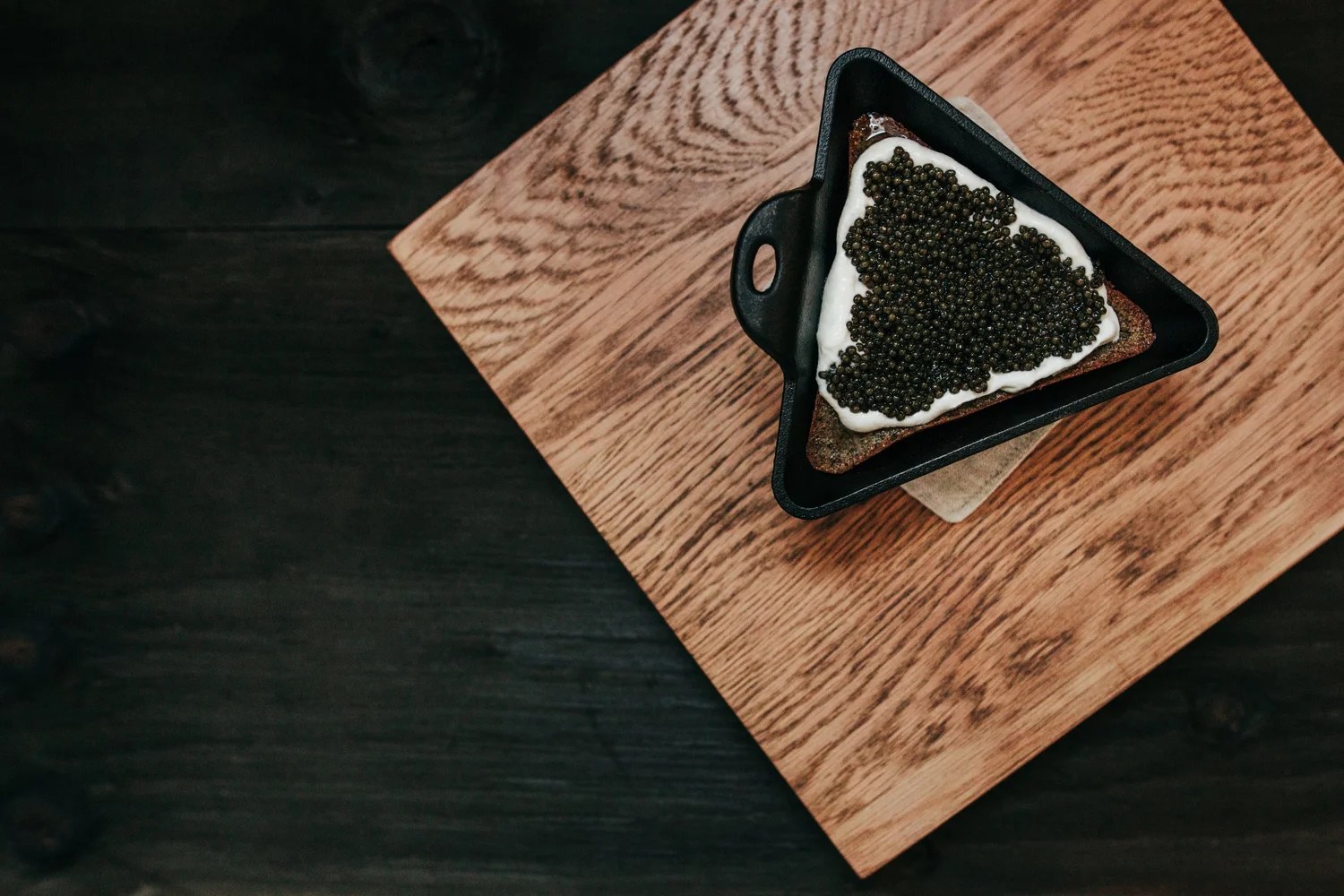
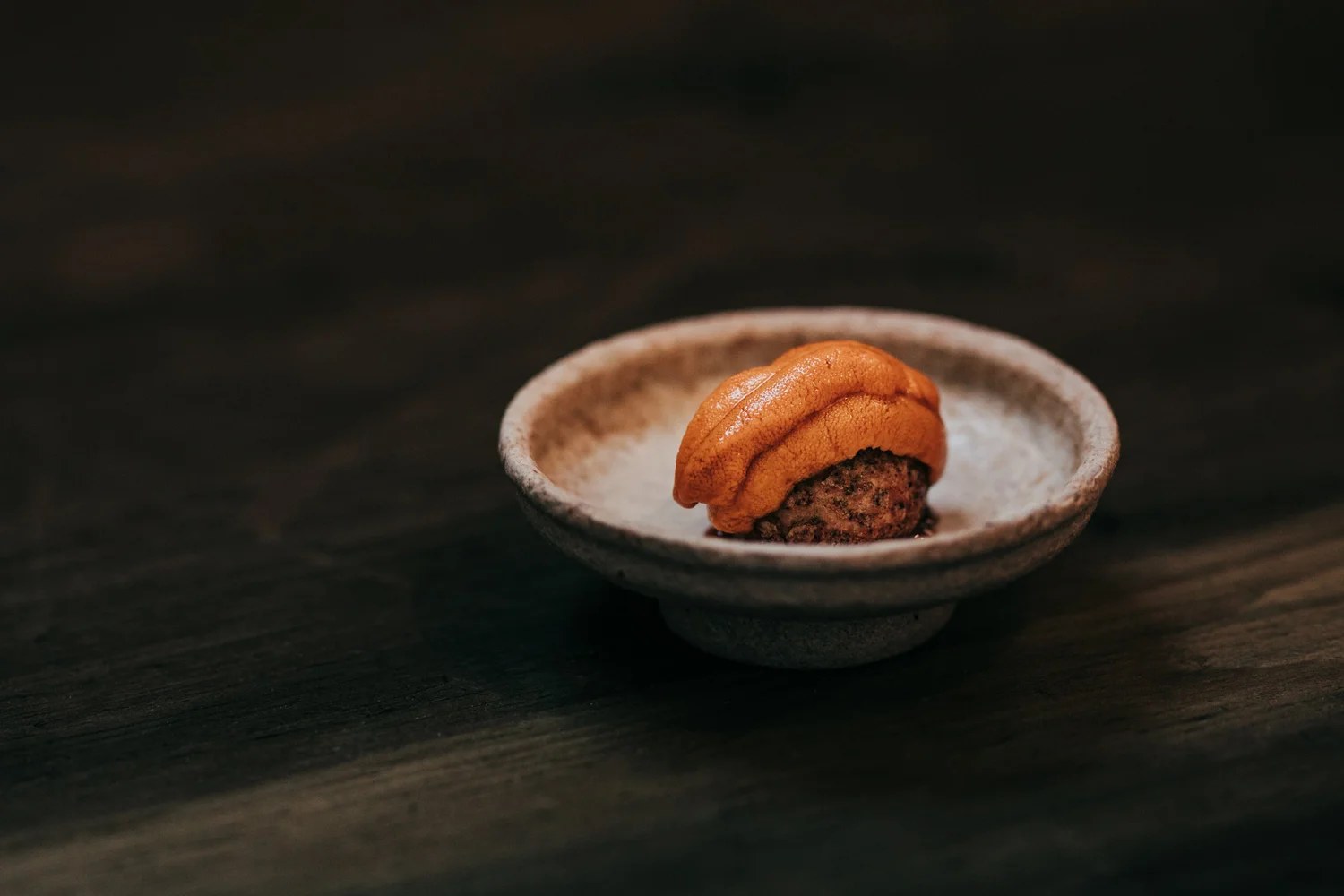
Clos du Mesnil 1996 pushed the Champagne opening in a more focused direction. The pairing became especially convincing once the menu moved into Birdsong's signatures: cornbread and caviar, then sea urchin cream puff with savory butterscotch. Both dishes need Champagne with tension. Too soft and the caviar or uni overwhelms the wine. Too sharp and the pleasure disappears. The 1996 Krug bottles sat in the middle, which is why the opening felt so natural.
The Bordeaux lineup was the reason collectors were paying attention: 1996 Lafite Rothschild, Latour, Mouton Rothschild, Margaux, and Haut-Brion, with Leoville Las Cases alongside them and d'Yquem waiting for the end. That is a serious horizontal, and it was stronger because the dinner did not rush straight into it.
The 2008 Dauvissat Les Clos and 2012 Raveneau Les Clos were important bridges. They kept the middle of the evening from becoming too heavy, especially with seafood and marine courses. Chablis can be easy to reduce to acidity and minerality, but in this context those qualities were functional. They cleared space between Champagne and mature Cabernet, while still having enough depth for abalone, black cod, seaweed, and bone-vinegar flavors.
The sequence mattered because 1996 Bordeaux can be intellectually exciting and physically demanding in the same sitting. The better dinners make room for both. Birdsong gave the reds structure, fat, smoke, bitterness, and freshness at different points in the menu, so the wines had something to answer besides each other.
Birdsong was the right setting because Chris Bleidorn's cooking is not quiet, but it is controlled. The restaurant's official language around heritage cuisine, seasonal whole ingredients, and food as a carrier of values is not just branding. It shows up in dishes that use smoke, fat, brine, and texture without letting any single element dominate.
The early courses set the register. Radishes with smoked trout roe had the right mix of freshness and smoke. Tuna marrow with seaweed and bone vinegar leaned fully into the marine side of the kitchen. Grilled red abalone with livers, trimmings, braised wakame, and local lettuces was the kind of dish that made the Chablis feel necessary, not decorative.
The black cod cooked over coals was one of the clearest favorites. The dish had the sweetness and softness of the fish, the smoke of the hearth, and the richness of bone butter with the Parker House roll. It is the kind of pairing course that does not need to shout. It simply gives the wine fat, smoke, and texture to work against.
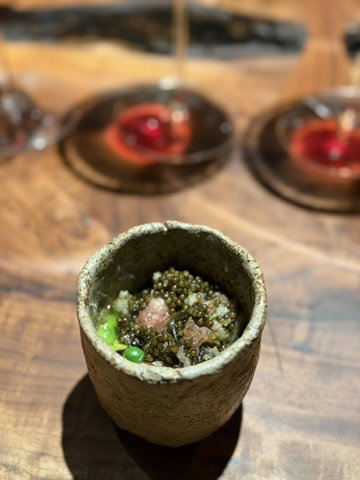
The sweetbreads with parmesan, caviar, bone marrow, and peas were the kind of course that separates a good wine dinner from a serious one. It had enough richness for mature Bordeaux, but the peas and caviar kept the dish from collapsing into heaviness. That is exactly the kind of tension older First Growths need.
Lacquered and smoked squab with a condiment of innards moved deeper into Birdsong's whole-animal language. Antelope grilled over fire brought the meal into a leaner, more primal register. Giant carrot with curry leaves and yogurt sauce gave the savory sequence a needed vegetable counterpoint. None of those courses felt like filler between famous bottles. They were doing real work.
The dessert sequence, pine popsicle with olive oil jam, frozen madeleine with almond, cedar caramel wafer, mandarin creamsicle, and pomegranate with rose geranium and yogurt, gave d'Yquem a softer landing after the red Bordeaux. It also kept the dinner from ending too heavily, which matters after a lineup this dense.
For En Primeur Club readers, the lesson is not just that rare bottles are exciting. The lesson is that rare bottles need a room with judgment. A wine dinner at this level has to answer practical questions before the first glass is poured: how many stems, when to open, how fast to pour, how much explanation to give, when to let silence happen, and when to let the kitchen take over.
Birdsong handled those questions well because the restaurant's regular identity already has enough force. The hearth, the seafood, the caviar, the broth, the organ meats, and the final sweets all felt like Birdsong, not like a neutral banquet menu built around Bordeaux. That is why the event felt specific to San Francisco and specific to that kitchen.
The featured lineup included 1996 Krug, 1996 Krug Clos du Mesnil, 1996 Lafite Rothschild, Latour, Mouton Rothschild, Margaux, Haut-Brion, Leoville Las Cases, Chateau d'Yquem, 2008 Dauvissat Les Clos, and 2012 Raveneau Les Clos.
The event data lists Chef Chris Bleidorn of Birdsong and Pearl co-founder Emmett Haley as the key hosts. That combination gave the night both a kitchen point of view and a collector point of view.
The clearest standouts were cornbread and caviar, sea urchin cream puff with savory butterscotch, grilled red abalone, black cod over coals with bone butter and Parker House roll, and sweetbreads with parmesan, caviar, bone marrow, and peas.
Strong collector dinners are not just about access to bottles. They are about whether the kitchen and room can make those bottles feel alive. Birdsong did that by giving 1996 Krug, First Growth Bordeaux, d'Yquem, and rare Chablis a menu with smoke, brine, fat, texture, and enough service precision to hold the whole thing together.
Get the App
Take the shortlist into the En Primeur Club app for concierge access, saved places, and the next step after discovery.
Get Exclusive AccessMore from the editors