
A converted farmhouse in the South Tyrolean hamlet of Guggal, Kürbishof runs a split menu that places traditional Stube cooking alongside modern regional cuisine, both prepared from named, local producers. Michelin Plate recognition in 2024 and 2025 confirms its standing as a serious address in an area better known for Alpine scenery than restaurant culture.
Pearl is the En Primeur Club membership app — saves, bookings, and concierge access live there. Same editors, same standards.
- Address
- Frazione Guggal, 23, 39040 Guggal BZ, Italy
- Phone
- +39 0471 882140
- Website
- kuerbishof.it
- Directions
- Get directions
 Saves & bookings on Pearl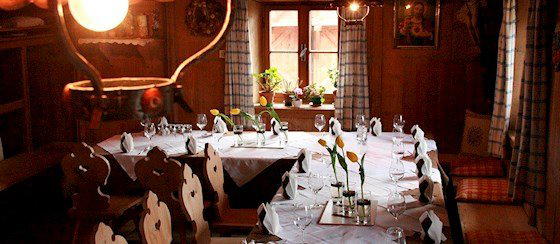
Where Old Farmhouses Still Feed People Properly
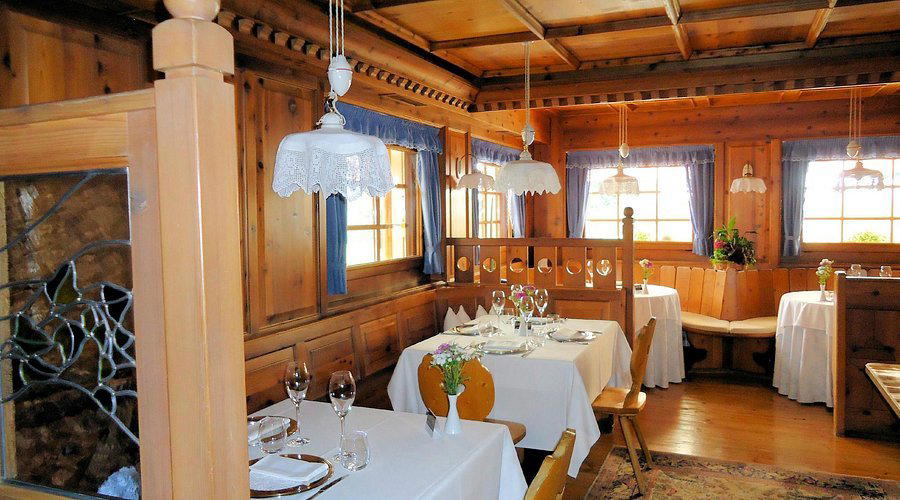
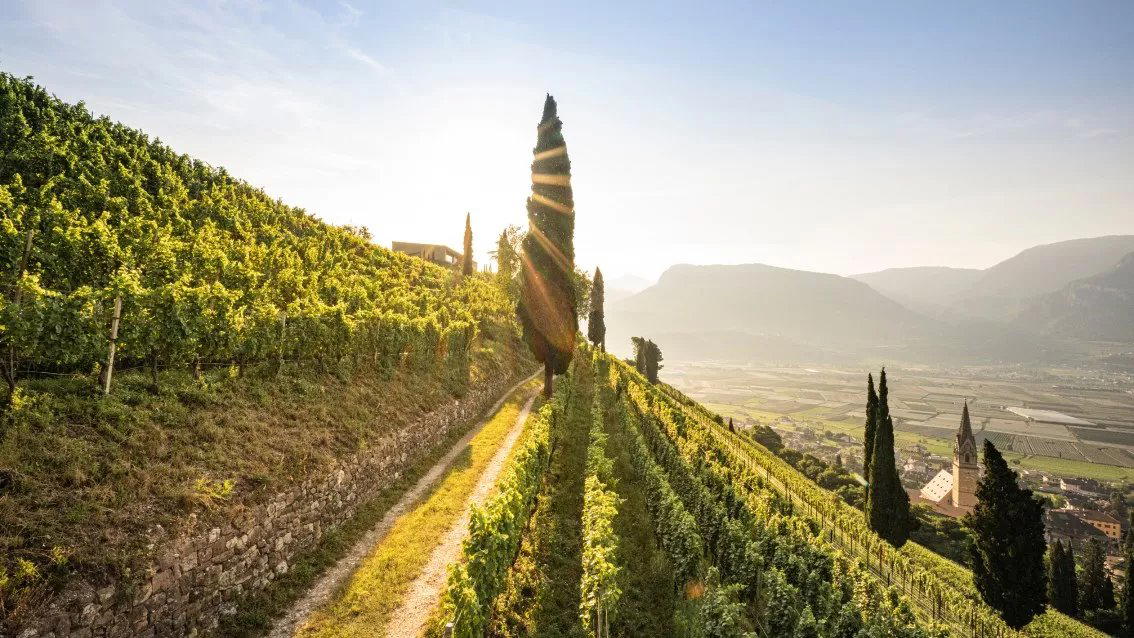
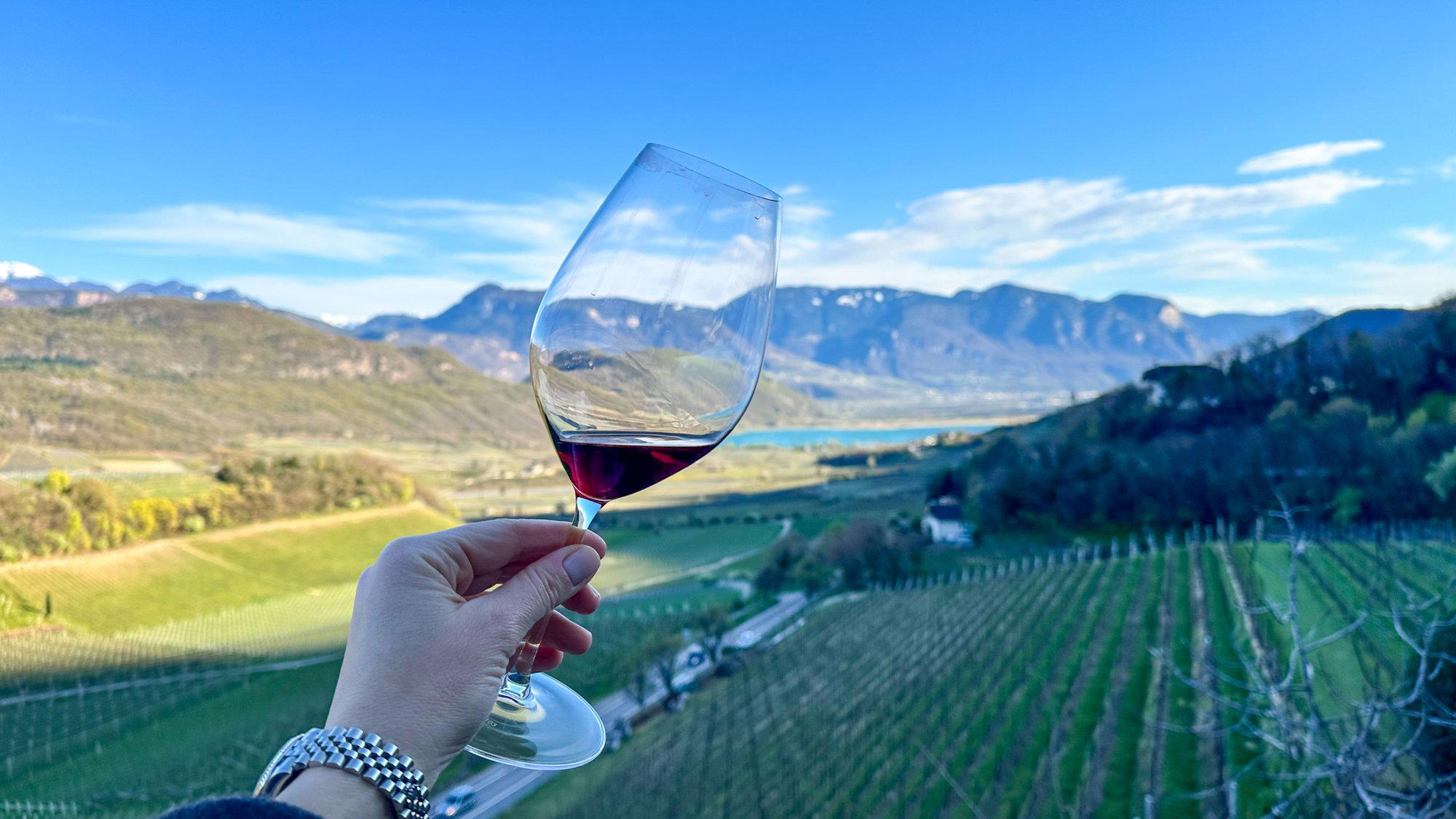
The road into Guggal, a frazione of Anterivo in the Bolzano province of South Tyrol, does not suggest a destination restaurant. Stone farm buildings line the approach, the Cembra valley drops away to the south, and the altitude keeps the air sharp well into late spring. Kürbishof occupies an old farm with a hay barn intact, and the two dining rooms inside are fitted out in traditional Stube style: panelled timber, low ceilings, the kind of proportions that make a long lunch feel unhurried rather than cramped. One room looks directly over the valley. The setting, in other words, is not manufactured for effect. It predates the restaurant entirely.
That physical context matters because it shapes what Kürbishof is trying to do, and what it is not trying to be. This is not a mountain retreat reimagined as a wellness hotel with a tasting menu attached. It is a working inn with guestrooms, running a kitchen that treats the surrounding landscape as a larder rather than a backdrop.
The Logic of Named Producers on a Menu
South Tyrol has spent the last decade establishing itself as one of Italy's more compelling food regions, partly through altitude-driven produce, dairy, cured meats, root vegetables, foraged ingredients, and partly through a generation of chefs willing to source with documentary precision. The habit of printing producer names on menus, common at addresses like Atelier Moessmer Norbert Niederkofler in Brunico, signals a specific kind of accountability: the kitchen is willing to be traced back to its ingredients.
At Kürbishof, the menu follows this principle at a price point that sits comfortably above casual trattorias. The sourcing rigour, however, operates on comparable terms. The sourcing rigour, however, operates on comparable terms. Named producers appear on the menu not as decoration but as a structural commitment: the kitchen buys locally, identifies its suppliers publicly, and builds dishes around what is available from them. In a region with strong agricultural identity, that is a defensible position rather than a marketing choice.
The comparison with other regional-cuisine addresses in the Alpine corridor is instructive. Gannerhof in Innervillgraten and Fahr in Künten-Sulz operate in the same tradition of farm-rooted, producer-named regional cooking. What distinguishes Kürbishof is the explicit structural division of its menu, a format that forces the kitchen's intergenerational dynamic into the open rather than smoothing it into a single house style.
The Split Menu as Editorial Statement
The menu at Kürbishof is divided vertically rather than by course. On the left: traditional dishes, attributed to Sara. On the right: modern, creative preparations by her son Mathias. Diners are invited to combine freely across both columns. Michelin's inspectors noted their own satisfaction with doing exactly that, selecting across the divide rather than committing to one register.
This format is relatively rare in the region, where most kitchens either hold to tradition or pursue a contemporary idiom. The split presentation makes the generational conversation visible as a structural feature of the dining experience, not a backstory. It also raises the stakes for both sides of the kitchen: the traditional dishes are not there as heritage window-dressing beside a modern tasting menu; they are offered on equal footing and judged accordingly.
Michelin awarded the restaurant a Plate in both 2024 and 2025, a signal that the food merits attention without yet reaching starred territory. Among Italy's broader restaurant field, that is a meaningful position: recognised by the guide's inspectors as cooking with clear standards, placed in a category that covers kitchens producing consistently good food. For the price bracket and the setting, it represents a well-calibrated result. Restaurants in a comparable position nationally include Casa Perbellini 12 Apostoli in Verona, though the format and context differ considerably.
Anterivo and Its Place in the Regional Dining Picture
Anterivo is a small commune in the Bolzano province, at an elevation that limits the growing season and concentrates agricultural production around hardy crops, dairy, and preserved foods. It does not attract the visitor volume of Merano, Bolzano city, or the more trafficked Dolomite valleys. That relative obscurity is part of the context for Kürbishof's standing: accumulated at a remote address with no obvious marketing infrastructure, reflects genuine repeat engagement rather than passing tourist volume.
South Tyrol's wine production, particularly its white varietals and Schiava, is worth factoring into any extended visit to the region.
Among Italy's higher-profile addresses, the contrast in scale and ambition with starred kitchens like Osteria Francescana in Modena, Enrico Bartolini in Milan, Piazza Duomo in Alba, Reale in Castel di Sangro, Quattro Passi in Marina del Cantone, and Uliassi in Senigallia is instructive. Kürbishof operates at an entirely different register, farmhouse inn, mid-range pricing, Alpine village setting, but the sourcing discipline it applies connects it to the same broader conversation about where Italian regional cooking draws its authority.
Planning a Visit
Kürbishof is located at Frazione Guggal, 23, in the 39040 postal district of Guggal BZ. The address functions both as a restaurant and as a guesthouse, which makes it a viable base for a multi-day visit to the area rather than a single-meal destination. The inn format, combined with the Stube dining rooms and valley views, suits a stay that combines meals with time in the surrounding terrain. Reservations are essential, and the restaurant is open Wednesday to Sunday with lunch and dinner service on most days, closing Monday and Tuesday. The price is about US$80 per person, and the split menu format means diners can calibrate their experience across both traditional and contemporary options without committing to a single tasting format.
How It Stacks Up
Comparable venues nearby, for context on price, style, and recognition.
| Venue | Cuisine | Price | Awards | Notes |
|---|---|---|---|---|
| KürbishofThis venue — the venue you are viewing | Modern Regional Italian with Traditional South Tyrolean Heritage | $$$ | Michelin Plate | Not listed |
| Baita Fraina | Regional Italian Mountain Cuisine | $$$ | Michelin Plate | Fraina |
| Malga Roncac | Traditional Ladin Mountain Cuisine | $$$ | Michelin Plate | Moena |
| Locanda Solagna | Regional Italian Osteria | $$$ | Michelin Plate | Vas |
| Villa De Winckels | Traditional Veneto Italian | $$$ | Michelin Plate | Marcemigo di Tregnago |
| Moscatello Muliner | Modern Italian Fine Dining | $$$ | Michelin Plate | Pozzolengo |
Recognition history
Dated appearances from independent guides and award organizations, with the underlying list record or original source where available.
Michelin Plate
Michelin
Michelin Plate
Michelin
Michelin Plate
Michelin
Continue exploring
More in Anterivo
Restaurants in Anterivo
Browse all →
Bars in Anterivo
Browse all →
Hotels in Anterivo
Browse all →
At a Glance
- Romantic
- Cozy
- Intimate
- Rustic
- Elegant
- Classic
- Date Night
- Celebration
- Special Occasion
- Family
- Historic Building
- Garden
- Private Dining
- Terrace
- Sommelier Led
- Farm To Table
- Local Sourcing
- Organic
- Mountain
- Garden
Current opening hours
- Monday
- Closed
- Tuesday
- Closed
- Wednesday
- 12:30–1:30 PM, 7:30–8:45 PM
- Thursday
- 12:30–1:30 PM, 7:30–8:45 PM
- Friday
- 12:30–1:30 PM, 7:30–8:45 PM
- Saturday
- 12:30–1:45 PM, 7:30–8:45 PM
- Sunday
- 12:30–1:30 PM
Hours can change for holidays and private events. Last verified .
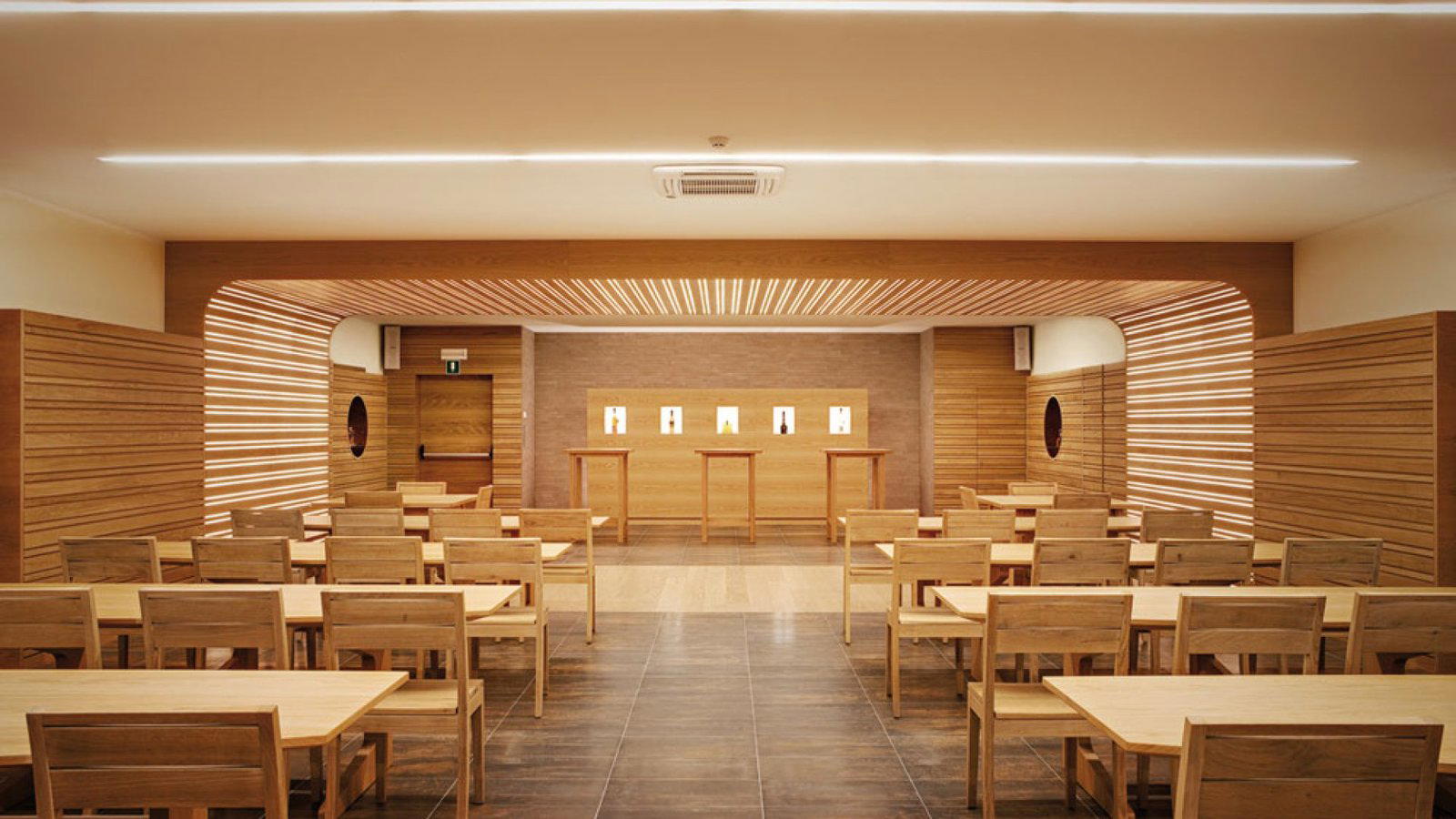
Warm and inviting with original stone walls, tiled stoves, open fireplaces, and wooden furnishings in two traditional Stube-style dining rooms; one room offers views of the Cembra valley, creating an intimate, lived-in elegance.