KOVE
On the second floor of Hotel Annapoorna in R.S. Puram, KOVE occupies a quieter register within Coimbatore's evolving dining scene. The address places it inside one of the city's most established hospitality institutions, positioning KOVE within a conversation about how Tamil Nadu's second city is reshaping its restaurant culture beyond the conventional thali circuit.
Pearl is the En Primeur Club membership app — saves, bookings, and concierge access live there. Same editors, same standards.
- Address
- Second floor, Hotel Annapoorna, 75, E Arokiasamy Rd, R.S. Puram, Coimbatore, Tamil Nadu 641002, India
- Phone
- +919842246780
- Website
- koverestaurant.com
- Directions
- Get directions
 Saves & bookings on Pearl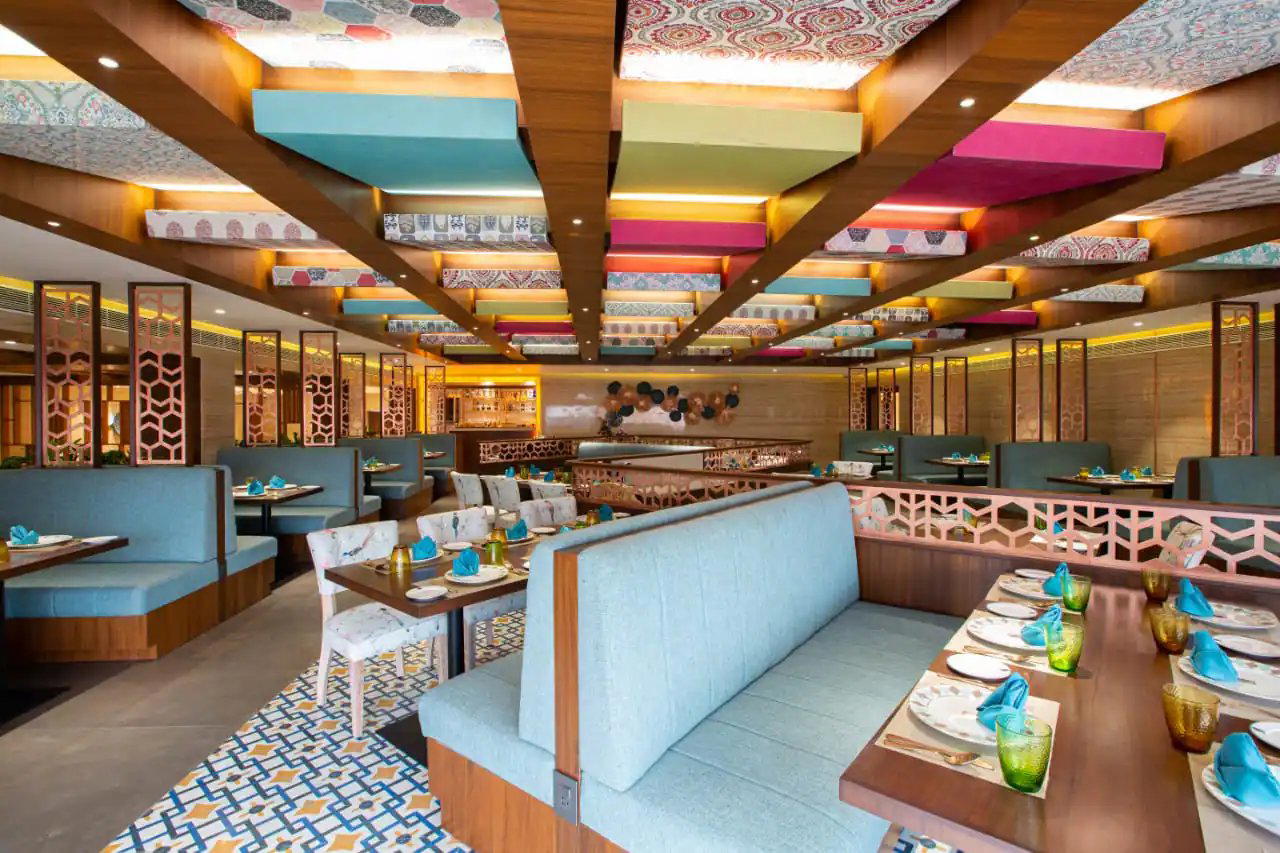
Second Floor, Serious Intent: How R.S. Puram Is Redefining Coimbatore Dining
The city's culinary identity is built on efficiency: fast, generous, vegetarian-forward South Indian meals delivered with minimal ceremony. That tradition runs deep in R.S. Puram, one of the city's most residential and commercially stable neighbourhoods, where Hotel Annapoorna has served as a civic institution for decades. KOVE sits on the second floor of that same building, and the positioning is deliberate. To reach it, you move through the familiar gravity of a well-worn hospitality address before arriving somewhere that operates by a different set of rules.
The physical approach matters here. In cities where dining culture is shifting, venue placement often telegraphs ambition. A second-floor room above a legacy hotel signals a certain kind of independence: removed from street-level foot traffic, insulated from the quick-turnover logic of ground-floor operations, oriented toward guests who are arriving with purpose rather than impulse. Across Indian cities that are developing more considered dining scenes, from Farmlore in Bangalore to Naar in Kasauli, the venues that are pushing their respective scenes forward tend to occupy spaces that require a small act of navigation. KOVE follows that pattern.
The Ritual of the Meal in a City That Eats Differently
Understanding what KOVE represents requires first understanding how Coimbatore eats. The dominant dining ritual here is communal, rapid, and repetitive in a favorable sense: filter coffee arrives before you ask, rice is replenished without discussion, and the meal ends when the banana leaf is folded over. That rhythm is not something to overcome; it is the baseline against which any more deliberate dining format positions itself.
Restaurants that operate above that baseline in Tamil Nadu's tier-two cities tend to do so by introducing pacing as a conscious element of the meal. The gap between courses becomes intentional rather than logistical. The order in which things arrive is considered rather than conventional. This is the territory that venues in the more structured end of South Indian dining have been quietly occupying, and it changes the experience of eating in ways that go beyond the food itself. When a meal has rhythm, the conversation at the table changes. The attention sharpens. What might otherwise be background becomes foreground.
This shift in dining ritual is visible across India's mid-sized cities. In Amritsar, Beera Chicken House maintains a different kind of ritual, one rooted in decades of single-dish mastery, while in Agra, Esphahan frames the meal within a heritage context that slows everything down by design. KOVE's position within Coimbatore's version of this shift is the more interesting editorial question, particularly given how conservative the city's dining establishment has historically been.
Hotel Annapoorna as Context, Not Constraint
The relationship between KOVE and Hotel Annapoorna deserves attention. Legacy hotel dining in Indian cities often produces one of two outcomes: either the restaurant becomes institutionalised alongside the property, coasting on repeat guests and corporate accounts, or it develops a distinct identity that makes it intelligible to a different audience entirely. The latter is harder to sustain but produces more interesting dining.
Bukhara in New Delhi remains the clearest example of a hotel restaurant that has transcended its address to become a reference point for a style of cooking, while Americano in Mumbai illustrates how a hotel setting can anchor a more contemporary format without losing its sense of place. KOVE's version of this negotiation is shaped by Coimbatore's specific dynamics: a city with strong local dining loyalty, growing professional-class appetite for more considered hospitality, and a hotel host whose name carries genuine institutional weight.
That weight cuts both ways. Annapoorna as a name in Coimbatore is not neutral; it carries associations of reliability, vegetarian tradition, and a particular kind of civic respectability. For KOVE, that heritage provides a foundation of trust while also creating a set of expectations that the restaurant either confirms or redirects. The second-floor address is itself a kind of answer: close enough to the parent institution to benefit from its credibility, far enough removed to develop its own register.
Where KOVE Sits in the Wider South Indian Dining Conversation
Tamil Nadu's restaurant scene beyond Chennai has received relatively little sustained editorial attention compared to the coverage directed at Bangalore, Mumbai, or Delhi. That asymmetry is beginning to correct itself as cities like Coimbatore, Madurai, and Trichy develop more varied dining formats. The trajectory follows a pattern visible elsewhere: a base of strong traditional cooking, followed by a wave of casual international formats, followed eventually by a smaller cohort of venues that take local ingredients and customs seriously in a more composed setting.
Leela Kerala Terrace in Trivandrum represents one end of how South Indian regional cooking gets handled in a premium hotel context. WelcomCafe Oceanic in Visakhapatnam illustrates the coastal variant. Across the region, particularly interesting venues are those that find a way to honour the density and specificity of their local culinary tradition while creating conditions in which that tradition can be experienced more slowly and attentively than the conventional formats allow.
For Coimbatore specifically, the opportunity lies in the city's proximity to quality agricultural production, its established textile and industrial wealth (which supports a dining public with spending capacity), and its relative distance from the trend cycles that can homogenise restaurant culture in larger metros. Venues in this position can develop a coherence that is harder to achieve in more saturated markets.
Planning a Visit
KOVE is located on the second floor of Hotel Annapoorna at 75, E Arokiasamy Road, R.S. Puram, Coimbatore. R.S. Puram is well-served by auto-rickshaw and app-based cab services from the city centre and Coimbatore Junction railway station, making access direct without a private vehicle. As with most dining destinations in mid-sized Indian cities that sit within established hotel properties, arriving with a reservation or advance confirmation is advisable, particularly for evening sittings when local demand tends to concentrate. Hours run Mon to Fri from 12:30 to 3 PM and 7 to 10:30 PM, Sat and Sun from 12:30 to 3:30 PM and 7 to 10:30 PM. Reservations are recommended. Coimbatore's dining scene also includes Lord of The Drinks and U-TURN Bistro for those building a broader itinerary across the city's different registers.
Style and Standing
Comparable venues nearby, for context on price, style, and recognition.
| Venue | Cuisine | Price | Notes |
|---|---|---|---|
| KOVEThis venue — the venue you are viewing | Progressive Vegetarian Fine Dining | $$$ | Not listed |
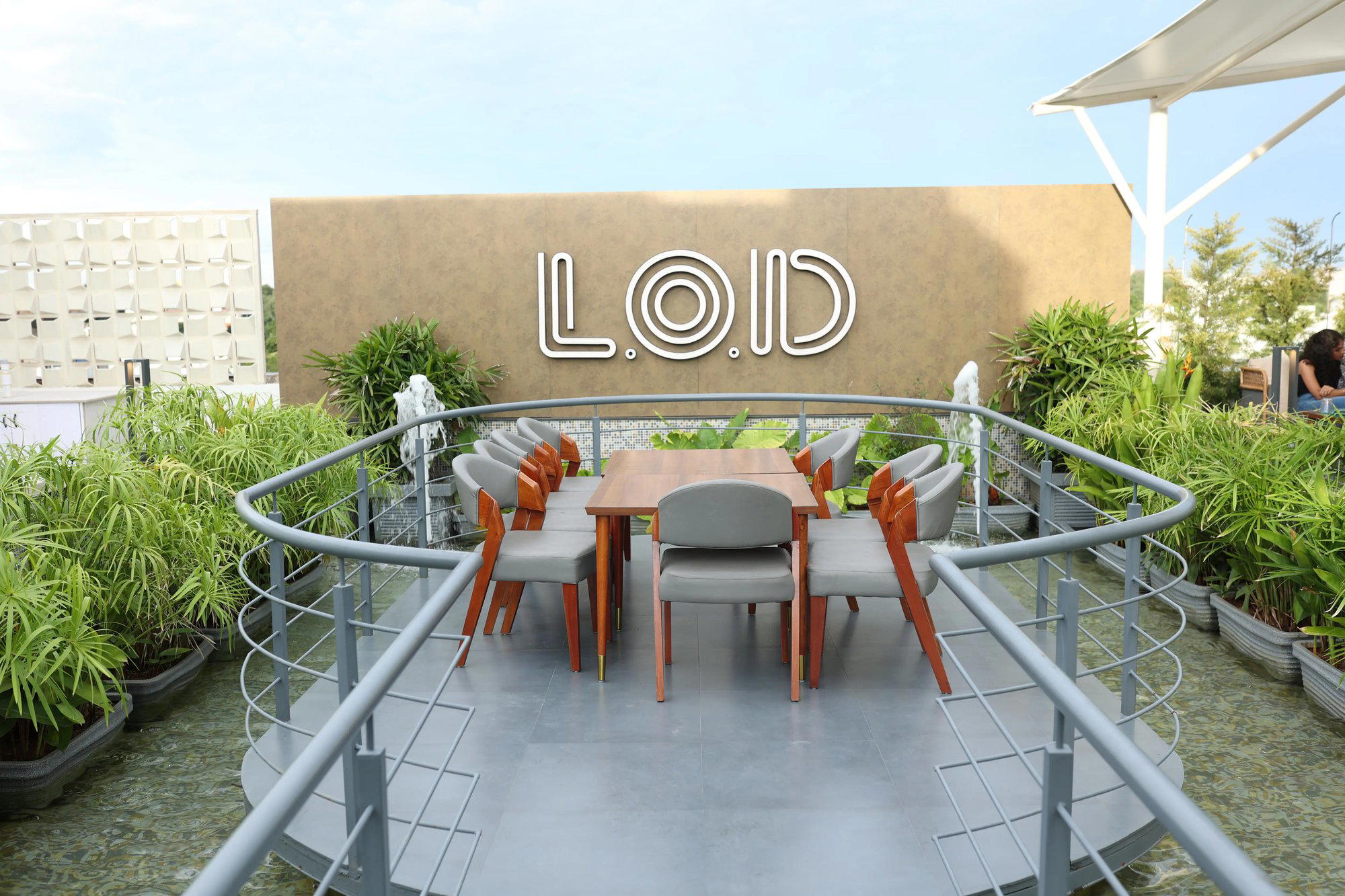
| Lord of The Drinks Coimbatore | Indian, Chinese & Continental | $$$ | Peelamedu |
| U-TURN BISTRO Restaurant, Coimbatore. | Italian Bistro with Mexican and American Influences | $$ | Saibaba Colony |
| Hotel Aganta Green | Indian Multicuisine | $$ | Fardapur |
| Zing | World of Flavors Buffet - Asian, Italian, Indian & Maharashtrian | $$ | Chikalthana MIDC |
| Aanch | North-West Frontier North Indian | $$ | Niranjanpur |
Continue exploring
More in Coimbatore
Restaurants in Coimbatore
Browse all →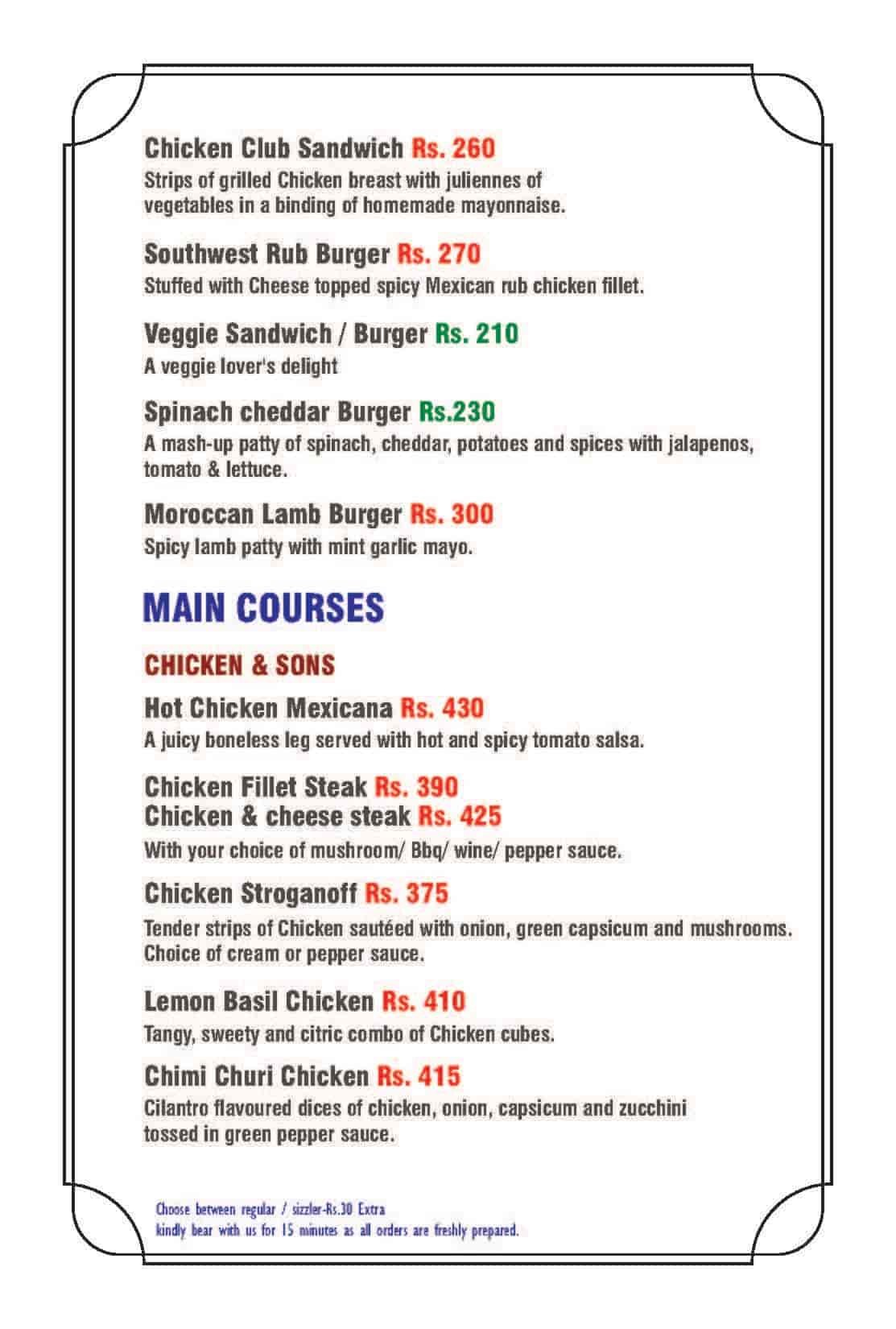
Hotels in Coimbatore
Browse all →
At a Glance
- Modern
- Elegant
- Sophisticated
- Family
- Celebration
- Date Night
- Group Dining
- Craft Cocktails
- Local Sourcing
Current opening hours
- Monday
- 12:30–3 PM, 7–10:30 PM
- Tuesday
- 12:30–3 PM, 7–10:30 PM
- Wednesday
- 12:30–3 PM, 7–10:30 PM
- Thursday
- 12:30–3 PM, 7–10:30 PM
- Friday
- 12:30–3 PM, 7–10:30 PM
- Saturday
- 12:30–3:30 PM, 7–10:30 PM
- Sunday
- 12:30–3:30 PM, 7–10:30 PM
Hours can change for holidays and private events. Last verified .
Inviting ambience with impressive decor that pays tribute to Coimbatore, warm and sophisticated atmosphere praised in guest reviews.