KOU Korean bbq Orem
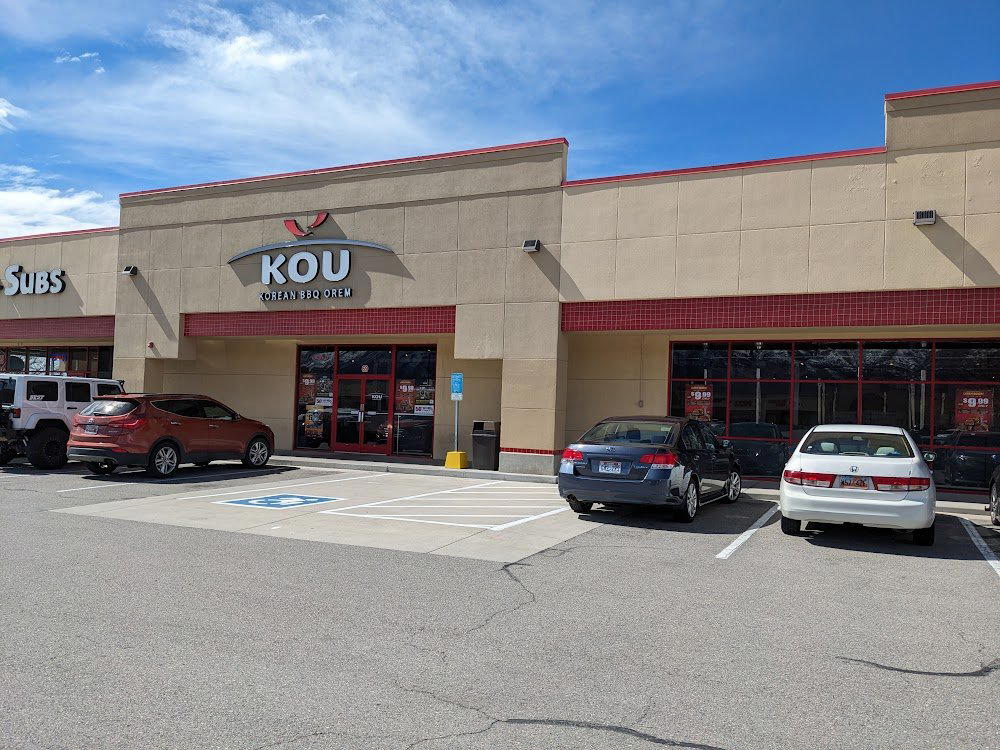
Korean barbecue in Utah County occupies a specific niche: the live-fire, table-grill format that turns protein sourcing into the central act of the meal. KOU Korean BBQ on State Street in Orem sits inside that tradition, offering Orem diners direct access to a cooking format where the quality of the meat is the entire argument. For a region still developing its Korean dining infrastructure, the address matters.
 Discover on Pearl
Pearl is the En Primeur Club membership app — saves, bookings, and concierge access live there. Same editors, same standards.
- Address
- 69 State St, Orem, UT 84058
- Phone
- +18016072032
- Website
- thekou.com
Fire at the Table: What Korean BBQ Asks of Its Ingredients
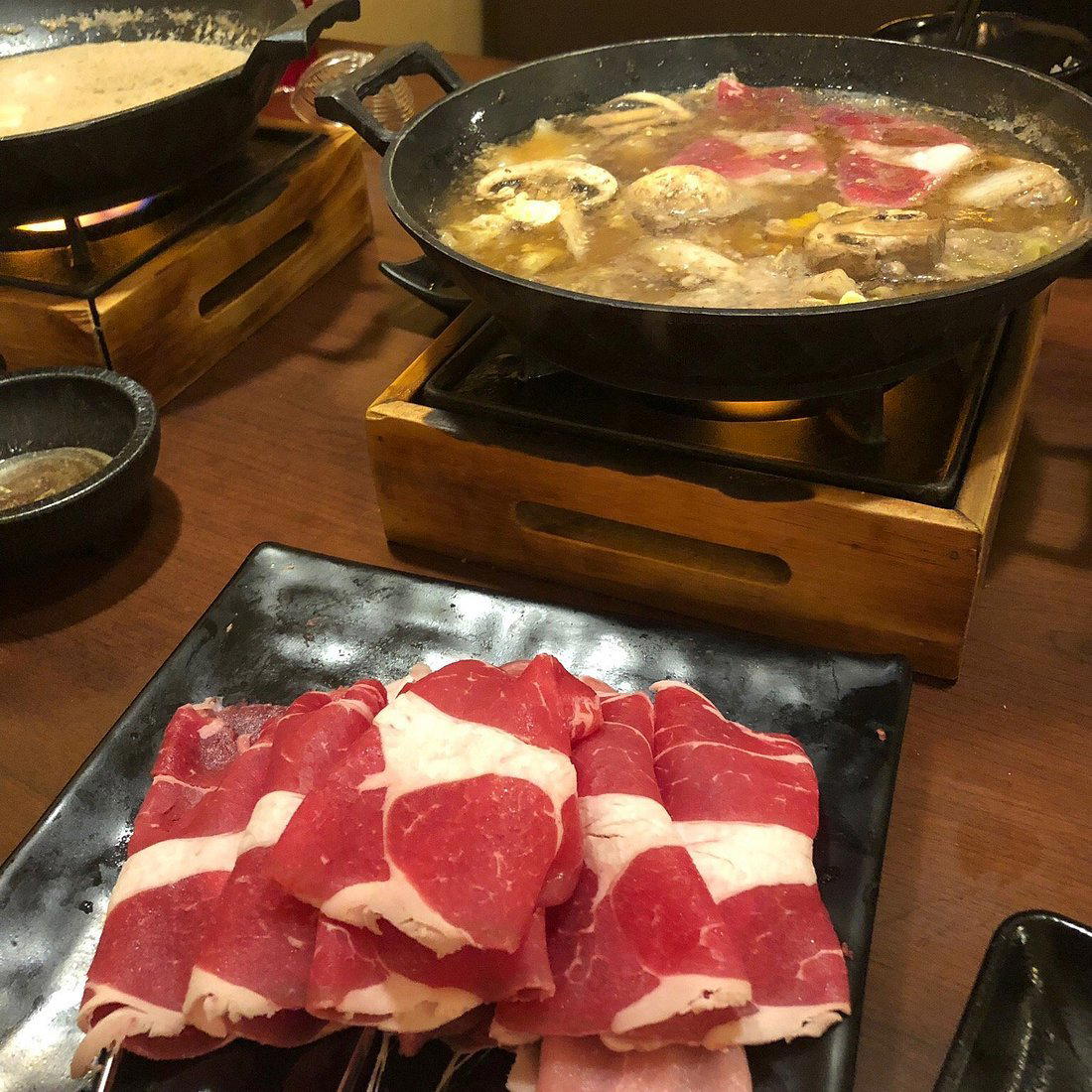
The logic of Korean barbecue is unusually transparent. Unlike cuisines where kitchen technique obscures the raw material, KBBQ places the protein directly in front of the diner, on a grill built into the table, with little between the ingredient and the result. That structural honesty makes sourcing the central question. A thin-sliced brisket or a marbled short rib reveals itself immediately under heat: the fat renders, the sugars caramelize, and whatever the cut was before it arrived at the table becomes plainly visible within seconds. In a format this direct, there is nowhere for a lesser product to hide.
Utah County has a growing Korean dining presence, shaped in part by its university population and a broader national shift toward fermented, fire-cooked, and communal formats. KOU Korean BBQ at 69 State St in Orem, a Korean BBQ restaurant, sits within that expanding local infrastructure, offering the table-grill format to a market that has historically had fewer options in this category than Salt Lake City to the north. For context on what premium Korean cooking can look like at the national level, Atomix in New York City represents the tasting-menu end of Korean cuisine, where sourcing is equally foregrounded but through an entirely different format. The KBBQ tradition operates at the opposite pole: democratic, participatory, and built for groups.
The Ingredient Is the Dish
Korean barbecue menus are essentially cut lists. The differentiation between one KBBQ restaurant and another comes down to which cuts are offered, how they are prepared before they reach the table (marinated or unmarinated, how long, in what), and where the protein originates. In the American KBBQ market, the sourcing spectrum runs from commodity beef processed for high throughput to programs that specify breed, region, or grade. Galbi, the short rib cut that anchors most KBBQ menus, responds dramatically to the quality of the underlying beef: a well-marbled short rib holds moisture through the brief, high-heat cook while a leaner one dries at the edges before the center is ready.
This is what separates a KBBQ visit that feels transactional from one that feels worthwhile. The banchan, the fermented and pickled sides that accompany every table, add further dimension: good kimchi, made with time and proper fermentation, reads differently alongside char-edged pork belly than a quick-pickled approximation. These are the variables that matter, and they are the ones worth asking about when you arrive.
For comparison, the farm-to-table sourcing discipline practiced at places like Blue Hill at Stone Barns in Tarrytown or Single Thread Farm in Healdsburg represents a different tier of sourcing transparency, where the origin of every ingredient is documented and narrated. KBBQ operates with less ceremony around provenance, but the core principle is the same: the quality of the raw material determines the ceiling of the experience.
How the Format Works
Korean barbecue is one of the few restaurant formats that distributes the cooking responsibility between kitchen and table. The kitchen handles prep: slicing, marinating, and presenting the proteins alongside the banchan spread. The table handles execution: managing heat, timing the grill, rotating cuts, and coordinating the meal across however many people are sharing. That collaborative dynamic is part of why the format works well for groups and less well for solo diners seeking a quiet meal. The social architecture of the format is not incidental; it is structural.
Orem's dining scene, like much of Utah County, skews toward family formats, and KBBQ fits that context naturally. The table-grill format accommodates children alongside adults, though the open flames and hot surfaces require attention when young children are present. The communal pace of the meal, where proteins arrive in rounds and the table manages its own rhythm, suits large groups better than tightly timed tasting menus. This is a different register entirely from the precision formats at Alinea in Chicago or Lazy Bear in San Francisco, where a single chef or team controls every variable. Here, the diner is an active participant in the cooking.
Orem in the Broader Mountain West Context
Utah County's restaurant infrastructure has developed considerably over the past decade, driven by population growth along the Wasatch Front and an increasingly diverse food culture. The Korean dining presence in the region remains smaller than in metro markets like Denver, where Brutø represents the high end of regional ambition, or Los Angeles, where Providence anchors a broader world of serious dining options. For diners in Orem, access to consistent Korean barbecue at the local level reduces the need to drive to Salt Lake City for the format.
The Mountain West Korean dining scene sits in an interesting position nationally. It lacks the deep Korean-American community infrastructure of Los Angeles or New York, which means fewer generational operators with established supplier relationships. What it has instead is a younger market with genuine appetite for the format and growing familiarity with the conventions: the dipping sauces, the lettuce wraps, the correct ratio of banchan to grilled protein in each bite. That literacy is building, and restaurants like KOU serve as part of that local accumulation of knowledge and taste.
For readers interested in how Korean cuisine operates at its most ambitious nationally, Atomix remains the reference point at the fine-dining end. For the regional Southwest and West Coast context, ITAMAE in Miami and Addison in San Diego represent the premium tier of their respective categories, useful benchmarks for understanding how regional dining scenes mature. See also Frasca Food & Wine in Boulder and Causa in Washington, D.C. for examples of how regional markets build serious dining programs around specific culinary traditions.
Our full Orem restaurants guide covers the broader dining picture across Utah County, with additional context on neighborhood character and where KOU fits within the local tier structure.
Planning Your Visit
KOU Korean BBQ is located at 69 State St in Orem, UT 84058, within accessible distance of Utah Valley University and the broader Orem commercial corridor. Korean barbecue restaurants in this category typically run highest traffic on weekend evenings, when group bookings dominate; weekday visits generally offer shorter waits and a quieter pace at the grill.
For additional national context on what the upper register of American restaurant dining looks like, the Le Bernardin and French Laundry profiles demonstrate how sourcing transparency operates at the highest documented tier, useful reference points for understanding why ingredient provenance is worth asking about at any price level. Similarly, Bacchanalia in Atlanta, Emeril's in New Orleans, and The Inn at Little Washington each illustrate regional dining programs built on clearly defined sourcing philosophies, a discipline that applies equally, if less formally, to the cuts arriving at a Korean barbecue table.
In Context: Similar Options
Comparable venues nearby, for context on price, style, and recognition.
| Venue | Cuisine | Price | Awards | Notes |
|---|---|---|---|---|
| KOU Korean bbq OremThis venue — the venue you are viewing | Korean BBQ | $$ | , | |
| Sushi Ya | sake_bar | $$ | , | Orem |
| Yummy's Korean BBQ & Sushi 고기 전문 AYCE | Snowflake Shave Ice Bingsoo | KPOP RESTAURANT | 한글 학교 | pub | $$ | , | Downtown Orem |
| Tsunami Restaurant - Union Heights | Japanese Sushi and Small Plates | $$ | , | Union Heights |
| Porch Restaurant | Southern-Inspired New American | $$ | , | Daybreak |
| El Cholo Restaurant | Classic Mexican | $$ | , | Sugarhouse |

At a Glance
- Lively
- Energetic
- Group Dining
- Casual Hangout
- Family
- Open Kitchen
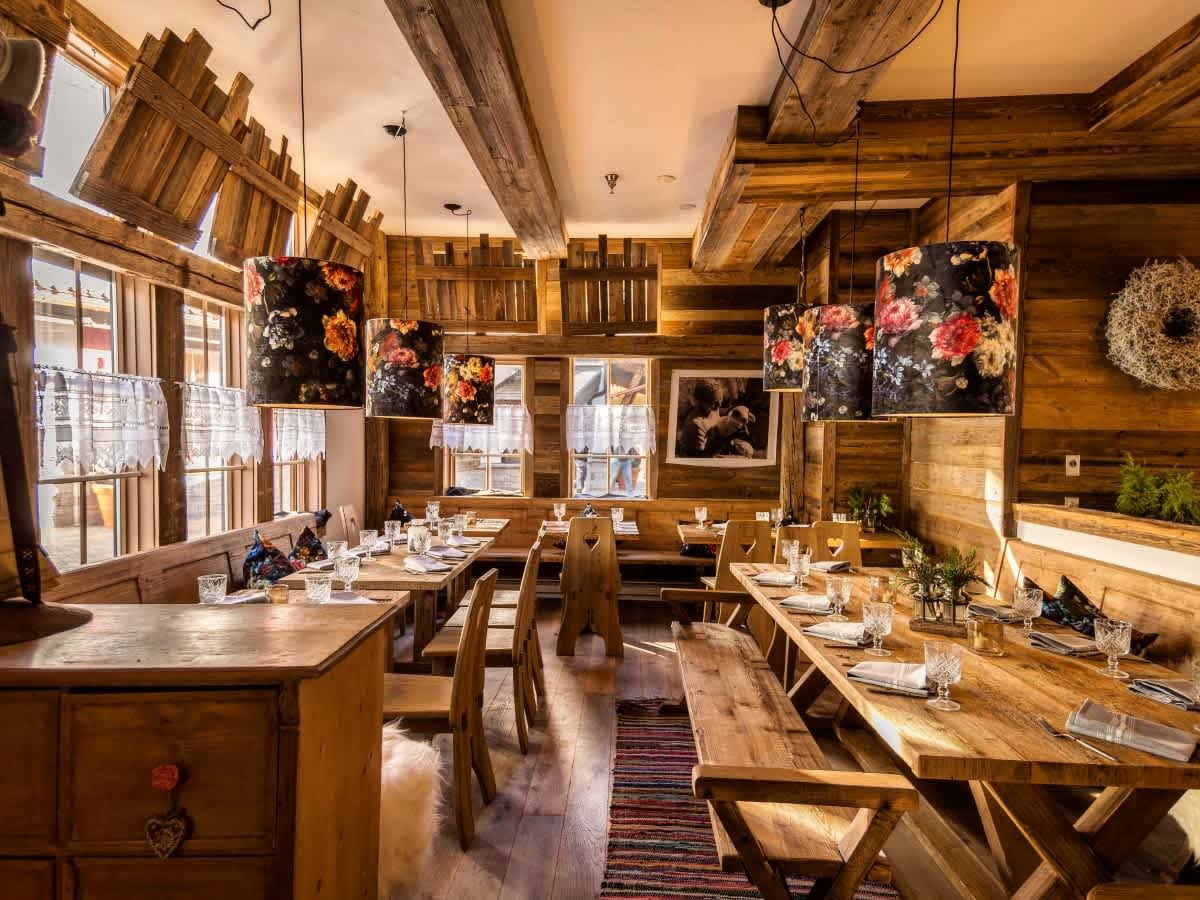
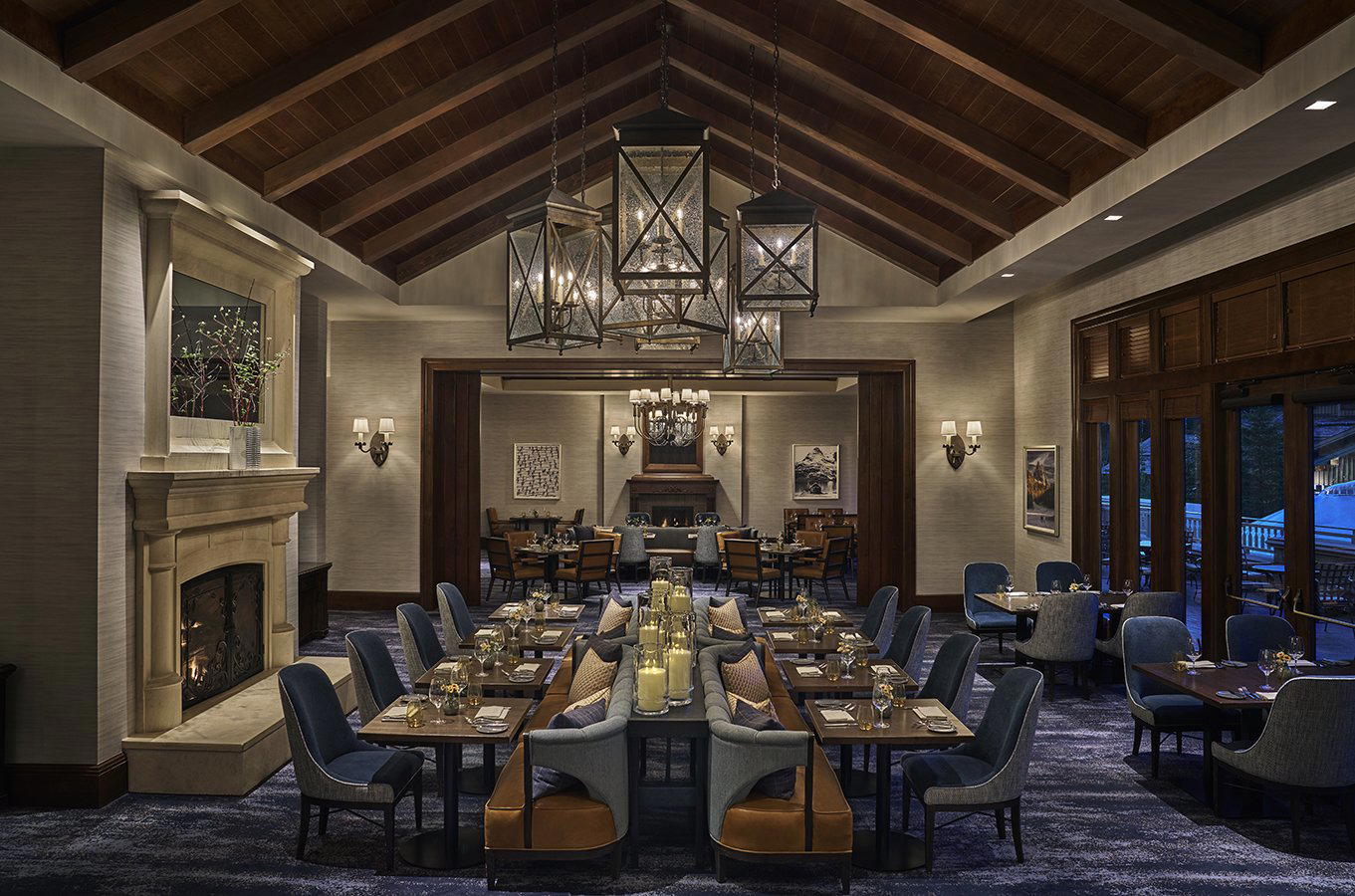
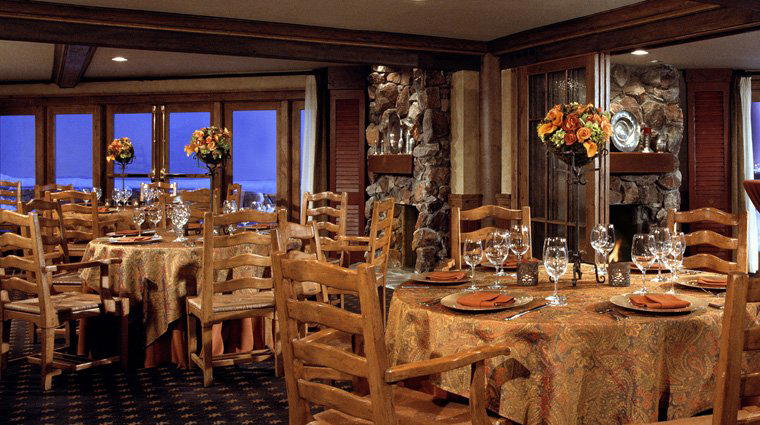
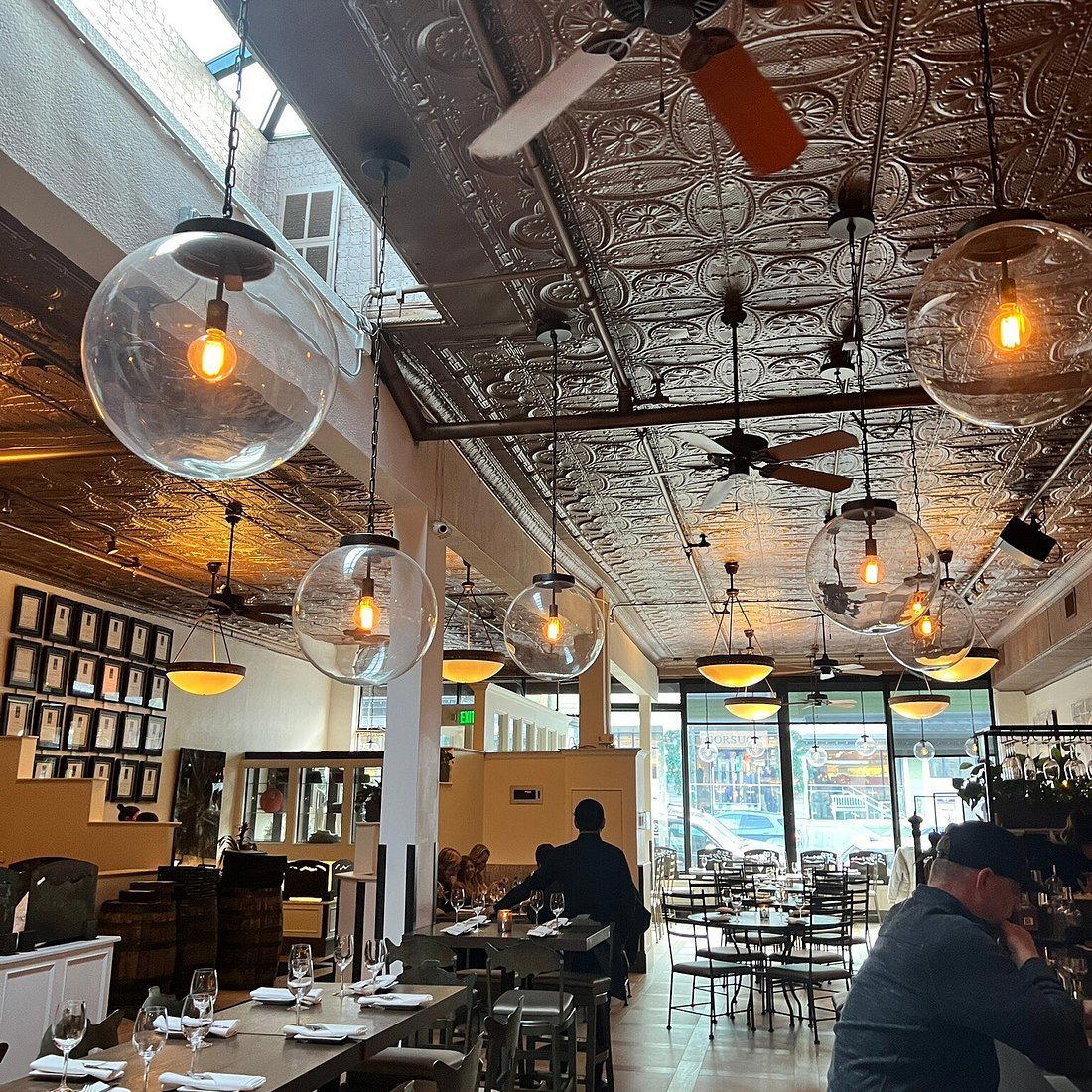
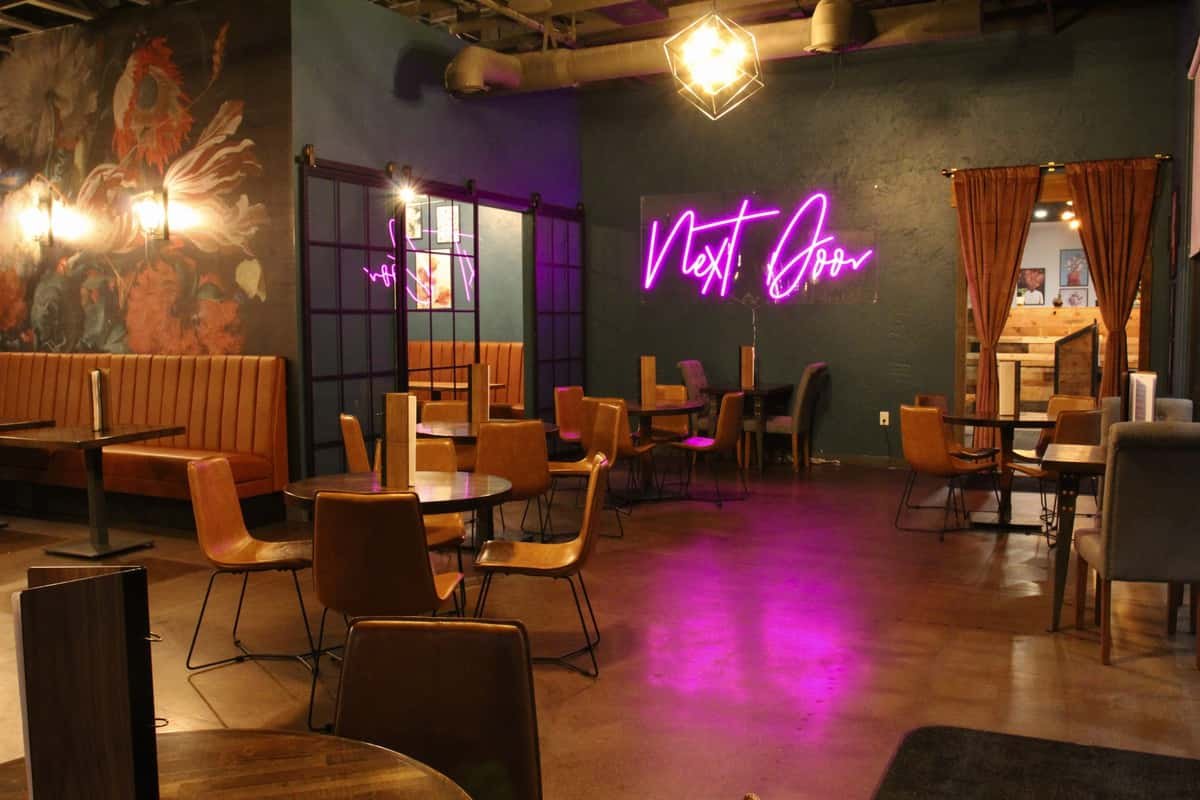
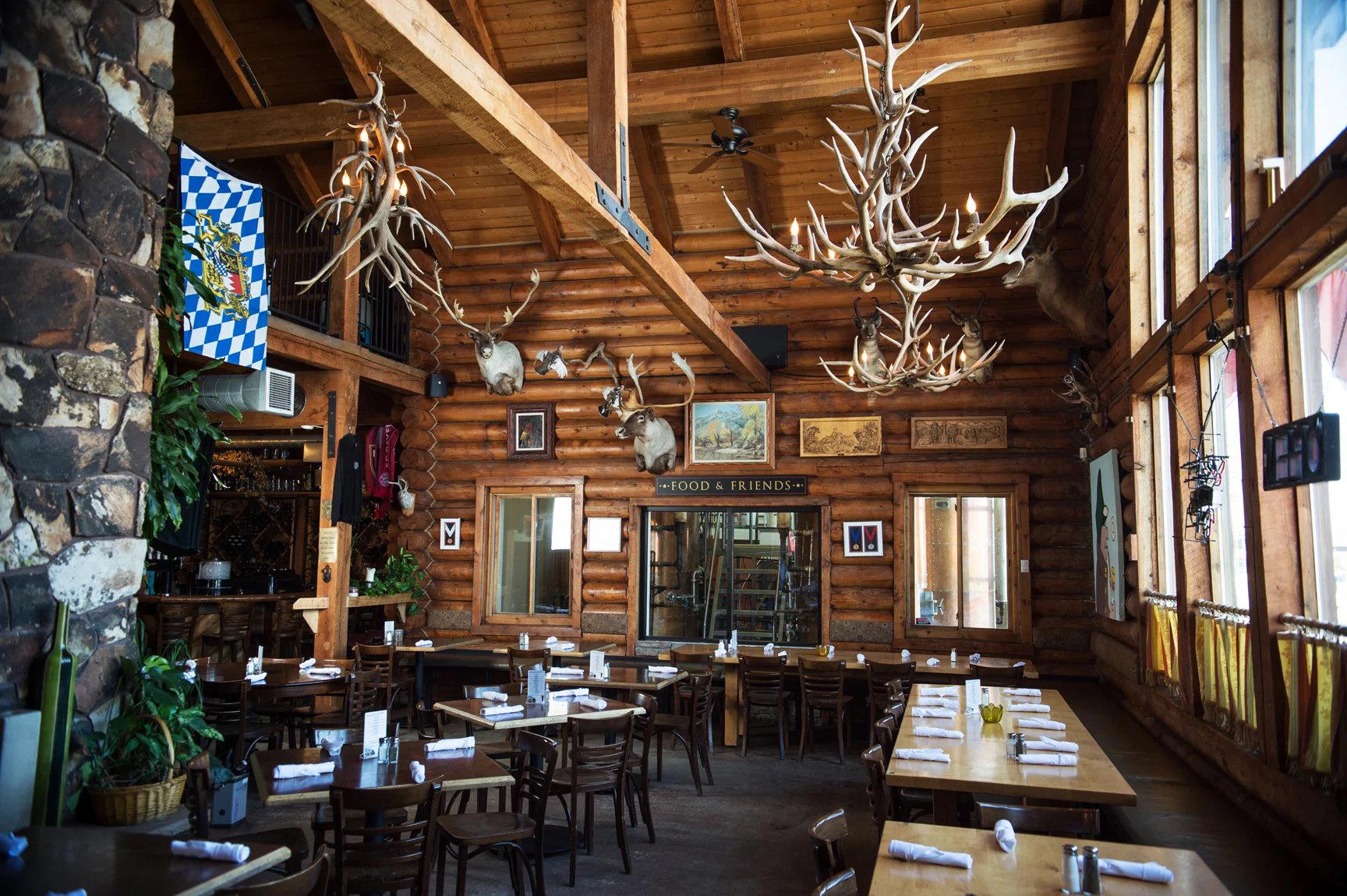
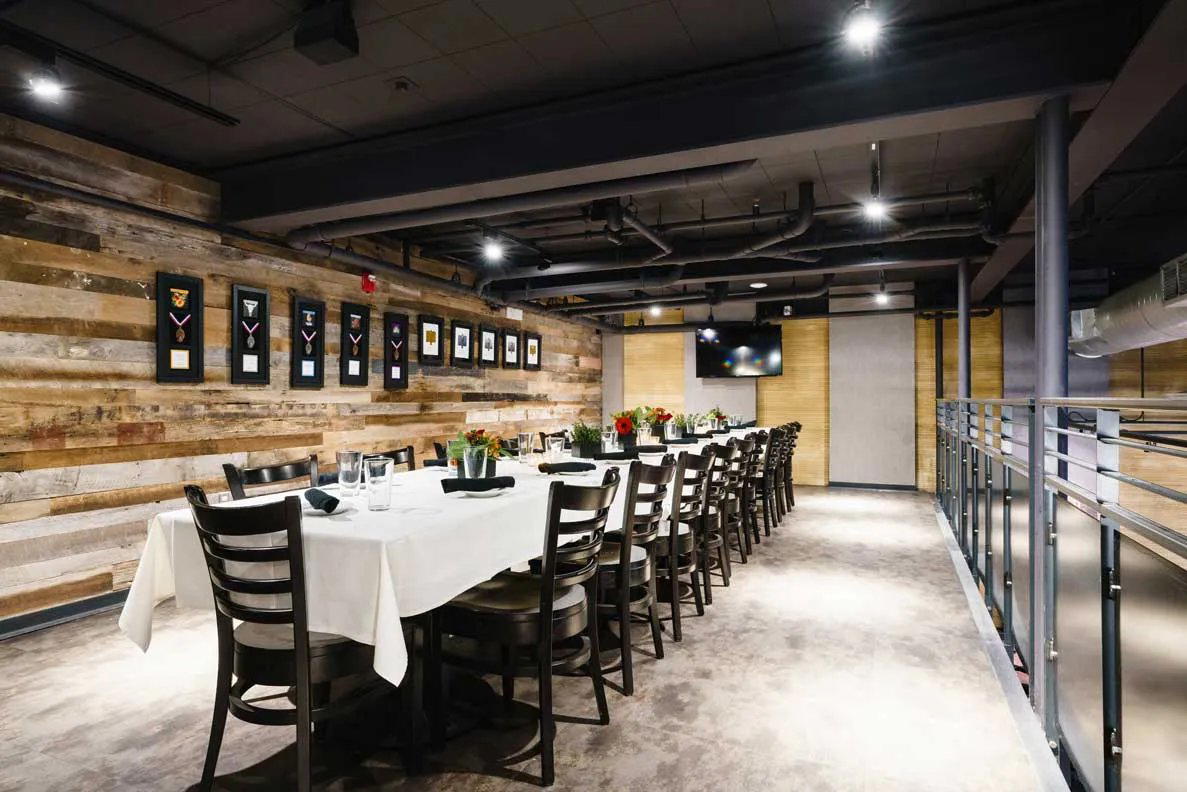
Casual and energetic dining environment with table-top grills creating an interactive, social atmosphere typical of Korean BBQ restaurants.