Kopper Kitchen
On Central Avenue in St. Petersburg's mid-city corridor, Kopper Kitchen occupies a position worth paying attention to. The restaurant sits in a stretch of the city that has drawn increasingly serious dining concepts, where menu architecture and neighbourhood context together define the room's character. For visitors mapping St. Petersburg's restaurant scene, it belongs on the itinerary alongside the corridor's more established names.
Pearl is the En Primeur Club membership app — saves, bookings, and concierge access live there. Same editors, same standards.
- Address
- 5562 Central Ave #1, St. Petersburg, FL 33707
- Phone
- +17273456339
- Website
- kopperkitchenfl.com
- Directions
- Get directions
 Saves & bookings on Pearl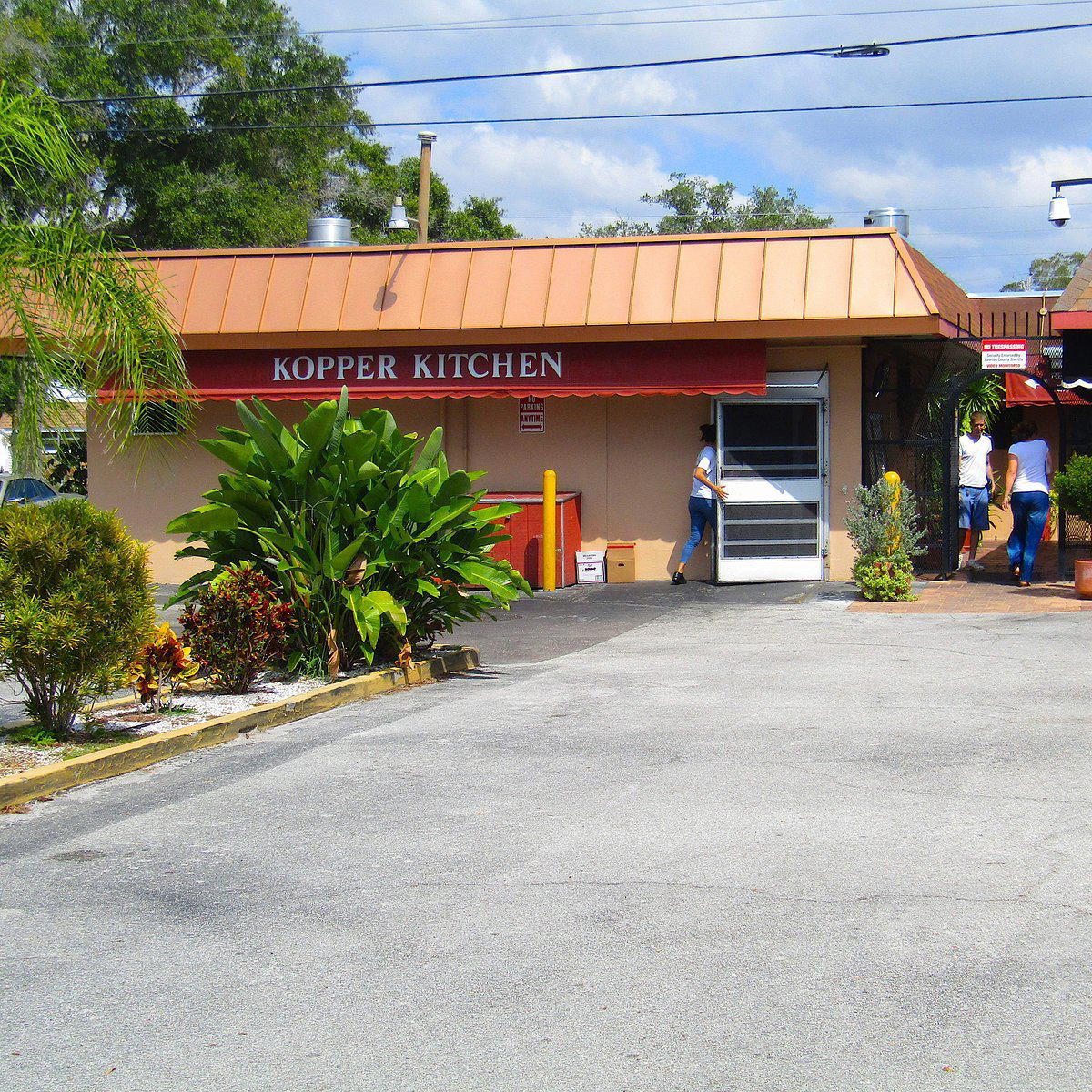
Central Avenue and the Case for Mid-City Dining
St. Petersburg's dining identity has long been anchored around the waterfront and the downtown core, but the stretch of Central Avenue running through the 33707 zip code tells a different story about where the city's appetite is actually shifting. This is a corridor where independent operators have quietly accumulated, drawn by lower overheads and a neighbourhood clientele that eats out regularly rather than occasionally. Kopper Kitchen, at 5562 Central Ave, sits inside that pattern: a mid-city address that positions it away from the tourist-facing blocks near the Pier and closer to the kind of regulars who notice when a kitchen is paying attention.
Florida's Gulf Coast dining scene has matured considerably over the past decade. Tampa Bay, taken as a whole, now supports a range of serious independent restaurants running from the tasting-menu tier occupied by places like Allelo down through neighbourhood bistros and casual counters. What distinguishes the middle of that range is usually menu discipline: the ability to do a focused set of things well rather than chasing trend-driven breadth. That discipline, when present, tends to show up in how a menu is structured before it shows up in any individual dish.
Reading the Menu Architecture
One reliable signal of a kitchen's priorities is not what it puts on the menu but how it organises what it offers. A menu built around a clear culinary logic, where sections flow from light to rich, or where proteins and accompaniments are structured to reward combination rather than isolated ordering, reflects a kitchen that has thought about the meal as a sequence rather than a catalogue of options. Across St. Petersburg's mid-range independent tier, that kind of structural thinking is still relatively rare. Most menus in this price bracket are additive, expanding outward with each season until the throughline gets lost.
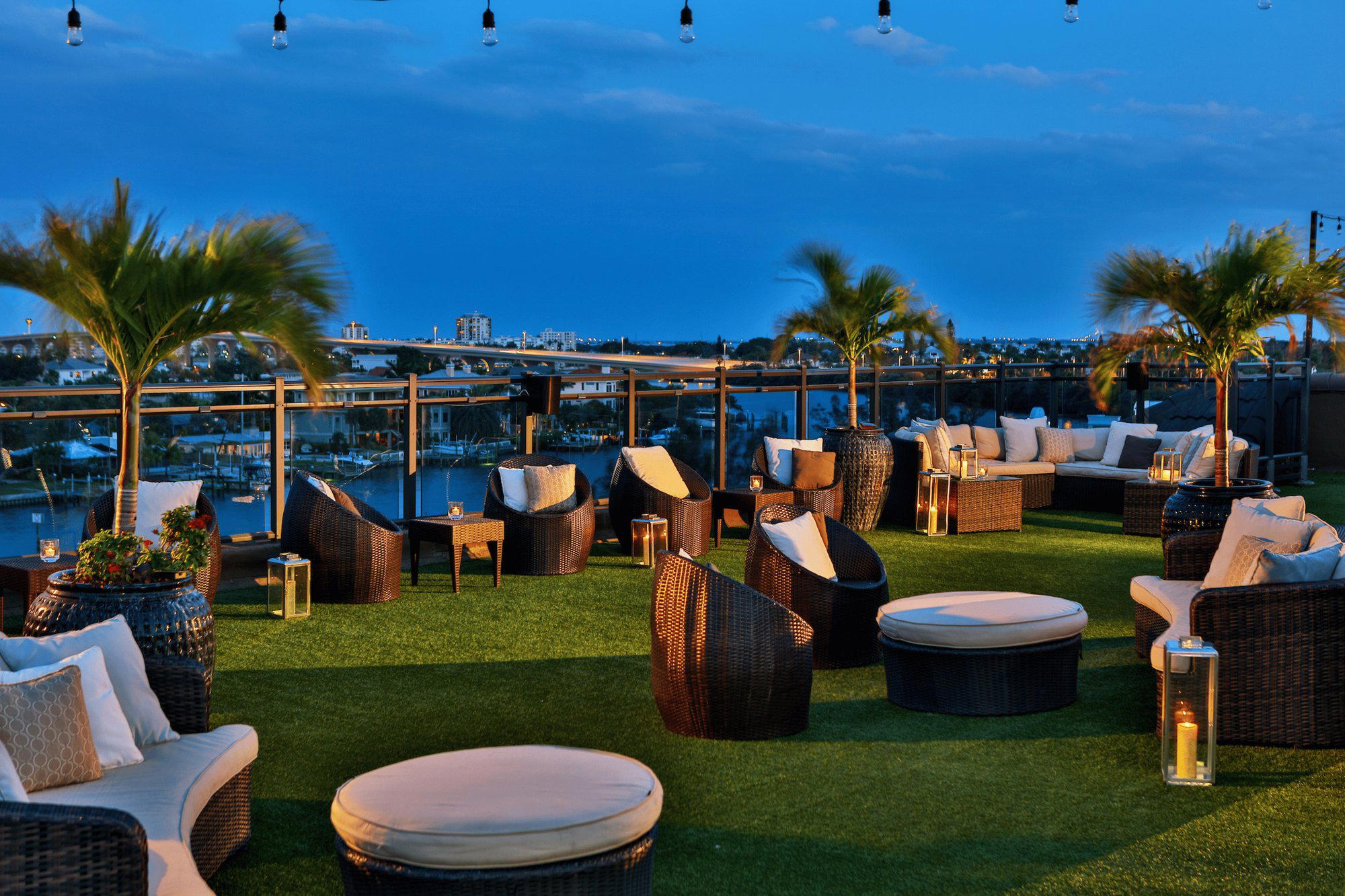
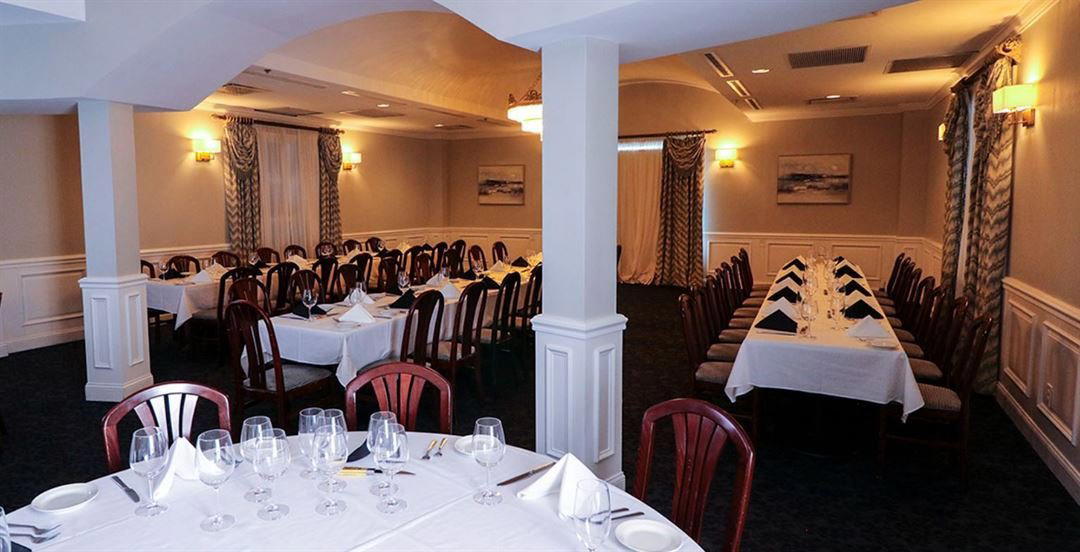
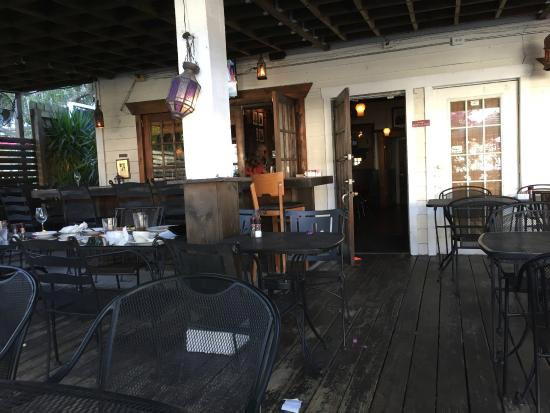
At Kopper Kitchen, the Central Avenue address alone places it in a specific competitive context. The immediate neighbours in that corridor skew toward casual and fast-casual formats, which means a sit-down kitchen with genuine culinary ambition reads differently here than it would in a denser dining district. The physical environment of the space, consistent with the building's commercial strip character, strips away the designed theatrics that dominate downtown openings. What remains has to be carried by the plate.
That environment connects to a broader trend visible across mid-sized American cities: as downtown cores become more expensive and more scenographic, a cohort of serious independent kitchens has relocated or opened in adjacent neighbourhoods where the overhead pressure is lower and the clientele more consistent. In St. Petersburg specifically, this pressure has been shaping restaurant geography since the city's downtown development accelerated post-2015. Kopper Kitchen's Central Ave position is consistent with that geography.
The St. Petersburg Context: A Scene Worth Mapping
St. Petersburg in 2024 has more serious dining options per capita than its reputation outside Florida suggests. The waterfront blocks contain a mix of tourist-facing casual formats and a handful of genuinely committed kitchens. The inner corridors, Central Avenue in particular, are where independent operators have been able to build without competing directly on the price-point and footfall logic of the waterfront strip.
Within the city's Italian-adjacent and neighbourhood bistro segment, Bavaro's Pizza Napoletana and Pastaria and Beau and Mo's Italian Steakhouse represent the more established anchors. At the wine-led end of the mid-market, bin6south and Birch and Vine have cultivated regulars who treat the list as a primary draw. Kopper Kitchen, relative to these, occupies a position that rewards visitors who have already worked through the obvious anchors and are looking for what the corridor beyond downtown is producing.
American Independent Dining: The Wider Frame
Placing a Central Avenue kitchen in a national context requires some care, but the structural questions it raises are shared across the country. The kitchens that have defined American independent dining at its most rigorous, from Lazy Bear in San Francisco and Alinea in Chicago to The French Laundry in Napa and Blue Hill at Stone Barns in Tarrytown, have each solved the same fundamental problem: how to give a menu a point of view that holds across seasons and price points. That question scales down as readily as it scales up. A neighbourhood kitchen on Central Avenue in St. Pete is solving a version of the same problem with different tools and a different margin structure.
The comparison is instructive rather than aspirational. Restaurants like Single Thread Farm in Healdsburg, Providence in Los Angeles, or Addison in San Diego operate in a different capital tier, but the editorial principle is the same: menu architecture as the primary signal of a kitchen's intelligence. At the formal end, places like Le Bernardin in New York City, The Inn at Little Washington, or Atomix in New York City demonstrate how far that logic can be pushed with sufficient investment and ambition. The independent mid-market in cities like St. Petersburg is the base of a much larger structure, and understanding it requires the same critical attention.
For Gulf Coast dining specifically, the relevant comparison set also includes New Orleans, where Emeril's helped establish that serious cooking and regional identity are not mutually exclusive. That lesson has filtered down to mid-market kitchens across the Gulf over two decades. And internationally, the structural rigour visible in operations like 8 1/2 Otto e Mezzo Bombana in Hong Kong points to how disciplined menu thinking travels across formats and price tiers.
Planning Your Visit
The restaurant is located at 5562 Central Ave, suite 1, in the 33707 corridor of St. Petersburg, which places it west of the downtown core and accessible by car or rideshare from the waterfront hotels in roughly ten to fifteen minutes depending on traffic. The Central Avenue corridor is a linear strip leading approached with a clear destination, and the suite designation suggests a multi-unit building rather than a standalone storefront. The restaurant is open daily from 7 AM to 3 PM. It is walk-in friendly, and the casual setting suits breakfast and lunch visits.
Reputation First
Comparable venues nearby, for context on price, style, and recognition.
| Venue | Cuisine | Price | Notes |
|---|---|---|---|
| Kopper KitchenThis venue — the venue you are viewing | Classic American Diner | $ | Not listed |
| Skyway Jack's | American Diner | $ | Skyway Marine District |
| Sesh St. Pete | Horror-Themed American Brewpub | $$ | Old Northeast |
| LALA St. Pete | Modern American with French and Mediterranean Influences | $$$ | Grand Central District |
| House of Mama D's | BBQ & Seafood | $ | Not listed |
| Stillwaters Tavern | American Scratch Kitchen with Low-Country & Asian Influences | $$ | Downtown St. Petersburg / Beach Drive |
Continue exploring
More in St Petersburg
Restaurants in St Petersburg
Browse all →
Bars in St Petersburg
Browse all →
At a Glance
- Cozy
- Classic
- Casual Hangout
- Family
- Brunch
- Historic Building
Current opening hours
- Monday
- 7 AM–3 PM
- Tuesday
- 7 AM–3 PM
- Wednesday
- 7 AM–3 PM
- Thursday
- 7 AM–3 PM
- Friday
- 7 AM–3 PM
- Saturday
- 7 AM–3 PM
- Sunday
- 7 AM–3 PM
Hours can change for holidays and private events. Last verified .