Konoha
Konoha occupies a residential address in Brno's Žabovřesky district, placing it at some remove from the city centre dining cluster. The name, drawn from Japanese for 'leaf' or associated with forested calm, signals an aesthetic orientation that sits apart from the mainstream Czech restaurant scene. For Brno diners tracking the city's quieter, neighbourhood-rooted addresses, it belongs on the itinerary alongside the city's more prominent options.
Pearl is the En Primeur Club membership app — saves, bookings, and concierge access live there. Same editors, same standards.
- Address
- Marie Steyskalové 175/7, 616 00 Brno-Žabovřesky, Czechia
- Phone
- +420776701626
- Website
- konoha-sushi.cz
- Directions
- Get directions
 Saves & bookings on Pearl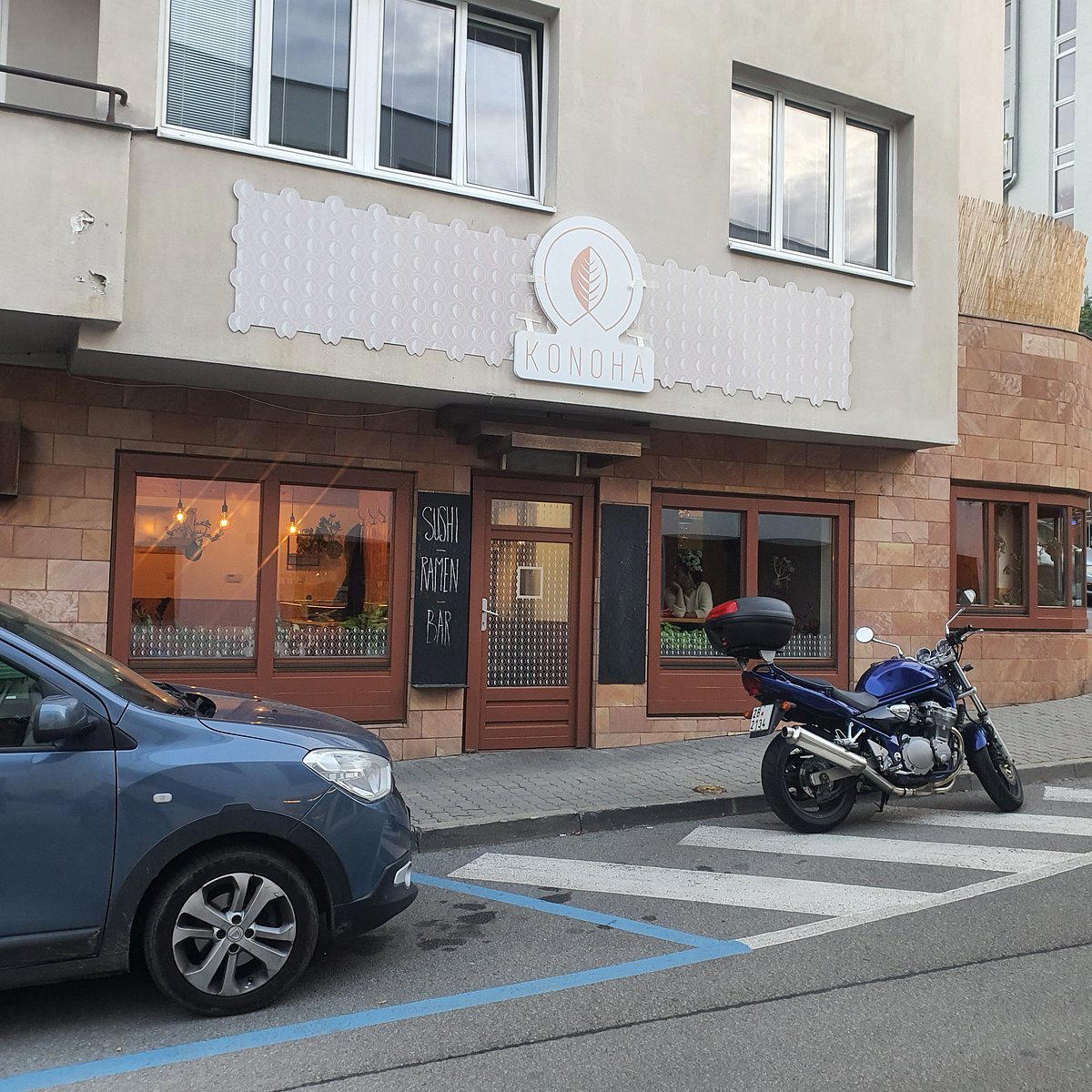
Žabovřesky and the Case for Neighbourhood Dining in Brno
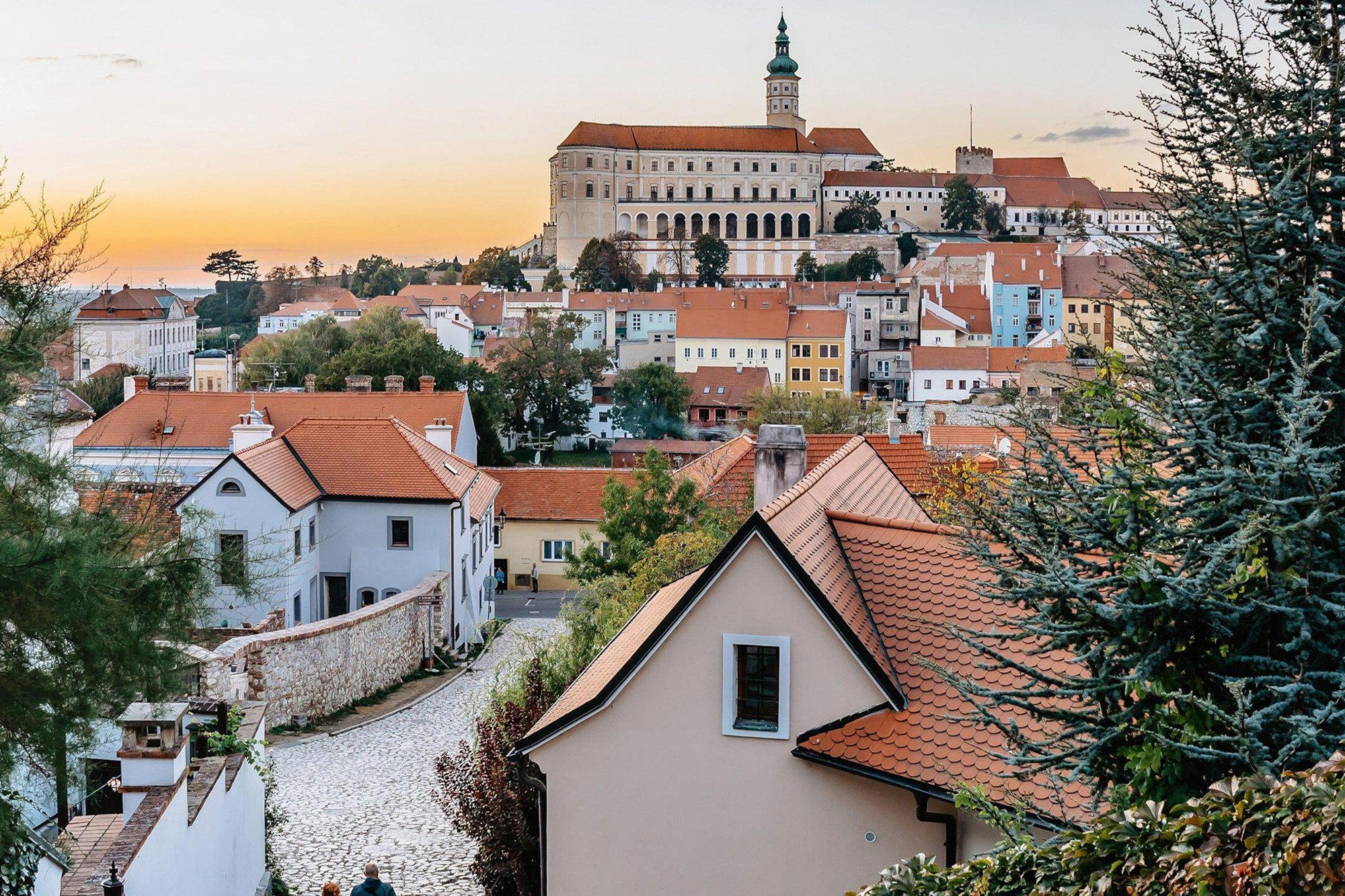
Brno's restaurant conversation tends to anchor itself in the centre, around Náměstí Svobody and the streets threading toward Špilberk. That concentration reflects the city's compact hospitality geography, but it misses a counter-pattern that has been developing in residential districts further out. Žabovřesky, on the city's western edge, is a neighbourhood of interwar villas and quieter streets that has attracted a small number of independent dining addresses with little interest in tourist-facing positioning. Konoha, at Marie Steyskalové 175/7, belongs to that pattern. It is a modern Japanese sushi and omakase restaurant in Brno, with a price point of about $20 per person. Its location in a residential block signals, before you have even looked at the menu, that the primary audience is local, a meaningful distinction in a mid-sized Central European city where the line between neighbourhood institution and tourist-circuit stopover shapes almost everything about the cooking register, the pricing logic, and the noise level inside.
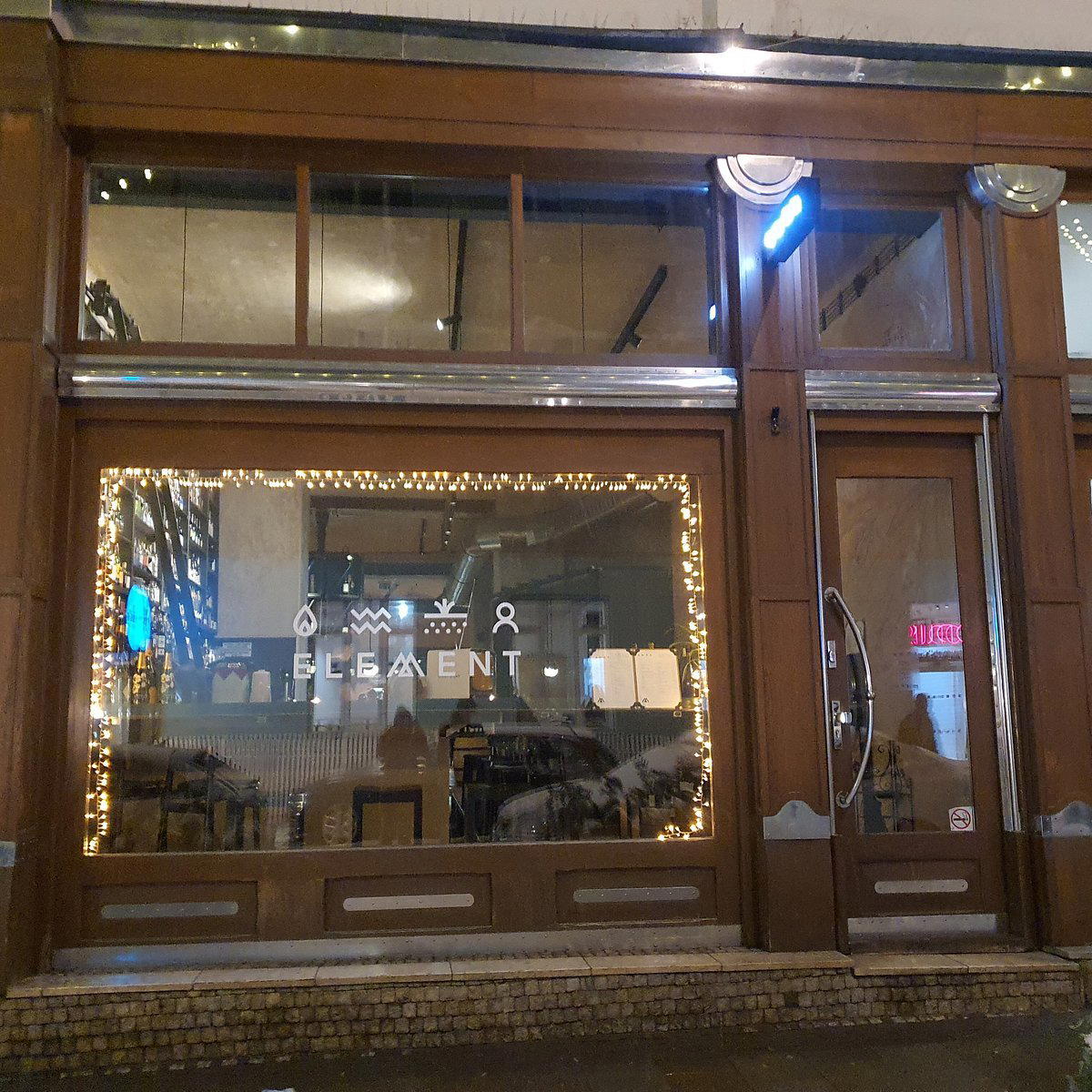
That geographic framing matters because Brno's dining scene is still building its identity relative to Prague. The capital carries the weight of Czech fine dining recognition, La Degustation Bohême Bourgeoise in Prague holds Michelin stars and anchors the high-end national narrative, while Brno operates with less international visibility but a stronger sense of local independence. Venues like ATELIER bar & bistro, Borgo Agnese, and ELEMENT occupy the more visible end of that local scene. Konoha's residential placement puts it in a different register entirely.
The Japanese Reference in a Czech City
The name Konoha carries Japanese cultural weight, most directly, it translates to 'leaf' and is associated with forest imagery and a quality of calm attention. In the context of Central European restaurant naming, that choice is deliberate positioning. It signals an orientation toward Japanese aesthetic principles: restraint, material focus, a preference for the uncluttered. Whether the menu follows through on that signal is a question the venue's own data would need to answer, and the specifics are not available here. What the name does establish is a particular strand of the broader European interest in Japanese culinary culture that has moved well beyond sushi bars into a more diffuse design and philosophy influence on independent restaurants across the continent.
That influence has reached the Czech Republic. Gokana Japanese restaurant in Ostrava represents one expression of it in a comparable Moravian city; Atomix in New York City and Le Bernardin in New York City illustrate, at the far end of the spectrum, how Japanese technique and European fine dining can converge at the highest level of ambition. Konoha's reference frame is almost certainly more modest in scale, but the aesthetic lineage it invokes connects to a serious and well-developed culinary tradition rather than to trend-chasing.
Across the Czech Republic, this kind of cultural cross-referencing appears in varied formats. Hello Vietnam in Karlovy Vary shows how Asian culinary references settle into regional Czech cities with local adaptations, while Emperor Square in Prague 1 demonstrates the capital's appetite for Asian-influenced formats at a more polished price point. Konoha appears to occupy the neighbourhood, independent end of that same spectrum, closer in character to the everyday institution than to the showcase address.
Reading the Address: What Žabovřesky Tells You
A restaurant at a residential address in Žabovřesky is not trying to intercept visitors walking between the cathedral and the covered market. The local dining circuit in this part of Brno runs on repeat custom, word-of-mouth within residential communities, and a kind of trust built through consistency over time rather than through coverage. That dynamic produces a specific type of venue: one that tends toward reliability and local calibration over spectacle. The format is almost always smaller in scale than centre-city comparators, and the booking logic typically rewards regulars and those who plan ahead over walk-in spontaneity.
For context on what this kind of neighbourhood positioning looks like elsewhere in the Czech dining scene, Bylo, nebylo in Liberec and U Lípy in Hrensko both operate with similarly low profiles in their respective cities. BRATRS and Danu.B Restaurant represent the more visible, centrally positioned end of Brno's current dining conversation for comparison.
Konoha in the Wider Brno Frame
Brno's food scene has developed along two reasonably distinct tracks over the past decade. The first is a polished urban restaurant culture concentrated in the centre, oriented toward international visitors and a professional local demographic that follows European dining trends closely. The second is a quieter neighbourhood-restaurant culture in residential districts, where the emphasis falls on consistent quality, local sourcing where available, and a regulars-first approach to hospitality. Konoha's address places it firmly in the second track.
That positioning has advantages and limits. The advantages include a less performance-driven environment, lower baseline noise, and a kitchen that answers primarily to its own neighbourhood audience rather than to an algorithm of online reviews and influencer visits. The limits include lower discoverability, a venue at this address will not surface easily for visitors arriving without a specific recommendation, and, typically, less investment in the digital infrastructure (online booking, current menus, social presence) that drives discovery in the first category.
Beyond Brno, the Moravian wine country connection is worth noting: Vinařství Gurdau in Kurdejov represents the kind of regional wine producer whose bottles increasingly appear on independent Brno restaurant lists, while addresses like La Chica in Plzen, Restaurace Dr. Grill in Havirov, and ARRIGŌ in Děčín illustrate how independent restaurants in Czech regional cities outside Prague share a common character, local loyalty, modest visibility, genuine specificity.
Planning a Visit
Direct outreach before visiting is advisable. The residential address in Žabovřesky is reachable by tram from the city centre. Reservations are recommended.
Cost Snapshot
Comparable venues nearby, for context on price, style, and recognition.
| Venue | Cuisine | Price | Awards | Notes |
|---|---|---|---|---|
| KonohaThis venue — the venue you are viewing | Not listed | $$ | Not listed | Not listed |
| Hatsu restaurant | Brno-střed, Japanese-Korean Fusion | $$ | Not listed | Not listed |
| U Starýho Billa - pravý TEXAS steakhouse | Brno, Texas Steakhouse with Tex-Mex | $$$ | Not listed | Not listed |
| Danu.B Restaurant | Not listed | $$$ | Not listed | historic center, Modern Central European & Danubian |
| Borgo Agnese | Brno-Střed, Contemporary Mediterranean | $$$$ | Michelin Plate | Not listed |
| PRIME STEAK | Královo Pole, Steakhouse | $$$$ | Michelin Plate | Not listed |
Continue exploring
More in Brno
Restaurants in Brno
Browse all →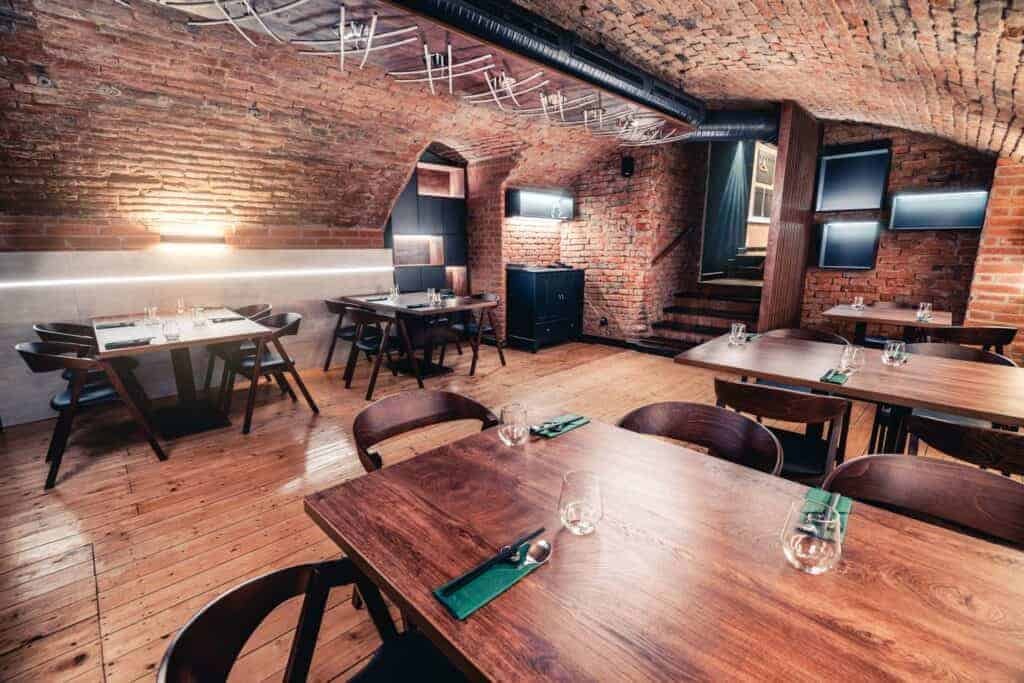

At a Glance
- Cozy
- Intimate
- Date Night
- Casual Hangout
- Group Dining
- Special Occasion
- Open Kitchen
- Standalone
- Beer Program
- Sustainable Seafood
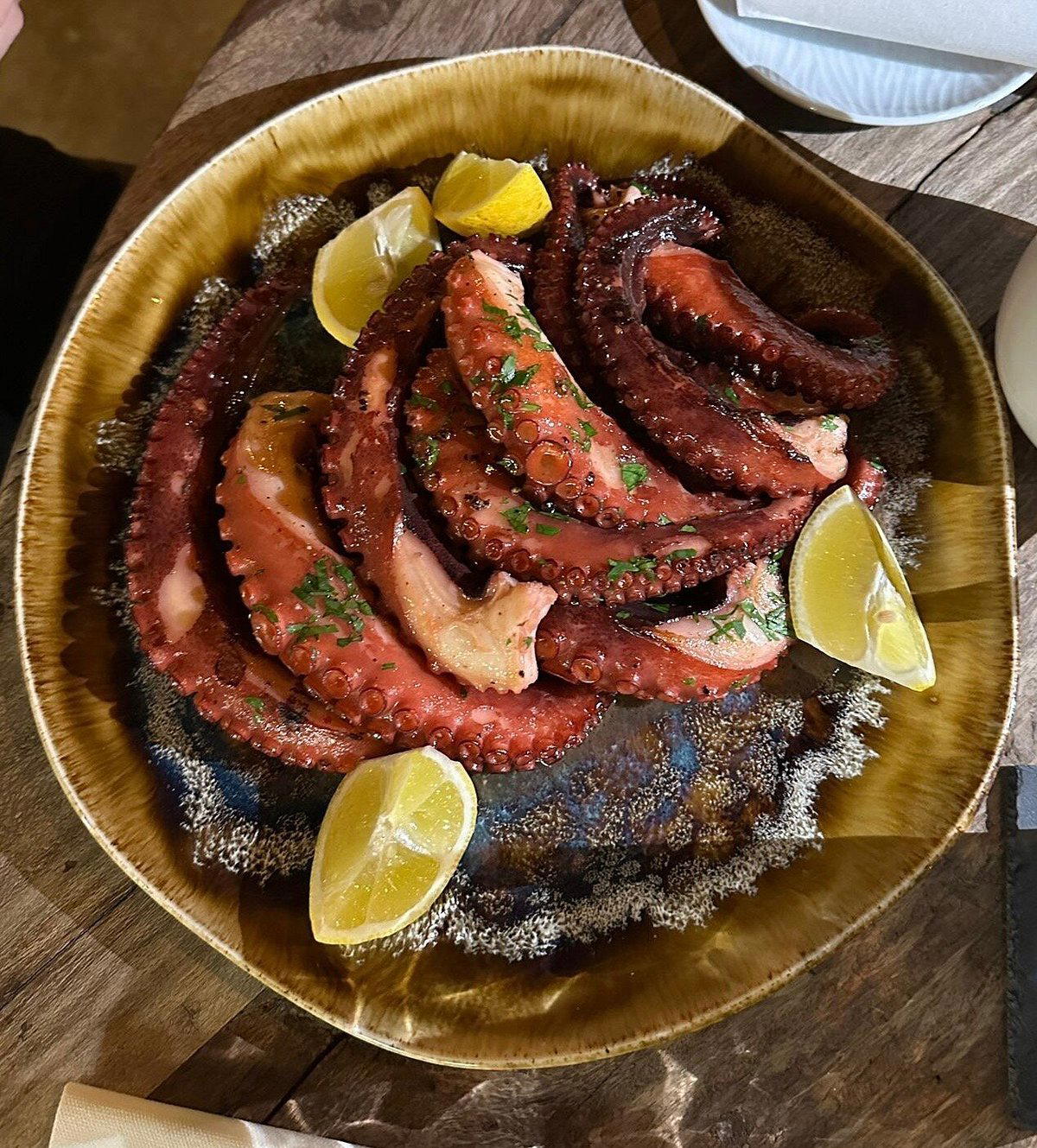
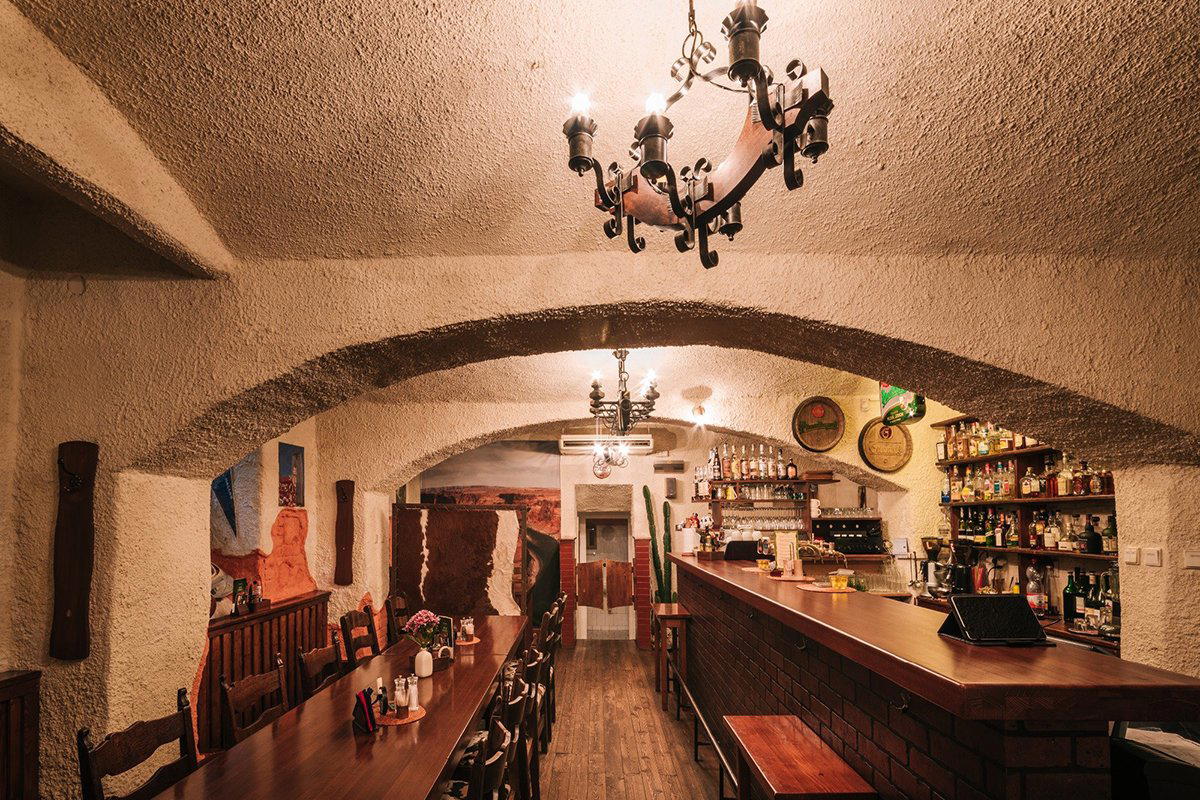
Cozy and friendly atmosphere with a slight fish aroma that becomes unnoticeable; professional and welcoming service from passionate chefs.