Hatsu restaurant
Hatsu sits on Údolní in Brno's Střed district, a street that has quietly become one of the city's more considered dining addresses. The restaurant's name, Japanese for 'first' or 'beginning', signals an orientation toward fresh starts and deliberate choices, a framing that aligns with Brno's broader shift toward ingredient-conscious cooking. For visitors working through the city's dining options, it belongs on the same shortlist as the neighbourhood's other focused independents.
Pearl is the En Primeur Club membership app — saves, bookings, and concierge access live there. Same editors, same standards.
- Address
- Údolní 567/33, 602 00 Brno-střed, Czechia
- Phone
- +420770663088
- Website
- hatsurestaurant.cz
- Directions
- Get directions
 Saves & bookings on Pearl
Údolní Street and the Shift in Brno's Dining Expectations
Brno has spent the better part of a decade building a dining identity distinct from Prague's, smaller in scale, less tourist-dependent, and increasingly driven by operators who have chosen the city deliberately rather than defaulted to the capital. Údolní, the long street that runs through Brno-střed toward the Svratka river valley, reflects that trajectory as well as any address in the city. It is not a restaurant row in the conventional sense; the venues along it are spread out, each operating within its own register, and the audience skews local. Hatsu restaurant, at number 33, is a Japanese-Korean Fusion restaurant in Brno-střed, Czechia, sitting inside that context.
The name itself carries a signal. Hatsu is a Japanese word meaning 'first' or 'beginning,' and in a city where a handful of restaurants have staked out positions around intentionality, around the question of where things come from and why that matters, the framing is pointed. Brno's more considered independent restaurants tend not to announce themselves with grand gestures. The architecture of the street does the framing for them: older residential buildings, a pace of foot traffic that is unhurried, a neighbourhood that functions as a neighbourhood rather than a destination strip.
Ingredient Provenance as Editorial Position
Across Central Europe, one consequential shift in restaurant culture over the past fifteen years has not been stylistic but sourcing-based. The question of where produce, protein, and fermented goods come from has moved from the margins of fine dining into the mainstream of mid-market and neighbourhood cooking. Czech restaurants operating in this mode tend to work inside a specific geographic logic: Moravian wine country to the south and east, small-scale vegetable growers in the surrounding lowlands, and a reviving tradition of Czech charcuterie and dairy that had been flattened by industrial production through the late communist and early post-1989 periods.
Hatsu's placement on Údolní puts it within Brno's cluster of restaurants that take that question seriously. The city is close enough to the Moravian wine regions that provenance-led menus have a supply chain to draw on. That proximity matters: it allows kitchens to build relationships with producers rather than relying on wholesale intermediaries, and it allows the menu to move with the season rather than against it.
This is the model that distinguishes Brno's more serious independents from the city's broader restaurant market. Venues like ELEMENT and Borgo Agnese have each staked out positions around sourcing discipline; ATELIER bar & bistro operates in a similar register of focused, considered service. Hatsu sits inside that cohort rather than apart from it.
How Brno Compares to the Czech Dining Scene More Broadly
The national reference point for Czech ingredient-led fine dining remains Prague, where La Degustation Bohême Bourgeoise has held Michelin recognition and demonstrated that Central European culinary tradition can sustain a technically rigorous format. Emperor Square in Prague 1 operates in a different register but represents the capital's continued investment in premium dining formats. Brno's position is not to replicate Prague's ambition at a smaller scale; it is to develop a distinct dining character rooted in Moravian identity, shorter supply chains, and a local audience with increasingly sophisticated expectations.
Outside the Czech Republic, the regional comparisons are instructive. Bylo, nebylo in Liberec and U Lípy in Hrensko both represent the model of regionally rooted Czech cooking outside the two main cities. Internationally, the gap between a neighbourhood-scale operation like Hatsu and a technically benchmarked institution like Le Bernardin in New York City or Atomix in New York City is obvious, but the more useful comparison is intent: what is the kitchen trying to do, and is it doing it with consistency and honesty? In Brno's independent sector, that question tends to produce more interesting answers than comparisons to major metropolitan fine dining.
The Atmosphere and What to Expect on Arrival
Approaching Hatsu from the tram stops along Údolní, the street's character sets expectations before you reach the door. This is not a venue positioned around spectacle. The dining environment on a street like this one tends toward the considered and the quiet: rooms where the cooking is the event, not the surroundings. That register suits an operator whose name suggests intention over extravagance.
For practical orientation: Hatsu is located at Údolní 567/33 in Brno-střed. Booking in advance is advisable for evening seatings; Brno's better independents tend to fill midweek as well as on weekends, particularly now that the city's domestic food press has begun covering the Střed district more consistently.
Wider Czech Dining Context for the Curious Visitor
Visitors who plan to eat well across the Czech Republic will find that the country's dining range extends well beyond Prague and Brno. Hello Vietnam in Karlovy Vary represents the kind of specialist immigrant-cuisine operation that has filled gaps in regional Czech dining. Gokana Japanese restaurant in Ostrava signals the same appetite for specific, non-Central-European formats in second-tier Czech cities. La Chica in Plzen and Restaurace Dr. Grill in Havirov fill out a picture of Czech regional dining that is more varied than Prague-focused coverage typically suggests. ARRIGŌ in Děčín is worth noting for visitors moving through northern Bohemia. For a full picture of what Brno's dining scene currently offers, EP Club's full Brno restaurants guide maps the city's independent sector in more detail.
- Wakame Salad
- Kimchi jjigae pork
- Haemultang
- Ojingeo Bokkeum
- Bossam
- Bulgogi
Comparable Spots, Quickly
Comparable venues nearby, for context on price, style, and recognition.
| Venue | Cuisine | Price | Awards | Notes |
|---|---|---|---|---|
| Hatsu restaurantThis venue — the venue you are viewing | Japanese-Korean Fusion | $$ | Not listed | Not listed |
| Konoha | Modern Japanese Sushi & Omakase | $$ | Not listed | Žabovřesky |
| BRATRS | Modern Fusion Bistro | $$ | Not listed | Bystrc |
| ELEMENT | Modern European Fusion | $$$ | Michelin Plate | city center |
| Borgo Agnese | Contemporary Mediterranean | $$$$ | Michelin Plate | Brno-Střed |
| Pavillon Steak House | New York-Style Steakhouse | $$$$ | Michelin Plate | city centre |
Continue exploring
More in Brno
Restaurants in Brno
Browse all →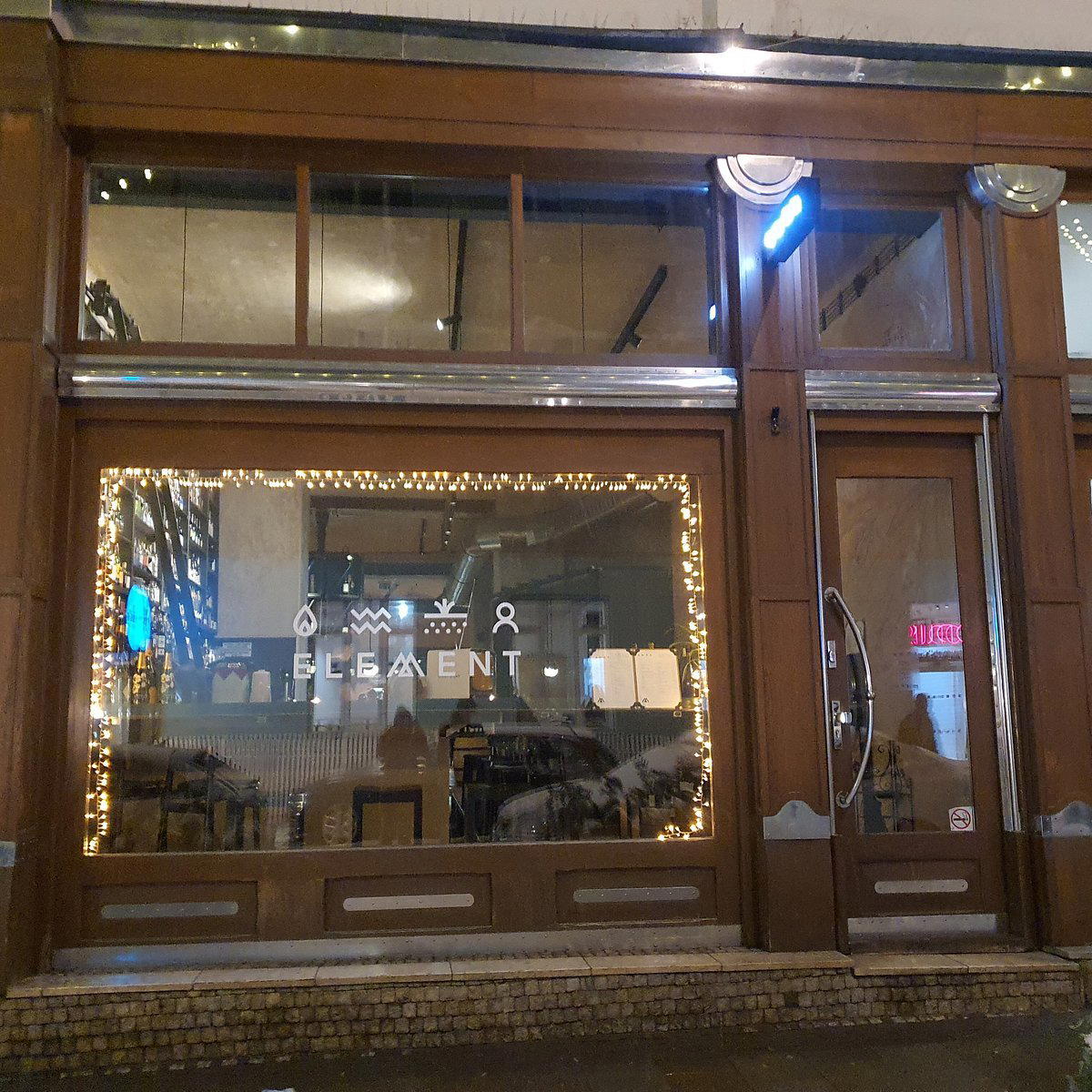

At a Glance
- Modern
- Cozy
- Date Night
- Casual Hangout
- Standalone
- Sake Program
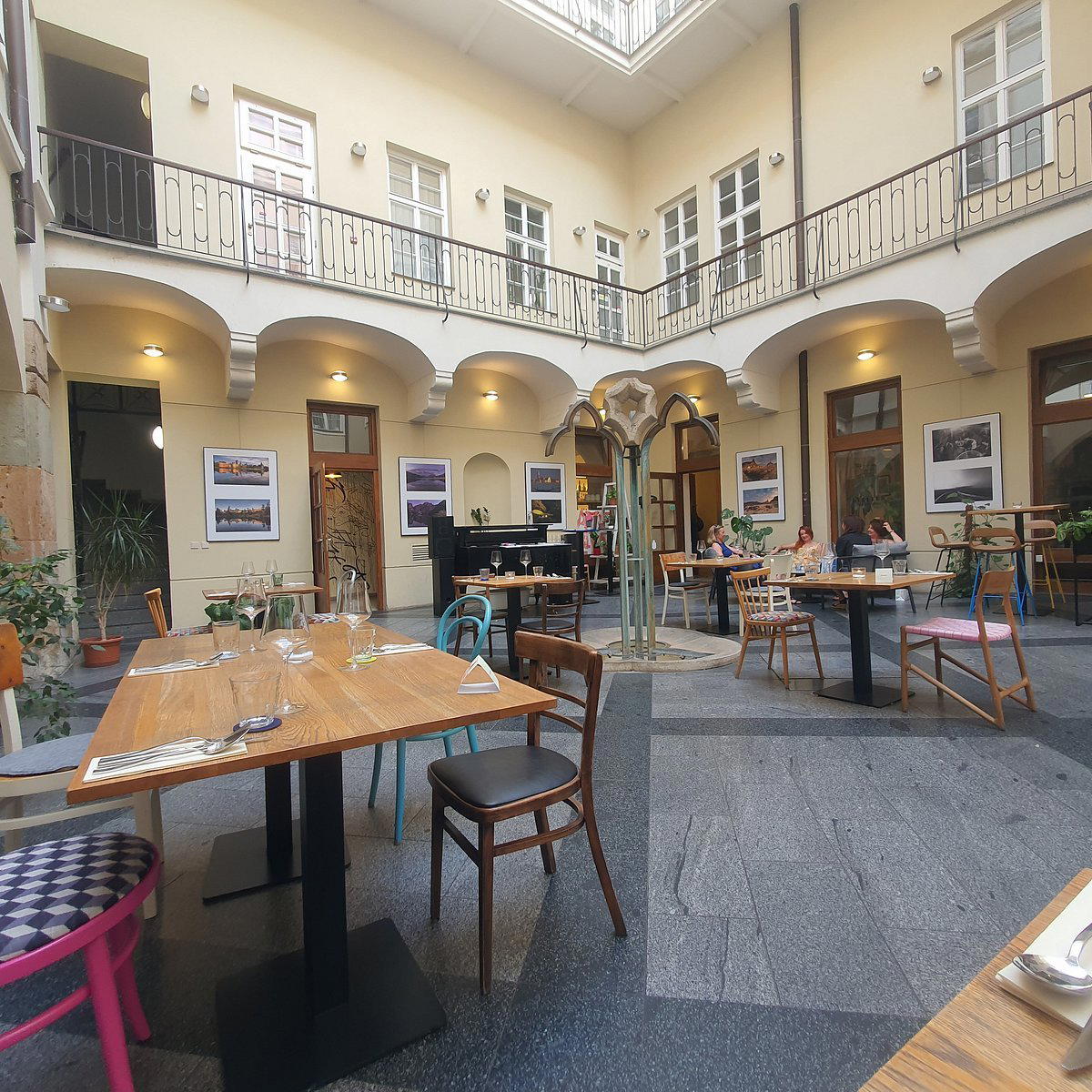
Modern, tidy and comfortable interior with a pleasant atmosphere and friendly service.