
An eight-seat omakase counter in Shenzhen's Nanshan District, Komuro 小室 operates at the tightest end of the city's sushi market. A single menu, no substitutions, and a booking queue that regularly stretches weeks ahead place it in a different tier from the broader Japanese dining scene in Guangdong. For serious omakase diners in South China, the conversation usually starts here.
Pearl is the En Primeur Club membership app — saves, bookings, and concierge access live there. Same editors, same standards.
- Address
- The Intersection of 4th Baishi Revenue and 2nd Shenwan Road, Nanshan District, Shenzhen
- Directions
- Get directions
 Saves & bookings on Pearl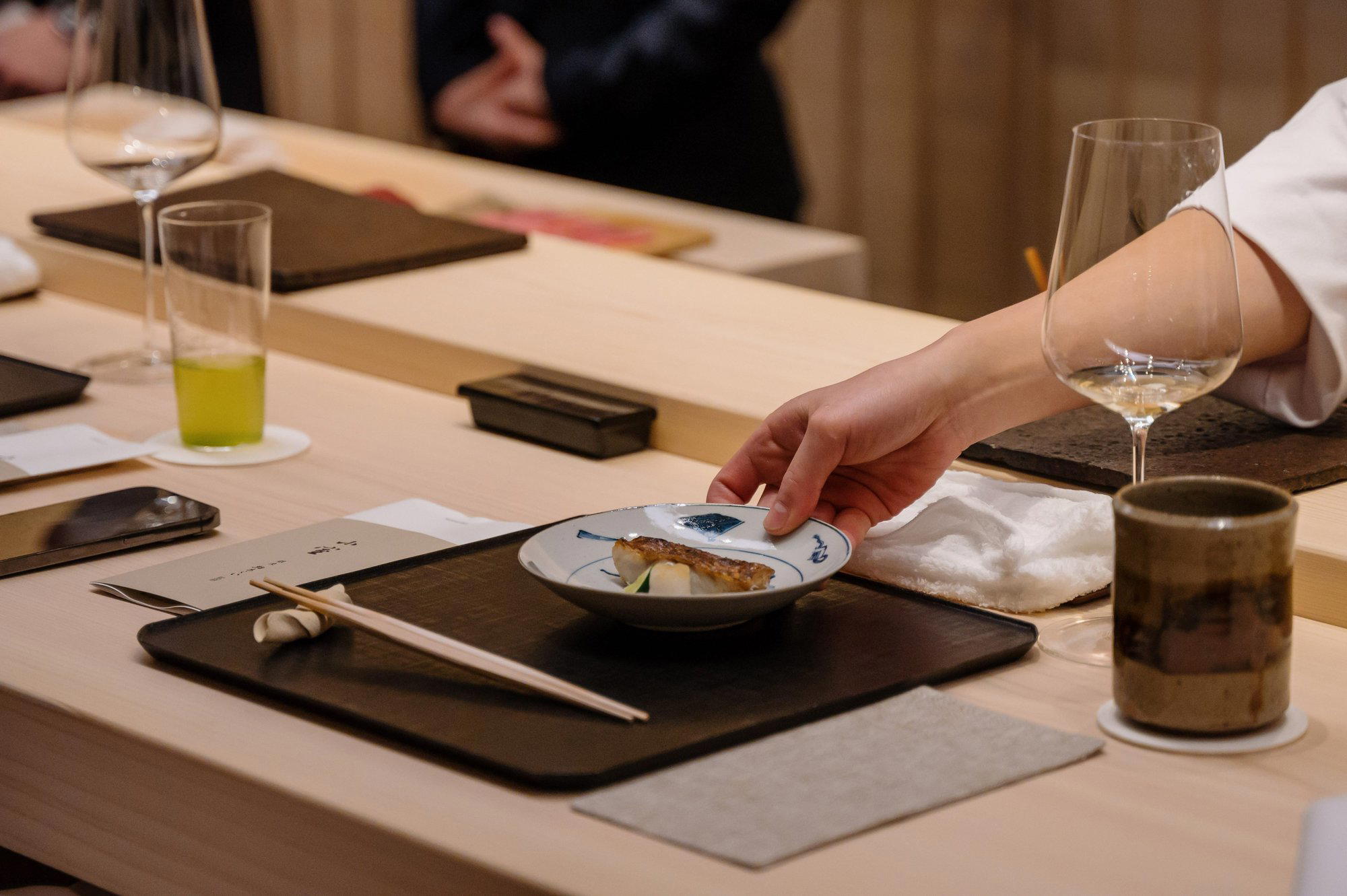
The Counter Format and What It Demands
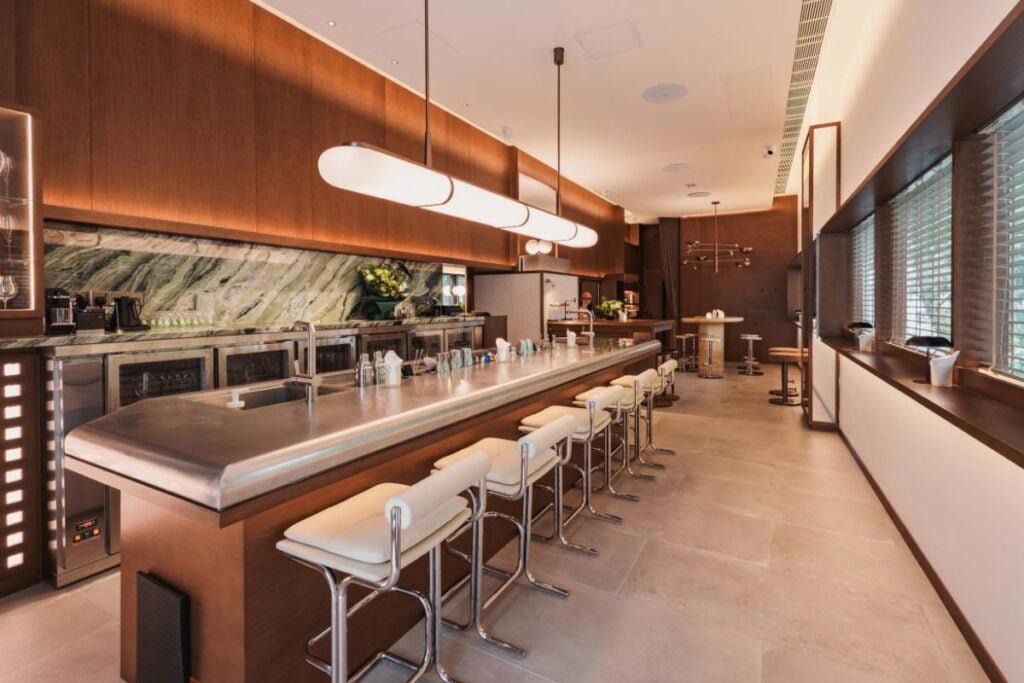
Eight seats. One menu. No alternatives. The omakase format in its most disciplined form places every variable in the kitchen's hands, and Komuro 小室 applies that structure without compromise. The counter sits at the intersection of Baishi 4th Road and Shenwan 2nd Road in Nanshan, a district that has become Shenzhen's most concentrated zone for serious dining. Arriving here feels closer to taking a reserved seat at a private session. The scale of the room, a single row of guests facing the preparation surface, means that every movement behind the counter is visible, and the sourcing decisions that shape each course are performed rather than hidden.
That visibility is part of the contract. Omakase counters of this configuration have proliferated across East Asia over the past decade, but the ones that hold their reputations over time do so because the ingredients justify the format. When a fish is flown in from a Japanese market and served the same evening, the counter setting is the logical vehicle: fewer covers means tighter timing, and tighter timing means less compromise between the fish's peak condition and the moment it reaches the guest. Komuro operates within that logic, and the eight-seat limit is a structural choice, not just an aesthetic one.
Sourcing as the Central Argument
The sourcing question sits at the heart of any omakase evaluation in mainland China. Tokyo-trained sushi chefs operating in cities like Shenzhen face a supply chain that differs materially from what they would manage in Japan. The benchmark counters in cities such as Ginza or Osaka draw on the Toyosu market and regional coastal suppliers who have been cultivated over decades. In mainland China, replicating that supply depth requires direct import relationships, air-freight logistics, and a willingness to limit the menu to what arrived in the leading condition rather than what the format demands in theory.
Counters that take this seriously tend to be identifiable by two signals: they keep seat counts low enough to use whole fish rather than portioned product, and they change the menu composition based on what is available rather than what is advertised. The single-menu structure at Komuro 小室 is consistent with that approach. When there is no à la carte option, the kitchen is accountable for every course, and every course reflects a sourcing decision made that week or that day.
For context on how this compares across the broader South China fine dining scene, the approach contrasts with larger-format Japanese restaurants in the region, where standardisation across more covers requires more predictable supply. The trade-off is real: larger operations can afford deeper relationships with specific farms or fisheries, but they cannot always react as quickly to what is available at peak quality on a given day.
Nanshan and the Geography of Shenzhen Dining
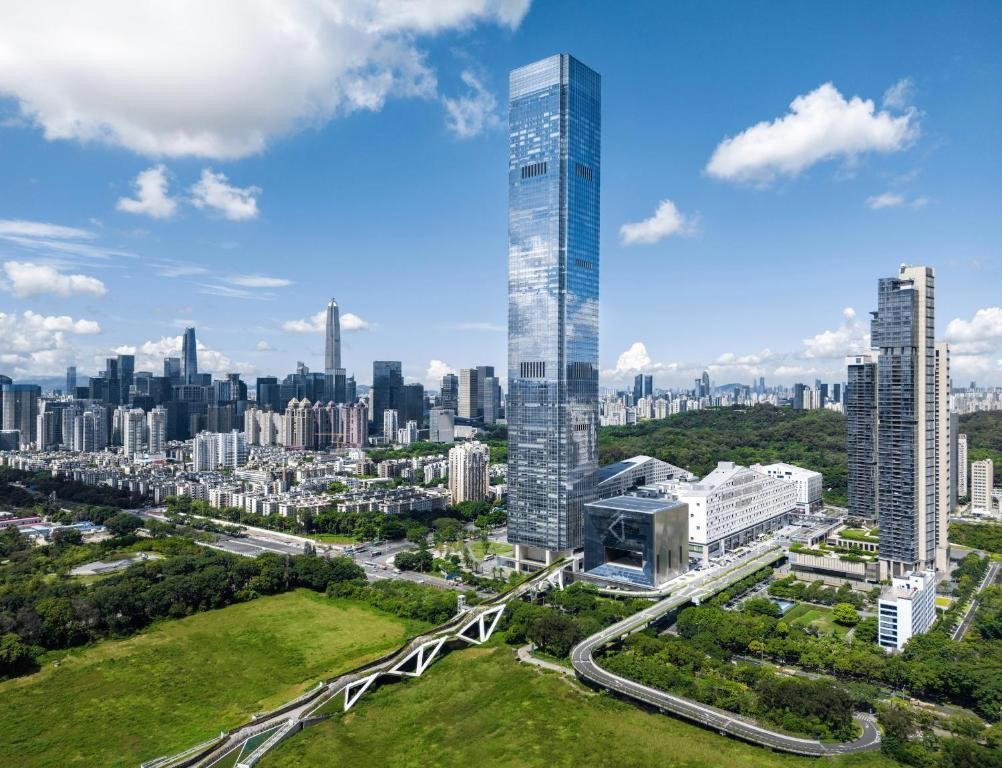
Nanshan District hosts a concentration of Shenzhen's most technically serious restaurants, and that geography matters when placing Komuro in context. Shenzhen's dining scene has developed differently from Beijing or Shanghai: the city's proximity to Hong Kong has historically meant a willingness to pay for Japanese produce quality, and its density of tech-sector professionals has generated a client base comfortable with omakase pricing and format. The result is a city where the upper-tier sushi counter occupies a more established position than it might in a comparably sized inland Chinese city.
For those building a broader Shenzhen itinerary, the contrast between Komuro and the city's other serious kitchens is instructive. Ensue - Hotel (Chinese Contemporary) operates at the high end of Chinese contemporary, while AVANT and Fumée represent different points on the European-influenced spectrum. CHI CHING CHIU CHOI and China Lodge sit within Cantonese and regional Chinese traditions. Komuro occupies none of those categories. It is the city's reference point for Japanese omakase at the counter level, which makes it a different kind of evening rather than simply a different cuisine choice.
Those planning multiple nights should use our full Shenzhen restaurants guide to map the city's dining tiers, and our full Shenzhen hotels guide for accommodation that places you close to Nanshan. Our full Shenzhen bars guide is useful for planning around a counter dinner, where the evening typically ends early enough to continue elsewhere.
Booking, Timing, and What to Expect
Komuro 小室 is among the hardest tables to secure in Shenzhen. The eight-seat configuration means that a fully booked week represents a small number of covers in absolute terms, and demand consistently runs ahead of availability. Reservations typically require advance planning measured in weeks rather than days, and the pattern is consistent with comparable counters in other Chinese cities operating at this format scale.
The practical implication is that Komuro does not work as a same-week addition to a Shenzhen trip. It needs to be the anchor around which the itinerary is built. For comparison, serious omakase counters in Shanghai and Beijing operate on similar booking horizons. 102 House in Shanghai and Xin Rong Ji (Xinyuan South Road) in Beijing both require forward planning at a similar level. Across the broader Greater China fine dining circuit, Macau entries like Chef Tam's Seasons and regional destinations such as Ru Yuan in Hangzhou and Xin Rong Ji in Chengdu follow comparable booking patterns for their respective formats.
The counter format means the session runs at the kitchen's pace. There is no option to accelerate or slow down the progression of courses, and the seating is communal in the sense that all eight guests move through the menu simultaneously. This is not a format suited to business conversation or late arrivals. It rewards attention to what is being prepared and served.
For those extending their dining reference points internationally, the format discipline at Komuro has parallels at technical European seafood counters: Le Bernardin in New York City operates with comparable seriousness around sourcing and fish handling, albeit in a different cultural register. Emeril's in New Orleans and Imperial Treasure Fine Chinese Cuisine in Guangzhou sit in adjacent categories for those building a regional or international dining framework.
Komuro is located at the intersection of Baishi 4th Road and Shenwan 2nd Road, Nanshan District, placing it within reach of the district's main dining and hotel corridor.
Comparable Venues
Comparable venues nearby, for context on price, style, and recognition.
| Venue | Cuisine | Price | Notes |
|---|---|---|---|
| Komuro 小室This venue — the venue you are viewing | Edomae-style Sushi Omakase | $$$$ | Not listed |
| Mitorikura 三酉藏 | Japanese Izakaya with Robatayaki and Taiwanese Snacks | $$$$ | OCT Park |
| Sei ku | Refined Japanese Omakase | $$$$ | Shenzhen Bay |
| China Lodge | High-end Cantonese | $$$$ | Luohu District |
| SUSHI SHIZUKA (SHENZHEN) | High-end Japanese Omakase Sushi | $$$$ | Bao'an District |
| Sansheng AFFINITÉ | Modern French Fine Dining | $$$$ | / 海上世界 / Shekou |
Recognition history
Dated appearances from independent guides and award organizations, with the underlying list record or original source where available.
Star Wine List
Star Wine List
Continue exploring
More in Shenzhen
Restaurants in Shenzhen
Browse all →
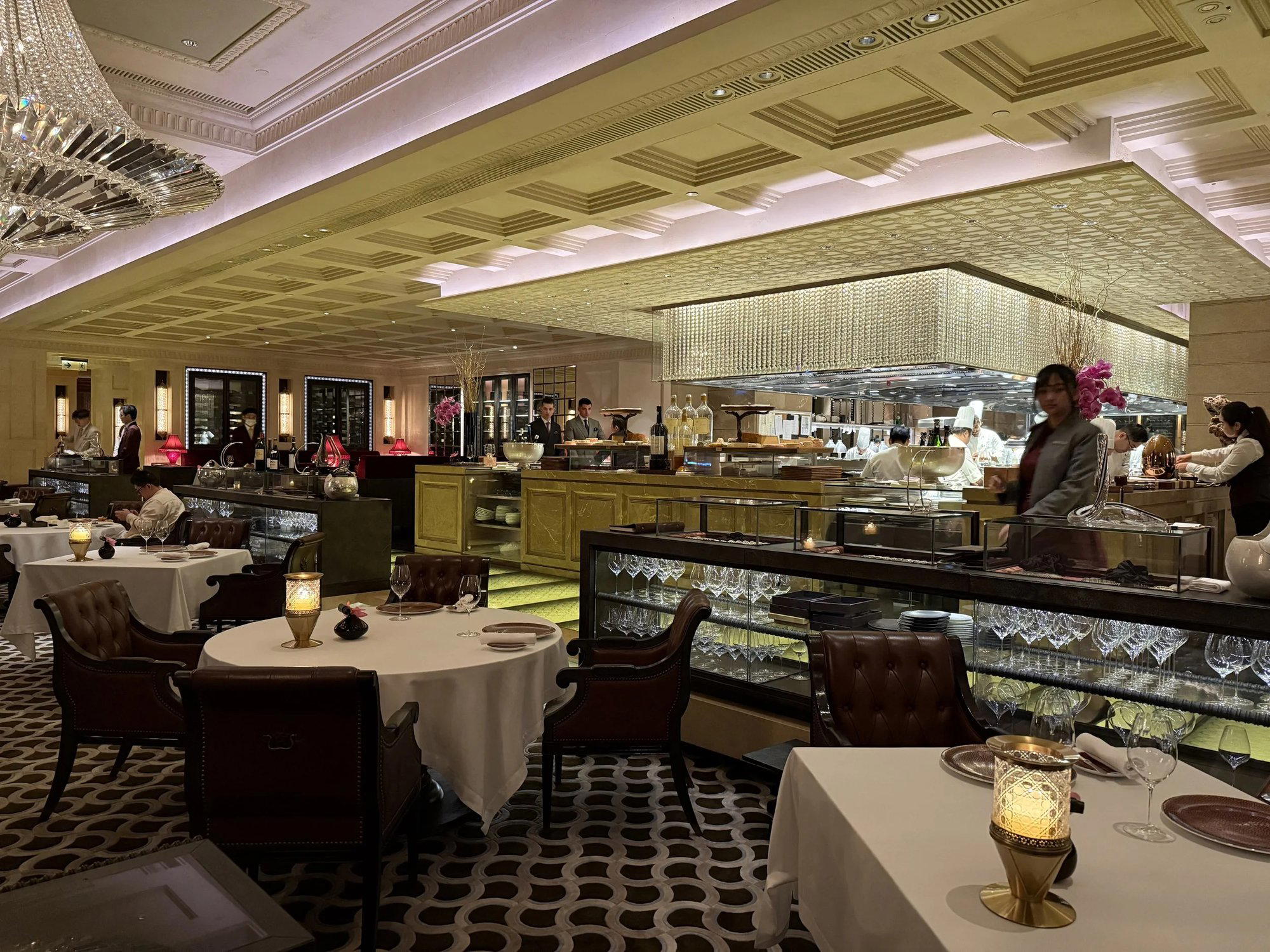
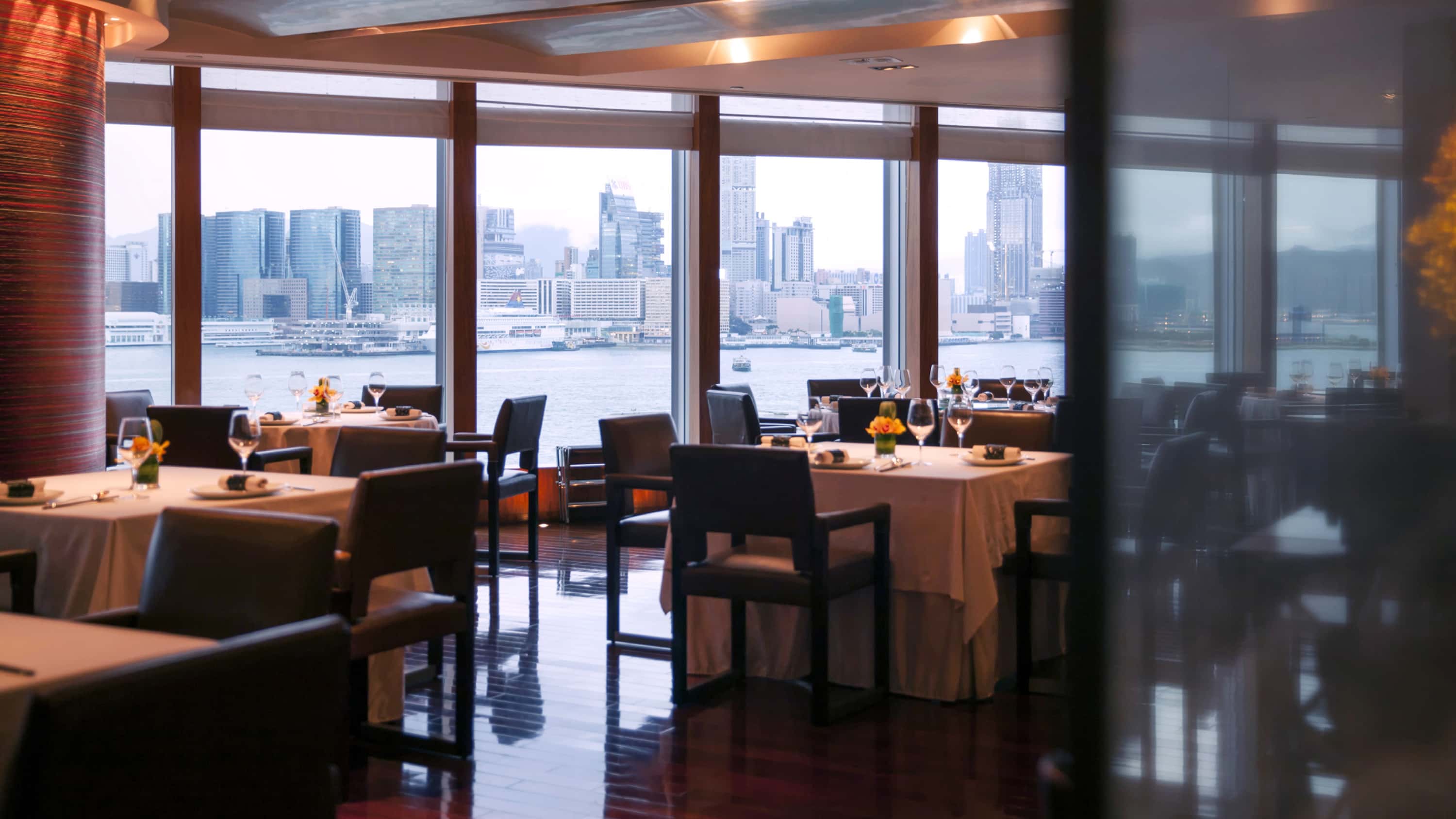
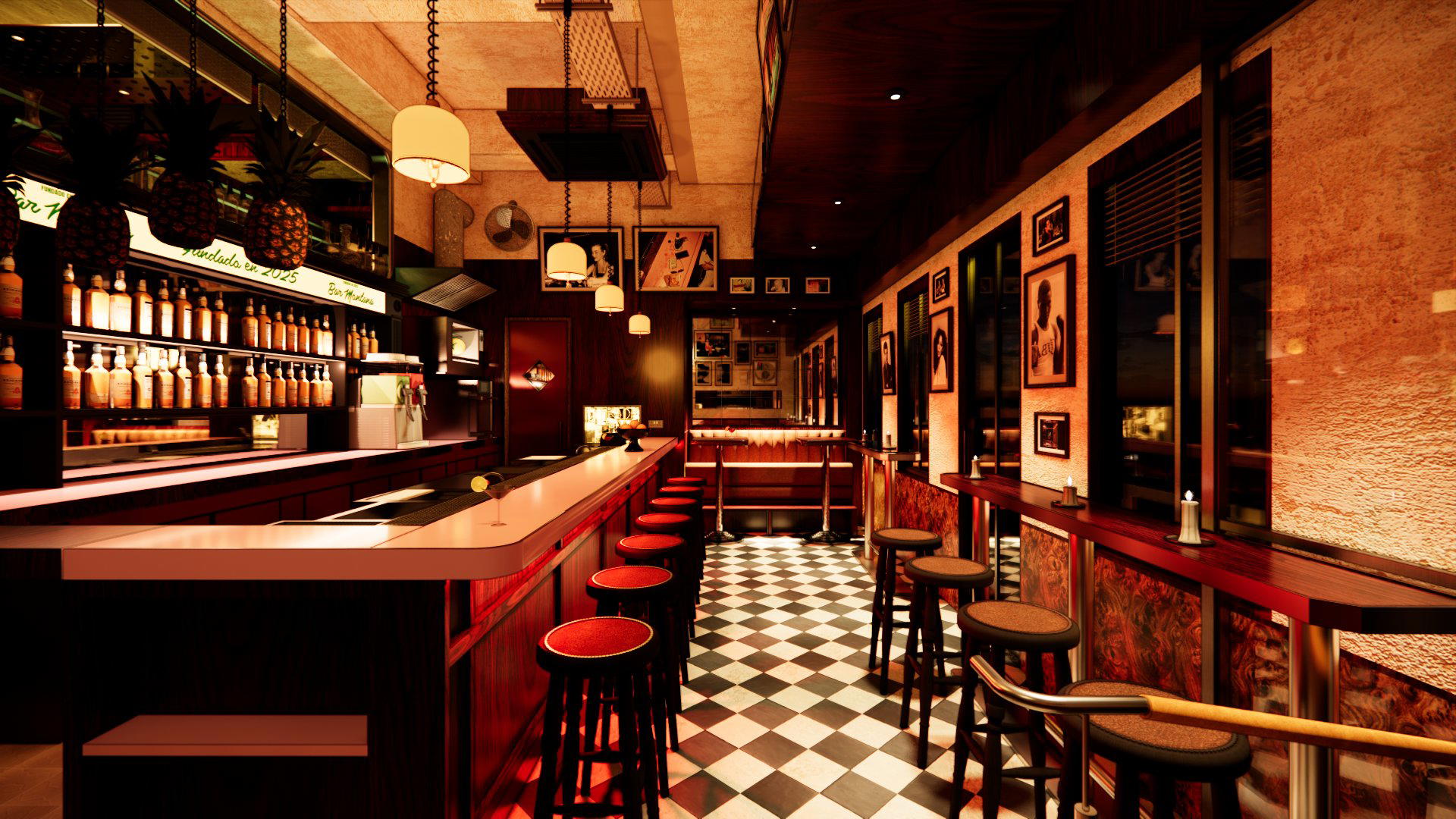
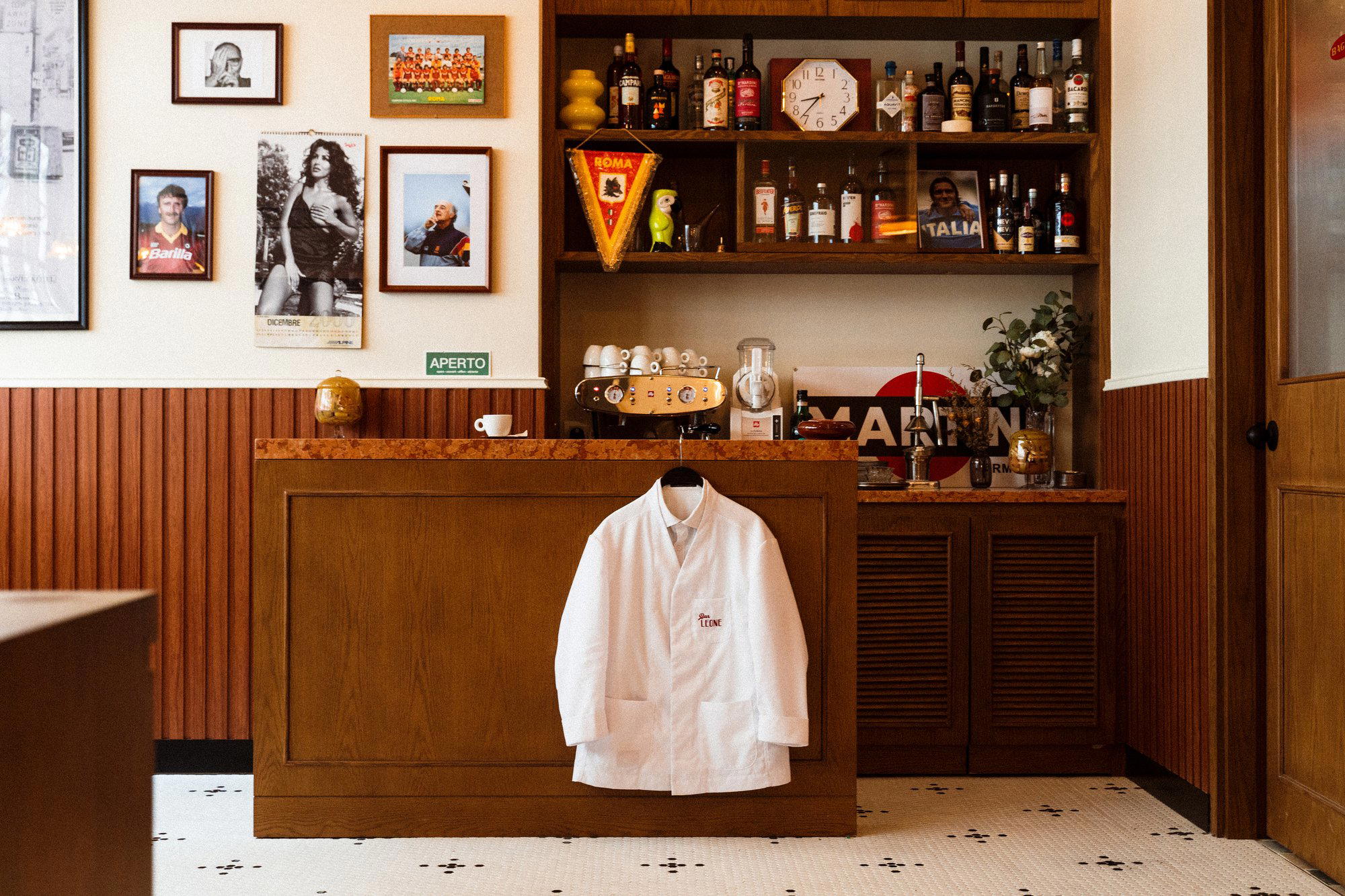
At a Glance
- Intimate
- Elegant
- Sophisticated
- Date Night
- Special Occasion
- Chefs Counter
- Open Kitchen
- Extensive Wine List
Small, intimate dining destination with an open kitchen where diners watch the expert chef prepare sushi.