

Michelin Plate · Macarfi 8 Food Rating
Our verdict
Koiné sits on Calle Bazán in central Alicante, holding a Michelin Plate for 2024 and 2025 with a menu rooted in the agrarian and coastal traditions of the wider Mediterranean basin. R&D experience within the Dani García Group gives the kitchen a technical grounding that sits beneath produce-led cooking with clear Andalusian influences. At the €€ price point, it occupies a practical middle tier in Alicante's dining scene.

Pearl is the En Primeur Club membership app, where members save venues, book tables and use the concierge.
The menu
What to order
- Iberian pork with koji and Payoyo cheese
- Sea bass with yuzu beurre blanc
- Crispy pork ear
- Tuna tartare
- Corvina with manteca colorá
Where the Mediterranean Table Begins
There is a particular discipline to Mediterranean cooking when it takes its own history seriously. The cuisine did not begin with fine-dining plating conventions or modernist foams; it began with whatever grew on terraced hillsides, dried in coastal air, or came up in a net at first light. Restaurants across the Mediterranean arc, from the Valencian coast through Andalucia and across to the islands, regularly invoke this heritage while quietly abandoning it in practice. Koiné, on Calle Bazán in central Alicante, builds its identity around the argument that the original culinary vocabulary of this coastline is worth recovering and applying with contemporary precision.
The name frames the intent directly. Koiné refers to the common Greek dialect that spread across the ancient Mediterranean world as a shared lingua franca, a language capable of bridging distinct regional traditions. Applied to a restaurant, it is an editorial position: this kitchen is not chasing trend cycles, it is returning to a shared culinary root and working outward from there. The Andalusian influence on the menu is not incidental, it reflects the chef's direct professional formation inside the R&D; department of the Dani García Group, a lineage that carries serious technical weight in the Spanish dining conversation.
Agrarian Roots, Technical Execution
The farm-to-table tendency in Mediterranean cooking is older than the phrase itself. What distinguishes a kitchen that genuinely observes it from one that merely claims it is the relationship between technique and ingredient: when the produce has enough character on its own, the technical work exists to clarify rather than complicate. R&D; experience within a group like Dani García's teaches restraint through experimentation, the discipline of knowing which interventions add and which ones obscure.
At Alicante's mid-market price tier, where Koiné sits with a €€ positioning, that balance matters commercially as well as gastronomically. The kitchen cannot rely on imported luxury ingredients to justify a menu; it has to draw quality from the regional larder. The Valencian interior and the Costa Blanca coastline both provide strong raw material: rice grown in the Albufera wetlands, saffron from the La Mancha corridor, citrus from the province's own orchards, and the day-catch culture of the Mediterranean fishing ports. A menu grounded in Andalusian and broader Mediterranean tradition has access to all of it.
This contextualises Koiné's Michelin Plate recognition in 2024 and 2025 accurately. The Plate is not a star, but it represents consistent kitchen quality acknowledged by the Guide's inspectors across two consecutive cycles. In a city where Michelin star-rated dining sits at the higher end of the market (see Baeza & Rufete at €€€€), the Plate designation at €€ signals a kitchen operating above its price bracket's typical ambition.
Alicante's Mid-Table Dining Context
Alicante's restaurant scene has historically organised itself around a few clear categories: the rice-specialist houses that lean on Valencian tradition (El Portal Alicante representing the more formal end), the tapas and gastrobar circuit that populates the old town, and a thin tier of contemporary-leaning restaurants that apply more considered kitchen thinking to local ingredients. Koiné sits in that third category, alongside places like Alba, Celeste y Don Carlos, and Distrikt41, all of which approach the city's produce with a more editorial sensibility than the traditional taberna model.
What separates Koiné within that cohort is the explicit intellectual framework. Anchoring the menu to Mediterranean culinary origins, rather than to a personal chef narrative or a passing trend, gives the kitchen a stable reference point. The Andalusian inflection adds a southern Spanish dimension that is relatively rare in an Alicante context, where the culinary conversation defaults to Valencian rice culture and local seafood. It is the same kind of cross-regional thinking that distinguishes the broader Spanish fine-dining conversation at houses like El Celler de Can Roca or Cocina Hermanos Torres, applied here at a more accessible price point and with a specifically Mediterranean-agrarian lens.
The Mediterranean Michelin Plate tier, restaurants that demonstrate consistent quality without reaching starred ambition, has grown meaningfully across the Spanish coast in recent years. Comparable approaches to regional produce-led cooking appear in very different geographic contexts, from La Brezza in Ascona to Arnaud Donckele & Maxime Frédéric in Saint-Tropez. The common thread is a kitchen that treats the Mediterranean larder as a serious culinary argument rather than a convenient marketing claim.
Planning a Visit
Koiné is located at Calle Bazán 45 in the 03001 postal district of central Alicante, placing it within walking distance of the old town and the port area. The €€ price point means the full experience sits within reach of most travel budgets without requiring the advance planning associated with tasting-menu-only restaurants at higher price tiers. For a broader view of where Koiné sits in the city's dining offer, the full Alacant restaurants guide covers the range from tapas bars to starred tables. Further planning resources include the Alacant hotels guide, the Alacant bars guide, the Alacant wineries guide, and the Alacant experiences guide.
Frequently asked questions
What does dinner at Koiné typically cost?
Pricing at Koiné is listed as €€.
Can I walk in to Koiné?
Koiné sits at the €€ price point and has earned the Michelin Plate in both 2024 and 2025, which puts it in a tier where weekday lunches may have more flexibility than weekend evenings. Booking ahead is the safer approach, particularly on Friday and Saturday nights. The address is Calle Bazán 45, central Alicante, within the 03001 district.
Cost Snapshot
| Venue | Cuisine | Price | Awards | Notes |
|---|---|---|---|---|
| KoinéThis venue (the venue you are viewing) | Mediterranean-Andalusian Fusion Bistro | $50–100 | Michelin Plate · Macarfi 8 Food Rating | Not listed |
| Baeza & Rufete | Modern Mediterranean Fine Dining | $100–150 | 1 Michelin Star · Macarfi 7 Food Rating | Modern Cuisine |
| El Portal Taberna & Wines | Modern Spanish Tapas & Gourmet Gastro-Bar | $50–100 | Michelin Plate · Guía Repsol 1 Sol | Not listed |
| La Taberna del Gourmet | Modern Spanish Tapas | $50–100 | Michelin Plate · Guía Repsol 1 Sol | Not listed |
| Nou Manolín | Modern Valencian Seafood | $50–100 | Michelin Plate · Macarfi 8.5 Food Rating | Not listed |
| Piripi | Traditional Spanish Seafood Tapas | $50–100 | Michelin Plate · Guía Repsol 1 Sol | Not listed |
Recognition history
Dated appearances from independent guides and award organizations, with the underlying list record or original source where available.
Michelin Plate
Michelin
Macarfi 8 Food Rating
Macarfi
Full recognition history (4 entries)
Michelin Plate
Michelin
Michelin Plate
Michelin
Continue exploring
More in Alicante
Restaurants in Alicante
All restaurants in Alicante →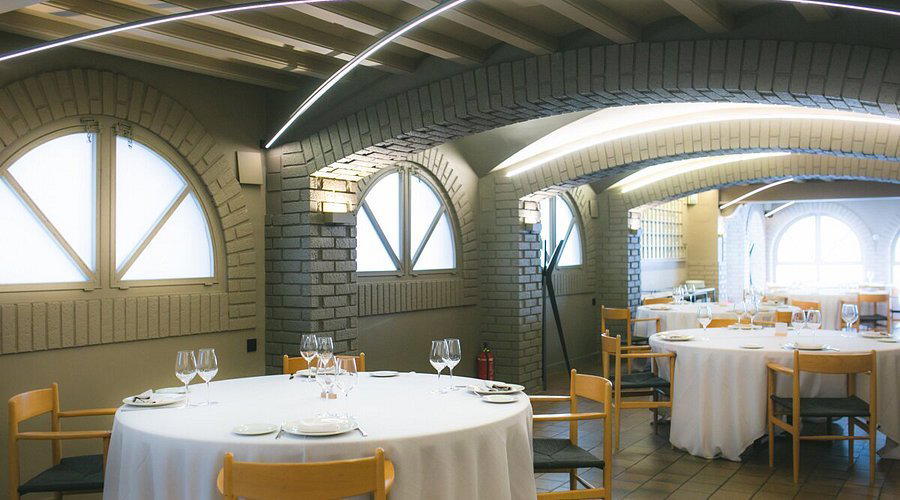
Bars in Alicante
All bars in Alicante →
Hotels in Alicante
All hotels in Alicante →

Details
- Romantic
- Elegant
- Trendy
- Cozy
- Sophisticated
- Date Night
- Special Occasion
- Celebration
- Standalone
- Open Kitchen
- Sommelier Led
- Local Sourcing
- A La Carte
- Small Plates
- Tasting Menu
- Wine Pairings
- Spanish Wines
- Vegetarian Friendly
Current opening hours
- Monday
- Closed
- Tuesday
- Closed
- Wednesday
- 1:30–5 PM, 8 PM–12 AM
- Thursday
- 1:30–5 PM, 8 PM–12 AM
- Friday
- 1:30–5 PM, 8 PM–12 AM
- Saturday
- 1:30–5 PM, 8 PM–12 AM
- Sunday
- 1:30–5 PM
Hours can change for holidays and private events. Hours as of .
Rustic and homey with earthy tones, natural elements like dried flowers, wooden shelving, and stone walls creating an authentic, comfortable setting that feels both refined and inviting.